
Tokyo can feel like a lot.
This private day tour is built to help you get your bearings fast without the usual chaos. I like that it mixes high-impact landmarks—Meiji Shrine to Shibuya Crossing—with time for local street-food reality. I also like the comfort factor: air-conditioned van, no scrambling for transit, and an English-speaking guide who can translate what you’re seeing.
The one thing to consider is that guide quality and pacing can swing. The tour is designed as a full day, but I’ve seen cases where the guide was late, English was hard to follow, or stops didn’t happen as planned—so it’s worth checking expectations before you set out.
In This Review
- Key Things That Make This Private Tokyo Tour Work
- Why This Private Tokyo Essentials Day Beats DIY
- Pickup, Transport, and the 9-Hour Rhythm
- Meiji Shrine: A Calm First Hour That Resets Your Brain
- Sensō-ji Temple: Old Tokyo Energy Without the Stress
- Tokyo Skytree Town: Skyline Time and Photo Planning
- Tsukiji Outer Market Lunch: Street Food With a Real Time Window
- Tokyo Imperial Palace: Formal Grounds Without the Overwhelm
- Takeshita Street: Harajuku Energy, Managed
- Shibuya Crossing: The Main Stage Moment
- Tokyo Tower: Iconic Skyline Photos (With the Time You Need)
- Price and Value: What $613 Per Group Really Means
- Guide Quality Can Make or Break the Day
- Who This Tour Fits Best
- Should You Book This Private Tokyo Tour?
- FAQ
- How long is the Tokyo private city tour?
- Is hotel pickup included?
- What attractions are included in the main itinerary?
- Are admission fees included?
- What language is the guide?
- Is it wheelchair accessible?
- What should I bring and what’s not allowed?
- What is the cancellation policy?
Key Things That Make This Private Tokyo Tour Work
- Hotel pickup + central meeting options: you start the day without hunting around Tokyo stations
- A/C van for a 9-hour day: nice when summer heat or winter cold makes walking less fun
- Iconic sites in one loop: Meiji Shrine, Sensō-ji, Shibuya, and Tokyo Tower in a sensible order
- Tsukiji Outer Market time: you get an actual meal window, not just a photo stop
- Customizable route in practice: the guide can adjust around your preferences when possible
- Wheelchair accessible: transport is set up for easier mobility compared with DIY touring
More days made easy by a guide
- Tokyo 6hr Private Tour with Government-Licensed Guide★ 5.0 · 3,902 reviews
- Tokyo: Shinjuku Local Bar and Izakaya Guided Walking Tour★ 4.9 · 1,794 reviews
- Tokyo: Private City Highlights Tour with Local Guide★ 4.8 · 1,433 reviews
Why This Private Tokyo Essentials Day Beats DIY
If it’s your first time in Tokyo, you’ll quickly learn the city rewards planning. But you also don’t want your whole trip to feel like homework. This tour is a compromise that works: you still get to see Tokyo’s biggest hits, but you’re not spending your day figuring out trains, transfers, or where to start.
The private format matters. With a small group (up to five), you’re not fighting for time at famous corners. Your guide can steer you through the right entrances, help you read what you’re looking at, and answer basic questions that slow solo travel down.
And there’s another practical perk: admissions to the featured attractions are included. That means fewer tickets to manage mid-day, especially if you’re juggling weather, timing, or hungry energy.
Pickup, Transport, and the 9-Hour Rhythm
You meet your driver at the lobby of your hotel, then switch into a comfortable, air-conditioned van. There’s a short transfer period before the first stop (listed as about 15 minutes for the van ride), and from there the day runs on a clear cadence: roughly one hour per major location, plus a lunch window.
That schedule is the whole point. Tokyo can be fast and intense. This itinerary gives you structure so your day doesn’t turn into a blur of walking, backtracking, and “wait, where were we?”
You’ll also want to know the rules. No large luggage (so keep it light), no smoking in the vehicle, and no alcohol or drugs. If you’re bringing essentials like a credit card or cash for personal purchases, you’ll be set.
Meiji Shrine: A Calm First Hour That Resets Your Brain
Meiji Shrine is a strong opener because it gives you an immediate change of pace. You go from Tokyo’s motion into something quieter and more formal—an easy way to start the day with respect instead of rushing.
What you’ll likely enjoy here is the atmosphere. The guide can help you understand what you’re seeing as you move through the grounds, so you’re not just collecting photos. This stop is scheduled for about an hour, which is enough time to wander without feeling trapped in a checklist.
Tip for your timing: wear comfortable shoes. You don’t need hiking boots, but you will be on your feet.
Sensō-ji Temple: Old Tokyo Energy Without the Stress
Next up is Sensō-ji Temple, one of the city’s most famous religious sites. This stop is also about an hour, and it hits a sweet spot: it’s long enough to feel the place, but short enough that you’re not stuck there while the day gets away.
If you enjoy street scenes and people-watching, this is where Tokyo starts to feel real. You’ll see the mix of tradition and everyday life close up—something that’s hard to appreciate when you rush between landmarks.
A good guide makes a difference here, too. When the English is clear (and the guide is attentive), you’ll get more from the visit than just the main halls and gates.
Bigger sweeps: other Tokyo city tours


Tokyo Skytree Town: Skyline Time and Photo Planning
After the temple energy, you shift to a more modern Tokyo view angle at Tokyo Skytree Town. This stop is scheduled for about an hour, and it’s built for the “see the city from above” moment.
If you’re thinking in practical terms, Skytree is a smart choice because it gives you a skyline reference point for the rest of your photos that day. Even if you don’t plan to linger long inside, you’ll come away with a clearer sense of Tokyo’s scale.
One thing I’d keep in mind: a full-day itinerary means timing matters. If you prefer your photos to be slow and unhurried, you might ask your guide early if you can spend a bit more time on viewpoints—since the schedule is otherwise tight.
Tsukiji Outer Market Lunch: Street Food With a Real Time Window
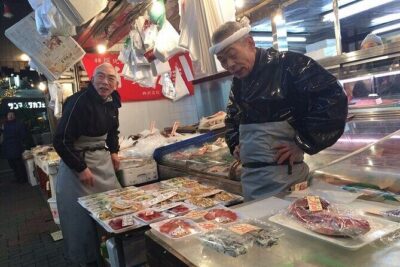
This is where the tour can feel most like local Tokyo. Tsukiji Outer Market is scheduled for about an hour, including lunch time.
Here’s the thing about market meals: one hour can be plenty if you’re decisive, and stressful if you want to compare everything. The best approach is to decide what you want before you get pulled into too many stalls—something your guide can help with, especially if you have dietary questions.
In at least one case where the day didn’t go as expected, lunch at the fish market turned into a quick grab elsewhere. That’s a reminder to ask your guide what the lunch plan looks like early in the morning, so the market lunch stays intact for you.
What to expect: a street-food style environment. Bring cash if possible, expect crowds to ebb and flow, and don’t assume you’ll have time for a long sit-down meal.
Tokyo Imperial Palace: Formal Grounds Without the Overwhelm
The Tokyo Imperial Palace visit is listed for about an hour. This stop can be surprisingly calming after markets and temples. It also helps you understand Tokyo’s “serious” side—the kind of place where space, order, and ceremony are part of the experience.
If you like sites that feel more ordered and less chaotic, this is a good midday anchor. It’s not just about a single photo moment. The guide can point out what’s relevant so you don’t miss the meaning of the grounds.
Takeshita Street: Harajuku Energy, Managed
Then you go to Takeshita Street, scheduled for about an hour. This is where Tokyo gets louder, trendier, and more youth-driven. Expect shops, snack stops, and fast-moving crowds near the main stretch.
The value of having a guide here is simple: they can help you decide where to walk, what to skip if lines are long, and how to avoid wasting time. If your shopping interests are bigger than your walking stamina, a private format keeps things from getting messy.
This is also a stop where your mood matters. If you love the energy, you’ll have fun. If you’re not into busy shopping streets, you can treat this hour as a look-and-breathe stop and focus on photos and one or two things you actually want.
Shibuya Crossing: The Main Stage Moment
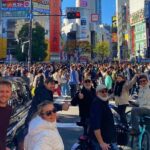
Next comes Shibuya Crossing, again scheduled for about an hour. Even if you’ve seen it on screens your whole life, there’s a difference between watching and standing in the middle of it.
You’ll feel the choreography of the crossing—how crowds move at once, and how it all works. A good guide helps you time your crossing and photos so you’re not stuck waiting unnecessarily.
If you’re short on time in Tokyo, Shibuya is a must. It’s one of the most recognizable places on earth, and this itinerary makes sure you experience it as a real moment instead of an afterthought.
Tokyo Tower: Iconic Skyline Photos (With the Time You Need)
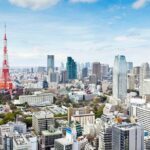
Finally, there’s a Tokyo Tower photo stop plus about an hour of visit time.
This is a strong closer. Your day has already covered modern Tokyo angles with Skytree, and now you get a second landmark perspective that looks different in style and skyline character. Even if you’re not staying long, the photo opportunity is worth it.
One caution from experience patterns: in at least one case, the Tokyo Tower stop didn’t happen as expected because the guide wasn’t aware of an altered plan. If Tokyo Tower is one of your top priorities, ask your guide early that you want to keep it in the itinerary.
Price and Value: What $613 Per Group Really Means
The price is $613 per group (up to five people) for a full day of private touring over about nine hours, including hotel pickup, an English-speaking guide, air-conditioned transportation, and admission to featured attractions.
Here’s how I think about value:
- If you’re traveling as a pair, you’re paying for convenience and translation more than “attraction tickets.”
- If you’re traveling with friends or family (up to five), the cost spreads out and the private format starts looking more affordable.
- The included admissions save you time and hassle, especially for a busy day with multiple stops.
Compared to buying individual tickets and trying to coordinate everything yourself, this is mostly a labor-saver. You’re buying a plan, transport, and on-the-ground guidance.
If you’re the type who likes to wander for hours with no schedule, you might find the structured day limiting. But if you want to check off key Tokyo experiences with less friction, this is a solid use of your time.
Guide Quality Can Make or Break the Day
The tour promises an English-speaking local guide, and the best days depend on that person’s timing and communication style.
In positive experiences, guides like MJ and Kaif were described as helpful and flexible, including waiting for lunch or shopping when needed. Another traveler praised Sam for being courteous and knowledgeable, with drivers that had excellent English skills and polite, helpful service.
Now, here’s the honest counterpoint: there have also been problem days, where a guide arrived late, spoke English in a way that was hard to understand, and didn’t seem deeply oriented to the local area. In those weaker scenarios, some stops were skipped and lunch didn’t match expectations. People also noted the guide being distracted at times.
So how do you protect yourself?
- Ask your guide at pickup to confirm the order of stops and your must-sees.
- If you have dietary restrictions, say them early in the day (the tour notes flexibility based on requests).
- If you’re sensitive to timing, set expectations that you want the full set of scheduled highlights.
A private tour is only as good as the person driving it. When the guide is on top of things, this day feels smooth. When not, you’ll notice fast.
Who This Tour Fits Best
This tour is a good match if:
- You’re in Tokyo for a short window and want a reliable one-day hits loop
- You want street food and classic landmarks without planning every move
- You’d rather spend time sightseeing than sorting trains and station exits
- You value comfort (A/C van) for a long day
It might not be ideal if:
- You want lots of free time to wander on your own
- You’re very picky about lunch type and want lots of choice
- You’re hoping for deep, slow exploration of each site without a schedule
Should You Book This Private Tokyo Tour?
I’d book it if your goal is simple: see the essentials, eat real street food, and reduce the stress of organizing Tokyo in a single day. The structure is strong, the transport is comfortable, and the itinerary covers both iconic landmarks and experiences that feel local.
But I would also be selective. If Tokyo Tower, Skytree views, or Tsukiji lunch are top priorities, confirm those early and make sure your guide understands what matters to you. With the right guide, this is an efficient, enjoyable day. With a mismatched or distracted guide, the schedule can feel less meaningful—so a quick check at pickup is your best move.
FAQ
How long is the Tokyo private city tour?
It lasts 9 hours.
Is hotel pickup included?
Yes. The driver picks you up from the lobby of your hotel (or central Tokyo meeting points, depending on the pickup arrangement).
What attractions are included in the main itinerary?
The tour includes stops at Meiji Shrine, Sensō-ji Temple, Tokyo Skytree Town, Tsukiji Outer Market (with lunch time), Tokyo Imperial Palace, Takeshita Street, Shibuya Crossing, and Tokyo Tower.
Are admission fees included?
Yes, admission to all featured attractions and landmarks is included in the main itinerary.
What language is the guide?
The guide/driver language options are English and Hindi.
Is it wheelchair accessible?
Yes, it’s listed as wheelchair accessible.
What should I bring and what’s not allowed?
Bring comfortable shoes and an ID (passport or copy accepted), and have cash and a credit card ready. Large luggage is not allowed, smoking in the vehicle is not allowed, and alcohol or drugs are prohibited in the vehicle.
What is the cancellation policy?
Free cancellation is available up to 24 hours in advance for a full refund.
Easier with a Guide

More Tours in Tokyo




More Tour Reviews in Tokyo




Fresh reviews from around Tokyo






City Tours, compared.
 ★ 4.8Private City Highlights Tour with Local GuideFrom $1061,433 reviews
3-Hour Bike or E-Bike City Highlights TourFrom $45435 reviews
★ 4.8Private City Highlights Tour with Local GuideFrom $1061,433 reviews
3-Hour Bike or E-Bike City Highlights TourFrom $45435 reviews
 ★ 4.8Sumo Morning Practice Tour at Sumida CityFrom $116308 reviews
 ★ 4.5Private Haneda Airport (HND) to Central Tokyo City TransferFrom $119260 reviews
 ★ 5.03-Hour Bike/E-Bike Tour of the City’s HighlightsFrom $63209 reviews
 ★ 5.0Small Town in the Big City: Tasting Tokyo’s KichijojiFrom $195195 reviews
 ★ 4.5Private departure transfer from Tokyo city to Tokyo Haneda Airport(HND)From $118123 reviews
Kamakura Walking Tour – The City of ShogunFrom $35100 reviews
★ 4.5Private departure transfer from Tokyo city to Tokyo Haneda Airport(HND)From $118123 reviews
Kamakura Walking Tour – The City of ShogunFrom $35100 reviews
Browse the lists this tour appears in