
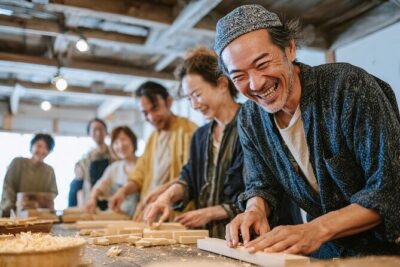
Carving chopsticks in Tokyo is unexpectedly soothing. In this Shinjuku workshop, you pick your wood, shape it by hand, and finish it with sanding and natural oil, then (optionally) add your name. You also get an English-speaking guide who keeps the process smooth, even if your woodworking skills are basically none.
Two things I really like are choosing the wood (color and grain actually matter here) and the feel of carving something that warms up in your hands as you work. A lot of instructors keep it interactive too, and I’ve seen names like Masa, Koji, Lucy, and Mimi show up as patient, step-by-step helpers.
One thing to consider: the venue can be a little tricky to find inside the building complex, so I’d give myself a few extra minutes at the start.
In This Review
- Key highlights you’ll feel right away
- Chopstick-Making in Shinjuku: A practical craft stop that feels very Japanese
- Price and value: $6 for a real handmade souvenir
- Getting to Shinjuku West Square Building 10F without stress
- Step-by-step: what happens during the one-hour workshop
- 1) Choose your wood like you’re picking a personality
- 2) Shape the chopsticks with a hand plane
- 3) Smooth and refine with sandpaper
- 4) Apply natural oil for protection and shine
- 5) Optional engraving: make it truly yours
- The staff makes the difference: English help that actually helps
- What it’s like with other people (and why that can be a plus)
- When this workshop fits best in your Tokyo schedule
- Practical tips to get the best results
- Who should book this chopstick-making workshop
- Should you book it
- FAQ
- How long is the chopstick-making workshop?
- Where is the meeting point in Tokyo?
- How much does it cost?
- Is it beginner-friendly?
- Is there an English-speaking instructor?
- What’s included in the price?
- What is not included?
- Can I engrave my chopsticks?
- Is the workshop wheelchair accessible?
- Are there options for payment and cancellation?
Key highlights you’ll feel right away
- Pick your wood from different types, each with its own look
- Hand carving with guided support, designed for beginners
- Sanding and natural oil finish for comfort and a polished feel
- Name engraving in English or Japanese for a personal souvenir
- English-speaking staff who stay close to help you through each step
More things to make with your own hands
- Sushi Making Tokyo Roll and Authentic Japanese Sushi Class★ 5.0 · 3,971 reviews
- Tokyo Shinjuku Chopsticks Making Class★ 5.0 · 1,763 reviews
- Chopstick Making Workshop in Ginza★ 4.8 · 1,366 reviews
Chopstick-Making in Shinjuku: A practical craft stop that feels very Japanese
If you want a Tokyo souvenir that isn’t just a keychain, this workshop is a smart pick. You sit down with a piece of wood, shape it into chopsticks with simple tools, and leave with something you made yourself. That last part matters. A handmade pair of chopsticks is useful at home, but it also carries the story of the process: choosing the wood, carving the taper, and smoothing the edges so they’re pleasant to hold.
The vibe is also pleasantly low-pressure. It’s beginner-friendly, and the staff guide you through the steps instead of tossing you into a “good luck” situation. In workshops like this, that difference is huge. If you’re on a tight schedule in Tokyo, one hour that actually works for you is a win.
And yes, you’ll likely talk with your instructor. English-speaking staff are assigned during the workshop, and many groups end up chatting while they carve. Names that come up include Masa, Koji, Lucy, Mimi, and Fu, with people praising how patient and helpful they were.
Price and value: $6 for a real handmade souvenir
At $6 per person for a full one-hour session, the value is hard to beat. You’re paying for more than a craft. You’re paying for equipment, instruction, a prepared workshop setup, and the materials you get to take home (your finished chopsticks plus the finishing oil).
Even better, the activity doesn’t require you to know anything ahead of time. You choose your wood and length on site, then the workshop walks you through carving, sanding, and oiling. That’s what makes this a great “do it today” option instead of a “maybe someday” memory.
One nuance: while the workshop includes a wood selection, some people mention that certain wood options can cost extra. If you’re tempted by a specific wood look—like the purple wood one person highlighted—plan for that possibility. It doesn’t change the fact that the baseline experience is excellent value.
Getting to Shinjuku West Square Building 10F without stress
Your meeting point is Shinjuku West Square Building 10F (35.6959774, 139.6984349). Shinjuku is great but can be chaotic, so don’t treat this like a “show up whenever” activity.
Here’s what I recommend:
- Arrive a few minutes early so you can locate the entrance and settle in before the class starts.
- If you’re unsure about the building layout, use your phone map and double-check you’re at the 10F level.
- If you’re with a group, set one person to lead and keep everyone together—inside buildings, navigation gets slower than you expect.
Also, the workshop is wheelchair accessible, which is a big plus if you’re planning Tokyo days with mobility in mind.
Step-by-step: what happens during the one-hour workshop
The whole session is about one hour, and it’s structured so you always know what to do next. The pacing is part of the magic. You don’t spend the whole time listening; you spend the time shaping.





1) Choose your wood like you’re picking a personality
You start by selecting wood from different options, each with its own color and grain. This is not a cosmetic detail. Wood choice affects the final look and how the finished chopsticks feel.
You’ll also choose the length—short or long—so the final pair fits your hand better. If you’ve ever used chopsticks that felt awkward, this is your chance to avoid that.
If you want to go a step further, some people mention certain wood types can cost extra. In that case, you’re still doing the same basics, but you’re making a more specific material choice.
2) Shape the chopsticks with a hand plane
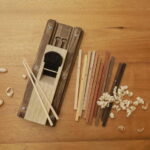
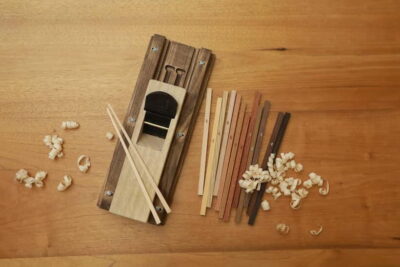
Next comes the main carving. You place the chopsticks on the stand and use a hand plane to carve them into shape. The goal is simple: create the taper and profile that make chopsticks feel right when you use them.
The important part is how the workshop handles guidance. English-speaking staff assist you through the process, and many instructors are praised for being calm, patient, and interactive. If you mess up, you’re not stuck. People mention they were able to start again in some cases, which helps you end up happier with the final result.
3) Smooth and refine with sandpaper
After carving, you switch to sanding. This is where the chopsticks go from rough and sharp-edged to comfortable. You’ll smooth both the surface and the edges so they feel good in-hand.
This step also changes how the wood looks. Grain becomes clearer, and the texture starts to feel more finished—less like a project, more like an object you’d actually use at dinner.
4) Apply natural oil for protection and shine
Then comes the finishing touch: a coat of natural oil. That oil protects the wood and gives it a soft polish. You’ll feel the difference immediately when you pick them up again—wood that feels warm, smooth, and ready to take home.
5) Optional engraving: make it truly yours
Finally, you can have your name engraved. You can choose English or Japanese, which is a great way to avoid the awkward “I forgot what these are” souvenir problem.
Some people also mention that if your wood is light enough, engraving can show more detail. If you care about the look of the engraving, ask your instructor what works best with the wood you chose.
The staff makes the difference: English help that actually helps
This kind of workshop lives or dies by the instructor. Here, the staff are consistently praised for being patient and step-by-step.
You’ll see names like:
- Masa: interactive and informative
- Koji: guided every step and kept things fun
- Lucy: patient, encouraging, and helpful
- Mimi: clear instructions and attentive support
- Fu and Shu: patient, accommodating, and good with beginners
Even if you’re the type who rushes through everything else on vacation, expect to slow down here. The carving and sanding are repetitive in the best way, and having someone nearby who can correct small issues quickly helps you finish with chopsticks you’re proud to use.
What it’s like with other people (and why that can be a plus)
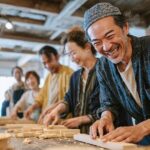
This is a workshop where you’re usually part of a small group sitting at individual stations. One person mentioned both other tourists and Japanese participants were present, which can make it feel more grounded than a pure tourist-only setup.
If you’re traveling solo, it’s still a good choice. You’ll get attention in your work area, but you’re not isolated. If you’re going as a couple or with family, it can be a fun shared project—especially since it’s beginner-friendly and guided.
When this workshop fits best in your Tokyo schedule
This is an easy “middle-of-the-day or late afternoon” kind of activity. It doesn’t require a long commute time if you’re already spending time around Shinjuku, and it doesn’t drain you the way some hands-on activities do.
Because it lasts one hour, it works well on days when you want one authentic craft moment without sacrificing your whole day. It’s also a great break if you’ve been walking a lot. Sanding and carving are oddly relaxing—like doing a tiny, well-guided reset for your brain.
Practical tips to get the best results
You don’t need special skills, but a few habits will help your chopsticks look great:
- Pick wood you genuinely like. If the grain makes you smile, you’ll care more about the finish.
- Don’t rush sanding. This is where comfort comes from.
- When engraving is offered, ask if your chosen wood is a good match for the style you want.
- If you think you might want an upgrade wood, ask early. People mention some woods may cost extra.
Also, bring a calm mindset. This is a craft, not a race. The most satisfying part is when your hands learn the tool and the wood starts to look like real chopsticks.
Who should book this chopstick-making workshop
This workshop is a great match if:
- You want a useful souvenir you made yourself
- You like hands-on activities that still feel guided
- You’re a beginner and want English support
- You need something that fits into a tight Tokyo schedule without complicated logistics
It may be less ideal if:
- You hate sitting and doing gradual work
- You’re expecting a long talk about history instead of making something with your hands
- You’re extremely sensitive to the possibility of finding the exact entrance inside a big building complex (plan a few extra minutes)
Should you book it
Yes, if you’re in Tokyo and you want one hour that turns into a take-home object with real personal meaning. At $6, the value is strong, and the guided process helps you leave with chopsticks that look and feel right. Between the wood selection, the hand carving, the natural oil finish, and the option to engrave your name in English or Japanese, you’re getting more than a craft project. You’re getting a small, tactile piece of Japan you can actually use.
If you’re deciding between this and a more passive activity, I’d lean toward chopstick-making. It’s straightforward, beginner-friendly, and it gives you something you can hold every time you eat.
FAQ
How long is the chopstick-making workshop?
The workshop lasts about 1 hour.
Where is the meeting point in Tokyo?
You meet at Shinjuku West Square Building 10F, at coordinates 35.6959774, 139.6984349.
How much does it cost?
The price is $6 per person.
Is it beginner-friendly?
Yes, the activity is suitable for beginners, with staff available to help.
Is there an English-speaking instructor?
Yes, the staff and live guide are available in English.
What’s included in the price?
You get wood selection, carving and shaping, sanding and smoothing, and application of natural oil.
What is not included?
Meals and transportation to the venue are not included.
Can I engrave my chopsticks?
Yes. Name engraving is an optional extra, and you can choose English or Japanese.
Is the workshop wheelchair accessible?
Yes, it is wheelchair accessible.
Are there options for payment and cancellation?
Free cancellation is available up to 24 hours in advance for a full refund, and you can reserve now and pay later.
Make Something to Take Home



More Tour Reviews in Tokyo



Fresh reviews from around Tokyo






Workshops, compared.
 ★ 5.0Sushi Making Tokyo Roll and Authentic Japanese Sushi ClassFrom $593,971 reviews
 ★ 5.0Tokyo Shinjuku Chopsticks Making ClassFrom $201,763 reviews
 ★ 4.8Chopstick Making Workshop in GinzaFrom $251,366 reviews
 ★ 5.0Tokyo Sushi Making Class in Tsukiji with Professional ChefFrom $491,177 reviews
 ★ 5.0Ramen & Gyoza Cooking Class in Tokyo with Local Supermarket VisitFrom $122823 reviews
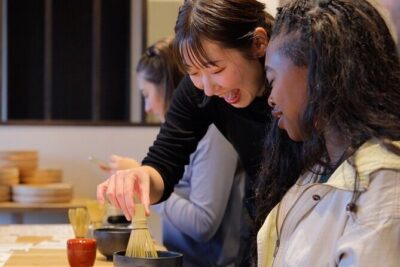 ★ 5.0Matcha Making Class in Tokyo with Authentic Japanese Sweets SetFrom $21744 reviews
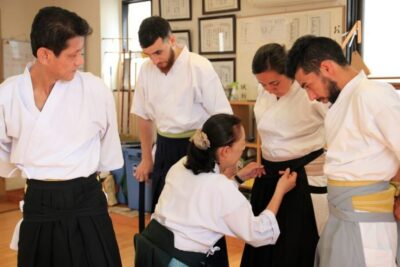 ★ 5.0Samurai Sword & Archery Class from Samurai DescendantFrom $193603 reviews
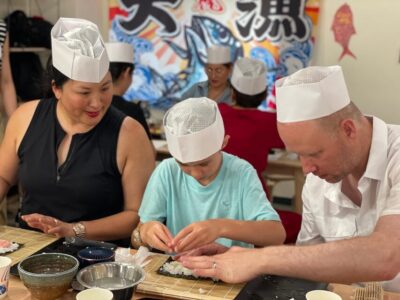 ★ 4.9Tsukiji Fish Market Sushi Making Class with Pro ChefFrom $63506 reviews
Browse the lists this tour appears in