
Reviewed · TOKYO
Tokyo: Authentic Food Tour in Ginza and Shimbashi
Tokyo food feels easy when you have a plan.
This 3-hour Ginza and Shimbashi food tour turns a part of Tokyo that’s known for shopping into a night of proper eating, with an English guide who helps you read what you’re looking at and order with confidence. You’ll walk between neighborhoods and spend time at local spots that many first-timers never find on their own. The rhythm is relaxed, and the food focus is real, not a quick photo stop.
Two things I really liked: the chance to eat at multiple local restaurants with a guide steering you toward good choices, and the way the guide connects food to Japanese day-to-day culture as you go. For example, guides like Doren, Reo, Ryota, and Yota were described as fun and passionate, with plenty of helpful context that makes each meal land better.
One drawback to consider: the tour is not suitable for wheelchair users, and it’s built around walking between areas. If you’re sensitive to step-heavy routes or longer stretches on your feet, you’ll want to plan accordingly.
In This Review
- Key things that make this tour worth your time
- Why Ginza, Yurakucho, and Shimbashi work so well for food
- Meeting at Tokyu Plaza Ginza: where to find the group fast
- The 3-hour route: Ginza, Yurakucho, and Shimbashi in a simple rhythm
- What you’ll actually eat: local favorites and traditional desserts
- How the guide turns meals into culture lessons
- Price and value: is $146 for 3 hours worth it?
- What to expect in your group experience (and why it matters)
- Practical tips so you enjoy the walk and the food
- Who this tour fits best
- Should you book this Ginza and Shimbashi food tour?
- FAQ
- How long is the Tokyo Ginza and Shimbashi food tour?
- Where do I meet the guide?
- Is the tour English friendly?
- How big is the group?
- Is the tour suitable for wheelchair users?
- What is the cancellation policy?
Key things that make this tour worth your time
- Small group (up to 10): you get more attention when you have questions about what to order or how to navigate each place.
- Ginza to Yurakucho to Shimbashi route: you taste different sides of central Tokyo in one evening, not just one district.
- English live guide: you get cultural tips and practical ordering guidance, not just a list of dishes.
- Food plus desserts: the experience is designed around local favorites, including traditional desserts.
- Relaxed pacing: short walks, then meal time at each stop, so it feels like an evening out rather than a sprint.
Before you commit, see how this one stacks up against a few Tokyo favourites:
- Mt Fuji and Hakone 1-Day Bus Tour Return by Bullet Train★ 5.0 · 26,383 reviews
- 1-Day Tokyo Bus Tour★ 5.0 · 14,250 reviews
- Tokyo: teamLab Planets TOKYO Digital Art Museum Entry Ticket★ 4.6 · 9,779 reviews
Why Ginza, Yurakucho, and Shimbashi work so well for food
Tokyo can be intimidating for food travel. Even when you can read menus, it’s hard to know what a place is famous for, what locals actually choose, and how to handle the smaller etiquette details that come with eating out in Japan.
That’s why this route makes sense. You start in Ginza, a district many people associate with luxury shopping. But once you shift the focus from brands to side streets, you find plenty of everyday food culture. Next you head toward Yurakucho, which sits right in the middle of Tokyo’s “on-the-move” lifestyle, where meals feel less staged and more practical. Finally, you end in Shimbashi, the kind of area where the vibe often leans toward after-work eating and casual local comfort.
By the time you finish, you’ve eaten through three neighborhood moods. That variety is a big part of the value: you don’t just learn how to eat in one place—you learn how Tokyo food changes block by block.
Meeting at Tokyu Plaza Ginza: where to find the group fast
Your meeting spot is Tokyu Plaza Ginza, right in front of a BOSS store. The easiest way to orient yourself is to use Ginza Station exits C2 or C3—you should see the BOSS storefront near where you come up to street level.
If you like being early (and you should), give yourself a little buffer. Ginza station is straightforward, but it’s busy and easy to lose track of time when you’re scanning signage. Once you’re at Tokyu Plaza, you’re in the right area to start your first food stop without stress.
Practical note: the tour runs on foot, and it starts in central Tokyo. That means comfortable shoes aren’t optional. If your feet get annoyed quickly, you’ll enjoy the experience more with supportive walking shoes.
The 3-hour route: Ginza, Yurakucho, and Shimbashi in a simple rhythm
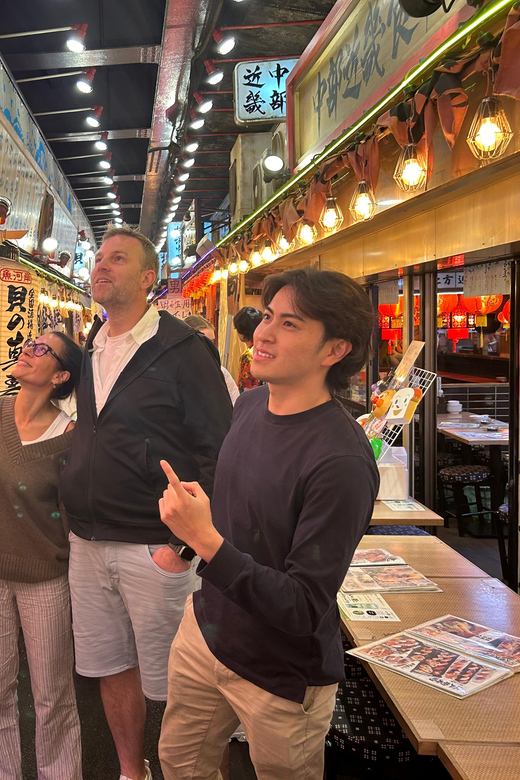
This tour is built for an easy flow: a short walk, then a meal stop, repeated as you move across the neighborhoods.
Here’s how the pacing feels:
- Ginza stop (about 50 minutes): you start by eating in the Ginza area. This gives you a fast entry into local food choices right away, without warming up somewhere “far away.”
- Yurakucho stop (about 50 minutes): you shift zones and keep eating. The walk between areas is brief, which helps the evening feel relaxed instead of exhausting.
- Shimbashi stop (about 50 minutes): you finish with the more classic Tokyo casual-food atmosphere. This is usually the part of the night where you feel like you’re really in an eating zone.
Each transfer is short, around 5 minutes on foot. That sounds small, but in Tokyo it adds up fast—so the fact it’s staged this way is a real plus. You’re spending most of your time at food places, not in transit.
Also, because the group is limited to 10 participants, you’re less likely to feel like your guide is juggling a crowd. You can ask questions, get recommendations, and keep the pace without feeling rushed.
What you’ll actually eat: local favorites and traditional desserts
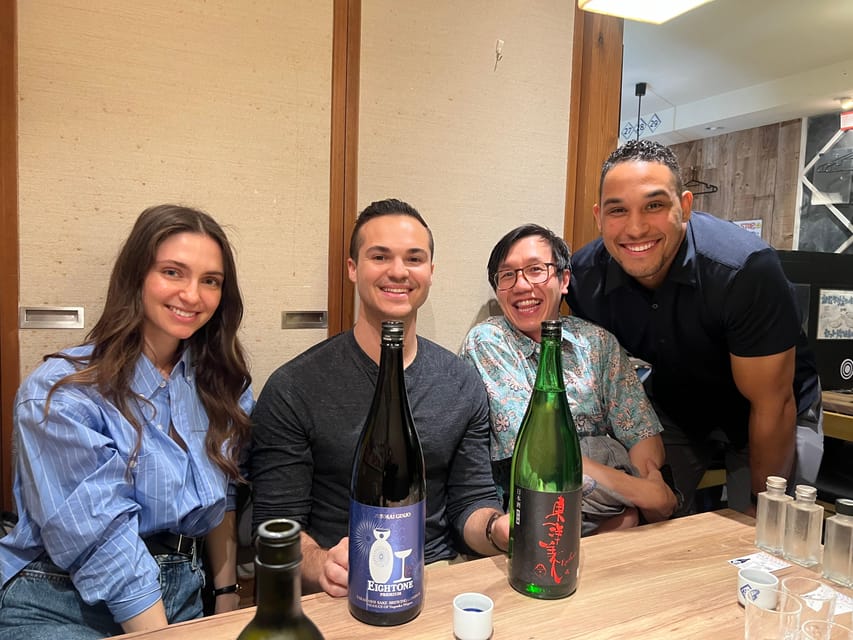
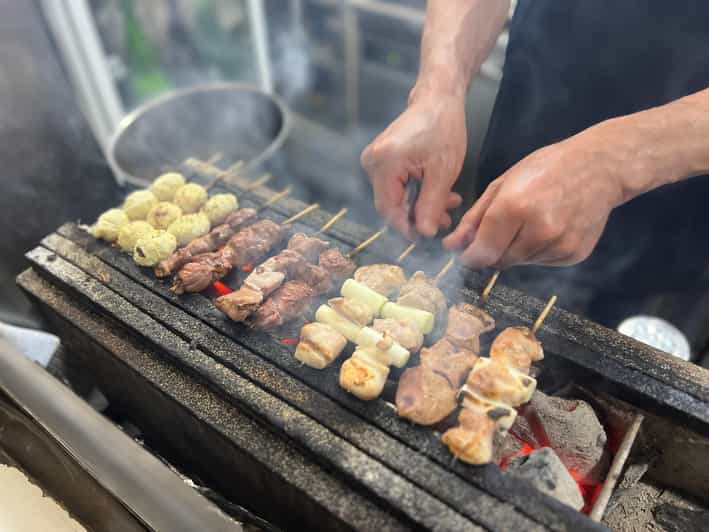
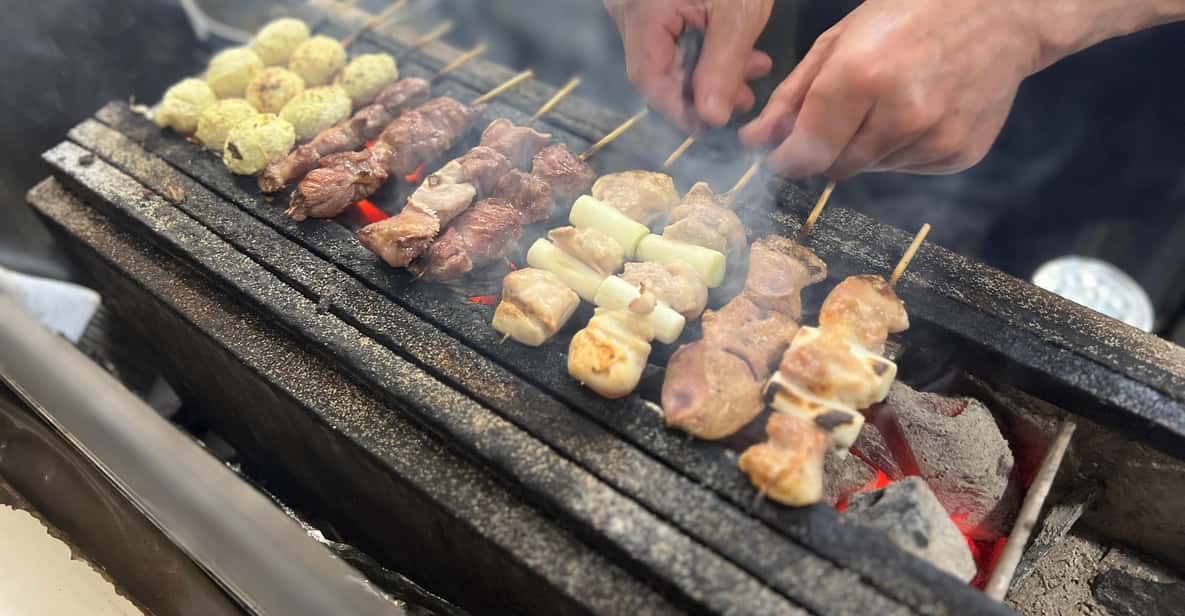
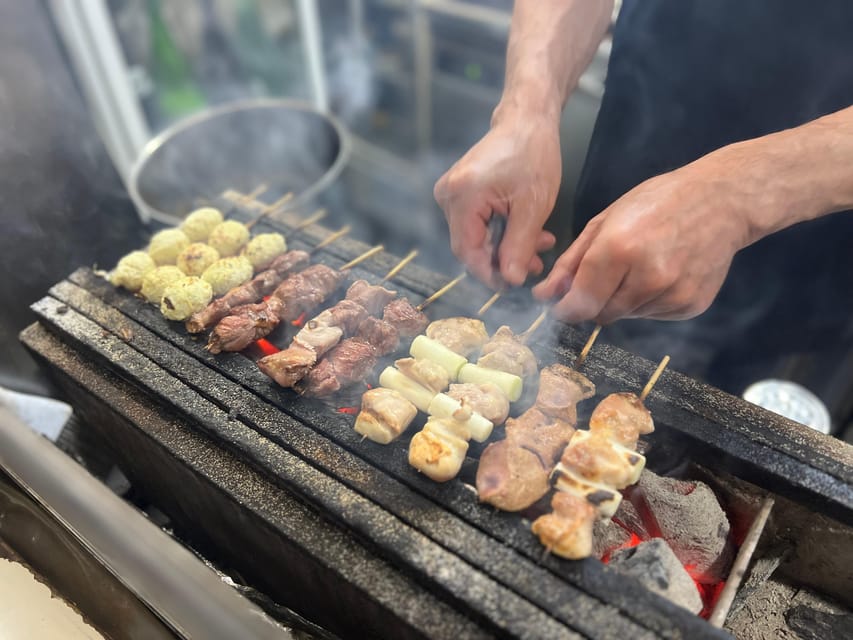
This isn’t a “snack sampler” where you barely taste anything. The structure is designed around authentic Japanese food and traditional desserts, with multiple stops along the way.
One detail I think you’ll appreciate: the guide’s role isn’t only pointing you toward food—it’s helping you make sense of Japanese eating culture. That means you’re more likely to order what’s right for the place, not just what seems easiest.
A helpful clue comes from firsthand feedback: one traveler described eating at three different restaurants, all delicious, and said they would never have found those spots on their own. That lines up with the tour’s neighborhood-by-neighborhood structure.
What does that mean for you as a planner? It means you should treat this as a meal plan for the evening. If you show up hungry, you’ll have a better time. If you’re trying to taste everything in one night, this tour will help you do it without guessing.
Dietary notes: your info here doesn’t list allergy accommodations or specific diet menus. If you have dietary restrictions, it’s worth checking with the operator before booking so they can confirm what’s possible.





How the guide turns meals into culture lessons
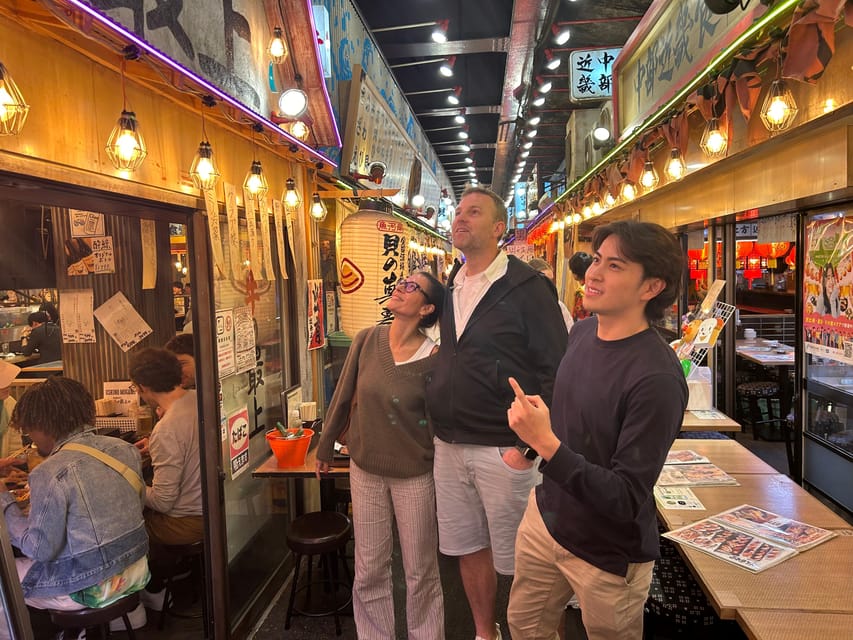
The biggest value in any food tour isn’t only the food. It’s what you learn while you’re eating.
Here, the guide is English-speaking and specifically meant to share insights about Japanese culture and help you plan your itinerary. That can sound vague, but it’s practical in real life. When a guide explains the logic behind certain choices—why you might pick one thing over another, how to approach ordering, what kind of atmosphere locals expect—it reduces the guesswork for every future restaurant you visit.
And the guide personality matters. In the reviews, Ryota and Yota were praised for being friendly, funny, and full of interesting talk. Reo was described as passionate and considerate, with great food-and-drink spot guidance plus lifestyle context. Doren was highlighted as awesome, too. Even when you’re not a “culture notes” person, a guide who can make the experience engaging keeps you paying attention to details you’d otherwise miss.
Bottom line: this tour helps you build a mental map. After you’ve walked with someone who knows the area, you’re more likely to feel confident ordering and exploring on your own later.
Price and value: is $146 for 3 hours worth it?
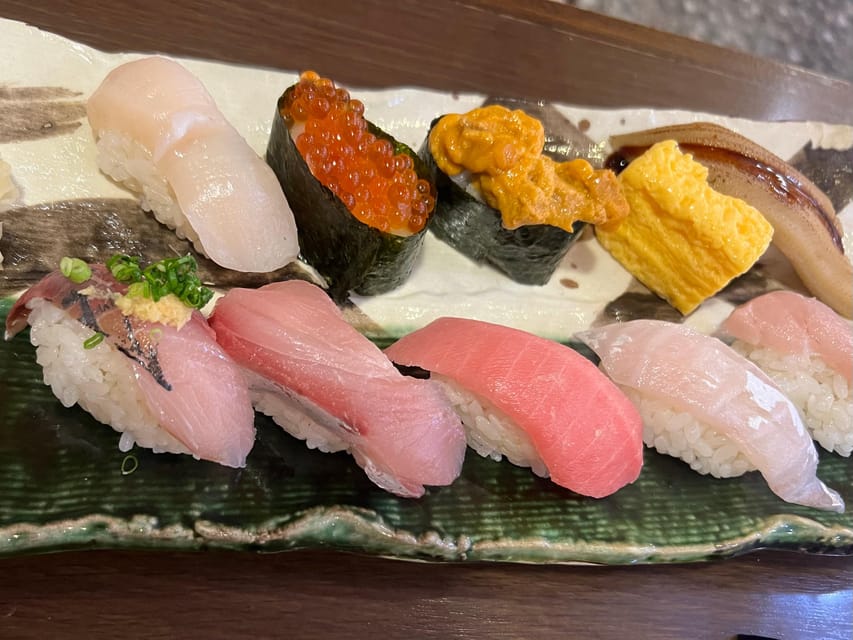
At $146 per person for 3 hours, this isn’t a budget grab. But it’s also not a high-end private experience price. For the value side, here are the pieces you’re paying for:
- A live English guide who walks you between neighborhoods
- Small group size (up to 10), which usually means more personal attention
- Multiple meal stops across Ginza, Yurakucho, and Shimbashi
- Guidance that goes beyond food, aimed at helping you navigate Tokyo eating culture
In other words, you’re paying for convenience plus expertise. If you tried to recreate this alone, you’d likely spend a lot of time hunting for good local places that match your tastes, and you’d still be dealing with ordering uncertainty in unfamiliar restaurants.
So I view the price as fair if you want a guided evening where you eat well, learn fast, and avoid the mental tax of figuring everything out from scratch.
What to expect in your group experience (and why it matters)
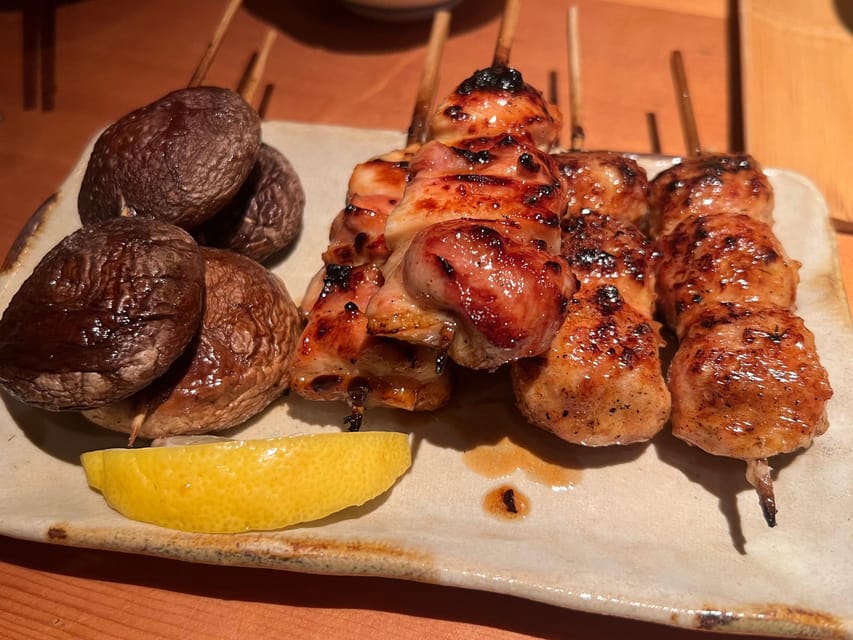
A small group can change everything in Tokyo. Larger groups can move like a slow parade—ordering becomes rigid, and questions get delayed. With a limit of 10 participants, your guide can keep the energy smoother and react to what people like.
You can also feel more comfortable asking basic questions. Things like how to read what’s being offered, what people usually order, or why a dessert or drink fits the meal. And because it’s a guided walk, you get context while you’re standing in front of the restaurant—not later, when it’s too late to adjust.
One review even described a situation where the group ended up effectively private because others didn’t show up. That kind of scenario is a reminder: even if you don’t count on it, the tour is designed so the guide can flex.
Practical tips so you enjoy the walk and the food
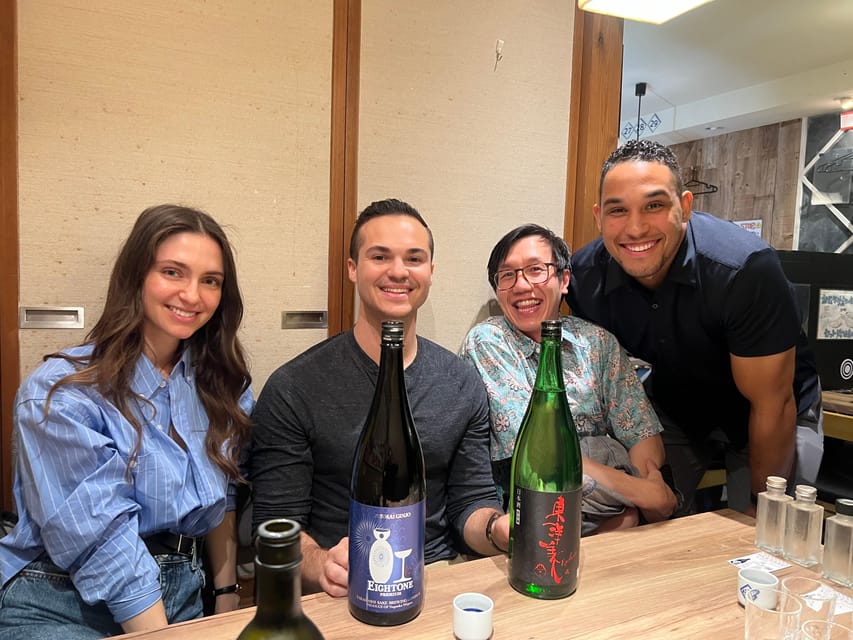
Here are a few smart moves that make the whole evening smoother:
- Eat a light snack beforehand. This tour is meal-focused, and the timing doesn’t leave you much space to recover later.
- Bring cash if you like having options. The tour doesn’t list payment specifics here, so I’d rather you be prepared for whatever the restaurants require.
- Wear shoes you can walk in comfortably. You’ll move across central Tokyo on foot with short transfers that still add up.
- Ask questions early. If you want help ordering, the first stop is the best time to get the guide’s approach down.
- Check the meeting point signage. Tokyu Plaza Ginza, in front of BOSS, near Ginza Station exits C2 or C3—use that as your anchor.
Also, if you like seeing what’s possible before you go, the experience mentions its Instagram presence at traveling.tokyo. It can be a good vibe-check for the kind of local focus the guide brings.
Who this tour fits best
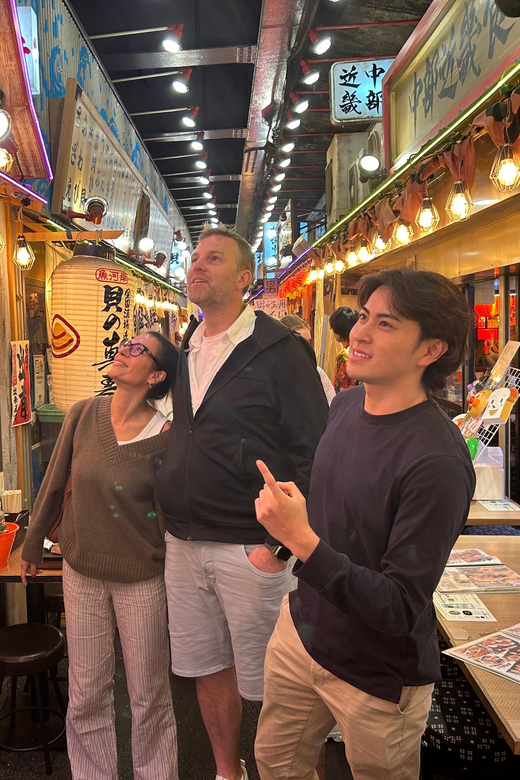
This tour is a strong match if you:
- want local Japanese food without spending the entire evening hunting
- enjoy walking through neighborhoods and learning how Tokyo changes from area to area
- appreciate a guide who explains culture and helps you plan future eating
It may not fit as well if:
- you need wheelchair-friendly access, since it’s not suitable for wheelchair users
- you hate walking or get sore quickly, because the format is built around moving on foot between stops
- you’re only interested in one type of food. This tour is built for variety across multiple stops and includes traditional desserts
Should you book this Ginza and Shimbashi food tour?
I’d book it if you want an organized, English-guided Tokyo food evening that feels local instead of touristy. The mix of Ginza, Yurakucho, and Shimbashi gives you variety, the tour stays focused on actual eating, and the small group size keeps the experience interactive.
I’d think twice if you’re extremely food-restricted, have mobility limits, or you’re the type who prefers building plans alone with no guided help. In those cases, you might find a different style of tour or a do-it-yourself plan more comfortable.
If you’re middle-of-the-road—curious, hungry, and open to learning—you’ll likely leave with two wins: you’ll eat well that night, and you’ll understand Tokyo food culture well enough to make better choices later.
FAQ
How long is the Tokyo Ginza and Shimbashi food tour?
It lasts 3 hours.
Where do I meet the guide?
You meet at Tokyu Plaza Ginza, in front of the BOSS store. Ginza Station exits C2 or C3 are the recommended way to find it.
Is the tour English friendly?
Yes, the tour includes a live English guide.
How big is the group?
The group is small, limited to up to 10 participants.
Is the tour suitable for wheelchair users?
No. The tour is not suitable for wheelchair users.
What is the cancellation policy?
You can cancel up to 24 hours in advance for a full refund.
More Tour Reviews in Tokyo



Fresh reviews from around Tokyo






Tokyo, compared.
 ★ 5.0Mt Fuji and Hakone 1-Day Bus Tour Return by Bullet TrainFrom $16326,383 reviews
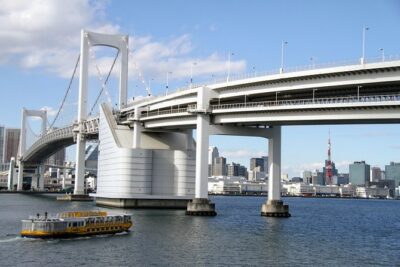 ★ 5.01-Day Tokyo Bus TourFrom $12914,250 reviews
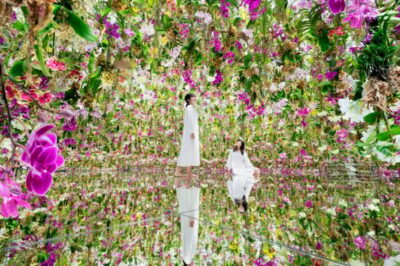 ★ 4.6teamLab Planets TOKYO Digital Art Museum Entry TicketFrom $259,779 reviews
 ★ 4.0Mt Fuji & Hakone Cruise, Drum Show Bullet Train 1 Day from TokyoFrom $1497,413 reviews
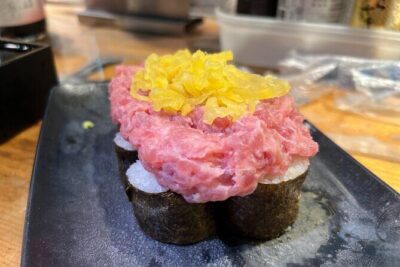 ★ 5.0Shinjuku Food Tour (13 Dishes at 4 Local Eateries)From $866,603 reviews
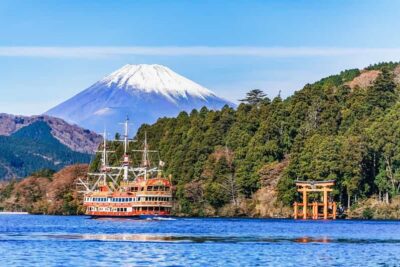 ★ 4.4Tokyo Mt Fuji 5th St & Hakone Cruise Bus Tour w/Bullet TrainFrom $1545,024 reviews
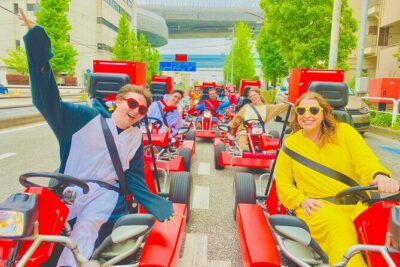 ★ 5.0Flagship 2-Hours Official Street Go-Kart Tour – Tokyo Bay ShopFrom $644,974 reviews
 ★ 4.5From Tokyo: Mount Fuji Full-Day Sightseeing TripFrom $684,970 reviews