
Reviewed · ASAKUSA TOURS
Tokyo Asakusa : Samurai School, Become a Samurai Warrior
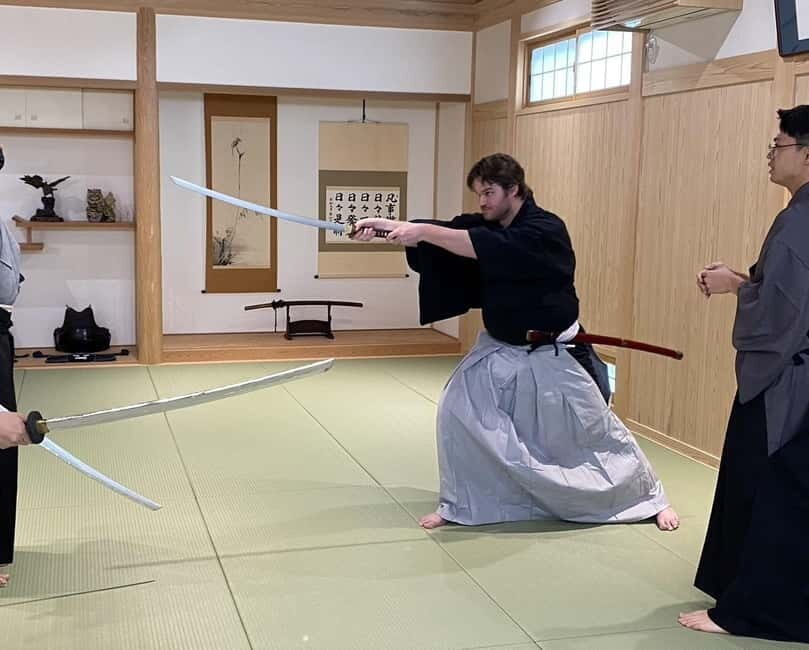
Samurai training, minus the years. In this Asakusa-area class near Tokyo Skytree, you learn the basics of samurai etiquette and swordplay from a professional master, then finish with a costume-and-camera photo session. You get more than “stand and watch” style entertainment; you practice bowing, stances, and stylized cutting movements in a way that feels hands-on and focused.
I especially like that it blends technique with performance. You’re taught how to move like you mean it, and you even get time for photos and videos with the master. One consideration: the whole experience is just 90 minutes, so you’re learning foundations and a safe choreographed sequence—not mastering real combat.
In This Review
- Key Things to Know Before You Go
- Becoming a Samurai Warrior in Asakusa: What the 90 Minutes Includes
- Where to Meet Near Tokyo Skytree (and Why It Might Feel Like Asakusa)
- Dressing Up as a Samurai: Costume, Poses, and Instant Confidence
- Bowing and Respect: The Cultural Part You Can Actually Practice
- The Sword Lesson: Stances, Drawing, Strikes, and Safe Movement
- The Choreographed Battle Option: Add Intensity Without Risk
- Photo and Video: Getting Keepsakes That Actually Look Like You Tried
- Price and Value: Is $90 Worth It for This Experience?
- Who This Is For (and Who Should Skip It)
- Tips to Make Your Session Go Smoothly
- Should You Book This Samurai School in Tokyo Asakusa?
- FAQ
- How long is the samurai lesson in Asakusa?
- What’s included in the price?
- Where do I meet, and how do I get there?
- Is it wheelchair accessible?
- What should I bring?
- Who might the experience not be suitable for?
Key Things to Know Before You Go
- A small group setup (max 6) means you get personal coaching instead of feeling lost in a crowd
- Bowing + “respect with the sword” gives the class a cultural backbone, not just choreography
- Costume dressing and pose coaching makes the photo/video part feel like part of the lesson
- Choose from practice swords and learn basic stances, strikes, and stylized movements
- Optional choreographed battle lets you add intensity while staying safe and controlled
- You leave with a completion certificate plus your commemorative photos/videos
More mornings around Senso-ji and the old town
- Tokyo: Japanese Dance Cabaret Theater Asakusa-Kaguwa Ticket★ 4.8 · 2,270 reviews
- Tokyo: Asakusa Walking Tour with Sensoji Temple Visit★ 4.8 · 1,583 reviews
- Tokyo Asakusa Rickshaw Tour★ 5.0 · 1,375 reviews
Becoming a Samurai Warrior in Asakusa: What the 90 Minutes Includes
This experience is built around one simple goal: help you step into samurai culture for long enough to actually feel it. You’ll start with a full costume change, then move into a guided class focused on the basics that define samurai swordsmanship—stances, strikes, and movement patterns.
What makes it different from a “watch a demonstration” workshop is that you’re doing the actions. The master leading the session brings 25 years of professional samurai action experience, and the format is designed so you can copy, correct, and improve in real time. You’re also coached on how to present the movements, which is a big deal if you want great photos and video at the end.
You should also know there’s an acting/performance side to this. One review highlighted how much fun it was to learn not only the moves, but how to work with the camera—poses, timing, and that sharp look you associate with movie-style samurai scenes.
Where to Meet Near Tokyo Skytree (and Why It Might Feel Like Asakusa)
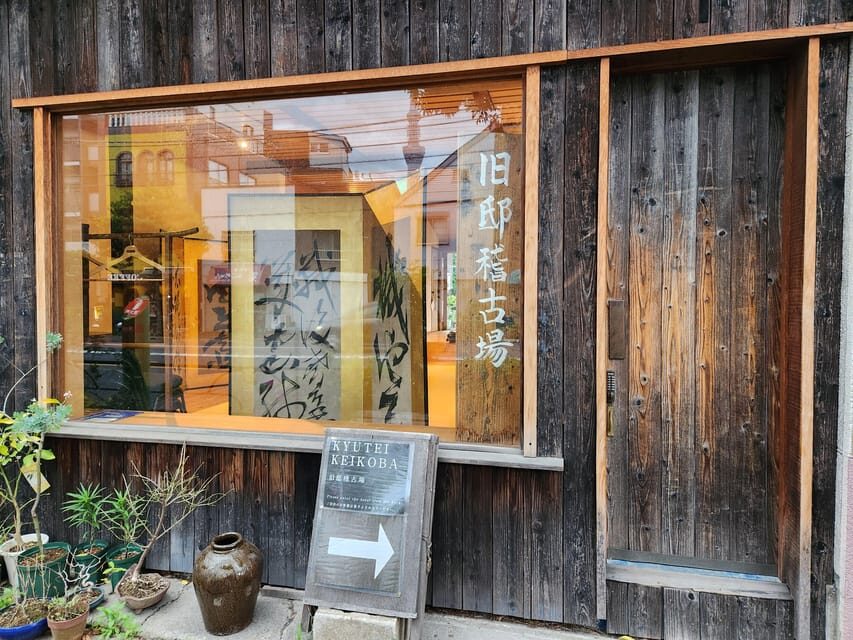
The session is branded as Tokyo Asakusa: Samurai School, but the meeting point is at 颯志館(Soushi-Kan), address 4-6-2 Shimo, Kita City, Tokyo 115-0042. The closest station is Shimo Station on the Namboku Line, about a 6-minute walk from Exit 2. You meet in front of the dojo.
One practical twist: the Asakusa dojo can be unavailable temporarily due to maintenance. When that happens, sessions run at a different dojo instead. The good news is that the organizers communicate well, and you’ll be told where to go for your specific date.
Also, I’d treat your first arrival as a “get your bearings” moment. Maps can send you to the wrong side of the street. Showing up a bit early helps you sort it out without stress. In real life, that one habit makes everything smoother.
Dressing Up as a Samurai: Costume, Poses, and Instant Confidence
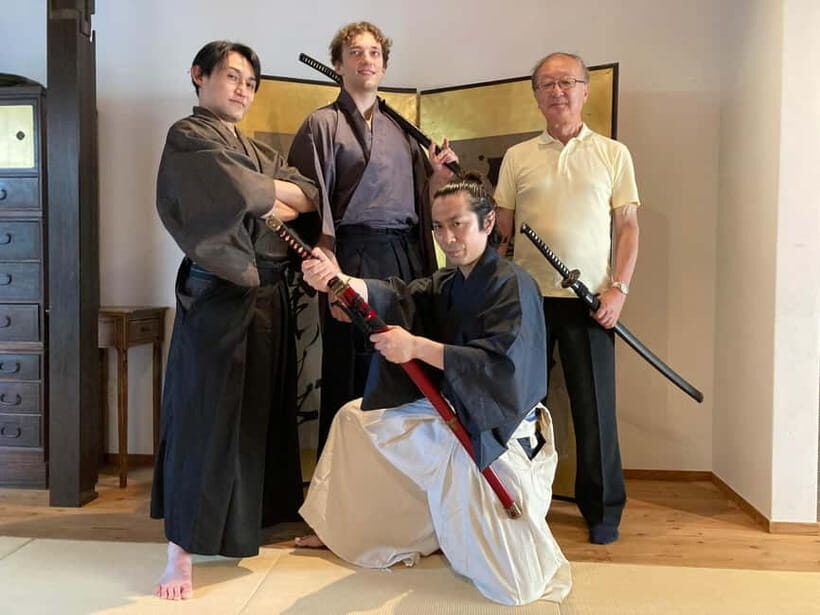
The first stage is dressing. You’ll put on a traditional samurai outfit and step into the role before any sword training starts. This matters more than you might expect. Costume changes your posture, your movement, and your focus. When you’re later practicing stances and strikes, you’re not imagining what it looks like—you’re in it.
Then comes the photo moment. The experience includes a photo shoot, and you’ll get time to pose in your costume with guidance from the instructor. One parent booked for a 10-year-old and said the kid’s favorite part was picking the outfit and participating in the recorded scene choreography. That’s a strong signal: the “costume + camera” piece isn’t random. It’s part of the payoff.
If you’re the type who worries about taking awkward photos, you’ll likely appreciate that you’re not simply handed a phone and told to pose. You’re coached on how to stand and how to make the movement look like the real thing.
Bowing and Respect: The Cultural Part You Can Actually Practice
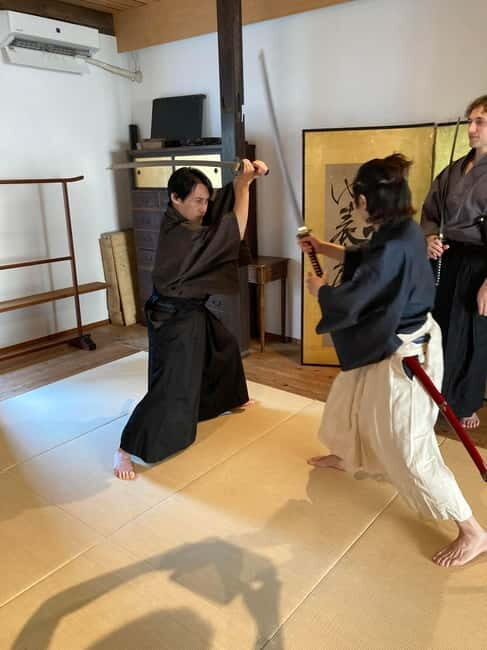
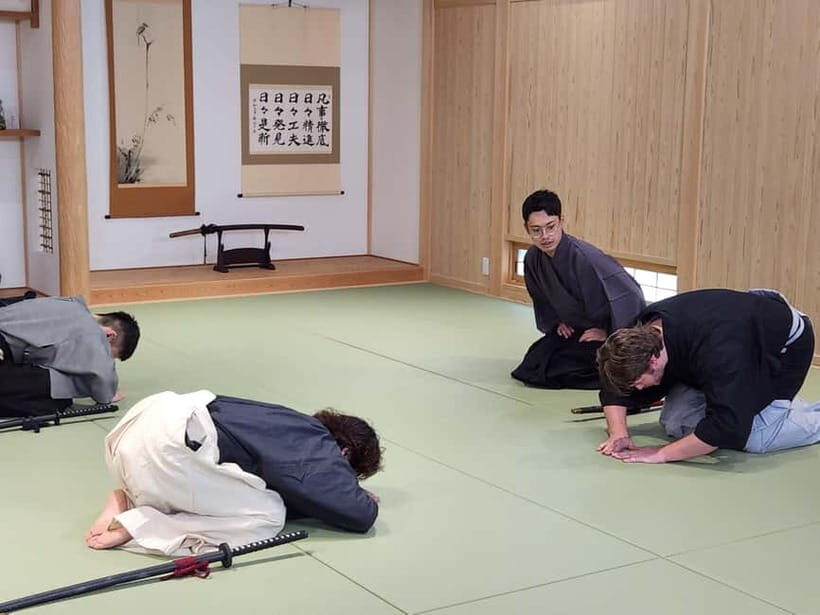
A lot of samurai-themed activities skip the respectful ritual. Here, bowing is taught as a core element. You learn how to show respect to your opponent with the sword—an idea that keeps the class grounded in etiquette instead of just “look cool with a blade.”
The master explains and demonstrates, then you copy the movement. This repetition is what turns a cultural concept into something you can do, not just something you heard described. And it’s also useful for photos: the bow and the opening stance naturally frame you on camera.
One of the best parts is the feel of the lesson structure. You’re not thrown into swordwork immediately. You build a sequence: presence first, respect next, technique after. That order makes the class easier to follow even if you’ve never held a practice sword before.
More blades, bows and dojo hours
The Sword Lesson: Stances, Drawing, Strikes, and Safe Movement
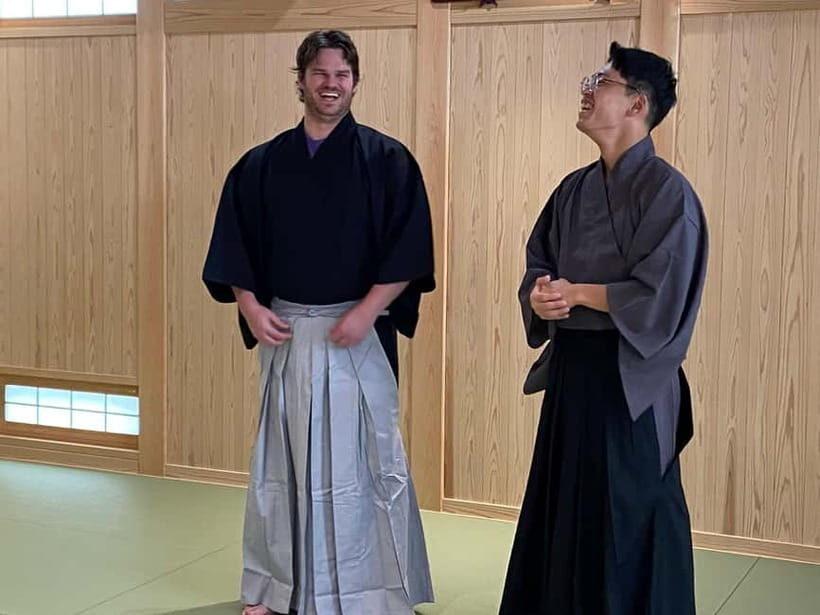
Now for the part most people sign up for: swordplay basics. Under guidance from a professional master and performers, you’ll learn the fundamental stances, strikes, and stylized movements that define samurai swordsmanship.
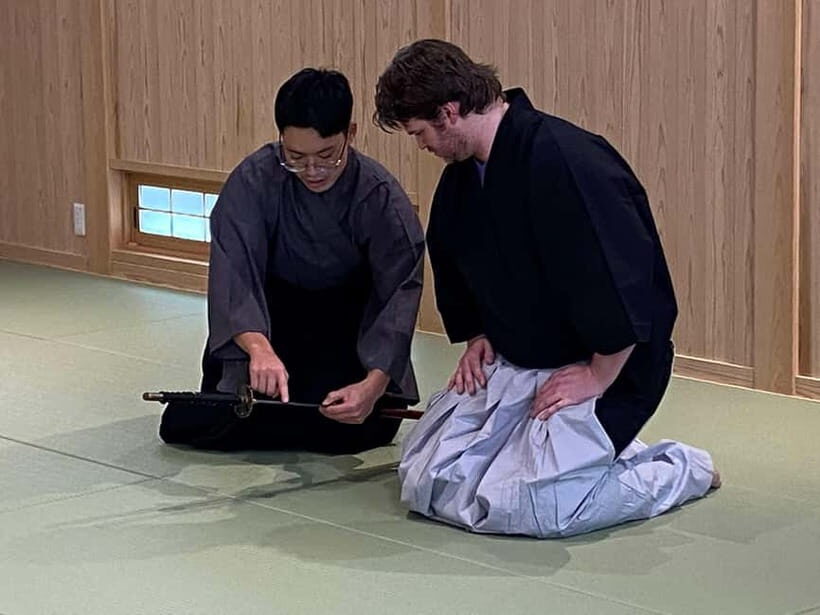
You’ll also learn how to draw a sword and strike with stylized form. You don’t need to be athletic or experienced. The movements are taught step-by-step, and you’ll have a chance to practice them safely.
A neat detail: you can choose your sword from among several practice options. That small choice helps you feel like this is your session, not a template you’re forced into. It also makes the photo/video part more satisfying, since you’re connected to the tool you’re holding.
One review mentioned learning about the art of Tate and different actions with the sword. While the session is action-focused, that kind of terminology hints that you’re not just doing generic swings—you’re learning categorized movement ideas that match how martial traditions teach technique.
The Choreographed Battle Option: Add Intensity Without Risk
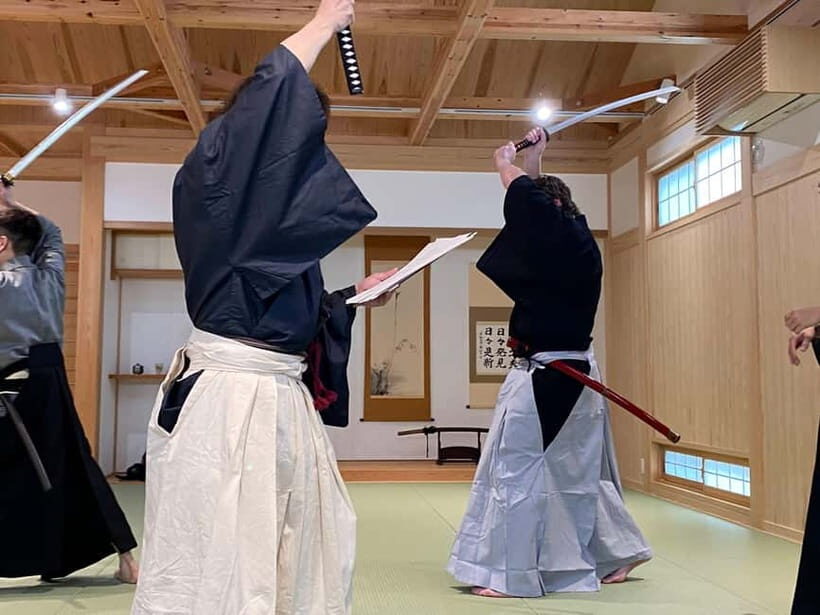
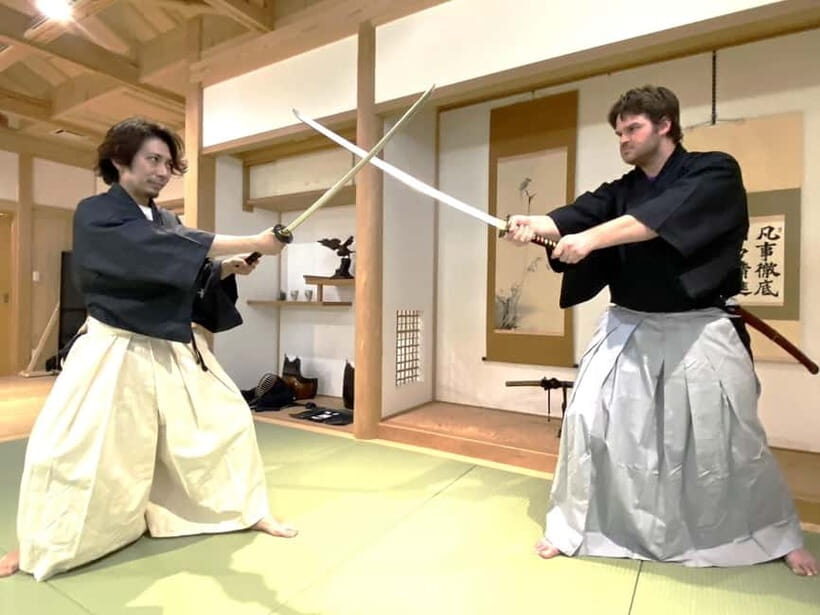
Depending on the session flow and your preference, you may also participate in a choreographed sword fight. This is described as optional and is done in a safe and controlled environment.
Think of this like a performance sequence: you use what you practiced—stances, draws, strikes—then connect it into a short battle routine that looks intense but stays controlled. It’s not real sparring, and you’re not expected to “fight” anyone. You’re acting out a stylized duel.
If you like the movie side of samurai culture, this is usually the best hook. It also gives you something extra for video and photos, because the movement sequence reads clearly on camera.
Photo and Video: Getting Keepsakes That Actually Look Like You Tried
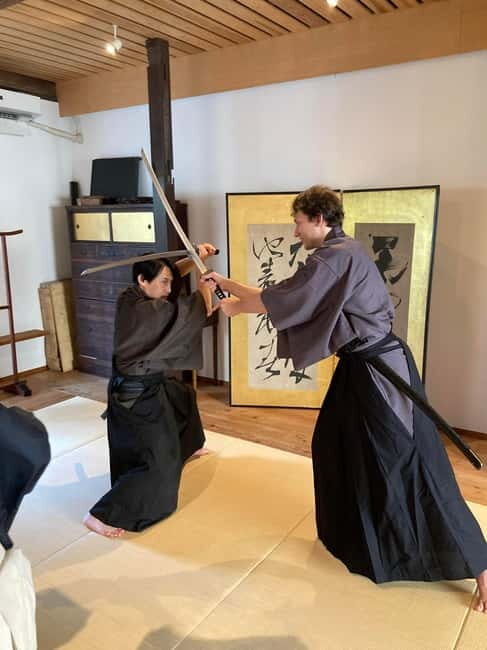
The class includes a photo shoot, and you also have the chance to capture your own SAMURAI video or photo with the master. This is where good planning pays off: you’ll already know the order of movements by then, so you can focus on performance instead of scrambling to remember the steps.
You’ll end up with your commemorative photos/videos plus a completion certificate. One reviewer mentioned loving the certificates as a keepsake, especially because it feels like an actual achievement rather than a souvenir shop purchase.
Practical note: photos and video come out best when you’re ready to move. Bring the basics you’re told to bring—especially the towel—so you’re comfortable during training and dressing.
Price and Value: Is $90 Worth It for This Experience?
At $90 per person for a 90-minute session, the value is about what’s included, not what you’re doing alone. This is not just “a lesson.” You’re paying for:
- a guided samurai culture class with professional instruction
- a photo shoot session
- samurai costumes
- practice swords
- a completion certificate
- an English-speaking interpreter
For Tokyo, that package can be a fair deal if you want a memorable activity that covers both culture and a tangible payoff. If you only want sword mechanics, you might find cheaper options. But if you want the full “become a samurai” experience with photos and certificate, you’re paying for the whole storyline.
The small group size (limited to 6 participants) is part of the value too. Coaching quality improves when you’re not battling for attention, and it helps your photos because your form is closer to what you’re aiming for.
Who This Is For (and Who Should Skip It)
This works best for people who want a hands-on experience that blends culture, movement, and performance.
You’ll likely enjoy it if:
- you like Japanese themed activities that go beyond watching
- you want to learn basic swordplay stances safely
- you care about getting good photos and video, not just casual snapshots
- you’re traveling with family (there’s a positive example of a 10-year-old enjoying the choreography and outfit part)
You might want to skip it if you:
- are pregnant
- have back problems
Also, this is a physical activity. Even though it’s controlled and taught safely, you’ll be moving, dressing, and performing short sequences. If you’re unsure, it’s worth checking with the organizers before booking.
Tips to Make Your Session Go Smoothly
This class asks you to arrive prepared. Here’s what you should bring:
- a towel
- water
- a t-shirt
Not allowed:
- smoking
- food
One more real-world tip: show up early if you can. The meeting point can be easy to misread with maps, and arriving early reduces that last-minute scramble feeling. Staff have a friendly, welcoming vibe, and when you’re calm, you learn better.
If you’re camera-minded, treat the lesson as a chance to practice your presentation. You’ll likely get better photos when your movements look deliberate and you’re following the bow/stance sequence you were taught.
Should You Book This Samurai School in Tokyo Asakusa?
Book it if you want a compact, high-impact experience with real instruction. This is the kind of activity that gives you more than a memory: you leave with photos/videos and a certificate, plus the feeling that you can perform the key motions.
Don’t book it if you’re looking for advanced martial training. It’s about foundations, performance, and safe choreography in a small-group 90-minute session, not long-term technique mastery.
My call: if you’re in Tokyo and you want something distinctly Japanese that also feels fun on camera, this is a strong choice. Just come with a towel, give yourself a little extra time to find the dojo, and lean into the acting side—you’ll get way more out of it.
FAQ
How long is the samurai lesson in Asakusa?
The experience runs for 90 minutes.
What’s included in the price?
It includes an English-speaking interpreter, photo shoot, samurai costumes, practice swords, and a completion certificate.
Where do I meet, and how do I get there?
Meet at 颯志館(Soushi-Kan), 4-6-2 Shimo, Kita City, Tokyo 115-0042. The nearest station is Shimo Station (Namboku Line), about a 6-minute walk from Exit 2. Meet in front of the dojo.
Is it wheelchair accessible?
Yes, the activity is listed as wheelchair accessible.
What should I bring?
Bring a towel, water, and a t-shirt.
Who might the experience not be suitable for?
It is noted as not suitable for pregnant women and people with back problems.
More Tour Reviews in Tokyo






The Way of the Sword, Continued
Around Senso-ji: More Asakusa Picks

Fresh reviews from around Tokyo






Asakusa Tours, compared.
 ★ 4.8Japanese Dance Cabaret Theater Asakusa-Kaguwa TicketFrom $492,270 reviews
 ★ 4.7Meiji Shrine, Asakusa, Skytree Bus Tour and CruiseFrom $1221,986 reviews
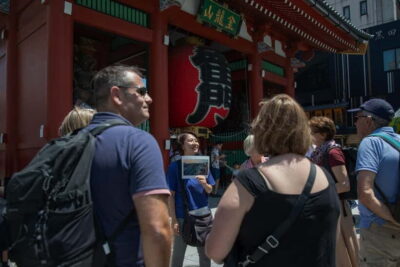 ★ 4.8Asakusa Walking Tour with Sensoji Temple VisitFrom $221,583 reviews
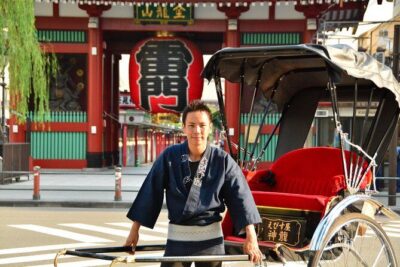 ★ 5.0Tokyo Asakusa Rickshaw TourFrom $421,375 reviews
 ★ 4.5Tokyo Panoramic 1 Day: Meiji Shrine, Asakusa, Odaiba and SKYTREE®From $851,222 reviews
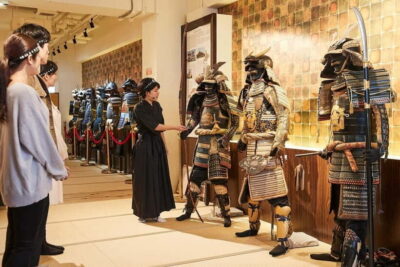 ★ 4.8Samurai Ninja Museum Asakusa: Samurai Sword Lesson & TourFrom $63306 reviews
Asakusa Sightseeing Tour by RickshawFrom $35195 reviews
Asakusa Kimono Dressing and Matcha ExperienceFrom $56173 reviews
★ 4.8Samurai Ninja Museum Asakusa: Samurai Sword Lesson & TourFrom $63306 reviews
Asakusa Sightseeing Tour by RickshawFrom $35195 reviews
Asakusa Kimono Dressing and Matcha ExperienceFrom $56173 reviews
Browse the lists this tour appears in