
Reviewed · CYCLING TOURS
Tokyo: 3-Hour Bike/E-Bike Tour of the City’s Hidden Gems
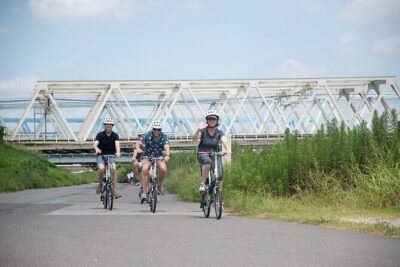
Tokyo on two wheels is oddly perfect. In just three hours you’ll cover about 18 kilometers, mixing iconic sights with less-obvious stops that you’d likely miss if you walked. I like that the route is easy to follow, and guides such as Show and Naoki focus on what’s meaningful, not just what’s famous.
The tour’s best perks are practical: the e-bike option helps in Tokyo’s heat and hills, and the small group (up to 7) makes it simple to ask questions while you’re rolling. One thing to think about up front: you do need to feel comfortable riding a bike in real city traffic and around pedestrians, because this isn’t a closed-course ride.
In This Review
- Why a 3-Hour Bike Tour Works So Well in Tokyo
- Price and Value: What $59.45 Buys You
- Ride Comfort, Safety, and the Realistic Fitness Check
- A practical tip that matters
- Stop by Stop: From Zojo-ji to Shibuya’s Crosswalk Energy
- Stop 1: Zojo-ji and Tokyo Tower in One Photo Frame
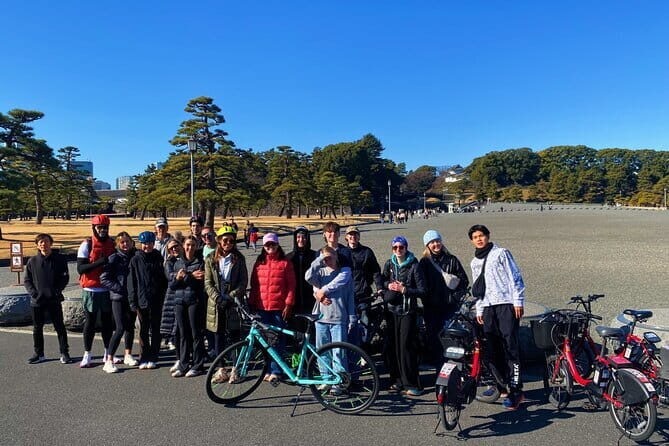
- Stop 2: Imperial Palace Entrance Views and Guard Watch
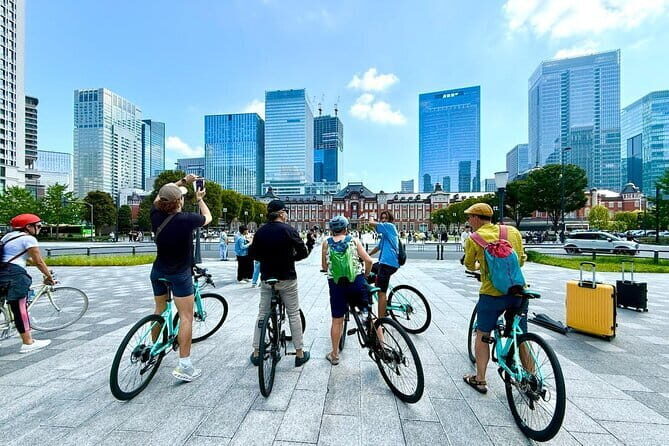
- Stop 3: Tokyo Station Marunouchi Hiroba
- Stop 4: Kokyo Otemon Gate for the Big Picture
- Stop 5: Akasaka Palace (State Guesthouse) Quick Glimpse
- Stop 6: Japan National Stadium and the 2020 Olympic Connection
- Stop 7: Aoyama Street for High-End Fashion and Architecture
- Stop 8: Shibuya Cat Street for Shops and Vintage Finds
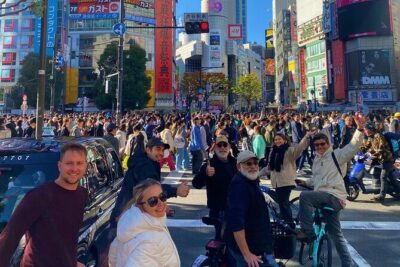
- Stop 9: Shibuya Crossing Bike Through the Most Famous Intersection
- The Cultural Story Thread Your Guide Builds (And How to Get More Out of It)
- Where You End: Yoyogi Park and Jinnan Near Harajuku
- Who This Tour Is Best For (And Who Should Rethink It)
- Should You Book This Tokyo Bike/E-Bike Tour?
- FAQ
- How long is the Tokyo bike/e-bike tour?
- What is the price per person?
- Is the tour offered on bikes and e-bikes?
- How many people are in the group?
- What’s included in the tour price?
- Do I need to bring a helmet?
- Is food and drink included?
- What if the weather is bad?
- Where does the tour start and end?
Why a 3-Hour Bike Tour Works So Well in Tokyo
Tokyo is a city of extremes: huge distances, intense crowds, and neighborhoods that feel like different worlds. This kind of tour is smart because it gives you motion without requiring you to be a full-time cyclist.
In three hours you’ll hit places that normally take forever to string together—temples, major gates, big-city shopping streets, and the Shibuya area—while still stopping long enough to take photos and actually look at what you came for. A key detail: the ride is guided, so you’re not spending your time figuring out crossings, confusing turns, or where to park your bike between landmarks.
And yes, you’ll see the heavy hitters (Tokyo Tower area via Zojo-ji, Imperial Palace grounds, Tokyo Station, Shibuya Crossing). But the value comes from the way the tour links them with stops that give Tokyo context: the architecture around Otemon Gate, the Olympic stadium setting, and the fashion streets around Aoyama and Shibuya.
More of Tokyo by bike
- Tokyo Guided Small-Group Biking Tour★ 5.0 · 1,250 reviews
- Tokyo Great Cycling Tour★ 5.0 · 811 reviews
- Tokyo Top Highlights 3h Guided E-bike Tour★ 5.0 · 714 reviews
Price and Value: What $59.45 Buys You
$59.45 is a fair price for a guided 3-hour city ride with a bike you don’t have to arrange yourself. What makes it feel like good value is the package:
- Bike (or e-bike) included
- Bilingual in-person guide (English and Japanese)
- Raincoat on rainy days
- A mini pouch on the bike for phone/wallet/keys
- Bike insurance
- Multiple stops with free admission tickets listed (so you’re not paying again at each place)
The spots aren’t random either. The itinerary is built around walkable, photo-friendly vantage points and areas you can appreciate fast: Zojo-ji with Tokyo Tower behind it, the red-brick Tokyo Station facade, and Shibuya Crossing at street level (bike-through style).
Two small cost considerations, because Tokyo likes surprises:
- Helmet is not included. Rental is ¥1000, and you need cash if you want one.
- Food and drink are not included, so plan a snack or hydration strategy before you start (or bring a bottle you can carry).
One more money-related note from real experiences: e-bike fit and performance can vary by individual bike size. If you’re tall, short, or very particular about comfort, do a quick check with staff and ask for the right setup before you roll.
Ride Comfort, Safety, and the Realistic Fitness Check
This tour is designed for “moderate physical fitness,” not couch potato mode. The bike option can work for people who don’t ride often, but the ride still involves city cycling: starts and stops, navigating pedestrian traffic, and handling some hills.
Here’s what I’d treat as your reality check:
- You should be comfortable biking through pedestrians and cars.
- If you choose a regular pedal bike, expect it to feel tougher during climbs. One common theme from reviews is that e-bikes make the whole thing easier, especially in heat.
- You won’t likely get a headphone system, so you’ll be listening for the guide while you ride. That’s fine for a 3-hour tour, but it means you should stay close when your guide slows down.
On the plus side, the guides are very focused on keeping everyone together and moving safely. Names that show up often include Show, Naoki, and Sho, and several people commented on feeling safe in Tokyo traffic. Also, the group size is capped at 7, which helps a lot when you’re biking in a crowd.
A practical tip that matters
Wear shoes you can bike in. Loose flip-flops and fancy sandals are a bad idea for any street ride. Tokyo pavement is busy, and you want control when you stop.
Stop by Stop: From Zojo-ji to Shibuya’s Crosswalk Energy
The itinerary is paced with short stops that still feel meaningful. Think “quick look + photo window + small cultural note.” Most stops are 10–15 minutes, so you’re not stuck waiting around, and the full ride stays around the city center.
Bigger sweeps: other Tokyo city tours

Stop 1: Zojo-ji and Tokyo Tower in One Photo Frame
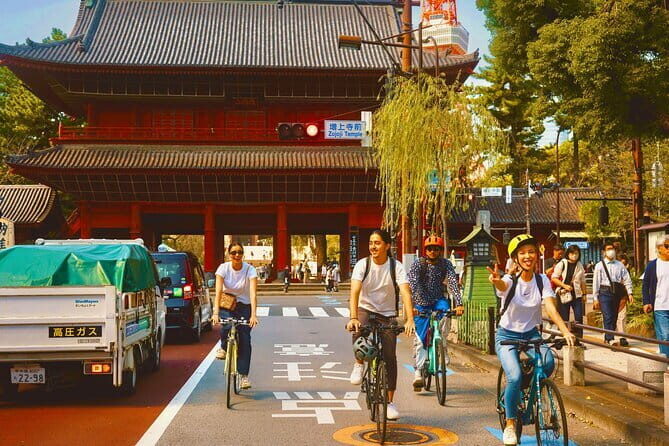
Zojo-ji is the start that instantly gives Tokyo its mood. You’ll visit the famous temple and get a photo moment with Tokyo Tower in the background. If you’re lucky, you may be able to go inside and see the structure (temple interiors can vary).
Why this stop works: it’s a clean entry point into the city—old religious space with a modern icon nearby. It’s also a strong “first wow” before you transition into the more administrative and shopping areas.
Photo note: even if the inside visit isn’t possible, the exterior view is what most people come for.
Stop 2: Imperial Palace Entrance Views and Guard Watch
Next up is the Imperial Palace area. You’ll see the entrance area and the guards. This is more about atmosphere and scale than it is about long sightseeing time.
What you can look for:
- How the grounds and gates create a sense of ceremony
- The way the area feels designed for control and quiet, not tourist bustle
This is one of those Tokyo stops where people expect a quick “look,” but the guard details make it memorable.
Stop 3: Tokyo Station Marunouchi Hiroba
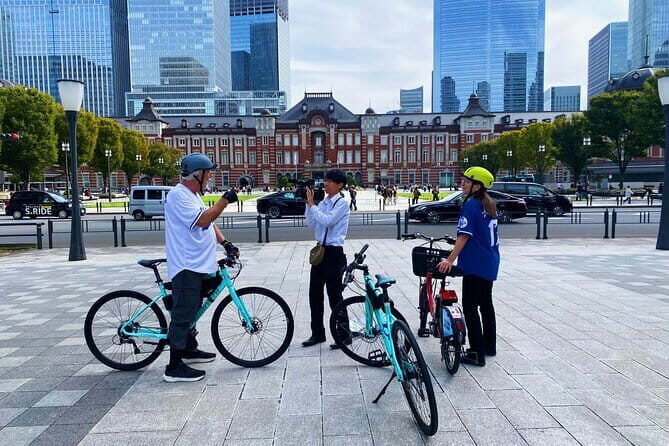
Tokyo Station’s red-brick facade is a classic reason to be in this part of town. You’ll explore Tokyo Station at the Marunouchi Ekimae Hiroba area. The building opened in 1914, and the architecture mixes history with Tokyo’s relentless present-day flow.
Why it’s worth your time even in a short tour:
- Tokyo Station is not just transit. It’s a landmark you can understand visually in minutes.
- It breaks up the “palace + temple + gate” streak with something more modern and bustling.
If you’re hungry, this is a good mental checkpoint—Tokyo Station is packed with food options later, even though food isn’t part of this tour.
Stop 4: Kokyo Otemon Gate for the Big Picture
Otemon Gate is the main entrance to the Imperial Palace. You’ll stop here for photos of the historic gate.
This is a good place to slow down. The gate is visually dense, and photos will come out better if you take a moment to stand back and frame it properly. The stop is short, but it’s enough for the key shot.
Stop 5: Akasaka Palace (State Guesthouse) Quick Glimpse
Akasaka Palace (State Guesthouse) is a fast stop, about five minutes. Admission is not included.
What to expect:
- Don’t treat this like a full visit. It’s more of a viewing stop.
- It’s still interesting if you like the idea of Japan’s ceremonial and diplomatic spaces.
A drawback to note: because admission is not included and the stop is brief, you may leave wanting more. If that happens, you’ll at least have the context from the rest of the day.
Stop 6: Japan National Stadium and the 2020 Olympic Connection
You’ll visit Japan National Stadium, where the 2020 Tokyo Olympic and Paralympic games took place. The stop is around 15 minutes, which is longer than many landmarks on the route.
This is a nice mid-tour breath because it connects Tokyo’s modern identity to global events. You’re also in an area where the city feels built around big venues and movement, which matches the cycling theme.
Stop 7: Aoyama Street for High-End Fashion and Architecture
Aoyama Street is where Tokyo shifts from monuments to style. You’ll cruise through the area known for high-end fashion brands and distinctive architecture.
This stop is short, and it’s meant to be. The goal isn’t shopping time; it’s seeing the contrast—how Tokyo’s wealthy, design-forward side looks when you’re moving past it on a bike.
Stop 8: Shibuya Cat Street for Shops and Vintage Finds
Then you’ll roll into Shibuya Cat Street. Expect a mix of newer fashion brands and vintage shops.
This is the kind of Tokyo street scene where you’ll want to glance left and right. The tour keeps it moving, but if you like street-level Tokyo culture, this stop adds personality to the itinerary.
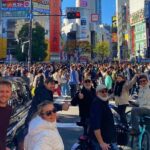
Stop 9: Shibuya Crossing Bike Through the Most Famous Intersection
Now you’re at the showstopper: Shibuya Crossing. You’ll bike through the famous crossing.
Why this moment hits:
- You experience the scale while you’re actually moving through it
- It stops being a photo subject and becomes real, loud, and chaotic-in-a-good-way
Your job here is simple: stay alert, stay in your line, and let the crowd energy do the work.
The Cultural Story Thread Your Guide Builds (And How to Get More Out of It)
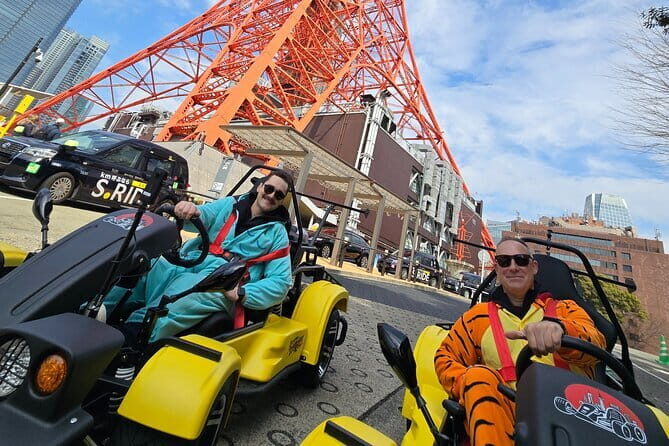
A good bike guide turns a list of stops into a story you can repeat later. On this tour, that’s a big part of the experience. Many people mention that guides like Show and Naoki shared perspective on Japanese culture and history, and they handled questions well along the way.
You’ll likely talk about:
- What you’re seeing at temple and palace-adjacent areas
- How architecture shapes the feel of a space
- How Tokyo’s identity shifts by neighborhood—monuments, transport hubs, and fashion streets
One balanced note: a couple of experiences described the historical information as lighter than expected. The upside is that guides tend to answer questions when you ask, and you can always bring your own curiosity (food culture, etiquette, or what to do after the tour in each neighborhood).
If you want the most value, use the stops like mini office hours:
- Ask one question at each major stop
- Keep it practical: what you should see next, what area is best for dinner, or what neighborhood vibe matches your interests
Where You End: Yoyogi Park and Jinnan Near Harajuku
The tour ends at Yoyogi Park, right next to Harajuku Station. It’s also described as ending in Jinnan, a shopping and dining area between Yoyogi Park and Shibuya.
This ending is smart. It puts you near two choices:
- If you want a calmer post-tour walk, Yoyogi Park gives you room to reset
- If you want energy and food, Shibuya is close enough to keep the night going
So while the bike tour is only three hours, the location gives you a head start on your next move.
Who This Tour Is Best For (And Who Should Rethink It)
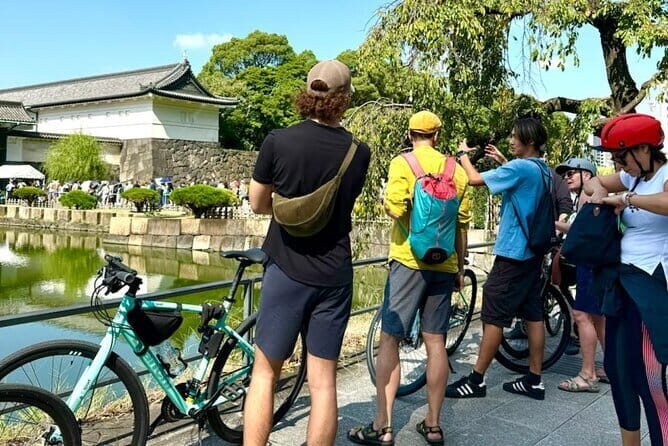
This is a strong fit if you:
- Want to cover a lot of Tokyo in a half-day
- Like guided storytelling instead of solo map chaos
- Want to feel safe biking with a leader, especially if you haven’t cycled in a city before
- Are okay with short stops and quick photos between moving segments
It’s also a great option for solo travelers. Several experiences mention a more personal ride when the group is small, and it’s easy to ask questions without feeling lost.
You should reconsider if:
- You’re not comfortable riding through busy streets
- You hate the idea of listening to instructions without headsets
- You expect a slow, deep museum-style tour. This is more “see + frame + understand a few key points.”
And if you’re booking for an older traveler or someone who’s sensitive to physical exertion, seriously consider the e-bike. Hills can be the difference between enjoying the ride and getting tired fast.
Should You Book This Tokyo Bike/E-Bike Tour?

If you only have half a day and you want a guided path through Tokyo’s big icons plus neighborhood flavor, I’d book it. The value is strong because you get a bike you didn’t have to arrange, insurance, a bilingual guide, and a route that naturally connects the city’s major photo stops with street-level Tokyo shopping areas.
I’d choose the e-bike if heat, hills, or fitness feel like a question mark. I’d choose the pedal bike only if you’re confident in city riding and hills. And I’d go in expecting short stops, not long museum visits.
Bottom line: this is one of the easier ways to get your bearings fast, see Tokyo’s major faces, and leave with practical ideas for what to do next around Shibuya and Harajuku.
FAQ
How long is the Tokyo bike/e-bike tour?
The tour lasts about 3 hours.
What is the price per person?
The price is $59.45 per person.
Is the tour offered on bikes and e-bikes?
Yes. You can choose to ride a bicycle or an e-bike.
How many people are in the group?
The tour has a maximum of 7 travelers.
What’s included in the tour price?
Included items are bicycle use, a raincoat on rainy days, an in-person guide (English and Japanese), a mini pouch for your phone/wallet/keys, and bike insurance.
Do I need to bring a helmet?
A helmet is not included. Rental is available for ¥1000, and you’ll need cash on the day if you want one.
Is food and drink included?
No. Food and drink are not included.
What if the weather is bad?
This experience requires good weather. If it’s canceled due to poor weather, you’ll be offered a different date or a full refund.
Where does the tour start and end?
It starts at Shiba Park area in Minato City (near the Shibakoen area) and ends at Yoyogi Park near Harajuku Station, in the Jinnan area between Yoyogi Park and Shibuya.
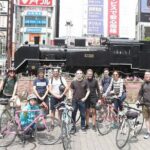
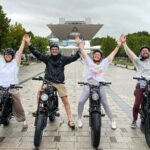
Tokyo on Two Wheels

More Tours in Tokyo




More Tour Reviews in Tokyo




Fresh reviews from around Tokyo






Cycling Tours, compared.
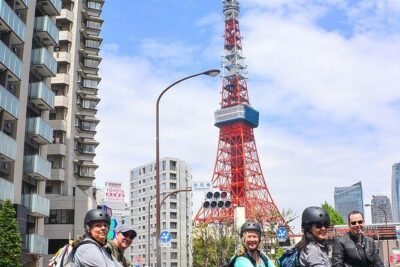 ★ 5.0Tokyo Guided Small-Group Biking TourFrom $1061,250 reviews
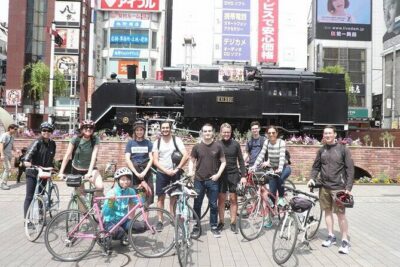 ★ 5.0Tokyo Great Cycling TourFrom $99811 reviews
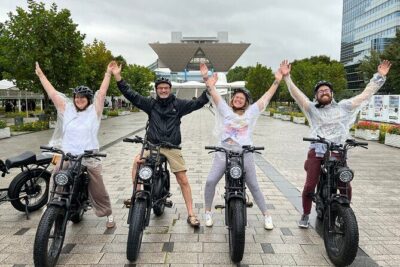 ★ 5.0Tokyo Top Highlights 3h Guided E-bike TourFrom $63714 reviews
3-Hour Bike or E-Bike City Highlights TourFrom $45435 reviews
★ 5.0Tokyo Top Highlights 3h Guided E-bike TourFrom $63714 reviews
3-Hour Bike or E-Bike City Highlights TourFrom $45435 reviews
 ★ 5.0Tokyo West-Side Cycling & Food TourFrom $99214 reviews
 ★ 5.03-Hour Bike/E-Bike Tour of the City’s HighlightsFrom $63209 reviews
 ★ 5.0Small Group Cycling Tour in TokyoFrom $66184 reviews
 ★ 5.03-Hour Tokyo Private E-Bike Tour Starting from Your HotelFrom $145117 reviews
Browse the lists this tour appears in