
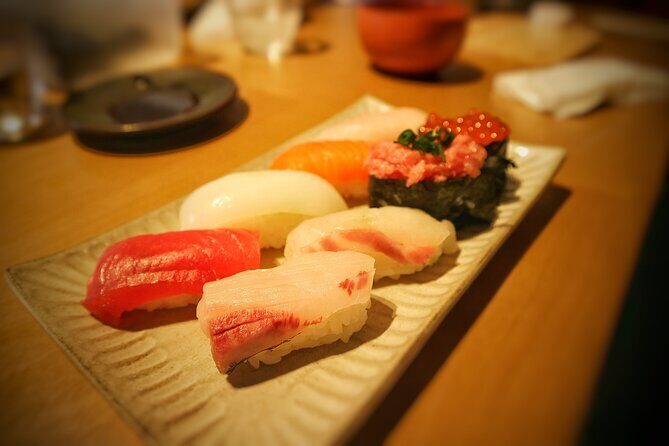
Reviewed · WORKSHOPS
Taisho Sushi Making Class in Tokyo
Sushi skill starts before the fish. This Taisho class is a fast, hands-on way to learn nigiri and related rolls, plus the etiquette that makes sushi feel effortless. The standout idea is that you begin with practice on a model, not a plate of rice, so you build real muscle memory early.
I love that you come empty-handed—equipment and materials are provided, and the class is designed so you can just show up hungry. I also like the flexibility: there are vegan and vegetarian options for non-fish eaters. The one possible drawback is time: it’s an express workshop (about an hour, with the experience also described as 90-minute style), so you’ll learn the basics well, but you won’t turn into the next sushi-ya overnight.
In This Review
- Key things I’d zero in on
- A One-Hour Sushi Workshop That Starts Before the Fish
- First Step: Practice Grip Procedures on Models
- Nigiri Lesson: Seasonal Neta and Making It to Eat
- Gunkan Rolling Tips: Nori Sides, Roe, and Negitoro
- What You’ll Actually Get: Equipment, Amounts, and Etiquette
- Location, Group Size, and How to Plan Your Timing
- Price and Value: Is $109.01 Worth It?
- Who This Class Is Best For
- Should You Book the Taisho Sushi Making Class?
- FAQ
- How long is the Taisho Sushi Making class?
- Do I need to bring ingredients or equipment?
- Are there vegan or vegetarian options?
- What sushi types will I learn to make?
- Will I get to eat what I make?
- Where does the class start and end?
- What is the cancellation policy?
Key things I’d zero in on

- Model practice first so your grip and technique don’t fall apart on the first real bite
- Hands-on nigiri with seasonal neta you get enough variety and quantity to feel satisfied
- Gunkan lesson with guidance on what to use and how to roll nori correctly
- Vegan/vegetarian options so non-fish eaters aren’t stuck watching
- Small-ish group feel with a max of 50 and a chance to mingle with fellow food lovers
- Mobile ticket and an easy start/end at the same meeting point area
More things to make with your own hands
- Sushi Making Tokyo Roll and Authentic Japanese Sushi Class★ 5.0 · 3,971 reviews
- Tokyo Shinjuku Chopsticks Making Class★ 5.0 · 1,763 reviews
- Chopstick Making Workshop in Ginza★ 4.8 · 1,366 reviews
A One-Hour Sushi Workshop That Starts Before the Fish
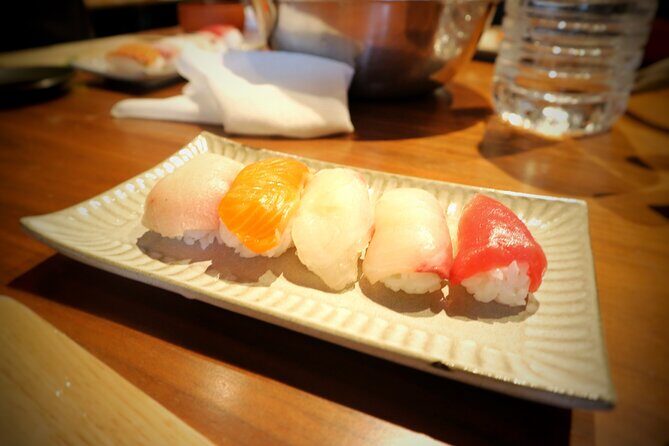
If you’ve ever tried to copy sushi from a recipe, you know it’s tricky. Rice handling matters, finger pressure matters, and nori rolling has its own rhythm. This class is built around that reality, so you get structured practice fast.
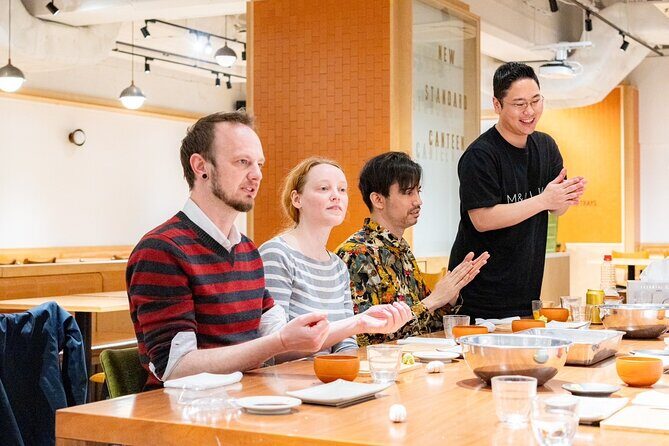
The format is designed to move you from basics to finished results quickly. You practice first, then you cook with real fish and rice, and you finish by eating what you make. I like that it’s not just a demo where you watch and hope you remember.
You’ll also get guidance on sushi-eating etiquette. That might sound minor, but it changes how you enjoy the food once you’re back on your own in Tokyo. The class rating is also strong—4.9 out of 5 from 89 reviews, with 100% recommended—which lines up with the overall “do it, don’t just talk about it” setup.
First Step: Practice Grip Procedures on Models
Here’s the part that makes this experience feel more like training than tourism. Before you touch real rice and fish, you practice grip procedures using models. The provider emphasizes that it’s very difficult to make sushi right away without practice, so you repeat this step several times until it clicks.
This approach is smart for two reasons. First, you learn the hand motion without worrying about ruining expensive ingredients. Second, when you move to real nigiri, you already know what your fingers should be doing.
A few practical notes for you. Expect repetition. That’s not wasted time—it’s the fastest route to competence in a short class. Also, this kind of practice usually benefits beginners most, because it prevents that early frustration spiral.
Nigiri Lesson: Seasonal Neta and Making It to Eat
After the model practice, you shift to nigirizushi using real fish and rice. This is where you stop practicing technique and start producing sushi you’ll actually eat. The class includes instruction on how to form and handle the nigiri, with a focus on doing it correctly.
You’ll also learn about neta—the topping—and how it varies by season. That seasonal change matters because it’s one reason sushi tastes different in Japan across months. Here, you get the chance to work with whatever the day’s selection is, and the goal is to give you the best variety and quantity available.
The experience is designed so you’re not making a tiny sample. You make enough that you can eat until you’re full. That’s one of the clearest value signals in the whole concept: you pay for a workshop, not a photo opportunity.
Gunkan Rolling Tips: Nori Sides, Roe, and Negitoro
Once you’ve repeated the nigiri practice for a while, the class moves into gunkan—often described like a small warship shape. The important part for you isn’t just the look. The class includes a lecture and guidance on how to roll the nori correctly.
You’ll learn that the nori has a front and back side, and that detail affects rolling. You’ll also get hands-on work with specific gunkan-style ingredients such as salmon roe and negitoro (crushed sea urchin). In other words, you’re not only learning the structure—you’re also learning the choices and components behind classic gunkan bites.
This segment is where the workshop feels especially “Tokyo sushi” rather than generic Japanese cooking. It teaches you a shape and a technique that you might never attempt at home, even if you like sushi a lot.
If you don’t eat fish, don’t assume you’re out of luck. The class states there are vegan and vegetarian options available for non-fish eaters. That means you can still participate through the process, not just the watching part.





What You’ll Actually Get: Equipment, Amounts, and Etiquette
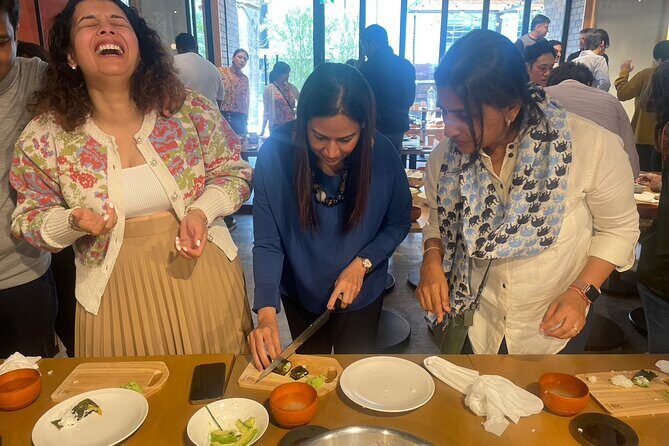
This class is designed to be approachable. Equipment and materials are provided, so you don’t need to bring anything special. You’ll come empty-handed and still leave with a set of practical skills: how to prepare, roll, and eat sushi like a pro with hands-on guidance.
The “prep and roll” portion matters because it teaches you sequence. Sushi is not just about ingredients—it’s about timing, texture, and handling. In a short workshop, the best way to learn is to repeatedly do the steps under instruction, which is exactly what this format sets up.
Then there’s the etiquette instruction. You get coaching in proper sushi-eating etiquette along with the chance to consume your creations. Even if you’re not trying to impress anyone, etiquette basics help you enjoy sushi more naturally when you order it later.
One more thing I appreciate: the class is explicitly aimed at people who want results quickly. Plenty of visitors in Tokyo do the big sushi restaurants, then struggle to translate what they ate when they go home. This class gives you something concrete to remember.
Location, Group Size, and How to Plan Your Timing
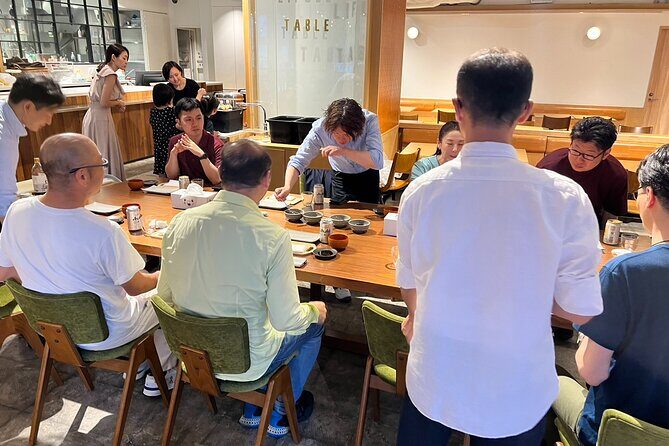
The meeting point is listed as 1-chōme-4-4 Kōjimachi, Chiyoda City, Tokyo 102-0083, Japan, and the activity ends back at the meeting point. It’s near public transportation, which matters in Tokyo where travel time can add up fast.
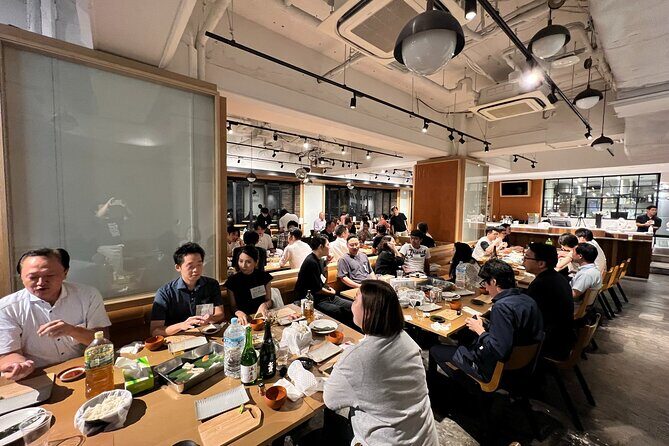
Group size is capped at 50 travelers, which is large enough to feel social but still small enough that you’re likely to get attention when you need it. This is also why the class works well if you’re traveling with friends or family—people can chat, learn, and compare what they made without feeling lost in a crowd.
Booking timing can also affect your stress level. This experience is often booked about 23 days in advance on average, so if you’re planning around a tight Tokyo schedule, I’d secure it earlier rather than later.
As for duration, you should plan for about 1 hour (approx.). The provider also describes it as a 90-minute style experience. Either way, it’s short enough that you should treat it like a focused meal-learning block. If you stack too many activities back-to-back, you may feel rushed.
Price and Value: Is $109.01 Worth It?
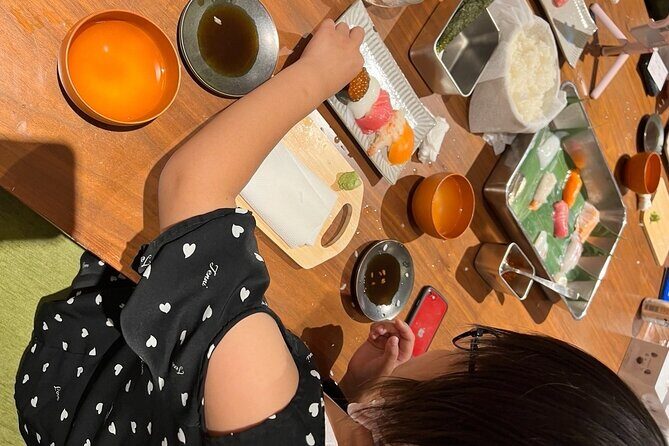
At $109.01 per person, you’re paying for instruction, ingredients, and the fact that you get to eat what you produce. In Tokyo, sushi can be pricey—especially if you’re paying for the experience of being served. What you’re buying here is closer to a hands-on training session than a restaurant meal.
Value usually comes down to three things, and this class covers all of them:
- You get full participation (practice, then real nigiri and gunkan)
- You get enough food to be satisfied (quantity until you’re full)
- You get guided technique (model practice plus lectures and hands-on support)
You’re also not stuck with an all-fish class. Vegan and vegetarian options are available for non-fish eaters, which is a big deal for fairness and comfort. Otherwise, many “sushi classes” still feel like fish-centered experiences with a bland backup.
If you compare this to a typical sushi meal alone, you’re paying more than casual bowls—but you’re also buying skill, confidence, and the etiquette piece. For foodies on a schedule, that combination often feels worth it.
Who This Class Is Best For
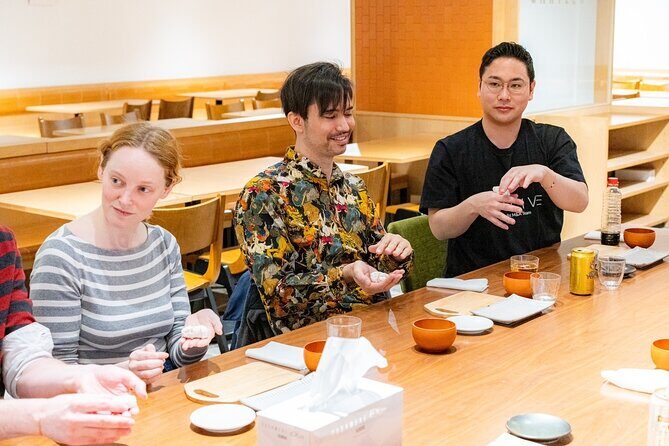
This workshop is ideal if you love sushi and want to learn the mechanics without spending a week in a training kitchen. It’s also great for anyone who’s short on time but still wants something authentic rather than generic souvenirs.
I’d especially recommend it if:
- You want hands-on instruction instead of a lecture
- You’re a beginner who benefits from structured practice (model step)
- You eat fish sometimes but want a class that still supports veg options
- You’re traveling with a group and want an activity that feels interactive
It’s also a good pick for families. The class is structured for newcomers, and the hands-on format keeps kids and adults from zoning out. Just remember it’s an express workshop, so expect basics and technique guidance, not an all-day deep mastery course.
For advanced sushi fans, you might feel it’s a fast primer. But even then, the focus on nori orientation and gunkan structure is the kind of detail that can be useful.
Should You Book the Taisho Sushi Making Class?
Yes, if you want a straightforward way to learn nigiri and gunkan with real instruction and real results—fast. The big selling points are the model practice step, the chance to eat your creations, and the way the class supports different diets.
Skip it only if you’re looking for a long, slow-paced cooking journey or an ultra-personal, one-on-one training setting. The workshop is compact by design, so it’s about getting you competent quickly, not slowly teaching every nuance.
If you’re visiting Tokyo and want a sushi experience that actually sticks after your trip, this is one of the more practical ways to make it happen.
FAQ
How long is the Taisho Sushi Making class?
The duration is listed as about 1 hour (approx.). The experience is also described as a 90-minute sushi-making experience.
Do I need to bring ingredients or equipment?
No. The experience states that all equipment and materials are provided, so you can come empty-handed.
Are there vegan or vegetarian options?
Yes. Vegan and vegetarian options are available for non-fish eaters.
What sushi types will I learn to make?
You’ll practice and learn preparation and rolling with hands-on guidance, including making hand-made maki and nigiri, and there is also a lecture and practice segment on gunkan.
Will I get to eat what I make?
Yes. The workshop ends with the chance to consume your creations, and you’ll learn proper sushi-eating etiquette.
Where does the class start and end?
It starts at 1-chōme-4-4 Kōjimachi, Chiyoda City, Tokyo 102-0083, Japan and ends back at the meeting point.
What is the cancellation policy?
You can cancel for a full refund up to 24 hours before the start time. Free cancellation is available as long as you cancel at least 24 hours in advance; after that, the amount paid is not refunded.
Make Something to Take Home


More Tour Reviews in Tokyo



Fresh reviews from around Tokyo






Workshops, compared.
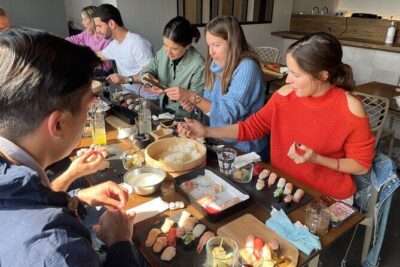 ★ 5.0Sushi Making Tokyo Roll and Authentic Japanese Sushi ClassFrom $593,971 reviews
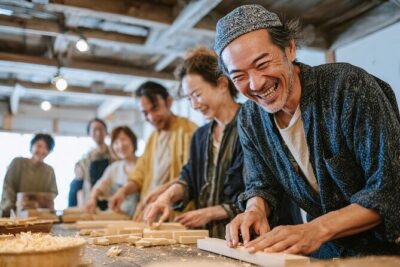 ★ 5.0Tokyo Shinjuku Chopsticks Making ClassFrom $201,763 reviews
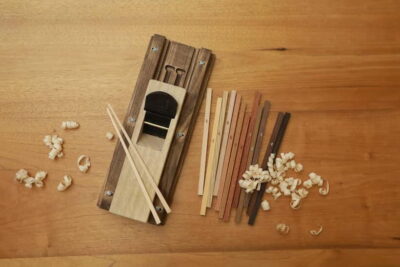 ★ 4.8Chopstick Making Workshop in GinzaFrom $251,366 reviews
 ★ 5.0Tokyo Sushi Making Class in Tsukiji with Professional ChefFrom $491,177 reviews
 ★ 5.0Ramen & Gyoza Cooking Class in Tokyo with Local Supermarket VisitFrom $122823 reviews
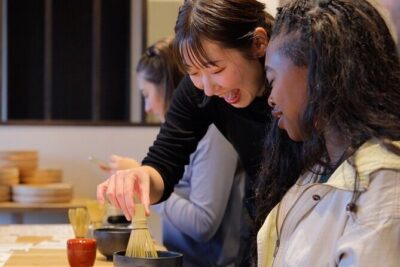 ★ 5.0Matcha Making Class in Tokyo with Authentic Japanese Sweets SetFrom $21744 reviews
 ★ 5.0Samurai Sword & Archery Class from Samurai DescendantFrom $193603 reviews
 ★ 4.9Tsukiji Fish Market Sushi Making Class with Pro ChefFrom $63506 reviews
Browse the lists this tour appears in