
Reviewed · ASAKUSA TOURS
Sushi Making with Interactive Samurai Experience at JIN-ASAKUSA
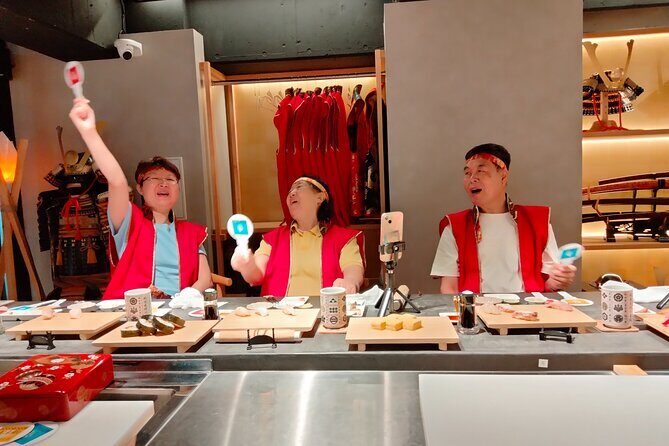
Two hours, samurai, and a sushi board. This experience turns hands-on sushi making into a full-on Sengoku-era show, starting with samurai-style dressing up and ending with you eating what you helped create. I like that it is built for fun learning, not just watching someone else work.
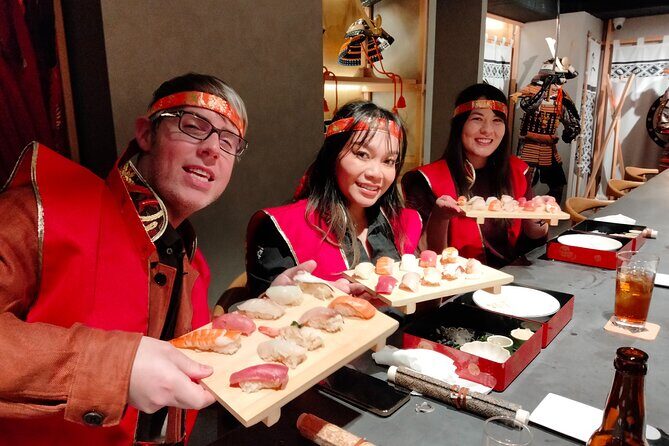
What I especially like is the chance to learn from a Japanese sushi chef and get plenty of tasting time. You can expect high-quality ingredients like crab, salmon, caviar, and Kobe/Wagyu beef, plus extra bites such as Japanese omelet, depending on the course.
One thing to consider: it is food-forward and includes seafood and premium items, so if you avoid things like shellfish or caviar, you may want to double-check what is served.
In This Review
- Key highlights you should know
- Samurai dress-up to sushi bites: what this 2-hour experience feels like
- Where you meet in Asakusa and what to plan for
- Samurai sword show and the lesson that comes with the theater
- Sushi making the hands-on way: nigiri, futomaki, and tamago lessons
- Nigiri practice
- Futomaki and Japanese omelet as technique boosters
- The food you actually get to taste: crab, salmon, caviar, Kobe/Wagyu
- Games and quiz battles: why they make sushi stick
- Choosing your course: SHOGUN options vs Trio Chef Live
- Option 1 / Option 2: Premium SHOGUN (Standard and with dessert)
- Option 3 / Option 4: Trio Experience Chef Live (Standard and with dessert)
- Price and value: what $49.27 gets you, and what to watch
- Who this suits best (and who should think twice)
- Tips to make the most of your sushi-and-samurai time
- Should you book the JIN-ASAKUSA sushi and samurai experience?
- FAQ
- How long is the sushi making experience?
- Is this a private experience?
- Where is the meeting point?
- What sushi and food do you make and taste?
- Are there demonstrations during the class?
- Can I eat what I prepare?
- What drinks are included?
- Is transportation to the venue included?
- What ticketing and confirmation should I expect?
- What is the cancellation policy?
Key highlights you should know
- Private for your group: no joining strangers, so the chef can pace things to your crew
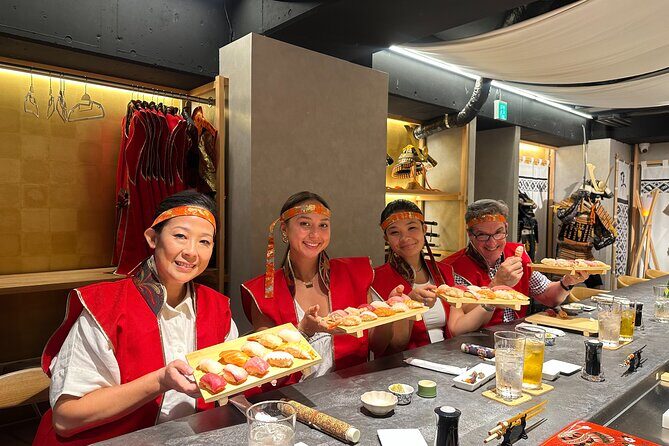
- Samurai dress-up and sword show: theatrics that also frame the lesson
- Make multiple sushi styles: nigiri plus items like futomaki and dashimaki tamago demos
- Learn through games: a food quiz battle that keeps you paying attention
- Tastes include premium proteins: crab, salmon, caviar, and Kobe/Wagyu beef
More mornings around Senso-ji and the old town
- Tokyo: Japanese Dance Cabaret Theater Asakusa-Kaguwa Ticket★ 4.8 · 2,270 reviews
- Tokyo: Asakusa Walking Tour with Sensoji Temple Visit★ 4.8 · 1,583 reviews
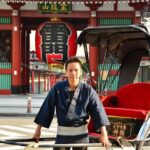
- Tokyo Asakusa Rickshaw Tour★ 5.0 · 1,375 reviews
Samurai dress-up to sushi bites: what this 2-hour experience feels like
In Asakusa, this is not your quiet, sit-and-watch kind of cooking class. You are stepping into a themed space where the pace stays upbeat and the chef is more teacher than lecturer. The format is built around doing: dress up, learn techniques, then make and taste.
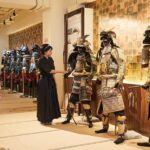
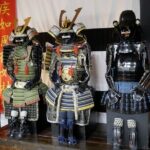
The first hook is the setting and storyline. You get a chance to wear samurai-style gear, and that costume moment is not just for photos. It helps set expectations: this is interactive entertainment with real food instruction behind it. That matters, because sushi skills are mostly muscle memory. The faster you start handling rice and toppings, the more you actually learn.
What keeps it interesting is the mix of roles. The sushi chef teaches basics and technique, but there is also a sword show and food quiz battle that nudges everyone to stay sharp. If you enjoy activities that feel like a light competition (without being stressful), this format works well.
Where you meet in Asakusa and what to plan for
You meet at JIN-ASAKUSA 陣-浅草 at CREAL Asakusa Sky View Square, 4F. The address listed is 111-0033 Tokyo, Taito City, Hanakawado, 1-chōme-1014.
The good news: it is described as near public transportation, so you can base your day in Asakusa and walk or transit over without a major detour. The tour also ends back at the meeting point, which makes it easy to fold into your day without guessing what neighborhood you will land in.
Time-wise, plan for about 2 hours. That is long enough to do multiple steps (rice handling, nigiri, rolling demos, tasting), but short enough that you should keep your day schedule simple. If you are stacking tickets back-to-back, consider leaving a buffer so you do not feel rushed.
Also, this is run as a private experience for your group. That can be a big quality boost. You are not fighting for attention while someone else’s hands are in the way of the chef’s instructions.
Samurai sword show and the lesson that comes with the theater
The samurai theme is not a random costume rack. It is part of how the experience is paced.
You should expect:
- a samurai sword show by the chef
- demonstrations connected to sushi-making steps, like futomaki
- a dashimaki tamago (Japanese omelet) demo
The key value here is clarity. A live demo paired with a show-style setting tends to make technique easier to remember. When you see and hear the steps in a structured way, you do not just think about the final sushi. You think about the process: texture, temperature, and timing.
It also keeps momentum. Two hours can feel long in a normal class, but here it is broken into smaller beats: watch, learn, try, then taste. That rhythm is why the experience scores extremely high on visitor satisfaction, with a very strong Google Maps rating (4.9 overall) and a huge share of top ratings.
Sushi making the hands-on way: nigiri, futomaki, and tamago lessons
This is a true cooking session, not a tasting-only meal. The chef guides you as you make sushi from scratch, and the course structure is designed so you end up eating what you create.
Here is what you can expect from the sushi-focused part:
More blades, bows and dojo hours

Nigiri practice
Nigiri is the centerpiece. You will learn how to form sushi with rice and toppings. The practical takeaway is that nigiri is mostly about control: how you handle rice, how much pressure you use, and how you balance flavors so the bite works even when it is small.
Depending on the course you choose, you may make different quantities or styles. The SHOGUN format emphasizes learning multiple sushi types, while the Trio Chef Live format lists a clear set of items (including nigiri pieces).
Futomaki and Japanese omelet as technique boosters
Even when you are not making everything yourself, you still get technique value through demos.
- Futomaki demonstration: The thick roll is a different challenge than nigiri. It adds structure and introduces how the ingredients layer and hold together.
- Dashimaki tamago demonstration: Japanese omelet is about slicing through soft, layered texture. Seeing it demonstrated helps you understand how Japanese cooking treats texture as part of the flavor.
If you are only into sushi as a concept, this is a great way to broaden. You start to see sushi as a family of techniques, not just raw fish on rice.
The food you actually get to taste: crab, salmon, caviar, Kobe/Wagyu
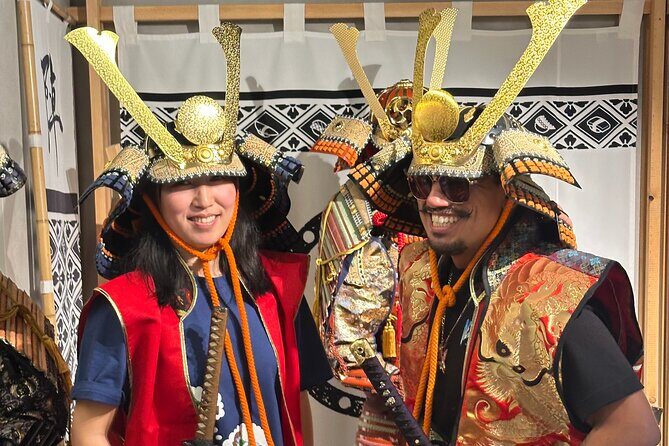
This is where the value really shows. You are not just making a couple bites and leaving hungry.
The experience is described as having lots to taste, including:
- crab
- salmon
- caviar
- Wagyu beef / Kobe beef
Depending on the course, you also get Japanese omelet and other prepared items that round out the menu. Some course options also mention extra items like sushi donut, which turns a familiar ingredient list into a fun format.
Why this matters: sushi classes can sometimes focus so hard on technique that the meal feels like a formality. Here, the tasting component is part of the learning loop. When you taste what good looks like right after you handle the process yourself, you build a real sense of what changes when rice is done right or when seasoning and toppings are balanced.
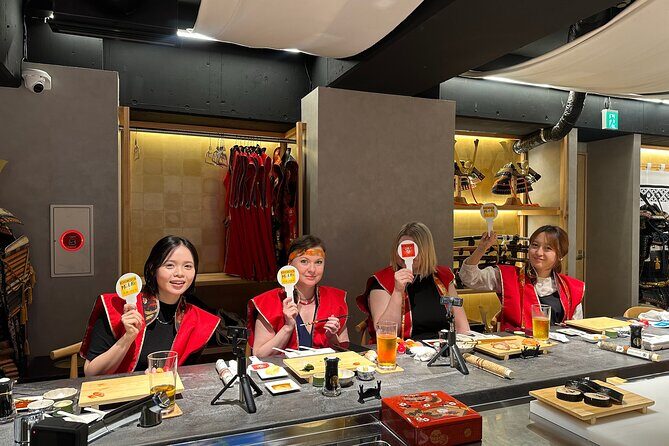
And yes, there are also interactive elements built around the food. There is a quiz battle where people aim for SHOGUN, which is a clever way to get you thinking about what you are eating and learning.
Games and quiz battles: why they make sushi stick
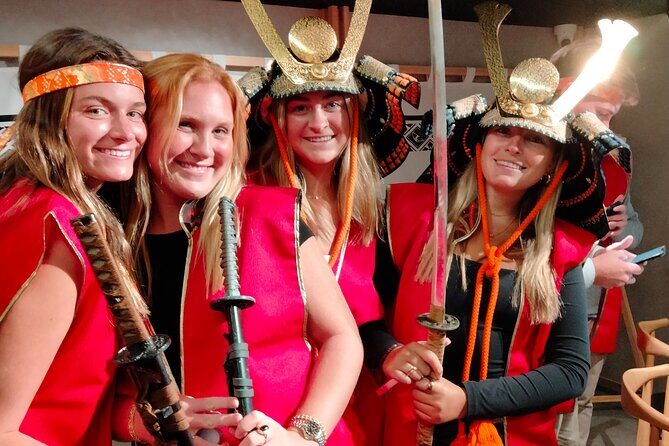
If you have ever taken a class where the chef talks and you forget half the steps, this is the opposite. The experience keeps you engaged with a food quiz battle.
The practical effect is simple: when you have to answer questions (even casually), you pay attention differently. You listen for details that you would otherwise treat as trivia. And sushi is full of small details—rice texture, topping pairing, and technique timing.
In other words, the game is not fluff. It helps you remember.
Choosing your course: SHOGUN options vs Trio Chef Live
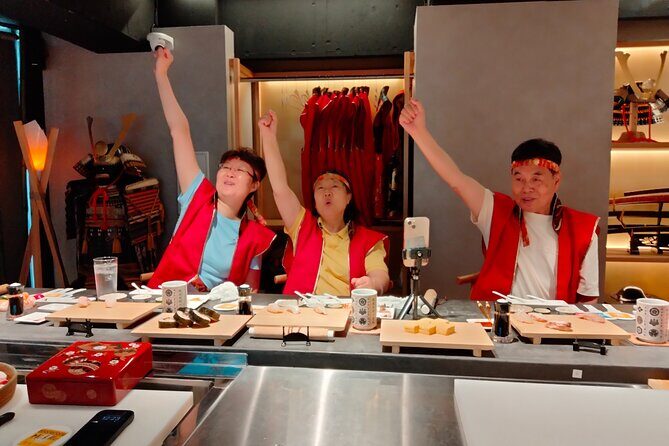
You will see multiple course options, and the differences matter for your expectations.
Option 1 / Option 2: Premium SHOGUN (Standard and with dessert)
These options focus on a fuller entertainment-meets-cooking arc. The overview emphasizes learning sushi from scratch and learning to make multiple types of sushi (listed as learning about 10 different types).
You also get:
- sushi instruction and experiences tied to the samurai theme
- demonstrations including futomaki and dashimaki tamago
- a food quiz battle where you aim for SHOGUN
Option 2 adds dessert.
Option 3 / Option 4: Trio Experience Chef Live (Standard and with dessert)
This one is more clearly itemized for what you make and eat. It lists:
- 3 kinds of appetizers
- 5 types of nigiri sushi (5 pieces total)
- 1 futomaki (thick roll)
- 1 sushi donut
- futomaki demonstration and sword show by the chef
- dashimaki tamago demo by the chef
Option 4 adds dessert.
What I would do: if you want a structured menu with clear quantities, go with the Trio Chef Live option. If you want the bigger themed arc tied to SHOGUN and the idea of learning a wider range of sushi types, pick the SHOGUN option.
Price and value: what $49.27 gets you, and what to watch
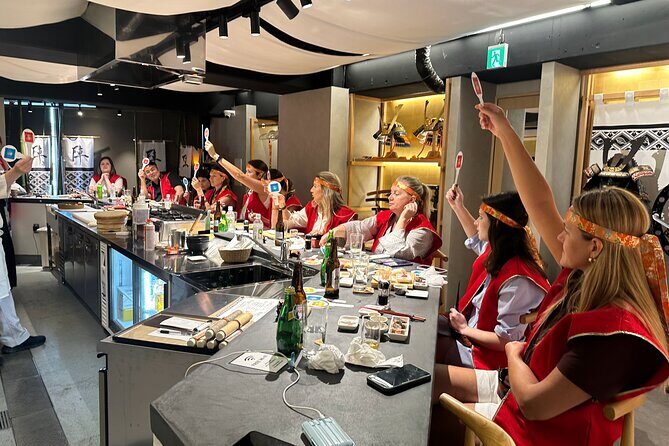
The price listed is $49.27 per person, for about 2 hours, and the experience includes service charge and consumption tax.
That is the value argument: you are paying for (1) chef-led instruction, (2) a themed production with sword show elements, and (3) enough food tastings that it feels like a meal, not a snack.
Two cost notes to keep you from surprises:
- Transportation is not included. You handle getting to JIN-ASAKUSA.
- Additional drinks are not included (except water and green tea).
Also, this experience books ahead. The average booking time listed is about 50 days in advance, which usually means demand is strong. If you are planning around a specific date in Asakusa, lock it in earlier rather than later.
Who this suits best (and who should think twice)
This is a strong fit if you:
- enjoy interactive experiences more than quiet classes
- want a group activity with photos and a theme
- like the idea of tasting premium sushi ingredients like caviar and Kobe/Wagyu beef
- learn better when you are doing something with your hands and getting quick feedback
It may be less ideal if you:
- avoid seafood or specific premium items like caviar and crab
- want a long, traditional sushi lecture with minimal entertainment
- are sensitive to a lively, show-style atmosphere
Because it is private, it also tends to work well for couples, friends, or small groups who want the chef’s attention without sharing the room.
Tips to make the most of your sushi-and-samurai time
Here are practical moves that fit this format:
- Come hungry enough to enjoy tastings. Two hours moves fast, and you want to savor what you make.
- Watch the demonstrations closely before you start your own sushi. The biggest improvements happen early.
- Use the samurai moments for photos, but keep an eye on the timing. The best images usually happen before the chef signals the next step.
- If you have dietary restrictions beyond general preferences, decide early. The course descriptions explicitly include premium seafood and caviar, so your comfort level matters.
One more note: staff are described as English-speaking, which makes the lesson easier to follow if you are not fluent in Japanese. That is a real advantage for getting technique right.
Should you book the JIN-ASAKUSA sushi and samurai experience?
Book it if you want sushi with energy. The mix of hands-on nigiri making, a samurai sword show, and tastings that include crab, salmon, caviar, and Kobe/Wagyu beef makes this feel like an experience, not a simple meal.
Pass or reconsider if you are picky about seafood or premium ingredients, or if you want a strictly quiet, traditional class with minimal games.
If your ideal Tokyo day includes something hands-on, photo-friendly, and genuinely delicious, this one belongs on your short list.
FAQ
How long is the sushi making experience?
It lasts about 2 hours.
Is this a private experience?
Yes. It is private, and only your group participates.
Where is the meeting point?
You meet at JIN-ASAKUSA 陣-浅草 Japan, 111-0033 Tokyo, Taito City, Hanakawado, 1-chōme1014 CREAL浅草スカイビュースクエア 4F.
What sushi and food do you make and taste?
Depending on the course, you can make items like multiple types of sushi (including nigiri), and in some options you also make futomaki and a sushi donut. Tasting includes items such as Japanese omelet and Kobe beef, and the experience description also lists ingredients like crab, salmon, caviar, and Wagyu beef.
Are there demonstrations during the class?
Yes. The chef demonstrates things like a sushi-related presentation and includes a futomaki demonstration, plus a dashimaki tamago (Japanese omelet) demonstration. A samurai sword show is also included.
Can I eat what I prepare?
Yes. The experience is designed around making sushi and then tasting the food you prepared.
What drinks are included?
Water and green tea are included. Additional drinks are not included.
Is transportation to the venue included?
No. Transportation to the activity venue is not included.
What ticketing and confirmation should I expect?
You receive a mobile ticket. Confirmation is received within 48 hours of booking, subject to availability.
What is the cancellation policy?
It is non-refundable and cannot be changed for any reason.
More Tour Reviews in Tokyo






The Way of the Sword, Continued
Around Senso-ji: More Asakusa Picks
Fresh reviews from around Tokyo






Asakusa Tours, compared.
 ★ 4.8Japanese Dance Cabaret Theater Asakusa-Kaguwa TicketFrom $492,270 reviews
 ★ 4.7Meiji Shrine, Asakusa, Skytree Bus Tour and CruiseFrom $1221,986 reviews
 ★ 4.8Asakusa Walking Tour with Sensoji Temple VisitFrom $221,583 reviews
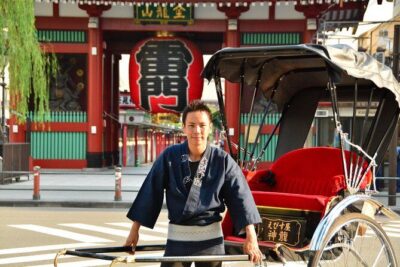 ★ 5.0Tokyo Asakusa Rickshaw TourFrom $421,375 reviews
 ★ 4.5Tokyo Panoramic 1 Day: Meiji Shrine, Asakusa, Odaiba and SKYTREE®From $851,222 reviews
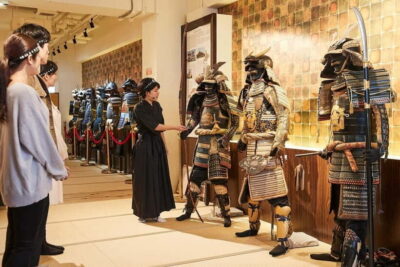 ★ 4.8Samurai Ninja Museum Asakusa: Samurai Sword Lesson & TourFrom $63306 reviews
Asakusa Sightseeing Tour by RickshawFrom $35195 reviews
Asakusa Kimono Dressing and Matcha ExperienceFrom $56173 reviews
★ 4.8Samurai Ninja Museum Asakusa: Samurai Sword Lesson & TourFrom $63306 reviews
Asakusa Sightseeing Tour by RickshawFrom $35195 reviews
Asakusa Kimono Dressing and Matcha ExperienceFrom $56173 reviews
Browse the lists this tour appears in