
Reviewed · ASAKUSA TOURS
Sushi Making Tokyo with Traditional Rickshaw Ride Tour in Asakusa
Sushi, then a rickshaw, in old-school Asakusa. This day mixes sushi making with a guided rickshaw ride through the kind of streets that feel like you stepped back into Edo-era Tokyo. It’s a simple format: food lessons first, then sightseeing right after, with an English-speaking team guiding the whole thing.
I really like that the class includes the ingredients and the meal, so you’re not guessing what you’ll get or what you still need to buy. I also like the energy from the staff—people have specifically praised the hospitality and entertainment value, with named guides like Shogo and Hero showing up in feedback. One possible drawback: you’ll need good weather for the ride, and there’s no hotel pickup, so you should plan to arrive at the meeting point on your own.
In This Review
- Key Things to Know Before You Book
- Sushi Making Tokyo in Asakusa: The Best Reason to Schedule It
- Time, Meet Point, and How to Plan Your Half-Day
- Stop 1: Sushi Making Tokyo and What You’ll Be Doing
- Stop 2: Asakusa on a Rickshaw Ride That Feels Like a Movie Set
- English Hospitality: Why the Staff Matters More Than You Think
- What’s Included (and What You’ll Pay For Yourself)
- Price and Value: How $156.77 Makes Sense Here
- Who This Tour Fits Best (and Who Might Want Another Option)
- Practical Tips to Make Your Day Smoother
- Should You Book This Asakusa Sushi-and-Rickshaw Day?
- FAQ
- How long is the sushi making and rickshaw tour?
- Is the tour conducted in English?
- Where does the tour start and end?
- What’s included in the price?
- Is hotel pickup or drop-off included?
- How big are the groups?
- Does the tour require good weather?
- Is free cancellation available?
Key Things to Know Before You Book
- English-first experience with an instructor and ongoing guidance throughout the day
- Hands-on sushi making with ingredients and a meal included
- Rickshaw ride through Asakusa with an Edo-period atmosphere and local storytelling
- Small-group cap (up to 30 people) for a more personal feel
- Ends where you start, at the Kaminarimon meeting point (no hotel pickup or drop-off)
More mornings around Senso-ji and the old town
- Tokyo: Japanese Dance Cabaret Theater Asakusa-Kaguwa Ticket★ 4.8 · 2,270 reviews
- Tokyo: Asakusa Walking Tour with Sensoji Temple Visit★ 4.8 · 1,583 reviews
- Tokyo Asakusa Rickshaw Tour★ 5.0 · 1,375 reviews
Sushi Making Tokyo in Asakusa: The Best Reason to Schedule It
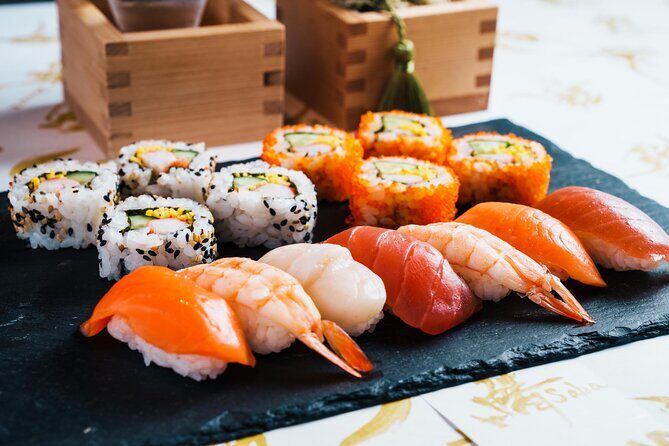
This is the kind of Tokyo activity that makes sense even if you’re short on time. You’re not just watching sushi get made—you’re learning the process and then eating what you made. And then you get to slow down again with a rickshaw ride through Asakusa’s older-feeling streets.
The big win here is pacing. Cooking classes can feel like a sprint, and sightseeing tours can feel like a blur. This one balances both, and the English guidance helps you follow along without needing to piece things together.
The day is also built around a specific place: Asakusa. That matters because the neighborhood’s atmosphere is the point. Kaminarimon and the surrounding area can feel like Tokyo is wearing a time-travel costume—especially when you’re moving through it on a rickshaw.
Time, Meet Point, and How to Plan Your Half-Day
Plan for about 3 hours 30 minutes total. The tour uses a mobile ticket, and you’ll confirm within 48 hours of booking (subject to availability). Group size is capped at 30, which is usually a comfortable number for an experience that mixes food work with guided walking.
Your meeting point is very specific: 2-chōme-17-9 Kaminarimon, Taito City, Tokyo 111-0034, Japan. The tour also ends back at the same meeting point. There’s no hotel pickup or drop-off, so you’ll want to stay somewhere that’s reasonably easy to reach on public transportation.
If you’re trying to fit this into a tight schedule, pick a day when you’re not counting on perfect timing. Weather matters here. The experience requires good weather, and if it’s canceled for poor weather you’ll be offered a different date or a full refund.
What to bring is simple:
- Wear comfortable clothes (you’ll be making sushi, then sitting in a rickshaw).
- Bring shoes you can stand in.
- If you’re sensitive to weather, plan a light layer and a small umbrella.
Stop 1: Sushi Making Tokyo and What You’ll Be Doing
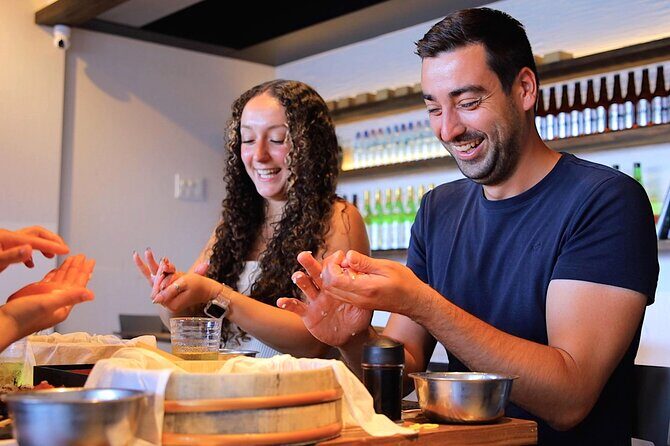
The day starts with the sushi making class segment. It’s positioned as a top cooking class option in Japan, and the format is hands-on from the beginning. You’ll work with included ingredients and the class is conducted in English, so you can actually follow the steps rather than just watch.
A good clue about quality is what people call out afterward: fresh results and a sense of accomplishment. People have also described the experience as educational and sensory—meaning you’re not just getting fed, you’re learning enough about the craft to appreciate what you’re doing.
Practically, this is what you should expect from a sushi-making experience like this:
- You’ll be taught how to prepare and assemble sushi.
- You’ll use ingredients provided for your class.
- You’ll eat the meal included with the experience.
One smart way to get more out of it is to ask questions while you’re working. Since the class is in English, you can push beyond basic instructions. Ask what makes sushi different from other Japanese foods, or what people usually do at home versus what’s taught in class. Those small questions often turn a fun activity into something you’ll remember.
One thing to keep in mind: because it’s a cooking class, you’ll likely be working with food textures and flavors that are new. That’s part of the fun. If you have allergies or special diets, you’ll need to handle that directly with the operator—nothing in the provided details states allergy accommodations.
Stop 2: Asakusa on a Rickshaw Ride That Feels Like a Movie Set
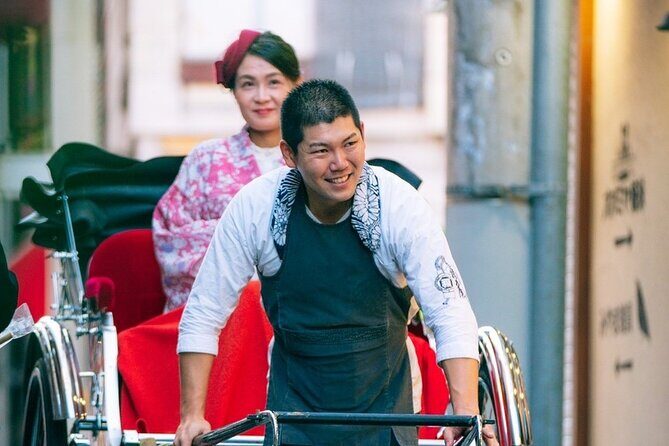
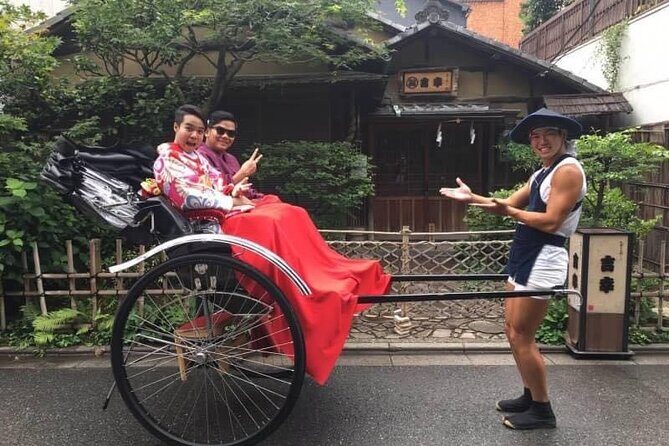
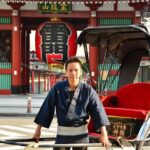
After the sushi portion, the tour shifts into sightseeing mode. You’ll enjoy a rickshaw ride through Asakusa, guided by a local staff member in English. The whole point is the atmosphere—streets that remind you of Tokyo’s Edo period, plus the feeling of moving through the neighborhood instead of rushing past it.
The rickshaw time is listed as about 1.5 hours. Another segment of the day is listed as about 1 hour 30 minutes, and it’s tied to the Asakusa experience. In plain terms: you should expect meaningful time outside, plus time spent seated as you soak in the neighborhood vibe.
People have praised the drivers and guides for storytelling and hospitality. Some have specifically thanked named staff—Shogo for the rickshaw ride and Hero for overall guidance. That kind of feedback usually means two things you’ll care about:
- You get context, not just directions.
- The guide keeps the mood friendly and easy.
A rickshaw is also a great choice in a city like Tokyo because it changes your pace. You won’t be staring at a phone screen trying to decide which street is next. Instead, you get your bearings fast: you’re guided through a classic area where even getting lost can feel like part of the experience.





English Hospitality: Why the Staff Matters More Than You Think
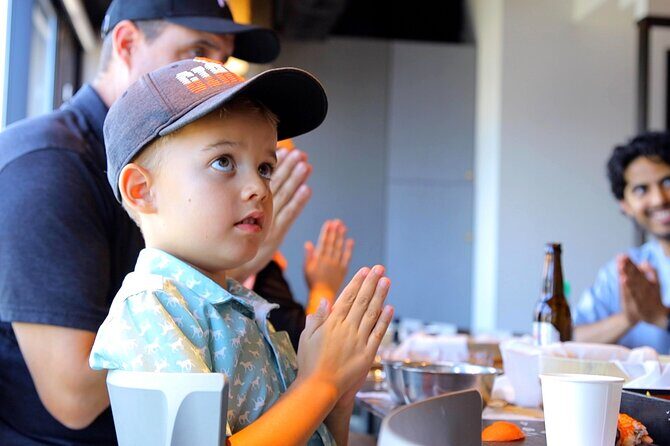
This tour leans hard on people. The English-speaking instructor and the local staff aren’t just there to translate—they’re part of what makes the day feel smooth.
The tour description emphasizes overseas experience and hospitality, and the feedback pattern matches that. People describe the staff as fun to talk to, kind, and genuinely engaged with making the experience enjoyable. That matters a lot for activities like this because sushi making is hands-on and sometimes a little messy, and a guided rickshaw ride is personal and needs good communication.
If you prefer a structured experience—clear steps for cooking, clear explanations on the ride—this is a strong match. If you’re the type who likes to chat and learn small cultural details, it also fits well. The English format helps you do both without slowing the group down.
What’s Included (and What You’ll Pay For Yourself)
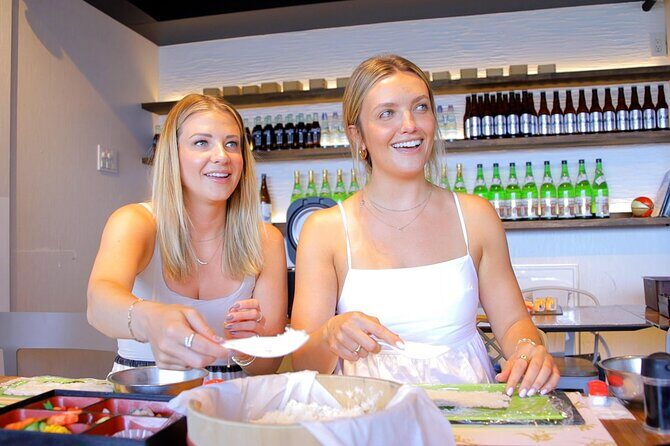
Here’s the clean, practical rundown of what’s included:
- English speaking instructor
- Ingredients of the cooking class and meal
What’s not included:
- Hotel pickup and drop-off
That last point is not just a technical detail. It changes how you plan your day. You don’t want to budget yourself five minutes from the meeting point. Give yourself a buffer and plan to arrive early enough to settle in and meet the group.
The benefit of no pickup is that it also keeps your costs straightforward. You’re paying for the experience itself: the instructor, the food materials, the meal, and the rickshaw-based sightseeing time.
Price and Value: How $156.77 Makes Sense Here
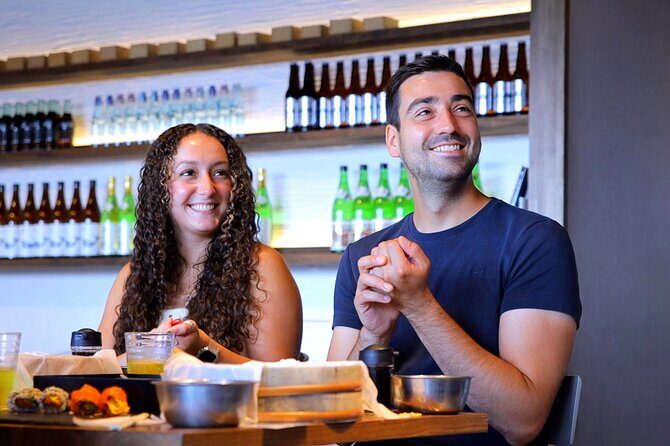
At $156.77 per person, this is not the cheapest thing you can do in Tokyo. The value logic is that you’re getting multiple components that would cost more separately:
- a hands-on cooking class
- ingredients plus the meal
- an included rickshaw ride experience through Asakusa
- English guidance throughout
A cooking class by itself can be a meaningful splurge in Tokyo. Add a rickshaw ride, and you’re paying for time, coordination, and staff attention. The small-group cap (30 max) also supports the idea that this isn’t a mass-market cattle-call.
To judge value for yourself, ask one question: do you want a food experience that also includes guided neighborhood time? If yes, the package pricing is easier to justify. If your only goal is to eat sushi, then you might decide to do a food tour instead. But if you want hands-on learning plus a classic Asakusa moment, this is priced like a curated day, not a snack stop.
Who This Tour Fits Best (and Who Might Want Another Option)
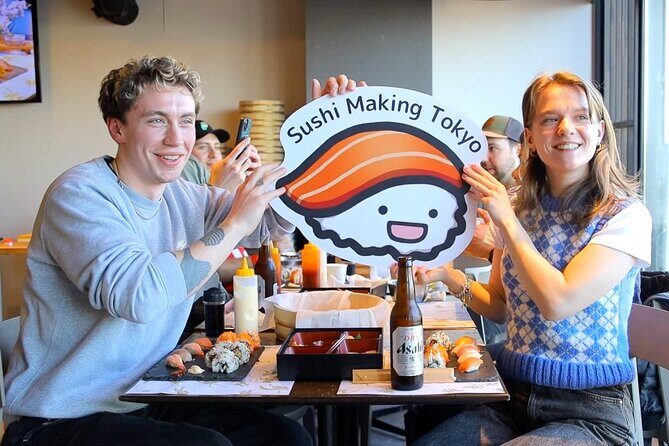
This tour is built for people who like:
- cooking and food practice
- guided sightseeing without doing research on the spot
- English explanations and straightforward instructions
- a classic Asakusa atmosphere with an old-Tokyo vibe
It can work for many people since the info states that most travelers can participate. It also caps group size, which is a positive for comfort and attention.
You might want to reconsider if:
- you dislike weather-dependent plans (good weather is required)
- you don’t want to travel on your own to a meeting point (there’s no pickup)
- you need a lot of dietary customization not covered by the provided details
Practical Tips to Make Your Day Smoother
A few things that will make the experience feel easier from start to finish:
- Arrive a bit early at Kaminarimon. You’ll have time to locate the meeting spot and check in without stress.
- Wear comfortable footwear. Sushi-making doesn’t require formal clothes, and you’ll likely do some walking and standing before the rickshaw portion.
- Ask questions during the class. Since it’s in English, that’s your moment to clarify technique and culture.
- Bring a weather plan. If rain or poor weather comes in, the experience may be rescheduled or refunded, so keep your schedule flexible if possible.
Should You Book This Asakusa Sushi-and-Rickshaw Day?
If you want an activity that feels both hands-on and distinctly Tokyo, I’d lean toward booking. The included ingredients and meal make the sushi portion feel complete, and the rickshaw ride adds a classic sightseeing layer that doesn’t require you to figure out routes or translation on the fly.
I’d skip or look for alternatives if you can’t handle weather risk or if getting to 2-chōme-17-9 Kaminarimon on your own is a dealbreaker. Also, if you’re only interested in eating, you might find lower-cost food options elsewhere.
But for a fun, guided, English-friendly half-day that combines learning and atmosphere, this is a strong choice.
FAQ
How long is the sushi making and rickshaw tour?
It’s about 3 hours 30 minutes in total.
Is the tour conducted in English?
Yes. The class and guidance are conducted in English.
Where does the tour start and end?
The meeting point is 2-chōme-17-9 Kaminarimon, Taito City, Tokyo 111-0034, Japan, and the tour ends back at the same meeting point.
What’s included in the price?
The tour includes an English speaking instructor, plus the ingredients for the cooking class and the meal.
Is hotel pickup or drop-off included?
No. Hotel pickup and drop-off are not included.
How big are the groups?
The experience has a maximum of 30 travelers.
Does the tour require good weather?
Yes. It requires good weather. If it’s canceled due to poor weather, you’ll be offered a different date or a full refund.
Is free cancellation available?
Yes. You can cancel for a full refund up to 24 hours before the experience’s start time. Free cancellation is available under that window.
If you want, tell me what day of the week (and your general area in Tokyo), and I can suggest the easiest way to build this into your schedule around nearby sights.
More Tours in Tokyo

More Tour Reviews in Tokyo



Around Senso-ji: More Asakusa Picks
Fresh reviews from around Tokyo






Asakusa Tours, compared.
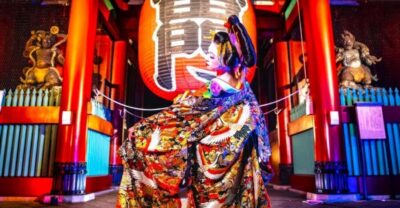 ★ 4.8Japanese Dance Cabaret Theater Asakusa-Kaguwa TicketFrom $492,270 reviews
 ★ 4.7Meiji Shrine, Asakusa, Skytree Bus Tour and CruiseFrom $1221,986 reviews
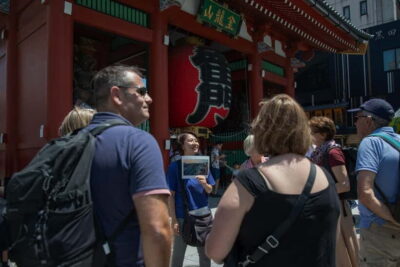 ★ 4.8Asakusa Walking Tour with Sensoji Temple VisitFrom $221,583 reviews
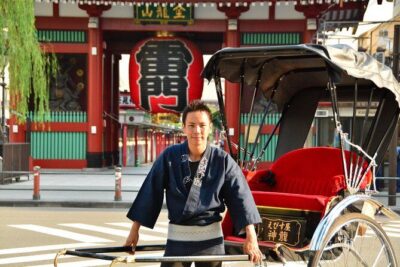 ★ 5.0Tokyo Asakusa Rickshaw TourFrom $421,375 reviews
 ★ 4.5Tokyo Panoramic 1 Day: Meiji Shrine, Asakusa, Odaiba and SKYTREE®From $851,222 reviews
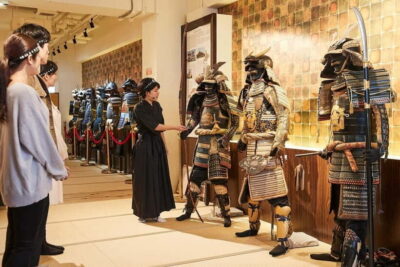 ★ 4.8Samurai Ninja Museum Asakusa: Samurai Sword Lesson & TourFrom $63306 reviews
Asakusa Sightseeing Tour by RickshawFrom $35195 reviews
Asakusa Kimono Dressing and Matcha ExperienceFrom $56173 reviews
★ 4.8Samurai Ninja Museum Asakusa: Samurai Sword Lesson & TourFrom $63306 reviews
Asakusa Sightseeing Tour by RickshawFrom $35195 reviews
Asakusa Kimono Dressing and Matcha ExperienceFrom $56173 reviews
Browse the lists this tour appears in