
Reviewed · SHIBUYA TOURS
Shibuya Tokyo: Onigiri & Tamagoyaki Cooking Class
Onigiri gets real in Shibuya. This 90-minute hands-on class at Sorisso teaches you how to choose and cook Japanese rice, then turn it into onigiri with proper nori seaweed wrapping. It is practical Japanese food education, not just a quick tasting.
I especially love the focus on the details behind rice texture and the step-by-step practice you do with your own hands. I also like the English-speaking host and the small group format (up to 8 people), which keeps the pace friendly and the instructions clear.
One possible drawback: it is not suitable for people with severe or life-threatening food allergies, so you’ll want to plan carefully if that’s your situation.
In This Review
- Key things I’d pay attention to
- Where Shibuya meets a calm cooking-kitchen vibe
- The 90-minute flow: rice, onigiri shaping, nori, and tamagoyaki
- Why the rice lesson is the real value
- Nori wrapping and shaping: the skills you’ll actually use
- Fillings: vegetarian-friendly options and room for modern tastes
- Tamagoyaki in the same lesson: practical, not fussy
- What’s included in the class price
- Small-group reality: why the pace feels comfortable
- Practical logistics that matter (and what to plan for)
- Who this class is best for in Tokyo
- Should you book the Shibuya onigiri and tamagoyaki class?
- FAQ
- How long is the Shibuya onigiri and tamagoyaki cooking class?
- What is the price per person?
- What will I make during the class?
- Is the class taught in English?
- How large is the group?
- What’s included besides the cooking instruction?
- Are gluten-free options available?
- Can I cancel and get a refund?
Key things I’d pay attention to
- Rice choice and cooking: you learn what makes the rice work for onigiri, not just how to shape it
- Nori wrapping technique: you practice the seaweed part that holds the food together
- Onigiri shaping methods: classic triangles plus creative designs
- Filling variety: traditional and modern-style options, including vegetarian choices
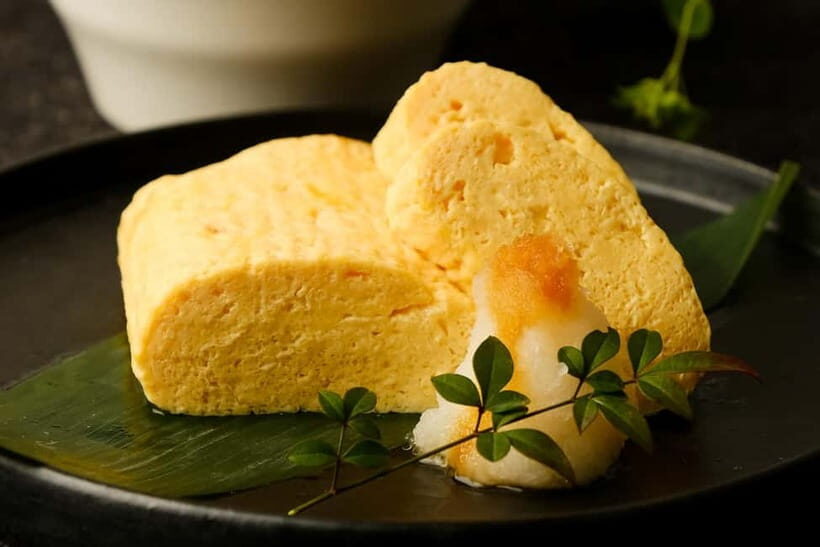
- Tamagoyaki practice: you make a rolled omelet portion alongside your rice balls
- Small group teaching: up to 8 participants, so you get real guidance
More to do within sight of the Crossing
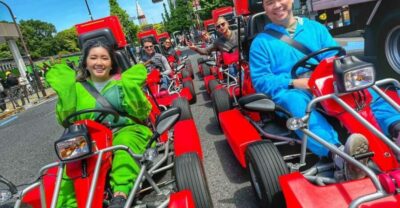
- Official Street Go-Kart in Shibuya★ 5.0 · 3,435 reviews
- Tokyo: Street Kart Experience in Shibuya★ 4.9 · 1,484 reviews
- Shibuya Meltdown Nightlife Tour: All-You-Can-Drink Bar Hopping★ 5.0 · 1,058 reviews
Where Shibuya meets a calm cooking-kitchen vibe
This class takes place in the Shibuya area at Sorisso, and the setting matters more than you’d think. You are working in a small shop kitchen, with a cozy setup that still gives you enough space to handle rice and tools without feeling like you’re squeezed into a corner.
What I like about this setup is that it supports good teaching. When there’s room to move and stations aren’t jammed, you can actually follow what the host is saying about the rice, the wrapping, and the fillings. And because the group is small, it feels more like a cooking lesson than a performance.
The class is built for comprehension. The host guides you through each step in English, and the overall structure is designed for people who have never made onigiri before. If you’ve only eaten these rice balls on the go, this gives you the “how” behind the “wow.”
The 90-minute flow: rice, onigiri shaping, nori, and tamagoyaki
You’re in the kitchen for about 90 minutes, which is long enough to learn and make something you can take home (and not so long that you’re wiped out). The session is organized around a clear sequence: rice first, then shaping and wrapping, then fillings, and finally the rolled omelet component.
Here’s the practical version of what happens during your time:
1) Rice selection and preparation
You learn the nuances of choosing the right rice and how to cook it so it has the right texture for onigiri. This matters because onigiri lives or dies by the rice.
2) Onigiri shaping techniques
You practice traditional shaping methods. That includes classic triangle forms, plus the chance to make more creative designs. The goal is confidence—so you aren’t just copying a shape once.
3) Nori seaweed wrapping
You learn traditional wrapping using nori. This is a key step, because nori isn’t only for flavor. It’s part of the structure and identity of onigiri.
4) Fillings, from traditional to modern
You explore different savory and vegetarian fillings. The class covers both traditional choices and interpretations that feel more modern, so you don’t end up with the same flavor profile every time.
5) Tamagoyaki (rolled omelet) practice
You also make half a portion of rolled omelet per person. It’s not presented as complicated chef theater. It’s taught as a skill you can understand and repeat.
6) Eating what you made
You share the food you prepare. That sounds simple, but in a cooking class, it turns the lesson into something memorable and real.
Why the rice lesson is the real value
Let’s talk rice, because it’s the backbone of the whole experience. The workshop’s emphasis on how to choose and cook the right rice isn’t random. If your rice is off—too dry, too soft, or the wrong stickiness—your onigiri won’t hold up the way it should.
I like that the class doesn’t treat the rice like background information. You’re taught the nuances, so you understand why Japanese rice works in this format. After the lesson, you should feel more capable making onigiri at home without guessing.
Here’s what that means for you as a home cook:
- You get a mental checklist for the rice, which is easier than remembering an exact brand.
- You learn what texture you’re aiming for, so you can adjust next time.
- You stop thinking of onigiri as just a convenience food and start seeing it as a technique-driven snack.
In a lot of food experiences, you watch. Here, you learn the foundation through doing. That’s why it feels worth paying for even if you’re not the type who cooks every day.
Nori wrapping and shaping: the skills you’ll actually use
Onigiri looks simple until you try shaping it. That is exactly why the workshop focuses on shaping and nori wrapping techniques. You’re not just encouraged to make rice balls—you’re guided through traditional approaches and taught how to get them to work.
During the class, you practice classic triangles and also try more creative designs. That combination is smart. Triangles are the easiest visual cue for learning structure. Creative designs help you build confidence and make the food your own.
Then comes nori. Wrapping with seaweed sounds small, but it is one of the most defining parts of onigiri. You learn a traditional method, and you understand how the wrap contributes to the overall result.
If you care about authenticity, this is the part that delivers. You are learning the technique that makes onigiri look like onigiri, not just rice shaped like something edible.
More aprons-on time in Tokyo kitchens

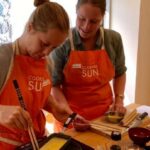
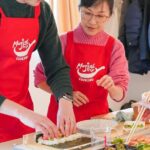
Fillings: vegetarian-friendly options and room for modern tastes
The class covers a variety of fillings, and that matters because onigiri is not one-note. The workshop includes options that are traditional as well as newer interpretations. You also have savory and vegetarian choices.
This is a strong setup for a mixed group. Even if only some people in your life cook Japanese food at home, you’ll have ideas beyond one safe filling. Vegetarian travelers who want Japanese comfort food without meat will also appreciate that vegetarian options are part of the plan, not an afterthought.
What I think is especially useful is that the class doesn’t freeze fillings in museum-style tradition. You get a sense of how Japanese home cooking can stay rooted while still allowing variation. That makes it easier to recreate at home based on what’s available in your grocery store.
Tamagoyaki in the same lesson: practical, not fussy
The workshop includes rolled omelet, tamagoyaki, with half a portion per person. You’re pairing two famous Japanese comfort foods, and doing them in the same session is efficient.
The value here is the learning approach. Your time is not split into two unrelated cooking events. Instead, you learn how different staples work together—rice-based snack logic for onigiri and a separate rolling technique for omelet—so you come away with a broader set of kitchen skills.
Since the class includes ingredients and utensils for the food you make, you’re not stuck figuring out equipment issues. The host guides the process, so you can focus on understanding what’s happening rather than troubleshooting basic tools.
What’s included in the class price
At $49 per person, you are paying for a structured cooking lesson with real food output, not just a guided walkthrough. The included items make that clearer:
- Cooking class instruction and guidance from an English-speaking host
- Ingredients and utensils to make 3 rice balls and half a portion of rolled omelet per person
- Apron rental
- Recipes and a small souvenir to take home
- You also get guidance throughout, step by step
This is a good value for Tokyo because you leave with both skills and take-home materials. A recipe booklet isn’t flashy, but it’s the difference between remembering a flavor and actually recreating it.
Also, the group is limited to 8 participants, so you’re paying for teaching time, not just access to a kitchen.
Small-group reality: why the pace feels comfortable
This is the kind of class where “small group” actually means something. The limit is 8 participants, and that typically translates into you getting attention when you need it. One review described the class as personal and the host’s instructions as clear, even with very few people in the room.
What you should expect in practice:
- Fewer people means fewer questions getting lost in the shuffle
- You can follow along without constantly waiting for the host to reach your station
- You get more chances to adjust if something doesn’t look right
If you’re someone who learns best while working, this format supports you. If you’re more quiet, it still works, because the teaching is built around doing.
Practical logistics that matter (and what to plan for)
Transportation is not included, so plan how you’ll get to the venue in Shibuya and back. The good news is that the location is described as easy to find, and the setup is a small shop space rather than a confusing maze.
A few other practical points that help you enjoy the experience more:
- Expect hands-on shaping and wrapping, so dress for kitchen work
- Use the chance to ask about fillings if you have preferences
- If you have dietary needs, tell the host in advance so they can try to accommodate where possible
On the food side, gluten-free options may be available on request. Still, the class is not suitable for severe or life-threatening food allergies. If allergies are a concern, that one detail is the decision-maker.
Who this class is best for in Tokyo
This workshop is a strong match for people who want food learning that is both fun and repeatable.
It’s especially good for:
- Food lovers who want to go beyond restaurant meals
- Anyone who likes hands-on lessons over watching
- Families looking for a structured activity (with the note that it’s not suitable for children under 5)
- Vegetarian eaters who want Japanese comfort food options
It also works for first-time cooks. The class is designed with beginners in mind, and the host provides clear guidance. You don’t need special cooking knowledge before you walk in.
If you’re in Tokyo for a short stay and want a high-impact experience that teaches you something you can use later, this fits well because it combines technique, cultural context, and actual food you make.
Should you book the Shibuya onigiri and tamagoyaki class?
Yes, I’d book it if you want a compact lesson with real payoffs. The big reason is the combination of rice technique, nori wrapping, and shaping practice, plus a tamagoyaki portion, all taught by an English-speaking host in a small group.
The value is also clear: for $49 and a 90-minute session, you make 3 rice balls and half a portion of rolled omelet, and you take home recipes plus a small souvenir. That’s more than a typical snack activity.
Skip it, or at least think twice, if you have severe or life-threatening food allergies. And plan your transportation ahead since it’s not included.
If those fit your situation, this is the kind of Tokyo experience that leaves you with a skill, not just a photo.
FAQ
How long is the Shibuya onigiri and tamagoyaki cooking class?
The class lasts 90 minutes.
What is the price per person?
The price is $49 per person.
What will I make during the class?
You will make 3 rice balls and a half portion of rolled omelet per person.
Is the class taught in English?
Yes, instruction is provided in English by an English-speaking host.
How large is the group?
The class is a small group limited to 8 participants.
What’s included besides the cooking instruction?
Ingredients and utensils are included, along with apron rental. You also receive recipes and a small souvenir.
Are gluten-free options available?
Gluten-free options may be available upon request. If you have dietary restrictions or allergies, let the organizers know in advance.
Can I cancel and get a refund?
Yes. You can cancel up to 24 hours in advance for a full refund.
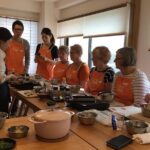
Learn Another Dish: Tokyo Cooking Classes
More Tour Reviews in Tokyo






Still in Shibuya? Keep Going





Fresh reviews from around Tokyo






Shibuya Tours, compared.
 ★ 5.0Official Street Go-Kart in ShibuyaFrom $763,435 reviews
 ★ 4.9Street Kart Experience in ShibuyaFrom $741,484 reviews
 ★ 5.0Shibuya Meltdown Nightlife Tour: All-You-Can-Drink Bar HoppingFrom $1061,058 reviews
 ★ 5.0Shibuya Official Street Go-Kart in Shibuya AnnexFrom $69972 reviews
 ★ 5.0Shibuya Food Tour (13 dishes and 4 Eateries)From $77770 reviews
 ★ 5.0Best of Shibuya Food TourFrom $217612 reviews
 ★ 4.8Shibuya Highlights Walking TourFrom $19601 reviews
 ★ 4.7Premium Go-Kart Tour with Tower & Shibuya CrossingFrom $116528 reviews
Browse the lists this tour appears in