
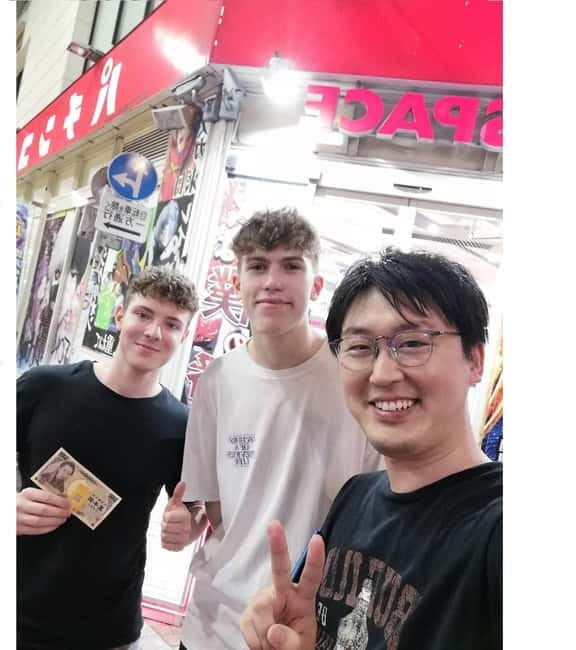
Reviewed · TOKYO
Shibuya: Pachinko Gaming Experience
Pachinko feels like Japan’s arcade cousin. In Shibuya, you’ll learn the basics of pachinko and how it became a lasting part of Japanese entertainment culture, then you’ll step into a real parlor scene with its sights and sounds. I especially like the way this tour focuses on clear English guidance, not just staring at machines.
The main thing to watch is the cost beyond the $19 tour price: the pachinko gaming fee isn’t included, so you’ll need to budget extra if you want to actually play. Still, the tour’s purpose is practical—so you don’t walk in, buy balls wrong, and end up with a very awkward first round.
With a small group (limited to 3) and a 1-hour format, you’ll get just enough structure to understand what you’re doing. You meet by Hachikō, your guide will be holding a blue tablet, and you’ll be back at Hachikō after the lesson.
In This Review
- Key points to know before you go
- Why Shibuya Pachinko Feels Like a Cultural Shortcut
- Getting Oriented at Hachikō: The Meeting Point That Keeps You Sane
- How the 60 Minutes Works: A Structured Pachinko Lesson
- Learning Pachinko Without the Awkward First-Time Errors
- What the Parlor Visit Teaches You About Japanese Arcade Culture
- Price and Value: What the $19 Really Buys You
- Who Should Book This Pachinko Tour (and Who Might Skip)
- Tips to Get the Most From Your Hour in Shibuya
- Should You Book This Shibuya Pachinko Gaming Experience?
- FAQ
- Where do I meet the guide?
- What time should I arrive?
- How long is the tour?
- What does the $19 price include?
- Is the pachinko gaming fee included?
- What language is the tour guide?
- What is the group size?
- Is the tour wheelchair accessible?
- Is it suitable for children?
- What is the cancellation policy?
Key points to know before you go
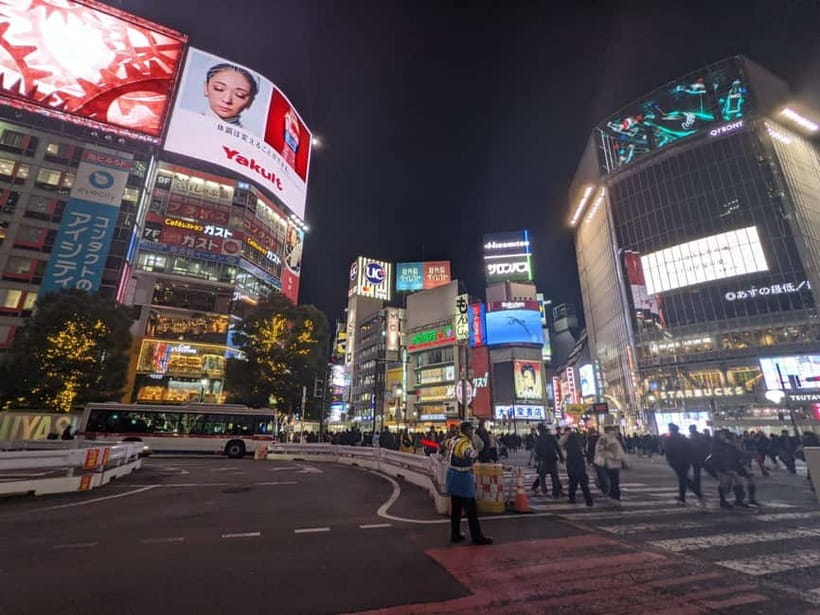
- Meet at Hachikō (right side, by the lottery ticket booth) so you can get oriented fast.
- A real parlor walkthrough: lights, sounds, and the gameplay basics up close.
- English live guide with translation and interpretation for rules and machine interaction.
- Learn from day-one mistakes: you’ll get help so you don’t look lost trying to play.
- Small group, up to 3 participants for more questions in a short 1-hour visit.
- Not for kids under 18, so plan on this being an adult-oriented activity.
Before you commit, see how this one stacks up against a few Tokyo favourites:
- Mt Fuji and Hakone 1-Day Bus Tour Return by Bullet Train★ 5.0 · 26,383 reviews
- 1-Day Tokyo Bus Tour★ 5.0 · 14,250 reviews
- Tokyo: teamLab Planets TOKYO Digital Art Museum Entry Ticket★ 4.6 · 9,779 reviews
Why Shibuya Pachinko Feels Like a Cultural Shortcut
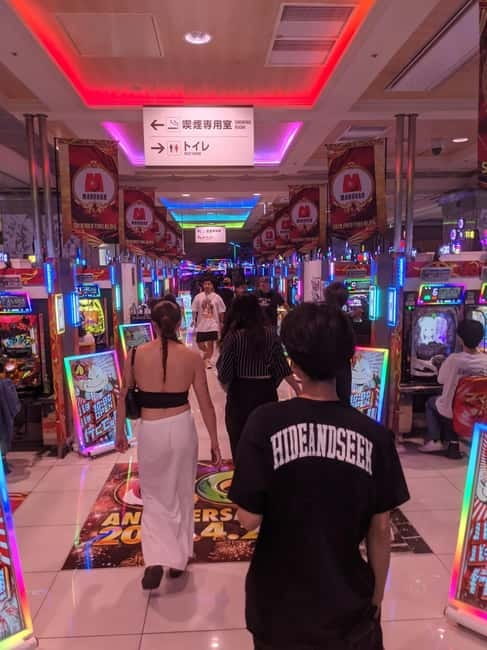
Shibuya is one of those places where you can watch Japan’s modern life happening in real time. Pachinko fits right into that energy: it’s easy to spot, easy to misunderstand, and way more social and rule-based than most people expect before they try it.
The tour’s value is that it puts pachinko into context before you touch anything. You’ll start with how pachinko goes back nearly a century, originally a mechanical game inspired by Western pinball from the early 20th century, then evolving into the high-tech machines you see today. That short historical framing matters because it explains why the experience feels both playful and tightly governed.
You’ll also get a guided look at how pachinko parlors became part of Japanese subculture. That’s the difference between watching from the outside and understanding what keeps people coming back: it’s not only about the game, it’s about knowing the rhythm, the etiquette, and the basics quickly.
Getting Oriented at Hachikō: The Meeting Point That Keeps You Sane
Your start point is Hachikō Memorial Statue in Shibuya. The guide waits on the right side of Hachikō, in front of the lottery ticket booth. You’ll want to arrive 5 minutes early so you can actually connect before the group starts.
The tour runs 1 hour, so this isn’t the kind of activity where you can wander and still make it work. If your guide isn’t there, the guidance is clear: if they don’t appear within 20 minutes, treat it as a no-show, and if you get lost, contact the provider directly.
One small detail I appreciate: the guide is easy to spot because they’ll be holding a blue tablet. That’s a simple thing, but in crowded Shibuya it makes a real difference.
How the 60 Minutes Works: A Structured Pachinko Lesson
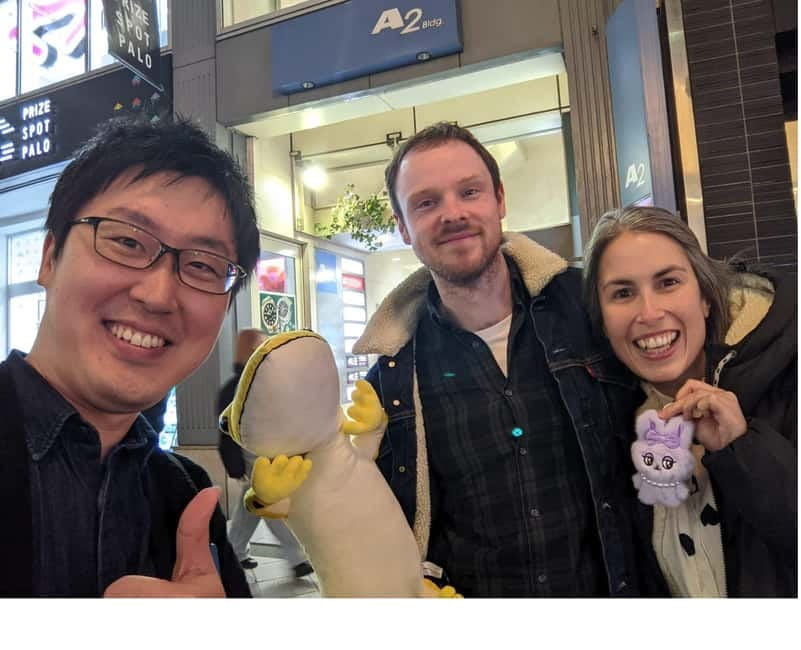
This experience is designed for learning-first, not sightseeing-only. In practice, that means you won’t spend the whole hour scanning machines hoping you figure it out.
You’ll get a guided walk through Shibuya City with an overview of pachinko and its role in local gaming culture. Then you step into a traditional pachinko parlor, where the tour becomes hands-on.
The pacing is tight, but that’s good. In one hour, you can learn the basics of what pachinko is, how to operate the machine in a basic way, and what to focus on so you aren’t overwhelmed by lights and noise.
Learning Pachinko Without the Awkward First-Time Errors
The tour’s mission is spelled out in plain terms: help you not become embarrassing playing Pachinko. That’s not just humor. It’s a practical goal, because pachinko has a lot of small steps that feel obvious only after someone shows you.
In the parlor, you’ll learn the game basics, starting with purchasing your first set of metal balls. Then you’ll practice launching them into the machine—exactly the part where beginners usually get flustered. A guide helps you understand the process quickly, and that’s the difference between playing for fun and spending your time trying to decode instructions while everyone else seems to know what they’re doing.
You’ll also hear tips and strategy guidance aimed at aiming for the jackpot and maximizing your winnings. Even if you don’t chase big wins, the value is that you’ll learn what decisions matter during play, instead of guessing blindly.





What the Parlor Visit Teaches You About Japanese Arcade Culture
A pachinko parlor is its own world. The tour describes the classic atmosphere: dazzling lights, loud sounds, and a very clear sense that people come here to play, socialize, and try their luck.
That atmosphere can be intimidating at first. The good news is the tour keeps you supported. You’re not expected to figure out etiquette on your own. Instead, you’re given rules, explanations, and live interpretation so you can understand what you’re doing while you’re doing it.
This is also where the English translation and interpretation matter. Pachinko rules are not always intuitive if you only know arcade terms. Having a guide available means you can ask the boring questions early, when it’s still easy to course-correct.
In one example from a guest experience, the guide Ing was praised for explaining the unique game clearly and staying optimistic when the player started seeing results. That kind of upbeat, patient teaching style is exactly what makes a short 1-hour lesson actually feel comfortable.
Price and Value: What the $19 Really Buys You
The tour price is $19 per person, and for a 1-hour guided experience in Shibuya, that’s often a fair way to get your bearings fast. But the pricing has one key twist: the pachinko gaming fee is not included.
So here’s the smart way to think about value:
- Your $19 pays for the guided tour, rules explanations, and translation/interpretation.
- Your extra spending is for playing pachinko itself (plus optional drinks, which aren’t included).
That separation is useful for planning. If you want a light try, you can treat the tour as a lesson and spend only what you’re comfortable with. If you want more practice time on the machines, you’ll likely want to set aside additional money for the actual play fee.
Also, since it’s small group limited to 3 participants, you’re not paying for a big crowd experience. You’re paying for a guide who can answer questions quickly and keep you from getting stuck.
Who Should Book This Pachinko Tour (and Who Might Skip)
This is a strong match if you’re an adult curious about Japan’s entertainment subculture and you want a guided “first contact” to pachinko without feeling lost. It also fits well if you like short, focused tours with a clear purpose: learn the game basics, step into the parlor, and get help making sense of it in real time.
It’s also wheelchair accessible, so it’s designed to be usable for more visitors than many nightlife-style activities.
On the other hand, it’s not suitable for children under 18. If you’re traveling with a younger group, you’ll need a different activity.
And one more practical note: short tours can be sensitive to confusion. There’s at least one booking story where the provider wasn’t reached when the group was lost. I can’t predict how it will go, but it’s a good reminder to save the provider’s contact info before you head out, and plan to arrive on time at the Hachikō meeting spot.
Tips to Get the Most From Your Hour in Shibuya
You don’t need to be a gamer to enjoy this. You do need to be ready to ask questions early and follow the steps the guide gives you.
A few practical habits help:
- Arrive early at Hachikō so you start the hour calm, not rushed.
- Bring a way to handle the extra costs for the pachinko gaming fee if you plan to play.
- Pay attention to the guide’s explanation of rules and machine interaction, especially the steps around buying balls and launching them.
- If you’re unsure about what to do next, ask right away. With a 1-hour slot, small misunderstandings can steal time fast.
This tour works best when you treat it like training. You’re not just watching; you’re being taught how to play without wasting your first attempt.
Should You Book This Shibuya Pachinko Gaming Experience?
Book it if you want the fastest way to understand pachinko culture and learn the basics with support. The price makes sense because you’re buying a guided lesson, rules, and interpretation—not just entry into a parlor. The small group size helps you get answers without waiting in line for a distracted guide.
Consider skipping or switching plans if you mainly want a long, freeform entertainment night, because the tour is only 1 hour and the actual playing has extra fees. Also, if you’re worried about meeting up in a crowded area, plan carefully and keep contact details handy.
If you’re the type of traveler who likes learning local fun the right way—without looking clueless for your first round—this is a very workable, good-value introduction to Shibuya’s pachinko world.
FAQ
Where do I meet the guide?
Meet near the Hachikō Memorial Statue, on the right side of Hachikō. The guide waits in front of the lottery ticket booth, and they will be holding a blue tablet.
What time should I arrive?
Please arrive about 5 minutes before the tour start time.
How long is the tour?
The duration is 1 hour.
What does the $19 price include?
It includes a guided tour, explanation of the rules for the pachinko game, and translation and interpretation.
Is the pachinko gaming fee included?
No. The pachinko gaming fee is not included.
What language is the tour guide?
The live tour guide speaks English, with translation and interpretation included.
What is the group size?
It’s a small group limited to 3 participants.
Is the tour wheelchair accessible?
Yes, it is wheelchair accessible.
Is it suitable for children?
No. It is not suitable for children under 18 years.
What is the cancellation policy?
Free cancellation is available if you cancel up to 24 hours in advance for a full refund. You can also reserve now and pay later.
More Tour Reviews in Tokyo



Fresh reviews from around Tokyo






Tokyo, compared.
 ★ 5.0Mt Fuji and Hakone 1-Day Bus Tour Return by Bullet TrainFrom $16326,383 reviews
 ★ 5.01-Day Tokyo Bus TourFrom $12914,250 reviews
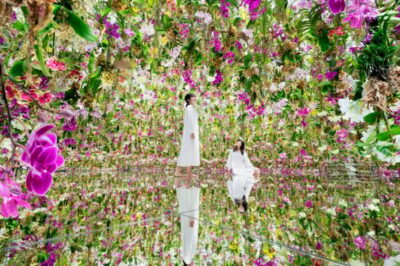 ★ 4.6teamLab Planets TOKYO Digital Art Museum Entry TicketFrom $259,779 reviews
 ★ 4.0Mt Fuji & Hakone Cruise, Drum Show Bullet Train 1 Day from TokyoFrom $1497,413 reviews
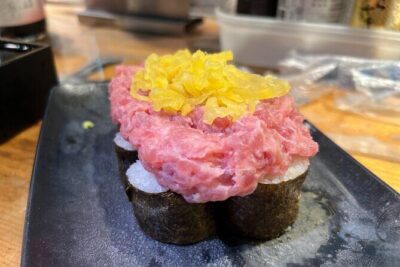 ★ 5.0Shinjuku Food Tour (13 Dishes at 4 Local Eateries)From $866,603 reviews
 ★ 4.4Tokyo Mt Fuji 5th St & Hakone Cruise Bus Tour w/Bullet TrainFrom $1545,024 reviews
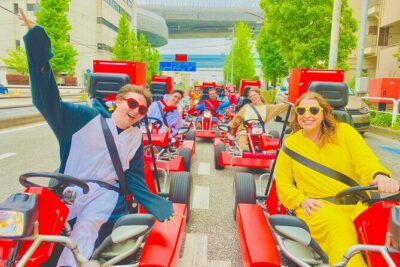 ★ 5.0Flagship 2-Hours Official Street Go-Kart Tour – Tokyo Bay ShopFrom $644,974 reviews
 ★ 4.5From Tokyo: Mount Fuji Full-Day Sightseeing TripFrom $684,970 reviews