
Reviewed · SHIBUYA TOURS
Shibuya Electric Bike Tour of Tokyo’s Most Expensive Neighborhood
Tokyo calms down fast.
This guided electric bike ride takes you from the noise of Shibuya to the quieter neighborhoods of Shōtō and nearby Komaba and Oku-Shibuya. I like that it feels practical, not showy: you’re pedaling with support, getting your bearings quickly, and stopping often enough to actually look around.
I also like the mix of places that Tokyo does better than anywhere else: serene culture stops plus quirky modern details. You’ll walk through a classic tea house setting, pause at Yoyogi Hachimangu, and see those famous light-and-design public toilet surprises without turning the outing into a theme park.
One heads-up: this experience depends on good weather. And since food and drink aren’t included, you’ll want a little cash or card ready for coffee and bites at the stops.
In This Review
- Key points at a glance
- Why this Shibuya e-bike route feels like Tokyo’s two sides
- The ride start at Maruyamachō: getting moving without the hassle
- Stop-by-stop: from Nabeshima Shoto Park’s design details to Maeda Teahouse calm
- Stop 1: Nabeshima Shoto Park and the famous toilet design
- Stop 2: Former Marquis Maeda Teahouse for quiet, classic Japan
- The “local Tokyo” layer: vintage shop, shrine etiquette, and a coffee breather
- Stop 3: Panamaboy Co., Ltd. for vintage accessories in a quieter pocket
- Stop 4: Yoyogi Hachimangu Shrine and how to visit properly
- Stop 5: Little Nap Coffee Stand for a quick break
- The quirky payoff: Yoyogi Fukamachi Mini Park’s light-control toilet and a signature egg sandwich
- Stop 6: Yoyogi Fukamachi Mini Park and the transparent-to-opaque toilet
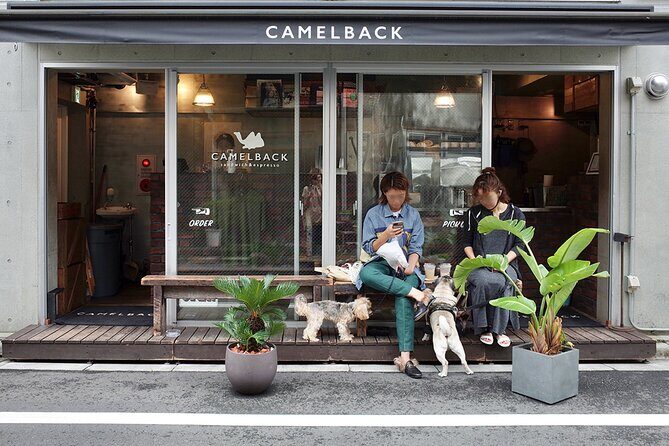
- Stop 7: CAMELBACK sandwich&espresso for a former-sushi-chef egg sandwich
- What you learn on this ride (beyond the stops)
- Price and value: why $52.03 can make sense here
- Who should book this tour, and who might skip it
- Tips to make your ride easier and more enjoyable
- Should you book the Shibuya Electric Bike Tour of Tokyo’s Most Expensive Neighborhood?
- FAQ
- FAQ
- How long is the Shibuya e-bike tour?
- How much does the tour cost?
- What is included in the tour price?
- Is food and drink included?
- Where do I meet the tour?
- How large is the group?
- Is this tour near public transportation?
- What happens if the weather is bad?
- What is the cancellation policy?
Key points at a glance
- 2.5 hours, small group (up to 6): easier pace and more guide time.
- E-bike with pedals: you get help when you need it, but you still feel involved.
- Culture plus modern design: shrines, a teahouse, and standout public toilet installations.
- Local shopping and coffee stops: vintage accessories and café breaks, not just viewpoints.
- Free admissions included (teahouse): you skip at least one ticket cost.
- Ends back where you started: simple, low-stress route logistics.
More to do within sight of the Crossing
- Official Street Go-Kart in Shibuya★ 5.0 · 3,435 reviews
- Tokyo: Street Kart Experience in Shibuya★ 4.9 · 1,484 reviews
- Shibuya Meltdown Nightlife Tour: All-You-Can-Drink Bar Hopping★ 5.0 · 1,058 reviews
Why this Shibuya e-bike route feels like Tokyo’s two sides
Tokyo has a talent for whiplash. One minute you’re near Shibuya Crossing, all lights and foot traffic. The next minute, you’re moving through streets where people seem to be going about their normal day, with the city noise turned way down.
This tour is built for that switch. You’re not just taking photos from a sidewalk. You ride into neighborhoods that many visitors don’t naturally stumble into, including areas around Shōtō and up toward Yoyogi. The e-bike setup (with pedals) helps you keep a comfortable pace even if you’re not used to riding in a busy city.
And the guide matters. On my favorite-style tours, you can ask questions and actually get answers in plain language. Here, you’ll get that sense of going with a local friend, especially when the conversation naturally turns toward neighborhood life, shrine etiquette, or why certain places feel important in everyday Tokyo.
The ride start at Maruyamachō: getting moving without the hassle
The meeting point is at LIQUOR SHOP MATSUMOTO in Shibuya, Maruyamachō (inside the 松本屋酒店ビル building). It’s in a busy enough area to be easy to find, and it’s described as being near public transportation, which helps if you don’t want to overthink your arrival.
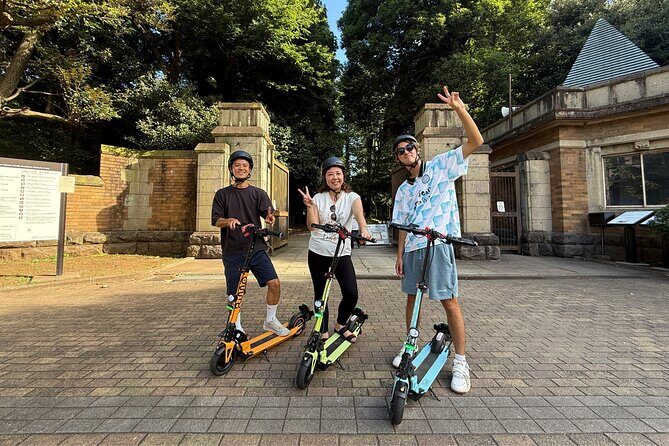
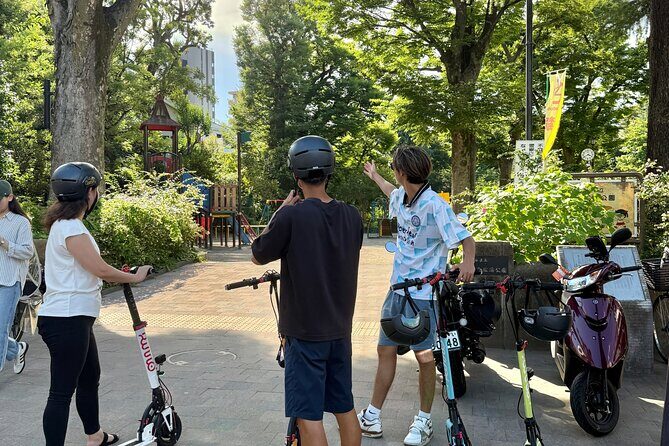
Once the group is together, the guide gets you rolling. With a 2 hours 30 minutes duration, you should expect a steady rhythm: ride a bit, stop, learn and look, then ride again. The small max group size (up to 6) keeps the route from feeling like a conveyor belt.
Practical tip: wear shoes you can walk in comfortably. You’ll do short walks at multiple stops, including shrine grounds and a teahouse interior moment where you’ll want to blend in quietly.
Stop-by-stop: from Nabeshima Shoto Park’s design details to Maeda Teahouse calm
Stop 1: Nabeshima Shoto Park and the famous toilet design
Your first stop is Nabeshima Shoto Park, with a quick look at the park’s background and a famous Toilet designed by a well-known Japanese architect. This is one of those Tokyo moments where the city’s obsession with thoughtful design shows up in surprising places.
Why it works on an e-bike tour: you’re fresh, you’re not far into the route, and the guide can set the tone. Even if the toilet sounds like an odd opener, it’s a great way to get your brain into Tokyo mode—small, specific, and intentionally made.
Time here is about 10 minutes, and admission is free.
More of Tokyo by bike
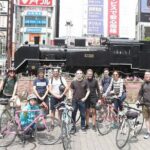


Stop 2: Former Marquis Maeda Teahouse for quiet, classic Japan
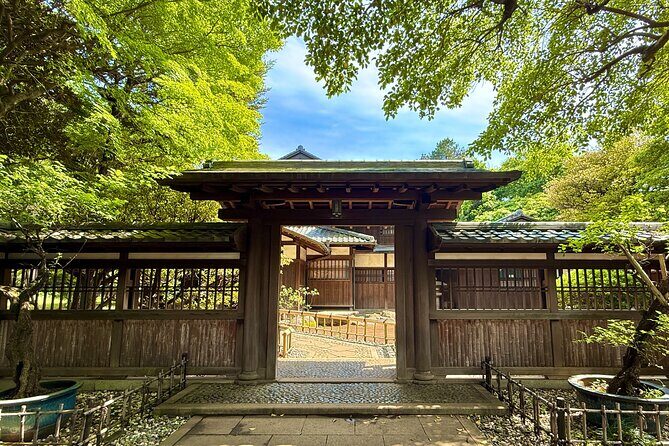
Next comes a chance to slow down: you park the bikes and walk in to the Former Marquis Maeda Teahouse. Expect a classic Japanese teahouse atmosphere—tranquil, calm, and the kind of place that feels like a reset button after Tokyo’s constant motion.
The stop is around 30 minutes, and admission to the teahouse is included. That’s real value, because it removes one ticket cost from your day and gives you a straightforward reason to visit instead of just riding past.
If you care about etiquette and atmosphere, this is also a good moment to practice low-volume observation: people tend to move more quietly inside spaces like this, and your guide will set the tone.
The “local Tokyo” layer: vintage shop, shrine etiquette, and a coffee breather
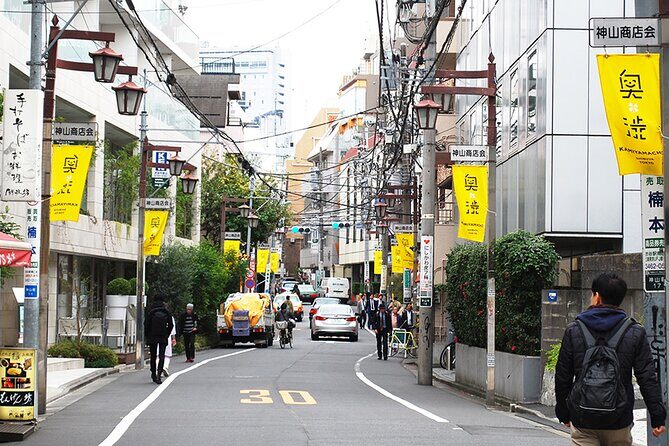
Stop 3: Panamaboy Co., Ltd. for vintage accessories in a quieter pocket
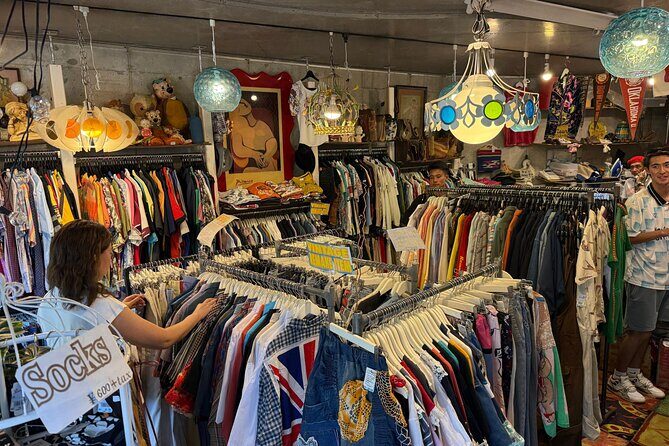
Then you’ll roll toward Panamaboy Co., Ltd., a cozy vintage thrift/accessories shop in Tomigaya. This stop is short (about 10 minutes), but it’s the kind of place you’d likely miss if you were only chasing the big-name sights.
What you’ll get out of it: the feeling of browsing in a neighborhood shop where the vibe is about taste, not crowds. Don’t expect a shopping marathon; treat it like a quick peek to understand local style.
Stop 4: Yoyogi Hachimangu Shrine and how to visit properly
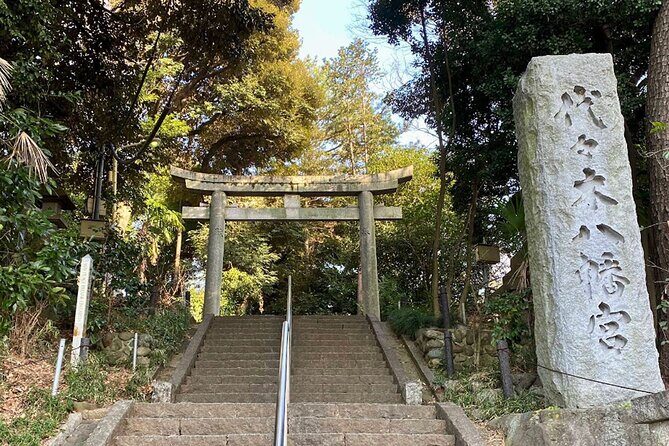
After the shop, you’ll walk through Yoyogi Hachimangu Shrine with your guide. This is where the tour turns from “cool places” into “how Tokyo works.” You’ll learn basic context about Shinto and, importantly, manners for visiting a shrine.
Time is around 20 minutes, and it’s free to attend this stop. Even if you’ve seen shrines in other cities, having a guide explain the etiquette makes the experience feel less like sightseeing and more like respectful participation.
Practical note: shrine etiquette can vary by context. Follow what your guide says, and you’ll be fine.
Stop 5: Little Nap Coffee Stand for a quick break
You’ll get a coffee break at Little Nap Coffee Stand. This is about 15 minutes. Since food and drink aren’t included, think of this stop as a chance to grab something if you want it, not a built-in meal.
Why it’s worth including: the break keeps the second half of the ride enjoyable. By now, you’ve seen culturally significant spots and a shopping stop; a simple coffee reset helps you keep your energy and enjoy the final moments without rushing.
The quirky payoff: Yoyogi Fukamachi Mini Park’s light-control toilet and a signature egg sandwich
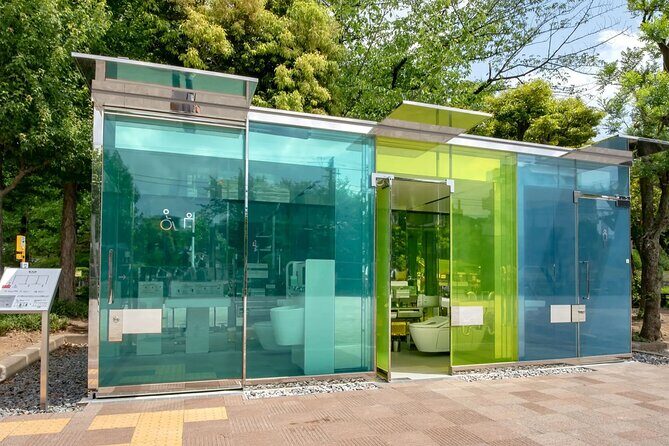
Stop 6: Yoyogi Fukamachi Mini Park and the transparent-to-opaque toilet
One of the tour’s most memorable design stops is Yoyogi Fukamachi Mini Park. Here you’ll see Japan’s first public toilet using light control film, which switches from transparent to opaque when you press a button.
Time is about 10 minutes and admission is free.
This is a great example of what this tour does well: it doesn’t just point at landmarks. It shows you the kinds of details Tokyo invests in—practical tech, but also a sense of thoughtfulness about privacy in public spaces.
Stop 7: CAMELBACK sandwich&espresso for a former-sushi-chef egg sandwich
To wrap things up, you’ll pause at CAMELBACK sandwich&espresso for their signature food: an egg sandwich made by a former sushi-chef. Expect about 15 minutes here, with coffee and snacks available for purchase.
No meal is included, so plan for this like you would any café stop: order what sounds good, and don’t stress if you weren’t expecting a foodie moment. The point is that you’re eating nearby local favorites, not a generic tourist option.
What you learn on this ride (beyond the stops)
This tour’s value is not only the route. It’s the way the guide connects dots.
You’ll come away with:
- A clearer sense of how Tokyo neighborhood life changes as you move away from Shibuya’s main pull.
- Practical shrine manners, including how to behave without making it awkward.
- A feel for why small design and public-space choices matter so much in Japan, shown through those toilet installations.
And from the overall vibe I got, the guide keeps things conversational. If you’re the type who likes to ask questions on the go, this format works well. A group capped at 6 also helps: you’re more likely to get actual back-and-forth rather than just listening.
Price and value: why $52.03 can make sense here
At about $52.03 per person for roughly 2 hours 30 minutes, this isn’t a budget activity. But it can feel fair because you’re getting several cost-saving elements at once.
Here’s the value math that matters to me:
- You’re paying for an electric bike experience with a guide, not just a guided walking tour.
- Admission to the Former Marquis Maeda Teahouse is included.
- You’re also getting a route that would be hard to replicate on your own without spending time figuring out where to stop and what to look for.
Also, e-bikes aren’t free labor for the operator. When the tour is small (up to 6), it usually means more guide attention, not less. That’s the difference between a ride that feels rushed and one that feels like you’re being shown a Tokyo “local layer.”
If you’re traveling solo, this could be a smart way to upgrade from self-guided exploring. If you’re a couple, it’s also a good choice because the pace stays manageable even if you’re not both experienced riders.
Who should book this tour, and who might skip it
This tour is a strong match if you want:
- A quick way to get out of crowded Shibuya and into calmer streets
- A guided look at Tokyo culture, including shrines and a tea house moment
- A practical activity that mixes riding with short walking stops
- A small-group format where you can ask questions
You might consider skipping if:
- You’re expecting a full food-and-drink experience. Coffee and snacks are available, but they’re not included.
- You’re traveling on days where weather is unreliable. The tour requires good weather, and if conditions are poor, you’ll need to reschedule or get a refund.
Tips to make your ride easier and more enjoyable
- Bring a light layer. Tokyo weather can swing, and you’ll be outside for the ride portion.
- Use comfortable shoes for the short walking stops.
- Keep a little cash or card ready for the coffee and sandwich moments.
- If you’re nervous about riding, tell the guide early. You’ll have a chance to get comfortable with the e-bike before you start cruising through the route.
Should you book the Shibuya Electric Bike Tour of Tokyo’s Most Expensive Neighborhood?
I’d book it if your goal is to see a side of Tokyo that feels more lived-in than sightseeing heavy. The big win here is the contrast: Shibuya energy at the start, then calm pockets like Shōtō and Yoyogi where you can actually slow your brain down.
The second win is the stop selection. Shrines and teahouse calm are balanced with modern, surprising public design and real local spots for coffee and food. And the small group size keeps it friendly, so it doesn’t feel like you’re glued to the back of the line.
If the weather is looking good and you’re okay paying extra for guide-led local access, this is a very satisfying way to spend half a day in Tokyo without exhausting yourself.
FAQ
FAQ
How long is the Shibuya e-bike tour?
It lasts about 2 hours 30 minutes.
How much does the tour cost?
The price is $52.03 per person.
What is included in the tour price?
You get an electric bike with pedals, an English-speaking guide, and admission to the Former Marquis Maeda Teahouse.
Is food and drink included?
No. Food and drink are not included, but there are stops where you can purchase snacks and coffee.
Where do I meet the tour?
The meeting point is LIQUOR SHOP MATSUMOTO, 150-0044 Tokyo, Shibuya, Maruyamachō, 1015 松本屋酒店ビル.
How large is the group?
The tour has a maximum of 6 travelers.
Is this tour near public transportation?
Yes, it’s described as being near public transportation.
What happens if the weather is bad?
The experience requires good weather. If it’s canceled due to poor weather, you’ll be offered a different date or a full refund.
What is the cancellation policy?
You can cancel for free up to 24 hours in advance for a full refund. If you cancel less than 24 hours before the start time, the amount you paid won’t be refunded.
More Tours in Tokyo




More Tour Reviews in Tokyo




Still in Shibuya? Keep Going



Fresh reviews from around Tokyo






Shibuya Tours, compared.
 ★ 5.0Official Street Go-Kart in ShibuyaFrom $763,435 reviews
 ★ 4.9Street Kart Experience in ShibuyaFrom $741,484 reviews
 ★ 5.0Shibuya Meltdown Nightlife Tour: All-You-Can-Drink Bar HoppingFrom $1061,058 reviews
 ★ 5.0Shibuya Official Street Go-Kart in Shibuya AnnexFrom $69972 reviews
 ★ 5.0Shibuya Food Tour (13 dishes and 4 Eateries)From $77770 reviews
 ★ 5.0Best of Shibuya Food TourFrom $217612 reviews
 ★ 4.8Shibuya Highlights Walking TourFrom $19601 reviews
 ★ 4.7Premium Go-Kart Tour with Tower & Shibuya CrossingFrom $116528 reviews
Browse the lists this tour appears in