
Reviewed · SUMO SHOWS
Seat B Ticket Tokyo Sumo Wrestling Tournament in Ryogoku
Sumo clicks fast when you start in the right place.
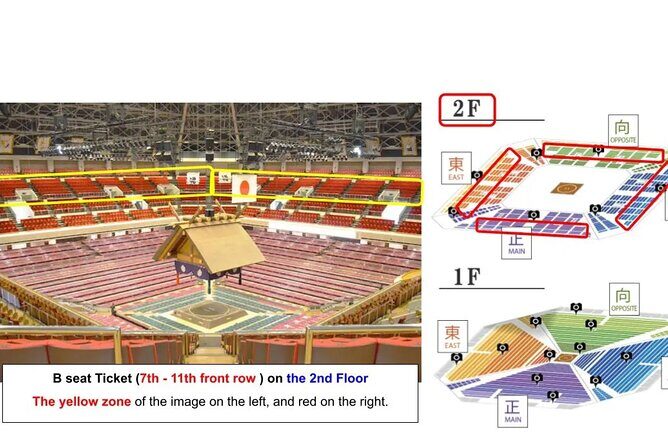
This tour walks you through Ryogoku, the heartland of Sumo, before you sit down for the match at Ryogoku Kokugikan. I love that it pairs a relaxed neighborhood-style stroll with straight-to-the-point help: the guide shares the fundamental rules and real “watch-for-this” tips so you’re not guessing what matters during the action. A second thing I really like is the included Seat B (2nd floor, rows 7–11), which makes the whole day feel planned rather than pieced together at the last minute.
One thing to consider: the tour itself wraps around 3pm, but the tournament keeps going until about 6pm. That means you’ll spend the rest of the afternoon in the arena area with plenty of time to settle in—and later bouts are often the ones with more pressure and heat.
In This Review
- Key highlights before you go
- Why starting in Ryogoku makes the match feel bigger
- Your Seat B ticket at Ryogoku Kokugikan: what to expect
- The Ryogoku walk: Edo Noren, Ryogoku streets, and Ekoin Temple
- Stop 1: Ryogoku Edo Noren (about 20 minutes)
- Stop 2: Ryogoku historical spots (about 15 minutes)
- Stop 3: Ekoin Temple (about 20 minutes)
- Stop 4: Ryogoku Kokugikan (about 30 minutes; ticket included)
- Inside the arena: turning explanations into better viewing
- Timing, weather, and what to wear in Ryogoku
- Price and value: what you’re really buying for $117.61
- Who this tour suits best (and who it may not)
- Should you book? My practical take
- FAQ
- What’s included in the tour price?
- Where do I meet, and where does it end?
- What time does the tour start and how long does it take?
- How does the tour timing relate to the tournament?
- Is food or drinks included?
- How do I receive my ticket?
- How big is the group?
- What happens if I’m late or need to cancel?
Key highlights before you go
- Ryogoku context first: you learn what the neighborhood means to Sumo before you enter the hall
- Seat B on the 2nd floor (rows 7–11): a solid match-view setup included in the price
- Stops with purpose: Edo Noren, key Ryogoku spots, and Ekoin Temple with local-style explanations
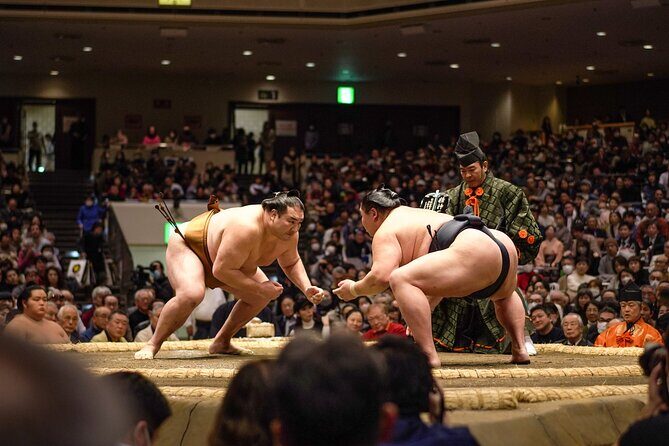
- Match-day translation of what you see: tips on interpreting what happens during the bout
- Small group size (max 5): more time for questions and a calmer pace
- Mobile ticket: no hunting for paper day-of
More chances to sit ringside
- Tokyo: Sumo Show and Dining Experience★ 4.8 · 2,742 reviews
- the SUMO show★ 5.0 · 1,960 reviews
- Tokyo Shinjuku Sumo Show & Experience with Photo★ 5.0 · 1,750 reviews
Why starting in Ryogoku makes the match feel bigger
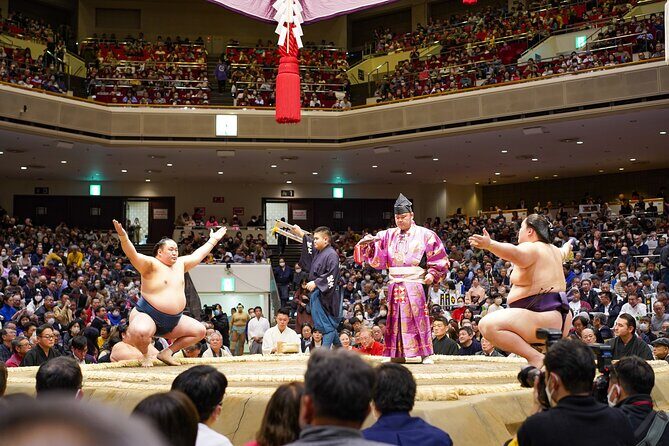
You can watch Sumo without prep. But if you want it to mean something, start with the streets. Ryogoku isn’t just “where Sumo happens.” It’s the sacred zone where the sport’s culture shows up in everyday life—temples, old streetscapes, and the arena that draws the crowd when the tournament is on.
What I like about this experience is how it turns a ticket into an event you understand. The guide’s job isn’t to lecture. It’s to give you the right shortcuts: what to notice in the ring, how Sumo works as a sport, and why the timing and atmosphere inside Ryogoku Kokugikan feel so intense. Once you’re seated, those little explanations help you track the ebb and flow instead of just reacting to the final result.
And there’s something else that matters: the walk keeps the day human-sized. You’re not bouncing between a checklist of places far away from the main event. You’re moving through the same local world that the wrestlers and fans share when tournament day energy hits.
If you’re a first-timer, this is the kind of tour where even the basics—how bouts are decided, how the arena rituals work, what the signals mean—can change everything about how you watch.
Your Seat B ticket at Ryogoku Kokugikan: what to expect
This package includes a Tokyo Grand Sumo Tournament ticket in Ryogoku Kokugikan on the 2nd floor, B rank. The seat range is 7th ~ 11th row, and you get a mobile ticket. That “B rank” label can sound vague, so here’s how I’d think about it.
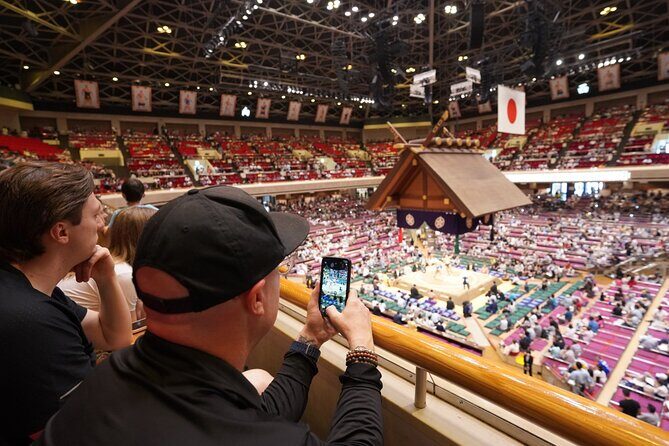
Second-floor viewing is often a smart balance: you typically get a clear overall view of the ring without needing the kind of premium seating that costs a lot more. For a guided first-timer experience, that matters. You don’t need to be in the front row to appreciate the choreography of warmups, the crowd reactions, and the rhythm between bouts.
Also, the guide’s pre-match talk helps you use your seat time well. One of the best practical moments from past participants is getting clarity on what’s happening around the bout—especially things like the meaning of flags and signals. When you know what those cues indicate, you stop feeling like you’re watching with missing subtitles.
One more detail: the tour’s hall visit time is shorter than the tournament itself. So your ticket seat becomes the real center of your afternoon. Plan to stay. The tournament ends around 6pm, and the later matches tend to be stronger and more compelling.
The Ryogoku walk: Edo Noren, Ryogoku streets, and Ekoin Temple
The tour starts at Ryōgoku Edo NOREN (1st floor), with an address you can plug into maps: Yokoami, 1-chōme3-20, Sumida City. From there, you take a guided walk with a simple goal: get your bearings fast and understand what you’re seeing before you’re inside the arena.
Stop 1: Ryogoku Edo Noren (about 20 minutes)
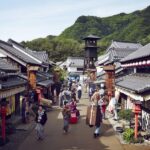
This is where you ease into the theme. You’ll walk around the Ryogoku area as your guide points you toward what matters for Sumo culture and tournament-day experience. Admission here is free, and the time is short enough to keep the pace lively rather than dragging.
I like this start because it’s practical. You’re not just told stories—you’re given a sense of place. When you arrive later in the arena, you understand how the neighborhood “feeds” into the tournament.
Worth weighing up alongside this Tokyo pick:


Stop 2: Ryogoku historical spots (about 15 minutes)
Next comes a short loop through additional Sumo-associated sights. The point is interpretation, not sightseeing for sightseeing’s sake. The guide helps connect the dots—how Ryogoku earned its reputation and why fans treat this area as more than a venue.
This is also where the small-group setup helps. With a max group size of 5, you’re more likely to get your specific questions answered instead of waiting your turn.
Stop 3: Ekoin Temple (about 20 minutes)
Then you step into Ekoin Temple for a guided visit. This stop is described as taking a tour into an important temple of the area, and you’ll get context tied back to Sumo’s long relationship with local tradition.
If you’re thinking, I didn’t come to see a temple—fair. But the value here is that it’s not random. It supports the same bigger idea: Sumo isn’t just sports spectacle. It’s bound up with Shinto-influenced ritual, community life, and a sense of continuity.
Stop 4: Ryogoku Kokugikan (about 30 minutes; ticket included)
Finally, you enter Ryogoku Kokugikan, the arena that holds the tournament. This part is where the “pre-match” payoff arrives. You’ll be guided inside for long enough to help you orient yourself, then the event becomes yours to enjoy in your seat.
Inside the arena: turning explanations into better viewing
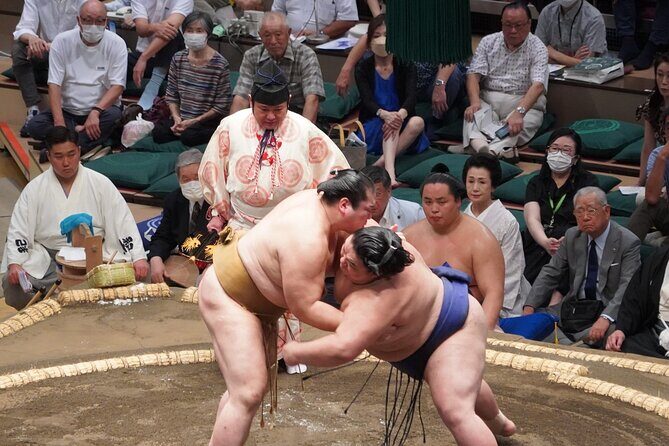
The tournament runs until about 6pm, but your guided portion is built for the moment just before you really want to watch closely. That timing is important. Later bouts are often the ones with more intensity, and you’ll be in your seat ready for the tournament rhythm.
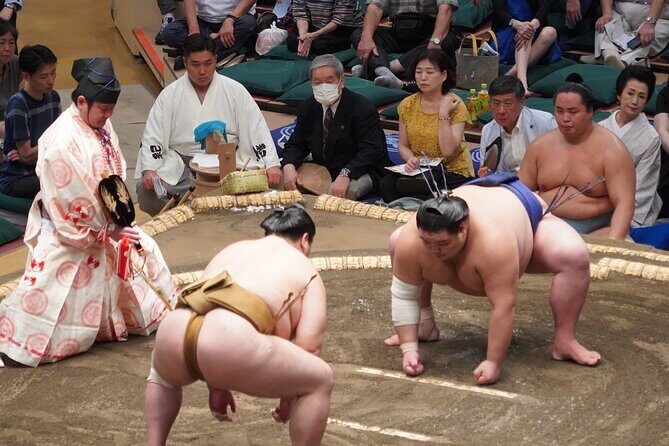
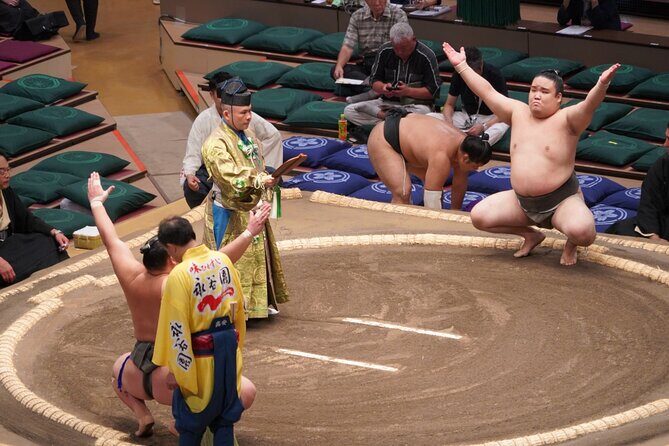
Here’s the viewing mindset that works. Don’t only watch the instant of contact. Watch the setup. In Sumo, the lead-up matters: stance, balance, footwork, the micro-moves that signal intent. When your guide has already walked you through the sport basics, you’re better equipped to catch those patterns.
You’ll also benefit from cues around each bout. In one experience, the big win was understanding what was going on—especially what the flags meant. Even if you only remember a couple of those cues, it makes the whole event feel less mysterious.
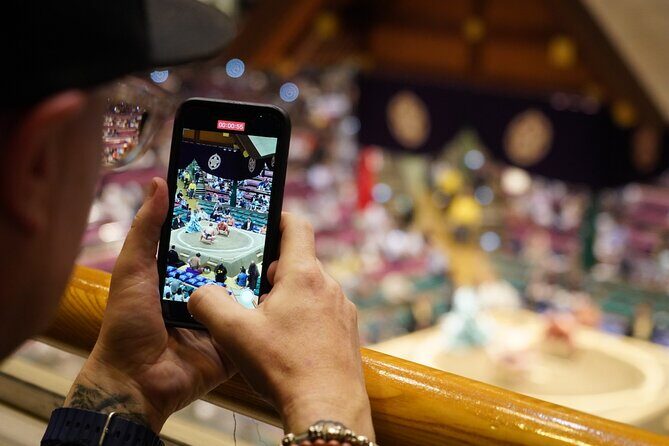
Atmosphere is another reason this tour is worth doing. One past experience highlighted an arena packed with a full house crowd—around 11,000 people—and that’s the kind of energy that can feel almost intimidating at first. But with the right prep, that intensity becomes part of the fun instead of a wall you can’t climb.
Timing, weather, and what to wear in Ryogoku
The tour starts at 1:30pm and lasts about 1 hour 30 minutes. The walking portion ends around 3pm, and from there you’re set up for the rest of the tournament.
That means your afternoon plan should include time to linger. You’re not rushing back to dinner plans. You’re settling into arena mode.
Also, Japan’s weather can swing hard. The tour info flags summer highs of 40°C (110°F) and winter lows of -5°C (20°F). Since you’re walking around Ryogoku and visiting a temple, dress like you mean it: comfortable shoes, weather-ready layers, and a plan for hydration.
One operational note worth respecting: the tour must start on time, and if you’re late and miss the group, you can’t join and you won’t get a refund or reschedule. So give yourself enough buffer at the meeting point and don’t cut it close.
Price and value: what you’re really buying for $117.61
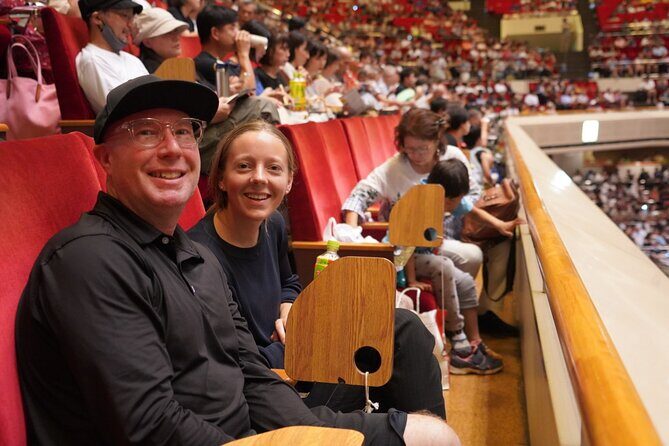
At $117.61 per person, you’re paying for more than a seat. You’re getting a guided orientation to Ryogoku, a guided walk through key spots, entry into the arena for the pre-match portion, and a tour photo offering included in the package. You’re also getting the convenience of a mobile ticket.
Is it the cheapest way to see Sumo? It might not be. But it can be one of the best ways to make your one-time match ticket feel complete. The value is in comprehension: the guide helps you understand enough to turn the matches into something you can follow, not just something you observe.
A second value angle is risk reduction. You’re not trying to decode the arena experience on your own while the tournament is already moving fast. With a local guide and a short, focused route, you step into the hall with your bearings and your questions already answered.
If your goal is purely to sit and watch without any explanation, you could choose a simpler ticket-only approach. But if you want your afternoon to click—especially as a first-timer—this format tends to feel like smart spending.
Who this tour suits best (and who it may not)
This is a strong fit for:
- First-time Sumo fans who want the rules, the rituals, and what to notice explained before the match
- People who like a small group and a calmer walking pace (max 5)
- Anyone who wants a tour that helps them enjoy the tournament, not just arrive at the arena
It may not be the best fit if:
- You hate structured schedules and would rather wander without a guide
- You only want the main event and don’t want extra time walking temple-and-street stops
- You’re not interested in learning anything about Sumo at all—because the tour is designed specifically to make watching easier
Should you book? My practical take
If you’re in Tokyo and you’re even slightly curious about Sumo beyond the highlight moments, I’d book it. The mix of Ryogoku walk + guided arena orientation is exactly how you turn a ticket into a story you can follow with your eyes.
Especially if you’re trying to figure out what’s happening in the ring, this tour gives you an early advantage. Past experiences with guides like Mark, Hina, Masao, Shogun, and Emmy point to one consistent theme: the explanations make the match feel more enjoyable, even when Sumo isn’t instantly your favorite sport. That’s the point.
Just go in with the right expectations: it’s about prep and understanding. Then you spend the rest of the afternoon in your seat as the tournament builds momentum toward the later bouts.
FAQ
What’s included in the tour price?
You get a Tokyo Grand Sumo Tournament ticket for Ryogoku Kokugikan on the 2nd floor (B rank, 7th ~ 11th row), plus the guided tour walk around Ryogoku and a tour photo.
Where do I meet, and where does it end?
You meet at Ryōgoku Edo NOREN Japan (Ryogoku Edo Noren, 1st floor). The tour ends at Ryogoku Kokugikan Sumo Arena.
What time does the tour start and how long does it take?
The start time is 1:30pm. The duration is about 1 hour 30 minutes, and the tour itself ends around 3pm.
How does the tour timing relate to the tournament?
The tournament will end around 6pm, and the later matches are stronger. The tour ends around 3pm, so you’ll have time to stay and watch.
Is food or drinks included?
No. Additional food and drinks are not included.
How do I receive my ticket?
The tour uses a mobile ticket.
How big is the group?
This experience has a maximum of 5 travelers.
What happens if I’m late or need to cancel?
If you’re late and miss the group, you can’t join, and you won’t be able to get a refund or reschedule. If you cancel, free cancellation is available up to 24 hours before the experience start time for a full refund.
More Tickets in Tokyo
More Tour Reviews in Tokyo





More Mornings with the Wrestlers
Fresh reviews from around Tokyo






Sumo Shows, compared.
 ★ 4.8Sumo Show Experience with Chicken Hot Pot and a PhotoFrom $1036,678 reviews
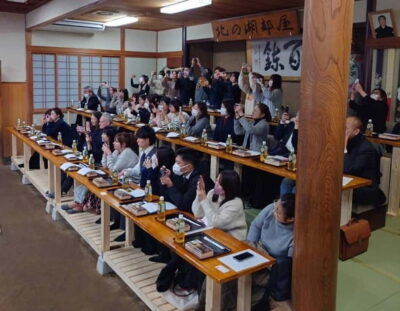 ★ 4.8Sumo Show and Dining ExperienceFrom $792,742 reviews
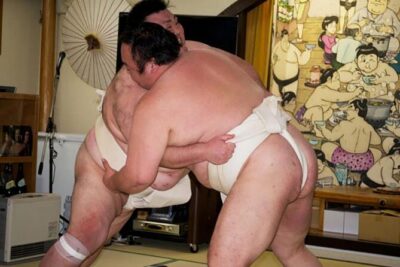 ★ 5.0the SUMO showFrom $891,960 reviews
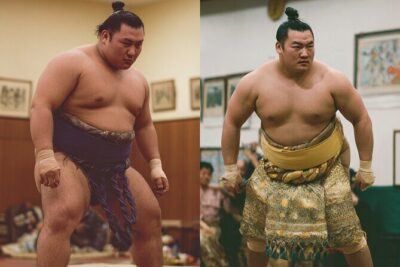 ★ 5.0Tokyo Shinjuku Sumo Show & Experience with PhotoFrom $791,750 reviews
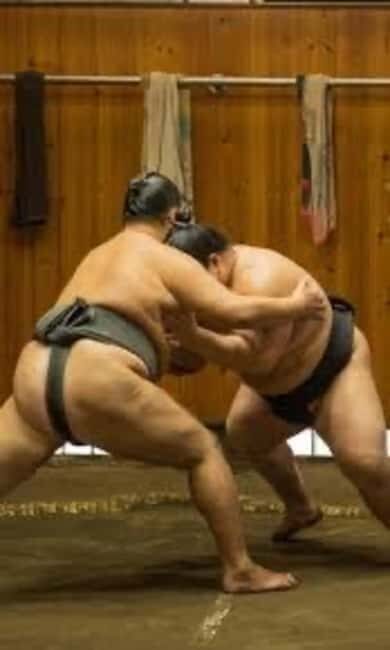 ★ 4.8Sumo Show and Experience in ShinjukuFrom $691,001 reviews
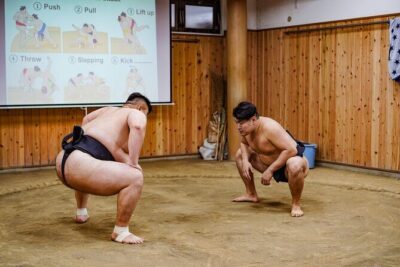 ★ 5.0Authentic Sumo Experience in Tokyo: Enter the SanctuaryFrom $171603 reviews
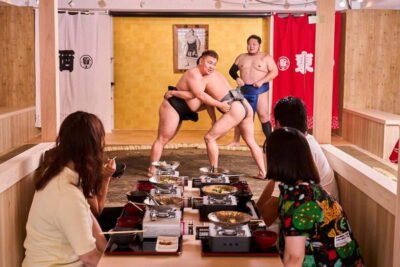 ★ 4.8Tokyo Sumo Experience: Chanko & Mochi with a Former ProFrom $103567 reviews
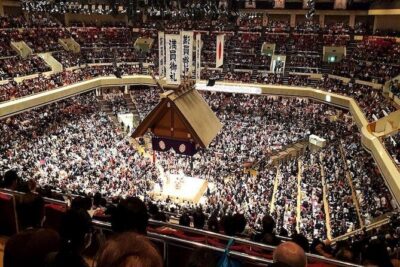 ★ 5.0Ultimate Sumo Tournament: Tokyo, Osaka, Nagoya, FukuokaFrom $184468 reviews
Browse the lists this tour appears in