
Reviewed · COOKING CLASSES
Ramen Cooking Class at Lake Kawaguchiko (Short Course)
Fuji views and fresh noodles are a great mix. This short ramen class lets you make ramen from scratch and enjoy it with Mt. Fuji views from the food break.
I especially like the English-speaking instruction and the way the lesson stays practical. In the best moments, instructors such as Kimmy, Hiro, and Mae keep things friendly and step-by-step so you’re not guessing with flour and timing.
One consideration: it’s a 1-hour short course. You’ll be moving through several steps quickly, and drinks aren’t included, so plan around that.
In This Review
- Key highlights before you go
- Ramen by Mt. Fuji: what this short course really delivers
- Where you start at Fuji Activity Reservation Center
- From dough to noodles: kneading, rolling, and cutting
- Picking your tare: control the flavor direction
- Boiling fresh noodles: getting timing right with a noodle cooker
- Toppings and chasiu: building a bowl you’ll actually want to eat
- Small-group energy: 20 people max and English support
- Certificate and bandana: the nice extras that make it memorable
- Price and value: is $39.14 worth it?
- Who should book this ramen class
- Getting the most out of your one hour
- Should you book this ramen cooking class at Lake Kawaguchiko?
- FAQ
- How long is the ramen cooking class?
- What is included in the price?
- Are drinks included?
- Where do I meet for the class?
- Is the class limited in size?
- What is the cancellation policy?
Key highlights before you go
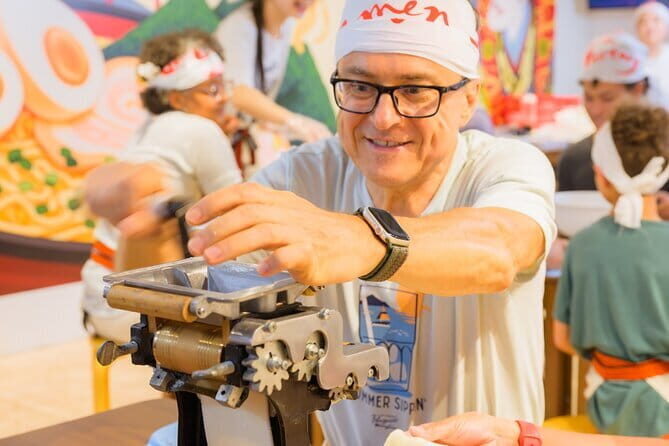
- Hands-on noodle making: knead, roll, and cut your own noodles using a noodle-making machine
- You choose the flavor base: pick your tare (seasoning) for the broth style you want
- A real noodle cooker: boil your fresh noodles to proper timing instead of guesswork
- Topping control: customize your bowl, including chasiu
- A souvenir and a certificate: you keep a bandana and get an official completion certificate
- Small-group feel: capped at 20 people, with English support throughout
Ramen by Mt. Fuji: what this short course really delivers
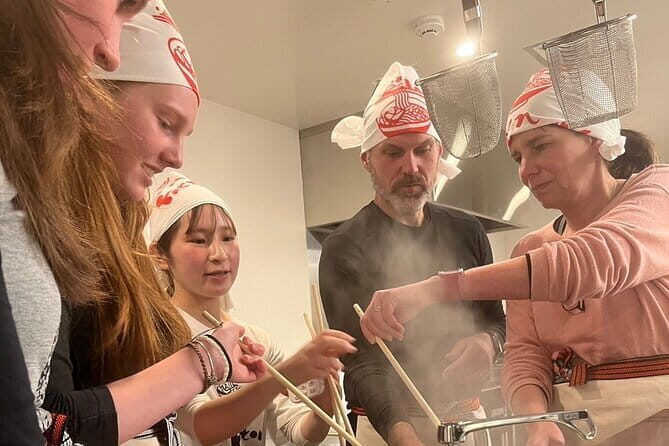
This is the kind of ramen class that makes sense for a trip to Lake Kawaguchiko. You’re not signing up for a long food tour. You’re signing up for a focused, hands-on hour where the payoff is immediate: you create your noodles, choose your flavor direction, and then eat what you made.
The Mt. Fuji angle isn’t just window dressing. It changes the mood of the meal. You’re likely to slow down at the end and enjoy your bowl instead of rushing to the next activity. Even if you’ve had ramen before, fresh noodles you made yourself have a different texture and satisfaction level.
For me, the best value here is that the class is structured like a real ramen process, not just a demonstration. You’re involved from dough to bowl. That’s why it feels more personal than a typical cooking demo.
Where you start at Fuji Activity Reservation Center
The session begins at Fuji Activity Reservation Center in Fujikawaguchiko-machi. The address is 3487-15 Funatsu, Fujikawaguchiko, Minamitsuru District, Yamanashi 401-0301, Japan. The activity ends back at the same meeting point, so you’re not stuck figuring out a complicated drop-off.
This matters because your day at Lake Kawaguchiko can get busy. When an activity ends where it starts, you can plan meals and sightseeing around it more easily. It also helps if you’re traveling with a partner and want a clean timeline.
It’s also noted as near public transportation. That’s a big practical plus in this area, where buses and local connections can shape the whole day.
You’ll also use a mobile ticket, so have your confirmation handy on your phone.
From dough to noodles: kneading, rolling, and cutting
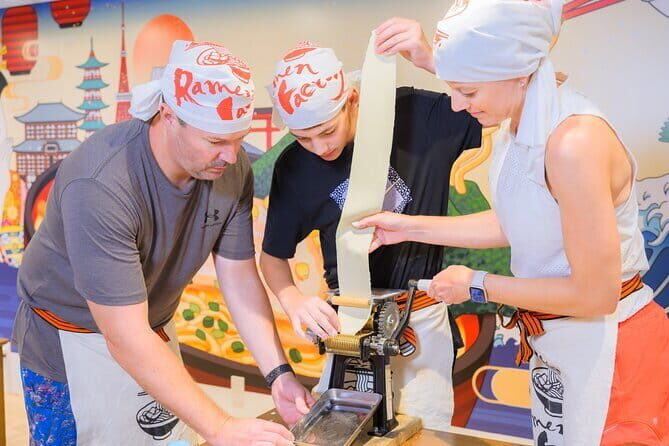
The core of the class starts with making your own noodles. That means kneading the dough, rolling it out, and cutting it using a noodle-making machine. This is the part that turns ramen into a skill you understand, even if you’ve never worked with flour before.
Why this is valuable: ramen is all about texture and timing. If you only taste noodles, you miss the mechanics. By kneading and rolling yourself, you get a feel for dough consistency and how that affects the finished bite. It also helps you appreciate why ramen shops are picky about noodle thickness and shape.
A practical tip: don’t treat this like a kitchen chore. Come ready to get a little messy. The class is designed for participation, not observation. If you’re someone who likes doing things with your hands—this will click fast.
Because it’s a short course, you’ll likely move from step to step with guidance. That’s the sweet spot: enough direction to avoid major mistakes, enough hands-on time to feel ownership of what’s in your bowl.
Picking your tare: control the flavor direction

After the noodles, you choose your soup base by selecting your tare (seasoning). This is where the class becomes customizable in a way that feels meaningful, not just decorative.
Tare is the concentrated seasoning mix that sets the tone for the broth style. So when you choose it, you’re not just picking a label. You’re choosing how salty, savory, and bold your ramen will feel.
This is the moment where I think most people enjoy the decision-making. You can match your choice to what you’ve liked at ramen restaurants—rich and pork-forward, or something lighter depending on what tare options are offered.
If you’re sensitive to certain flavors, ask what’s in the tare you’re choosing. The class is structured, and you’ll be supported by an English-speaking instructor, which helps you get clarity quickly.
Boiling fresh noodles: getting timing right with a noodle cooker
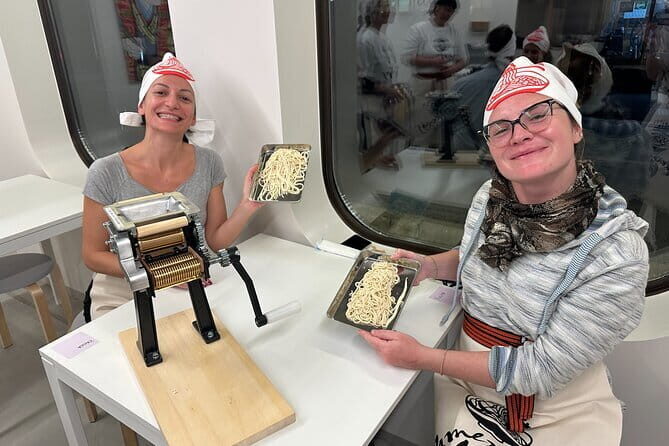
Now comes the part that many home cooks struggle with: boiling noodles at the right time. In this class, you boil your handmade noodles to perfection using a real noodle cooker, instead of relying on guesswork.
This matters because fresh noodles go from perfect to overdone faster than you expect. Overcook them and they lose that springy bite. Undercook them and you miss the texture you worked for.
Since the session is only about an hour total, the noodle cooker also acts like a timing safety net. You still get the hands-on step, but the equipment supports the outcome. It’s a smart compromise for a short class: you learn the process without losing the meal to timing stress.
Toppings and chasiu: building a bowl you’ll actually want to eat
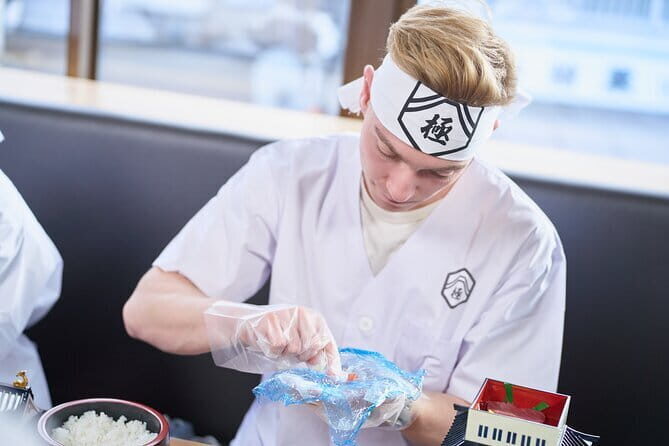
Once the noodles are ready, you top your ramen with your chosen additions. The class includes toppings, including chasiu, so you’re not left assembling a bowl with random ingredients.
This section is fun because ramen is personal. You can build your bowl the way you’d order it at a shop. It also turns the class into something more than cooking for cooking’s sake—you end up with a plate that fits your taste.
Food tasting is also included. In practice, that usually means you’re going to eat what you made right away, which is the best way to learn. You can connect noodle texture and tare choice to what’s happening in the bowl while it’s still hot.
If you’re watching your diet, tell the instructor in advance about allergies or dietary restrictions. The class invites you to let them know ahead of time, and that’s the right move for both safety and flavor matching.
Small-group energy: 20 people max and English support

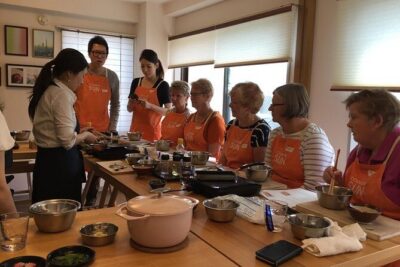
The maximum group size is 20 travelers. That’s not tiny like a private chef lesson, but it’s small enough that you’re not just standing in a long line.
English-speaking instruction is included, and the flow is designed so you can understand each step. In some sessions, instructors like Kimmy and Hiro are specifically mentioned as helpful and supportive, and Mae is praised for one-on-one guidance when the group was just two people.
That tells me something important: the class can scale down into a more personal experience. If your session is smaller than average, you’ll likely get more attention and faster correction.
For most people, that means less stress. For first-timers, it means you don’t spend your hour stuck on one step.
Certificate and bandana: the nice extras that make it memorable
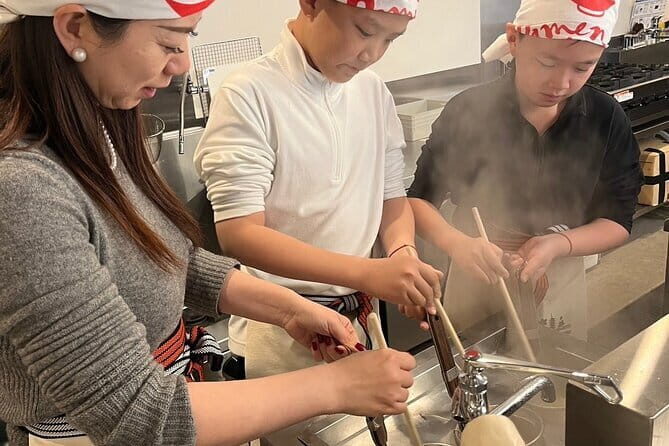
At the end, each group receives one official certificate of completion. It’s simple, but it gives the experience a real finish line, especially if you’re collecting small memories across a Japan trip.
You also get a bandana souvenir. Every participant receives one, and multiple people point out that they kept it at the end. In a practical sense, it’s also something you’ll actually use—rather than a paper token you forget in a drawer.
These details might seem minor, but they help a short class feel like an event. A one-hour activity can easily feel forgettable. Extras like this help it land.
Price and value: is $39.14 worth it?
At $39.14 per person, this is priced in the sweet spot for a high-participation food activity. You’re paying for instruction, equipment access (like the noodle-making machine and noodle cooker), ingredients, and the final meal.
What makes it good value is the combination:
- You make the noodles, not just taste a finished bowl.
- You choose your tare, so you’re steering flavor direction.
- You eat what you made, with food tasting included.
The biggest “cost” on your side is time and appetite. This class is about 1 hour, so you’ll want to treat it like a main activity rather than a quick filler.
One small downside tied to value: drinks aren’t included. That’s common for cooking classes, but you should budget for it so the price doesn’t feel like a surprise.
Also worth noting: it’s described as being booked on average 34 days in advance. That suggests it’s popular enough that you should pick your session timing early if you have a limited window around your Lake Kawaguchiko itinerary.
Who should book this ramen class
This is a strong fit if you:
- Want a hands-on Japanese food experience without a full-day commitment
- Enjoy cooking activities where you control the ingredients
- Like the idea of ramen with Mt. Fuji views
- Travel as a couple or small group who can benefit from more attention during smaller sessions
It may not be ideal if you:
- Prefer long, leisurely lessons with lots of rest time
- Want to drink during the class without planning ahead (since drinks aren’t included)
- Have very complex dietary needs you’d rather not disclose in advance
If you’re traveling with kids, it could be fun, but the class structure and short timing may be more comfortable for older children who can follow steps. When in doubt, contact the provider with allergy or dietary questions ahead of time.
Getting the most out of your one hour
To make this kind of class feel smooth, show up ready. That means arriving with enough time before the start so you’re not flustered when the instructor cues the first step.
Here’s how to think about it:
- You’re building skills, not just eating. Focus on doing each step carefully.
- Timing is everything once boiling starts. Listen closely and follow the process.
- Flavor choice matters. Choose tare based on what you normally like in ramen so the result feels satisfying, not random.
Also consider practical planning around the meal. Because the session ends at the meeting point, decide what you’ll do right after—walk around the area, grab dessert, or head back to your next activity. Finishing near where you started makes those choices easier.
And if you have allergies or dietary restrictions, don’t wait until the last minute. The instructions specifically ask you to let them know in advance, which is the responsible way to handle ingredient-based classes.
Should you book this ramen cooking class at Lake Kawaguchiko?
If you want a short, high-impact food experience, I’d book it. The format is built for results: you make noodles from scratch, choose your tare, boil your own noodles, and then top and eat your bowl with food tasting included. Add a bandana souvenir and a completion certificate, and it becomes a memorable activity rather than a quick gimmick.
The main reason to hesitate is the one-hour pace. If you need slow, unhurried instruction, this may feel fast. But if you like doing things and getting a tangible payoff, it’s a very solid pick.
If you’re in the Lake Kawaguchiko area and you want something different from the usual views-and-snacks routine, this class fits the day nicely—and you’ll likely leave with both a full stomach and a real sense of how ramen comes together.
FAQ
How long is the ramen cooking class?
The class runs for about 1 hour.
What is included in the price?
It includes local taxes, food tasting, everything needed for your own ramen making, an English-speaking instructor, and an original bandana souvenir.
Are drinks included?
No, drinks are not included.
Where do I meet for the class?
You start at Fuji Activity Reservation Center, 3487-15 Funatsu, Fujikawaguchiko, Minamitsuru District, Yamanashi 401-0301, Japan, and the activity ends back at the meeting point.
Is the class limited in size?
Yes. The maximum number of travelers is 20.
What is the cancellation policy?
You can cancel for a full refund up to 24 hours before the experience start time. If you cancel less than 24 hours before, no refund is provided. Free cancellation is available.
Make Something to Take Home

Learn Another Dish: Fujikawaguchiko machi Cooking Classes
More Tour Reviews in Fujikawaguchiko machi



Cooking Classes, compared.
 ★ 5.0Ramen & Gyoza Cooking Class in Tokyo with Local Supermarket VisitFrom $122823 reviews
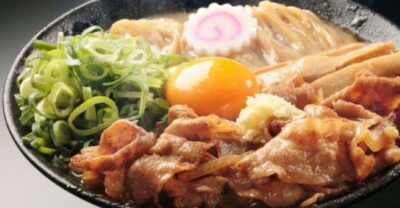 ★ 4.6Easy Ramen Cooking Experience in Kabukicho, ShinjukuFrom $29321 reviews
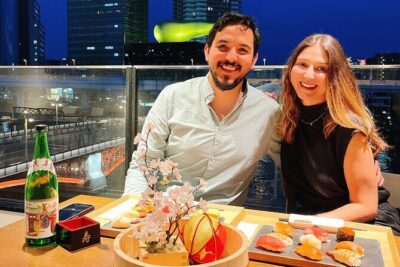 ★ 5.0Ramen and Sushi Cooking Class with Sake Pairing Set in TokyoFrom $79291 reviews
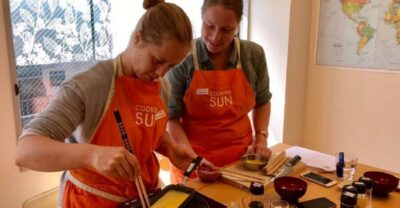 ★ 4.9Wagyu and 7 Japanese Dishes Cooking ClassFrom $67273 reviews
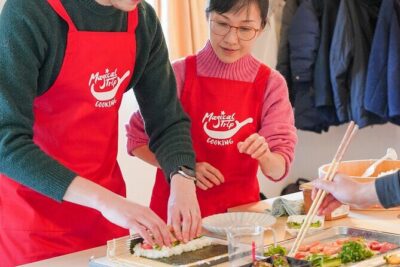 ★ 5.0Tokyo Washoku 4-hour Cooking Class: From Market to TableFrom $79253 reviews
 ★ 5.0Small-Group Wagyu Beef and 7 Japanese Dishes Tokyo Cooking ClassFrom $72190 reviews
 ★ 5.0Private Home Cooking in Yanaka – Local Flavors in a Warm SettingFrom $122173 reviews
 ★ 5.0Tokyo Sushi Making Experience & Japanese Cooking ClassFrom $59150 reviews
Browse the lists this tour appears in