
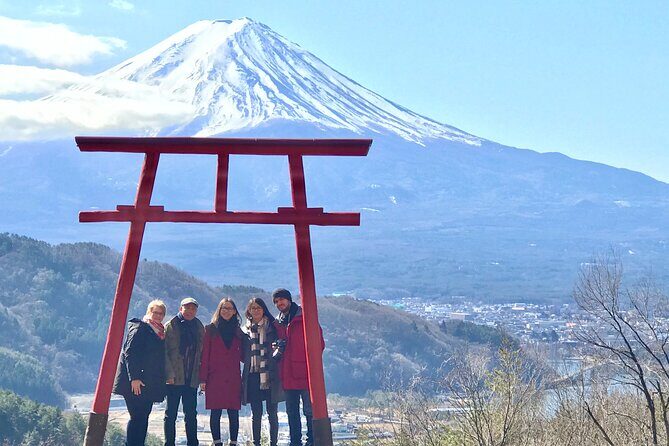
Reviewed · PRIVATE DRIVERS
Private guided hidden gems tour by local English speaking driver
Mount Fuji looks better with a local plan. This is a private tour with an English-speaking driver, and the name that keeps popping up in recent bookings is Taka. You get pickup and a comfortable air-conditioned ride, which matters because the Mt. Fuji area is spread out.
I like the way this tour keeps things practical but still fun. The route is customizable, and the focus stays on low-crowd nature and culture, with real time for photos and questions. Stops you may see include Hahanoshirataki Waterfall, Kawaguchi Sengen Shrine, the Saiko Bat Cave, and walks tied to Aokigahara Jukai forests and lava caves.
One thing to consider: the tour includes some light walking on gravel or nature trails for about 10 minutes at one stop. If you cannot handle uneven ground, swap this for a more seated option. Also, Mt. Fuji visibility is always weather-dependent, so bring flexible expectations.
In This Review
- Key highlights worth planning for
- How a private, English-led Fuji day works
- Fujikawaguchiko and the Five Lakes: what you’ll actually see
- Mt. Fuji viewpoints you can walk to and photograph
- Shrines with big meaning (and calmer vibes)
- Waterfall time: Hahanoshirataki and the rest of the scenery
- Caves and forest walks that feel a bit mysterious
- Traditional culture and lakeside calm
- Driving the north shore: Yamanakako photo opportunities
- Mt. Fuji photo strategy: clear-day wins and cloudy-day plans
- The guide experience: why Taka’s style gets repeat bookings
- Price and logistics: what you pay for and what you should budget
- Comfort, walking, and who this tour suits best
- A smart way to plan your day around Fuji
- Should you book this Fujikawaguchiko tour?
- FAQ
- How long is the tour?
- What’s the group size limit?
- Do you get pickup and drop-off?
- Is the guide English-speaking?
- What should I budget for besides the tour price?
- How much walking is involved?
- Can I cancel for a full refund?
Key highlights worth planning for
- Pickup + A/C private car that saves you from bus/train juggling across the Fuji Five Lakes area
- Mt. Fuji photo stops chosen for views, not just foot traffic
- Waterfall, shrine, cave, and forest mix so your day feels varied, not repetitive
- Taka-style English explanations with time to ask questions about local beliefs and history
- Weather-smart flexibility so cloudy forecasts do not always mean a wasted day
How a private, English-led Fuji day works
If you’ve only got half a day around Mount Fuji, this kind of private tour feels like cheating—in a good way. Instead of spending your time navigating stations, transfers, and complicated bus schedules, you ride in a comfortable vehicle and let your guide handle the route.
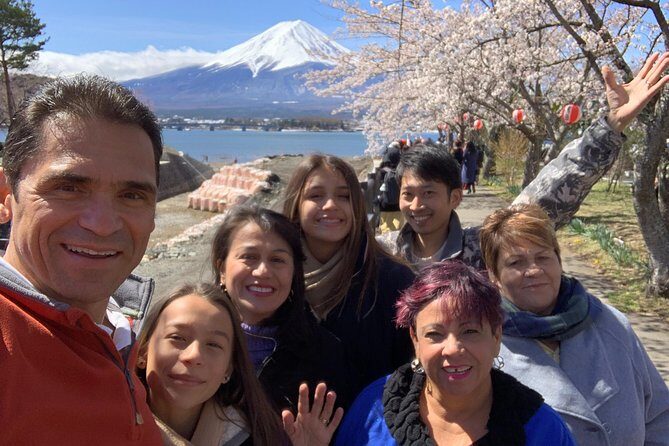
The price is listed per group (up to 6), not per person. That can be a strong value for families and small friend groups, because you split the cost while still getting the personal attention. And since it’s private, you do not get stuck waiting for other people’s shopping pace or photo pacing. You set the rhythm with your guide.
The tone is also less school-trip and more conversation. An English-speaking driver means you can ask what you actually want to know while you’re standing in front of something special—like why certain shrines are important, or what you’re looking at inside a cave setting. That small detail turns a “see it” outing into a “get it” outing.
Fujikawaguchiko and the Five Lakes: what you’ll actually see
This tour is built around a mix of Mt. Fuji views, quiet spots, and cultural stops. Some locations are named, and others are “not well known” and meant to avoid the worst crowds. Think of it as a theme park, but for real places, with fewer people and more air.
Mt. Fuji viewpoints you can walk to and photograph
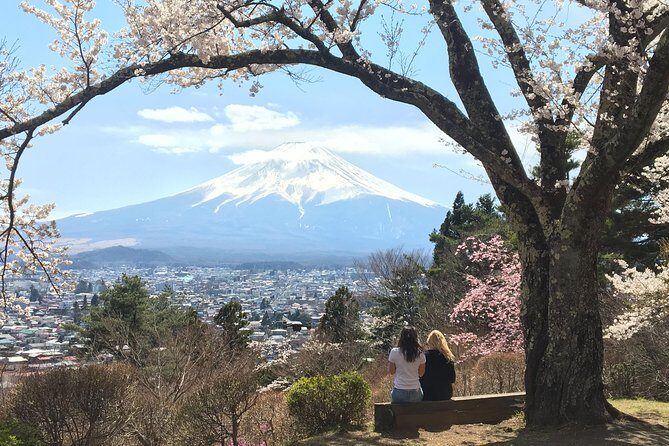
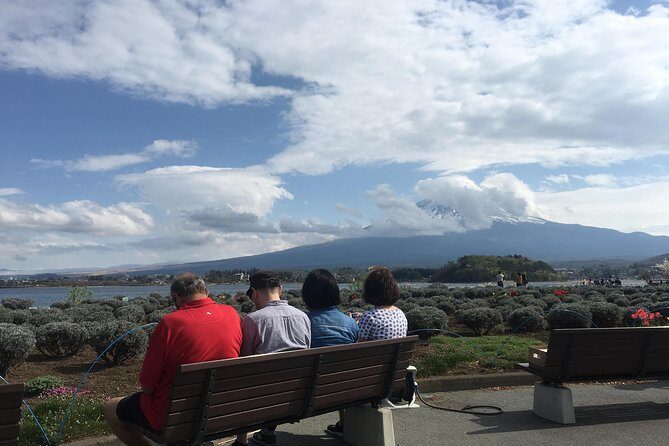
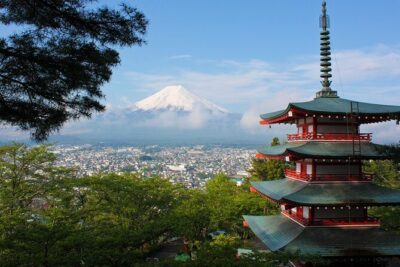
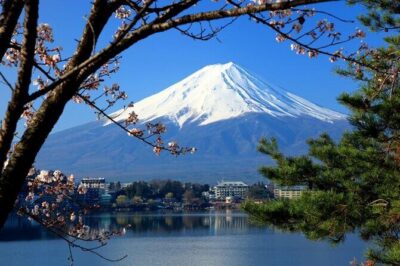
A major part of the experience is going to some of the better spots for taking photos of Fujisan. On clear days, you’ll get those postcard-style views with time to frame shots. On less-perfect days, you still get strategy: viewpoints that can work even when the mountain is partially hidden.
Practical tip: bring a layer. Around the lakes and forest edges, the temperature can feel different than in town.
Shrines with big meaning (and calmer vibes)
You may visit Kawaguchi Sengen Shrine, a well-known landmark in this area. It’s the type of place where the setting helps you understand why shrines belong in the landscape of daily life, not just in postcards.
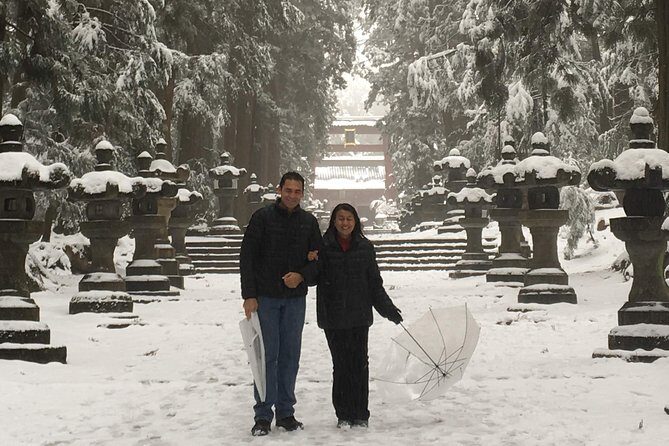
The tour can also include a quieter shrine experience—places that feel more local and less tour-busy. One stop is described as a quiet shrine with very old trees, and another as a main asset connected to a UNESCO World Heritage listing. Even when you’re not chasing official plaques, your guide can point out what makes the site special: the layout, the spirit of the place, and the patterns you might miss on your own.
Waterfall time: Hahanoshirataki and the rest of the scenery
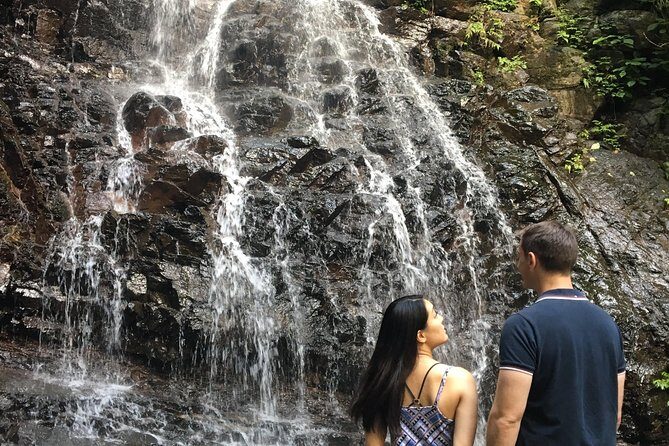
Waterfall stops are part of what makes this area feel alive. Hahanoshirataki Waterfall is one of the named highlights, and it’s the kind of stop where you can hear the water before you see it. Your guide can also steer you to lookouts that add context—lake, town, and mountain views in the same direction when conditions cooperate.
If it’s been wet or rainy, the area can look better, but paths can get slick. Stick to safe footing and slow down on uneven ground.
Caves and forest walks that feel a bit mysterious
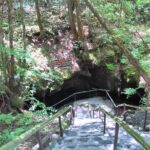
The Saiko Bat Cave is explicitly mentioned. Caves add a different texture to the day—cool air, darker interiors, and a reminder that this region has real geological stories behind the views.
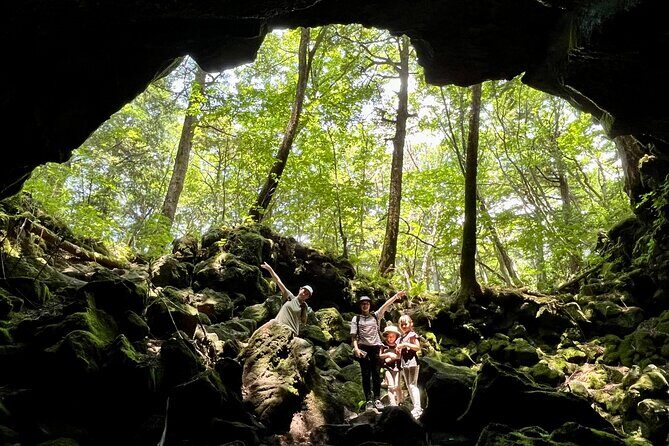
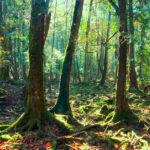
There’s also a strong chance you’ll experience nature walks tied to Aokigahara Jukai forest and lava cave areas. The emphasis here is on the more atmospheric, less tour-trappy version of cave exploring, with a guided route that helps you stay oriented. If you like eerie-but-beautiful nature, this is where the tour earns its keep.
Do note the walk requirement: the tour is not a fully seated checklist. You should be comfortable with a short stretch of walking on gravel or nature trails at least once.
Traditional culture and lakeside calm
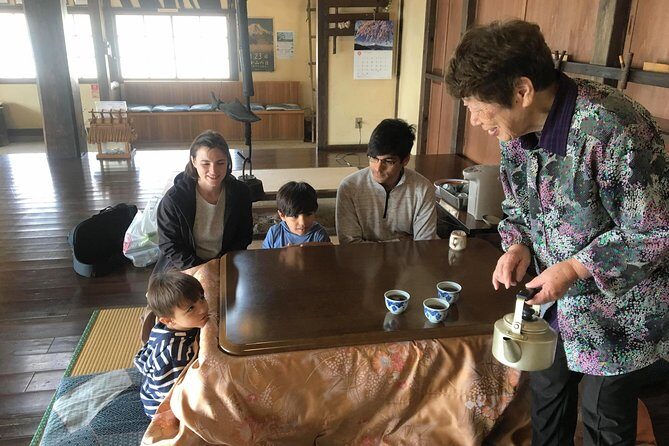
The itinerary may include a traditional thatched roof village, which gives you a change of pace from shrines and forests. It’s a simple way to see how everyday Japanese life is shaped by the region’s seasons and architecture.
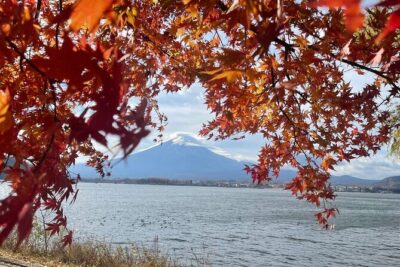
You might also spend time at lakeside areas—like a quiet lake shore where you can relax and view Mt. Fuji. In autumn, there’s mention of lakeside roads with colored leaves. These are the moments that turn the tour from “busy sightseeing” into “I’m actually here” time.
Driving the north shore: Yamanakako photo opportunities
Another possible stop is driving around the north shore of Yamanakako Lake, with photo stops along the way to frame views of Mt. Fuji on the lake. Even if you’re not an expert photographer, it helps to have someone point out where the view opens up and where trees and angles block the mountain.
Mt. Fuji photo strategy: clear-day wins and cloudy-day plans
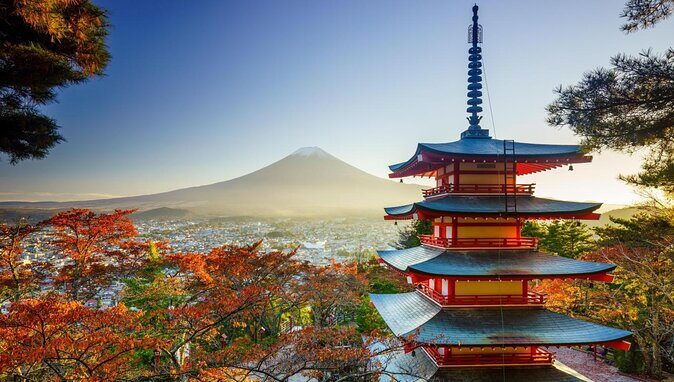
Mt. Fuji is famous for being dramatic. The mountain can be out in full glory one minute and hiding the next. The upside of this private format is that your schedule can flex.
One pattern that stands out from the experience descriptions is weather-smart decision-making. When conditions look rough, your guide can shift you to spots that still deliver something: waterfalls, forest atmosphere, shrines, and viewpoints that work better depending on cloud cover and wind.
Here’s what I suggest you do before you go:
- Bring a rain layer even if the forecast looks good.
- Wear shoes with solid grip. Gravel and damp paths are no joke.
- Keep a low-stress mindset. If you came only for a perfect mountain shot, you might feel annoyed. If you came for the region, you’ll still have a good day.
When the skies cooperate, you’ll get a true payoff. When they don’t, the day still has texture and meaning.
The guide experience: why Taka’s style gets repeat bookings
The biggest reason this tour scores so high is not only the places. It’s the person steering you through them.
Taka’s English comes up again and again, and it matters because it changes how fast you connect with each stop. You’re not just reading signs. You’re getting context as you stand there. You learn how shrines fit into Shinto and Buddhist traditions, plus what the guide sees as the best ways to appreciate the region.
Another standout theme is patience. This tour doesn’t feel rushed. You get time for questions, time to walk at your comfort level, and time to take photos without someone yanking the group onward.
The guide also appears to be flexible with timing and destinations. That flexibility is especially valuable in this area, because a view can change quickly and a short detour can make a huge difference.
And yes, there are practical help stories too. In a couple of situations, the guide offered assistance with transportation issues and even helped families manage needs like a car seat. That tells you this guide thinks beyond the checklist.
Price and logistics: what you pay for and what you should budget
Let’s talk value in plain terms. The tour price is listed at $72.67 per group for up to 6 people. That is a reasonable setup for a private car plus an English-speaking guide, especially when you consider how hard it can be to coordinate multiple stops on public transport.
What’s included:
- English speaking guide
- Pick-up and drop-off service
- Private transportation
- Local taxes
What’s not included:
- Road toll
- Parking fee
- Attraction entrance fee (including for guide)
- Traveler’s insurance
- Other personal expenses
So, the money calculation isn’t only about the base fee. If you choose stops that require entry tickets, those entrance fees will be on you. The best move is to assume some extra spending is normal and keep a buffer.
Also, road tolls and parking can add up depending on the exact route. Your guide usually handles the driving decisions, but your budget should account for the extras.
Comfort, walking, and who this tour suits best
This tour is designed for most travelers, but it is not “sit down the whole time.” The key limitation mentioned is walking on gravel roads or nature trails for around 10 minutes at one location. If your mobility is limited or gravel is a problem, this might not be the right match.
For the best comfort:
- Wear non-slip shoes.
- Expect uneven ground at least once.
- Bring light outerwear, since forest edges and lake areas can feel cooler.
Family note: this tour can work well with kids if they can handle short walks. One family described having a 6-year-old, and the guide encouraged participation while keeping things age-appropriate.
For solo travelers, the private setup still makes sense because you’re not paying a single-person premium for the guide’s time—your “per group” price spreads cost out. Just keep in mind you’ll likely share the car with your guide only, plus your small group.
If you are the type who likes a bit of nature plus culture, and you want calm instead of crowds, this tour lines up nicely.
A smart way to plan your day around Fuji
You can’t control the weather. But you can control your expectations and your readiness.
Here’s how I’d plan it:
- Aim for a time when you have buffer hours. If your schedule is tight, the tour’s flexibility can’t save you from a hard deadline.
- Decide what you want most: viewpoints, caves/forest mystery, shrines and culture, or waterfall focus. You can do all of them, but it helps to know your favorite.
- Ask your guide for practical photo guidance. If the guide is willing to show you where to stand and how to angle shots, your results improve fast.
One more practical thought: in this region, distance is real. That’s exactly why the private car is valuable. The tour helps you spend time at the stops you want, not on the commute between them.
Should you book this Fujikawaguchiko tour?
Book it if you want:
- A private day around Fuji that avoids the worst crowding.
- An English-speaking local guide who helps you understand what you’re seeing.
- A balanced mix of waterfalls, shrines, caves/forest walks, and lake views in a short time.
- A flexible plan that can adjust when the sky changes.
Skip it if:
- You cannot handle short walks on gravel or uneven nature paths.
- You want fully independent travel with no guide input.
- You hate spending extra money for entrance fees at selected sites.
If you’re trying to make the most out of limited time near Mount Fuji, this is one of the more sensible ways to do it. You’re paying for guidance and comfort, and you’re getting a day that feels like the region was shown by someone who genuinely cares about getting you to the right places at the right moments.
FAQ
How long is the tour?
It runs about 3 to 5 hours, depending on how the day goes and the route your guide chooses.
What’s the group size limit?
It’s priced for up to 6 people per group, and it’s private, so only your group participates.
Do you get pickup and drop-off?
Yes. Pick-up and drop-off service is included.
Is the guide English-speaking?
Yes. The tour includes an English speaking guide.
What should I budget for besides the tour price?
Road tolls, parking fees, and attraction entrance fees are not included, so you may need extra money for paid sites.
How much walking is involved?
Most travelers can participate, but it is not recommended if you can’t walk on gravel roads or nature trails for about 10 minutes at one place.
Can I cancel for a full refund?
Yes. There’s free cancellation up to 24 hours in advance for a full refund.
More Tours in Fujikawaguchiko machi
More Tour Reviews in Fujikawaguchiko machi

Private Drivers, compared.
 ★ 5.0Mt Fuji Private Tour with English Speaking DriverFrom $415861 reviews
 ★ 4.5Mt. Fuji & Hakone Private Day Tour with English-Speaking DriverFrom $453824 reviews
 ★ 4.5Haneda Airport (HND) Private Transfer to Central TokyoFrom $104636 reviews
 ★ 4.5Mt. Fuji, Hakone Full-Day Private Tour with English Driver GuideFrom $495458 reviews
 ★ 5.0Mt. Fuji Day Trip from Tokyo with English Speaking Driver GuideFrom $497443 reviews
★ 4.5Mt. Fuji Private Tour with English Speaking DriverFrom $464402 reviews
★ 5.0Mt. Fuji Day Trip from Tokyo with English Speaking Driver GuideFrom $497443 reviews
★ 4.5Mt. Fuji Private Tour with English Speaking DriverFrom $464402 reviews
 ★ 4.9Mt. Fuji & Hakone Private Custom Tour English DriverFrom $322351 reviews
 ★ 4.5Narita Airport (NRT) Private Transfer to Central TokyoFrom $166300 reviews
Browse the lists this tour appears in