
Reviewed · MT FUJI DAY TRIPS
View of Mt. Fuji is good! Sushi making experience class
Fuji and sushi in one lesson. This private class in Fujikawaguchiko pairs serious hands-on cooking with a view of Mount Fuji right from the classroom. You’ll learn sushi making plus Japanese table manners and sushi history, not just how to copy shapes.
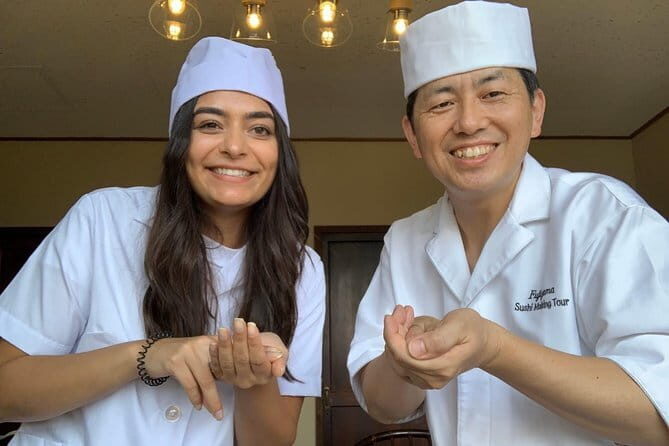
Two things I loved: the teaching style and the setting. Kadokura-san, the instructor, brings a warm, upbeat vibe, mixes in sushi trivia, and makes the lesson easy to follow. And the room has a calm, traditional feel, with big windows that can frame the mountain when the weather cooperates.
One consideration: this experience costs $228.04 per person, so it’s best when you want instruction and the full meal you make, not just a quick snack. Also, a clear Mt. Fuji view depends on skies.
In This Review
- Key Points at a Glance
- Sushi Teaching Near Mount Fuji, Without the Tourist Noise
- Where You Meet: Kawaguchiko Station to a Traditional Classroom
- Before Sushi: Table Manners and Sushi Trivia That Actually Helps
- Vinegared Rice: The Skill Behind Nigiri and Rolls
- The Four Types of Sushi You’ll Make (Plus the One You’ll Want Seconds Of)
- Eat What You Make: Turning Cooking Into a Real Meal
- Price and Value: What $228.04 Buys You Here
- Timing That Fits Your Day: A 3-Hour Block With Clear Hours
- Who Should Book This Sushi Class (and Who Might Skip It)
- Should You Book This Mount Fuji Sushi-Making Class?
- FAQ
- Where do I meet for the sushi-making class?
- How long is the experience?
- Is this class private?
- What will I make during the class?
- Does the class include table manners and sushi history?
- Can I cancel and get a refund?
Key Points at a Glance
- Mount Fuji from the classroom: Big windows can deliver a standout view, especially on clear days.
- Private lesson for your group: Only your group participates, so you get more direct attention.
- You learn before you cook: Table manners, sushi trivia, and sushi history come first.
- Vinegared rice as the foundation: You’ll make it, so you understand what makes sushi taste right.
- 4 types of sushi you can eat: Including nigiri, rolls, and a warship-style shape, plus a fourth form.
Sushi Teaching Near Mount Fuji, Without the Tourist Noise
Kawaguchiko is a smart base if you want the Fuji-area experience without feeling rushed. This class fits right into that mood. You’re not just tasting sushi. You’re getting the parts that normally stay invisible: the timing, the rice basics, and the small etiquette moves that make dining feel natural in Japan.
What makes this lesson feel different is the combination. You start with manners and sushi trivia, then move into the cooking steps. That order matters. When you understand what the food is and how it’s meant to be handled, the technique feels less like a craft project and more like learning a real Japanese skill.
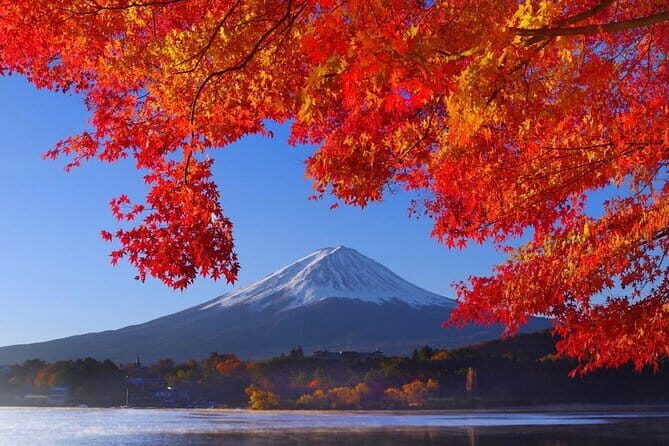
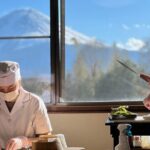
And yes, the view can be the icing. The classroom sits near Mount Fuji, and at least some days it lines up with that classic mountain backdrop. If you’ve ever wondered what it would be like to eat your own sushi while staring at Fuji, this is the kind of plan that makes the question stop being theoretical.
Where You Meet: Kawaguchiko Station to a Traditional Classroom
Your start point is simple: Kawaguchiko Station (you’ll meet at 3641 Funatsu, Fujikawaguchiko, Minamitsuru District, Yamanashi 401-0301). The experience ends back at the meeting point, so you’re not stuck figuring out logistics after a full lesson.
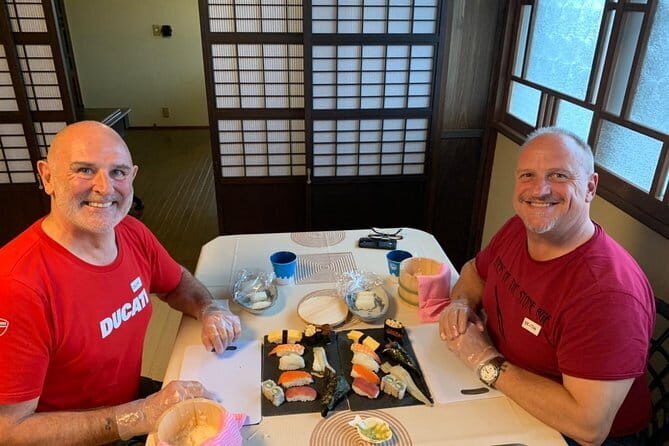
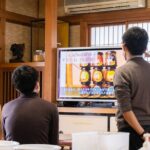
The setting is part of the experience. Inside, the classroom has a traditional tatami feel, with older, antique-style Japanese furnishings. Think calm and quiet, not flashy. Big windows are a key feature here. On a clear day, you can look out while you work, which makes the 3 hours feel shorter because you’re not just watching a screen or listening from one corner.
Because it’s described as near public transportation, you don’t need a car to pull this off. If you’re staying around the lake area or already navigating Kawaguchiko, this fits smoothly into a day.
Before Sushi: Table Manners and Sushi Trivia That Actually Helps
You’ll begin with Japanese table manners and sushi history, along with sushi trivia. This is one of the best parts because it upgrades your “I ate sushi” into “I get what I’m doing.”
Table manners might sound dry until you realize they change how you interact with the meal. Learning what to do with your hands, chopsticks, and how to approach eating sushi makes the food feel more like a real dining experience instead of a stunt.
Then there’s the fun side: trivia and presentation. Kadokura-san is described as warm and kind, with good energy, and he keeps the lesson engaging with easy-to-follow explanations. Mixing in trivia is a clever move. It helps you stay focused while you’re learning steps that require a steady hand, like shaping and building sushi pieces.
So even if you’ve never made sushi before, you’re not thrown into cooking blindly. You get a framework first. That’s what turns the class into more than just a recipe.
Vinegared Rice: The Skill Behind Nigiri and Rolls
The class includes making vinegared rice. This is a big deal because vinegared rice is the heart of sushi. Even if you’ve eaten sushi a hundred times, making the rice yourself helps you understand why sushi tastes the way it does.
In practical terms, you’ll learn how the rice should be handled while it’s still warm, and you’ll follow instruction from a professional sushi chef. The key value here isn’t memorizing a step-by-step guide forever. It’s understanding the feel and logic behind the rice so your sushi doesn’t end up dry, hard, or uneven.
This is also where you get the confidence boost. When you’ve made the foundation, the rest of the shapes feel less intimidating. You’re building on something you already understand.
Expect the lesson to be paced so you can keep up. It’s described as explained in an easy-to-understand manner for foreign tourists, which matters because sushi technique can be subtle.
The Four Types of Sushi You’ll Make (Plus the One You’ll Want Seconds Of)
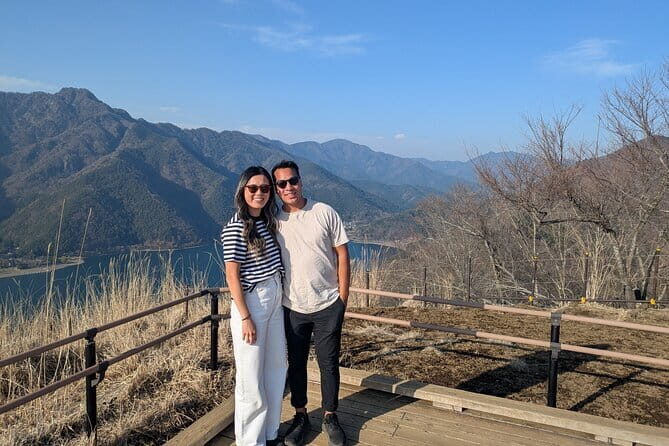
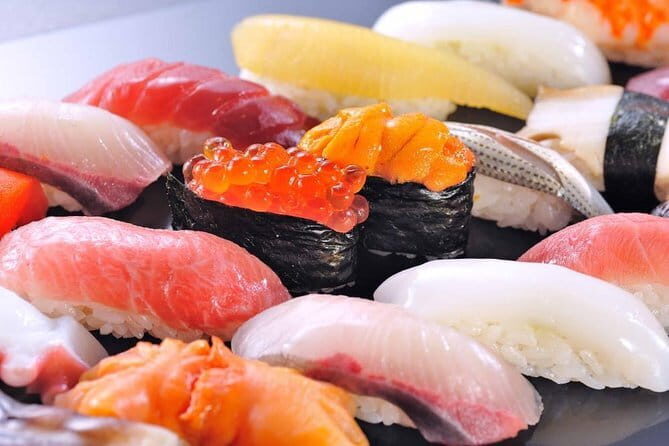
You’ll make 4 types of sushi during the class. The training specifically mentions nigiri sushi, rolls, and “warships” (as listed in the class description). That means you’ll practice both topping/hand-formed sushi and more structured roll-style pieces.
Here’s how to think about it for your own learning:
- Nigiri practice teaches you how to build a topping and balance it with rice. The goal is shape and bite consistency.
- Rolls practice helps you understand how filling and rolling work together, so the result holds up when you cut and eat.
- Warship-style sushi practice gives you a third format to master, which is useful because sushi isn’t just one “look.” It’s technique and intention.
- A fourth type is also part of the class, but the exact name isn’t specified in the details you provided—so treat it as a bonus form that you’ll discover during the session.
You’ll be working with pro guidance, and this matters more than you’d think. Sushi is one of those foods where small differences (rice texture, handling, how tight something is formed) show up fast. Having a professional chef show you how to correct your grip and your pressure keeps the learning curve from getting frustrating.
Also, shaping sushi is strangely satisfying. There’s a point where your hands start moving more confidently. That’s usually when the lesson stops feeling like school and starts feeling like a skill you could repeat later.
Eat What You Make: Turning Cooking Into a Real Meal
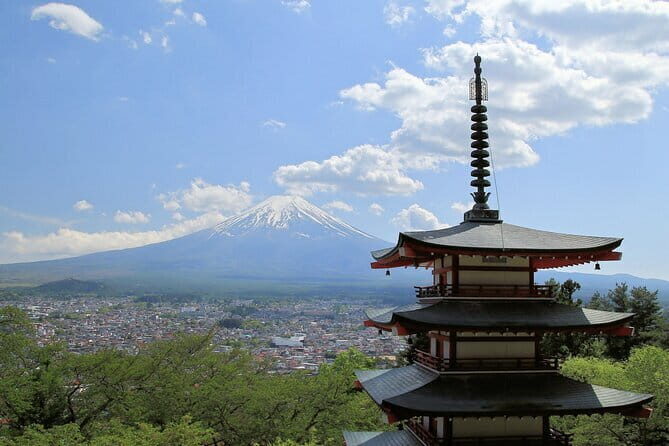
After you build your sushi, you’ll eat your own sushi. That’s the payoff. Instead of watching someone else plate the final dish, you get to taste what your hands made.
This matters for two reasons. First, it locks in what you learned. If a piece is too tight, too loose, or the flavor balance feels off, you connect that directly to the technique you just did. Second, it makes the price feel more justified because you’re not paying only for the “class.” You’re getting a complete experience that ends with a meal.
You can also expect a sense of accomplishment. One of the first-time makers described being moved by the idea that the sushi came from their own hands, not just a conveyor belt. I’d bet that feeling is common here, especially if you’re coming from a western sushi background where the process is invisible.
Price and Value: What $228.04 Buys You Here
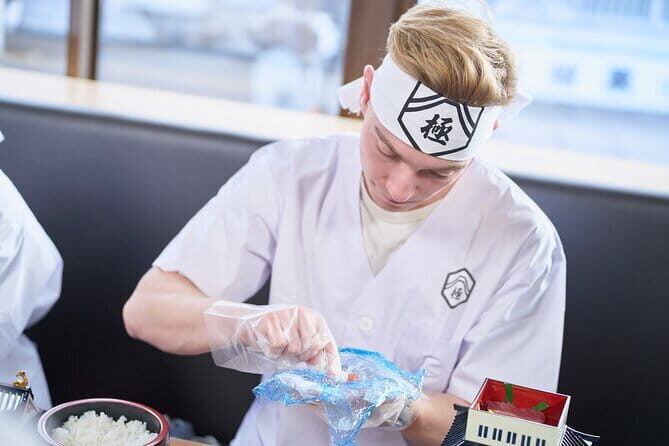
$228.04 per person is not a budget activity. But it does buy something specific: a private 3-hour class with professional chef instruction, plus you end by eating the sushi you made.
To judge value fairly, ask what you’d otherwise spend money on. If you’re the type who wants to learn one real, hands-on skill while in Japan, this class can be a strong use of time. You’re getting:
- a guided experience rather than DIY trial-and-error
- explanation of sushi history and table manners
- creation of multiple sushi formats
- a final meal made by you
If you mainly want a quick bite and photos, the cost might feel steep. But if you’re curious, patient, and ready to spend a few hours doing something practical, the structure and the private setting are where the value shows.
Also remember the typical booking timing: it’s commonly booked about 5 days in advance. If you’re traveling in a tight window, waiting too long can shrink your options.
Timing That Fits Your Day: A 3-Hour Block With Clear Hours
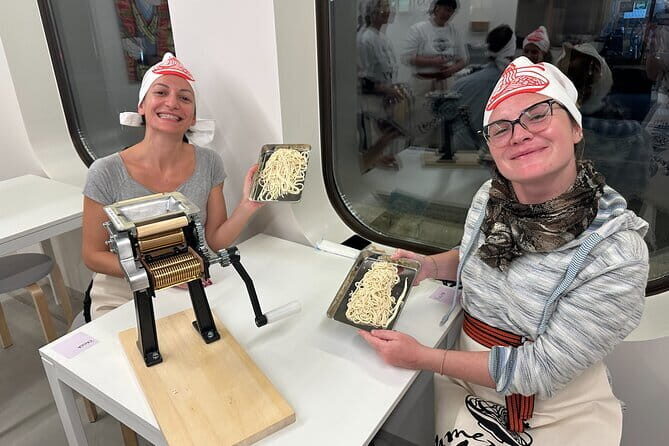
The class runs for about 3 hours and is offered within 10:00 AM to 4:00 PM, Monday through Friday. In real life, that means it usually fits best with a day where you can plan around the late morning to afternoon window.
Because the class ends back at the meeting point, you can also treat it like a neat anchor on your Kawaguchiko day. Do it mid-day, then you’ve got the rest of your time for lake walks, viewpoints, or just absorbing the area at a slower pace.
One practical note: the Mount Fuji view depends on weather. The classroom setup can be very good-looking when skies cooperate, and less dramatic when they don’t. Plan your day around the class first. If Fuji appears, treat it as a bonus.
Who Should Book This Sushi Class (and Who Might Skip It)
This is a great fit if you:
- want hands-on learning instead of a tasting tour
- care about Japanese etiquette and how meals work, not just food
- enjoy cooking lessons and want a clear skill outcome in a few hours
- are traveling as a couple or small group and want a private experience
You might consider skipping if:
- you’re on a tight budget and want the cheapest sushi experience
- you expect a full-day masterclass or advanced technique training
- you’re visiting only on a weekend (this one lists Monday–Friday hours)
Also, because it’s explicitly recommended for foreign tourists and explained in an easy-to-understand way, it’s set up for visitors who may not know sushi terminology or etiquette already.
Should You Book This Mount Fuji Sushi-Making Class?
I’d book it if you want a Japan moment that feels practical and personal. The best part isn’t just making sushi. It’s making vinegared rice, then learning how manners and sushi trivia connect to what you’re eating. Add the chance of a Fuji view from a tatami-style classroom, and it becomes more than a meal.
It’s also a smart choice if you like instruction from a warm teacher. Kadokura-san’s teaching style—friendly, engaging, and focused on making things easy—seems to be a core reason people leave happy.
If your main goal is saving money or you’re not interested in learning technique, you might choose another sushi option. But for the right traveler, this is one of those experiences where you leave with a real skill and a full stomach, and you’re not just passing time.
FAQ
Where do I meet for the sushi-making class?
You meet at Kawaguchiko Station. The start location is listed as 3641 Funatsu, Fujikawaguchiko, Minamitsuru District, Yamanashi 401-0301, Japan, and the experience ends back at the meeting point.
How long is the experience?
The class lasts about 3 hours.
Is this class private?
Yes. It’s a private tour or activity, and only your group participates.
What will I make during the class?
You’ll make vinegared rice, then make 4 types of sushi. The description specifically includes nigiri sushi, rolls, and warships (as listed in the class details). You’ll also eat what you make.
Does the class include table manners and sushi history?
Yes. The experience includes Japanese table manners and sushi history, along with sushi trivia.
Can I cancel and get a refund?
Free cancellation is available. You can cancel up to 24 hours in advance for a full refund. If you cancel less than 24 hours before the start time, the amount paid will not be refunded.
Make Something to Take Home
More Tour Reviews in Fujikawaguchiko machi



The Fuji Shortlist: Other Days Out to the Mountain


Mt Fuji Day Trips, compared.
 ★ 4.0Mt Fuji & Hakone Cruise, Drum Show Bullet Train 1 Day from TokyoFrom $1497,413 reviews
 ★ 4.4Tokyo Mt Fuji 5th St & Hakone Cruise Bus Tour w/Bullet TrainFrom $1545,024 reviews
 ★ 4.5From Tokyo: Mount Fuji Full-Day Sightseeing TripFrom $684,970 reviews
 ★ 4.7Mt. Fuji Tour, Hakone Ropeway, Owakudani, Lake AshiFrom $544,002 reviews
 ★ 5.0Private Tour to Mt. Fuji and Hakone (Fully Licenced Operator)From $4971,910 reviews
 ★ 4.9Mount Fuji Full-Day Private Tour from Tokyo (Customizable)From $3931,470 reviews
 ★ 4.0Mt Fuji & Hakone Cruise, Drum Show Bus 1 Day from TokyoFrom $1221,287 reviews
 ★ 4.2From Tokyo: Mt. Fuji & Hakone Tour w/ Return by Bullet TrainFrom $1171,278 reviews
Browse the lists this tour appears in