
Reviewed · WORKSHOPS
A class on Making Hoto, Yamanashi’s Traditional Dish
Good food starts with good dough. This hands-on class teaches Hōtō, a Yamanashi specialty, in the Mt. Fuji area, and it explains why it tastes so different from udon. You work step-by-step, from dough mixing to slicing thick noodles, then cook them in a hearty miso-based broth.
I especially like the ingredient logic here: you’ll learn how potato starch helps thicken the soup and how the noodles finish cooking right in the broth. I also like that it’s practical and beginner-friendly, with guided steps and English-speaking staff available.
One thing to consider is that it’s only about 2 hours, so it’s a “learn and make one meal” experience, not a long, deep masterclass that slows down for every question.
In This Review
- Key highlights you’ll care about
- Hōtō vs. udon: the real reason it tastes different
- Where the class happens: Fujikawaguchiko meeting point and a weatherproof setup
- The 2-hour flow: what you’ll do from start to finish
- Kneading and slicing: the hands-on part that actually teaches you
- The miso vegetable broth: Koshu miso and that warm-thick texture
- Tatami dining: why eating together is part of the value
- Optional add-ons: if you want more than noodles
- Price and value: what $26.01 buys you in the Fuji area
- Who this class suits best (and who might want something else)
- Tips to plan your timing around Lake Kawaguchiko
- Should you book this Hōtō class with Japanese Cooking Class FUJIYA?
- FAQ
- How long is the Hōtō making class near Mt. Fuji?
- How much does the experience cost?
- Where is the meeting point?
- Is the class beginner-friendly?
- Is there English support?
- Can they accommodate vegetarian or allergy needs?
- What do you make and eat during the class?
- What’s included in the class experience?
- Is free cancellation available?
Key highlights you’ll care about
- Real Hōtō method: noodles simmer in miso broth and thicken naturally without salting the noodles like some other noodle styles
- Texture focus: thick, rustic slicing is part of the fun and the flavor
- Potato starch trick: it’s the key thickener that makes the soup feel cozy and warming
- Local miso approach: the broth is primarily miso-based and traditionally uses Koshu miso
- Indoor tatami comfort: cooking and eating happen in a cozy room, good for any weather
- Easy to fit in: about 2 hours, and it ends back at the meeting point
Hōtō vs. udon: the real reason it tastes different
If you think noodles are noodles, Hōtō will fix that fast. In Yamanashi, thick wheat dough is prepared and then cut into chunky pieces. Those noodles are cooked right in a miso-based vegetable broth, so you’re not just reheating pasta in soup—you’re building a dish where noodle and broth work together.
That matters for flavor and feel. Hōtō tends to be warm, hearty, and thick enough to cling to the noodles, largely thanks to a thickening step using potato starch. Unlike many noodle dishes that rely on salt to create depth, Hōtō is designed so the broth and noodles create the seasoning balance as they cook.
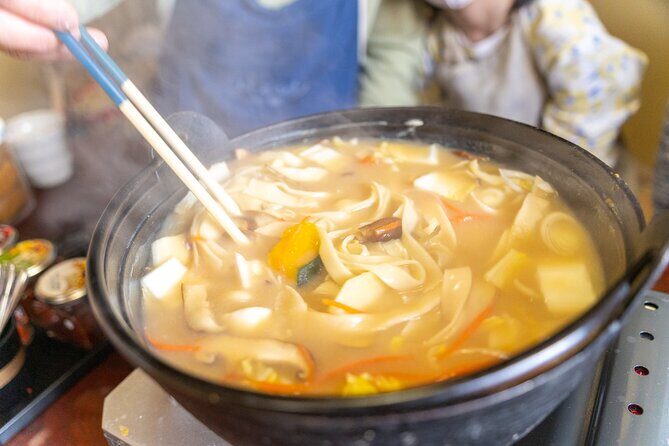
You’ll also notice the difference in what goes into the broth. The soup is primarily miso-based, with seasonal vegetables such as pumpkin and mushrooms, so it reads like a vegetable-forward meal rather than a plain noodle bowl.
Where the class happens: Fujikawaguchiko meeting point and a weatherproof setup
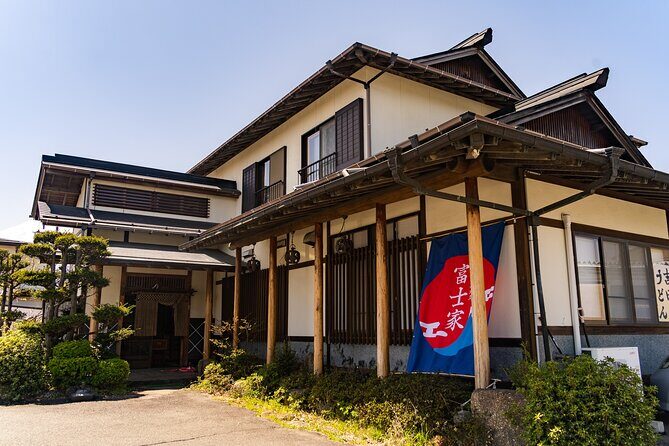
The activity meets at 3376-3 Funatsu, Fujikawaguchiko, Minamitsuru District, Yamanashi 401-0301, Japan and ends back at the meeting point. That round-trip setup is helpful when you’re pairing this with other Mt. Fuji area plans, because you don’t need to re-plan transport after class.
It’s also indoors, in a cozy tatami room. Even if weather in the Fuji region gets moody, you still get the full experience without rain ruining your timing. Plus, the class is set up as a guided activity rather than a long self-serve meal, so you’ll know what to do next.
The class uses a mobile ticket, which usually means less time spent figuring out where to go and what to show. It’s a small thing, but it saves energy when you’re juggling trains, buses, or walking after sightseeing.
The 2-hour flow: what you’ll do from start to finish
This is built like a simple cooking workshop: you’ll mix, knead, roll, cut, cook, then eat. The total time is about 2 hours, so everything happens at a steady pace.
Here’s the practical sequence you can expect:
1) Start with dough
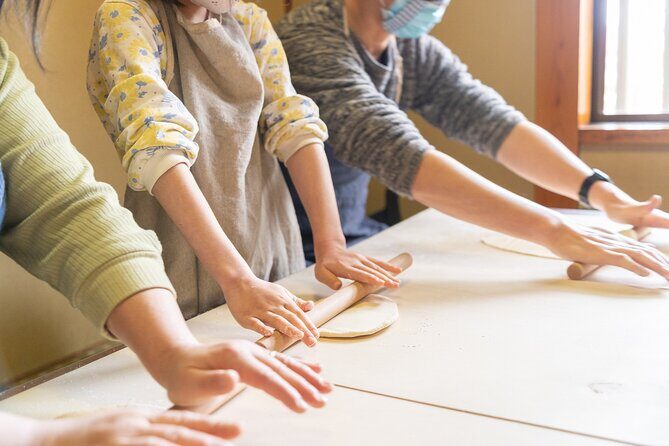
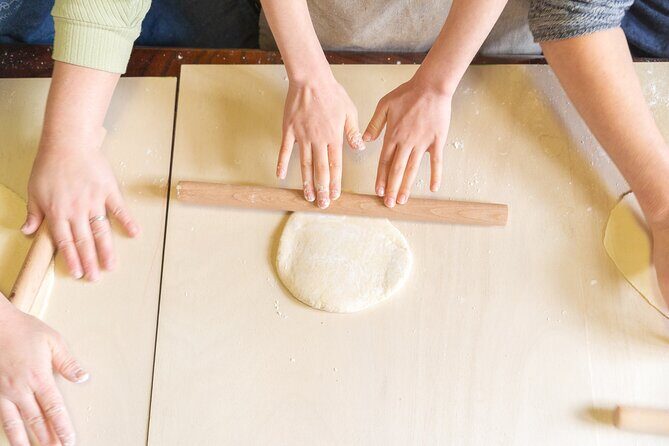
You begin with wheat flour and water, then knead it so moisture spreads evenly. This step is less about fancy technique and more about getting a workable dough that will cut into thick noodles.
2) Thicken the soup logic with potato starch
In the broader process, you learn how potato starch thickens the broth. That thickening is what gives Hōtō its comforting, hearty texture.
3) Flatten and slice thick noodles
You’ll flatten the dough and slice it into thick, rustic pieces. The “rustic” part matters: Hōtō is not trying to look perfect; it’s trying to taste right and cook evenly in broth.
4) Cook noodles in the miso vegetable broth
Next, you cook the noodles with the ingredients in a miso-based broth. As they simmer, the dish thickens and develops flavor—so the noodle isn’t just floating in soup. It’s part of the thickening and taste-building.
5) Eat in a tatami room
Finally, you enjoy your handmade Hōtō meal. It’s not just eating; it’s confirmation that the technique worked.
Because it’s all guided, you don’t have to worry about knowing traditional terms ahead of time. You’re learning by doing, with support from the staff.
Kneading and slicing: the hands-on part that actually teaches you
The best part of a cooking class is when your hands learn the method, not just your eyes. In this workshop, you start by mixing wheat flour and water, then knead until the dough feels evenly hydrated. That even moisture distribution shows up later in how the noodles cook and how they hold shape.
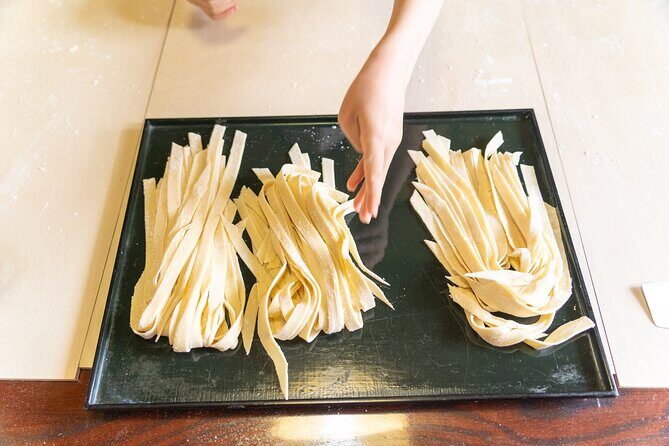
Then comes the fun part: flattening and slicing. Thick noodle cuts are core to Hōtō’s character. If they’re too thin, you lose the hearty bite that makes the dish feel Yamanashi, not just another miso noodle.
If you’re traveling with kids, this section is also where the smiles happen. The steps are physical and visible—easy to follow, easy to see progress. And even if you’re a first-timer, the workshop is described as beginner-friendly and suitable for all ages.
Practical tip: wear clothes that can handle a little kitchen dust. It’s not described as messy, but flour + hands always has a chance of leaving traces.
The miso vegetable broth: Koshu miso and that warm-thick texture
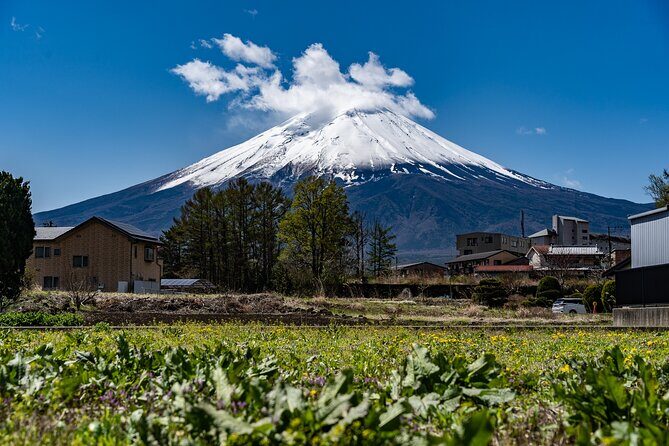
Hōtō’s broth is primarily miso-based, and traditionally it uses Koshu miso. That matters because Koshu miso is associated with Yamanashi, and it gives the dish a more local identity than generic miso in a tourist kitchen.
You’ll also learn why Hōtō feels so warming. The soup gets thickened using potato starch, which helps create that clingy, comforting texture. The class also notes that cooking the noodles with the ingredients thickens the soup without needing salt to drive seasoning.
Then the vegetables bring the “bowl of winter comfort” vibe. Seasonal options like pumpkin and mushrooms are mentioned, which is exactly what you want from a local dish: it tastes right for the time of year, not like a one-size-fits-all noodle soup.
And because you’re cooking noodles directly in the broth, you end up with a dish where the noodles and soup are matched in timing and texture. That’s a skill you can reuse later, even if you don’t try to recreate the exact ingredients at home.
Tatami dining: why eating together is part of the value
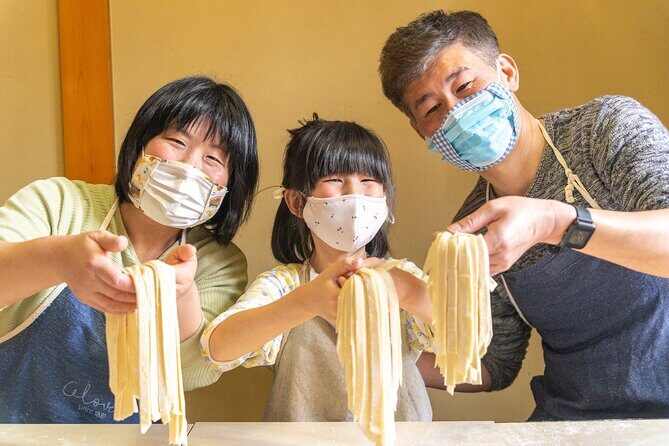
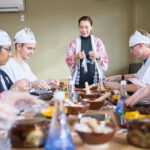
The experience wraps in a cozy tatami room, and that isn’t just decoration. Eating where the cooking took place helps you connect technique with results. You’ll see (and taste) how thickening worked, how the noodles cooked, and how the miso broth held its flavor with vegetables.
It’s also a relief that the entire meal is indoor. You’re not rushing between stops outside in the wind or cold around Lake Kawaguchiko. You can focus on the activity and then enjoy your food without worrying about timing your next train.
Group classes can sometimes feel rushed, but the emphasis here is on guided steps and a complete meal within a short window. One of the standout points from the feedback you have is that the food is great and the experience feels quaint and enjoyable—so the room atmosphere seems to matter, not just the cooking.
Optional add-ons: if you want more than noodles
If you want to turn one workshop day into two activities, there are optional extras you can add. The ones listed are:
- Indigo t-shirt dyeing
- Shichimi spice blend making
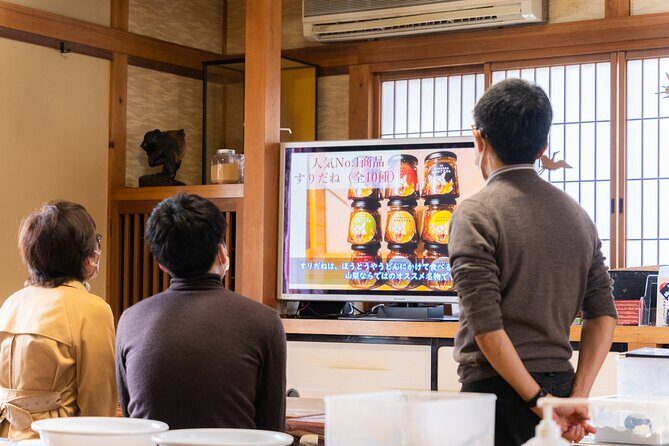
- Suridane chili paste workshop
- Kinako mochi dessert class
These add-ons can be a good match because they connect to Japanese food culture in different ways. Dyeing is craft-focused, while spice and chili workshops teach flavor-building. Mochi adds a sweet finish that pairs nicely if you’re already in a hands-on mood.
The key is pacing. You’ll still want enough time to enjoy Lake Kawaguchiko or Mt. Fuji viewpoints afterward, so consider these extras only if you don’t have another fixed timetable appointment right after.
Price and value: what $26.01 buys you in the Fuji area
At $26.01 per person for about 2 hours, this is the kind of cooking class that tends to feel like good value because you’re not just watching. You’re making dough, cutting noodles, cooking in a miso vegetable broth, then eating the finished dish.
Price also becomes fair when you factor in what’s included in the experience: guided steps, indoor tatami dining, and English-speaking staff support. It’s also a smaller, teachable format rather than a big show. The maximum group size is listed as up to 100 travelers, but the experience is structured as a class, so you’re still doing the hands-on work rather than standing in a long line of spectators.
One more practical value point: the class is usually booked in advance (on average 13 days). That’s often a sign demand is solid, so if you want a specific time slot, it’s smart to reserve early.
Who this class suits best (and who might want something else)
This workshop fits best if you want an authentic local food experience in the Mt. Fuji area without needing cooking skills. It’s beginner-friendly, guided, and suitable for all ages, so it works well for couples, solo travelers, and families.
It’s also a good choice if you care about learning the method behind a dish, not just ordering it. The potato starch thickener and the approach to cooking noodles in miso broth are teachable techniques.
You might look elsewhere if you prefer very quiet experiences or you want something that’s more of a sightseeing tour than a cooking session. This is an action class—you’ll be mixing and cutting as part of the process.
Tips to plan your timing around Lake Kawaguchiko
You’re in Fujikawaguchiko, a popular base for Mt. Fuji sightseeing. A cooking class like this is ideal when you want a break from driving and chasing views, because it’s indoor and predictable.
Here’s how to think about timing:
- Put it mid-day if you’re doing outdoor activities in the morning and want a warm sit-down after.
- Pair it with evening plans because it ends back at the meeting point, so you’re not scrambling for transport right after eating.
- If you’re doing optional add-ons, plan extra time so you don’t feel rushed.
Since the class is about 2 hours, it’s usually easier to fit than longer cooking experiences, especially on a busy day.
Should you book this Hōtō class with Japanese Cooking Class FUJIYA?
If you want a genuine Yamanashi meal you can actually make, I think this is a strong booking. The method is clear and hands-on: thick noodle dough, potato starch thickening, and miso broth with vegetables like pumpkin and mushrooms. Add in English-speaking staff and beginner-friendly guidance, and it becomes an activity that feels fun even if you’re not a cooking person.
Book it if you like food that’s comfort-warm and technique-based, and if you want a reliable indoor activity near Mt. Fuji. It also looks like a place with a friendly vibe, since the instructor is specifically praised for being lovely and the food is a highlight.
Skip it only if you’re looking for a pure sightseeing day or you strongly dislike hands-on food prep. Otherwise, this is exactly the kind of class that turns a trip into a story you can taste.
FAQ
How long is the Hōtō making class near Mt. Fuji?
The class runs for about 2 hours.
How much does the experience cost?
It costs $26.01 per person.
Where is the meeting point?
The start point is 3376-3 Funatsu, Fujikawaguchiko, Minamitsuru District, Yamanashi 401-0301, Japan.
Is the class beginner-friendly?
Yes, it’s described as beginner-friendly and suitable for all ages.
Is there English support?
Yes, English-speaking staff are available.
Can they accommodate vegetarian or allergy needs?
Vegetarian and allergy-conscious options can be arranged with notice.
What do you make and eat during the class?
You make Hōtō noodles and cook them in a miso vegetable broth, then eat your handmade meal.
What’s included in the class experience?
You’ll mix and knead fresh dough by hand, roll and cut thick Hōtō noodles, cook the noodles in a miso vegetable broth, and enjoy the meal in a tatami room.
Is free cancellation available?
Yes. Free cancellation is available up to 24 hours in advance for a full refund.
Make Something to Take Home

More Tour Reviews in Fujikawaguchiko machi


Workshops, compared.
 ★ 5.0Sushi Making Tokyo Roll and Authentic Japanese Sushi ClassFrom $593,971 reviews
 ★ 5.0Tokyo Shinjuku Chopsticks Making ClassFrom $201,763 reviews
 ★ 4.8Chopstick Making Workshop in GinzaFrom $251,366 reviews
 ★ 5.0Tokyo Sushi Making Class in Tsukiji with Professional ChefFrom $491,177 reviews
 ★ 5.0Ramen & Gyoza Cooking Class in Tokyo with Local Supermarket VisitFrom $122823 reviews
 ★ 5.0Matcha Making Class in Tokyo with Authentic Japanese Sweets SetFrom $21744 reviews
 ★ 5.0Samurai Sword & Archery Class from Samurai DescendantFrom $193603 reviews
 ★ 4.9Tsukiji Fish Market Sushi Making Class with Pro ChefFrom $63506 reviews
Browse the lists this tour appears in