
Reviewed · FUJIKAWAGUCHIKO TOURS
Johnny’s Exclusive: Mt. Fuji Adventure from Kawaguchiko
Mt. Fuji looks different when you chase it right. This private, 6–7 hour outing from Fujikawaguchiko lets native English guide Johnny shape the day for visibility and photo moments, with photo help and local-focus routing. I love that you avoid the Tokyo bus crush while still hitting the big-photo places like Chureito Pagoda and Lake Kawaguchiko. One thing to plan for: a few stops are optional, and several cave entries say ticket cost not included, so you may add a bit at the door.
Hotel pickup and an air-conditioned private vehicle make the logistics painless. You get a mix of iconic views (Fuji Sengen shrine, lakeside lookouts) plus Aokigahara lava-tube stops that feel more interesting than another standard checklist. If you want a super-fast, no-walks day, the walking sections and cave descents may be more activity than you expect.
Up to four people share the vehicle, so it stays personal. You’ll also get a mobile ticket for included entries, and Johnny can help adjust timing if your group wants more photos or a longer stop somewhere.
In This Review
- Key things I think you’ll notice fast
- Why this Fuji day feels different than the usual bus tour
- A simple drawback to keep in mind
- Meeting Johnny: pickup, pace, and photo help that actually helps
- Chureito Pagoda and the 398-step photo mission (optional, but iconic)
- Oshino Hakkai: eight ponds, clean reflections, and an easy win
- What to watch for
- Kitaguchi Hongu Fuji Sengen Jinja: shrine walk, gates, and UNESCO vibes
- Food stop options: Houtou Fudou and eating like a local
- Yagizaki Park and the quick-hit view play
- Lake Kawaguchiko drives: viewpoints, stops, and photo timing
- Oishi Park and Hana Terrace: gardens plus souvenir browsing
- Haha no Shirataki Waterfall and Motosuko Lake: nature stops when you want quiet
- A winter reality check
- Saiko Iyashi no Sato Nenba: a traditional village option (optional)
- The Aokigahara lava-tube circuit: Dragon Cave, Wind Cave, Bat Cave, Ice Cave
- Dragon Cave: a shorter walk with a story
- Fugaku Wind Cave and temperature-shock vibes
- Saiko Bat Cave: another lava tube stop
- Narusawa Ice Cave: the one that feels most seasonal
- Rain plans, flexibility, and why private timing matters
- Price and value: what $561.44 for up to 4 people really buys
- Who should book this Mt. Fuji Adventure?
- Should you book Johnny’s Mt. Fuji Adventure from Kawaguchiko?
- FAQ
- Is this tour private?
- How long is the tour?
- Where does the tour take place?
- Does the tour include pickup?
- What’s included in the price?
- Is lunch included?
- Are all stops guaranteed?
- Do I need tickets for the caves and attractions?
- Do I get a mobile ticket?
- Is free cancellation available?
- Are service animals allowed?
- How big is the group?
Key things I think you’ll notice fast
- Private pickup and a car: fewer time-wastes than public transit on a long Fuji day
- Johnny helps with photos at multiple stops, not just at the first viewpoint
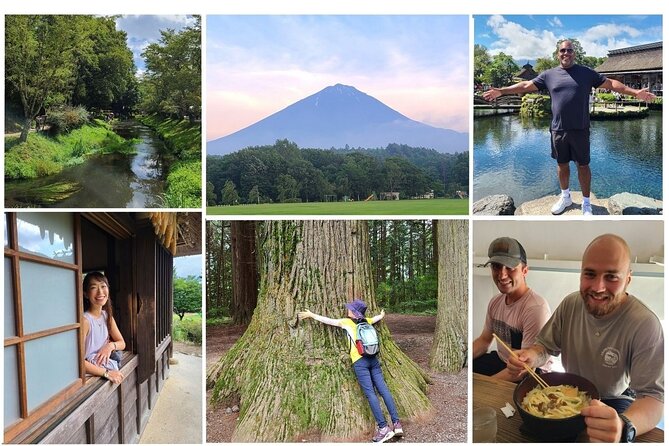
- Iconic Mt. Fuji shots early and often: Chureito Pagoda, Yagizaki Park, and lake viewpoints
- Oshino Hakkai ponds: a classic Fuji-side stop with clear, scenic water
- Aokigahara lava caves: Dragon Cave plus other caves where ticket costs can be extra
- Flexible optional add-ons: you can shift the day toward temples, lakes, waterfalls, or extra villages
Why this Fuji day feels different than the usual bus tour
Mt. Fuji is a weather mood. One minute it’s there, sharp and clean; the next, it’s hiding behind cloud like it’s got somewhere better to be. What makes this tour work is how it’s built for a private rhythm instead of a fixed bus timetable.
You’re not stuck with a single group staring through the same crowd line at the same time. Johnny can manage the order of stops and where you pause, which matters when the view pops. That flexibility is what you’re paying for.
The other big win is comfort. This is not a shoehorned schedule in an overcrowded vehicle. You ride in a private, air-conditioned vehicle, get local pickup, and you move efficiently between Fuji-side areas.
A simple drawback to keep in mind
Private convenience usually means less time for every tiny detour. Some stops are optional, and several cave attractions list tickets as not included. If you’re the type who hates uncertainty about add-on costs, you’ll want to budget a bit for those caves.
Meeting Johnny: pickup, pace, and photo help that actually helps
A private day starts when you don’t have to start. Local hotel pickup takes care of the hardest part: getting from wherever you’re staying to the Fuji region on a schedule that makes sense.
Johnny is a native English speaking guide, and that matters more than you might think on a day full of small cultural details. When you’re walking through shrine areas or down into caves, you want the explanation to be clear, not slow and awkward.
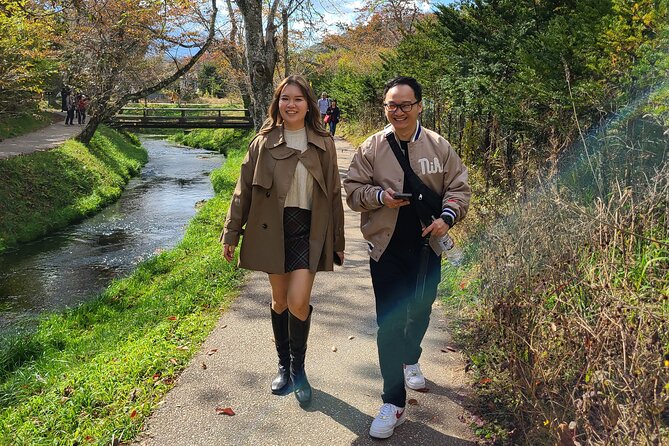
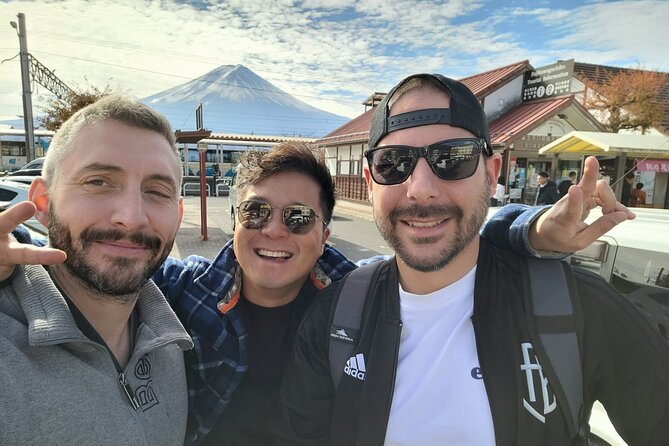
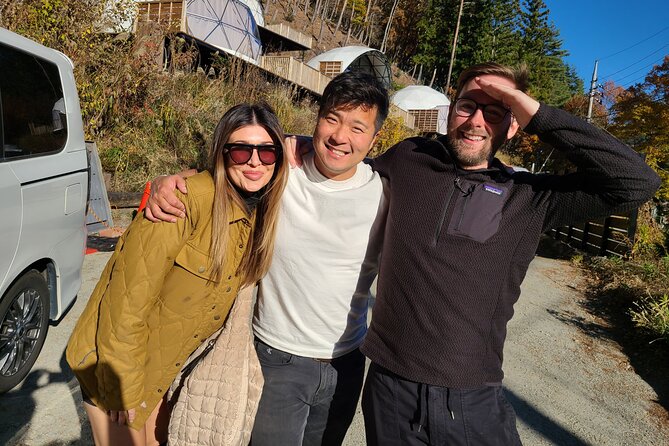
What I also like is the photo support. This isn’t just a quick point-and-shoot moment. Johnny takes your photos throughout the day, and he can also help you time shots as Mt. Fuji appears. In real life, that means fewer blurry frames and more “there it is” moments.
One more practical benefit: because it’s just your group, you can ask for small adjustments. Want a slightly longer stop to shoot without rushing? Want to take a slower walk because your knees are not in summit mode? You can usually find a workable pace.
Chureito Pagoda and the 398-step photo mission (optional, but iconic)
Chureito Pagoda is the postcard view for a reason. Even if you’ve seen it online, standing there with Mt. Fuji framed in the distance hits differently.
This stop is optional, and it comes with a built-in mini workout: you’ll go up 398 steps for the classic perspective. That’s great if you want the famous photo angle without someone else’s camera blocking your view. It’s also easy to overestimate your stamina when you’re excited.
Practical note: if it’s foggy or rainy, steps may feel like an annoying tax. If it’s clear, it’s worth it for that exact composition and horizon line.
Oshino Hakkai: eight ponds, clean reflections, and an easy win
Ōshino Hakkai is one of those Fuji stops that feels calm even when you’re surrounded by visitors. You’ll spend about 30 minutes here, and the main attraction is the set of spring ponds near Mount Fuji.
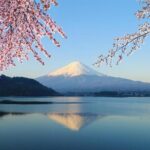
The ponds are known for how they reflect the mountain on clear days, which makes this a reliable photo stop even when the rest of the region is variable. The good part of a private format is that you can take your time moving around the ponds rather than getting shoved through a crowd line.
What to watch for
This is scenic, but it’s not a huge time sink. If you want more hiking or more cave time later, Oshino Hakkai works well as a “stop and reset” break rather than an hours-long detour.
Kitaguchi Hongu Fuji Sengen Jinja: shrine walk, gates, and UNESCO vibes
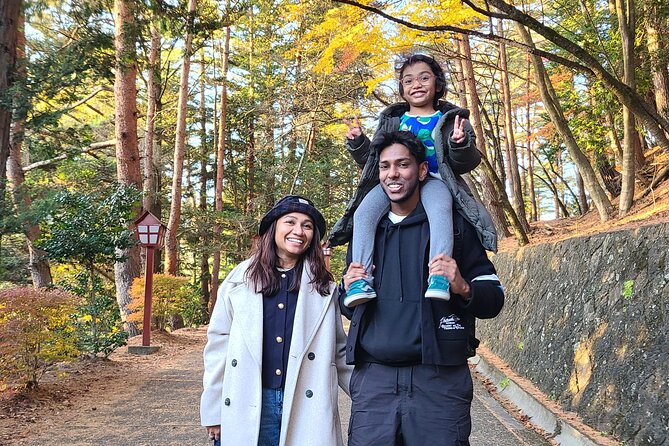
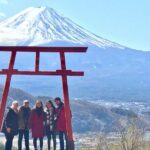
Next is Kitaguchi Hongu Fuji Sengen Jinja, the shrine dedicated to the goddess of Mt. Fuji. You’ll walk a tree-lined path to reach the site and see the tori gates up close.
This is one of those stops where the private guide helps you connect the dots. Instead of just passing through, you get context on what the shrine represents and why people treat Mt. Fuji like more than scenery.
You’ll have about 20 minutes here. That’s enough time to stroll, look at details, and take a few photos without turning it into a museum visit.
Food stop options: Houtou Fudou and eating like a local
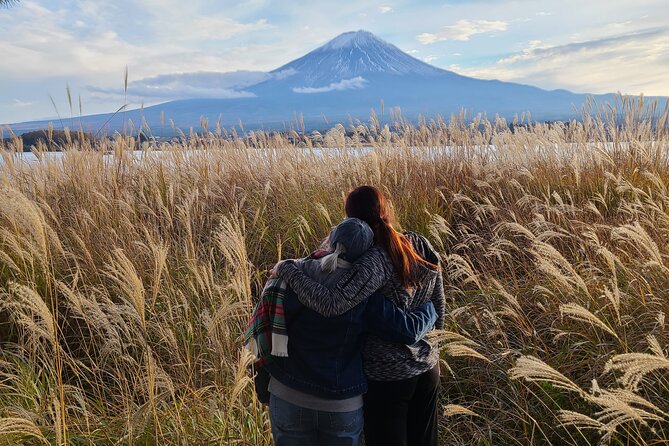
If hunger hits, you can plug in a comfort-food moment with Houtou Fudou. Houtou is a popular noodle dish made with a vegetable and miso-based broth, and it’s well-known in this area.
The catch is in the details: lunch is not included, and this specific stop lists admission/entry status as not included. In plain terms, you’ll pay for the meal yourself. That said, having time built into the schedule for food keeps the day from falling apart.
A good way to handle this: go in with a simple plan. If the dish sounds right to you, grab it. If you’d rather eat later, you can keep your time for views and photos.
Yagizaki Park and the quick-hit view play
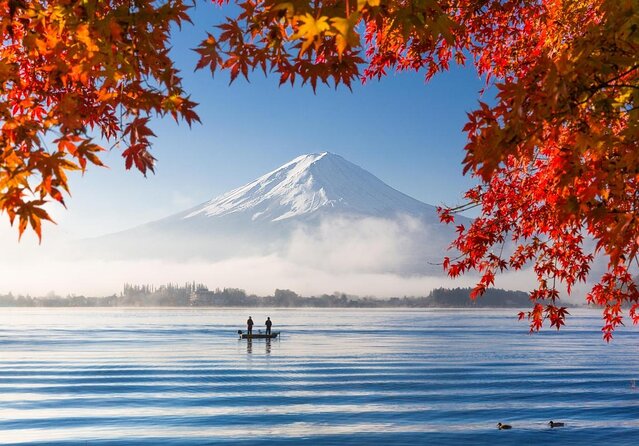
Not every photo stop needs a half day. Yagizaki Park is a short stop (around 10 minutes) for a viewpoint from a small hilltop.
It’s perfect when you want the “Mt. Fuji from another angle” effect without adding fatigue. You can move quickly, get the shot, and still stay on track for the lakes later.
This kind of stop is one of the quiet reasons private touring feels better: you get variety without losing the day.
Lake Kawaguchiko drives: viewpoints, stops, and photo timing
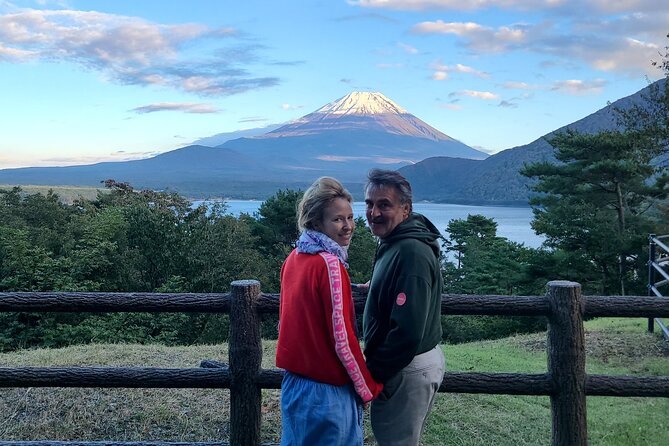
Lake Kawaguchiko is the heart of the region. You’ll take a drive around the lake with multiple view stops, including a stop at Oishi Park later.
You’ll spend about 20 minutes around the lake area as part of the route. That duration might sound short, but the point is to set you up with the best odds of clear views and manageable walking.
In a private setup, you don’t need to sprint between crowded spots. You can reposition based on what the mountain is doing that day.
Oishi Park and Hana Terrace: gardens plus souvenir browsing
Oishi Park brings you manicured gardens with Mt. Fuji views. You’ll have about 20 minutes here.
This is also where you can mix sightseeing with real-life travel stuff: browse small shops, and check out seasonal ice cream flavors. If you like dessert breaks that also act as rest breaks, this is a good one.
This stop works well for families too. Even if one person wants to photograph every angle, the rest can enjoy the garden stroll and take breaks without feeling like they’re “wasting” time.
Haha no Shirataki Waterfall and Motosuko Lake: nature stops when you want quiet
Two optional nature stops can add a different texture to the day.
- Haha no Shirataki Waterfall (optional, about 45 minutes): a serene waterfall setting in lush greenery.
- Motosuko Lake (about 35 minutes): another Fuji Five Lakes area, known for calm vibes and clear scenery.
These are the stops where you can feel the day slow down. After shrine gates and garden paths, a waterfall or a lake walk gives your eyes and legs a reset.
A winter reality check
If you’re traveling in cooler months, weather and conditions can change how these natural spots look and feel. The tour timing stays similar, but what you see can shift.
If you’re hoping for a very specific seasonal look, plan to bring layers and be flexible.
Saiko Iyashi no Sato Nenba: a traditional village option (optional)
Saiko Iyashi no Sato Nenba is another optional cultural stop. It’s a traditional village area that’s been preserved, giving you a sense of local heritage and daily life.
If your group is more into culture and less into caves, this slot can be a nice swap. If your group is cave-first, you might skip this to keep momentum for the Aokigahara area.
The Aokigahara lava-tube circuit: Dragon Cave, Wind Cave, Bat Cave, Ice Cave
This part of the day is for people who like geology, caves, or anything that feels off the standard postcard route.
You’ll head into the Aokigahara forest and visit multiple lava tubes, each with a different feel. Some entrances list ticket costs as not included, so keep that in mind when you plan your day budget.
Dragon Cave: a shorter walk with a story
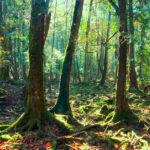
The Dragon Cave is about 25 minutes. It’s described as an off-the-beaten-path wander in Aokigahara, with a focus on the geological history and how volcanic activity shaped the area.
Even if you’re not the type who reads every sign, this kind of stop pays off because it’s quiet. The forest walk gives you atmosphere, and the cave adds an unusual payoff.
Fugaku Wind Cave and temperature-shock vibes
Fugaku Wind Cave is about 15 minutes. You descend into the cave and see illuminated features like ice formations and stalactites/pillars.
This is where you get that classic “I didn’t expect it to look like this” reaction.
Saiko Bat Cave: another lava tube stop
Saiko Bat Cave is about 15 minutes and is described as the largest of several lava tubes near Lake Sai.
If you like caves as a category, these shorter stops add up. If you’d rather just do one, you may want to choose based on your interest and the ticket add-ons.
Narusawa Ice Cave: the one that feels most seasonal
Narusawa Ice Cave is also about 15 minutes. It’s another lava tube, and the name signals the cool, frozen look the cave is known for.
This stop can be the big emotional closer for many people because it feels like a dramatic change from outdoor views of Fuji.
Rain plans, flexibility, and why private timing matters
Even with a perfect plan, weather can decide the day. One reason this tour gets strong marks is how Johnny handles the weather reality.
If you’re dealing with rain or low visibility, the private format helps you keep moving without the frustration of a large group being stuck in a long lineup. You’ll still get a full day of Mt. Fuji-focused sights, and Johnny can adjust what makes sense.
So yes, your Mt. Fuji views depend on conditions. But the tour design gives you better odds of making the day feel like a win rather than a compromise.
Price and value: what $561.44 for up to 4 people really buys
The price is $561.44 per group, up to 4 people. That means your per-person cost depends on how many spots you fill:
- 1 person: you’re basically paying full rate
- 2 people: shared cost helps a lot
- 4 people: it becomes much more reasonable for a private car day with a full English-speaking guide
What you’re really buying isn’t just the drive. You’re buying:
- private transportation in an air-conditioned vehicle
- hotel pickup instead of figuring out connections
- a native English guide who can tailor the day
- help with photos throughout
- entry tickets to some attractions (while some others are ticketed separately)
And that matters. A day trip like this is expensive if you DIY it wrong. Private tours cost money, sure. But if you’d otherwise pay for transit, taxis, and a self-planned scramble between far-apart spots, the “why” starts to make sense.
Also, the average booking time being about 67 days ahead is a hint: this isn’t one of those tours people just grab last minute when they feel like it. If you want your best chance at a clear-weather run, booking early is smart.
Who should book this Mt. Fuji Adventure?
This tour fits best if you:
- want a private, less-crowded Fuji day
- care about photo timing and don’t want to fight for angles
- like a blend of classic and unusual stops
- have family members who need a manageable pace (the itinerary is designed with short stops mixed into the day)
It may be less ideal if you:
- hate any added ticket costs for caves
- want a super passive day with minimal walking
- only care about one or two big viewpoints and don’t want a full 6–7 hour rotation
Should you book Johnny’s Mt. Fuji Adventure from Kawaguchiko?
If you’re staying around Kawaguchiko and you want Mt. Fuji without the logistics headache, I’d lean yes. The combination of private transportation, native English guide Johnny, and photo help is the kind of practical upgrade that pays off fast when you’re on a tight day schedule.
I’d book especially if your group includes teens or mixed interests. You get culture, lake views, scenic classic stops, plus the cave circuit that changes the mood.
The only reason to hesitate is simple: if you’re traveling with a very strict budget for admissions beyond what’s included, the cave entries marked not included might annoy you. Plan for that, and you’ll enjoy the day more.
FAQ
Is this tour private?
Yes. It’s a private tour/activity, and only your group will participate.
How long is the tour?
It runs about 6 to 7 hours.
Where does the tour take place?
The tour is based in Fujikawaguchiko-machi, Japan.
Does the tour include pickup?
Yes. Local hotel pickup is included.
What’s included in the price?
Included items are private transportation, an air-conditioned vehicle, a native English speaking guide (Johnny), tickets to some attractions, and someone to take your photos.
Is lunch included?
No. Lunch or dinner is optional, and you pay your own fare.
Are all stops guaranteed?
Not all stops are fixed. Some are optional, including Chureito Pagoda, Oshino Hakkai, Houtou Fudou, Haha no Shirataki Waterfall, and Saiko Iyashi no Sato Nenba.
Do I need tickets for the caves and attractions?
Some tickets are included, but several stops list admission as not included (for example some of the caves). You may need to pay at those sites.
Do I get a mobile ticket?
Yes. Mobile ticket is included.
Is free cancellation available?
Yes. You can cancel up to 24 hours in advance for a full refund.
Are service animals allowed?
Yes, service animals are allowed.
How big is the group?
The price is per group for up to 4 people.
More Tour Reviews in Fujikawaguchiko machi

Fujikawaguchiko Tours, compared.
 ★ 4.5Mt.Fuji & Lake Kawaguchiko 1-Day Bus Tour w/Optional LunchFrom $77839 reviews
 ★ 4.5Mt. Fuji 5th Station, Kawaguchiko Tour w/ Cable CarFrom $74570 reviews
 ★ 4.5Discover Mt. Fuji 5th Station & Kawaguchiko Sightseeing Day TourFrom $99542 reviews
 ★ 5.0Private Car Tour to Mt. Fuji Lake Kawaguchiko or HakoneFrom $1,286360 reviews
 ★ 5.0Mt Fuji Area Private Guided Tours in English-Nature up close, quiet, personalFrom $320288 reviews
 ★ 5.0Explore Mt. Fuji Ice Cave in Aokigahara ForestFrom $53243 reviews
 ★ 4.6Mt. Fuji & Lake Kawaguchiko Ropeway Panorama Full-Day TourFrom $54236 reviews
 ★ 5.0Private guided hidden gems tour by local English speaking driverFrom $72142 reviews
Browse the lists this tour appears in