
Reviewed · TOKYO
Private Tour – History, Art and Nature at the Imperial Palace
Tokyo’s Imperial Palace feels like a world of its own. You get an efficient, story-rich route that combines imperial gardens, a museum stop, and scenic park walks, all with your guide’s full attention. I love how the tour strings together big-name places without making you plan every turn, and I love the art-and-nature mix that keeps it from turning into one long history lecture. One consideration: on busy or changing days, you may need to accept route changes depending on what’s open and how things are running.
This is a true private experience (only your group) that runs about 4 hours 30 minutes, starting near Tokyo Station and ending around Hanzomon Station. Most stops are free, but the modern art museum and your café meal are extra—so it’s worth budgeting a little beyond the $90.60 base price to keep the day stress-free.
In This Review
- Key Things I’d Plan Around
- Imperial Palace Gardens Plus Art: Why This Mix Works in Tokyo
- The Private Guide Advantage (And Why It Shows)
- Start at Tokyo Station Marunouchi: A Quick Win for First-Time Orientation
- Wadakura Fountain Park: A Small Place With Big Symbolism
- East Gardens of the Imperial Palace and Edo Castle Ruins
- National Museum of Modern Art, Tokyo: Modern Art in an Imperial Setting
- Kitanomaru Park Lawn Time and Café 33 for a Real Break
- Chidorigafuchi: A Nature-Focused Photo Road in the City
- Timing, Walking, and Weather: How to Stay Comfortable
- Price and Value: What $90.60 Actually Buys You
- Who This Tour Fits Best
- Should You Book This Imperial Palace History, Art and Nature Tour?
- FAQ
- How long is the Imperial Palace history, art, and nature private tour?
- Where do we meet and where does the tour end?
- Is this a private tour?
- What’s included in the tour price, and what costs are extra?
- Which stops should I expect during the tour?
- What happens if the weather is bad?
Key Things I’d Plan Around
- Imperial Palace access: You’ll spend real time inside the palace grounds, not just outside photo angles.
- Guide-first format: Your guide’s explanations drive the day, from palace symbolism to what you’re seeing in the gardens.
- Art meets outdoors: The National Museum of Modern Art stop adds context right inside the palace setting.
- Park variety: Kitanomaru Park brings open lawn space, while Chidorigafuchi gives you a nature-focused photo road.
- Easy start and end: Meeting at Tokyo Station helps you get moving fast, and ending near Hanzomon can save you time later.
Before you commit, see how this one stacks up against a few Tokyo favourites:
- Mt Fuji and Hakone 1-Day Bus Tour Return by Bullet Train★ 5.0 · 26,383 reviews
- 1-Day Tokyo Bus Tour★ 5.0 · 14,250 reviews
- Tokyo: teamLab Planets TOKYO Digital Art Museum Entry Ticket★ 4.6 · 9,779 reviews
Imperial Palace Gardens Plus Art: Why This Mix Works in Tokyo
This tour is built for people who get tired of doing Tokyo one neighborhood at a time. Here, you’re combining three moods in one half-day: formal Japan (Imperial spaces), creative Japan (the modern art museum), and calm Japan (garden and park walks).
The best part is that you’re not just looking at pretty scenery. Your guide ties together what the buildings, gardens, and museum setting have in common, so the day feels like a coherent story rather than a checklist.
The Private Guide Advantage (And Why It Shows)
A private guide changes everything in Tokyo, especially around places like the Imperial Palace. You can ask questions on the spot, slow down when a view matters, and get practical direction without feeling rushed.
English-speaking guides on this kind of tour can be impressively flexible. Names you might see in the guide roster include Keiko, Yumi, Fumi, Sonoko, and Jinnosan, and the common thread is clear, patient storytelling plus the ability to adjust if your group wants more time in a garden or fewer stops indoors.
Also, when you end the tour near Hanzomon, you’re not stranded. A good guide will help you plan your next moves so you can keep momentum instead of wandering for an hour trying to figure out where to go.
Start at Tokyo Station Marunouchi: A Quick Win for First-Time Orientation
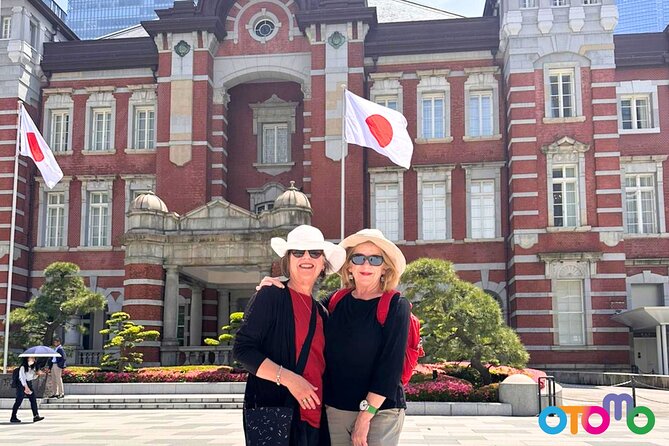
You begin at Tokyo Station, in the Marunouchi area, right by the station square. Even if you’ve already passed through Tokyo Station before, standing in front of the building gives you a clean sense of scale and layout—handy for the rest of the day.
This first stop is short and low-pressure (free and about 15 minutes), which I like. It gets you oriented fast without turning the schedule into a long warm-up.
Wadakura Fountain Park: A Small Place With Big Symbolism
Next you step into the Imperial Palace grounds for Wadakura Fountain Park. This spot is built to commemorate the marriage of Emperor Emeritus and Empress Emerita, so it’s not just a scenic break—it’s a reminder of how these imperial spaces are designed to carry meaning.
The time here is brief (around 10 minutes), which is exactly right. You get the key idea, a chance to reset your legs, and then you move on before your day turns into one long stroll.





East Gardens of the Imperial Palace and Edo Castle Ruins
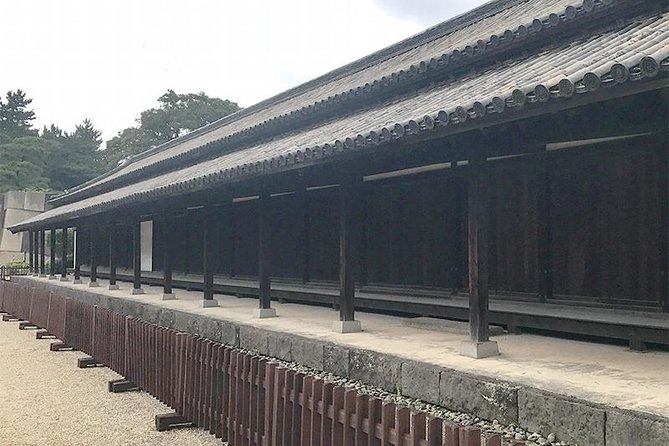
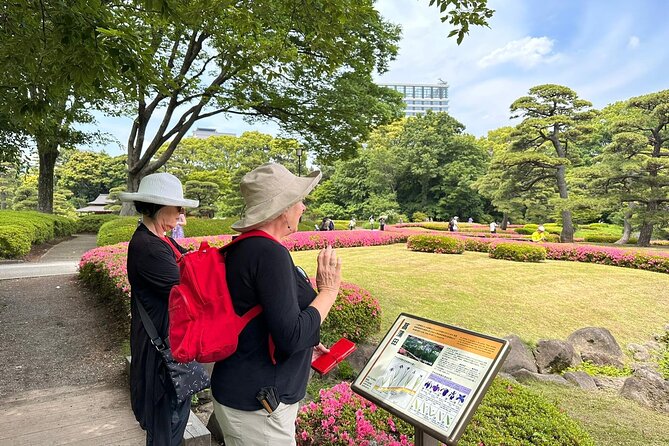
Then comes one of the tour’s core experiences: the East Gardens. You’ll see a Japanese garden setting with seasonal changes, which is why timing matters. Spring and fall usually feel especially rewarding here, but even when it’s not peak season, the garden structure still gives you visual rhythm.
You also get historical context through the presence of areas connected to the Edo Castle ruins. This is the kind of detail that makes the Imperial Palace feel less like a postcard and more like a living location where layers of time overlap.
Expect about 30 minutes in this area. It’s long enough to enjoy the garden feel and absorb the explanation, but short enough that you won’t lose the day to “waiting for the perfect photo moment.”
National Museum of Modern Art, Tokyo: Modern Art in an Imperial Setting
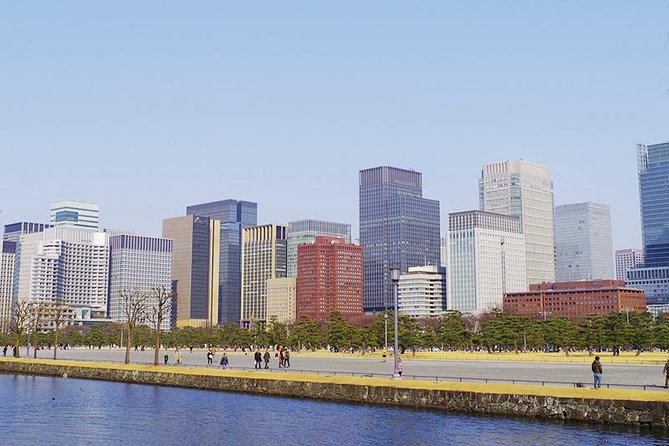
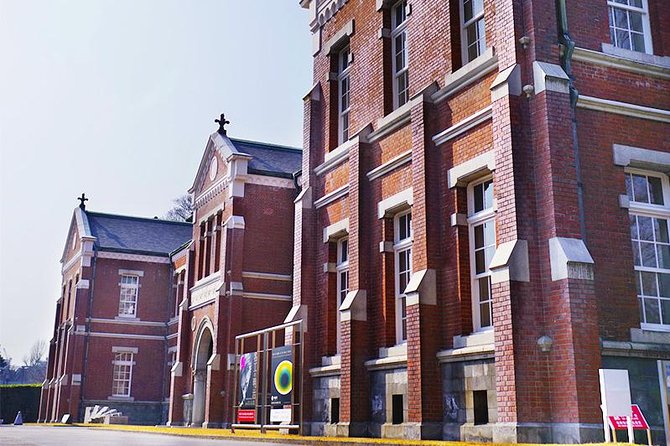
The middle stop is the National Museum of Modern Art, Tokyo (MOMAT). This museum is inside the Imperial Palace environment and is known as the first national art museum in Japan, with collections featuring works from the 20th century both in Japan and abroad.
This is also where budget planning matters. Museum entry is not included, so you’ll need to add the ticket cost yourself (and the tour doesn’t promise a guaranteed “skip the line” setup). The stop is about 40 minutes, which is a good match for a guided look: you get highlights and context without feeling like you have to read every label.
One practical tip: if you’re not a “museum person,” you can still use the guide’s direction to focus on a handful of works and themes rather than trying to absorb everything.
Kitanomaru Park Lawn Time and Café 33 for a Real Break
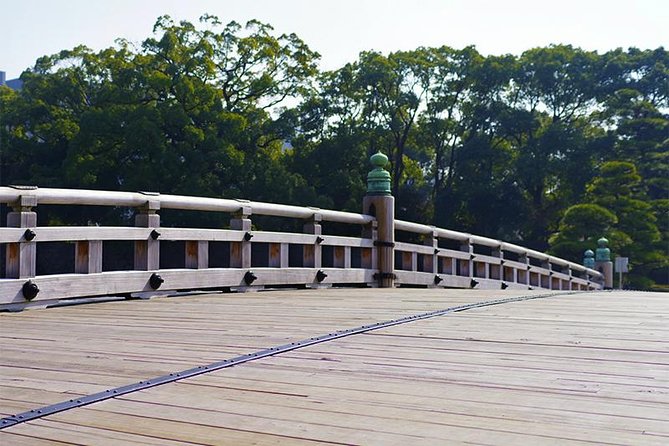
After the museum, the tour shifts back outdoors at Kitanomaru Park. You’ll find a spacious open lawn and plant variety around the area, creating a unique ecosystem feeling within the Imperial Palace surroundings. This kind of park space is a mental reset in Tokyo—less “city pressure,” more air and space.
You’ll have around 20 minutes here, and it also ties into the café stop. Café 33 sits in Kitanomaru Park and is a workable lunch option during your tour window. It uses local fresh ingredients from the Tohoku area along with Tokyo, so you’re not stuck with generic convenience food.
Meals are not included, and meal planning is where the day’s extra cost mostly comes from. If you care about value, think of the café stop as “save time” rather than “find the best restaurant in Tokyo.” You’re paying for convenience inside the park setting.
Chidorigafuchi: A Nature-Focused Photo Road in the City
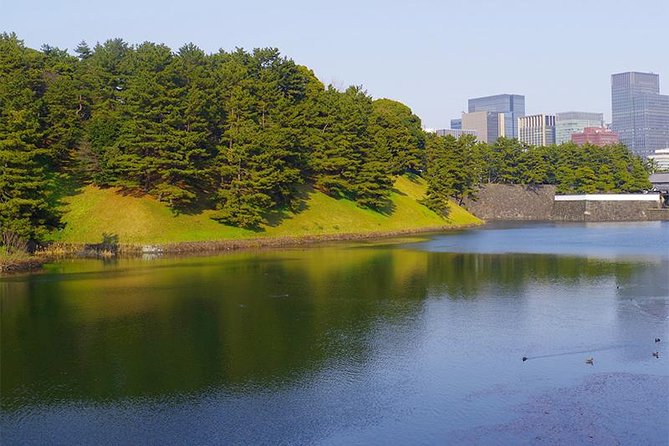
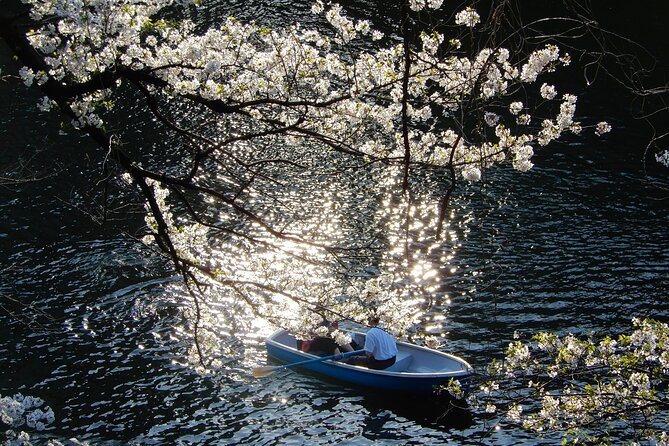
The final scenery highlight is Chidorigafuchi. This is described as a road-like nature route that keeps a sense of calm within Tokyo, and it’s built for photography. You’ll spend about 20 minutes here, which gives you enough time for a few angles without turning it into the final stretch fatigue slog.
What I like about ending with nature is that it softens the entire experience. After Imperial grounds and museum time, you get a visual change of pace—then you’re ready to head toward your finish near Hanzomon Station.
Timing, Walking, and Weather: How to Stay Comfortable
This tour involves a lot of walking, so comfortable shoes are not optional. The pacing is designed for covering multiple sites in one half-day, which is great for efficiency, but it does mean you’ll feel it in your calves if you show up in stiff shoes.
Also, weather can affect the plan. If it’s bad on the day, the destinations and routes may change. I’d treat that as normal Tokyo reality and pack light layers and a small rain option so you’re not stuck deciding your outfit around forecasts.
The length—about 4 hours 30 minutes—means you should plan a simple day. Don’t stack it with something that requires high energy later unless you know you bounce back fast.
Price and Value: What $90.60 Actually Buys You
At $90.60 per person, you’re paying for the private guiding experience plus coverage of the guide’s necessary tour expenses. You’re not paying for transportation, museum tickets, or your meal.
Here’s the value math that matters: the estimated extra costs run around 1500 JPY per person, broken down as 500 JPY for admission and about 1000 JPY for food. In other words, your “base price” is really the guide-and-route value, and the rest is typical sightseeing spending.
To me, the best value angle is time saved and missteps avoided. Tokyo can punish planning mistakes: you can lose time just figuring out directions, entrances, and the order of what’s worth seeing. With this kind of guided loop, you get a curated sequence of highlights—Imperial grounds, modern art, and two park/nature stops—without spending your half-day juggling maps.
Who This Tour Fits Best
I’d recommend this tour if you want a balanced Tokyo experience without making your schedule complicated. It’s a strong fit for first-time Tokyo visitors, couples, and small groups who like history but don’t want the day to feel like a lecture.
It also works well if you enjoy gardens and open-air spaces. The itinerary isn’t only about gates and buildings—it’s also about how the grounds feel in motion, plus a museum stop that connects culture and place.
If you prefer unguided exploring, or if you only care about one narrow topic (say, only the museum or only the palace), you might find the mix less satisfying. In that case, a more focused single-site visit could feel more aligned.
Should You Book This Imperial Palace History, Art and Nature Tour?
Book it if you want an efficient half-day with a guide who can explain what you’re seeing and keep the day moving in a smart order. The Imperial Palace grounds plus the modern art museum plus Kitanomaru Park and Chidorigafuchi is a rare combination that balances formal history with real breathing space.
Skip (or swap) it if you hate walking or you’re likely to get stressed by schedule changes due to weather. Also think twice if you don’t plan to spend extra for the museum and a meal, since those are part of making the day feel complete.
If you’re trying to make Tokyo feel coherent on day one or two, this private format is a very practical way to do it—start near Tokyo Station, enjoy the palace gardens and art context, and end with nature views before you head back out.
FAQ
How long is the Imperial Palace history, art, and nature private tour?
The tour runs for about 4 hours 30 minutes.
Where do we meet and where does the tour end?
You meet at Tokyo Station (Marunouchi area). The tour ends near Hanzomon Station.
Is this a private tour?
Yes. Only your group participates.
What’s included in the tour price, and what costs are extra?
The tour includes the guide and the necessary expenses for the guide. You’ll pay for admission and meals at the visited spots, with estimated extra costs of about 1500 JPY per person (including around 500 JPY for admission and about 1000 JPY for meal costs).
Which stops should I expect during the tour?
You’ll visit places including Tokyo Station Marunouchi Station Square, Wadakura Fountain Park, the East Gardens of the Imperial Palace, the National Museum of Modern Art, Tokyo, Café 33, Kitanomaru Park, and Chidorigafuchi.
What happens if the weather is bad?
If weather is bad on the day, the destinations and routes may be changed.
More Tour Reviews in Tokyo



Fresh reviews from around Tokyo






Tokyo, compared.
 ★ 5.0Mt Fuji and Hakone 1-Day Bus Tour Return by Bullet TrainFrom $16326,383 reviews
 ★ 5.01-Day Tokyo Bus TourFrom $12914,250 reviews
 ★ 4.6teamLab Planets TOKYO Digital Art Museum Entry TicketFrom $259,779 reviews
 ★ 4.0Mt Fuji & Hakone Cruise, Drum Show Bullet Train 1 Day from TokyoFrom $1497,413 reviews
 ★ 5.0Shinjuku Food Tour (13 Dishes at 4 Local Eateries)From $866,603 reviews
 ★ 4.4Tokyo Mt Fuji 5th St & Hakone Cruise Bus Tour w/Bullet TrainFrom $1545,024 reviews
 ★ 5.0Flagship 2-Hours Official Street Go-Kart Tour – Tokyo Bay ShopFrom $644,974 reviews
 ★ 4.5From Tokyo: Mount Fuji Full-Day Sightseeing TripFrom $684,970 reviews