
Reviewed · TRAIN EXPERIENCES
From Tokyo: Seibu Railway 1 Day Pass and Nagatoro
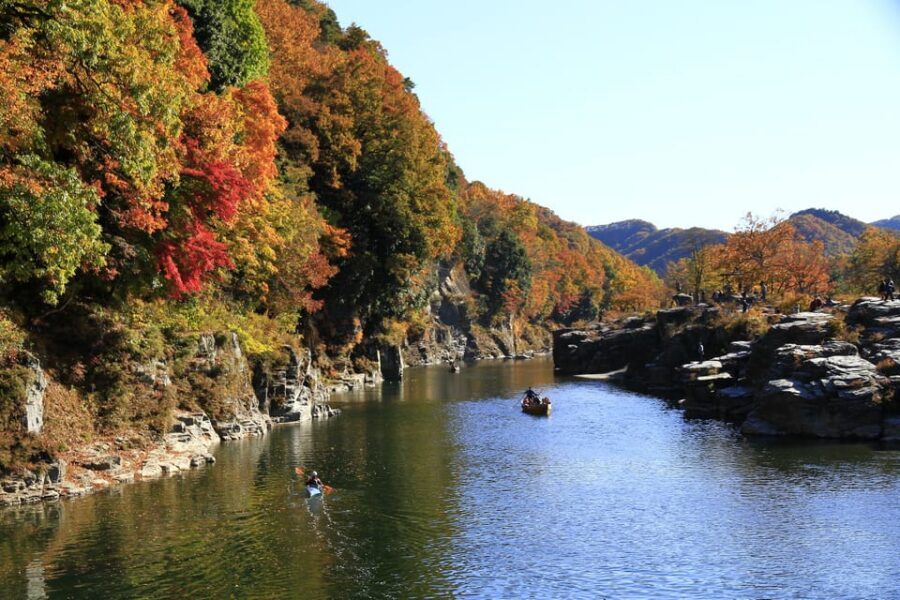
A day of trains can be more fun than most day tours. This combo pass lets you hop through Saitama at your own pace, then add a scenic ride on the Chichibu Railway between Nogami and Mitsumineguchi. The big draw is how you can shape your day: old-school Edo streets in Kawagoe, then out to Chichibu for views and that steam-train mood.
I especially like two things: first, the value is hard to beat for $9, because you’re using one pass to stitch together a whole rail day across Seibu’s network. Second, the route naturally mixes styles—city sightseeing in Kawagoe with Chichibu’s park visit and trainspotter energy. One thing to watch: the pass is not for Japanese citizens, and it also doesn’t cover Limited Express trains, so you’ll want to plan on local trains.
In This Review
- Key things to know before you go
- Price and value: why $9 can work for you
- Meeting point at Ikebukuro: getting started on the right side
- The rail plan that makes this pass feel effortless
- Kawagoe: warehouses, Candy Alley, and Kitain Temple Edo leftovers
- Chichibu: pink moss season and steam-train atmosphere
- Nagatoro segment: riding Nogami Station to Mitsumineguchi
- Seibu lines strategy: how to avoid the two common mistakes
- Getting the pass and using it correctly
- Wheelchair accessibility: what’s covered, and what you should still plan for
- Who this day works best for
- Should you book it? My practical take
- FAQ
- What does the SEIBU 1 Day Pass include?
- Does the pass cover Limited Express trains?
- Which part of the Chichibu Railway is included with the Nagatoro pass?
- Where do I pick up the pass?
- Do I need a passport?
- Is the pass for Japanese citizens?
Key things to know before you go
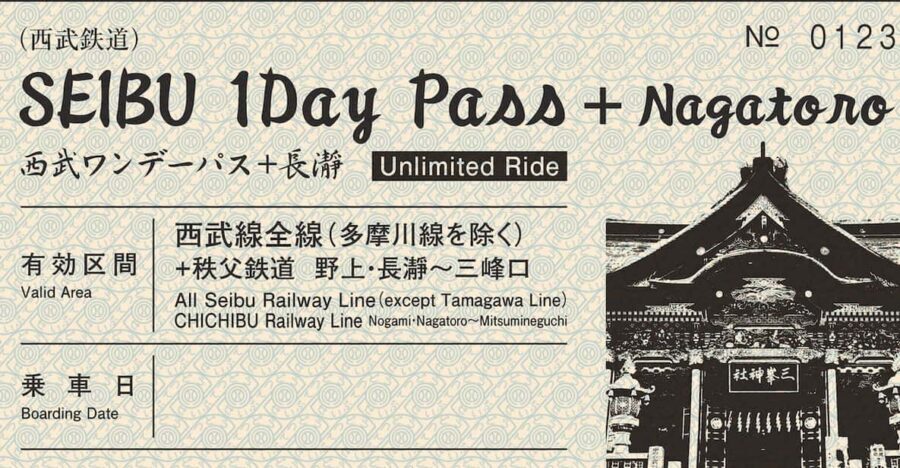
- Unlimited Seibu riding (except Tamagawa): one day, first activation counts, and it’s designed for flexible hopping
- Nagatoro segment included: the Chichibu Railway pass covers the stretch between Nogami Station and Mitsumineguchi Station
- Hitsujiyama Park is the seasonal star: plan around the pink moss fields in Chichibu
- Kawagoe is an easy add-on: warehouses, Candy Alley snacks, and Kitain Temple Edo remnants
- Limited Express is excluded: if you’re hoping for speed, this pass won’t cover it
- Passport required at pickup: you must present a passport (or resident card) at the Seibu desk
Worth weighing up alongside this Tokyo pick:
- Mt Fuji & Hakone Cruise, Drum Show Bullet Train 1 Day from Tokyo★ 4.0 · 7,413 reviews
- Tokyo Customized Private Tour (Must See Places in 1 Day)★ 5.0 · 1,499 reviews
- Tokyo Customized Private Tour: See Top Attractions in 1 Day★ 5.0 · 1,351 reviews
Price and value: why $9 can work for you
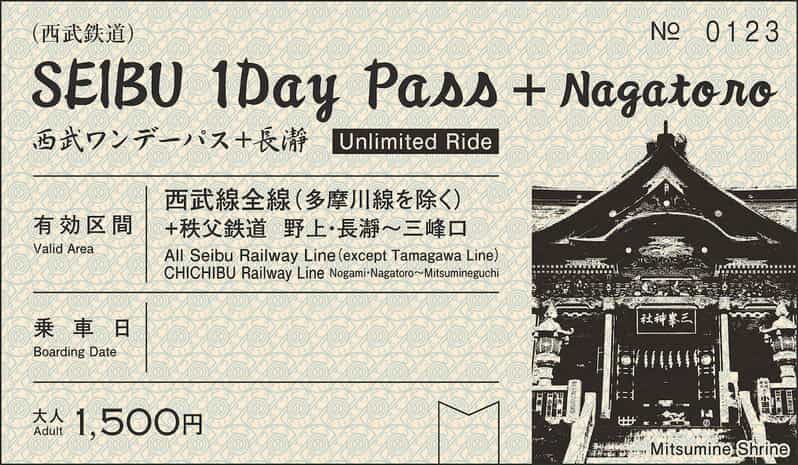
At around $9 per person, this is the kind of pass that can turn a vague idea into a real rail day. The math is simple: Seibu-style urban/suburban lines aren’t always cheap when you buy point-to-point, especially if you keep switching directions or add one “extra stop” you didn’t plan.
The bigger value isn’t just cost. It’s that the pass encourages an efficient sightseeing loop. You can start in Ikebukuro, spend time on the Seibu lines, then shift toward Kawagoe and Chichibu without treating every hop as a new purchase. If you like building a day around trains, this is a strong fit.
Meeting point at Ikebukuro: getting started on the right side
Your pickup point is the SEIBU Tourist Information Center near the East Exit of Ikebukuro Station. You’ll want to go between 8:00 and 15:00. It’s close to the 1F entrance gates to the Seibu Line, on the same side as the Seibu department store.
This matters because you’ll burn less time if you grab the pass early and start riding while you still have daylight for Chichibu sights. Also, the pass is picked up and used on the date selected when booking, so there’s no switching days like a flexible museum ticket. Go in the window, get your ticket, then get moving.
The rail plan that makes this pass feel effortless
You’re basically running two connected ideas:
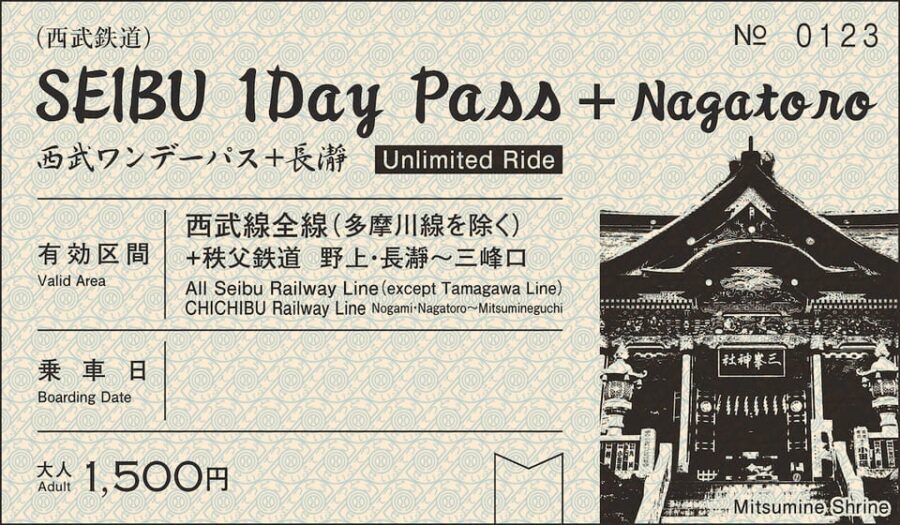
1) Use the 1 Day Pass for all SEIBU line trains (except Tamagawa) to move between Tokyo-area hubs and Saitama towns.
2) Add the Chichibu Railway segment pass that covers the section between Nogami Station and Mitsumineguchi Station.
The nice part is that it lets you choose your “anchor” based on what you care about most:
- If you want classic streets and snack stops, bias the day toward Kawagoe.
- If you want trains and a park visit, bias it toward Chichibu and Hitsujiyama Park.
- If you’re happiest riding scenic local lines, make Nagatoro (via Nogami → Mitsumineguchi) your middle-of-the-day backbone.
Kawagoe: warehouses, Candy Alley, and Kitain Temple Edo leftovers
Kawagoe is one of those towns where rail travel feels like time travel. If you’re building your day from Ikebukuro, it’s a practical target because you can reach it without turning the day into a marathon.
Here’s what you’ll focus on in Kawagoe:
- The warehouse district: You’re walking a line of clay-walled Edo-style buildings. It’s the kind of street scene where even short stops feel rewarding because the facades are the point.
- Candy Alley: A narrow street filled with sweet shops. This is ideal for snacking on the move—think quick bites that don’t slow your schedule.
- Kitain Temple: You can see the only remaining palace buildings of Edo Castle. That detail gives this stop weight. You’re not just looking at a temple; you’re seeing a surviving piece of a major historical reference point.
Practical tip: budget time for just wandering. Kawagoe works best when you don’t treat it like a checklist. Walk the warehouse lanes, then drift back toward Candy Alley when you want something sweet before moving on.





Chichibu: pink moss season and steam-train atmosphere
After Kawagoe, your day shifts into Chichibu mode. Chichibu is known for being the setting of anime movies, hot springs, and steam trains. Even if you’re not chasing a specific showpiece, the area’s reputation helps you understand the vibe: it’s train-friendly, camera-friendly, and built for slow wandering.
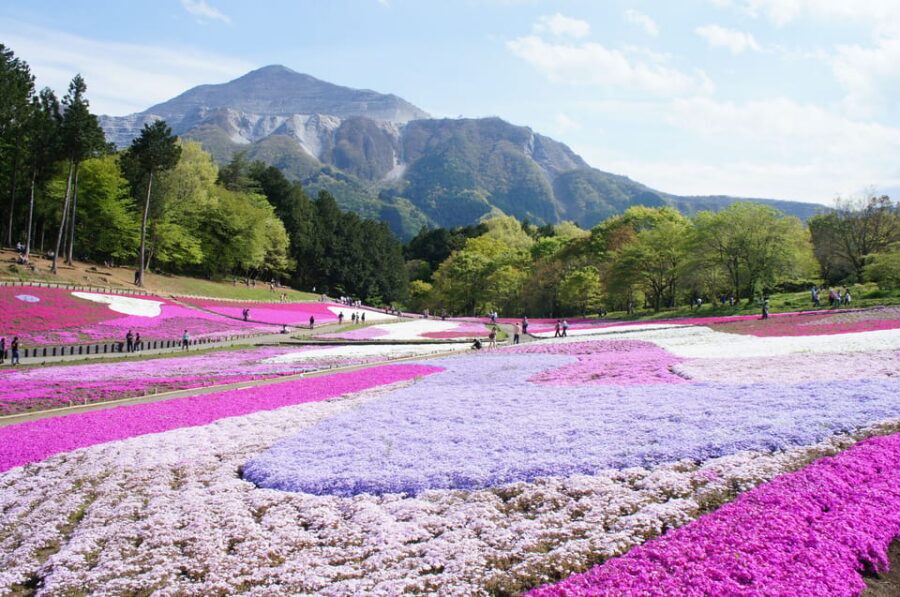
The star activity is Hitsujiyama Park, famous for pink moss fields. If you’re visiting around the moss peak, this can be the most memorable visual stop of the whole day. If the timing is off, you’ll still get a park outing and a scenic break from station time, but the “pink moss” detail is the reason people come.
Then there’s the trainspotter side of Chichibu:
- Watch out for vintage steam trains passing through the area.
- Plan to spend time near where trains run, not just inside buildings.
One consideration: Chichibu’s steam-train moments depend on schedules and timing. Your pass can get you to the area, but you still need to keep some slack in your itinerary so you don’t feel rushed if a train passes when you’re not ready.
Nagatoro segment: riding Nogami Station to Mitsumineguchi
This is where your plan gets especially satisfying. The pass includes the Nagatoro section of the Chichibu Railway line between Nogami Station and Mitsumineguchi Station. If you like scenic local rail, this part is your built-in payoff.
What makes it worth structuring your day around?
- It turns one transit stretch into an attraction, instead of just getting you from A to B.
- It gives you a reason to pay attention to stations and timing, because the trip itself is part of the experience.
Also, you can use the day plan to visit Nogami, Nagato, and Mitsumineguchi. That means you’re not stuck doing one long “sit and pass through” ride—you can step off, take breaks, and reset before continuing.
If you want a simple rhythm: treat Nogami → Mitsumineguchi as your scenic middle, then use the rest of your day to frame either Kawagoe (earlier) or Chichibu park/trains (later).
Seibu lines strategy: how to avoid the two common mistakes
Two pass rules shape how you ride:
- The Seibu 1 Day Pass covers Seibu Line trains except the Tamagawa Line
- Limited Express trains are not included
So how do you make this work smoothly?
First, plan for local-train travel time. Limited Express is excluded, which usually means slower rides and more station-to-station movement. That’s not a dealbreaker if you treat the day like sightseeing-by-rails, but it can mess you up if you expect to “speed-run” everything.
Second, build your day with realistic sequencing. It’s easy to overschedule when you’re excited to see warehouses, parks, and train vibes all in one day. A good approach is:
- Pick one “main town” (Kawagoe or Chichibu).
- Add one “support stop” (the other town’s best-known highlights).
- Leave space for snack breaks and train-spotting pauses.
Getting the pass and using it correctly
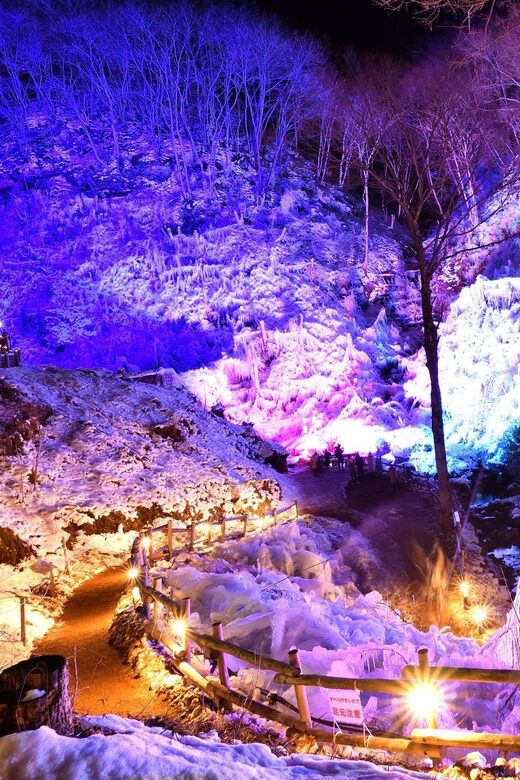
Before you ride, you pick up the pass at the Seibu Tourist Information Center in Ikebukuro (East Exit area, near the Seibu department store side). You’ll need to present a passport (or resident card) when picking up your ticket.
Important rule: this pass can only be used by people who are not Japanese citizens. Also, you can only pick up and use the pass on the date selected when booking.
These details sound administrative, but they matter. If you show up without the right ID, or if your booking details don’t match how many people you’re traveling with, you could waste time—or end up buying additional tickets. One snag that has come up for other bookings: ticket pickup can fail when group counts don’t match the purchase. If you’re traveling with friends, make sure your booking details are clean before you go to the desk.
Wheelchair accessibility: what’s covered, and what you should still plan for
The pass is listed as wheelchair accessible, which is a strong starting point. But train travel still includes stairs, gaps, and station layouts that can vary. If mobility needs are part of your plan, I’d suggest you spend extra time at transfer points and have a backup route mindset since not every station will feel equally easy to navigate.
Who this day works best for
This is a great day for you if:
- You like rail travel as part of the sightseeing, not just transportation.
- You want a flexible day without being stuck in a rigid tour group schedule.
- You’re interested in Japanese town atmosphere: Kawagoe’s Edo-style streets plus Chichibu’s train culture.
It’s less ideal if:
- You strictly want the fastest trains only, since Limited Express is excluded.
- You’re visiting with a hard time limit and no flexibility for train timing (steam-train sightings can be hit-or-miss).
Should you book it? My practical take
I think this pass is worth booking if you’re going for variety in one day: Kawagoe’s warehouse-and-snack streets, then Chichibu’s pink moss park and steam-train mood. The price is small enough that you’re taking more “adventure risk” than “financial risk.”
But book it with a clear plan:
- Decide which side is your priority: Kawagoe or Chichibu.
- Expect to use mostly local trains.
- Keep slack for the Nagatoro segment and the possibility of steam-train sightings.
If you want a simple, train-based day in Saitama that feels authentic and lets you wander, this combo pass is a smart way to do it.
FAQ
What does the SEIBU 1 Day Pass include?
It includes all Seibu Line trains except the Tamagawa Line.
Does the pass cover Limited Express trains?
No. Limited Express is not included.
Which part of the Chichibu Railway is included with the Nagatoro pass?
The included Chichibu Railway pass covers the section between Nogami Station and Mitsumineguchi Station.
Where do I pick up the pass?
Pick up is at the SEIBU Tourist Information Center near the East Exit of Ikebukuro Station. It’s open for pickup between 8:00 and 15:00.
Do I need a passport?
Yes. You’ll need to present a passport (or resident card) when picking up your ticket.
Is the pass for Japanese citizens?
No. Users of this pass cannot be Japanese citizens.
More 1-Day Tours in Tokyo


More Tour Reviews in Tokyo



Fresh reviews from around Tokyo






Train Experiences, compared.
 ★ 4.0Mt Fuji & Hakone Cruise, Drum Show Bullet Train 1 Day from TokyoFrom $1497,413 reviews
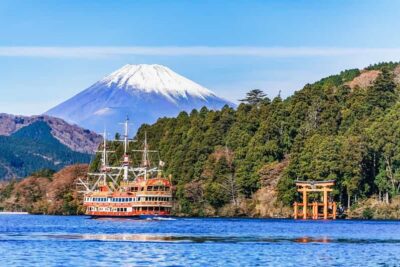 ★ 4.4Tokyo Mt Fuji 5th St & Hakone Cruise Bus Tour w/Bullet TrainFrom $1545,024 reviews
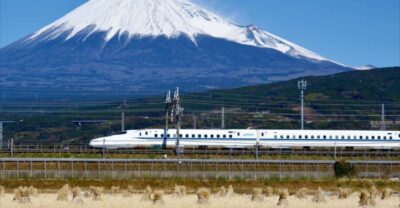 ★ 4.2From Tokyo: Mt. Fuji & Hakone Tour w/ Return by Bullet TrainFrom $1171,278 reviews
 ★ 4.0From Tokyo 1-Day Kyoto English-guided Tour by Bullet TrainFrom $452376 reviews
 ★ 4.0Mt. Fuji and Hakone Day Trip From Tokyo with Bullet Train OptionFrom $97368 reviews
 ★ 4.5Mt. Fuji & Hakone Bus Tour Bullet Train Return & 28-Hotel Pick-upFrom $145107 reviews
 ★ 4.1Kamakura & Enoshima Day Tour with Pickup & Train RideFrom $1361 reviews
 ★ 4.5Snow Monkey Park and Miso Production Tour Bullet Train from TokyoFrom $28926 reviews
Browse the lists this tour appears in