
Reviewed · MT FUJI DAY TRIPS
From Tokyo: Mt. Fuji & Hakone Tour w/ Return by Bullet Train
Fuji and Hakone in one day is a fast mash-up. You get serious altitude at Mt. Fuji 5th Station and then slide into Hakone’s steaming volcanic world. I especially liked the chance to reach as high as possible on Fuji, and the clean, high-speed finish with the bullet train return. The one real drawback is weather: clouds can swallow Mt. Fuji, and bad conditions can also change how close you get.
The day moves with a real rhythm: drive, short but meaningful stops, then big scenery moments. I liked how guides keep things flowing (and not lecture-y), with examples like Yumi, Happy, Sachi-San, and Amy pulling the group along with stories and practical tips. If you’re hoping to go at your own pace, this route is more structured than DIY.
If you get motion sick or hate tight timing, keep that in mind. Also, the itinerary is not suitable for pregnant women, and the tour isn’t designed for long wandering on your own between stops.
In This Review
- Key Things You’ll Want to Know Before You Go
- Shinjuku Start: Where the Day Trip Really Gets Moving
- Mt. Fuji by the Subaru Line: Reaching the Highest Point You Can
- What the 5th Station Stop Feels Like (and How to Use It)
- Lunch Break: Hot Pot and Half Buffet Fuel for Hakone
- Hakone Ropeway to Owakudani: Steam, Sulfur, and the Black Eggs Thing
- Lake Ashi Cruise: The Pirate-Ship Style Ride and Fuji Chances
- The Return by Bullet Train from Odawara: Fast, Clear, and DIY
- Weather Reality: How to Think About Fuji Visibility
- Guides and the Pace: Why the People Part Matters
- Value for Money: What You’re Actually Buying for $117
- Who Should Book This Tour (and Who Should Skip It)
- Should You Book It?
- FAQ
- Where is the meeting point for this tour?
- How do I get back to Tokyo at the end of the tour?
- Is lunch included?
- What if Mt. Fuji is covered by clouds or you can’t reach the 5th Station?
- What happens if the Hakone Ropeway and pirate ship aren’t operating?
- Are bullet train seats reserved?
- What should I bring?
Key Things You’ll Want to Know Before You Go
- Mt. Fuji 5th Station (~2,300m) gives you a fighting chance to spot the summit, even when the mountain is elusive.
- Owakudani via the ropeway means you’re literally riding through sulfur-and-steam territory.
- Lake Ashi cruise is built around Fuji views when skies are clear.
- Lunch is hot pot plus a half buffet (if you select the option), so you’ll eat like a local without hunting.
- Bullet train return from Odawara is fast (about 34 minutes) and easy, but the guide won’t ride with you.
Other routes to the mountain, compared
- Mt Fuji & Hakone Cruise, Drum Show Bullet Train 1 Day from Tokyo★ 4.0 · 7,413 reviews
- Tokyo Mt Fuji 5th St & Hakone Cruise Bus Tour w/Bullet Train★ 4.4 · 5,024 reviews
- From Tokyo: Mount Fuji Full-Day Sightseeing Trip★ 4.5 · 4,970 reviews
Shinjuku Start: Where the Day Trip Really Gets Moving
Your day begins at the Nishi Shinjuku Love sculpture outside the Shinjuku i-Land building. From there, you head out by air-conditioned bus. The drive to the Mt. Fuji area is about 2.5 hours, so if you’re prone to snack-crankiness, grab water early and settle in.
This is also where the tour’s pacing becomes clear. You’re not signing up for a slow scenic day. You’re signing up for a lot of Japan in one stretch, with short stop times that keep things moving.
If you’re worried about finding the right group, I’d plan to arrive a few minutes early and double-check your instructions. One rider noted it can be easy to mix up meeting points since multiple companies operate nearby.
Mt. Fuji by the Subaru Line: Reaching the Highest Point You Can
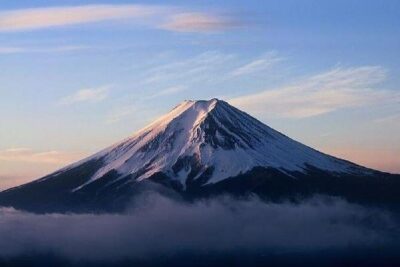
Your first major Fuji moment is the Subaru Line and the approach to Mt. Fuji 5th Station at about 2,300 meters above sea level. This is the altitude that most day-trippers never touch. It’s close enough to feel the mountain’s scale, and high enough that the weather can feel different from Tokyo.
Here’s the key practical reality: clouds move fast. So if the summit isn’t visible immediately, don’t relax too soon. Keep your eyes peeled during the stop window. You may also find souvenirs and the nearby Komitake Shrine, which is a nice change of pace from straight sightseeing photos.
Good news: the tour is designed with a weather plan. If you can’t reach the 5th Station due to bad weather or an accident on the road, the guide will take you to the highest point possible instead. That means you’re still likely to get a meaningful mountain view or atmosphere, even if you don’t hit the exact target.
If you care most about getting close to Fuji rather than checking off a list, this is the part that matters. The rest of the day can still be great in fog or rain, but this stop is where your odds are highest.
What the 5th Station Stop Feels Like (and How to Use It)
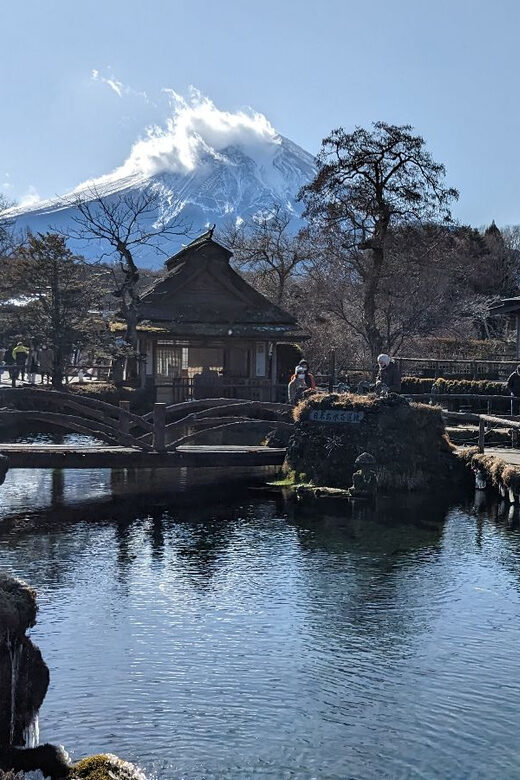
The stop at the 5th Station is often the most emotionally “big” moment. Even short stays can do a lot when you’re suddenly at altitude. You’ll likely have time to walk around, shop a bit, and look for the summit line between passing clouds.
A practical tip: treat this stop like a photo window, not a museum visit. Phones and cameras can eat time. Decide what you want first—summit angle, shrine shot, or a general overview—and then let the rest be bonus.
From what people shared, stop lengths tend to be around 20–45 minutes depending on conditions and how the day is flowing. That range makes sense here: buses need to keep schedules for the next transport legs.
And yes, the mountain might be shy. Multiple riders came back with misty skies but still called the experience magical because they stepped onto Fuji’s doorstep and saw real conditions up there.
Lunch Break: Hot Pot and Half Buffet Fuel for Hakone
Lunch is a planned stop with 45–60 minutes for eating, assuming you selected the lunch option. Expect Japanese-style comfort: hot pot plus a half buffet. This matters on a day like this. You’re bouncing between altitude, ropeways, and a lake cruise. A real meal helps you enjoy the scenery instead of timing stomach growls.
If you have food restrictions, you should let the team know in advance so everyone can eat without drama. Some people loved the lunch as a highlight, while others described it as more average—still, most agreed it was better than you’d expect for an included meal on a long day.
A small heads-up from rider notes: soft drinks may cost extra at some points, while water is usually available. So if you like soda or bottled drinks, don’t assume it’s included.
More Hakone loops, ropeways and lake crossings
Hakone Ropeway to Owakudani: Steam, Sulfur, and the Black Eggs Thing
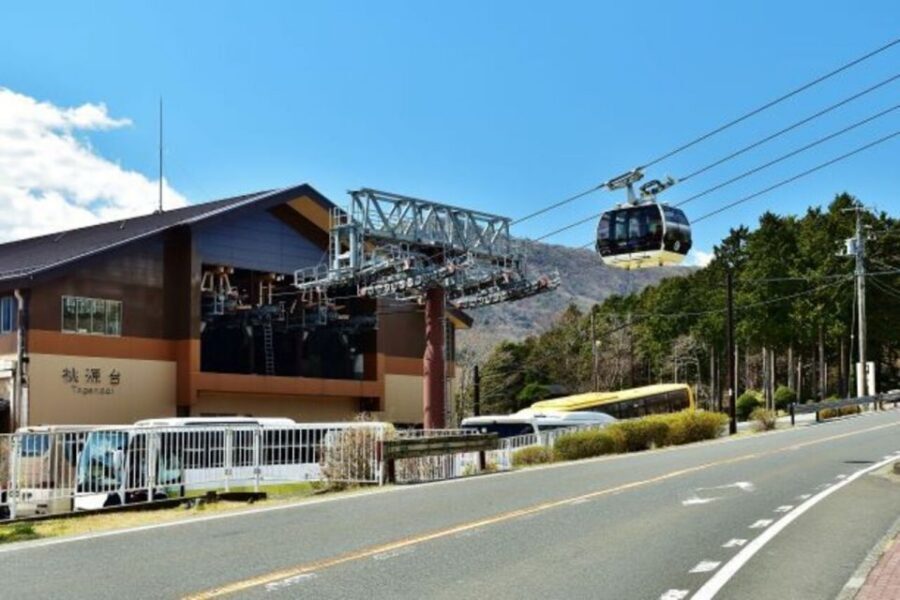
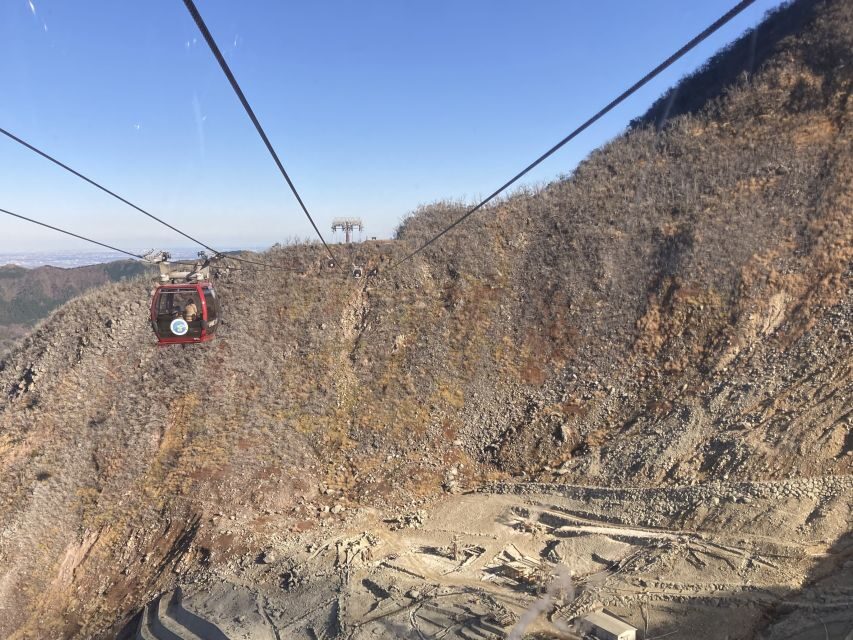
After lunch, you head into Hakone’s volcanic zone via the Hakone Ropeway (gondola). The big ticket here is Owakudani, famous for sulfur fumes and the dramatic sense of being near something that’s still alive underneath.
This is one of the most memorable parts because it’s sensory, not just visual. Riders talked about seeing volcanic gas and steam rising around the ropeway rides. You’re not just looking at a crater; you’re moving through the atmosphere created by it.
You’ll also get access to the local souvenir scene. The star is the famous black eggs, boiled in sulfuric water. The fee isn’t included, but it’s an easy add-on if you want a Fuji-and-Hakone keepsake that actually connects to what you saw.
If you’re the kind of person who likes small edible “proof” that you were there, this is your moment. If you’re not into eggs, no stress—just treat it as a cultural stop and look at the steam scenery.
Lake Ashi Cruise: The Pirate-Ship Style Ride and Fuji Chances
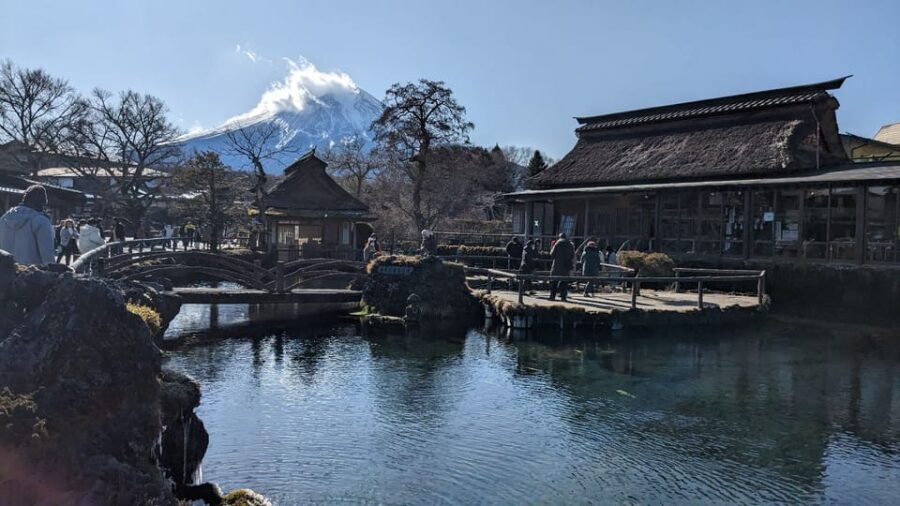
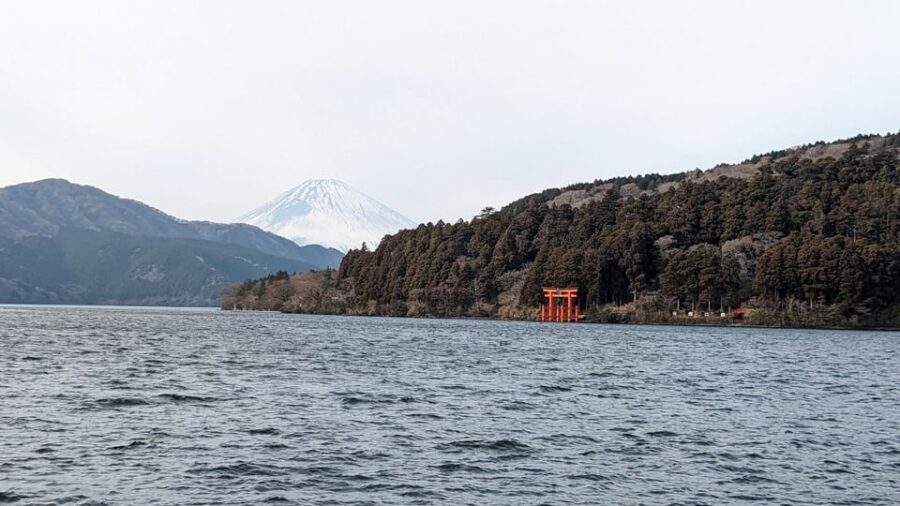
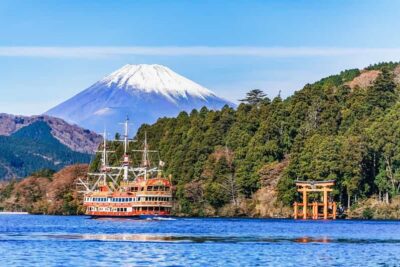
Next up is Lake Ashi. You’ll take a cruise when conditions allow, and this is where you’ll want patience and a weather eye. When it’s clear, Mt. Fuji from the deck is the payoff. When it’s not, the lake still gives you breathing room and big, open-air views.
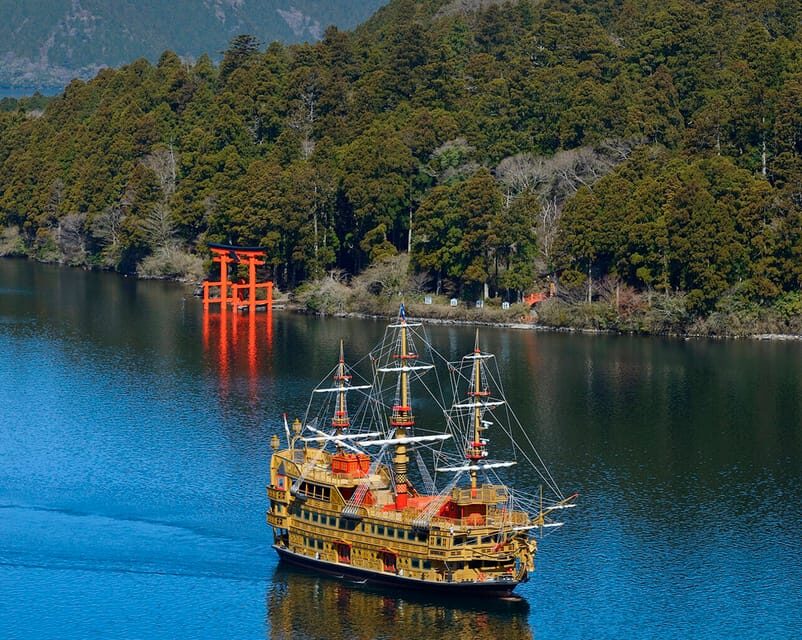
The cruise is commonly done on a pirate-ship style boat, and riders noted it’s decorated in a way that feels more theatrical than your average ferry. If you land on a clear day, you’ll likely feel why people remember this part for years.
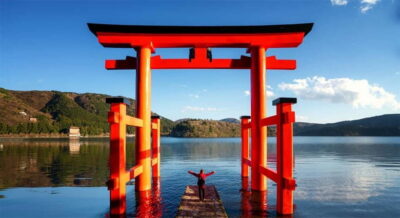
Also, the tour includes built-in alternatives. If the Hakone Ropeway and Hakone Pirate Ship aren’t operating, the day can redirect to options such as Komagatake Ropeway, Mt. Fuji Panoramic Ropeway, Mishima Skywalk, Narukawa Art Museum, Hakone Checkpoint, or the Hakone Shrine (plus Lake Ashi cruise if it’s operating). That flexibility keeps the day from collapsing when the weather turns.
One food tip from rider notes: on the pirate-ship portion, there can be limited items that sell out quickly. If you want something specific sold on board, get it early after you board.
The Return by Bullet Train from Odawara: Fast, Clear, and DIY
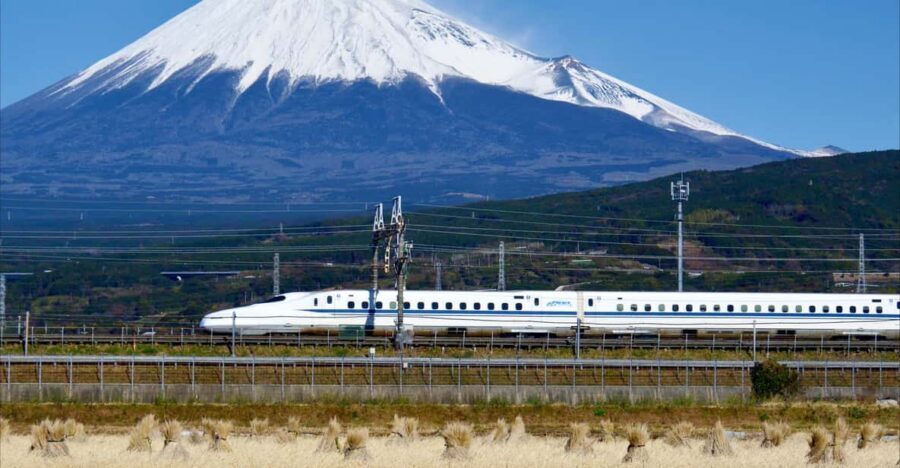
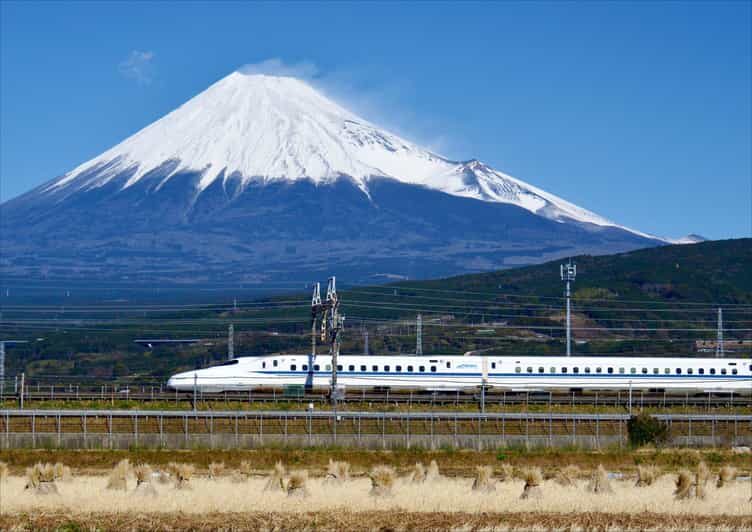
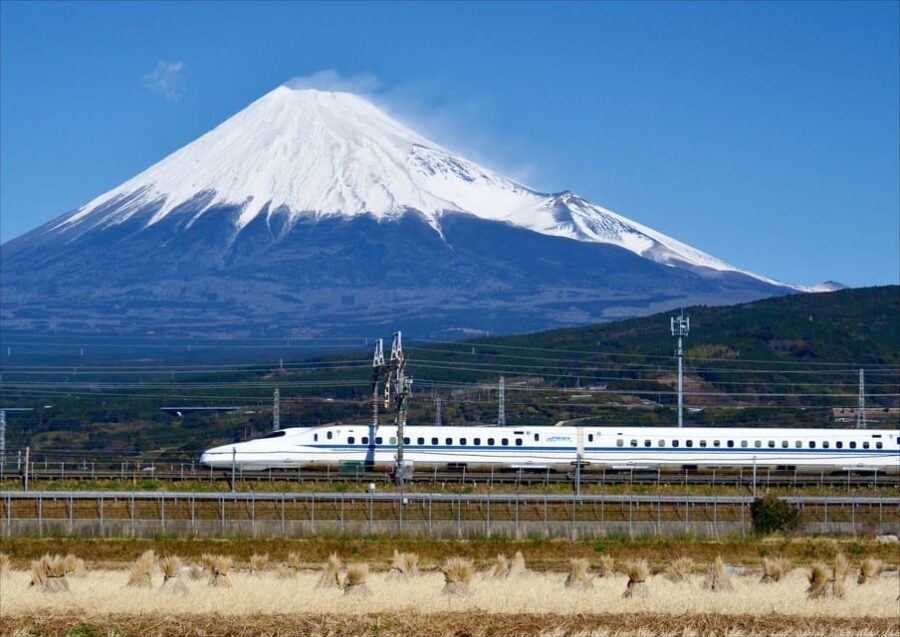
Here’s the big practical win: you return to Tokyo using a Shinkansen bullet train ticket from Odawara Station. The typical train time is about 34 minutes to Tokyo Station.
Important details that affect your experience:
- Your bullet train is non-reserved seating.
- The exact departure time depends on bus traffic getting you to Odawara.
- There are two trains per hour from Odawara, and you can choose a non-reserved coach.
- Your guide does not ride the train with you, so you’re on your own for the final leg.
The tour ends for you at Odawara Station. From there, you take the Shinkansen back. One helpful option: you can get off at Shinagawa Station (one stop before Tokyo) and transfer to the Yamanote Line using the same Shinkansen ticket to reach Shinjuku or other areas along that loop.
A fun little strategy one rider suggested: don’t automatically take the very first train. If timing lines up, waiting can let you experience the trains arriving and leaving the station, which can feel surprisingly scenic in the moment. (So if you’re not rushed, it can make the return feel less like just transit.)
Weather Reality: How to Think About Fuji Visibility
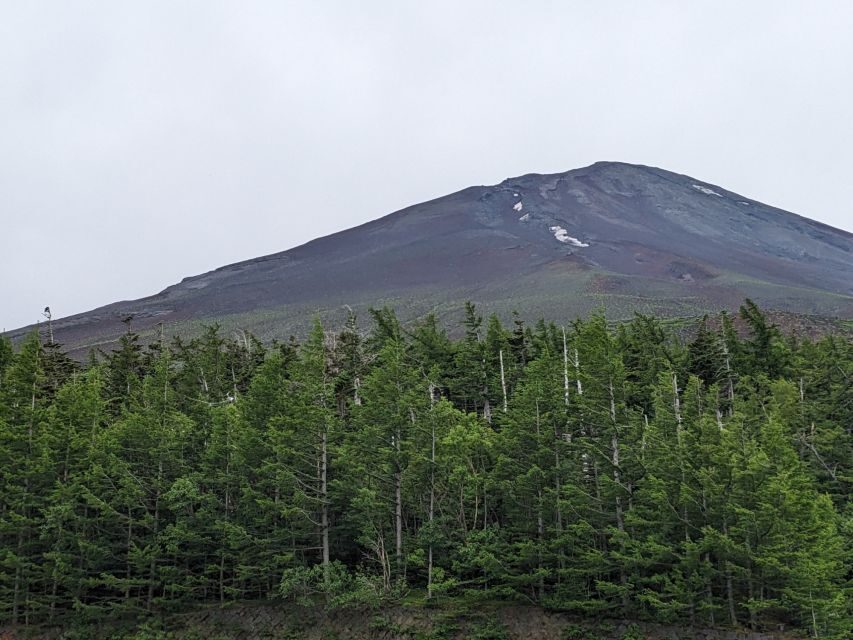
Let’s deal with the elephant in the room: Mt. Fuji visibility depends on weather. Fog, heavy rain, and high humidity can erase the view. And if you’re planning this trip like it’s a guaranteed photo shoot, you’ll be disappointed.
But the day can still be rewarding even when Fuji hides. The altitude stop, the sulfur landscapes at Owakudani, and the lake cruise often work as strong experiences on their own. Several riders came back with clouds and still said the tour was worth it because the day delivered real places, not just postcards.
So how should you mentally prepare?
- Treat Mt. Fuji as the possible highlight, not the only one.
- Keep your camera ready for sudden breaks in cloud cover.
- Enjoy Hakone for what it is: volcanic textures and dramatic sights.
Also note a common scheduling theme: if conditions force changes, the day doesn’t fully stop. It reroutes to other high-interest spots so you still get a full circuit.
Guides and the Pace: Why the People Part Matters
On a day trip like this, the guide’s job is partly logistics and partly energy management. From rider stories, guides often keep the bus ride interesting with facts, trivia, and personal stories tied to the places you’re visiting.
You’ll see different styles: some guides keep it relaxed and story-based, while others are more structured with reminders about timing. Names that came up in rider notes include Yumi, Happy, Sachi-San, Amy, Emi, Mary, May San, Hide-san, Fujiyo, Ken, and Ujie.
I’d use this for your advantage. If you’re unsure about what to watch for at the 5th Station or what to prioritize during the short stops, ask questions when it’s convenient. These are the moments when a guide’s explanations can turn a quick photo stop into a memory.
Value for Money: What You’re Actually Buying for $117
At around $117 per person, you’re paying for four big categories of value:
- Transportation: Tokyo out to Fuji and across Hakone and back.
- Key included rides: the Hakone Ropeway ticket and the Lake Ashi cruise ticket.
- Guide time: someone coordinating stops and helping you make sense of what you’re seeing.
- The Shinkansen return: a fast way back without you figuring out train transfers under time pressure.
When you compare this to piecing it together on your own, the value is strongest if you want less stress and more certainty about timing. You’re also getting access to the Fuji area with less hassle than you’d likely face solo.
Still, it’s not a bargain if you want long unstructured time. This is a busy day. The value is in coverage and convenience, not slow travel.
Also, this tour is not suitable for pregnant women. And while all sightseeing spots are wheelchair-accessible, the tour buses aren’t equipped with wheelchair lifts or ramps. Folding wheelchairs can generally be stored in the bus luggage compartment, but electric wheelchairs may not fit due to size and weight limits. If you need mobility support, plan early.
Who Should Book This Tour (and Who Should Skip It)
This is a great match if you:
- Have limited time in Tokyo and want Fuji + Hakone in one shot.
- Like guided days where someone else handles timing.
- Want a straightforward introduction to Hakone’s signature volcanic and lake scenery.
You might think twice if you:
- Are very weather-dependent on clear Fuji views.
- Prefer slower travel with lots of freedom between stops.
- Have strong concerns about altitude or long bus time.
If you’re a first-timer in Japan, this kind of route can help you build confidence quickly. You’ll learn how the different regions feel, and you’ll get the thrill of the Shinkansen return without extra planning.
Should You Book It?
I’d book it if your priority is seeing the big highlights efficiently: Mt. Fuji at 5th Station, Owakudani by ropeway, a Lake Ashi cruise, and a bullet train back to Tokyo. The price makes sense when you count the rides and the time saved.
I wouldn’t book it expecting guaranteed summit views. If Fuji is everything for you, have a backup mindset. Even then, the Hakone volcanic stop is a strong consolation prize, and the overall day structure is built to keep you moving toward something visually impressive.
If you’re flexible and you like a well-run day with strong scenery stops, this tour is a solid choice.
FAQ
Where is the meeting point for this tour?
Meet your guide at the Nishi Shinjuku LOVE sculpture outside the Shinjuku i-Land building.
How do I get back to Tokyo at the end of the tour?
You’ll take a Shinkansen bullet train from Odawara Station back to Tokyo. The ticket is for a non-reserved seat, typical duration is about 34 minutes, and the guide will not ride the train with you.
Is lunch included?
Lunch is included only if you select the lunch option. It lasts about 45–60 minutes and includes hot pot and a half buffet.
What if Mt. Fuji is covered by clouds or you can’t reach the 5th Station?
If the tour can’t reach Mt. Fuji 5th Station due to bad weather or an accident on the road, the guide will visit the highest point possible instead.
What happens if the Hakone Ropeway and pirate ship aren’t operating?
The tour will be redirected to alternative destinations such as Komagatake Ropeway, Lake Ashi Cruise, Mt. Fuji Panoramic Ropeway, Mishima Skywalk, Narukawa Art Museum, Hakone Checkpoint, or the Hakone Shrine.
Are bullet train seats reserved?
No. The Shinkansen ticket is for a non-reserved seat.
What should I bring?
Bring comfortable shoes, since you’ll be walking during the stops and transfers.
More Tour Reviews in Tokyo






Hakone, Three More Ways
The Fuji Shortlist: Other Days Out to the Mountain

Fresh reviews from around Tokyo






Mt Fuji Day Trips, compared.
 ★ 4.0Mt Fuji & Hakone Cruise, Drum Show Bullet Train 1 Day from TokyoFrom $1497,413 reviews
 ★ 4.4Tokyo Mt Fuji 5th St & Hakone Cruise Bus Tour w/Bullet TrainFrom $1545,024 reviews
 ★ 4.5From Tokyo: Mount Fuji Full-Day Sightseeing TripFrom $684,970 reviews
 ★ 4.7Mt. Fuji Tour, Hakone Ropeway, Owakudani, Lake AshiFrom $544,002 reviews
 ★ 5.0Private Tour to Mt. Fuji and Hakone (Fully Licenced Operator)From $4971,910 reviews
 ★ 4.9Mount Fuji Full-Day Private Tour from Tokyo (Customizable)From $3931,470 reviews
 ★ 4.0Mt Fuji & Hakone Cruise, Drum Show Bus 1 Day from TokyoFrom $1221,287 reviews
 ★ 5.0Mt Fuji Private Tour with English Speaking DriverFrom $415861 reviews
Browse the lists this tour appears in