
Reviewed · WALKING TOURS
Explore the Local “Non-touristy” Side of Tokyo: Jujo and Akabane Walking Tour
Tokyo slows down on this walk. This small-group stroll (max eight) through Jūjō and Akabane is all about the non-touristy rhythm of everyday Tokyo, with a local guide pointing out what most visitors skip, starting in the old shotengai shopping streets.
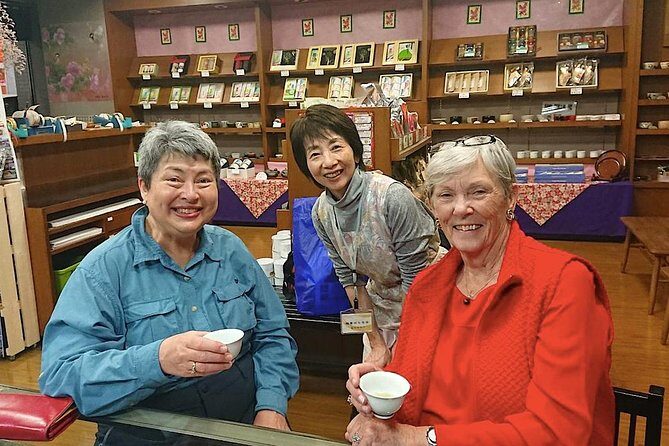
I especially liked two things: first, the way the guide helps you read the street like a local—food counters, shop signs, and the tiny choices people make every day. Second, I enjoyed the cultural stops that turned the afternoon into more than just photos, including tea tasting and a hands-on lesson about temple offerings and prayers led by guide Fumiko. The tradeoff: this isn’t a big-sight day, so expect neighborhoods over landmark checklists.
In This Review
- Key highlights worth your time
- A 3 PM Start That Lets Neighborhoods Be Themselves
- Jujo Ginza Shopping Arcade: 500 Shops of Daily Life
- Shimizuzaka Park: A Quiet Reset Between Streets
- Inatsuke Castle Remains: Ota Dokan and the Edo Connection
- Akabane Ichibangai: Izakaya Energy Without the Full Night Plan
- How Your Guide Turns Side Streets Into Real Learning
- Price and Value: What $71.53 Covers (and What You Pay For Later)
- Getting From Stop to Stop Without Stress
- Physical Pace: Moderate Walking, Outdoor Moments
- Who This Tour Fits Best
- Practical Tips to Make Your Afternoon Better
- Should You Book the Jujo and Akabane Walking Tour?
- FAQ
- How long is the Jujo and Akabane walking tour?
- Where does the tour start and end?
- What time does the tour begin?
- What is the group size?
- What is included in the price?
- Are food and drinks included?
- Is transportation to and from the attractions included?
- Is there mobile ticketing?
- Can I cancel for a full refund?
Key highlights worth your time
- Small-group walking (max eight): easier questions, more stop-and-chat time.
- Jujo Ginza shopping arcade: an old-style street with lots of real buying and eating.
- Park break at Shimizuzaka: a calm green pause, not just another sidewalk walk.
- Inatsuke Castle remains: a short history stop tied to Ota Dokan and Edo-era building.
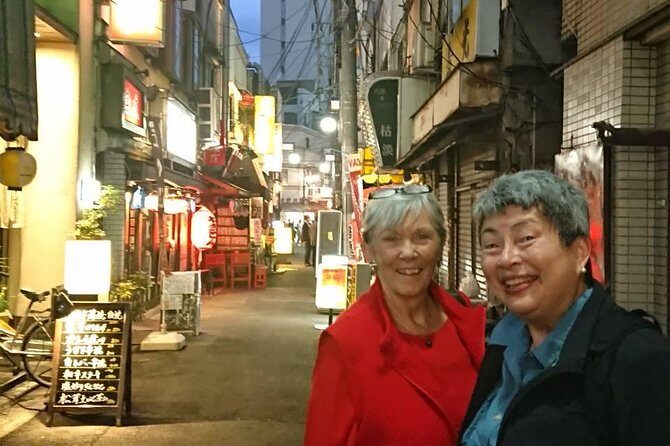
- Akabane Ichibangai: izakaya energy without needing to plan a separate evening.
Tokyo at walking pace, a few more ways
- Tokyo Tsukiji Fish Market Food and Culture Walking Tour★ 5.0 · 3,184 reviews
- Tokyo: Shinjuku Local Bar and Izakaya Guided Walking Tour★ 4.9 · 1,794 reviews
- Tokyo: Tsukiji Fish Market Food and Walking tour★ 5.0 · 1,724 reviews
A 3 PM Start That Lets Neighborhoods Be Themselves
This tour runs in the late afternoon, starting at 3:00 pm at Jūjō Station, and ending at Akabane Station. That timing matters more than you’d think. You’re walking when shops are open and people are out, but you’re not stuck in the loudest tourist rush.
It’s also a focused route. You’re not trying to cover half of Tokyo. You’re learning how local areas work—where people get groceries, how they spend an afternoon, and what history lingers in everyday places.
And because it’s a small group, you get something you rarely get on a long city bus: you can slow down. Your guide can point at details you’d otherwise miss, and you can ask the kind of questions that make Tokyo click.
Jujo Ginza Shopping Arcade: 500 Shops of Daily Life

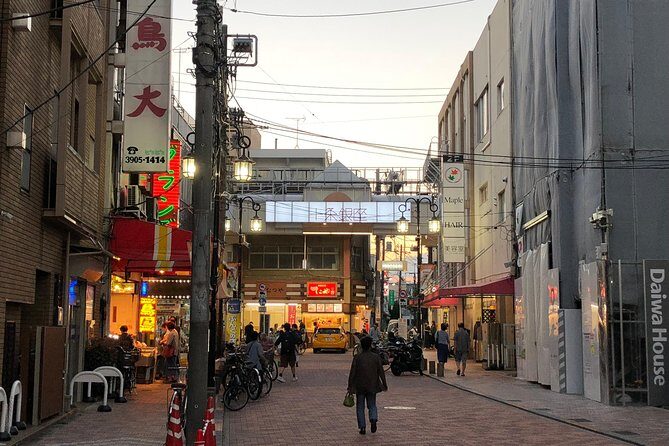
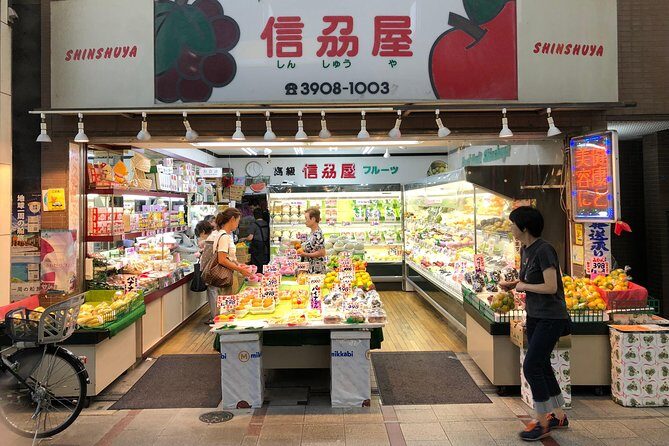
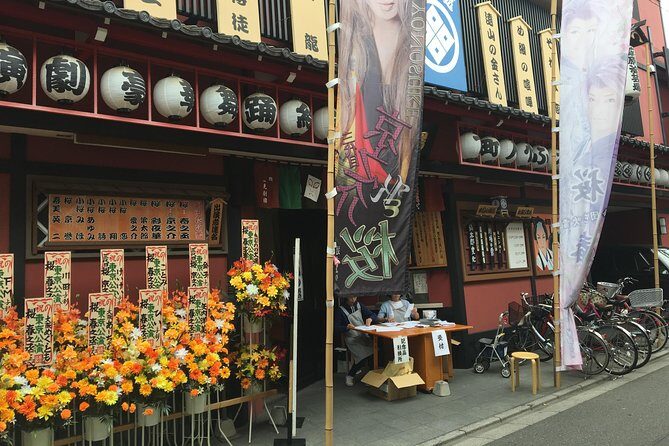
Your first major stop is the Jujo Ginza Shopping Arcade, a historic old shopping street known as one of Tokyo’s standout antique-style arcades. It’s home to around 500 shops, covering prepared foods, fresh foods, and clothing items—so it feels like a living neighborhood marketplace, not a staged shopping zone.
Here’s what I like about starting in a place like this: you get context fast. In one hour, you can see how Japanese shopping streets do three things at once:
- They feed you (prepared foods and snacks).
- They stock daily essentials (fresh items too).
- They serve regular life (clothing and practical goods).
Also, your guide’s role is more than “point and go.” A good guide helps you notice patterns—what kind of shops cluster together, how signage is used, and what people are actually buying. That’s how you understand a shotengai instead of just walking through it.
A possible drawback: the arcade is busy enough that it can feel crowded in the tightest sections. If you’re the type who needs lots of space to move, just know you’ll be walking shoulder-to-shoulder at moments. Still, the small group size helps you keep it comfortable.
Shimizuzaka Park: A Quiet Reset Between Streets
After the shopping arcade, the pace drops at Shimizuzaka Park. This is a short stop—about 20 minutes—but it’s a smart one. Parks in Japan often work as neighborhood living rooms: quiet places to reset, where families pass time and local residents linger.
You’ll find a roller-type slide with a total length of 52 meters, plus a square area and a pond. Even if you don’t have kids, the point is the same: the park gives your legs a break and gives your eyes something green and calm after all the indoor storefronts.
This stop is also a reminder that the tour isn’t just about architecture or big viewpoints. It’s about how people actually use their area day to day. A park is part of that story.
If you want a photo moment, aim for a casual one—trees and pond reflections tend to work better when you’re not trying to fight for the perfect angle.
Inatsuke Castle Remains: Ota Dokan and the Edo Connection
Next comes a history stop: Inatsuke Castle Remains, with ruins linked to Ota Dokan, a 15th-century warlord. This part is short (about 15 minutes), but it has a clear story line. The ruins are on elevated ground—around 21 meters above sea level—so even in a brief walk, you get a sense of why the location mattered.
Ota Dokan is known for building Edo Castle, and there’s also an Ota Dokan statue here. That combination—physical ruins plus a named figure—helps you connect local geography to a much bigger era in Japanese history without needing a lecture.
What I liked: the tone here is practical. You don’t just hear dates and names. You learn why people placed castles where they did, and how warlords shaped the later Edo world.
Possible consideration: ruins aren’t everyone’s idea of fun. If you prefer museums with displays and seating, this will feel more like a brief outdoor detour. On the flip side, if you like history that lives in streets and small sites, this is the kind of stop that sticks.





Akabane Ichibangai: Izakaya Energy Without the Full Night Plan
The final stop is Akabane Ichibangai Shopping Street. This is where Tokyo’s social side shows up—especially the izakaya culture. You’ll pass several dozen pubs and izakayas, many of which are open at noon. That detail matters because it shapes the mood: people can settle in earlier than you’d expect.
In this area, you’ll notice an everyday pattern—local routines that don’t revolve around late-night tourism. The street atmosphere is described as one where elderly men can be seen enjoying mid-afternoon sake. You don’t have to romanticize it to appreciate it. It’s just a real, local rhythm.
About 40 minutes here is a good length. It’s long enough to feel the energy and talk with your guide about what you’re seeing. It’s not so long that you end up stuck searching for food you didn’t plan for.
One drawback to know: this is a drinking street. Your tour price doesn’t include food or drinks, so if you want to eat, you’ll need to budget separately and decide how much you want to spend once you’re there.
How Your Guide Turns Side Streets Into Real Learning
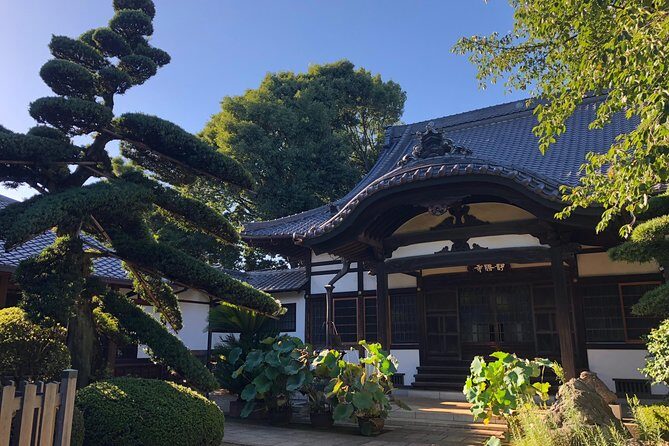
The tour is built around a local guide who explains daily culture in plain language. That’s where the experience earns its reputation: it’s not only the places, it’s the meaning behind them.
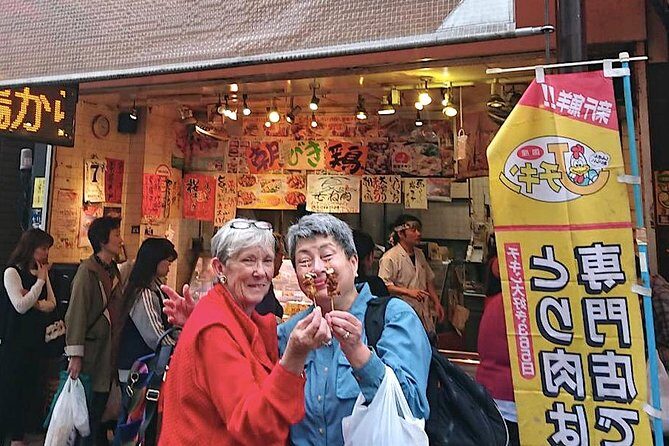
One review highlight I found especially useful: the guide’s food guidance and the tasting moments. Along the route, I enjoyed the emphasis on food and local habits—plus a tea tasting that didn’t feel like a marketing demo. It felt like an invitation to slow down and notice how rituals show up in everyday life.
Another standout is the temple learning component—learning how to make offerings and prayers, and taking a moment at a local temple. Even if you’re not familiar with the practice, you come away with a better sense of what the ritual is for and how people approach it respectfully.
If you’re worried about your Japanese level, don’t overthink it. The tour is designed so you can learn from the guide even without speaking the language yourself. The key is that you’ll be moving through places where the culture is visible, and your guide helps you read it.
And since the group is capped at eight, your guide can respond to questions without losing the whole group.
Price and Value: What $71.53 Covers (and What You Pay For Later)
At $71.53 per person, this tour sits in the mid-range for Tokyo walking experiences. Here’s what makes the cost feel more reasonable: your price includes local taxes and a local guide. The main stops also have free admission at the shopping arcade and the park.
What’s not included is also clear and important. You’re on your own for food and drinks. You also handle your own transportation to and from the sights. That said, the meeting point and end point are both stations, which helps a lot with planning.
So, how do you judge value?
- If you want a guide-led walk that focuses on local life, old shopping streets, and a couple of culture moments, the price makes sense.
- If you want only major headline landmarks and you hate paying extra for meals, you may feel the tradeoff.
One more practical note: you’ll be walking for about three hours total. That’s a nice length for the kind of neighborhood route you’re doing—enough time to see things, not so long you burn out.
Getting From Stop to Stop Without Stress
Your tour begins at Jūjō Station and ends at Akabane Station. There’s no hotel pickup, so you’ll want to arrive on your own and be ready to start promptly around 3:00 pm.
The route is designed so you don’t need a complicated transport plan mid-tour. That helps if you only have one afternoon window and you want a simple, structured walk.
Also, you’ll get a mobile ticket, which cuts down on the usual day-of hassle.
If you’re using transit, plan your arrival so you’re not sprinting at the start time. This is a guided experience—if you miss the group, you lose the flow.
Physical Pace: Moderate Walking, Outdoor Moments
The tour lists moderate physical fitness as the requirement. That doesn’t mean you need to be an athlete. It does mean you should be comfortable walking several city blocks and standing at outdoor stops.
The itinerary includes shopping streets (mostly walking), a park (time to stand and stroll), castle remains (outdoor ruins), and an active neighborhood street. Expect some uneven pavement and natural crowd movement in shopping areas.
If you’re thinking about mobility needs, this is the kind of tour where group pacing matters. Your best bet is to be honest with yourself about what you can do comfortably for about three hours.
Who This Tour Fits Best
This is a strong match if you:
- Prefer neighborhood Tokyo over the usual major-sight sweep.
- Like shopping streets where real people buy real stuff.
- Enjoy culture explanations that connect food, ritual, and everyday life.
- Want a small group so you can ask questions and hear details.
It’s not the best match if you:
- Only want top-tier landmarks and sweeping views.
- Don’t want to pay extra for meals or snacks on your own.
- Get annoyed by walking in lively areas where foot traffic can be tight.
Practical Tips to Make Your Afternoon Better
A few things you can do to get more from the day:
1) Wear shoes you trust. You’ll be on your feet for around three hours, including outdoor stops.
2) Bring a small amount of cash or a payment card for snacks. Food and drinks aren’t included.
3) Come with curiosity. The value is in what the guide points out, not in how many photos you can take.
4) If you see tea or temple-related culture moments, treat them like respectful mini-lessons—ask questions if you’re unsure.
Also, since the tour ends in Akabane, plan your next activity around that station. It’s easier than trying to backtrack through Tokyo at night.
Should You Book the Jujo and Akabane Walking Tour?
Yes, if you want a Tokyo afternoon that feels local and story-driven. The combination of an old shopping street with cultural moments—plus tea tasting and a temple offering lesson—makes the tour feel like more than a simple walk.
Book it especially if you’re the type who enjoys small streets: markets, parks, ruins, and izakaya lanes. You’ll walk away with a better sense of how neighborhoods function, and why Tokyo’s side streets matter.
Skip it if you’re chasing only famous sights or you want meals fully included. This one is for people who like Tokyo when it’s quieter, slightly older, and more lived-in.
FAQ
How long is the Jujo and Akabane walking tour?
It’s about 3 hours.
Where does the tour start and end?
It starts at Jūjō Station and ends at Akabane Station.
What time does the tour begin?
The start time is 3:00 pm.
What is the group size?
The tour is small group with a maximum of eight people.
What is included in the price?
Local taxes and a local guide are included.
Are food and drinks included?
No. Food and drinks are not included.
Is transportation to and from the attractions included?
No. Hotel pickup and drop-off and transportation to/from attractions are not included.
Is there mobile ticketing?
Yes, the tour offers a mobile ticket.
Can I cancel for a full refund?
Yes. You can cancel up to 24 hours in advance for a full refund.
Tokyo on Foot: More Walks



More Tours in Tokyo

More Tour Reviews in Tokyo



Fresh reviews from around Tokyo






Walking Tours, compared.
 ★ 5.0Tokyo Tsukiji Fish Market Food and Culture Walking TourFrom $993,184 reviews
 ★ 4.9Shinjuku Local Bar and Izakaya Guided Walking TourFrom $341,794 reviews
 ★ 5.0Tsukiji Fish Market Food and Walking tourFrom $301,724 reviews
 ★ 4.8Asakusa Walking Tour with Sensoji Temple VisitFrom $221,583 reviews
 ★ 4.9Tsukiji Fish Market Guided Walking TourFrom $221,397 reviews
 ★ 4.7Tokyo Castle & Imperial PalaceーShogun Walking TourFrom $231,068 reviews
 ★ 4.9Imperial Palace Japanese History Walking TourFrom $32987 reviews
 ★ 4.7Dark Side of Tokyo Shinjuku Red Light Walking TourFrom $29862 reviews
Browse the lists this tour appears in