
Reviewed · SHIBUYA TOURS
Best Sushi Making Class in Tokyo: Sushi Making Class Shibuya
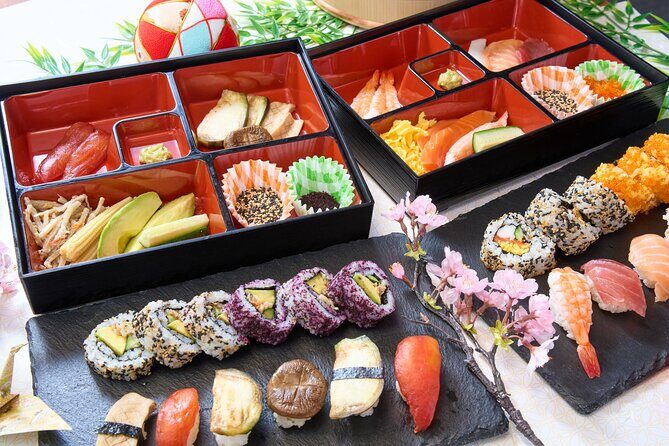
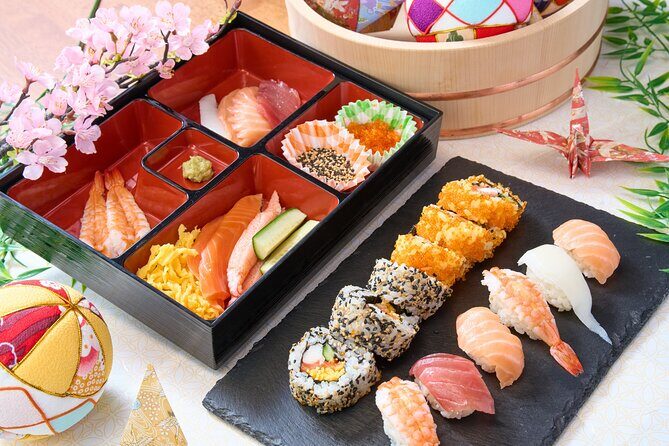
Sushi skill in 90 minutes. This Shibuya class is built around making sushi from scratch, plus a short quiz that gives the why behind the how. You’ll be working in a small group setting, not standing back and watching.
I love that it’s truly hands-on. You shape rice for nigiri and roll a California roll yourself, and the staff keep things friendly, including guidance from instructors like Kaito. I also love the finish: you don’t “demo and run.” You eat what you made, with soy sauce, wasabi, and pickled ginger provided.
One possible drawback: the value can feel tight if you’re expecting a big portion for the price, and a small number of sessions may feel a bit scripted or start later than you’d like.
In This Review
- Key Highlights I Think You’ll Care About
- Shibuya Sushi Class: Why This One Feels Like a Skill Lesson
- Small Group Limits (14 Max) and What That Means for Your Experience
- Your 90 Minutes: From Handwashing to California Rolls to Nigiri
- Arrival, Check-In, and a Quick Reset
- Warm-Up Quiz: Sushi History in Plain Language
- Making a California Roll: The Modern Starting Point
- Traditional Nigiri: Where Technique Gets Real
- The Meal Part: Eating Your Sushi, Not Just Learning It
- Dietary Options: Vegan, Vegetarian, and Halal Requests
- Price and Value: What $31.63 Buys You in Real Life
- Where It Starts in Shibuya: Meeting Point and Timing Tips
- Who This Class Fits Best (And Who Might Want to Skip)
- Final Call: Should You Book Sushi Making Class Shibuya?
- FAQ
- FAQ
- How long is the sushi making class?
- What types of sushi will I make?
- Is the class group size small?
- Are meals included?
- Can I request vegan, vegetarian, or halal options?
- What is the meeting point in Shibuya?
- Is private transportation included?
- What ticket method is used?
- Is free cancellation available?
Key Highlights I Think You’ll Care About
- Max 14 people means more attention and less waiting for help
- History + facts quiz turns sushi basics into something you can remember
- California roll and nigiri gives you both modern and classic techniques
- Eat at the end so you leave full, not just impressed
- Vegan, vegetarian, and halal options are available if you request ahead
- Mobile ticket keeps check-in quick
More to do within sight of the Crossing
- Official Street Go-Kart in Shibuya★ 5.0 · 3,435 reviews
- Tokyo: Street Kart Experience in Shibuya★ 4.9 · 1,484 reviews
- Shibuya Meltdown Nightlife Tour: All-You-Can-Drink Bar Hopping★ 5.0 · 1,058 reviews
Shibuya Sushi Class: Why This One Feels Like a Skill Lesson
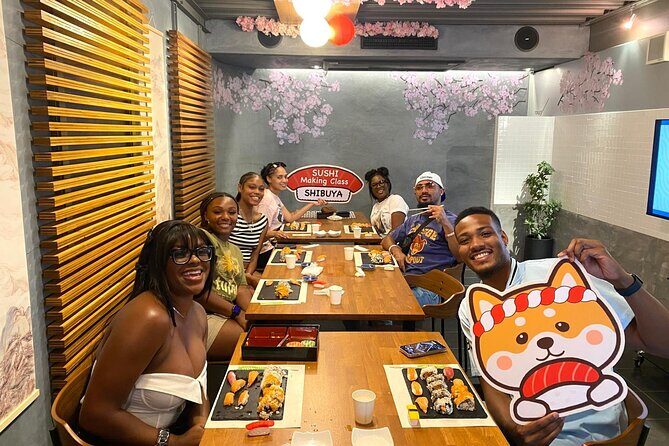
This isn’t a sushi meal where you order and hope for the best. It’s a structured class where the goal is clear: you learn how sushi is put together, not just how it tastes. The vibe is part food workshop, part friendly cultural intro, with a little quiz to get your brain working before your hands do.
I like the balance here. You get enough structure to know what you’re doing, and enough guidance from the team to avoid common beginner mistakes, like rice that’s too wet or toppings that slide off. The small group format helps a lot because it’s easier to ask questions and get corrections while you’re actually making the food.
The location in Shibuya also helps. You can slot this into a day of exploring without it becoming a whole production. Plus, the venue is near public transportation, so you’re not stuck planning around a complicated commute.
Small Group Limits (14 Max) and What That Means for Your Experience
A maximum group size of 14 people sounds like a nice detail on paper. In practice, it changes everything about how the class feels. With smaller groups, you’re not watching one person roll while everyone else waits.
Here’s what you’ll likely notice:
- You get more frequent check-ins from the staff as you work
- Mistakes get caught sooner, before you stack up a whole tray of issues
- You can move at a beginner pace without feeling rushed
From the feedback I saw, the instructors tend to be warm and helpful, and that matters when you’re trying something new. If you’ve ever made something messy and felt embarrassed, this setup is designed to keep that from happening.
Your 90 Minutes: From Handwashing to California Rolls to Nigiri
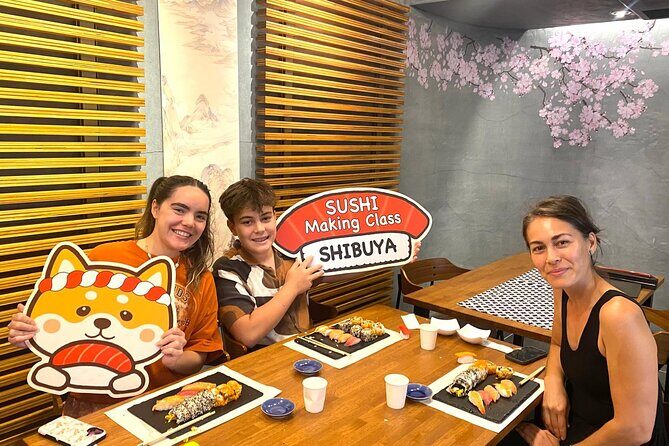
The class runs about 1 hour 30 minutes, give or take. That’s a good length: long enough to learn real technique, short enough that you won’t feel cooked by the time you sit down to eat.
Arrival, Check-In, and a Quick Reset
When you arrive, staff confirm your reservation and help you get set up. You’ll be guided to wash your hands and prepare for the session. That sounds basic, but it’s part of the learning culture. Sushi is all about texture and cleanliness, and this step gets you ready in the right mindset.
More things to make with your own hands


Warm-Up Quiz: Sushi History in Plain Language
Before you roll anything, you’ll start with a short sushi history quiz. It includes surprising facts and context about how sushi developed and why certain styles matter. The quiz also acts like a warm-up for attention, so you’re ready to focus when the technique part starts.
Even if you’re not a trivia person, this section helps you connect the food to the story. Sushi isn’t just a dish; it’s a way of building flavor and balance—rice, topping, and seasoning all working together.
Making a California Roll: The Modern Starting Point
You’ll begin with a California roll, which is a great choice for beginners. It’s approachable, and the technique gives you control over rice handling and rolling pressure.
In a roll, your consistency matters:
- Rice texture affects how well it sticks
- Even layering affects bite and structure
- Rolling pressure affects how tight or loose the final shape is
You’ll follow along while the staff demonstrate, then you’ll do the work. Expect a real hands-on session rather than passive watching.
Traditional Nigiri: Where Technique Gets Real
Next comes nigiri, the classic sushi style with hand-shaped rice topped with fish or other toppings. Nigiri is trickier than a roll because the rice shape has to support the topping without slipping.
You’ll see how to shape the rice, then you’ll shape your own pieces with guidance. This is usually the moment where people start paying attention to details like:
- How rice clings when handled correctly
- How firm the rice should feel in your hands
- How topping placement changes the final bite
The best part is that the staff support you throughout, so you’re not left to guess. If you want to learn sushi as a skill you can repeat at home, nigiri is the key step.
The Meal Part: Eating Your Sushi, Not Just Learning It
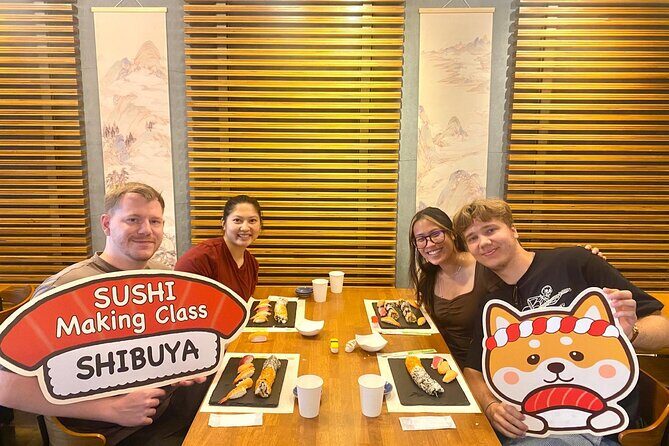
One of the most practical promises here is that there are no hunger pangs. You eat your sushi at the end of the class.
That matters because cooking classes can sometimes feel like a tease: you spend time making food, then leave before it’s properly tasted. Here, the class is designed to end with you sitting down and enjoying what you made.
You’ll get the basics you’d expect at a sushi counter:
- Soy sauce
- Wasabi
- Pickled ginger
This setup lets you taste the difference between what you built and what you ordered elsewhere. You’ll also learn something subtle: sushi seasoning is light. It’s about balance. When you handle the rice and toppings yourself, you start to understand why too much sauce can overwhelm the flavor.
Dietary Options: Vegan, Vegetarian, and Halal Requests
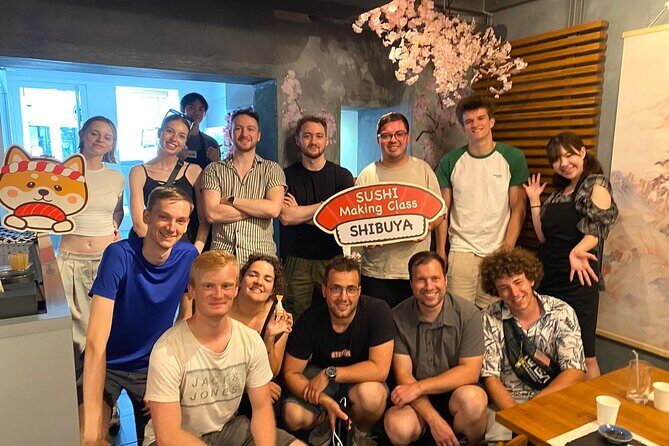
The class offers vegan, vegetarian, and halal options on request. That’s a big deal if you’ve struggled to find cooking activities that actually accommodate your diet instead of offering a vague substitute.
Practical tip: request your needs ahead of time so the staff can plan the ingredients and portions. The more notice you give, the smoother it tends to be.
Also, even if you’re not ordering a special diet, this is one of those classes where the technique transfers. Rice handling, shape, and assembly are the core skills. What changes is the topping choice.
Price and Value: What $31.63 Buys You in Real Life
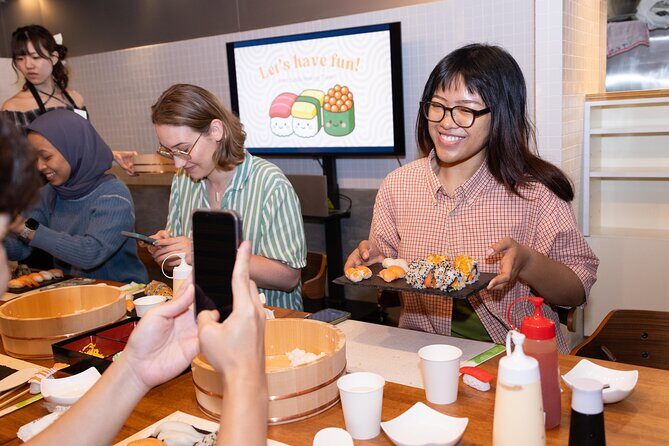
At about $31.63 per person for roughly 1.5 hours, you’re paying for instruction and the experience structure. This is not a low-cost meal deal. It’s closer to a hands-on workshop where you learn technique and then eat.
So is it worth it?
- If you want to learn a skill (rolling and nigiri shaping), the value makes more sense. You’re paying for guidance, time, and a class that ends with you eating your work.
- If you’re mostly looking for a large amount of food, you might feel the portion doesn’t match the price. One concern raised is that the food quantity can feel limited.
My advice: treat this as a learning experience first, a meal second. If you frame it that way, you’ll likely feel happier with what you get.
Where It Starts in Shibuya: Meeting Point and Timing Tips
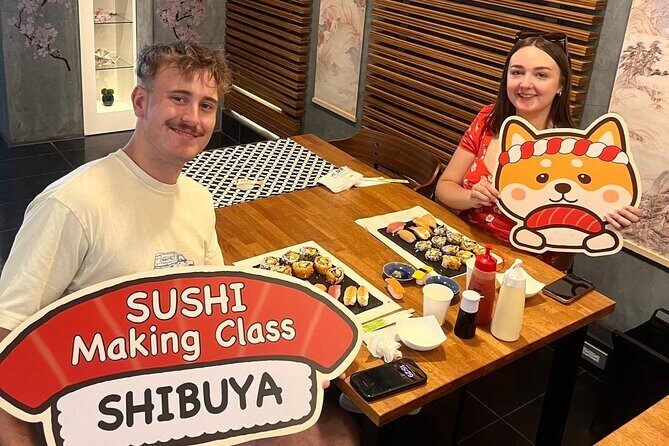
The meeting point is in Shibuya, at Nanpeidaichō, in a building listed as 25 A-bandsビル. The class ends back at the meeting point, so you don’t have to worry about a long walk or transfer.
Because the venue is near public transportation, you can plan around subway and train stops rather than budgeting for a taxi. Still, Shibuya can be busy, so give yourself a few extra minutes to locate the building and get settled before the class begins.
One consideration from feedback: a small number of people mentioned a late start and that the session can feel scripted. If timing matters a lot for your day, consider building a bit of buffer around this activity.
Who This Class Fits Best (And Who Might Want to Skip)
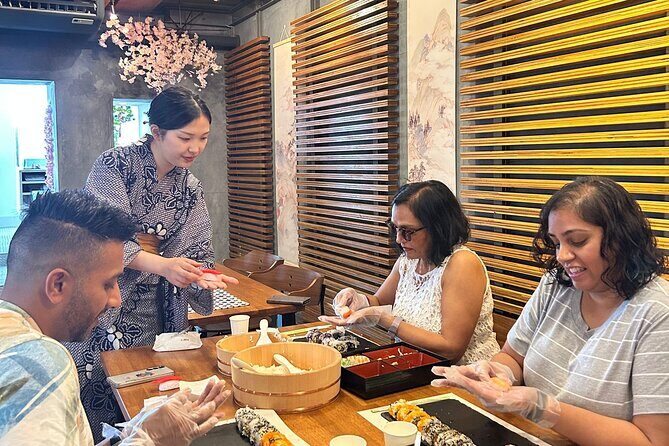
This is a strong fit if you:
- Want to learn sushi as a hands-on skill, not just eat it
- Prefer a smaller class with personal help
- Enjoy short cultural context like a history quiz
- Need vegan, vegetarian, or halal options
It might be less ideal if you:
- Want a huge amount of food for the price
- Are very sensitive to pace and spontaneity (if you’re hoping for a very free-form class, scripted delivery can feel less fun)
- Expect a long, deep lecture instead of a practical session
Final Call: Should You Book Sushi Making Class Shibuya?
If you’re the type who likes doing things with your hands, I’d book it. The small group size, the mix of California roll and nigiri, and the fact that you eat at the end make it a well-rounded, practical experience.
Before you reserve, do one quick check in your mind: you’re paying for instruction and technique. If you’re coming for a true meal quantity, you may judge it harsher. If you’re coming to learn, you should leave with skills you can actually repeat and a better sense of how sushi is built.
FAQ
FAQ
How long is the sushi making class?
The class runs for about 1 hour 30 minutes.
What types of sushi will I make?
You’ll start with making a California roll, then you’ll create nigiri sushi.
Is the class group size small?
Yes. The class has a maximum of 14 travelers.
Are meals included?
Yes. Meals are included, and you eat the sushi you make at the end of the class.
Can I request vegan, vegetarian, or halal options?
Yes. Vegan, vegetarian, and halal options are available on request.
What is the meeting point in Shibuya?
The meeting point is in Tokyo, Shibuya, Nanpeidaichō, at 25 A-bandsビル.
Is private transportation included?
No. Private transportation is not included.
What ticket method is used?
You’ll receive a mobile ticket.
Is free cancellation available?
Yes. You can cancel for a full refund up to 24 hours before the experience starts.
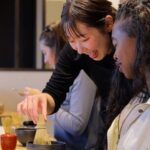
Make Something to Take Home
More Tour Reviews in Tokyo






Still in Shibuya? Keep Going





Fresh reviews from around Tokyo






Shibuya Tours, compared.
 ★ 5.0Official Street Go-Kart in ShibuyaFrom $763,435 reviews
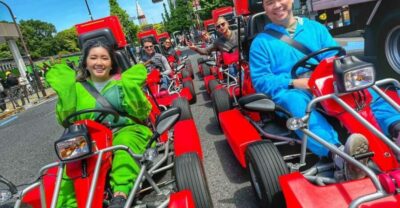 ★ 4.9Street Kart Experience in ShibuyaFrom $741,484 reviews
 ★ 5.0Shibuya Meltdown Nightlife Tour: All-You-Can-Drink Bar HoppingFrom $1061,058 reviews
 ★ 5.0Shibuya Official Street Go-Kart in Shibuya AnnexFrom $69972 reviews
 ★ 5.0Shibuya Food Tour (13 dishes and 4 Eateries)From $77770 reviews
 ★ 5.0Best of Shibuya Food TourFrom $217612 reviews
 ★ 4.8Shibuya Highlights Walking TourFrom $19601 reviews
 ★ 4.7Premium Go-Kart Tour with Tower & Shibuya CrossingFrom $116528 reviews
Browse the lists this tour appears in