
Daikoku Parking can feel like Tokyo Drift, in real life. This tour is built around real JDM culture with local Japanese guides from the Daikoku and drifting scene, not a generic sightseeing script. You get a behind-the-scenes feel for how car people hang out, talk parts, and spot builds in the wild.
I especially like two things here: the insider local guide (people mention hosts like Takeshi and Toshi, both active in the drifting/tuning world) and the combo of APIT plus an hour at Daikoku, so you see both the shopping side and the car-spotting side. One consideration: if there are multiple bookings, you may be asked to share a ride in the vehicle, even though the tour experience is guided.
In This Review
- Key highlights
- Daikoku Parking, APIT, and a Tokyo skyline loop
- Meet the scene first: APIT’s auto-store energy
- Daikoku Parking: where the movie feeling becomes real
- What you’ll want to do during that hour
- The return drive: Rainbow Bridge and Tokyo Tower views
- Your transport: Lexus LS or Honda Wagon pickup that keeps things practical
- English fluency and real-scene guides (not just a translator)
- Price and value: what $133 per person is buying you
- How to tailor the day if you want more than Daikoku
- Who should book this tour (and who might not)
- Practical tips so you enjoy the hour at Daikoku
- Should you book this Tokyo Drift-style Daikoku and APIT tour?
- FAQ
- What does the tour include for pickup and drop-off?
- How long do we spend at Daikoku Parking?
- Is the guide available in English?
- Do you visit APIT during the tour?
- What route do you take on the way back?
- What happens if the weather is bad?
Key highlights
- Local Daikoku + drift community guides who can explain what you’re seeing
- APIT stop before the meet, so you start with parts, brands, and JDM gear
- About 1 hour at Daikoku Parking for real car-spotting time
- Rainbow Bridge and Tokyo Tower views on the way back
- Pickup and drop-off via a modified Lexus LS or Honda wagon
- English support with a fluent local guide in a private format
More horsepower: other JDM and drift experiences
- GT-R35 800hp Club Membership – secret underground car meet★ 4.8 · 998 reviews
- Secret Car Meet: R34 Skyline Car Club Membership★ 4.8 · 494 reviews
- Tokyo Drift: Daikoku PA Supreme Car Experience 大黒PA★ 4.7 · 372 reviews
Daikoku Parking, APIT, and a Tokyo skyline loop
If your idea of Japan includes cars, you’ll probably enjoy this format more than a normal city tour. The core plan is simple: you start with the auto-and-merch world at APIT, then you head to Yokohama’s Daikoku Parking area, often called a mecca for JDM and street drifting culture.
What makes it work is the pacing and the point of view. Daikoku can be chaotic for the uninitiated. With an English-speaking local guide from the scene, you get context fast: what different builds suggest, what people are there for, and how the meetup vibe actually feels day to day. I like that the tour is set up for car fans, not for people who just want a quick photo and a snack.
Meet the scene first: APIT’s auto-store energy
APIT is the warm-up. Before you get to Daikoku, the tour brings you to what’s described as the biggest auto store in the Tokyo area, packed with everything from parts to apparel, books, and gadgets tied to car culture.
This stop matters because it sets your eyes. When you walk into a place like this, you start noticing brand details, shop-lingo, and the kinds of products that show up on cars later at the meet. It’s also a good place to reset your timing. If you’re the type who likes to browse, APIT gives you something useful to do before you spend an hour scanning Daikoku like a game of spot-the-build.
You should also expect a little extra conversation value here. Guides from the Daikoku scene tend to go beyond what’s on the shelf, and you may pick up practical tips about what’s worth looking for and how people in the community think about upgrades.
Daikoku Parking: where the movie feeling becomes real
The main event is the Daikoku Parking area in Yokohama. This is the part people come for, and the tour doesn’t rush it. You’ll spend about 1 hour there, which is long enough to walk, watch, and compare cars without feeling like you’re being herded.
Why Daikoku hits so hard is the mix. The guide-run vibe is described as laidback, with room for gearheads and casual observers. That’s the sweet spot for most visitors. You can take in the style and details, even if you’re not fluent in every acronym or suspension setup.
With a scene-connected guide, that hour becomes more than parking-lot sightseeing. You learn how to read what you’re seeing. In the experience feedback, people highlight how guides like Takeshi are informative and how hosts can explain the local car community from the inside. Toshi is mentioned as sociable and friendly, which matters a lot here because Daikoku is social by nature. You’re not just looking; you’re learning how the meetup works.
What you’ll want to do during that hour
Go in with a loose plan so you don’t get lost in the fun:
- Start with a slow perimeter loop, so you get the layout and flow.
- Then focus on a couple of themes (JDM street cars, drifting builds, widebody look, wheels/fitment).
- Finally, pause at cars that catch your eye and ask your guide what makes that build stand out.





The return drive: Rainbow Bridge and Tokyo Tower views
One of the underrated perks is what happens after Daikoku. On the way back, you pass Rainbow Bridge and Tokyo Tower. Even if you’re not a hardcore skyline person, this is a satisfying way to connect a car-meet moment to classic Tokyo visuals.
Why it’s smart: you don’t feel like your day ends the second the meet does. You get a gentle, scenic wind-down while your guide keeps the vibe friendly. The ride also gives you a chance to ask questions that are hard to fit into the fast movement of a parking lot.
If you care about photos, this part is handy too. The skyline shots are a break from the crowd energy, and they help you frame the day as something more than just “we went to a car meet.”
Your transport: Lexus LS or Honda Wagon pickup that keeps things practical
This tour includes pickup and drop-off using a modified Lexus LS or a similar vehicle, or a Honda wagon for larger groups. That choice is practical for a car-themed day. You’re not crammed into the wrong vehicle or forced to make your own transit plans after a long walk around Daikoku.
I also like that you can request a pickup location. One review mentions hotel pickup, which is exactly what makes this easier when you’re navigating Tokyo and Yokohama without a private car of your own.
One consideration you should keep in mind: if there are multiple bookings, the company may ask you to share a ride. That doesn’t change the existence of the tour guide, but it can affect how quiet the experience feels in the car. If you’re the type who wants a totally private bubble, it’s worth knowing this ahead of time.
English fluency and real-scene guides (not just a translator)
A key value here is the guide. The tour is described as having a fluent English-speaking local guide drawn from the Daikoku and drifting car community. That matters because JDM culture is full of nuance: what people mean when they talk about setups, why certain cars get attention, and how the community connects through cars rather than through formal events.
You’ll see this reflected in the feedback themes:
- People call out how well the tours are organized.
- Hosts are praised as punctual and fun to talk with.
- Guides are described as truly part of the drifting/tuning scene, not just observers.
Even if you’re new to JDM, you’ll benefit. A good guide turns random cars into readable stories. And if you already know your way around, you’ll likely appreciate the local perspective: the names, the culture, and the way the meet operates.
Price and value: what $133 per person is buying you
At $133 per person, the big question is value: are you just paying for transport, or are you buying the right kind of access?
For me, the value case is strongest if you add up what’s included:
- A local guide fluent in English from the Daikoku/drifting scene
- Pickup and drop-off using a car designed for the job (modified Lexus LS or Honda wagon)
- A Daikoku visit timed for real time on the ground (about 1 hour)
- An APIT auto-store stop so you’re not only watching cars but also learning the surrounding culture
- A skyline return loop via Rainbow Bridge and Tokyo Tower
If you were to build this yourself, you’d need to solve transit and timing across Tokyo/Yokohama, plus you’d still be standing at Daikoku without local context. Here, you pay for that context and the full, car-fan-focused flow.
So I don’t see the price as only “a tour price.” I see it as a shortcut to actually understanding the meet without wasting half your day figuring out logistics.
How to tailor the day if you want more than Daikoku
The tour is described as customizable after booking, and that’s useful if you want the day to fit your exact level of car interest. If you have a second goal—like a parts-focused browsing mood, a drift content priority, or the idea of pairing this with another car activity—the guide can help steer your timing.
It also helps that the provider offers other car-related experiences, including JDM drift riding and drift lessons. Even if you don’t book them on the spot, it’s a sign that you’re dealing with people who run car activities seriously, not a one-off city tour shop.
Who should book this tour (and who might not)
This one is a strong match if:
- You’re a JDM, street car, or drift fan and want a meet-day that feels authentic.
- You want English support tied to real local culture.
- You’d rather spend your day on two high-value stops (APIT + Daikoku) than scatter time across generic sights.
It may not be the best fit if:
- You dislike parking-lot environments and crowd noise.
- You’re expecting a formal museum-style lesson with set “classroom” structure. This is a social scene with walking and spotting.
- You strongly need a totally private car ride with nobody else inside the vehicle, since the ride-sharing note can apply when there are multiple bookings.
One more reality check: the tour is cancelled if heavy rain or snow. If your trip dates are shaky weather-wise, it’s smart to keep flexibility.
Practical tips so you enjoy the hour at Daikoku
Daikoku can be fun-fast, which is why a little planning helps:
- Wear shoes you’re comfortable walking in. You’ll be on your feet scanning cars for the whole 1 hour block.
- Bring a charged camera. Even casual street cars look great once you start spotting the details.
- Go in curious. You don’t need to know everything about tuning to ask good questions.
- If you’re hoping to talk with people in the scene, let your guide lead. The guide can help you choose what to ask and when.
Also, don’t be surprised if your guide gives extra life tips tied to Japan car culture. One guide experience notes food tips and even onsen ideas in places like Hakuba. That’s the kind of bonus that turns a car tour into a fuller travel day.
Should you book this Tokyo Drift-style Daikoku and APIT tour?
If you want a day that feels like you stepped into the JDM world—without guessing how to do it—this is a very easy yes. The combination of APIT + Daikoku, a real scene guide with English fluency, and the added skyline drive via Rainbow Bridge and Tokyo Tower makes the $133 price feel purposeful, not random.
I’d book it if you’re the type who enjoys hands-on culture: parts stores, real street cars, and conversations that come from being around the hobby. And if you can handle the ride-sharing possibility and you’re okay with the weather cancellation rule, you’re set up for a smooth, satisfying car-fan day in the Tokyo area.
FAQ
What does the tour include for pickup and drop-off?
The tour includes pickup and drop-off using a modified LEXUS LS or similar vehicle, or a Honda wagon for larger group size. The plan also includes pickup and drop-off connected to APIT and Daikoku.
How long do we spend at Daikoku Parking?
You spend about 1 hour at Daikoku Parking.
Is the guide available in English?
Yes. The tour includes a fluent English-speaking local guide, and Japanese is also available.
Do you visit APIT during the tour?
Yes. The tour goes to APIT first, described as the biggest auto store in the Tokyo area, where you can see car parts and JDM-related items.
What route do you take on the way back?
On the way back, you pass Rainbow Bridge and Tokyo Tower, giving you skyline views.
What happens if the weather is bad?
The tour is cancelled if heavy rain or snow.
More Tours in Tokyo

More Tour Reviews in Tokyo



For the Petrolheads: More JDM Days


Fresh reviews from around Tokyo






JDM Drift Car Experiences, compared.
 ★ 4.8GT-R35 800hp Club Membership – secret underground car meetFrom $205998 reviews
 ★ 4.8Fast & Furious Tokyo Drift 3 Experience (Kaila Yu SP)From $157947 reviews
Daikoku JDM Car Meet & Night Car Culture TourFrom $98626 reviews
★ 4.8Fast & Furious Tokyo Drift 3 Experience (Kaila Yu SP)From $157947 reviews
Daikoku JDM Car Meet & Night Car Culture TourFrom $98626 reviews
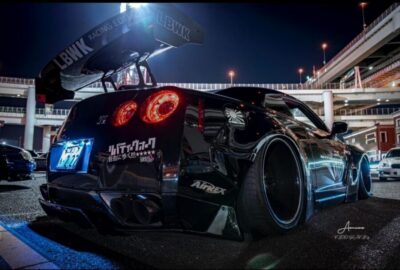 ★ 4.8Secret Car Meet: R34 Skyline Car Club MembershipFrom $236494 reviews
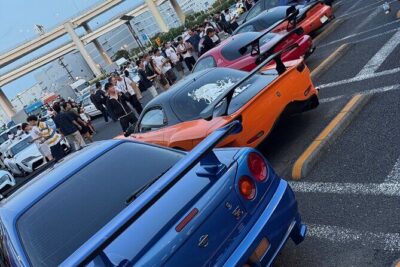 ★ 4.9EVO, WRX, Skyline – JDM Night Run to Daikoku Car MeetFrom $125478 reviews
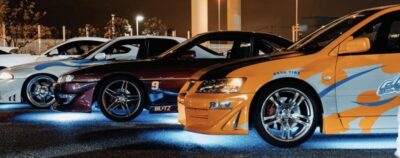 ★ 4.7Tokyo Drift: Daikoku PA Supreme Car Experience 大黒PAFrom $58372 reviews
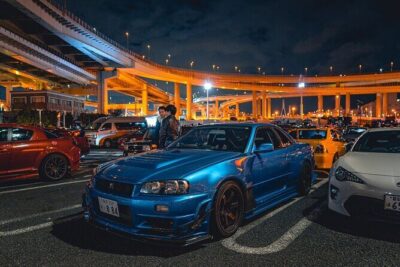 ★ 4.5Daikoku Car Club Temporary MembershipFrom $145275 reviews
 ★ 5.0Daikoku JDM Car Meet & Night Car Culture TourFrom $99232 reviews
Browse the lists this tour appears in