
Kamakura and Enoshima in one day feels like a cheat code. You get a tight route that mixes temples, a bamboo-lined stop with a tea break, and an ocean-side island viewpoint—without having to plan train transfers or fight for the right entrance.
What I like most is the included transport (an Enoshima Kamakura Free Pass) plus admission tickets for the big-ticket sights. That combination keeps the day smooth and predictable. You’re also getting a real person leading the walk, with explanations that connect what you’re seeing to local meaning.
One thing to consider: this is an 11-hour day with real walking and some stair-heavy moments (including getting up to the observatory on Enoshima). If you’re sensitive to long days, plan your energy and pack comfortable shoes.
In This Review
- Key Points You Should Know
- From Shinjuku to Kamakura Fast: The Day Trip Flow That Matters
- Meeting Point and Getting Moving: Shinjuku, the 08:27 Train, and the Free Pass
- Stop One in Kamakura Area: Bamboo Temple Grounds and Tea House Time
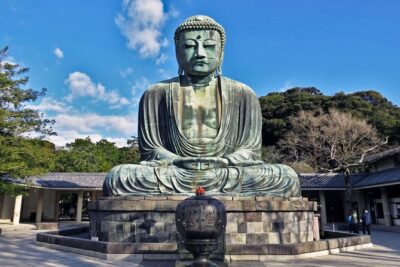
- Kotoku-in and the Great Buddha: Your Included Admission Window
- Enoshima Island by the Sea: Escalators, the Sea Candle Observatory, and Views
- The Included Extras That Make It Feel Like a Real Experience
- Guide Style: The Reason Small Groups Feel Better on Long Days
- Price and Value: Is $167.36 Fair for a Full Day?
- What the 11 Hours Feels Like in Real Terms
- Who Should Book This Tour (and Who Should Skip It)
- Should You Book? My Practical Recommendation
- FAQ
- What time does the tour start?
- Where is the meeting point in Tokyo?
- How long is the day trip?
- Is the Enoshima Kamakura Free Pass included?
- Is admission to the Great Buddha included?
- What Enoshima costs are included?
- Is tea included?
- Are meals fully included?
- How many people are on the tour?
- What is the cancellation policy?
Key Points You Should Know
- Enoshima Kamakura Free Pass included so you can move around without extra ticket math
- Great Buddha of Kamakura admission included, including time to go inside
- Tea and sweet at a temple tea house, paired with a bamboo temple visit
- Enoshima island escalators and observatory fees included so the climb is simpler
- Small group size (max 20), which makes it easier to hear the guide and keep the pace sane
From Shinjuku to Kamakura Fast: The Day Trip Flow That Matters
This tour is built for one goal: get you from Tokyo out to the coast, then back, without making you play schedule Tetris. You meet at Green Window, Shinjuku Station South Exit at 8:00am, and you’re set up to board the 08:27 train to Fujisawa, arriving at 09:28. That early structure matters because it puts you in position to start sightseeing before the day fully warms up.
You also don’t have to stop and figure out which station is closest to which temple. The route is handled. You just follow along, listen, and take in the views when you get them. That’s a big deal in Japan, where public transit is excellent, but planning can still eat your time.
The day runs about 11 hours, and that total includes travel time. So when you compare this to a self-planned day, you’re really paying for the reduction in stress. You also avoid the risk of spending your best hours on maps and transfers instead of temples and the sea.
Meeting Point and Getting Moving: Shinjuku, the 08:27 Train, and the Free Pass
Meeting at Shinjuku sounds intense, but it’s actually pretty doable because it’s a clear landmark: Green Window by the South Exit. Once you’re in motion, the schedule is straightforward.
The train piece is time-boxed (Shinjuku → Fujisawa), then the walking portion starts. After that, the tour uses the Enoshima Kamakura Free Pass, which is included. For your day, that means fewer chances to get delayed by ticket purchases or by choosing the wrong train line.
Why this is good for you: when your day is long, small delays compound fast. A tour like this reduces the number of decisions you have to make. It’s also a confidence booster if you’re still getting comfortable with Japanese transit.
Stop One in Kamakura Area: Bamboo Temple Grounds and Tea House Time
The first sightseeing block is built around a bamboo forest temple complex and a guided walk through the grounds. After arriving and transferring locally, you head to your first stop by foot—about a 30-minute walk to the temple area.
This part is valuable because it slows the day down before you hit the most famous landmark. Instead of rushing straight to a single headline attraction, you start with a temple experience that feels more atmospheric. Bamboo tends to do that—your senses shift from city noise to something quieter, more textured, and more photogenic without trying too hard.
You also get a tea and Japanese sweet experience at the temple tea house. That’s not just a snack. It’s an easy way to understand how these spaces work as places for visitors to pause, not only to sightsee. You’re given time for the tasting as part of the visit, which helps you avoid turning the day into a series of “quick photos, next stop” sprints.
Potential drawback for this stop: if you’re not a tea person, this still counts as part of the experience. It’s included, so you might want to come with an open mind about matcha and sweets.
Kotoku-in and the Great Buddha: Your Included Admission Window
Next up is the Great Buddha of Kamakura at Kotoku-in. You arrive at Hase Station, then take a short 7-minute walk to the temple. This is one of those moments where the scale hits you quickly. The Great Buddha is famous for a reason, and it draws crowds—so the structure of a scheduled stop helps.
You get about a 30-minute stop here, and the biggest win is that admission is included, including entrance to go inside. That interior access matters. If you only see the outside from the viewing area, you’ll miss part of the experience.
How to use your time well:
- Take a few minutes to look around first, so you don’t spend your entire window only searching for the best angle
- Use the inside time for quieter observation rather than just photo-taking
One practical tip: this stop is popular, so plan on shared space and steady flow. If you’re the kind of person who likes to linger, the set time can feel short. Still, for a day trip, it’s a solid chunk.
Enoshima Island by the Sea: Escalators, the Sea Candle Observatory, and Views
After Kotoku-in, the tour shifts from temple grounds to the coast. You head to Enoshima Station, then enjoy a scenic walk to Enoshima Island along the sea. Even if you don’t consider yourself a “views person,” this stretch is worth paying attention to—it changes the mood instantly.
Once you reach the island, you use escalators to go up to the top area and toward the Sea Candle Observatory. The observatory admission is included, which removes a common annoyance: paying for multiple tiny entries while you’re already tired.
Why this viewpoint stop works in the middle of your day:
- It gives your legs a new kind of payoff after walking
- It’s a different environment from Kamakura’s temple focus
- It’s an “endcap” that helps the day feel complete
The main consideration here is simple: Enoshima involves vertical movement. Even with escalators helping, you’ll still do stairs and ramps around the island. If your knees don’t love long days, bring that into your planning mindset.
The Included Extras That Make It Feel Like a Real Experience
Tours can feel like a checklist. This one tries to feel more like a sequence of moments.
Here’s what’s included beyond the headline sights:
- Bamboo temple admission fee plus the tea and sweet at the tea house
- A Japanese koi feeding fee
- Great Buddha temple admission fee and entrance fee to go inside
- Enoshima island escalators and observatory admission fees
That koi feeding bit sounds small, but it adds texture. It breaks up the day so you’re not only moving between sacred buildings and observation decks. It also gives you a quick “hands-on” memory that’s more than a photo.
Guide Style: The Reason Small Groups Feel Better on Long Days
A big reason this tour earns a near-perfect satisfaction score is the guide experience. The names that come up in past groups include Jeff, Jade, Naoto, and Beth, and the pattern is consistent: they keep the day upbeat, explain what you’re seeing, and make the route feel more than mechanical.
Small group size helps too. This tour caps at 20 travelers, which means you’re more likely to hear directions without playing navigation tag. It also makes it easier for the guide to keep pace with your group—especially when walking time is built into the schedule.
If you’re the type who likes to understand what you’re looking at (instead of just collecting stamps), you’ll likely appreciate the commentary. If you’re strictly photo-focused, you’ll still get value from the structure, but you may skim the explanations.
Price and Value: Is $167.36 Fair for a Full Day?
At $167.36 per person, this isn’t a “cheap and casual” option. It’s a packaged day. So the right way to evaluate it is not the sticker price—it’s what’s handled for you.
You get included value in three major buckets:
- Transport within the Kamakura/Enoshima area via the Enoshima Kamakura Free Pass
- Admissions for the Great Buddha (including inside access) and Enoshima observatory/escalator-related fees, plus bamboo temple admission
- Experiences: the tea and sweet component and the koi feeding fee
Then there’s the real-world value: an English-speaking local guide and a route that takes away the map-reading stress. When you compare this to DIY, you’ll often spend money on trains and entrance fees anyway. The difference is time and hassle. For many first-time visitors, buying that peace of mind is worth it—especially on a long 11-hour itinerary.
What’s not included: food and drink beyond the tea/sweets, and your trains before and after the tour. So if you’re expecting a fully catered day with every meal handled, you’ll want to plan ahead.
What the 11 Hours Feels Like in Real Terms
This schedule is not a “sit on a bus and admire” tour. You’re walking between stops and taking transit segments as planned. The payoff is that you spend your time in meaningful places: bamboo temple grounds, Kotoku-in and the Great Buddha, then seaside Enoshima with a viewpoint.
It’s long enough that you should treat it like a small adventure day, not a quick excursion. Bring water, wear shoes you trust, and don’t schedule anything heavy right after—your body will likely want recovery.
Also: the tour includes admission to major areas, but that doesn’t remove crowds. The structure helps, but it can’t erase popularity.
Who Should Book This Tour (and Who Should Skip It)
This day trip fits you if:
- You want a one-day highlights plan for Kamakura and Enoshima
- You’d rather pay for smooth planning than spend your morning figuring out routes
- You like temple sightseeing plus a real seaside viewpoint
It may not be your best match if:
- You want lots of free time to wander on your own at each stop
- Long walking days make you miserable
- You’re hoping the price includes every meal and drink
Should You Book? My Practical Recommendation
If you’re trying to see the Great Buddha and Enoshima’s observatory without turning your day into a logistics project, I’d lean toward booking. The strongest selling points are the included transport pass, the admission coverage for major sights, and the tea + sweets experience that gives the day a human pace.
You should think twice if you’re not into long walking or if you need a fully self-paced itinerary. In that case, DIY might feel better.
FAQ
What time does the tour start?
The tour start time is 8:00am.
Where is the meeting point in Tokyo?
Meet at Green Window (Shinjuku Station South Exit) in Shinjuku, Tokyo.
How long is the day trip?
The duration is about 11 hours, and the travel time is included in that total.
Is the Enoshima Kamakura Free Pass included?
Yes. The Enoshima Kamakura Free Pass is included to cover transport for the tour.
Is admission to the Great Buddha included?
Yes. Great Buddha of Kamakura temple admission and entrance fee to go inside are included.
What Enoshima costs are included?
The tour includes Enoshima island escalators and observatory admission for the Sea Candle area.
Is tea included?
Yes. You’ll have a tea and Japanese sweet experience as part of the bamboo temple stop.
Are meals fully included?
No. The tour includes tea and sweets, but additional food and drink are not included.
How many people are on the tour?
The tour has a maximum of 20 travelers.
What is the cancellation policy?
You can cancel for a full refund up to 24 hours in advance of the experience start time.
Kamakura Day Trips, compared.
 ★ 4.5Kamakura & Enoshima Day Trip including Temple TicketsFrom $581,375 reviews
 ★ 4.5From Tokyo: Kamakura & Enoshima 1-Day Bus TourFrom $66189 reviews
 ★ 5.0Kamakura Historical Walking Tour with the Great BuddhaFrom $98129 reviews
Kamakura Private Tour: Temples, Nature, and the Great BuddhaFrom $98121 reviews
Kamakura Walking Tour – The City of ShogunFrom $35100 reviews
★ 5.0Kamakura Historical Walking Tour with the Great BuddhaFrom $98129 reviews
Kamakura Private Tour: Temples, Nature, and the Great BuddhaFrom $98121 reviews
Kamakura Walking Tour – The City of ShogunFrom $35100 reviews
 ★ 5.0Kamakura 8 hr Private Walking Tour with Licensed Guide from TokyoFrom $20180 reviews
 ★ 4.1Kamakura & Enoshima Day Tour with Pickup & Train RideFrom $1361 reviews
 ★ 4.8Kamakura: Private Guided Walking Tour with Local GuideFrom $10660 reviews
Browse the lists this tour appears in