
Reviewed · WORKSHOPS
Authentic Pure Gold Kintsugi Workshop with Master Taku in Tokyo
That first crack can feel permanent.
This kintsugi workshop turns it into a ritual of repair, not replacement. I like the way the session stays focused and mindful, with you learning wabi-sabi through real materials like urushi lacquer and pure gold powder. One thing to plan for: the studio is in a small Minami-Aoyama address area, so you’ll want to give yourself a few extra minutes to find it.
I also love that you don’t buy a ready-made souvenir. You’ll work on your own plate and take it home the same day, so the result feels personal (and a little like a victory lap over imperfection). With options for different looks and techniques, you can pick what fits your style—and still do it at an instructor-led pace. The only drawback is that no food is included, so you’ll want to eat before you go.
In This Review
- Why This Kintsugi Workshop Feels Like Tokyo, Not a Tourist Craft Stall
- Master Taku (Taku Nakano) and the Studio Atmosphere in Omotesando
- Picking Your Kintsugi Option: Shuurushi, Black & Gold, or Yobitugi
- Option A: Shuurushi kannyuzome kintsugi (around 110 minutes)
- Option B: Black & Gold Shikkokurai (around 90 minutes)
- Option C: Yobitugi (around 90 minutes)
- Real Urushi Lacquer and Pure Gold Powder: What Makes It Authentic
- The 2-Hour Flow: From Briefing to a Take-Home Plate
- Step 1: Arrive, get oriented, and choose your starting look
- Step 2: Learn the core kintsugi steps
- Step 3: Apply lacquer and build the gold repair line(s)
- Step 4: Finish, package, and take home the souvenir you made
- What You Take Home: A One-of-a-Kind Souvenir (That Isn’t Mass-Made)
- Small Group Size, Patient Instruction, and Clear English Support
- Price and Value: What $142.60 Buys You (and Why It’s Fair)
- Logistics That Matter: Where to Meet and How to Plan Your Timing
- Who Should Book This Workshop (and Who Might Not)
- FAQ
- How long is the kintsugi workshop?
- Where do I meet for the workshop?
- What’s the maximum group size?
- What’s included in the price?
- What is not included?
- Do I get to take the repaired plate home the same day?
- Can I choose different styles for my plate?
- Is the instructor English-friendly?
- Is it refundable if I cancel?
- What if the minimum number of travelers isn’t met?
- Should You Book Authentic Pure Gold Kintsugi With Master Taku?
Why This Kintsugi Workshop Feels Like Tokyo, Not a Tourist Craft Stall
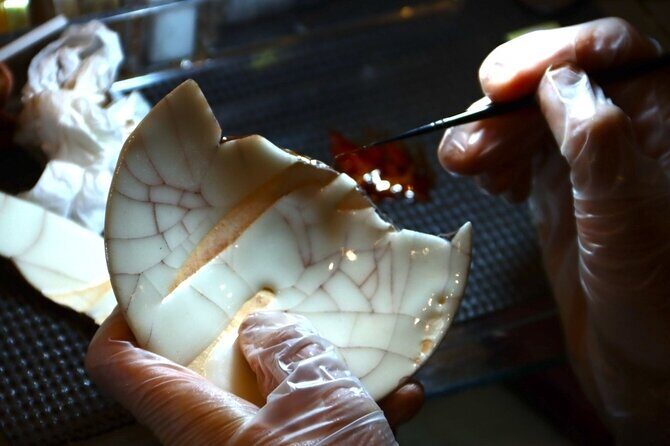
Kintsugi is famous worldwide, but the practice is the point. This workshop is built around the real Japanese restoration mindset: damage isn’t hidden. It’s acknowledged, repaired, and made meaningful.
What makes this class especially practical for a first-time Tokyo visit is that it gives you a break from the usual sprint of temples, trains, and photo stops. Instead, you slow down and concentrate on one small, exact task. That matters more than it sounds. When you spend two focused hours with carefully selected materials and a master’s guidance, you come away with something you can keep—and a different way of looking at breakage, time, and patience.
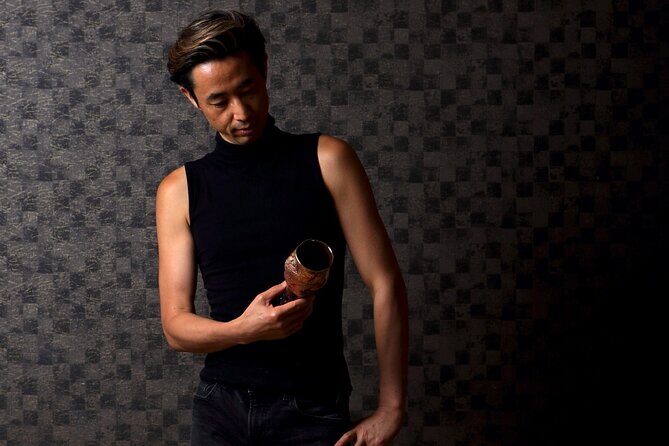
The workshop also stays grounded in craft, not performance. Master Taku (Taku Nakano), a ceramist running a studio in fashion-forward Omotesando, teaches the process and the philosophy behind it. Even the way the lesson is framed makes sense: you’re not just applying gold. You’re shaping an idea of “more beautiful and more robust than before it broke,” then making it visible in lacquer and gold.
More things to make with your own hands
- Sushi Making Tokyo Roll and Authentic Japanese Sushi Class★ 5.0 · 3,971 reviews
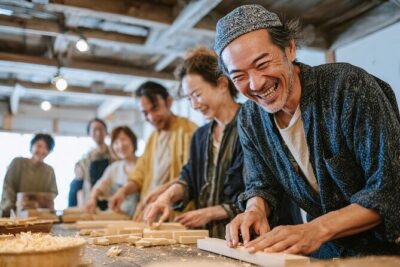
- Tokyo Shinjuku Chopsticks Making Class★ 5.0 · 1,763 reviews
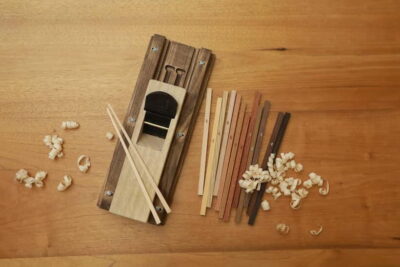
- Chopstick Making Workshop in Ginza★ 4.8 · 1,366 reviews
Master Taku (Taku Nakano) and the Studio Atmosphere in Omotesando
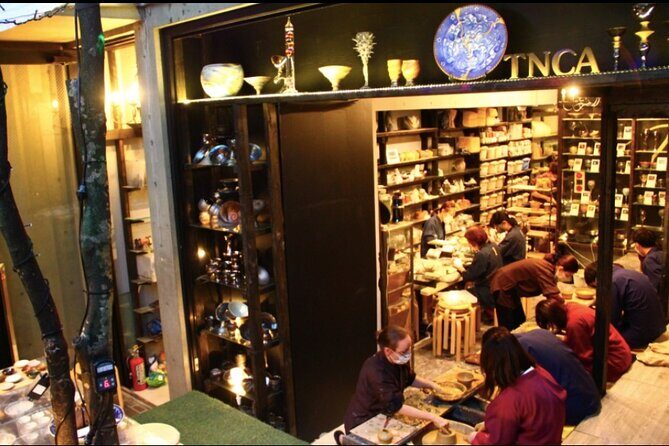
You’ll meet at the TNCA Minami-Aoyama Studio in Minato City, near public transportation, in a neighborhood known for fashion energy. It’s a clever pairing: modern Tokyo right next to a traditional, highly specific art form.
Master Taku Nakano’s studio philosophy is simple and inspiring. He builds ceramics and repairs with the motto that the object should become stronger and more beautiful than it was before. In a class like this, that philosophy shows up in the details: the steps are taught clearly, and the instructor keeps the focus on doing the work correctly, not rushing to a finish.
One more helpful piece: the class is small—maximum 5 travelers. That changes the whole feel. You’re not shouting questions across a room. You get patient guidance, which is especially useful if you’re new to lacquer work and gold powder.
Picking Your Kintsugi Option: Shuurushi, Black & Gold, or Yobitugi
This workshop gives you three ways to start. The method is essentially the same, but the finished look shifts a lot depending on what you choose.
Option A: Shuurushi kannyuzome kintsugi (around 110 minutes)
This is the classic “pure gold, real lacquer” approach. You’ll use real natural lacquer and pure gold to repair a plate. If you want the most direct example of authentic kintsugi, this is the one.
Option B: Black & Gold Shikkokurai (around 90 minutes)
If you like a cooler, more graphic look, this is your pick. You repair a black plate using the same core method as Option A. It’s still kintsugi, but the contrast can look especially striking once it’s finished.





Option C: Yobitugi (around 90 minutes)
This is the “highest technique” option offered here. Instead of keeping it strictly to repair lines, you attach additional decorations and materials to the missing parts. If you like a bit more creative expression, this choice gives you room to shape a more personal design statement.
Timing varies by option, so choose based on how much time you want to spend on the process. If you’re feeling short on energy, Option B or C is the faster track. If you want maximum time for learning the core method with the fullest experience, Option A gives you that.
Real Urushi Lacquer and Pure Gold Powder: What Makes It Authentic
A lot of souvenir crafts look similar on the surface. This one is different because it leans on real traditional materials, not substitutes.
The workshop uses authentic kintsugi technique with real urushi lacquer and pure gold powder. You also work with a vessel that has been prepared using rustic lacquer with the idea of “Sabi-feeling,” meaning it’s meant to give that aged, lived-in sense of character that fits wabi-sabi.
Here’s why that matters for you: using the real stuff changes both the process and the outcome. The repair isn’t just a visual effect. It’s a craft that respects how lacquer works and how gold changes in appearance. You’ll also learn more than the “press here, paint there” version of kintsugi. You’ll understand what’s happening and why.
And if you’re curious about the origins of the craft, the instruction is set up to explain where the art comes from, not just how to copy it.
The 2-Hour Flow: From Briefing to a Take-Home Plate
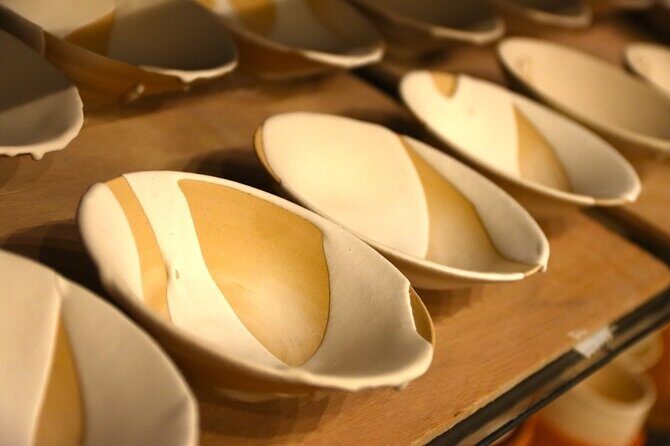
The session runs about two hours, depending on which option you choose. The day is structured like a hands-on workshop should be: guidance first, then steady work at a manageable pace.
Step 1: Arrive, get oriented, and choose your starting look
You’ll meet at the studio and get a clear setup. Because the group is small, the instructor can check what you’ve chosen and guide you without waiting for a big crowd.
The studio experience is calm and practical. Even when people arrive late, the tone stays welcoming and patient. One person even shared that a small cooling gesture was offered, which is a nice reminder: this is run like a thoughtful studio, not a rush-through classroom.
Step 2: Learn the core kintsugi steps
You’ll learn the process of authentic kintsugi using real urushi lacquer. The instructor shows how to handle the steps and keep your timing right. If you’re someone who likes structure, you’ll appreciate that it’s taught at a pace you can follow.
In the past sessions, assistants like Junko have helped with parts of the repair. That matters because it means you get extra attention when you need it, and it’s not just one person teaching while everyone else figures it out alone.
Step 3: Apply lacquer and build the gold repair line(s)
This is where the whole idea becomes physical. You work on the plate you’ll use for the lesson and then keep afterward. You’re literally turning a break into a visible design.
The goal isn’t “perfect.” It’s imperfect beauty—wabi—and that means your repair should look like repair. In kintsugi, that’s the point.
Step 4: Finish, package, and take home the souvenir you made
The workshop is designed so you can take your piece home on the day. That’s a big advantage over kintsugi experiences that require shipping or return visits.
What You Take Home: A One-of-a-Kind Souvenir (That Isn’t Mass-Made)
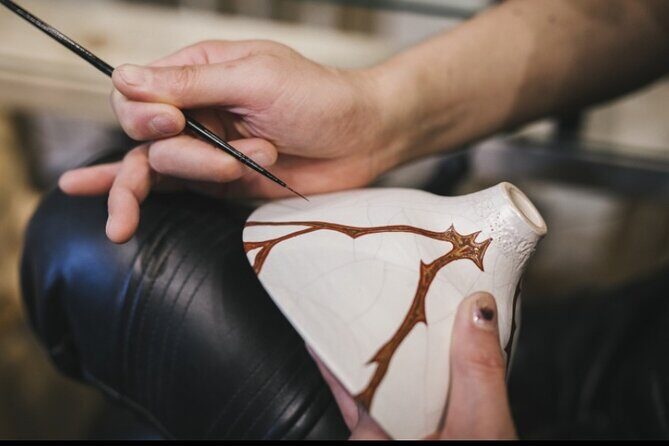
The plate you repair becomes your takeaway. That alone makes the workshop good value: you’re not paying for a small craft kit-like object. You’re paying for instruction, materials, and a real piece of ceramic work.
The workshop also includes all necessary equipment, plus a plate you use for the lesson and bring home after. Taxes and handling are included too. That’s the kind of all-in pricing that makes planning easier.
In plain terms: you’re walking out with something handmade by your own hands, using traditional materials and taught by a master. That’s much harder to replicate than a store-bought novelty.
Small Group Size, Patient Instruction, and Clear English Support
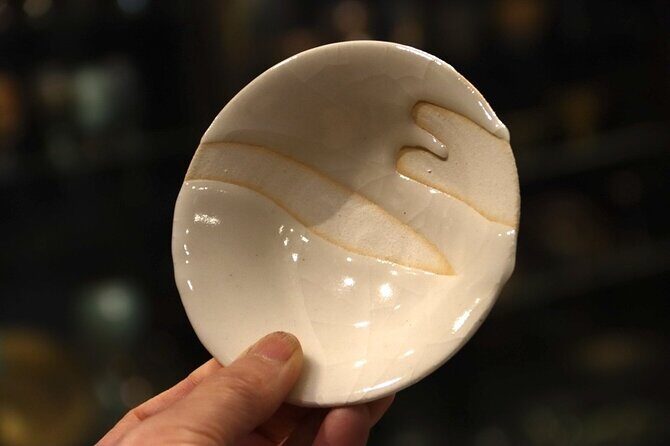
Maximum 5 travelers is more than a number. It affects everything: pacing, questions, and comfort.
Instruction tends to be clear and step-by-step, with patience if you’re new. Several people mentioned how well the instructor explains the process and how helpful support is throughout the session. In at least one case, the workshop included assistance by Junko while Master Taku taught, so you get that extra layer of hands-on help.
Language support is also a plus. At least one participant specifically noted that Master Taku speaks good English, which matters when you’re learning a craft term like urushi lacquer or dealing with a technique that’s easy to misunderstand if you’re only half listening.
Price and Value: What $142.60 Buys You (and Why It’s Fair)
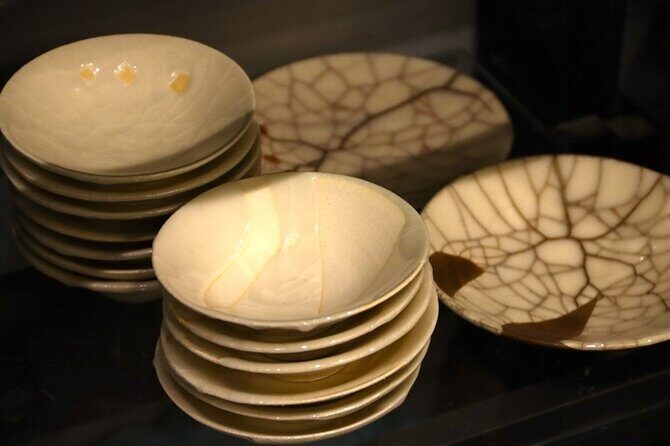
At $142.60 per person for roughly two hours, this isn’t a cheap afternoon. But it also isn’t a low-effort tourist craft.
Here’s what you’re actually paying for:
- A small-group workshop with master-level instruction (Master Taku Nakano)
- Real kintsugi materials: urushi lacquer and pure gold powder
- All equipment included
- The plate used for the class, which you also take home
- Taxes, fees, and handling included
When you factor in the take-home piece and the material quality, the value starts to make sense. The class is structured so you’re not just watching. You’re doing. And you leave with a meaningful object you can’t buy ready-made.
If you’re the kind of traveler who likes learning one skill with real cultural depth, this is the price bracket where you typically get that. If you’re mainly looking for a quick souvenir without caring about process, you might find it heavy for your schedule.
Logistics That Matter: Where to Meet and How to Plan Your Timing
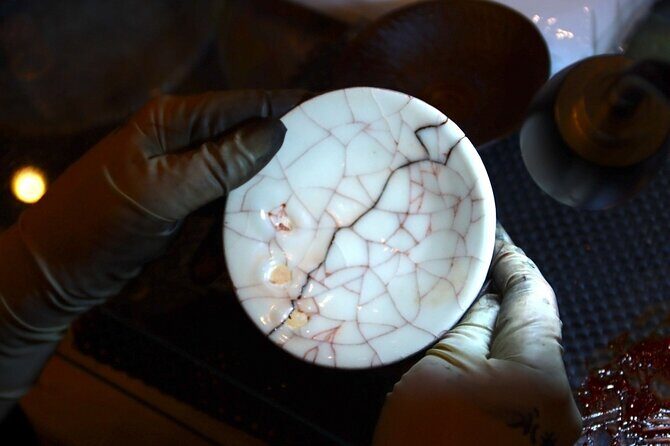
You meet at TNCA Minami-Aoyama Studio, 3-chōme-8-2 Minamiaoyama, Minato City, Tokyo 107-0062. The activity ends back at the meeting point.
It’s near public transportation, and you’ll use a mobile ticket. That keeps it simple once you’re in the area.
One practical tip: plan buffer time for finding the studio. At least one person noted it can be hard to locate. So don’t stack a tight train connection right before class.
Also note: there’s no hotel pickup and no food included. Eat beforehand, and if you’re doing Tokyo “right” with a packed day, keep the workshop away from your most important deadline or reservation.
Who Should Book This Workshop (and Who Might Not)
This is a great fit if you:
- Want a break from sightseeing and something calm and focused
- Like hands-on crafts with real cultural roots
- Want a take-home souvenir that looks personal, not generic
- Appreciate wabi-sabi and don’t mind the beauty of imperfection
- Prefer small groups and clear instruction
You might skip or reconsider if you:
- Want a fast, low-focus activity with zero patience required
- Don’t like craft work that asks you to be precise
- Need food included and don’t want to plan around it
FAQ
How long is the kintsugi workshop?
The workshop is approximately 2 hours, with option durations listed as about 110 minutes for Option A and about 90 minutes for Options B and C.
Where do I meet for the workshop?
You meet at TNCA Minami-Aoyama Studio, 3-chōme-8-2 Minamiaoyama, Minato City, Tokyo 107-0062, Japan.
What’s the maximum group size?
The workshop has a maximum of 5 travelers.
What’s included in the price?
All taxes, fees, and handling charges are included, along with all necessary equipment, the lesson plate (which you take home), and the lesson fee.
What is not included?
Hotel pickup and drop-off and food and drinks are not included.
Do I get to take the repaired plate home the same day?
Yes. You can take the kintsugi piece home on the day.
Can I choose different styles for my plate?
Yes. You can choose among three options: Shuurushi kannyuzome kintsugi (Option A), Black & Gold Shikkokurai (Option B), or Yobitugi (Option C).
Is the instructor English-friendly?
The class is described as taught with clear instruction, and at least one participant specifically noted that Master Taku speaks good English.
Is it refundable if I cancel?
No. The experience is non-refundable and cannot be changed for any reason.
What if the minimum number of travelers isn’t met?
If the experience is canceled because the minimum isn’t met, you’ll be offered a different date or a full refund.
Should You Book Authentic Pure Gold Kintsugi With Master Taku?
If you want one Tokyo experience that’s calm, hands-on, and genuinely different from typical sightseeing, I think this is a strong yes. The big reasons are the small group size, the focus on authentic technique with real urushi lacquer and pure gold powder, and the fact that you leave with the repaired plate you worked on.
Book it if you’re curious about wabi-sabi and you like making things with your hands. Just plan ahead to eat beforehand, build in a little extra time to find the studio, and choose the option (A, B, or C) that matches how creative versus classic you want your finished piece to be.
Make Something to Take Home



More Tour Reviews in Tokyo



Fresh reviews from around Tokyo






Workshops, compared.
 ★ 5.0Sushi Making Tokyo Roll and Authentic Japanese Sushi ClassFrom $593,971 reviews
 ★ 5.0Tokyo Shinjuku Chopsticks Making ClassFrom $201,763 reviews
 ★ 4.8Chopstick Making Workshop in GinzaFrom $251,366 reviews
 ★ 5.0Tokyo Sushi Making Class in Tsukiji with Professional ChefFrom $491,177 reviews
 ★ 5.0Ramen & Gyoza Cooking Class in Tokyo with Local Supermarket VisitFrom $122823 reviews
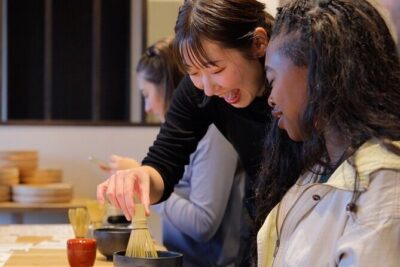 ★ 5.0Matcha Making Class in Tokyo with Authentic Japanese Sweets SetFrom $21744 reviews
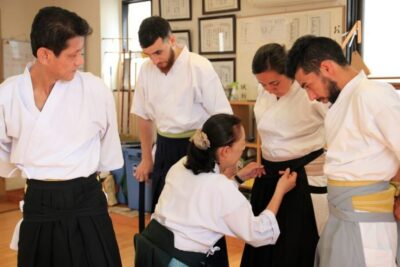 ★ 5.0Samurai Sword & Archery Class from Samurai DescendantFrom $193603 reviews
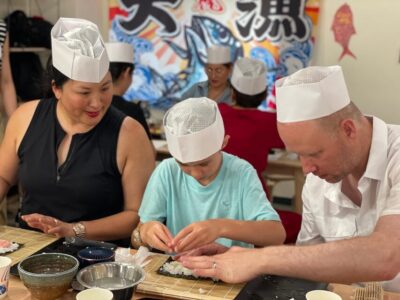 ★ 4.9Tsukiji Fish Market Sushi Making Class with Pro ChefFrom $63506 reviews
Browse the lists this tour appears in