
Reviewed · YOKOHAMA TOURS
Yokohama Half Day Tour with a Local Expert Guide
Yokohama rewards curiosity.
This half-day tour is built around seeing the city your way, with a local expert who can steer you from the big postcard stops to the quieter streets in between. I like how the tour is flexible enough to fit your interests, and how guides such as Jibril, Francesco, Mika, and John have a track record of keeping things organized while still feeling human. You’ll spend time in places like Yamashita Park and Chinatown, where the details are half the point.
Two things I really like: first, the local guide factor. From pacing to explanations, the best guides here (like Francesco tailoring to what you care about) help you read Yokohama instead of just passing through it. Second, the itinerary mix. You’re not only hitting the famous names like the Red Brick Warehouse and Sakuragicho, you’re also getting time for side streets and neighborhood texture, plus possible food stops such as ramen, sushi, or izakaya snacks depending on your guide’s plan.
One thing to consider before you book: this is not a private car tour, and transportation and food/drinks aren’t included. That means you’ll likely walk more than you expect, and any taxis, meals, or entry fees are on your own tab.
In This Review
- Key highlights that make this tour work
- Entering Yokohama with the right kind of guide
- The meeting plan: pickups on foot, then walking your way
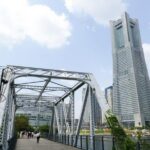
- Yamashita Park: the coastal calm that sets the mood
- Sakuragicho and the Kanagawa photo-stop time for orientation
- Red Brick Warehouse: the “why it matters” stop
- Chinatown with all your senses (and time to eat)
- On and off the beaten track: what “local knowledge” really means
- The value math: is $87 worth it for four hours?
- Timing, walking, and getting comfortable with the pace
- Who should book this Yokohama half-day?
- Should you book this Yokohama tour?
- FAQ
- How long is the Yokohama half-day tour?
- Is the tour guide available in English?
- Where can the tour pick me up?
- Is transportation included during the tour?
- What does the hotel pickup mean?
- Are meals included?
- Are entry fees included?
- Will we be walking the whole time?
- Is the tour wheelchair accessible?
- What if plans change?
- Where does the tour end?
Key highlights that make this tour work
- Local-led, bespoke route: your guide adjusts for your interests and your pace.
- Yamashita Park sensory stroll: a calm coastal reset before the city energy.
- Chinatown through your senses: sights, sounds, smells, and food cues along the way.
- Red Brick Warehouse time: a historic-feeling setting for photos and context.
- Sakuragicho orientation + side streets: you get your bearings fast.
- No private car: you rely on walking plus public transport or taxis to stay efficient.
Entering Yokohama with the right kind of guide
A good Yokohama day comes down to one thing: someone who knows how neighborhoods connect, not just where the landmarks are. This tour is led by seasoned local guides, and the emphasis is on showing you what day-to-day life feels like, not just collecting checkmarks. Guides such as Jibril are described as organized and fun, with prep that starts by asking what matters to you.
The format also matters. You’re doing a 4-hour outing, so the guide has to make decisions quickly: where to spend time, where to cut through, and how to keep the day coherent. In practice, that means you’ll get better than a random sightseeing loop. And if it’s rainy, you’re not stuck; Mika, for example, handled a rainy day while still keeping the route enjoyable and educational.
The meeting plan: pickups on foot, then walking your way
You have pickup options in Tokyo or Yokohama, and the tour includes a pickup on foot. That sounds simple, but it changes the whole feel of the day. This isn’t a chauffeured ride from stop to stop. You’ll start from where you choose, walk to connect into the route, and then the guide can combine public transportation or taxis to match your needs.
This is good for value because you’re not paying for a private vehicle. It also keeps you closer to how people actually move around the area. The tradeoff is energy: you should be comfortable with a half-day walking plan and some transit time.
Also pay attention to drop-off. The tour offers drop-off locations in Yokohama or Tokyo, so you can end the day where it’s easiest for your next move, especially if you’re hopping between cities or staying near a station.
Yamashita Park: the coastal calm that sets the mood
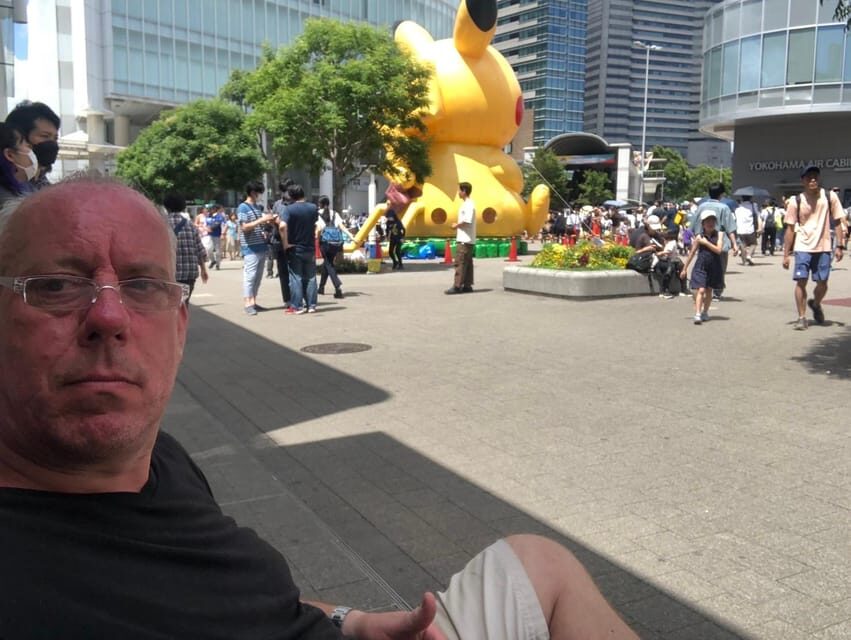
Yamashita Park is the kind of place that works as a reset. You’re not just seeing a park; you’re getting a break from the grind of trains and street corners, while still staying close to Yokohama’s waterfront energy. The tour’s highlight is specifically “wander through the beautiful Yamashita Park,” which tells you the intent is for an actual walk—slow enough for atmosphere, not just a quick photo stop.
Why I think this stop is valuable: Yokohama has layers—port history, new development, and old neighborhood rhythms. Starting with a green space keeps you from getting information overload too fast. You also get to arrive in Chinatown without feeling frazzled, because the park helps you pace your body and attention.
What to watch for: if you’re going on a day with wind or light rain, dress for it. A park walk can feel cooler than you expect, and you’ll likely want comfortable shoes you can wear all day.
Sakuragicho and the Kanagawa photo-stop time for orientation
You’ll see Sakuragicho mentioned as one of the well-known Yokohama targets, and there’s also a Kanagawa Prefecture photo-stop component in the schedule. Even without a giant “museum block,” this kind of time is useful. It helps you build a mental map of how the city sits and where the main threads run.
I like this structure for first-timers because it reduces that stuck feeling of not knowing what’s near what. With a local guide leading, you get a sequence that makes sense: you’re not just walking randomly; you’re walking with context. The photo-stop time also gives you a chance to ask questions in a low-pressure moment—like what areas to revisit later or how locals think about the city.
One practical note: if you’re arriving by cruise ship, logistics can be the difference between an efficient day and a squeezed schedule. One review specifically called out Daikoku Pier pickup as a problem for tour timing and suggested using Sakuragicho as a better option. If you’re in that situation, ask the provider ahead of time about the pickup point and how it will affect the usable sightseeing window.
Red Brick Warehouse: the “why it matters” stop
The Red Brick Warehouse is a classic for a reason: it’s one of those Yokohama scenes where you can feel the city’s port-and-trade identity while still enjoying modern street life around it. This tour includes time to take in the historic Red Brick Warehouse, and that inclusion is smart because it anchors the day in something that feels grounded.
What I’d look for here: don’t treat it only as a place to snap pictures. Use the guide’s explanations to connect it to Yokohama’s role as a port city and a gateway. Even if you’re not a history person, having that context makes the next stops more meaningful.
Possible drawback: if you’re expecting a long, slow museum-style visit, you might find the timing more “walk-and-look.” This is a half-day tour, so the best use of the stop is efficient viewing—photos, quick orientation, and then moving on to the neighborhood energy.
Chinatown with all your senses (and time to eat)
Chinatown is the moment where Yokohama becomes loud, fragrant, and colorful. The tour’s highlight explicitly calls out experiencing the sights, sounds smells, and tastes of Chinatown, and that’s exactly what I’d hope for in a guided version: you get a route that helps you notice details you might miss alone.
In practice, some guides build in food time. One guide plan included tasting ramen and sushi, and another mentioned a chance to visit an izakaya for snacks. That’s not guaranteed in every schedule—because meals are not included—but it’s a strong sign that your guide can help you pick what to try and how to navigate the menu chaos without wasting time.
How to get the most out of it:
- Decide early if you want a sit-down snack or quick bites.
- Keep some cash or a card ready for small purchases.
- Go with curiosity, not a strict shopping list. Chinatown rewards wandering.
If you don’t eat much, you can still enjoy the tour by focusing on street-level details: signage, vendor rhythm, and how the crowd flows. But if you do want food, factor in your budget because food and drinks are not included.
On and off the beaten track: what “local knowledge” really means
The tour marketing says “on and off the beaten track” and “discover the secrets of Yokohama,” and the reviews back up a key reality: the value isn’t only the named stops. It’s the guide’s ability to connect you to the parts of the city that feel lived-in.
You’ll likely see this in how the guide sets your route. Instead of a straight line between attractions, you’ll get side streets and pauses where you can understand what you’re looking at. This is where guide personality matters, too. Reviews mention patience and friendliness (for example, Michael and John), and that matters when you’re walking through busy areas where people sometimes rush.
So if you want the “local knowledge” part, don’t just ask where to go. Ask why that street, why that view, and what locals pay attention to here. That’s the difference between a photo tour and a real experience.
The value math: is $87 worth it for four hours?
At $87 per person for a 4-hour guided experience, you’re paying for four things:
1) a live English-speaking guide,
2) a route designed to be efficient and interesting,
3) local context so stops mean more, and
4) flexibility to match your interests.
What you’re not paying for is also clear: transportation, food and drinks, and entry fees are not included. The tour also does not use a private car. That doesn’t make it bad value—it just means you should budget like a local day out, not like a hotel day package.
Here’s a simple way to think about it: you’re buying time and guidance. If you were trying to DIY this, you’d spend time figuring out routes, choosing what’s actually worth seeing, and deciphering what to pay attention to in each neighborhood. Paying the guide can be worth it even if you only end up using their suggestions for a couple of the stops.
Timing, walking, and getting comfortable with the pace
This is a half-day walk, and the provider notes you can walk at your pace. That’s helpful, because four hours can feel short if you’re moving fast, and long if you get tired early. The good news: the guide can adapt by combining public transportation or taxis when needed.
Still, you should plan your day with a little realism:
- Wear comfortable shoes.
- Bring water and something light to avoid the late-afternoon slump.
- If you’re sensitive to walking, mention it early so the guide can adjust the plan.
One more timing consideration: reviews include an issue where cruise ship pickup timing was not handled smoothly. Even if your case is different, it’s worth planning your arrival point so you’re not losing time at the start.
Who should book this Yokohama half-day?
This tour is a great match if you want:
- a first taste of Yokohama that includes the main landmarks plus side streets,
- an English-speaking guide who can explain what you’re seeing,
- a flexible route that responds to your interests,
- and a morning or afternoon plan that doesn’t require a full day.
It’s also a solid fit for couples and small groups who want a guided plan without paying for a private driver. If you’re traveling solo, you get the added benefit of someone handling the decisions—routes, sequences, and what’s worth your limited time.
If you hate walking, or if you want guaranteed meal stops included in the price, you might find the “not included” side of the tour a mismatch. The tour can include food suggestions, but you’ll be the one paying for it.
Should you book this Yokohama tour?
Yes, I’d consider booking it if you like the idea of a guided, flexible walk through Yamashita Park, the Red Brick Warehouse, and Chinatown—with a local guide handling the connections between them. The guide quality seems to be the main strength here, with people describing guides like Jibril (organized and fun), Francesco (tailoring to interests), Mika (handling rainy weather well), and John (punctual and friendly).
Skip it, or at least ask extra questions, if your day depends on complex pickup timing (especially cruise logistics) or if you need a vehicle-based tour. Because transportation is not included and it’s not a private car setup, your comfort depends on how your guide can keep the schedule smooth.
FAQ
How long is the Yokohama half-day tour?
The duration is 4 hours. Starting times depend on availability.
Is the tour guide available in English?
Yes. The live tour guide speaks English.
Where can the tour pick me up?
You can choose a pickup location in Tokyo or Yokohama.
Is transportation included during the tour?
No. Transportation is not included. The guide can combine public transportation or taxis to meet your needs.
What does the hotel pickup mean?
Hotel pick up is included on foot. It is not a private car tour.
Are meals included?
No. Food and drinks are not included. Your guide can help you plan, but you will pay for what you eat.
Are entry fees included?
No. Entry fees are not included.
Will we be walking the whole time?
You’ll walk at a pace that works for you. The tour includes walking and may use public transportation or taxis when needed.
Is the tour wheelchair accessible?
Yes. The tour is listed as wheelchair accessible.
What if plans change?
You can cancel up to 24 hours in advance for a full refund. The tour also offers a reserve now and pay later option.
Where does the tour end?
Drop-off options are available in Yokohama or Tokyo.
More Tours in Yokohama
More Tour Reviews in Yokohama
Next Door in Yokohama
Yokohama Tours, compared.
 ★ 4.9EVO, WRX, Skyline – JDM Night Run to Daikoku Car MeetFrom $125478 reviews
Best Price Daikoku Parking Area JDM Car MeetFrom $76192 reviews
★ 4.9EVO, WRX, Skyline – JDM Night Run to Daikoku Car MeetFrom $125478 reviews
Best Price Daikoku Parking Area JDM Car MeetFrom $76192 reviews
 ★ 4.9Daikoku & Tokyo Private JDM Tour by 700HP R34 GT-RFrom $586101 reviews
 ★ 5.0Tokyo 8hr Private Tour with Licensed Guide from YokohamaFrom $20194 reviews
 ★ 5.0【Tokyo】JDM Daikoku Parking Area & Nissan Facility TourFrom $5587 reviews
 ★ 4.5Narita Airport: One Way Private Transfer to Tokyo|Yokohama HotelsFrom $7769 reviews
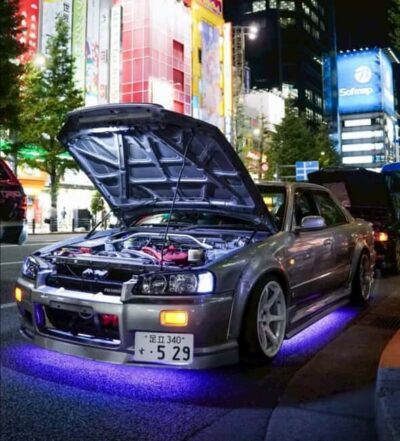 ★ 5.0R34Skyline Daikoku PA Fast & Furious Private ExperienceFrom $10963 reviews
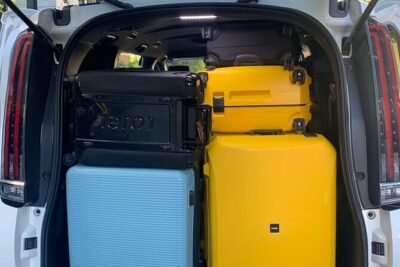 ★ 5.0Shuttle Van Transfer, Yokohama(Port)⇒Tokyo, Narita, Haneda, TDRFrom $12263 reviews
Browse the lists this tour appears in