
Reviewed · KAMAKURA DAY TRIPS
Kamakura 6hr Private Walking Tour with Government-Licensed Guide
Kamakura feels big, even when you only have one day. This private walking route packs in classic shrine energy, famous Buddhist sights, and Zen atmosphere just south of Tokyo. You’re not stuck in a fixed script: after booking, your guide works with you to tailor your day around 3–4 chosen stops and the public-transport rhythm of the area.
Two things I love about this experience are the government-licensed English guide and the way the tour keeps you moving efficiently. Guides you may see named in past groups, like Shinji and Masa, are praised for making train and bus transfers feel manageable, so you spend less time guessing and more time looking up at statues and gardens. The second big plus is pacing: in practice, you can set the pace and adjust time at key places without the day unraveling.
One drawback to keep in mind: it’s still a walking/public transport day. Entrance fees and lunch aren’t included, and with only 6 hours (including transit), you’ll want to choose your priorities carefully so you don’t feel rushed between stops.
Key highlights worth knowing
- Private, government-licensed guide who can explain what you’re seeing as you walk, not after the fact
- Choose 3–4 sites from major Kamakura shrines and temples, with options to extend later
- Ocean-and-garden planning, from Hasedera’s viewpoints to coastal Enoshima (short ride west)
- Zen temple circuit without the stress, because your guide handles public transport details
- Local flavor time for sights and shopping along the way, including Komachi Street snacks like Hatosabure
- Mobile ticket and pickup offered, but you still start by meeting on foot in the Kamakura/Yokohama area
In This Review
- Kamakura in Six Hours: Temples, Sea Views, and Samurai Roots
- Meeting Up and Getting Around: Walking plus Trains and Buses
- Choosing Your 3–4 Stops: How to Pick What You’ll Love
- Tsurugaoka Hachimangu: Where Kamakura’s Warrior Story Begins
- Kotoku-in Great Buddha: Why 11.4 Meters Feels Bigger in Person
- Hasedera Temple: Ocean Views and a Wish Written on Oyster Shell
- Hokoku-ji Bamboo Grove: A Short Walk into Quiet Shade
- Enoshima Island: Coast Air Without Losing Your Whole Day
- Zen Temple Circuit: Engaku-ji and Kencho-ji to Jomyo-ji and Zuisen-ji
- Coin Washing at Zeniarai Benten and Hydrangeas at Meigetsuin
- Nichiren Temples and Smaller Hillside Stops: Ankokuronji to Jochiji
- Eisho-ji: The Only Surviving Nunnery in Kamakura
- Food, Shopping, and Where Komachi Street Fits
- Price and Value: What $155.22 Buys You in Kamakura
- What to Pack and How to Pace Yourself
- Who This Private Kamakura Walk Is Best For
- Should You Book This Kamakura Walking Tour?
- FAQ
- How long is the Kamakura private walking tour?
- What sights can I choose?
- Are admission tickets included?
- Is lunch included?
- Do I need to use public transport on my own?
- Is this tour private?
- Can I cancel for a full refund?
Kamakura in Six Hours: Temples, Sea Views, and Samurai Roots
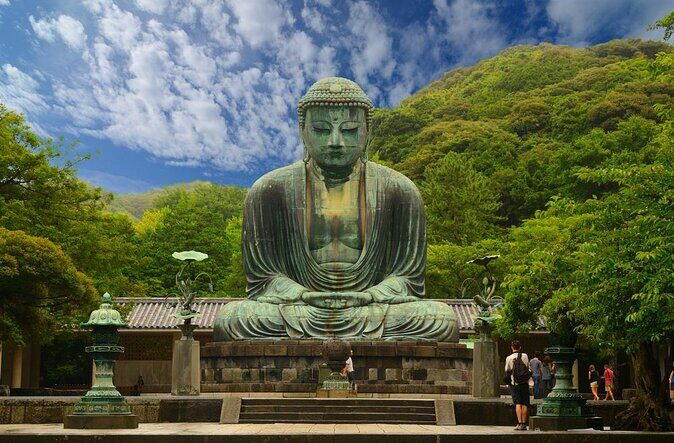
Kamakura is one of those places where history doesn’t live in a museum. It’s right there on paths, in temple halls, and in the way visitors move from shrine to shrine. With this tour, you get a focused day that’s built for real sightseeing instead of long stretches of “figure it out yourself.”
The heart of the experience is the private guide. That matters in Kamakura because many of the key spots sit a bit apart from each other, and timing can make the difference between a calm visit and a scramble. Your guide helps you connect the dots with public trains and buses, so you spend your energy on temples and views, not route maps.
The other reason this works so well is the “3–4 sights” structure. You can’t see everything in six hours. But you can see the parts you actually care about—then you’ll still have enough time to look closely, take photos, and pause when the setting demands it.
Meeting Up and Getting Around: Walking plus Trains and Buses
You’ll meet your guide on foot within a designated Kamakura/Yokohama area. Pickup may be offered, but it’s not a private-vehicle tour. Once you’re walking, you’re also riding trains and buses together as part of the plan.
This is a big deal if you’re arriving from Yokohama. The rail system in the Tokyo area can feel like a maze, especially if you’re tired, jet-lagged, or not used to transfers. Having a guide who can help you follow the right lines and exit the right way saves time and reduces stress—exactly the kind of thing guides like Shinji and Taka are known for in examples of past tours.
Two practical notes for your day:
- Transportation time is included in the 6 hours, but the transportation fees are not included.
- Entrance fees and lunch aren’t included, so build a little cash/card buffer into your budget.
Choosing Your 3–4 Stops: How to Pick What You’ll Love
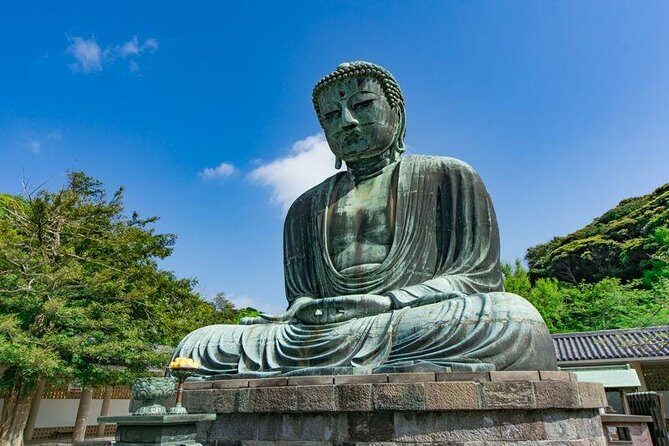
The tour is customizable, which sounds obvious until you’re staring at the clock. With only 6 hours, choose stops that match how you want your day to feel.
Here are three easy “themes” you can use:
- Shrine + Great Buddha + Garden/Coast (classic overview with sea energy)
- Zen temples day (focused, contemplative, and great for photography)
- Seasonal mood (hydrangeas at the right time, plus the coin-washing shrine)
Your guide can also help you adjust based on where you start and what kind of walking you’re comfortable with. Most schedules are built around keeping the day coherent: you get enough transit structure to move between areas, but you still spend most of your time at the sites themselves.
Tsurugaoka Hachimangu: Where Kamakura’s Warrior Story Begins
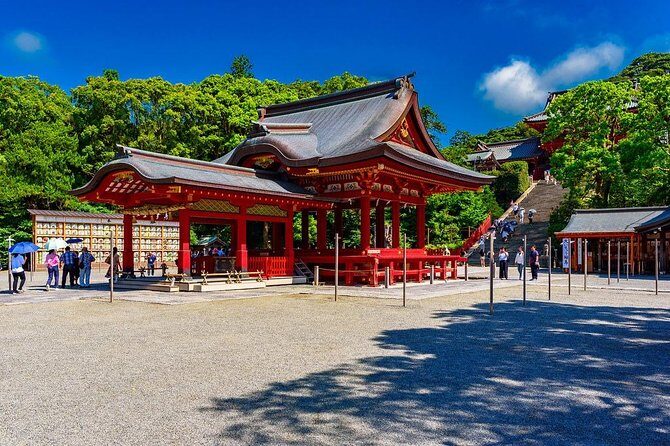
Most Kamakura days start at Tsurugaoka Hachimangu Shrine. It’s dedicated to Hachiman, the patron god of the Minamoto family and of samurai in general. If you want the “why Kamakura mattered” context, this shrine gives you that frame fast.
Even if you’re not obsessed with historical detail, it sets the tone. The approach area and shrine rhythms are a good warm-up before you move into Buddha statues, temple courtyards, and garden paths. It’s also a useful anchor stop because the area around it connects well with other parts of Kamakura.
Timing tip: this stop is listed at about 15 minutes. That’s enough for a meaningful visit if you’re pairing it with other key sights, but not enough if you want to do a deep, slow exploration of every corner.
Kotoku-in Great Buddha: Why 11.4 Meters Feels Bigger in Person
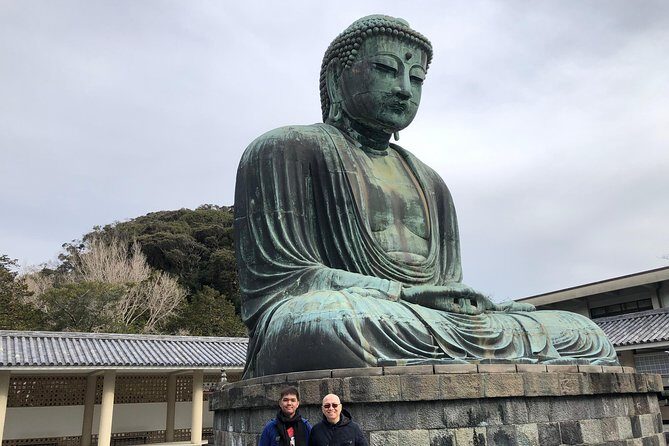
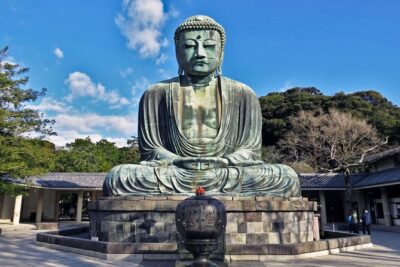
Next up is one of Japan’s famous outdoor statues: the Great Buddha at Kotoku-in Temple. This is a bronze Amida Buddha standing about 11.4 meters tall, and it’s one of Kamakura’s big “you came here” moments.
What I like about including the Great Buddha in your mix is its visual clarity. Even with limited time, you can get a strong sense of scale and atmosphere. It’s the kind of sight where your guide’s explanation helps you look past just the photo. You start noticing placement, sightlines, and how the temple grounds shape the experience.
One consideration: the admission isn’t included. So if you’re budget-sensitive, factor that in when you choose your sites. (Your guide can still help you plan so you don’t overspend on too many paid entries.)
Hasedera Temple: Ocean Views and a Wish Written on Oyster Shell
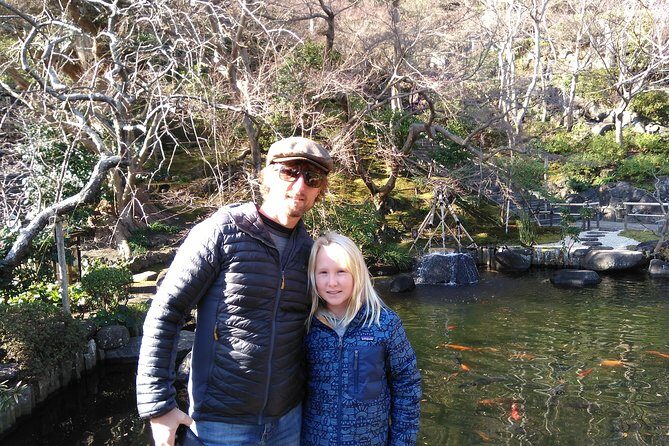
Hasedera Temple is a favorite because it mixes religion, sculpture, and actual views. It’s known for its eleven-headed statue of Kannon. The gilded wooden statue is about 9.18 meters tall, and the temple is famous for its elevated viewpoints—so you can see the ocean from the higher parts of the grounds.
There’s also a local tradition here: you can write your wish on an oyster shell. It’s the kind of ritual that feels personal without being complicated. And since Hasedera is about 30 minutes on this tour plan, you’ll have enough time to take the view in, then cool down a bit inside before you move on.
Also note what you might miss if you rush: the best moments tend to happen when you stop walking and just look. So if you love viewpoints, consider giving Hasedera one of your main slots and not pairing it with too many other “quick glance” stops.
Hokoku-ji Bamboo Grove: A Short Walk into Quiet Shade
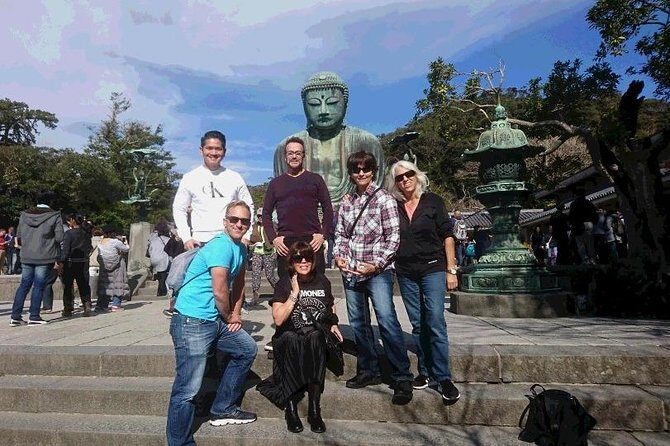
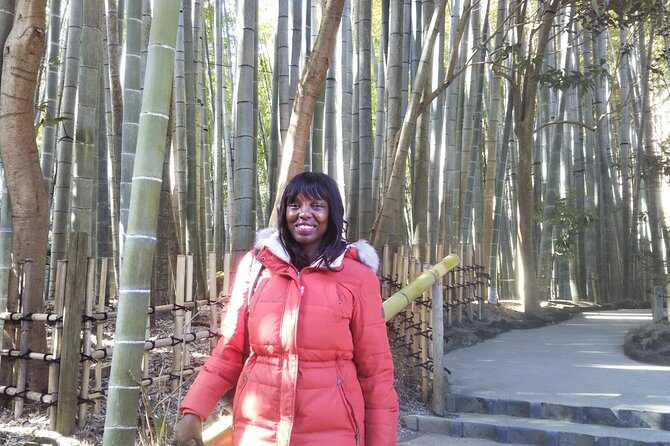
If you want a change of mood, add Hokoku-ji Temple. It’s best known for the bamboo grove behind the main hall, with over 2,000 dark green bamboo stalks. Even in busy Kamakura, this is one of the places where you can feel the day slow down.
The visit time is listed at about 15 minutes, which is perfect for a quick “wow” experience. You don’t need hours to appreciate bamboo texture, shadow, and the narrow paths that guide your eyes.
One practical caution: it’s outdoors and can feel slippery or damp after rain. Good shoes are a must if you’re visiting on a cloudy or recently wet day.
Enoshima Island: Coast Air Without Losing Your Whole Day
Enoshima Island is a short ride west of Kamakura. It’s connected by a bridge, and it’s known for a mix of shrine sites and coastal attractions.
On this tour, Enoshima is listed at about 15 minutes, and that’s a real heads-up. It’s likely a “snapshot” stop, not a full island exploration. If your heart is set on beach time or longer walks around Enoshima’s more spread-out points, you’ll probably want to choose it as your primary “coast” stop and keep your other picks closer together.
The upside is simple: even a short Enoshima visit can refresh the energy of your day. You switch from temple incense to sea air, then you’re ready for the next set of shrine and Zen spaces.
Zen Temple Circuit: Engaku-ji and Kencho-ji to Jomyo-ji and Zuisen-ji
Kamakura’s Zen temples are a big reason people keep coming back. This tour gives you options from the “five great Zen temples” set, plus related branch temples, so you can shape your day around calm gardens, quiet halls, and shaded paths.
Here’s how the major Zen choices fit:
- Engaku-ji: listed as one of the leading Zen temples in Eastern Japan and the number two of Kamakura’s five great Zen temples; visit time about 30 minutes.
- Kencho-ji: the number one of the five great Zen temples; visit time about 30 minutes. It’s described as the oldest Zen temple in Kamakura, founded in 1253.
- Jomyo-ji: a Zen temple in the hills of eastern Kamakura, ranked fifth among the five great Zen temples; visit time about 15 minutes.
- Zuisen-ji: in a wooded valley setting; visit time about 30 minutes, and it’s a branch temple of Engaku-ji.
This is where having a guide helps the most. Zen sites can feel similar if you’re only reading signage. With a live guide, the differences become clear—founding context, temple role, and the reasons certain paths or gardens matter.
Also, keep walking comfort in mind. Zen temple areas often sit on slopes or in garden layouts. The tour works best if you choose fewer big Zen stops rather than trying to cram many.
Coin Washing at Zeniarai Benten and Hydrangeas at Meigetsuin
Two practical “mood” stops are Zeniarai Benten Shrine and Meigetsuin.
Zeniarai Benten Shrine is known for the tradition of washing money at its spring. The meaning of zeniarai is coin washing. It’s a free admission stop and listed at about 30 minutes. Even if you don’t fully buy into the luck ritual, it’s a fun break from solemn temple halls and a good photo moment.
Meigetsuin is often called Hydrangea Temple. It’s part of the Rinzai Zen tradition and is described as famous for hydrangea blooms on the grounds. The visit time is about 30 minutes, but the seasonal factor is real: if you’re traveling during hydrangea time, this stop can feel dramatically more special.
Because these are about experience and atmosphere, not big architecture alone, they can be excellent add-ons when you want your day to feel like more than just a checklist.
Nichiren Temples and Smaller Hillside Stops: Ankokuronji to Jochiji
If you like variety, this tour includes Nichiren sect options along Kamakura’s hills. For example:
- Ankokuronji Temple (about 30 minutes)
- Myohonji Temple (about 15 minutes)
- plus additional hillside branch temples like Jochiji Temple, Tokeiji Temple, and Jufukuji Temple in the tour’s options list
These stops tend to be shorter on this plan, which can be perfect. You get a sense of Kamakura’s spiritual variety without turning the day into a long hike marathon. Your guide can also steer you toward the stops that fit your interests—Buddhist tradition, architecture style, garden layout, or simple viewpoint opportunities.
One caution: hillside temples can involve uneven ground. If you’re visiting with limited mobility, discuss your pace and walking comfort with the guide early so the route stays realistic.
Eisho-ji: The Only Surviving Nunnery in Kamakura
A standout in the smaller, more specific options is Eishoji Temple. It’s described as the only surviving nunnery in Kamakura and is located near Tsurugaoka Hachimangu. It was founded in the early Edo period by a woman connected to the Tokugawa family.
This kind of stop adds depth to your day because it’s not just the “big three” sights. A nunnery site gives you a different lens on how Buddhist practice has lived in Kamakura beyond the most famous landmarks. The tour lists it at about 15 minutes, so it’s a good “bonus” slot if you want variety without sacrificing time at the headline temples.
Food, Shopping, and Where Komachi Street Fits
Kamakura isn’t only temples. The tour overview also calls out time to stop by the old Komachi shopping street and try Hatosabure, the dove-shaped biscuits.
Because your day is limited to 3–4 sights, think of shopping as flexible. It’s most likely to happen in the gaps between major areas, or when your guide builds in time for a quick wander. The best strategy is to tell your guide what you want to eat and buy before you go, so the route reflects your priorities.
Lunch isn’t included, so you’ll want a plan. Aim for something quick and local that won’t trap you in a long wait. Your guide can suggest options based on where you are and what kind of break you want.
Price and Value: What $155.22 Buys You in Kamakura
At $155.22 per person for about 6 hours, this is not a budget tour. But you are paying for a government-licensed guide, private pacing, and the ability to tailor your day to your interests.
What makes it value-worthy is that the cost is tied to time-saving and interpretation. Kamakura is full of sites that look similar to the untrained eye, and being there with a guide helps you understand what you’re actually seeing. You also gain transport structure: the guide helps you connect trains and buses so the day runs smoothly.
Also, the tour includes group discounts and offers customization. If you’re traveling with someone and can share a private route, the per-person value tends to feel better than solo navigation plus paid guides at random times.
The biggest cost “gotcha” is that entrance fees, lunch, and transportation fees aren’t included. The tour’s structure keeps the guide portion focused, but your total day cost will rise based on which temples you pick.
What to Pack and How to Pace Yourself
This is a walking tour. That sounds generic until you’re moving between slopes, temple grounds, and transit stations with real distance.
Bring:
- comfortable shoes with traction
- a small umbrella or rain layer if the weather is uncertain
- water, especially if you’re doing more than one longer temple stop
- cash or a card for entrance fees and transport
The tour plan lets you view 3–4 sights, but within those stops you’ll still be walking. Your guide should help you keep a workable pace, and in past examples guides such as Koba and Noripy are mentioned as being friendly and patient when people needed extra time.
If you want fewer steps and more sitting, tell your guide on day one. A good plan is one that matches your energy level, not one that wins a contest for how much you can see.
Who This Private Kamakura Walk Is Best For
This tour is a smart fit if you:
- want a private, government-licensed English guide instead of a generic group bus
- like temple and shrine visiting but also want context as you go
- feel uneasy navigating public transport around Yokohama and Kamakura
- prefer a focused day over trying to cram everything
It’s also a good choice for multi-generation trips, since guides are used to adjusting pacing. Just be honest with your walking comfort because the route is built around walking plus transit, not private car hopping.
If you’re the type who wants to linger for hours in one garden or museum-like setting, you may want to add an extension. The tour explicitly allows extensions if you contact them directly, which is the right solution for a slower, deeper Kamakura day.
Should You Book This Kamakura Walking Tour?
Book it if your goal is a smooth, well-explained Kamakura day with 3–4 high-impact stops and a guide who can handle the transport side. The price makes sense when you value your time, want fewer navigation headaches, and prefer to understand what you’re seeing instead of just passing through.
Skip or reconsider if you:
- hate walking and don’t want a walking/public transport plan
- want many more than four “major sights” in six hours
- need entrance fees and lunch fully included in the price
My best practical advice: choose your stops first based on your interests—Zen calm, Buddha scale, seaside air, or seasonal flowers—then let your guide shape the route. That’s when this tour feels like the right kind of “private” rather than just a costly walking day.
FAQ
How long is the Kamakura private walking tour?
It’s about 6 hours, and the time for transportation is included in that window.
What sights can I choose?
You can customize the tour to visit 3 to 4 sights selected from the included set of Kamakura shrines and temples, with your guide tailoring the plan with you.
Are admission tickets included?
No. Admission fees are not included for the tour’s sights. Some places may have free admission, but in general, tickets are not covered.
Is lunch included?
No. Lunch is not included.
Do I need to use public transport on my own?
No. The tour is a walking/public transport experience with your licensed guide, who helps you navigate the route.
Is this tour private?
Yes. It’s private, and only your group participates.
Can I cancel for a full refund?
Yes. You can cancel for a full refund if you cancel at least 24 hours before the experience’s start time, and free cancellation is offered.
More Tour Reviews in Yokohama






Next Door in Yokohama
More Days by the Great Buddha
Kamakura Day Trips, compared.
 ★ 4.5Kamakura & Enoshima Day Trip including Temple TicketsFrom $581,375 reviews
 ★ 4.5From Tokyo: Kamakura & Enoshima 1-Day Bus TourFrom $66189 reviews
 ★ 5.0Kamakura Historical Walking Tour with the Great BuddhaFrom $98129 reviews
Kamakura Private Tour: Temples, Nature, and the Great BuddhaFrom $98121 reviews
Kamakura Walking Tour – The City of ShogunFrom $35100 reviews
★ 5.0Kamakura Historical Walking Tour with the Great BuddhaFrom $98129 reviews
Kamakura Private Tour: Temples, Nature, and the Great BuddhaFrom $98121 reviews
Kamakura Walking Tour – The City of ShogunFrom $35100 reviews
 ★ 5.0Kamakura 8 hr Private Walking Tour with Licensed Guide from TokyoFrom $20180 reviews
 ★ 4.1Kamakura & Enoshima Day Tour with Pickup & Train RideFrom $1361 reviews
 ★ 4.8Kamakura: Private Guided Walking Tour with Local GuideFrom $10660 reviews
Browse the lists this tour appears in