
Reviewed · YOKOHAMA TOURS
Tokyo Full Day Tour with Licensed Guide and Vehicle from Yokohama
Tokyo in one packed day is the point. This private, licensed-guided experience is built for time-tight travelers who want the main sights without wrestling Tokyo’s train system. You’ll ride in a private vehicle for an efficient day, then focus on 3–4 carefully chosen stops rather than rushing all over the city.
I especially like how the guide approach feels flexible. You get a licensed local English-speaking guide, and real groups have benefited from guides who are organized and able to tailor the plan to what you care about, from temples and gardens to shopping and quick food stops. The big consideration: the day is only about 8 hours, so you won’t see everything—picking the right mix matters.
In This Review
- Key highlights to know before you go
- A private Tokyo day trip that starts in Yokohama
- Why you only pick 3–4 stops (and why that’s a good thing)
- Asakusa and Senso-ji: classic old Tokyo you can walk through
- Imperial Palace grounds: the views without the inside access
- Shibuya Scramble Crossing: instant Tokyo orientation
- Tsukiji Outer Market: food browsing without the long museum mood
- Meiji Jingu and Harajuku: calm shrine time next to fashion energy
- Akihabara: electronics shopping with a pop-culture pulse
- Garden breaks: Shinjuku Gyoen, Koishikawa Korakuen, Rikugien, Hama Rikyu
- Tokyo National Museum and Tokyo Skytree for when you want tickets
- Other districts worth considering: Roppongi Hills, Odaiba, Shibamata, Nezu
- Licensed guides and the private-vehicle edge in traffic
- Price and value: is $854.91 per group worth it?
- What to budget beyond the tour price
- Who should book this Tokyo day trip from Yokohama
- Quick decision help: should you book it?
- FAQ
- How long is the Tokyo full day tour from Yokohama?
- Is this tour private?
- How many sights will we see in one day?
- What does the tour include?
- Are entrance fees and lunch included?
- Does the tour include access inside the Imperial Palace?
Key highlights to know before you go
- Private vehicle from Yokohama to reduce subway confusion and stress
- Licensed English-speaking local guide (names like Atsushi Kayukawa, An, Fumiko, Noripy, and Izumi are mentioned in past groups)
- Choose 3–4 stops from a strong shortlist, so the pace stays realistic
- Mix of traditions and modern Tokyo, from Senso-ji to Shibuya Crossing
- Garden breaks built into the day (Shinjuku Gyoen, Koishikawa Korakuen, Rikugien, Hama Rikyu)
- Some major sights have extra costs, like museums and many garden admissions
A private Tokyo day trip that starts in Yokohama
The biggest “why” behind this tour is simple: you’re not planning Tokyo transit leg-by-leg. You’re picked up from Yokohama, then you spend the day in a private vehicle guided by a licensed local. That matters because Tokyo can feel like a puzzle when you’re trying to connect neighborhoods quickly, especially when train transfers aren’t going your way.
For you, the payoff is time and energy. You can focus on what you came for—Asakusa’s old-town atmosphere, Shibuya’s iconic crossing, and the calmer moments in major gardens—without spending half the day figuring out which line goes where.
The vehicle also helps with practical realities. Tokyo traffic and parking are what they are, but a driver who knows the area can smooth out the day in a way that self-navigation often can’t.
Why you only pick 3–4 stops (and why that’s a good thing)
Tokyo is huge. Even with a whole day, trying to hit too many districts usually turns sightseeing into a blur of train rides, long walks, and “we’re here but we barely looked.” This tour avoids that by centering on a smaller number of highlights. You’ll see about 3–4 sights, chosen from a list of top options.
This is the value: you’re paying for a structure that keeps your attention on the places. Your guide can also steer the order and timing based on what you care about most—temples vs. shopping, gardens vs. viewpoints, food browsing vs. museums.
A quick tip: choose your stops as a mix.
- One “signature” Tokyo moment (often Shibuya Scramble Crossing or Tokyo Skytree)
- One traditional/heritage area (often Asakusa/Senso-ji or Meiji Jingu)
- One food/shopping neighborhood (often Tsukiji Outer Market or Akihabara)
- One breathing-space stop (often a garden)
That combination makes the day feel complete instead of scattered.
Asakusa and Senso-ji: classic old Tokyo you can walk through
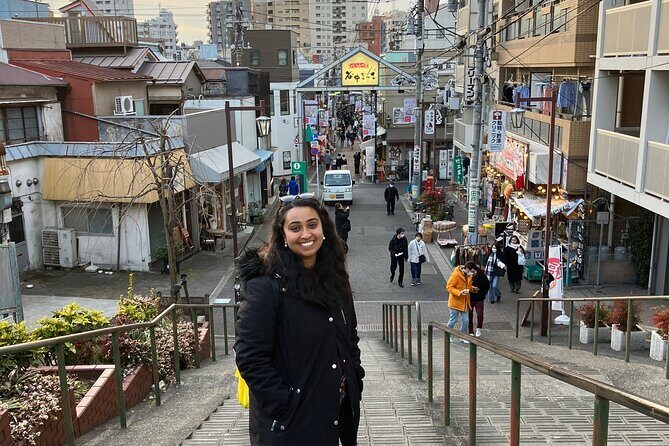
Asakusa is the heart of Tokyo’s shitamachi vibe—older downtown energy where you get a feel for how Tokyo looked before it became all skyscrapers and neon. Your stop here usually centers on Senso-ji, a major Buddhist temple.
What makes it worth your time is the atmosphere. Even if you’ve seen temples in other countries, Senso-ji has that uniquely Tokyo rhythm: people moving through lantern-lit streets, quick snack stops, gift shops, and the steady pull of the temple complex itself.
In practical terms, it’s also a friendly choice for a day tour because entry to Senso-ji is free (so you’re not waiting on paid tickets), and the area is walkable enough to feel like you’re actually exploring instead of just passing by.
A small note: the most crowded spots can be very crowded. That’s not a tour problem—it’s just Asakusa on a good day. Going with your guide helps you manage the flow and find the angles you actually want.
Imperial Palace grounds: the views without the inside access
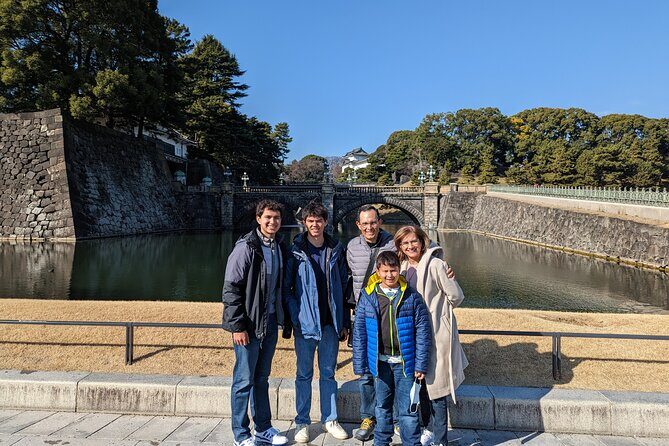
The Imperial Palace stop focuses on the park-side experience, not the inside. Your tour time is designed for the outdoor area—moats, massive stone walls, and the grand layout that traces back to the former Edo Castle site.
If you’re hoping for the classic photos that come from entering the palace grounds and touring interior areas, this tour won’t cover that. The tour specifically notes that access inside the Imperial Palace is not included.
Still, the outdoor perimeter view is meaningful, especially if you enjoy architecture, city planning, and a calmer change of pace from the train-heavy districts.
Shibuya Scramble Crossing: instant Tokyo orientation
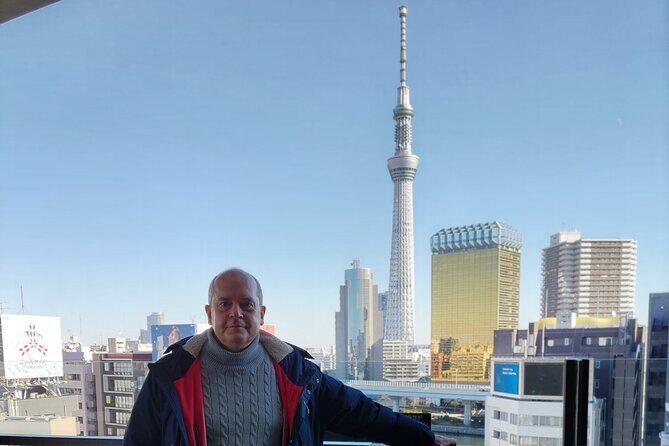
If you only do one modern Tokyo icon, Shibuya Scramble Crossing is usually it. It’s a major pedestrian scramble crossing in front of Shibuya Station Hachikō exit, and it’s the kind of place where your brain instantly understands you’re in the real Tokyo.
Why it works on a full-day tour: your guide can help you time it so you’re not stuck staring at traffic lights for too long. And you’ll get the photo moment without losing your afternoon.
If you’re sensitive to crowds, keep expectations realistic. This is a top spot, so plan on people. But even with that, it’s one of those places that makes the rest of your day’s neighborhoods click into place.
Tsukiji Outer Market: food browsing without the long museum mood
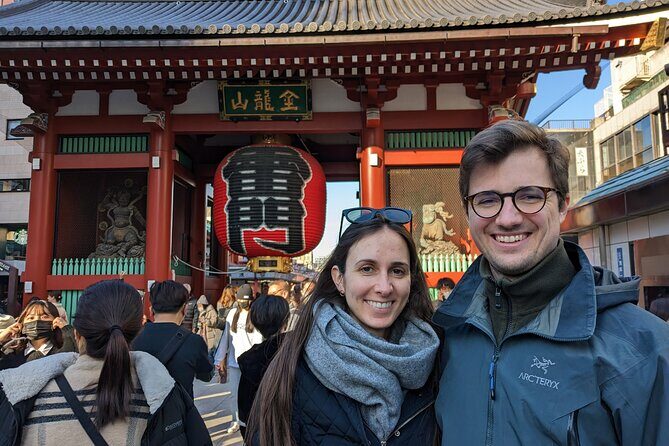
Tsukiji Outer Market is a smart stop for a day tour because it’s not just a street of souvenir shops—it’s also a working-feel market area with narrow lanes full of small retail stalls and restaurants. It sits next to the former Tsukiji Wholesale Market site, so the vibe is tied to food culture more than tourism-only facades.
Your guided time here is often around 30 minutes, which is enough to:
- browse stalls and snacks,
- grab a quick bite,
- and keep moving without feeling stuck in a long sit-down meal.
Entry is listed as free, which is a bonus when you’re trying to keep the day’s extra costs under control. The one tradeoff: Tsukiji Outer Market is popular, so you’ll want to move with your guide instead of drifting.
Meiji Jingu and Harajuku: calm shrine time next to fashion energy
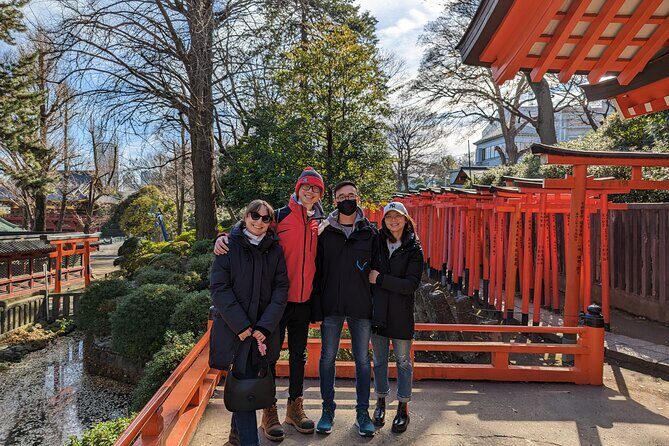
Meiji Jingu is a classic Tokyo reset button. It’s dedicated to Emperor Meiji and Empress Shōken, and it’s right by Harajuku Station on the JR Yamanote Line. That location is useful for you: it makes it easy to pair a quiet shrine stop with more stylish areas nearby.
The shrine stop is listed with free admission, which makes it a good choice early in your day or as a mid-day breather. You get a shift from city noise to the feeling of stepping into a more grounded, reflective space.
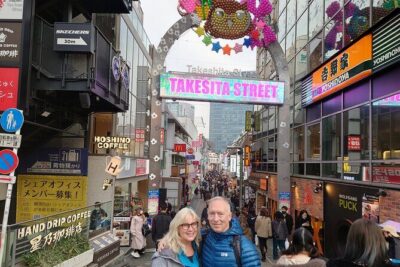
And if you want the teen-fashion side of Tokyo, you can also add Takeshita Street around Harajuku (time is often about 30 minutes and listed as free to access). That’s a short hop from Meiji Jingu in the broader area, and your guide can help you avoid walking in circles.
Akihabara: electronics shopping with a pop-culture pulse
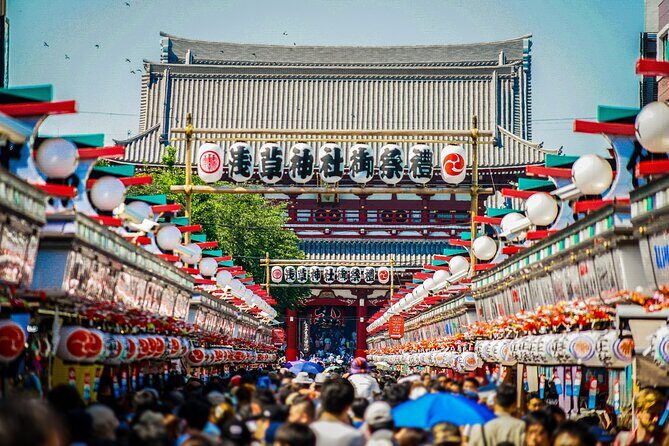
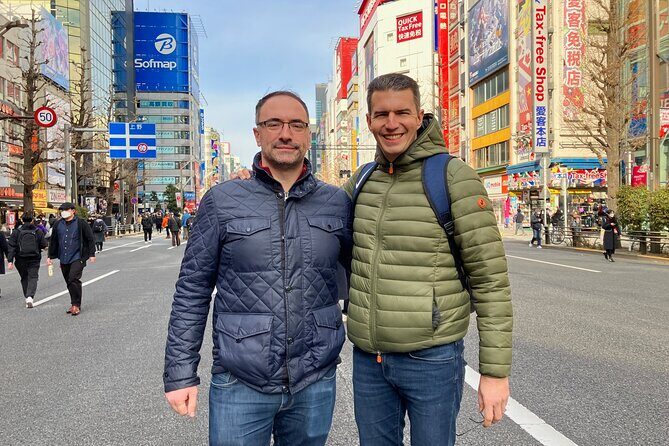
Akihabara is the Tokyo district most people connect with electronics stores. It’s also known for entertainment and pop-culture shopping, and even if you’re not a hardcore electronics fan, it’s fun for browsing tech gadgets, games, and the way Tokyo sells hobbies.
This is another stop that can fit well into a 3–4 stop plan because it’s activity-based. You’ll do short “checkpoints” rather than long museum-style sessions.
In the tour’s schedule, Akihabara is often listed for about 30 minutes, with admission marked as free. That’s a practical window for grabbing souvenirs or testing a store or two without exhausting your whole day.
Garden breaks: Shinjuku Gyoen, Koishikawa Korakuen, Rikugien, Hama Rikyu
One reason I like this tour’s stop list is that it includes major gardens, which give you variety. Tokyo can feel like a constant sensory input. A garden stop changes the tempo—and it’s also a good way to rest your legs.
Here’s what each garden is for:
- Shinjuku Gyoen National Garden: one of Tokyo’s largest and most popular parks. Expect spacious lawns, walking paths, and a calm escape near Shinjuku Station. Admission isn’t included, and it’s usually a shorter stop (around 15 minutes in the schedule).
- Koishikawa Korakuen Garden: one of Tokyo’s oldest gardens, built in the early Edo Period (1600–1867) at a Tokyo residence tied to the Mito branch of the Tokugawa rulers. It’s listed for about 15 minutes and admission isn’t included.
- Rikugien Garden: often considered one of Tokyo’s most beautiful landscape gardens. Built around 1700 for the 5th Tokugawa shogun, it’s tied to a “six poems” theme. Admission isn’t included, and the time block can be around 30 minutes.
- Hama Rikyu Gardens: by Tokyo Bay, with seawater ponds that change level with the tides and a teahouse. It’s a great choice if you like seeing Tokyo’s city edge meet water. Admission isn’t included, and the scheduled time can be around 15 minutes.
If you’re booking this tour, I’d be strategic. If gardens matter to you, pick one garden as your “main nature moment.” Pair it with a nearby neighborhood stop only if your guide says the timing works.
Tokyo National Museum and Tokyo Skytree for when you want tickets
If you want a more “major attraction” feel, the tour’s list includes both a top museum and a top viewpoint structure.
- Tokyo National Museum is described as the oldest and largest of Japan’s top-level national museums. It’s listed with about 15 minutes on the schedule, and admission isn’t included.
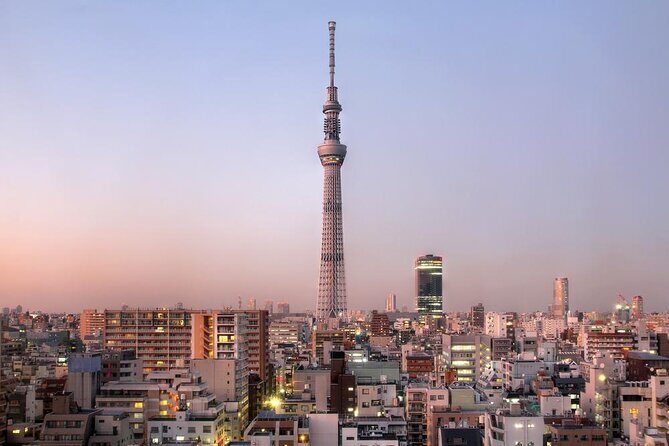
- Tokyo Skytree is a broadcasting tower and landmark with Tokyo Skytree Town around it. Scheduled time is often about 30 minutes, and admission isn’t included.
Because these stops can require paid entry (at least for certain areas), plan for extra costs and expect shorter time on-site than you might want if you’re the type who likes reading every placard. With only 3–4 stops available, choose one museum-or-viewpoint type experience, not both, unless you’re okay with a “highlights only” visit.
Other districts worth considering: Roppongi Hills, Odaiba, Shibamata, Nezu
Not everyone wants the same classic trio of temple, crossing, market. The stop list also includes a spread of neighborhoods and city-edge areas:
- Roppongi Hills: a “city within a city” style complex with shops, restaurants, and art space in the Roppongi district. Listed time is about 30 minutes; admission is free.
- Odaiba: a popular shopping and entertainment area on a man-made island in Tokyo Bay, with origins tied to small fort islands. Listed time is about 30 minutes; admission is free.
- Shibamata: an older neighborhood vibe on Tokyo’s eastern edge near the Edogawa River. Listed time around 30 minutes; admission is free.
- Nezu: a neighborhood in old downtown Tokyo (shitamachi) that has avoided major damage during world wars and natural disasters, keeping a last-century feel. Listed time around 30 minutes; admission is free.
These are good choices if you want Tokyo that feels less like a checklist and more like different sides of the city in one day.
Licensed guides and the private-vehicle edge in traffic
This is where the tour earns its high praise. You’re not only getting transportation—you’re getting a licensed English-speaking local guide, and the guides mentioned in past groups are described as confident, professional, and good at adapting.
A few practical, real-world strengths you can expect from a good guide in this setup:
- You can get clear explanations quickly, so you understand what you’re looking at instead of guessing.
- You can personalize the day, including adding or adjusting a stop when timing works.
- You can keep the flow moving in busy areas so you’re not wasting time standing still.
The private vehicle does the rest. It’s the difference between spending your day on transit transfers and spending it with your eyes on Tokyo.
One more detail I appreciate: the tour is private, so it’s just your group. You won’t be squeezed into a schedule shaped for strangers with different priorities.
Price and value: is $854.91 per group worth it?
At $854.91 per group (up to 2) for a roughly 8-hour private tour, this isn’t a bargain. But it’s also not trying to compete with cheap group bus tours. This price buys you two big things:
- A private licensed guide
- A private vehicle from Yokohama
For two people, the value often comes from avoiding the time cost. If you tried to replicate the day on your own—hiring a guide for parts, paying for transfers, and dealing with Tokyo’s transit complexity—you’d likely spend similar money anyway, and you’d still have the stress of coordinating everything.
What you should watch: entrance fees and lunch are not included. Some stops are free (like Senso-ji and Meiji Jingu), but gardens and museums may add cost. If you want multiple paid attractions in one day, your final total will climb.
So, is it worth it? If your priority is efficiency and you’d rather pay for convenience than spend your day solving transit math, it usually makes sense.
What to budget beyond the tour price
The tour price covers the guide and private vehicle, plus the guided selection of 3–4 sites. It does not include:
- entrance fees,
- lunch,
- and other personal expenses.
A practical strategy: decide which stops are your “free” wins (temples, markets, some neighborhoods) and which ones are your “paid depth” moments (museums, many garden admissions). That helps you keep the day’s cost from surprising you.
Who should book this Tokyo day trip from Yokohama
This tour fits best if you:
- want a fast, highlights-only Tokyo day without subway hassle,
- prefer a private vehicle to save time and reduce stress,
- like having a licensed guide to explain what you’re seeing,
- want a smart mix of modern Tokyo and traditional areas,
- and appreciate a day that stays realistic with only 3–4 stops.
It’s also a solid match for small groups. Since it’s private and designed for up to 2 in the group price, it works well for couples and friends who want their own pace.
Quick decision help: should you book it?
Book it if you want to make Tokyo feel doable in one day. The combination of Yokohama pickup, a private vehicle, and a licensed guide is the real engine here. I’d especially lean toward this tour if your must-sees include at least one of these: Asakusa/Senso-ji, Shibuya Crossing, Tsukiji Outer Market, Meiji Jingu, or a major garden.
Skip or swap the plan if your dream is specifically “Imperial Palace interior tours,” because the tour notes that inside access isn’t included. And if you plan to cram in several paid attractions like museums and multiple gardens, budget extra time and money, because the day is built around 3–4 stops.
One last practical check: if you’re traveling with a child who needs a car seat, the tour notes that there are limited car seats and booster seats, and rear-facing car seats are not available. Contact directly if you need help arranging this.
FAQ
How long is the Tokyo full day tour from Yokohama?
It runs for about 8 hours.
Is this tour private?
Yes. It’s a private tour/activity, with only your group participating.
How many sights will we see in one day?
You can see 3 to 4 sights from the available options.
What does the tour include?
It includes a licensed local English-speaking guide and a private vehicle, plus the guided visit to the selected sites. Mobile tickets and pickup are also offered.
Are entrance fees and lunch included?
No. Entrance fees and lunch are not included, along with other personal expenses.
Does the tour include access inside the Imperial Palace?
No. The tour specifically states it does not include access to the inside of the Imperial Palace.
More Tours in Yokohama

More Tour Reviews in Yokohama

Next Door in Yokohama
Yokohama Tours, compared.
 ★ 4.9EVO, WRX, Skyline – JDM Night Run to Daikoku Car MeetFrom $125478 reviews
Best Price Daikoku Parking Area JDM Car MeetFrom $76192 reviews
★ 4.9EVO, WRX, Skyline – JDM Night Run to Daikoku Car MeetFrom $125478 reviews
Best Price Daikoku Parking Area JDM Car MeetFrom $76192 reviews
 ★ 4.9Daikoku & Tokyo Private JDM Tour by 700HP R34 GT-RFrom $586101 reviews
 ★ 5.0Tokyo 8hr Private Tour with Licensed Guide from YokohamaFrom $20194 reviews
 ★ 5.0【Tokyo】JDM Daikoku Parking Area & Nissan Facility TourFrom $5587 reviews
 ★ 4.5Narita Airport: One Way Private Transfer to Tokyo|Yokohama HotelsFrom $7769 reviews
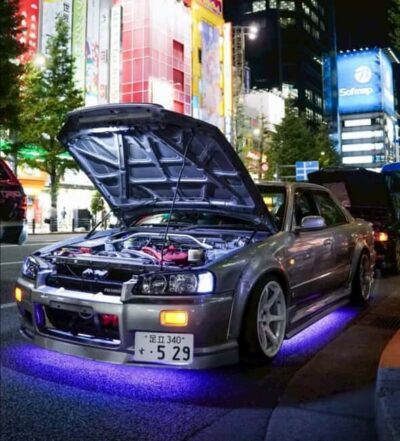 ★ 5.0R34Skyline Daikoku PA Fast & Furious Private ExperienceFrom $10963 reviews
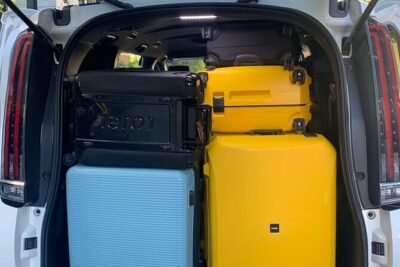 ★ 5.0Shuttle Van Transfer, Yokohama(Port)⇒Tokyo, Narita, Haneda, TDRFrom $12263 reviews
Browse the lists this tour appears in