
Reviewed · YOKOHAMA TOURS
Yokohama 4hr Private Tour with Government-Licensed Guide
Yokohama is best with a plan. This half-day private tour is designed to help you hit the main areas efficiently while still having room to shape the day around what you actually want to see. You get a menu-style list of possible stops, including classic gardens, waterfront views, Chinatown, and ramen-themed museums.
I especially like two things: the government-licensed local English guide who keeps things moving, and the flexibility to choose 2-3 sites rather than being locked into a fixed checklist. One thing to consider is that it’s a walking tour with no car or driver, so you’ll want comfortable shoes and you’re giving up long-distance taxi ease for local pacing.
In This Review
- Key tour takeaways
- A 4-hour private Yokohama walk beats DIY for time-starved days
- Meet your guide: what being private really feels like
- Choosing your 2–3 stops: the easiest combos to plan your half day
- Sankeien Gardens: historic buildings and slow strolling worth your first hour
- Minato Mirai 21: the harbor skyline stop that keeps your photos honest
- Chinatown and Motomachi: street energy plus the neighborhood that feels like another era
- Yamate 234ban Residence: a timed look at Yokohama’s “foreigner-era” atmosphere
- Cup Noodles Museum and Shinyokohama Ramen Museum: two different flavors of food-museum fun
- Yamashita Park and Osanbashi Pier: waterfront calm after the city speed
- Pacing, walking, and getting around without losing your mind
- Price and value: what $108.72 per person buys you
- Should you book this Yokohama private guide tour?
- FAQ
- How long is the Yokohama private tour?
- Is this a private tour or shared group?
- Is it a walking tour?
- Do you include pickup?
- Can I customize what we visit?
- Is the guide English speaking?
- Are entrance fees included?
- Is lunch included?
- Are tickets handled digitally?
- What if I need to cancel?
- Are service animals allowed?
Key tour takeaways
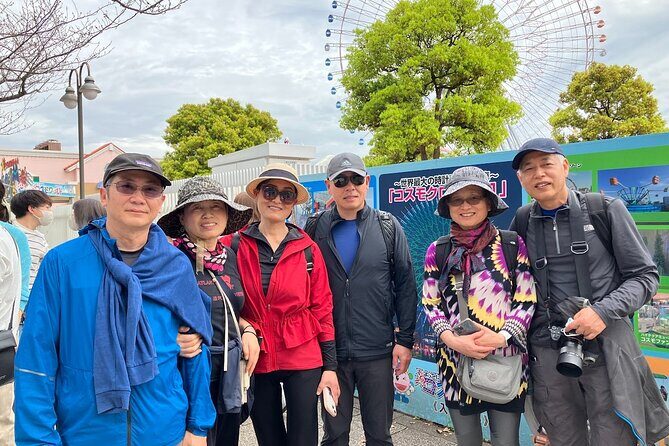
- Government-licensed guide, English speaking: real support for history, neighborhoods, and where to go next.
- Choose 2–3 sights: you’re not stuck with a one-size itinerary.
- Sankeien Garden as a standout option: historic buildings + calm strolling paths.
- Minato Mirai + Yamashita Park + Osanbashi: a simple waterfront loop with big views.
- Food-museum friendly: Cup Noodles Museum and Shinyokohama Ramen Museum are built for easy half-day timing.
- Private by design: only your group, so you can ask questions and set your pace.
A 4-hour private Yokohama walk beats DIY for time-starved days
If you only have a few hours in Yokohama, self-guided can turn into guesswork fast. You end up spending energy on routes, station confusion, and deciding what’s most important. This format cuts that stress by pairing you with a local guide who helps you move between neighborhoods at a human pace and still keep the day on track.
And because it’s private, the guide can shift the focus without you feeling like you’re interrupting a mass schedule. That matters in Yokohama, where the city moves from harbor skyline to old-school streets to quiet garden paths in just a few stops. I like that you can still ask questions and linger where you care most.
The best part is the “choose your own mix” approach. You’re not required to do everything. You pick the 2–3 places that match your interests, whether that’s gardens, waterfront scenery, or food museums.
Meet your guide: what being private really feels like
This is not a group bus tour. It’s a private walking experience with a licensed local English-speaking guide, and you meet within a designated Yokohama area on foot. There’s pickup offered, but it’s still organized as a walking meet-up rather than a car service.
From the guide feedback shared for this tour, you’ll likely get someone who:
- meets early and confirms your route
- adjusts pacing so you can keep up comfortably
- explains both local context and practical neighborhood details
You’ll also see a pattern in the guide notes: several names come up as repeat highlights (Toru, Yasuho, Sam, Takako, Hide, Izumi, Tasha, Shinji). The common thread is clear communication and willingness to tailor the route when your preferences are specific.
One more practical note: it’s built for using public transportation as needed, not for relying on a driver or taxi. That’s part of why it can work so well in half a day. You get local movement without the time loss of reorganizing plans again and again.
Choosing your 2–3 stops: the easiest combos to plan your half day
You’ll build your 4-hour loop by picking from a set list of likely stops. Since each stop is usually timed around 20–30 minutes, your selection should match your energy level.
Here are a few clean combos that tend to make sense:
Garden + harbor views
- Sankeien Gardens for the slower, scenic start
- Then Minato Mirai 21 and/or Yamashita Park for skyline and waterfront air
Classic Yokohama + quick city flavor
- Chinatown for streets, atmosphere, and snacks
- Motomachi Park or Yamate 234ban Residence for the historic neighborhood feel
- End with a waterfront stop like Osanbashi Pier
Food-museum focused
- Cup Noodles Museum (in Minato Mirai)
- Shinyokohama Ramen Museum (for ramen-theme contrast)
- Add Yamashita Park or Minato Mirai if you want a break outside
If you want both old and new
- Sankeien Garden for historic buildings
- Minato Mirai 21 for the modern harbor skyline
- Add Chinatown if you like people-watching
If you can only pick 2 sites, I’d suggest pairing something scenic with something interactive. Gardens and waterfront give you the “wow” visuals; museums (ramen or noodles) give you a structured experience that doesn’t depend on weather or crowd timing.
Sankeien Gardens: historic buildings and slow strolling worth your first hour
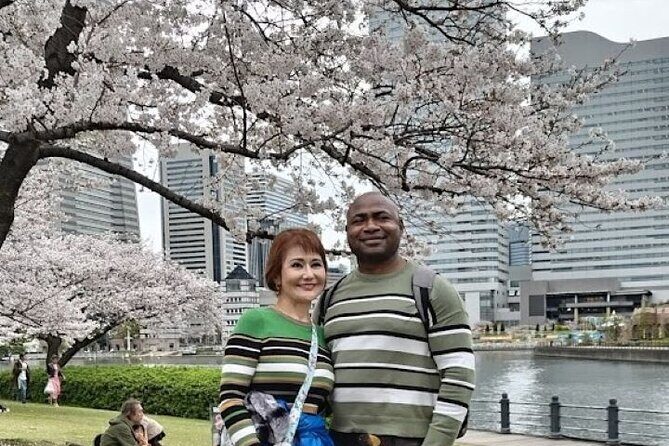
Sankeien (三溪園) is a spacious Japanese-style garden in southern Yokohama. The standout reason to choose it is that it isn’t just landscaping. You’ll see historic buildings from across Japan within the garden grounds, plus a pond, small waterways, and walking paths that encourage a calmer rhythm than the city streets.
Plan on using the full time block here. Even 30 minutes can feel short if cherry blossoms or seasonal flowers are in bloom. In guide stories for this tour, Sankeien often becomes the highlight, with attention to details like traditional building methods and how structures fit into the garden setting.
What to expect in practice:
- You’ll likely walk along scenic paths rather than rushing room-to-room
- The setting is great for photos without needing to chase crowds
- It’s a good place to ask questions about how the buildings and materials relate to Japanese housing and traditional techniques
Possible drawback: if your heart is set on fast urban sightseeing only, a garden can feel like “too slow.” But if you want one place that feels different from the harbor skyline and Chinatown streets, Sankeien is the easiest choice to justify.
Minato Mirai 21: the harbor skyline stop that keeps your photos honest
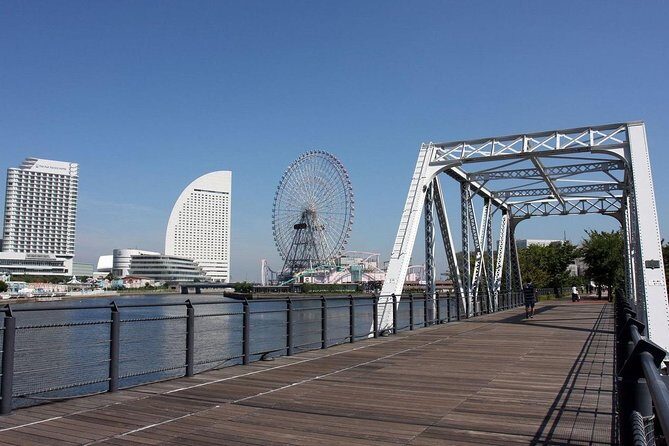
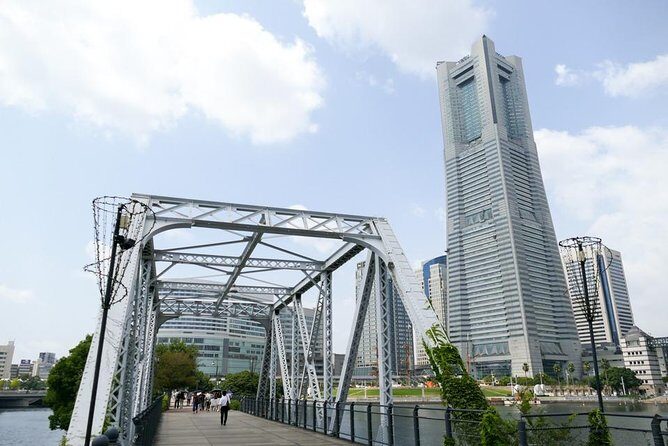
Minato Mirai 21 (みなとみらい 21) is the seaside “harbor of the future” district in central Yokohama. It’s a high-rise area, including well-known towers such as Landmark Tower. Even if you don’t go inside any building, the area works because it gives you a clear sense of the city’s scale and ocean-front planning.
This stop is usually timed around 30 minutes. That’s enough to:
- get your bearings in the district
- enjoy the view stretch across the harbor
- walk to a couple of good photo angles
Why this matters for a half day: Minato Mirai is the easiest place to transition from “museum mode” to “outside mode.” You’ll get fresh air and big-city sightlines without committing to a longer detour.
Possible drawback: if you’re expecting a historic district, this is more modern and architectural than old-town. It’s a good counterbalance to Sankeien and Chinatown, not a substitute for them.
Chinatown and Motomachi: street energy plus the neighborhood that feels like another era
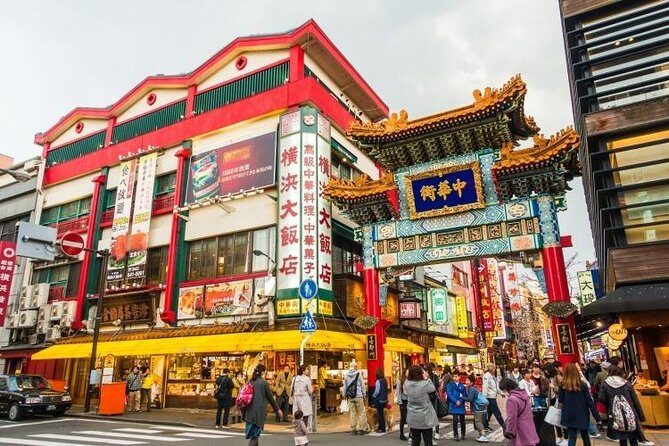
Yokohama Chinatown (横浜中華街) is Japan’s largest Chinatown. It’s busy, colorful, and compact, with lots of shops and restaurants tucked into narrow lanes. In a short guided stop, you’re not trying to “cover everything.” You’re getting the feel: the signage, the rhythm of street activity, and the easy chance to snack without needing reservations.
From there, many day plans naturally connect to Motomachi Park. Motomachi Park connects to Yokohama’s role after Japan’s period of isolation ended in the 1850s. Even if you don’t study the details on-site, the area’s atmosphere is part of the point. You’ll get a sense of how Yokohama became a gateway city, not just a harbor for ships.
Possible drawback: Chinatown can be very popular. If you’re sensitive to crowds, keep your expectations realistic. The guide’s job here is helpful: it’s easier to enjoy the area when someone can steer you through the lanes efficiently instead of you getting stuck in slow-moving clusters.
Yamate 234ban Residence: a timed look at Yokohama’s “foreigner-era” atmosphere
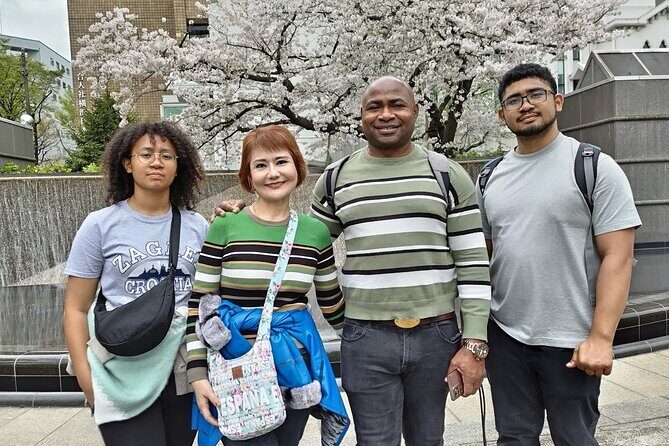
Yamate 234ban Residence is one of the stops that brings a different Yokohama mood. Like Motomachi Park, the context ties back to the end of Japan’s isolation period and Yokohama’s early role as one of the places where international contact became possible again.
In a short stop, you mainly want to understand the atmosphere and the setting—how the residence fits into the neighborhood and what kind of visual story it tells. This is the type of stop that often benefits from a guide explanation, because you’re seeing more than just a building. You’re seeing a slice of how Yokohama’s identity formed.
Possible drawback: it’s not the right choice if you prefer big open-air views only. This is a more interpretive, place-based stop.
Cup Noodles Museum and Shinyokohama Ramen Museum: two different flavors of food-museum fun
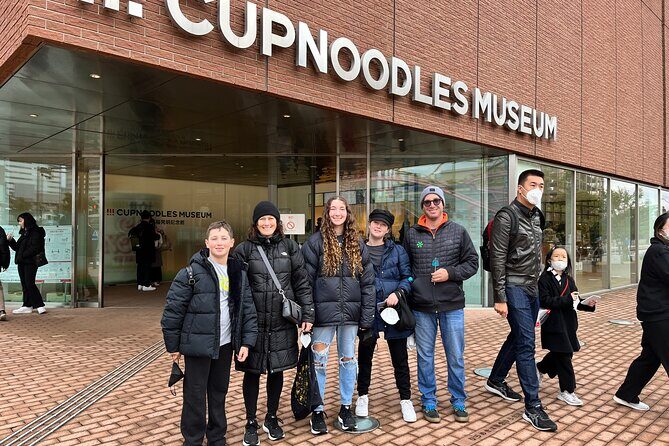
If you want something that feels playful and easy to plan, ramen-related museums are a strong option.
Cup Noodles Museum Yokohama sits in the Minato Mirai district. It’s an interactive museum focused on the history of instant ramen. The big advantage for a half-day schedule is that museums like this are built to be completed in manageable chunks. You’re not relying on long queues or unpredictable restaurant waits to fill your time.
Shinyokohama Ramen Museum is another food-museum stop, but with a different vibe. It’s specifically a museum about ramen, a very popular Japanese noodle dish. In a timed stop, you’re likely to get enough to satisfy the curiosity without needing a full day.
Why I think these are smart for this tour:
- They work well in short blocks (often around 20 minutes in the typical plan)
- They reduce stress about finding lunch, since the day already centers on a food theme
- They give you a reason to connect Yokohama’s neighborhoods to something fun and modern
Possible drawback: if you’re not into food-museum experiences, these stops can feel repetitive. You should pick only one unless you really want both.
One helpful note from the guide feedback for this tour: guides often try to keep the schedule flowing so you don’t lose momentum. That’s a real benefit with short museum windows.
Yamashita Park and Osanbashi Pier: waterfront calm after the city speed
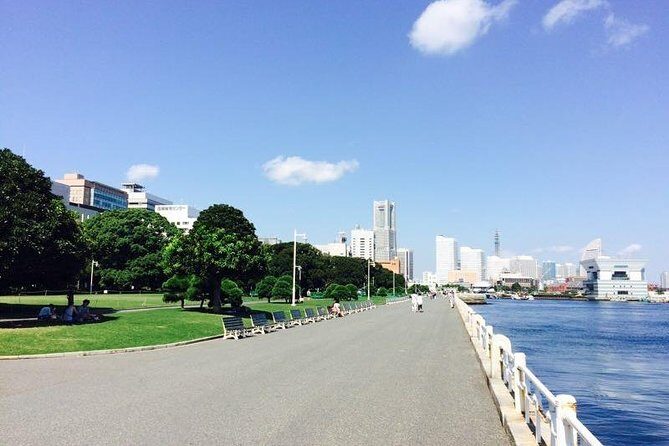
Yamashita Park (山下公園) is a public park stretching along Yokohama’s waterfront. It’s about 750 meters long and mostly open green space, which makes it a great decompress stop after busier areas. This is a chance to slow down, take in the water, and let the skyline settle into your memory.
Next to that area is the Osanbashi Yokohama International Passenger Terminal, also known as Osanbashi Pier. It’s located between Minato Mirai and Yamashita Park. Even if you don’t travel as a cruise passenger, the pier has a strong sense of maritime connection. It’s a good “wrap up” stop because it ties the waterfront story together.
What I like about this pairing for a short tour:
- You get water views without planning a long outing
- It gives your feet a calmer segment
- It’s easy to feel like you saw Yokohama, not just walked through it
Possible drawback: if the weather is awful, outdoor park time can be less pleasant. The guide can help you adjust how long you linger based on conditions.
Pacing, walking, and getting around without losing your mind
This tour is designed as a walking experience, no car or driver included. You’ll be on foot between points and using public transportation as needed. That’s the tradeoff: you gain local access and flexibility, but you have to walk.
If you want a smooth day, I’d plan around three practical realities:
1) Time blocks are short. Many stops are around 20–30 minutes. Your guide can help you make the most of each block, but you still won’t do deep, slow exploration at every single site.
2) Comfort matters. Even with a comfortable pace, you’re still covering multiple neighborhoods. Bring good shoes.
3) Your guide matters for routes. In guide feedback for this tour, you’ll see examples like Yasuho using the subway to navigate to Sankeien efficiently, plus Hide customizing the itinerary when a guest couldn’t walk long distances.
So if your mobility is limited, say so upfront. This tour is private, which means the guide can build a route that fits your comfort level better than a fixed group schedule.
Price and value: what $108.72 per person buys you
At $108.72 per person for about four hours, you’re paying for three things:
- a licensed local English guide
- a private experience (only your group)
- a time-saving structure that picks efficient stops and helps you move between neighborhoods
Entrance fees are not included for some sights, like Sankeien Gardens and both ramen/cup noodle museums. Lunch also isn’t included. So the real cost depends on what you choose for your 2–3 stops and whether you pay entry fees for the museums or the garden.
Where the value shines is the combination of private guiding and flexibility. If you were to do the same route on your own, you’d still need to figure out transit, decide what matters, and risk wasting time at stops that don’t match your interests. Here, you start with a shortlist and a guide to help you choose wisely.
This also tends to be a good deal for people who:
- arrive by cruise or have limited connection time in the city
- want a curated short list but not a rigid tour
- prefer walking with a plan rather than taxi hopping
If you’re the type who loves spending hours at one site, this tour may feel too “stop-and-go.” But if you want a half day that checks the main Yokohama boxes, it’s a strong fit.
Should you book this Yokohama private guide tour?
Book it if your goal is a smart half-day plan: one garden or historic neighborhood stop, one waterfront or city-view moment, and one extra taste of Yokohama—Chinatown or the ramen/instant noodle museums.
Don’t book it if you hate walking, you want only one location in depth, or you’re hoping everything is fully included (entrance fees and lunch are not included, and it’s explicitly a walking tour).
My practical advice: choose your 2–3 stops like you’re building a playlist. Pick one calming place (Sankeien or a waterfront park), one neighborhood or street area (Chinatown or Motomachi/Yamate), and one structured indoor experience (Cup Noodles Museum or Shinyokohama Ramen Museum) only if it fits your taste. If you do that, this tour delivers exactly what it promises: a smooth, efficient Yokohama day without the mental load of planning.
FAQ
How long is the Yokohama private tour?
The tour is about 4 hours.
Is this a private tour or shared group?
It’s a private tour. Only your group participates, and you can’t combine multiple tour groups.
Is it a walking tour?
Yes. There is no car or driver. You’ll walk and use public transportation as needed.
Do you include pickup?
Pickup is offered, but it’s described as a meet-up on foot within a designated area of Yokohama.
Can I customize what we visit?
Yes. You choose 2–3 sites from the provided list of possible stops.
Is the guide English speaking?
Yes. The included guide is a licensed local English-speaking guide.
Are entrance fees included?
Some stops include free admission, while others do not. The listed sites with admission not included include Sankeien Gardens, Cup Noodles Museum Yokohama, Motomachi Park, Yamate 234ban Residence, Shinyokohama Ramen Museum, and Osanbashi Pier.
Is lunch included?
No. Lunch is not included.
Are tickets handled digitally?
You get a mobile ticket.
What if I need to cancel?
You can cancel for a full refund if you cancel at least 24 hours in advance of the experience start time.
Are service animals allowed?
Yes, service animals are allowed.
More Tours in Yokohama


More Tour Reviews in Yokohama

Next Door in Yokohama
Yokohama Tours, compared.
 ★ 4.9EVO, WRX, Skyline – JDM Night Run to Daikoku Car MeetFrom $125478 reviews
Best Price Daikoku Parking Area JDM Car MeetFrom $76192 reviews
★ 4.9EVO, WRX, Skyline – JDM Night Run to Daikoku Car MeetFrom $125478 reviews
Best Price Daikoku Parking Area JDM Car MeetFrom $76192 reviews
 ★ 4.9Daikoku & Tokyo Private JDM Tour by 700HP R34 GT-RFrom $586101 reviews
 ★ 5.0Tokyo 8hr Private Tour with Licensed Guide from YokohamaFrom $20194 reviews
 ★ 5.0【Tokyo】JDM Daikoku Parking Area & Nissan Facility TourFrom $5587 reviews
 ★ 4.5Narita Airport: One Way Private Transfer to Tokyo|Yokohama HotelsFrom $7769 reviews
 ★ 5.0R34Skyline Daikoku PA Fast & Furious Private ExperienceFrom $10963 reviews
 ★ 5.0Shuttle Van Transfer, Yokohama(Port)⇒Tokyo, Narita, Haneda, TDRFrom $12263 reviews
Browse the lists this tour appears in