
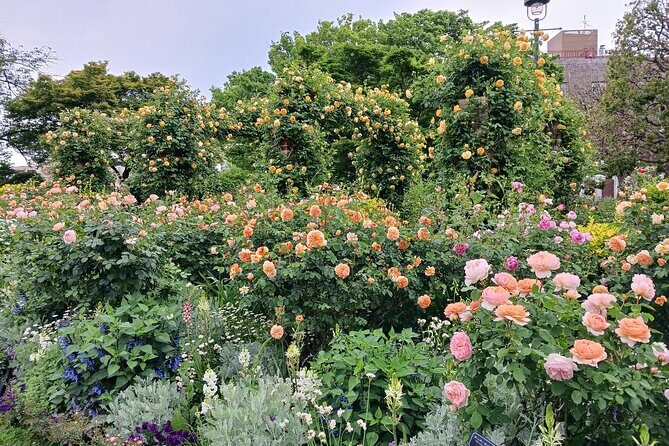
Reviewed · YOKOHAMA TOURS
Guided History & Nature Exploration in the Yokohama Hill Area
Yokohama hides its best angles in hills. This 4-hour guided stroll by Sayumi (Official Kanagawa Tour Guide) threads together port history, hill neighborhoods, and photo stops, starting at Motomachi-Chukagai and rising to Harbor View Park for a top-notch port memory. I really like how you get Port Harbor View Park photos early, then layer in Yamate Bluff’s 150-year-old foreign-resident atmosphere plus familiar From Up on Poppy Hill film locations. I also like that the day ends with Sankeien Gardens admission included, so you’re not juggling ticket math while you’re out walking.
One consideration: the tour is described as a normal walk around town with some ups and downs, and the final wide view from OMO5 Yokohama Bashamichi is weather dependent. Also, the bus from Motomachi to Sankeien costs 220 yen and is not included, so bring a bit of cash (or a transport card you can reload).
In This Review
- Key highlights at a glance
- Why Yokohama’s Hills Feel Like a Time Machine
- Starting at Motomachi-Chukagai and Climbing to Harbor View Park
- Harbor View Park to the Foreign General Cemetery: Short Stop, Big Meaning
- Yamate Bluff and Berrick Hall: Residences, Stories, and Film Familiarity
- Tea time at the salon: a real breather, not a sales stop
- Motomachi Shopping Street: Old “Bridge Street” Energy
- Sankeien Gardens: the guided route through classic Japanese architecture
- The OMO5 Bashamichi finale: a 46th-floor view to close the loop
- Price, timing, and group size: is $45.98 worth it?
- Who this tour suits best (and who might want a different plan)
- Should you book this Yokohama hill tour?
- FAQ
- What does the tour include in the price?
- Is the bus to Sankeien included?
- How long is the tour?
- Where does the tour start and end?
- What about the final view—does weather matter?
- How big is the group?
- Can I cancel for a refund?
Key highlights at a glance
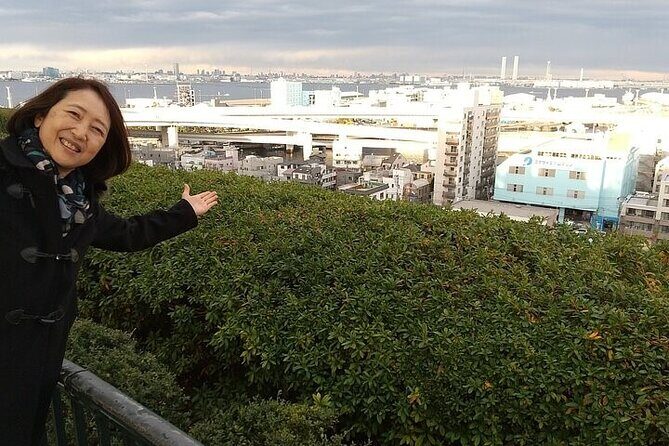
- Harbor View Park port photos fast: escalator access plus a dedicated photo-shoot moment
- Yamate Bluff history with film familiarity: foreign-resident area dating to the port opening, plus From Up on Poppy Hill spots
- Foreign General Cemetery stop: a short but symbolic look at Yokohama’s early international contact
- Berrick Hall and Yamate residences: choose historical architecture highlights in the hill area
- Sankeien Gardens with a guided route: ticket included, and the guide steers you to what matters
- Bashamichi skyline finale: a 46th-floor observation deck finish at OMO5 (weather permitting)
Why Yokohama’s Hills Feel Like a Time Machine
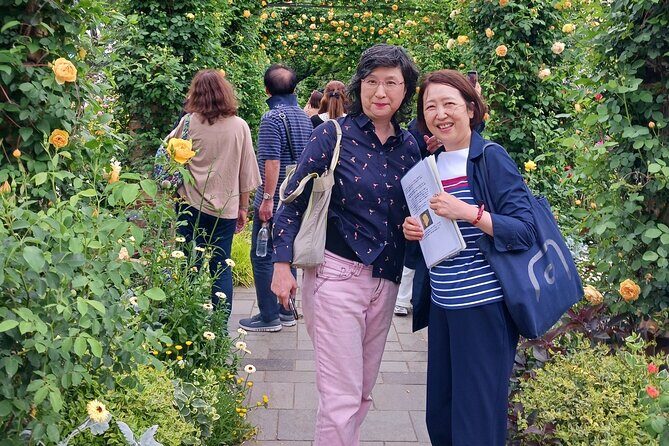
Yokohama doesn’t just feel “near Tokyo.” It feels different—like the city is showing you layers. This tour leans into that by hopping between viewpoints, historic sites, and neighborhoods that grew up around the port.
The core idea is simple: you start by looking over the water, then you walk into the hill district where the people connected to Yokohama’s early opening set up homes. The day keeps a good pace for a half-day plan, and it’s designed for small groups (max 6), so questions don’t get swallowed.
Starting at Motomachi-Chukagai and Climbing to Harbor View Park
You begin at Motomachi-Chukagai Station (Yamashitacho area). The route quickly turns vertical—in a good way—because you head up to Harbor View Park by escalator. That matters for two reasons: you get to the best “postcard” angle without wasting time, and you save your energy for the walking that follows.
Harbor View Park is your first stop (about 30 minutes), and it’s free. Expect the kind of view you’ll want to photograph from a few angles, not just one quick frame—this is your dedicated photo-shoot point for your Yokohama memory. If you’re the type who likes to re-shoot when the light changes, you’ll appreciate having that time slot early.
Practical tip: bring a light layer. Hills can feel cooler than the waterfront, and you’ll be switching between outdoor viewpoints and indoor breaks.
Harbor View Park to the Foreign General Cemetery: Short Stop, Big Meaning
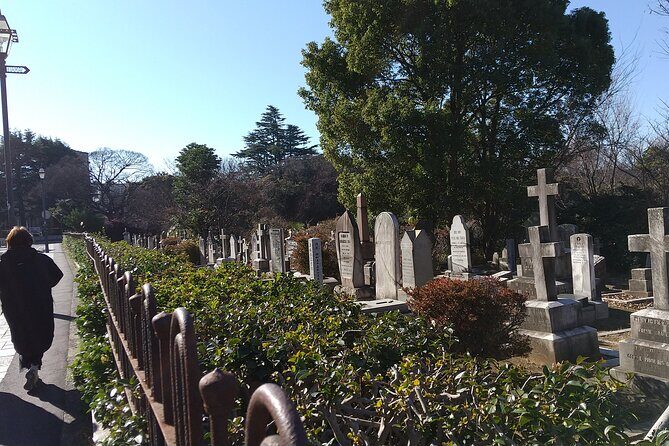
After the port angle, you head to the Yokohama Foreign General Cemetery (about 15 minutes). It’s free, and it’s one of those places that’s brief in schedule but heavy in meaning.
This stop is symbolic because it ties directly to how Yokohama started as an early contact point between Japan and the wider international world about 150 years ago. You’re not going to be there long enough to wander endlessly, but the guided framing helps you look past “pretty gravestones” and toward the story of the city’s beginnings.
If you prefer thoughtful stops over speed-scrolling, this is a nice balance. Wear shoes with traction, since you’ll be moving through a real neighborhood environment, not museum-style flat floors.
Yamate Bluff and Berrick Hall: Residences, Stories, and Film Familiarity
Next comes the hill neighborhood core: Yamate Bluff. This is where the foreign-resident presence after the port opening shaped architecture and streetscapes that still feel preserved today. The tour keeps you focused on the most relevant parts rather than making you guess where to go first.
Berrick Hall is one of the historical residences the guide may include (about 1 hour, free admission for the stop). The idea isn’t just to admire old walls. It’s to connect what you see—building style, setting, and layout—with what it represented for the people who lived there during Yokohama’s early international era.
Then there’s the extra fun layer: this area is associated with Studio Ghibli’s From Up on Poppy Hill. The tour mentions you can visit some familiar spots from the film. Even if you’re not a hard-core Ghibli superfan, it’s a great way to make the architecture feel approachable. You’re walking through a real neighborhood, but the film context gives you a shortcut to noticing details.
Tea time at the salon: a real breather, not a sales stop
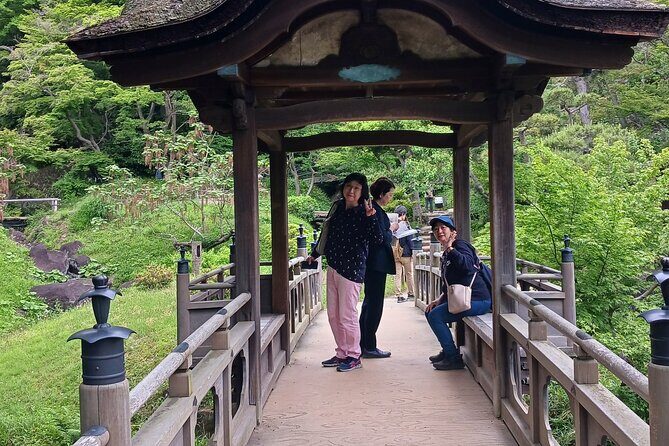
Some tours cram in “culture” and treat tea as a checkbox. This one gives you a proper break with coffee and/or tea at an authentic Japanese tea salon, included in the price.
This matters more than it sounds. You’ve already had a viewpoint climb and two history-focused stops, so a quiet pause helps you reset your attention. You also get to slow down long enough to look at small things—cups, service style, and the vibe of the shop—without needing to keep moving.
If you get heat easily, tea time is a smart way to cool off without paying for a separate sit-down meal that might not fit the group schedule.
Motomachi Shopping Street: Old “Bridge Street” Energy
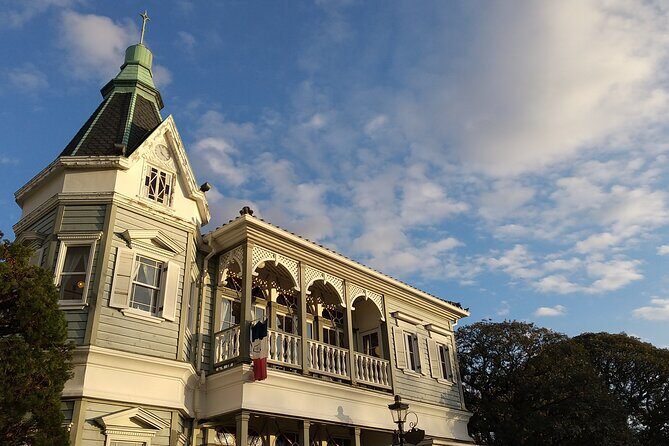
After the hills and cemetery and residences, you drop into Motomachi Shopping Street (about 1 hour, admission free). Motomachi is described as an original high street built around the time of the port’s opening, and it functioned like a bridge between local Yokohama residents and newly joined foreign residents.
That’s the key: you’re not just shopping. You’re walking a street shaped by cross-cultural exchange. You’ll see shops that feel made for browsing—useful for gifts and souvenirs that don’t scream “same as everywhere.”
A practical way to use this hour: pick one category to hunt. Examples: a small snack you can actually eat later, a practical beauty item, or a single “Yokohama” keepsake. If you try to do everything, the time disappears.
Sankeien Gardens: the guided route through classic Japanese architecture
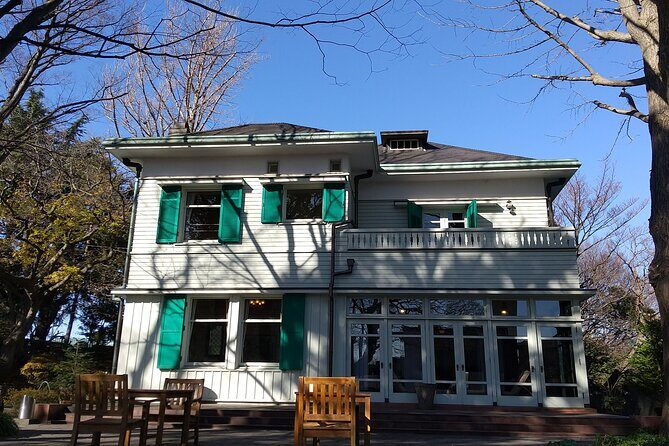
Next, you head to Sankeien Gardens (about 1 hour). The garden ticket is included, and the guide chooses where you’ll go inside so you’re not wandering in circles.
Sankeien is often loved for the way it collects traditional Japanese architectural elements and garden scenes. What I like about having a guide here is that you don’t just admire the setting—you learn what to look for. The tour is designed so you come away with a mental map of the place, not just a bunch of photos.
There’s also a “variety” factor: Sankeien is described as bringing together architecture and a garden collection that lets you see a range of styles. That’s great if you’re also spending time in other parts of Japan and want one well-organized stop that feels distinctly Japanese.
One more plus: gardens can feel calmer than city streets, which makes the last third of the tour feel like a payoff instead of a scramble.
The OMO5 Bashamichi finale: a 46th-floor view to close the loop
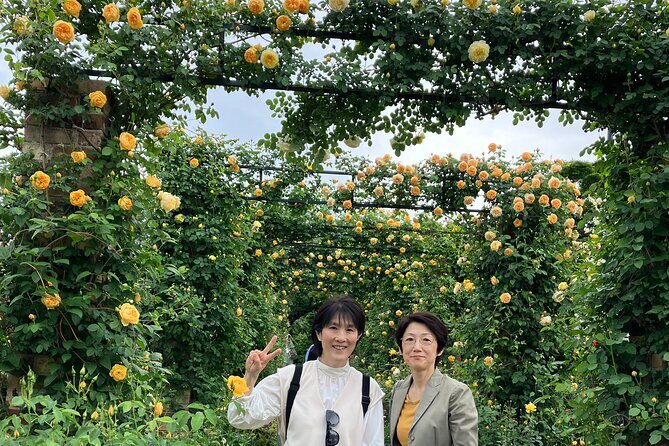
At the end, you shift to Bashamichi and finish at OMO5 Yokohama Bashamichi by Hoshino Resorts. The timing is short (about 15 minutes), but it’s a smart move: you end with height after a day full of walking and hill angles.
The tour says you’ll enjoy the evening view from the 46th-floor observation deck, weather permitting. If you get clear skies, this is where the whole day snaps together—port first, then hill neighborhoods, then a city-wide look. Even if it’s cloudy, you’re still getting a dramatic sense of scale.
Location-wise, you’re also not trapped at the end. The guide is described as flexible if you want to return to the starting area or a nearby zone like Chukagai.
Price, timing, and group size: is $45.98 worth it?
The price is $45.98 per person for about 4 hours. The structure is what makes it feel fair: you’re getting guided history, a tea break, and garden admission included.
Here’s the value math in plain terms:
- Sankeien Gardens admission is included.
- You get a coffee/tea break as part of the tour.
- The guide covers multiple zones that connect visually: port → foreign-resident hills → Motomachi → gardens → skyline.
Not included: the bus from Motomachi to Sankeien costs 220 yen. That’s not a dealbreaker, but it’s part of the real cost of the day. It’s also why you should keep a little cash/transport credit handy.
Timing note: the tour is “about 4 hours,” which is ideal when you want structure but don’t want a whole-day plan. It’s also booked on average about 41 days in advance, which suggests people plan ahead for popular half-day slots.
Small group (max 6) helps a lot here. You’ll notice it in Q&A and pacing—especially in places like the cemetery or inside garden areas where it’s easy for a group to get spread out.
Who this tour suits best (and who might want a different plan)
I think this is best for you if you want Yokohama with context. If you like your sightseeing paired with stories—why places exist, not just that they look nice—this fits.
It’s also great for:
- First-time Yokohama visitors who want a compact “hill area + gardens + view” route
- People who enjoy film-adjacent travel (the From Up on Poppy Hill connection is specifically called out)
- Anyone who appreciates small-group guiding and a steady pace
You might reconsider if:
- You prefer fully flat walking. The tour notes ups and downs.
- You dislike historical sites. There are a couple of history-heavy stops, like the Foreign General Cemetery and Yamate Bluff area.
- You need guaranteed indoor alternatives for weather. The final observation deck view is weather permitting.
That said, the tour is framed as “most travelers can participate,” so it’s not an extreme route. Just plan for real shoes and a bit of hill effort.
Should you book this Yokohama hill tour?
Yes, if you want a half-day that actually connects the dots. This tour does a nice job going from port views to foreign-resident hill neighborhoods to classic Japanese garden beauty, with a tea break that gives your body a rest.
Book it if:
- You want Port Harbor View Park photos plus a guided walk through Yamate Bluff.
- You’re interested in Yokohama’s early opening to the world and how that shaped the city.
- You like Sankeien enough to want more than a basic wander.
Consider a different plan if you’re chasing only nightlife or only shopping, because Motomachi is included for about an hour and the day centers on viewpoints, architecture, and gardens.
Bottom line: this is a well-paced, story-driven hill tour with the right included extras—tea and Sankeien admission—so you can focus on experiencing Yokohama rather than managing logistics.
FAQ
What does the tour include in the price?
The price includes a coffee and/or tea break at the tea salon and admission to Sankeien Gardens.
Is the bus to Sankeien included?
No. The bus from Motomachi to Sankeien costs 220 yen and is not included.
How long is the tour?
The tour is about 4 hours.
Where does the tour start and end?
It starts at Motomachi-Chukagai Station (Yamashitacho, Naka Ward, Yokohama) and ends at OMO5 Yokohama Bashamichi by Hoshino Resorts.
What about the final view—does weather matter?
Yes. The evening view from the 46th-floor observation deck is weather permitting, and the experience notes that if canceled due to poor weather, you’ll be offered a different date or a full refund.
How big is the group?
The tour has a maximum of 6 travelers.
Can I cancel for a refund?
Free cancellation is available up to 24 hours before the experience starts for a full refund.
Easier with a Guide
More Tour Reviews in Yokohama





Next Door in Yokohama
Yokohama Tours, compared.
 ★ 4.9EVO, WRX, Skyline – JDM Night Run to Daikoku Car MeetFrom $125478 reviews
Best Price Daikoku Parking Area JDM Car MeetFrom $76192 reviews
★ 4.9EVO, WRX, Skyline – JDM Night Run to Daikoku Car MeetFrom $125478 reviews
Best Price Daikoku Parking Area JDM Car MeetFrom $76192 reviews
 ★ 4.9Daikoku & Tokyo Private JDM Tour by 700HP R34 GT-RFrom $586101 reviews
 ★ 5.0Tokyo 8hr Private Tour with Licensed Guide from YokohamaFrom $20194 reviews
 ★ 5.0【Tokyo】JDM Daikoku Parking Area & Nissan Facility TourFrom $5587 reviews
 ★ 4.5Narita Airport: One Way Private Transfer to Tokyo|Yokohama HotelsFrom $7769 reviews
 ★ 5.0Shuttle Van Transfer, Yokohama(Port)⇒Tokyo, Narita, Haneda, TDRFrom $12263 reviews
 ★ 5.0R34Skyline Daikoku PA Fast & Furious Private ExperienceFrom $10963 reviews
Browse the lists this tour appears in