
Reviewed · TOKYO
Asakusa: 1400-year history exploration
Asakusa hits hard in a short time. This half-day walk threads together the 1400-year story of Sensō-ji with the food-and-shopping energy of Nakamise-dori, then finishes in the Rokku area. I especially like the way the route moves in layers, starting by the Sumida River and ending in a quieter side street vibe. One thing to consider: Asakusa can be loud and crowded, so if you need quiet to hear details, you’ll want to keep close to the group.
Two things I like a lot are the small group size (max 8) and the earphone system. In practice, that means you can focus on what’s in front of you instead of constantly craning your neck. I also like the included snack selection—items like melon pan and rice crackers—because it’s enough to taste the area without turning the tour into a food crawl.
If you’re looking for a fast photo stop, this probably feels like too much time in motion. The walk is described as moderate, and the stops add up over about 3.5 hours—so good shoes matter.
In This Review
- Key things to know before you go
- Asakusa in 3.5 Hours: What You Actually Get
- Meeting at Azumabashi and Reading the Sumida River Story
- Asakusa Culture Tourist Information Center: Getting Oriented Fast
- Kaminarimon Thunder Gate: The Big Red-Lantern Moment
- Nakamise-dori Shopping Street: Snacks and Souvenirs Without Guesswork
- Hōzōmon and Sensō-ji Core: Pagoda, Ashes, and the Temple Flow
- Asakusa Shrine Next Door: Buddhism and Shinto in One Place
- Denboin Street and Rokku: Meiji-Era Streets to Now
- Guides Make the Difference: Amy, Emiko, Sachi, Aki, Yasu, Taka, and Yoko
- Price and Logistics: The Value Math for a Small-Group Walk
- Who This Tour Suits Best (and Who Might Want a Shorter Plan)
- Should You Book This Asakusa History Walk?
- FAQ
- What are the main places this tour covers?
- How long is the Asakusa: 1400-year history exploration tour?
- What’s included in the price?
- Does the tour include food and drinks?
- Where do I meet the guide?
- Is hotel pickup provided?
- Is the tour suitable for kids?
- How many people are in each group?
- Is there free cancellation?
Key things to know before you go
- Max 8 travelers: easier questions and less waiting around at each landmark
- Earphone guide system: clearer explanations while you’re moving through crowds
- Included Japanese sweets: melon pan, rice dumpling/cracker, sweet puffed rice, plus sampled snacks
- Sensō-ji landmarks in sequence: Kaminarimon → Hōzōmon → main areas, with notable features along the way
- Rokku district transition: after the big temple sights, you shift into an entertainment-town feel
- Small-group pacing: stops are set for real viewing, not a speedrun
Before you commit, see how this one stacks up against a few Tokyo favourites:
- Mt Fuji and Hakone 1-Day Bus Tour Return by Bullet Train★ 5.0 · 26,383 reviews
- 1-Day Tokyo Bus Tour★ 5.0 · 14,250 reviews
- Tokyo: teamLab Planets TOKYO Digital Art Museum Entry Ticket★ 4.6 · 9,779 reviews
Asakusa in 3.5 Hours: What You Actually Get
This is a 3 hour 30 minute small-group walking tour in Tokyo’s Asakusa area, built around one main anchor: Sensō-ji, the city’s oldest big-name temple with a timeline reaching back about 1400 years. You’ll also spend real time in the approach streets and side lanes—the places that make Asakusa feel like more than just a temple photo background.
The tour is also structured for learning without turning into a lecture marathon. You get a guided walk that connects religion, local history, and modern street life, and you’re not left guessing what to do once you’re done.
The price—$91.17 per person—looks steep until you price out the “extras” you’d otherwise pay for on your own: a local English-speaking guide, the earphone system, and a set selection of Japanese sweets. With a max group size of 8, you’re paying for access and time, not just for someone to point at a gate.
Meeting at Azumabashi and Reading the Sumida River Story
You start at Burger King Asakusa Azumabashi (near public transport), with the tour beginning at 1:30 pm and ending back at the same meeting point. That loop is handy: you don’t have to worry about arranging a second leg of transit after your walk.
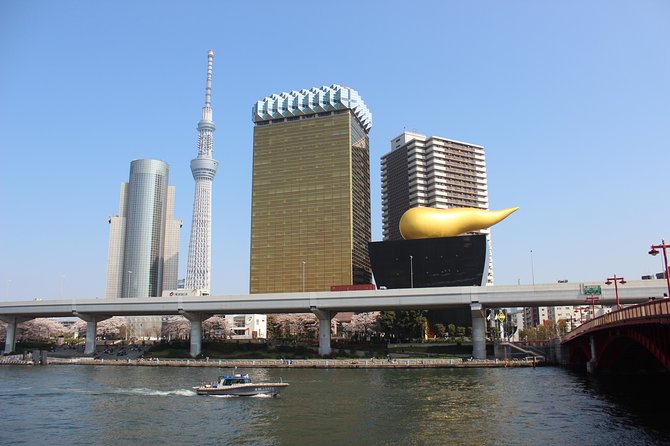
The first stop is the Sumida River area, framed as the beginning of Asakusa’s story. From here you also see skyline context like Tokyo Skytree and Asahi Breweries’ headquarters with its famous golden flame-style object. Even if you’re not into industrial landmarks, this is useful because it places Asakusa in modern Tokyo rather than treating it as a museum set.
Practical tip: if you’re sensitive to walking after dark, check your pace and plan your shoes. The tour is all-weather, and late afternoon in summer can be warm even when the air looks fine.
Asakusa Culture Tourist Information Center: Getting Oriented Fast
After the river, you head to the Asakusa Culture Tourist Information Center. This stop is time set at about 30 minutes, and admission is included.
Why it matters: Asakusa has a lot of “it looks the same” streets. A short orientation block helps you understand what you’re seeing as you walk—especially around Sensō-ji, where gates and courtyards can blur together if you arrive with zero context.
It’s also a good moment to reset. Think of it as your “map with a human voice.” Even the most confident wanderer benefits from a quick explanation of the neighborhood’s layout and the logic behind the main approach streets.
Kaminarimon Thunder Gate: The Big Red-Lantern Moment
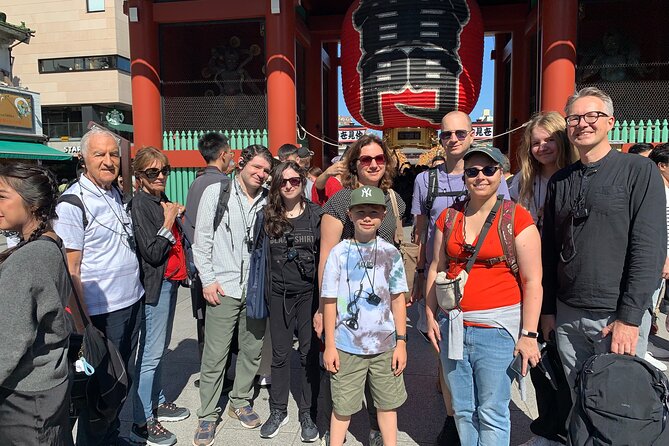
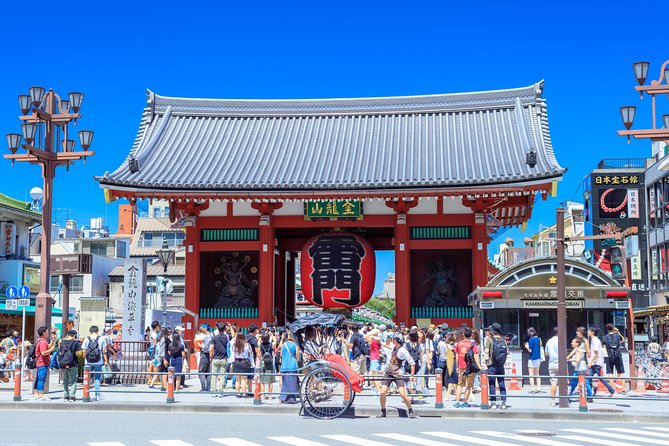
Next comes Kaminarimon, the outer gate leading to Sensō-ji. You’ll see the massive red lantern and the gate statues, with the classic “this is the entrance” energy that makes Asakusa recognizable from a thousand postcards.
This stop lasts about 15 minutes, and admission is free. You’re not just standing and staring, though. Your guide uses this moment to explain the gate’s role in the temple complex and why this area became a magnet for visitors over centuries.
Drawback to keep in mind: it’s popular. On peak days, it can feel like you’re watching people queue rather than reading the details. If the crowd thickens, stay close to your guide and listen through the earphone system.





Nakamise-dori Shopping Street: Snacks and Souvenirs Without Guesswork
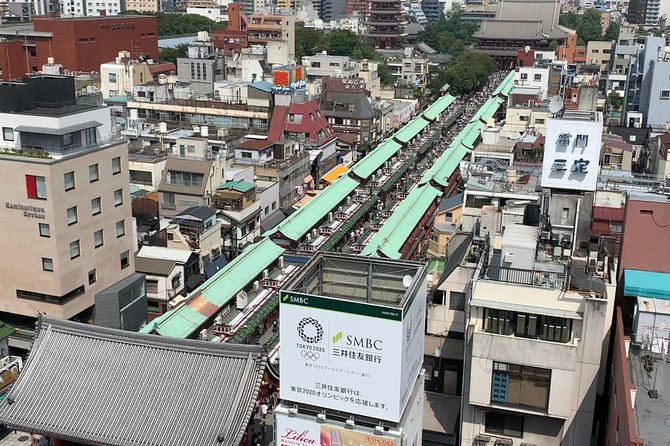
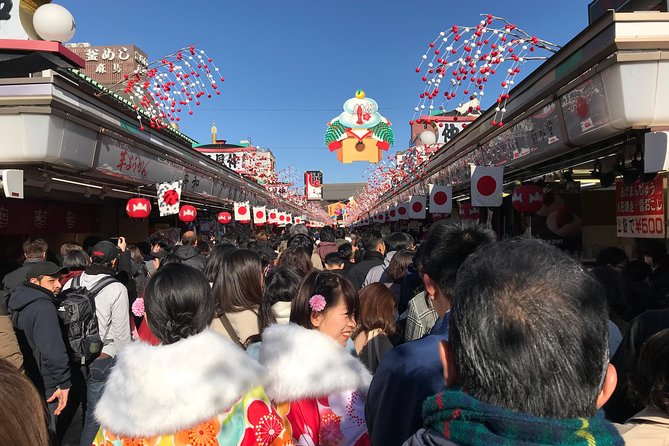
Then you walk Nakamise-dori, the 250 m approach street connecting Kaminarimon and Sensō-ji’s main gate. Expect souvenir shops and food stalls, plus that specific kind of Tokyo street noise that makes you want to press your face toward every display.
This segment is paired with a snack component. You’ll have a selection of Japanese sweets such as melon pan and rice-based treats like rice dumplings, rice crackers, and sweet puffed rice. It’s a well-judged mix: enough variety that you can actually taste, not so much that you’re stuffed before reaching the temple interior areas.
What you should pay attention to here is what the guide teaches about what to buy and how to decide on quality. Even if you’re not buying much, this is where you learn the “how” of shopping in Japan—small choices that save you money and prevent you from hauling something you don’t care about.
Tip from a review-style pattern I’ve seen with this kind of tour: if you’re photographing, don’t block the flow at stall corners. People will try to squeeze past you, and it kills the easy pace the tour is aiming for.
Hōzōmon and Sensō-ji Core: Pagoda, Ashes, and the Temple Flow
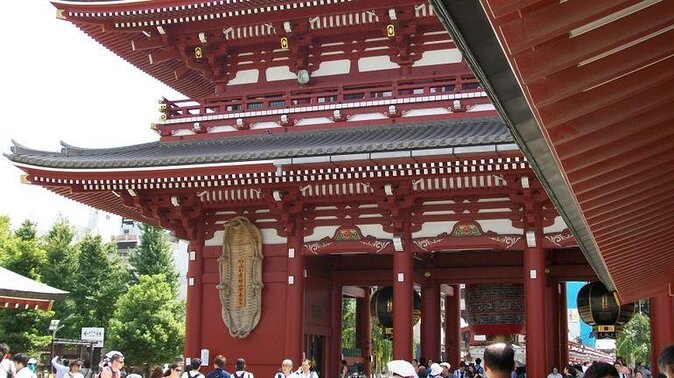
Now the route pushes deeper into the Sensō-ji complex via Hōzōmon, the inner gate. This lasts about 15 minutes and also has free admission.
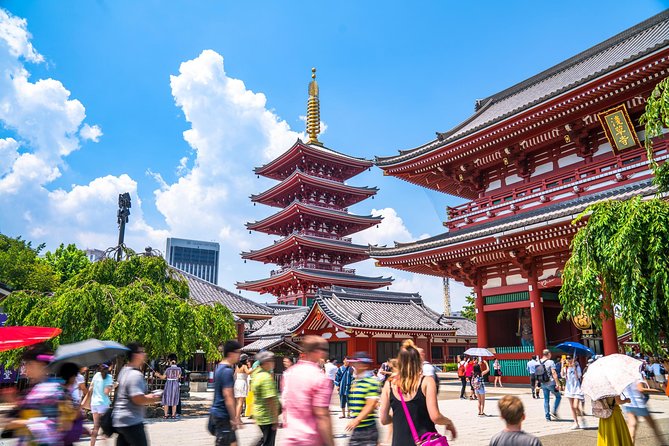
From there, you spend the most meaningful temple time at Sensō-ji itself—about 45 minutes between the Hōzōmon gate and the main hall areas. This is where you’ll see major highlights, including a five-story pagoda that’s described as the second highest in Japan at 53 meters, built in 942, and associated with holding Buddha’s ashes.
Your guide also covers the temple’s origins and its influence on Japan’s path toward modernization, including the origin story tied to two fisherman brothers. That origin detail is the kind of thing that makes the place feel bigger than its architecture.
Balanced note: temple time can feel busy. Some people find that they want more quiet moments, while others love the energy. If you’re the quiet type, your best strategy is to use the earphone audio even when your eyes are on a landmark. It keeps the explanation anchored while you move.
Asakusa Shrine Next Door: Buddhism and Shinto in One Place
After the temple core, you head to Asakusa Shrine, another 15 minute stop.
The interesting part isn’t only that it’s there. It’s that the tour frames how Buddhism and Shinto can coexist within the same premises and share origins and worshipers. That’s a big “wait, how does that work” concept for many first-time visitors, and it makes the whole complex feel more human and less like a theme park.
You’ll also get a chance to slow down slightly after the main temple crowds. It’s not silent, but it’s often a little easier to look at details like shrine gates, offerings, and the flow of people.
Denboin Street and Rokku: Meiji-Era Streets to Now
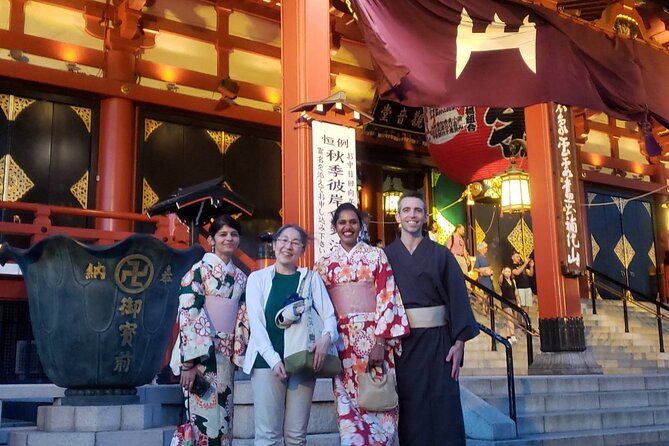
This is where the tour makes a smart shift. After Sensō-ji, you go into the Rokku area—Asakusa’s traditional entertainment district—described as always active but not necessarily packed like the temple approach streets.
The walk happens along Denboin Street for about 45 minutes. The guide’s aim is to move you from the Meiji period into modern-day life, with stops along the way. You’ll get the feel of how old street architecture and entertainment culture still shape daily Tokyo.
Why I think this matters for value: it helps you avoid the common “temple-only” Asakusa trip. The best memories of this neighborhood often come from side streets where locals aren’t performing for your camera.
Practical note: this is still a nightlife-adjacent area. If you’re wearing lighter shoes, you might notice the ground and sidewalks more. Comfortable footwear isn’t optional.
Guides Make the Difference: Amy, Emiko, Sachi, Aki, Yasu, Taka, and Yoko
A recurring pattern in the praise is that the guide can turn the walk from factual to memorable. People repeatedly highlight guides such as Amy and Emiko for being friendly and engaging, and Sachi and Aki for answering questions in a way that feels personal, not robotic.
There’s also a specific mention of Taka being an English-speaking national government licensed guide with strong reviews. That kind of credential matters because it often correlates with calm pacing, solid history context, and confidence handling crowd movement.
One practical plus shows up too: in one positive experience, the guide (Yasu) helped find lockers for luggage. If you’re arriving with bags, that kind of help can save real time and stress.
That said, balance matters. A few lower ratings complained about hearing issues, fast or soft talking, or spending too long pointing out what you could see without much explanation. Another mentioned that on crowded days, it became hard to hear—sometimes because people stepped away from the group and the headset audio wasn’t as clear at that distance.
So here’s the takeaway you can use: stay near the group, keep the earphone in place, and ask questions early if you want deeper explanations.
Price and Logistics: The Value Math for a Small-Group Walk
Let’s talk money in plain terms. At $91.17 per person for 3.5 hours, you’re paying for:
- a licensed English-speaking guide
- an earphone system so you can hear explanations while walking
- a set selection of Japanese sweet snacks
- a structured route that hits core Sensō-ji areas plus Nakamise and Rokku
If you DIY Asakusa, you can absolutely see Senso-ji and Nakamise on your own. But what you won’t get as easily is a guided “why this gate, why this story, why this street” explanation tied to your route. That’s what you’re buying here.
Also: the small group size (max 8) changes the feel. With a bigger group, you often get stuck listening rather than asking. Here, people praise the ability to ask and get answers, which is a big deal if you like history and culture.
One slight consideration: because the tour is fixed to a route and time window, it’s not ideal for people who want to linger endlessly at one spot. If you’re the type who wants to take your time alone at a temple hall, you might prefer a longer independent day and then add a shorter guided segment.
Who This Tour Suits Best (and Who Might Want a Shorter Plan)
This tour makes the most sense if you:
- enjoy temple and shrine context, not just architecture
- want street-level food tastes without a full-on meal plan
- like walking but want a route that keeps you organized
- appreciate small groups and clear audio while in crowds
It may feel long if:
- you’re mainly there for photos and quick browsing
- you struggle in crowded environments where noise makes listening harder
- you don’t want much explanation and would rather “see and go”
A smart middle-ground strategy: if you’re unsure, schedule this early enough that you can still do your own follow-up wandering afterward. Asakusa rewards repeat visits, especially for food and shopping.
Should You Book This Asakusa History Walk?
I’d book it if your goal is understanding Asakusa while still tasting the neighborhood. The combination of Sensō-ji route sequencing, included snacks from the approach street, and the Rokku transition is a strong use of a single afternoon.
You might skip (or choose a shorter option) if hearing through crowds is a dealbreaker, or if you’re traveling when Asakusa is at its loudest and busiest. And if you’re picky about your guide style, remember that feedback shows a range—so go in with the expectation that your experience depends partly on the person leading you.
Overall, this is a practical way to see the main sights plus the street culture that gives Asakusa its personality, without spending your trip time doing research.
FAQ
What are the main places this tour covers?
You’ll visit the Sumida River area, the Asakusa Culture Tourist Information Center, Kaminarimon, Nakamise Shopping Street, Hōzōmon, Sensō-ji Temple, Asakusa Shrine, and then the Rokku area via Denboin Street.
How long is the Asakusa: 1400-year history exploration tour?
It runs for about 3 hours 30 minutes.
What’s included in the price?
The tour includes an English-speaking guide, an earphone guide system, and a selection of Japanese sweet snack items such as melon pan, rice dumpling, rice cracker, and sweet puffed rice. Admission is included for the Asakusa Culture Tourist Information Center, and other listed stops have free admission.
Does the tour include food and drinks?
Only the specified snacks are included. Food and drinks beyond that are not included.
Where do I meet the guide?
The meeting point is Burger King Asakusa Azumabashi, Japan, 111-0034 Tokyo, Taito City, Kaminarimon, 2-chōme (inside Cross Building Royal Palace). The tour ends back at the meeting point.
Is hotel pickup provided?
No. Hotel pickup and drop-off are not included.
Is the tour suitable for kids?
Children younger than 6 can join without charge, but they won’t be entitled to the inclusions.
How many people are in each group?
The maximum group size is 8 travelers.
Is there free cancellation?
Yes. Free cancellation is available up to 24 hours in advance of the experience start time for a full refund.
More Tour Reviews in Tokyo



Fresh reviews from around Tokyo






Tokyo, compared.
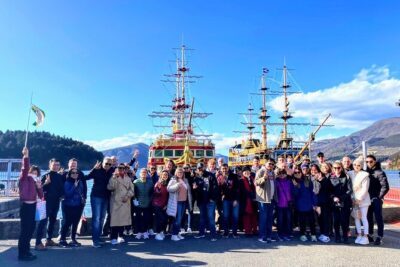 ★ 5.0Mt Fuji and Hakone 1-Day Bus Tour Return by Bullet TrainFrom $16326,383 reviews
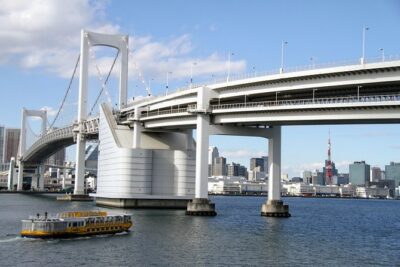 ★ 5.01-Day Tokyo Bus TourFrom $12914,250 reviews
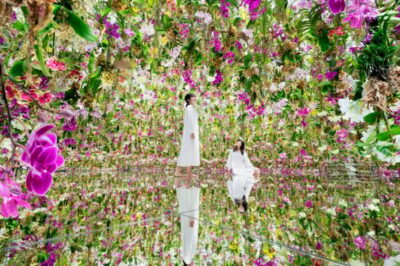 ★ 4.6teamLab Planets TOKYO Digital Art Museum Entry TicketFrom $259,779 reviews
 ★ 4.0Mt Fuji & Hakone Cruise, Drum Show Bullet Train 1 Day from TokyoFrom $1497,413 reviews
 ★ 5.0Shinjuku Food Tour (13 Dishes at 4 Local Eateries)From $866,603 reviews
 ★ 4.4Tokyo Mt Fuji 5th St & Hakone Cruise Bus Tour w/Bullet TrainFrom $1545,024 reviews
 ★ 5.0Flagship 2-Hours Official Street Go-Kart Tour – Tokyo Bay ShopFrom $644,974 reviews
 ★ 4.5From Tokyo: Mount Fuji Full-Day Sightseeing TripFrom $684,970 reviews