
Daikoku Parking Area turns an ordinary Tokyo evening into a car event. I like the big-name and rare-car mix you can spot in one place, and I like the highway-to-meet route that pairs Tokyo sights with the Daikoku scene. The one thing to keep in mind: the car lineup is not guaranteed, since this is an impromptu public meet.
This is also a rare kind of car experience built for value. The price is flat at $76 per person (for the standard shared ride), and you get time to roam, chat, and take photos without feeling herded around. You’re not sitting in a tuned JDM car on the drive, and the group is small—so it’s efficient, not fancy.
On the guide side, names like Joshua and Kai show up in the kind of reviews that matter: friendly, practical explanations on the way, and smart plan changes if access gets shut down early. Expect a solid shared-ride night that’s more about Tokyo’s car culture than doing anything illegal.
In This Review
- Key things you should know before you go
- Why Daikoku Parking Area feels like Tokyo’s car “home base”
- The expressway route: Rainbow Bridge, Haneda pass-by, and Tokyo at night
- Daikoku PA time: free roaming, good photos, and car-owner etiquette
- What you’ll ride in: shared ride cars, group size, and comfort reality
- Price and value: why $76 works for what you actually get
- When Daikoku is closed: how the backup plan keeps the night alive
- Who should book this Daikoku car meet night
- Practical tips for a smooth night on the road
- Should you book this Tokyo Daikoku PA car meet tour?
- FAQ
- How much does the tour cost?
- How long is the total experience?
- How long do we spend at Daikoku Parking Area?
- Is this a drifting or illegal racing tour?
- What car will we ride in?
- Is the lineup of cars at Daikoku guaranteed?
- Are meals included?
- Where do we meet and where does the tour end?
- Is the tour wheelchair accessible?
- What if Daikoku is closed?
Key things you should know before you go
- Flat pricing with no bait-and-switch: one clear price for the standard shared ride.
- You spend 1.5 hours at Daikoku PA to walk, shoot photos, and talk with owners.
- Shared ride in a normal car (examples: Toyota Aqua, Noah/Voxy/Serena/Hiace), not a tuned JDM.
- Car lineup is unpredictable because it’s a public meet, not a guaranteed lineup.
- Highway night views are part of the deal, including passes by Rainbow Bridge and Tokyo Tower.
- Daikoku closures have a backup plan, so the evening usually keeps rolling.
Why Daikoku Parking Area feels like Tokyo’s car “home base”
Daikoku Parking Area (PA) is one of those places that car people treat like a landmark, not a random lot. It’s located on the Daikoku Futo area in Yokohama, and it’s famous because the meeting isn’t staged. People come because they want to, and that shows in the atmosphere.
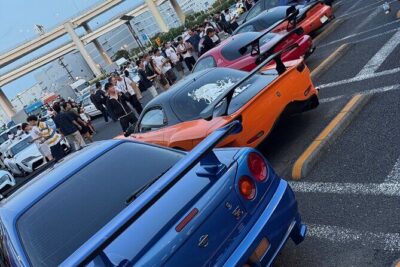
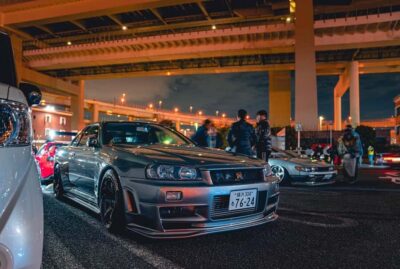
What I find especially compelling is the range of cars you can run into there. You might see flashy exotics parked next to heavily modified tuners and also older, rarer classics. The point is variety: the scene isn’t locked into just one style. That gives you better odds of seeing something you actually care about, even if you’re not a hardcore collector type.
Now, here’s the tradeoff. Because it’s public and impromptu, the exact cars and crowd size can swing night to night. Some evenings can be calmer; others can pack in more interesting cars. So treat the tour as a great way to reach and enjoy the Daikoku culture, not as a promise of specific models.
The expressway route: Rainbow Bridge, Haneda pass-by, and Tokyo at night
The drive is not filler. It’s half the fun, because you’re rolling through Tokyo and Yokohama with night views that you just don’t get from train travel.
Your route typically includes:
- a pass by Rainbow Bridge early in the evening
- a pass by Haneda Airport
- later, another pass by Rainbow Bridge
- and a Tokyo Tower pass before you finish in Shinjuku
Even if you’re not a road-photos person, those viewpoints matter. They put you in the right mood for the car meet. You’re essentially transitioning from city lights into the car culture spotlight.
One more practical note. The whole experience is 210 minutes, and that includes travel time. So the car meet time isn’t counted separately as a free-standing block. In real terms, you’re managing a schedule that feels like a full evening outing, not a quick photo stop.
Daikoku PA time: free roaming, good photos, and car-owner etiquette
Once you arrive, the tour is built for independent exploring. You get about 1.5 hours at Daikoku PA, and during that window you can walk around, take photos, and chat with car owners.
This matters because car meets are not museums. If you move at your own pace, you’ll spend more time on the cars that grab you. You can stop for details, back up for a better angle, or just linger near a car you want to understand. The tour format intentionally avoids forcing everyone through a rigid script.
You’re also encouraged to ask drivers for context—especially about what you’re seeing at the parking area. The guides in the group setup do their best to help you interpret the scene. That’s huge if you don’t already speak JDM, because you’ll learn what different choices usually mean.
Small etiquette reminder that’s worth taking seriously at Daikoku: keep your distance, be respectful of owners and vehicles, and don’t turn your camera into a bulldozer. The point is to enjoy the culture without creating friction.
And yes, bring your camera. This is the kind of place where you’ll want more than one shot per car—wide angles for the lineup, close-ups for badges and wheel setups.
What you’ll ride in: shared ride cars, group size, and comfort reality
This is a shared ride tour with a small group—limited to 6 participants. That’s part of why the experience stays friendly and why the drive can still feel personal.
One key detail: to keep costs low, this uses a normal vehicle, not a tuned JDM. Depending on group size, the car examples you might ride in include:
- Toyota Aqua for smaller groups
- Toyota Noah / Voxy / Nissan Serena / Toyota Hiace for larger groups
So if you were hoping for a car-spotting-style ride of your own, temper expectations. The value is in getting to Daikoku reliably and getting time on-site.
Comfort-wise, it can feel snug when the vehicle is at full capacity. That’s not a surprise here; it’s a shared-cost trade. The upside is you still get the expressway route and the guide support, without paying for private transport.
There’s also a weight consideration: the experience is not suitable for people over 280 lbs (127 kg).
If you like your evenings flexible and prefer walking around on your own instead of following a tight guide path, this format will suit you.
Price and value: why $76 works for what you actually get
At $76 per person for the standard shared ride, the best value is not the price alone. It’s what the price includes.
You’re paying for:
- scenic expressway driving to reach Daikoku PA
- enough time on-site (about 1.5 hours) to explore and photograph
- a guide/host who can explain what you’re seeing and help you navigate the scene
- the full evening sightseeing route, including Rainbow Bridge and Tokyo Tower pass-by points
What you’re not paying for: meals and drinks. That’s normal for an evening meet where most people snack on the way or after.
Also, remember: you’re not buying a guarantee of a specific car lineup. But you are buying a high-probability chance to experience Daikoku culture plus night city views. For many people, that trade-off is worth it—because the fun is in the atmosphere and the real-world mix of cars.
One more pricing nuance: there’s also an added option mentioning a Toyota new GR86, with different pricing than the standard shared ride. The standard plan is the flat $76 route that keeps things simple.
When Daikoku is closed: how the backup plan keeps the night alive
Daikoku PA is famous, but public spaces can change rules quickly. On rare occasions, it can close or cars might not show up as expected.
The tour’s approach is practical: it uses a backup plan so the evening doesn’t collapse into a refund-only story. In real-world terms, you may still get driven to another car-culture spot if access is restricted.
One clue from actual evening timing: Daikoku access can shut down around 7:30 pm, so you’re likely to finish your main roaming window before that, then continue the evening with additional driving and sights. On nights when the meet wraps earlier than expected, the guide’s ability to pivot is the difference between a fun story and a frustrating one.
This is exactly why I’d rather book this kind of tour than show up solo, hope for the best, and then end up stuck with taxi logistics and timing stress.
Who should book this Daikoku car meet night
This trip fits best if you want:
- a Tokyo car meet experience without the hassle of figuring out expressway access on your own
- time to roam freely and choose which cars to focus on
- a route that includes major Tokyo sights like Rainbow Bridge and Tokyo Tower as pass-by moments
It also helps if you enjoy car talk, even if you’re not a deep technical gearhead. The explanations on the drive can translate the scene into something you can appreciate on the spot.
You’ll probably like it less if:
- you only want one specific model guaranteed (the lineup isn’t guaranteed)
- you’re expecting a drifting or illegal-racing vibe (this is not that)
- you want a fully structured, guided walk-through where someone always tells you exactly where to stand
This is best for people who enjoy exploring independently, with a helpful host doing the logistics and interpretation.
Practical tips for a smooth night on the road
A few things make the difference between okay photos and great ones.
First: wear comfortable shoes. You’ll be walking around and changing spots for different views. Daikoku is not a sit-down event.
Second: plan around weather. If it’s raining, bring an umbrella. The tour doesn’t include meals, so you may also want to have a light plan for how you’ll handle hunger after the ride.
Third: bring your camera and charge it. You’re photographing at night with lots of car angles, and you’ll also want shots of the cars from different positions.
Finally: treat the owners’ vehicles with respect. This is public car culture. The more polite you are, the more likely you’ll have easy conversations and good vibes.
Should you book this Tokyo Daikoku PA car meet tour?
Book it if you want a low-stress, flat-price way to reach one of Japan’s most famous car-meet areas, with night sightseeing built in and enough on-site time to actually enjoy the scene.
Skip it if your number-one requirement is a guaranteed lineup of specific cars, because the meet is impromptu and can vary. Also skip it if you’re hoping the ride itself is a tuned JDM experience.
If you like cars, like photos, and want Tokyo’s expressways and iconic viewpoints folded into an evening, this is a strong deal.
FAQ
How much does the tour cost?
The standard shared ride is priced at $76 per person.
How long is the total experience?
The duration is 210 minutes, and that includes travel time.
How long do we spend at Daikoku Parking Area?
You get about 1.5 hours to explore Daikoku PA.
Is this a drifting or illegal racing tour?
No. This is not a drifting or illegal racing tour. You go to see car culture.
What car will we ride in?
For the standard shared ride, the car depends on group size. Examples include Toyota Aqua for smaller groups and Toyota Noah/Voxy, Nissan Serena, or Toyota Hiace for larger groups.
Is the lineup of cars at Daikoku guaranteed?
No. What cars show up is not guaranteed, since it’s an impromptu public meeting.
Are meals included?
Meals and drinks are not included.
Where do we meet and where does the tour end?
One meeting option is Tochomae Station (2-chōme-7-2 Nishishinjuku). You’ll finish at Shinjuku Station. The exact meeting point may vary depending on the option booked.
Is the tour wheelchair accessible?
Yes, it’s listed as wheelchair accessible.
What if Daikoku is closed?
On rare occasions when Daikoku is closed or no car shows up, the tour switches to a prepared backup plan so you can still enjoy a car-culture experience.
Yokohama Tours, compared.
 ★ 4.9EVO, WRX, Skyline – JDM Night Run to Daikoku Car MeetFrom $125478 reviews
 ★ 4.9Daikoku & Tokyo Private JDM Tour by 700HP R34 GT-RFrom $586101 reviews
 ★ 5.0Tokyo 8hr Private Tour with Licensed Guide from YokohamaFrom $20194 reviews
 ★ 5.0【Tokyo】JDM Daikoku Parking Area & Nissan Facility TourFrom $5587 reviews
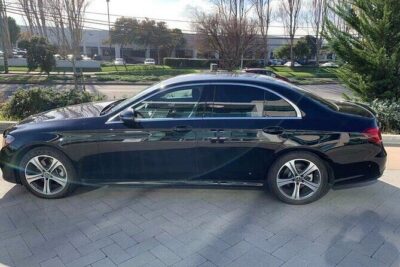 ★ 4.5Narita Airport: One Way Private Transfer to Tokyo|Yokohama HotelsFrom $7769 reviews
 ★ 5.0Shuttle Van Transfer, Yokohama(Port)⇒Tokyo, Narita, Haneda, TDRFrom $12263 reviews
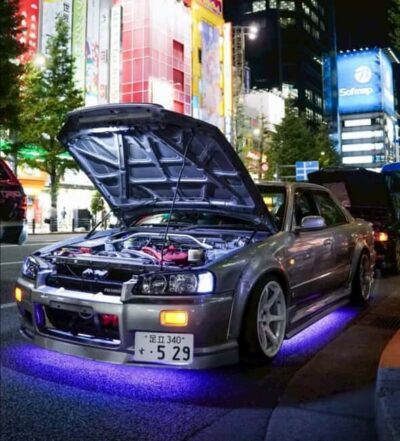 ★ 5.0R34Skyline Daikoku PA Fast & Furious Private ExperienceFrom $10963 reviews
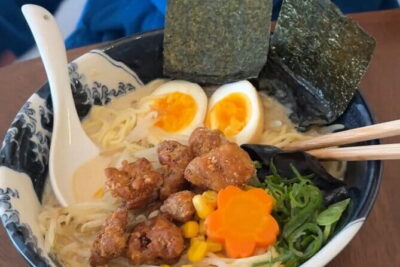 ★ 5.0Yokohama Ramen Adventure From a Local Noodle Factory to HomeFrom $16560 reviews
Browse the lists this tour appears in