
Reviewed · KAMAKURA DAY TRIPS
Yokohama and Kamakura 6hr Private Trip Government-Licensed Guide
One day. Two classic Japanese worlds. This private, licensed-guided tour is built for travelers who want big-name stops in Kamakura and Yokohama without spending hours plotting routes. You pick a small set of sights, then your guide walks you between them and explains what you’re actually seeing.
I especially like the flexible itinerary approach: guides can steer you toward what fits your interests and your pace. I also like the human touch from guides—people describe how guides like Mami, Sami, and Suzuki adjusted plans for stairs and timing, and even helped with practical stuff like train navigation and IC cards. The main drawback: it’s a walking-style day at temple hills, so you’ll want a realistic view of stairs and incline.
In This Review
- Key things to know before you go
- A 6-hour Yokohama–Kamakura plan that skips the guesswork
- What the licensed guide really changes (Mami, Sami, Suzuki, and more)
- Kamakura shrine start: Tsurugaoka Hachimangu as your anchor point
- The Great Buddha and Hase-dera combo: Kotoku-in and Hasedera
- Bamboo, bamboo paths, and temple quiet: Hokoku-ji
- Zen temples in Kamakura: Engaku-ji and Kencho-ji
- Money washing at Zeniarai Benten: a shrine with a story
- Meigetsuin hydrangeas and Nichiren temple options
- Eishoji nunnery: a rare-feeling stop near Tsurugaoka
- Enoshima Island: sea air without the full day commitment
- The Yokohama side: Sankeien Gardens and the foreign-facing city story
- Chinatown and Minato Mirai 21: where the modern city feels loud
- Yamashita Park and Osanbashi Pier: the waterfront exhale
- Price and value: what $154.84 covers and what it doesn’t
- Timing and logistics tips that make the day smoother
- Who this tour fits best
- Should you book this Yokohama and Kamakura private day?
- FAQ
- What’s included in the tour price?
- Are entrance fees included?
- Is there pickup?
- Do I need to pay for transportation?
- How long is the tour?
- Can I customize the route?
- Is this a group tour or private?
- Are mobile tickets used?
- What’s the cancellation window?
- What if I’m visiting during bad weather?
Key things to know before you go
- Custom picks (3–4 sites) mean you’re not stuck in a fixed route when your group has different interests.
- Licensed English-speaking guides add context at shrines and temples, so it’s more than photo stops.
- Stair-and-walk planning matters—the best guides actively manage pace and steps.
- You can mix Kamakura’s sacred side with Yokohama’s modern harbor areas in one day.
- Most admissions aren’t included, so expect to pay for some temple/attraction tickets.
A 6-hour Yokohama–Kamakura plan that skips the guesswork
If your Japan trip has limited time, Yokohama and Kamakura can feel like two different worlds packed into a short distance—sea air and modern skyline on one side, temples and shrine culture on the other. This private tour is designed for that exact “I need to make this count” feeling.
You’re not stuck following a scripted march. Instead, the tour is built around choosing a small number of stops (typically from a curated list of major Kamakura and Yokohama sights). That matters because a day like this can go sideways when you try to cram too many places on your own. With a guide, you lose less time figuring out what matters and where to go next.
One more practical win: you meet your guide in a designated area and the tour is described as a walking tour. That keeps the experience simple, even though you may use trains to travel between Kamakura and Yokohama.
What the licensed guide really changes (Mami, Sami, Suzuki, and more)
A guide is not just someone holding a smartphone with a map. The reviews point to a pattern: guides actively manage the day to match the group, not the other way around.
I love that you can benefit from that kind of flexibility right away. Guides named in feedback—Mami, Sami, Suzuki, Yoshi, Shinji, Yuichi, and Kozee—are described as:
- adjusting to your requested pace
- being kind and patient when the route includes stairs
- setting a recommended route based on what you want to see
- helping with practical navigation, including taxis, IC cards, and trains
That’s not just “nice.” It’s the difference between a day that feels like sightseeing chaos and a day that feels calm and guided. If you’re traveling with older family members, or you just know you don’t love long stair climbs, tell your guide what you need early. A thoughtful guide can steer you toward options that keep your legs happier.
Kamakura shrine start: Tsurugaoka Hachimangu as your anchor point
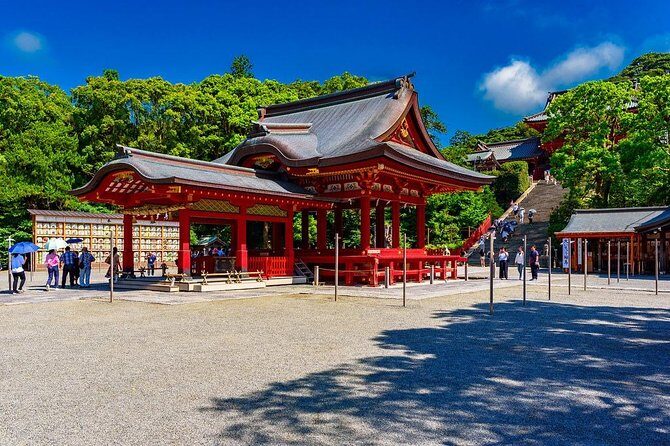
Many Kamakura itineraries start at Tsurugaoka Hachimangu Shrine, and this tour does too. It’s dedicated to Hachiman, associated with the patron god of the Minamoto family and samurai in general. Even if you don’t memorize the names, you’ll feel the role Kamakura played as a power center.
Why this stop works well at the start:
- It sets the tone fast. You’re in shrine-country immediately.
- It’s a clear “anchor” for the rest of your day, especially if you’re mixing shrine and temple visits.
What to consider: if you’re sensitive to crowds, go with a flexible mindset. This is one of those places people build entire days around.
The Great Buddha and Hase-dera combo: Kotoku-in and Hasedera
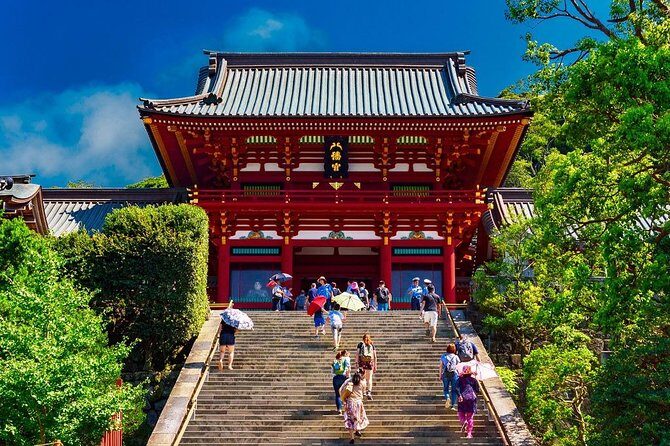
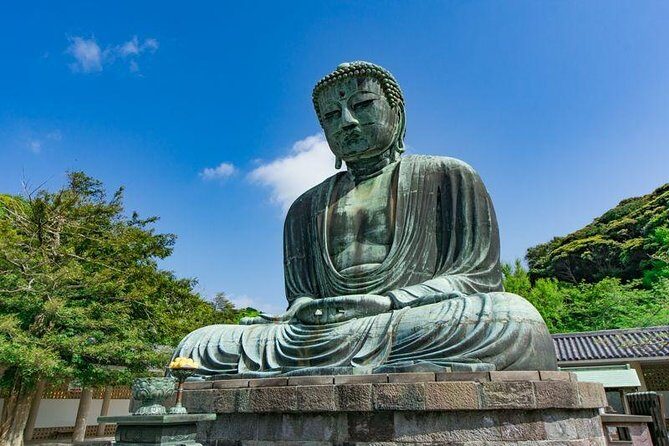
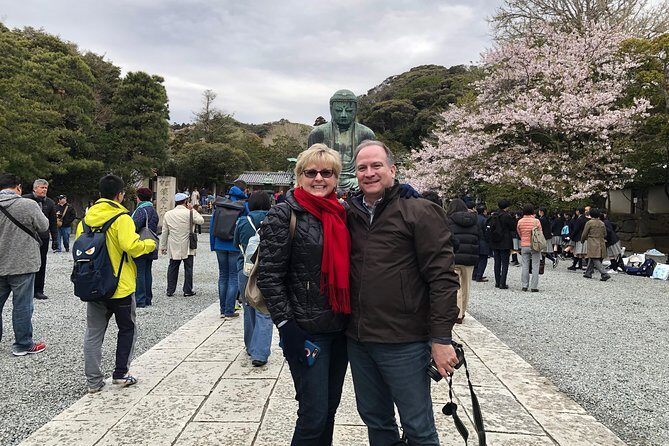
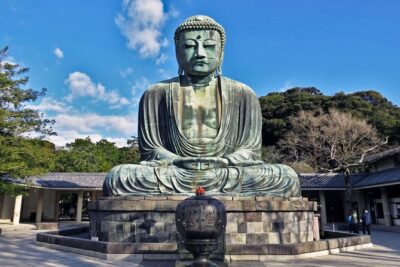
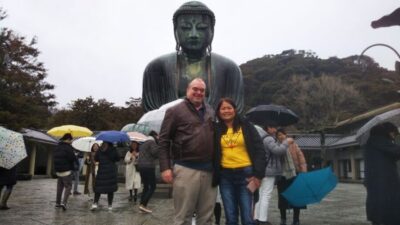
Next is the major signature sight: Kotoku-in’s Great Buddha of Kamakura. The statue is a bronze Amida Buddha, standing about 11.4 meters tall, and it’s on the grounds of Kotokuin Temple. Admission isn’t included for this stop, so you’ll want to expect a ticket cost.
From there, Hasedera Temple is a strong follow-up. It’s known for the temple’s eleven-headed statue of Kannon, goddess of mercy. Hasedera is also described as famous for a large gilded wooden statue.
Why these two are a good pairing:
- One is the monumental focal point (Great Buddha).
- The other adds sculptural detail and a different religious flavor (Kannon and mercy themes).
Possible drawback: if you choose many indoor temple stops back-to-back, you can feel a little “stand in line, look, move on.” The guide helps here—ask for the “what to notice” points so you don’t just rush past.
Bamboo, bamboo paths, and temple quiet: Hokoku-ji
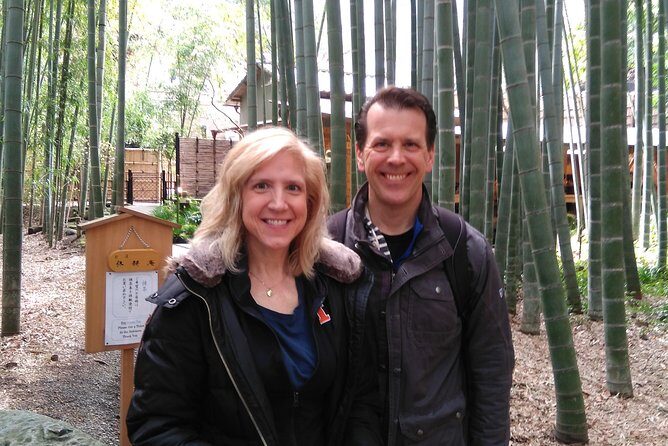
Hokoku-ji Temple is best known for a bamboo grove behind the main hall, with thick clusters of dark green stalks. A few narrow pathways let you walk into that atmosphere.
This is one of those stops that pays off when you slow down. If your group likes photographs, it’s also a good place to take a breather rather than immediately moving on to another busy landmark.
What to keep in mind: bamboo groves are visually great, but they can also make time feel short because you’ll want to stop and look around. If you’re choosing only 3–4 Kamakura sites total, Hokoku-ji is a solid use of one slot.
Zen temples in Kamakura: Engaku-ji and Kencho-ji
If your interests lean toward Zen Buddhism, Kamakura gives you multiple entry points. Two major ones included on the tour options are:
- Engaku-ji Temple: described as one of the leading Zen temples in Eastern Japan and the second of Kamakura’s five great Zen temples. Founded in 1282 by Hojo Tokimune.
- Kencho-ji Temple: the number one of the five great Zen temples in Kamakura and the oldest one there, founded in 1253 by Hojo Tokiyori.
These stops work because they don’t just show “a temple.” They show a system—architecture, grounds, and a slow rhythm of visiting. If you’re the kind of traveler who likes to understand what a place believes and why, a guide’s explanation here can make a big difference.
Trade-off: Zen temple visits can take longer than you expect if you want to read plaques, look at gardens, and absorb the atmosphere. Keep your “3–4 stops” rule tight, unless you’re okay with a more relaxed pace.
Money washing at Zeniarai Benten: a shrine with a story
Zeniarai Benten Shrine is one of the most unique-feeling choices on the list. Zeniarai means coin washing, and the story is that washing money in the shrine’s spring brings luck (the tour description notes that belief).
Why it’s worth considering:
- It’s interactive in a simple way—people understand it quickly.
- It’s a lighter, more “human story” break from big-monument temples.
If your group likes quirky local traditions, this stop is a good “midday character moment,” especially if you’re mixing religious sites with seaside time.
Meigetsuin hydrangeas and Nichiren temple options
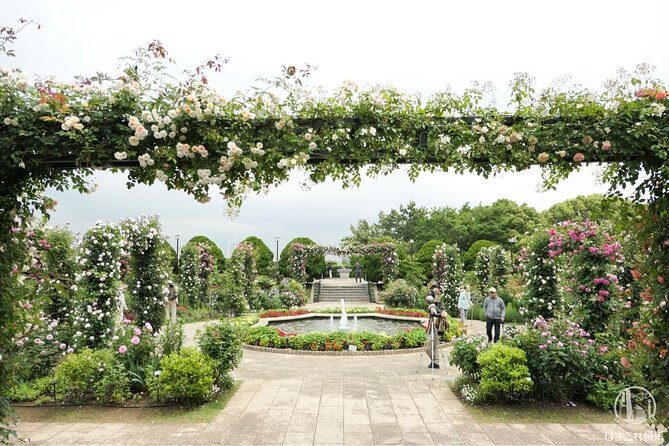
You may also see:
- Meigetsuin (Hydrangea Temple): a Rinzai Zen temple founded in 1160, also known for hydrangea blooms.
- Ankokuronji, Jochiji, Jufukuji, and other Nichiren or branch-temple options listed on the tour—small but historically grounded choices.
This is where customization matters. Some of these places are shorter visits (the tour list gives very short time estimates for several). For you, that can be great if you want variety. For others, it can feel like “too many names for one day.”
My advice: pick one of these “smaller variety” stops if you want texture, but don’t let the day turn into a spreadsheet of temple names.
Eishoji nunnery: a rare-feeling stop near Tsurugaoka
One option close to Tsurugaoka Hachimangu is Eishoji Temple, described as the only surviving nunnery in Kamakura. It’s near the main shrine area and was founded in the early Edo period by a woman connected to the Tokugawa family.
This is the kind of stop that helps your day feel different from the standard checklist. It adds perspective: Kamakura isn’t only warrior temples and men-in-charge stories. The tour description frames it as a unique surviving nunnery, which makes it stand out in theme.
Enoshima Island: sea air without the full day commitment
If you want a break from temples, Enoshima Island is the classic addition. It’s a short train ride west of Kamakura and connected to the mainland by bridge. The tour list describes it as “pleasantly touristy,” with a shrine and other island attractions.
Why I like this as part of a 6-hour plan:
- It gives you a different setting fast—coastline, island atmosphere, different photo angles.
- It’s flexible: you can treat it as a slow stroll break rather than a must-see museum marathon.
Possible drawback: because it’s a short trip, you might feel like you only skim. That’s okay if you treat it as a mood change and not a full “island research project.”
The Yokohama side: Sankeien Gardens and the foreign-facing city story
Once the day shifts back toward Yokohama, you get a totally different tempo. One of the standout options is Sankeien Gardens, a spacious Japanese-style garden showing historic buildings from across Japan. If you want something calm after temple walks, this is a strong reset.
Yokohama’s story also shows up in the neighborhood choices:
- Motomachi Park
- Yamate 234ban Residence
The tour descriptions connect these areas to Japan’s long period of limited foreign contact, then the later opening in the 1850s. That context matters because these aren’t just pretty streets—you’re walking in places tied to Yokohama’s role in changing history.
What to consider: you may need to choose carefully if you want both gardens and neighborhood heritage plus waterfront views. In a 6-hour private day, there’s no extra time for indecision.
Chinatown and Minato Mirai 21: where the modern city feels loud
Yokohama Chinatown (Japan’s largest Chinatown) is a fun contrast to the quiet temple world. The tour list calls out a large number of Chinese stores and restaurants in narrow, colorful streets.
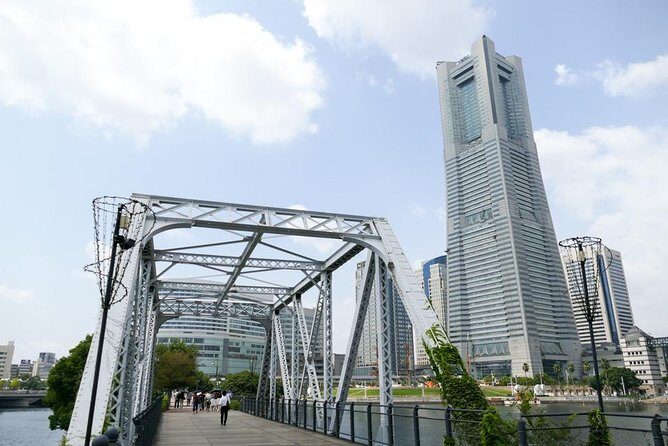
Then there’s Minato Mirai 21, a seaside urban area with large high-rises, including Landmark Tower. It’s classic “harbor of the future” Yokohama: modern, wide views, and easy scene-setting.
If you like city energy, these stops can feel great back-to-back. If you want quiet, you might prefer to swap one for Yamashita Park or a garden.
Yamashita Park and Osanbashi Pier: the waterfront exhale
To end your day on something more open and calm, you’ve got:
- Yamashita Park: open green space stretching about 750 meters along the waterfront.
- Osanbashi Yokohama International Passenger Terminal (Osanbashi Pier): between Minato Mirai and Yamashita Park, with a longer waterfront feel.
This section is built for a final stroll where you stop moving and just watch the water and ships. It’s also a practical way to wrap a day that started with shrine gates and staircases.
Price and value: what $154.84 covers and what it doesn’t
The price is $154.84 per person for a private 6-hour licensed guide experience. For the value side, here’s what you’re really buying:
- A government-licensed local guide who handles history, transitions, and practical decisions.
- Customization so you’re not paying for “dead time” at stops you didn’t care about.
- Pickup offered (pickup is described as on foot) and a meeting point in the designated area.
- A mobile ticket format.
What you’re not paying for:
- Transportation fees (you’ll still likely use trains between Yokohama and Kamakura; the tour list estimates about 30 minutes one way).
- Entrance fees and lunch.
- Private transportation. This is described as a walking tour with guide-led movement, not a chauffeur day.
So the value formula is simple: it’s a great deal if you’ll actually use the guide’s planning to hit the stops that matter most to you, rather than trying to “sightsee hard” on your own.
Timing and logistics tips that make the day smoother
Because this is a walking tour with hills and temple grounds, your comfort will depend on simple planning.
Here are the things I’d do before you commit:
- Pick your 3–4 sites with your energy level in mind. Some temples have stairs, and the route can feel different depending on weather.
- Tell your guide about mobility limits early. Reviews include stories where guides like Sami took into account fewer stairs and planned accordingly.
- If you’re sensitive to rain, ask what an alternate route could look like. Feedback includes a rainy-day experience led by Shinji, who helped an 83-year-old mother up and down wet, slippery stairs with patience.
Also remember: admissions vary by stop. Some are free (Tsurugaoka Hachimangu, Enoshima Island, Zeniarai Benten Shrine, Yokohama Chinatown, and Yamashita Park are marked free in the tour list). Others are ticketed and not included (Kotoku-in/Great Buddha, Hasedera, Engaku-ji, Kencho-ji, and many others).
Who this tour fits best
This is a smart match if you:
- want a short time window to cover both Kamakura and Yokohama
- enjoy temples and shrines, but don’t want to spend your day solving maps
- want someone to explain what you’re seeing, not just point at it
- value kindness and pace management, based on the strong guide feedback (Mami, Sami, Suzuki, Yoshi, and others)
It may be less ideal if you:
- want to wander endlessly on your own without any guiding structure
- hate stairs and incline and don’t want to communicate mobility needs
- expect all entrance fees to be included
Should you book this Yokohama and Kamakura private day?
I’d book it if you want a guided “best of” in a limited day and you like the idea of choosing a few stops that match your interests. The strongest case is the combination of licensed guide commentary and customization—plus the real pattern of guides adapting to pace and practical needs.
If you’re on the fence, do this quick decision check:
- Can you live with paying some attraction tickets and using trains on your own?
- Will you choose just 3–4 meaningful stops rather than trying to see everything?
- Are you willing to share your comfort limits with your guide?
If you answered yes to those, this private Yokohama–Kamakura day is the kind of plan that keeps your energy where it belongs: enjoying Japan instead of managing logistics.
FAQ
What’s included in the tour price?
The tour includes a licensed local English-speaking guide and a customizable tour of your choice of 3–4 sites from the options shown. You also meet the guide on foot within a designated Yokohama/Kamakura area.
Are entrance fees included?
Not in general. Entrance fees are not included, and some stops are listed as free while others are listed as tickets not included.
Is there pickup?
Pickup is offered, and the tour is described as a walking tour with pickup on foot in a designated area.
Do I need to pay for transportation?
Yes. Transportation fees are not included, and the tour notes that private transportation is not provided.
How long is the tour?
It’s about 6 hours (approx.).
Can I customize the route?
Yes. The tour is described as customizable with a choice of 3–4 sites from the listed options, and there is no fixed route.
Is this a group tour or private?
It’s private. Only your group participates.
Are mobile tickets used?
Yes, the tour lists mobile ticket support.
What’s the cancellation window?
Free cancellation is available. You can cancel up to 24 hours in advance for a full refund.
What if I’m visiting during bad weather?
The tour is still a walking experience, so weather can affect comfort. If you have specific needs, the tour’s guide-led customization and pace adjustments are key things to communicate before you start.
More Tour Reviews in Yokohama





Next Door in Yokohama
More Days by the Great Buddha
Kamakura Day Trips, compared.
 ★ 4.5Kamakura & Enoshima Day Trip including Temple TicketsFrom $581,375 reviews
 ★ 4.5From Tokyo: Kamakura & Enoshima 1-Day Bus TourFrom $66189 reviews
 ★ 5.0Kamakura Historical Walking Tour with the Great BuddhaFrom $98129 reviews
Kamakura Private Tour: Temples, Nature, and the Great BuddhaFrom $98121 reviews
Kamakura Walking Tour – The City of ShogunFrom $35100 reviews
★ 5.0Kamakura Historical Walking Tour with the Great BuddhaFrom $98129 reviews
Kamakura Private Tour: Temples, Nature, and the Great BuddhaFrom $98121 reviews
Kamakura Walking Tour – The City of ShogunFrom $35100 reviews
 ★ 5.0Kamakura 8 hr Private Walking Tour with Licensed Guide from TokyoFrom $20180 reviews
 ★ 4.1Kamakura & Enoshima Day Tour with Pickup & Train RideFrom $1361 reviews
 ★ 4.8Kamakura: Private Guided Walking Tour with Local GuideFrom $10660 reviews
Browse the lists this tour appears in