
Reviewed · MT FUJI DAY TRIPS
Mount fuji and Hakone Full day private sightseeing tour
Mt Fuji and Hakone in one day can work—if you plan it right. This private tour is built for travelers who want big views without wrestling trains, transfers, and crowds all day. With an English-speaking guide and a driver who knows the area, you get a smooth loop through classic Fuji sites and the volcanic heart of Hakone.
I especially like the private door-to-door pickup and the way guides (like Ali, Hassan, Mukarram, Asif, and Rana) handle the day like a checklist with flexibility. Another big win: you’re not just snapping photos from one place—you get multiple angles, including shrine views near Fuji and volcanic stops like Owakudani.
The main drawback to expect is simple: weather controls the summit view. Even when the timing is perfect, clouds can swallow Mt Fuji, and some add-ons like ropeways/museums can mean line-watching if you’re not flexible.
In This Review
- Key things that make this tour click
- Why this private Mt Fuji and Hakone day trip feels easier than trains
- First stop: Fuji Sengen Shrine, old trees, and a calm start
- Oshino Hakkai: eight ponds, koi, and Fuji views without hype
- Lake Saiko and Saiko Iyashi no Sato Nemba: thatched roofs and kimono time
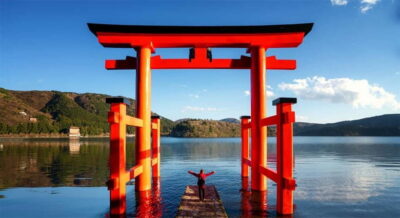
- Hakone Jinja’s floating torii: the quick hit that works
- Owakudani Kurotamago Kan: sulfur fumes and the black egg ritual
- Lake Ashinoko and Togendai: pirate-boat vibes and cable-car views
- Hakone Open-Air Museum and Odawara Castle: good pacing near the finish
- The tour’s real value: what $380 gets you for up to 5
- Timing tricks that matter when Mt Fuji might hide
- Weather reality: what you should expect if clouds roll in
- Who this private tour is best for
- Should you book this Mt Fuji and Hakone private tour?
- FAQ
- How long is the Mt Fuji and Hakone full-day private sightseeing tour?
- What does the price include, and is it per person?
- Is hotel pickup included?
- Do I get a mobile ticket?
- What if the weather is bad and Mt Fuji isn’t visible?
- What is the cancellation policy?
Key things that make this tour click
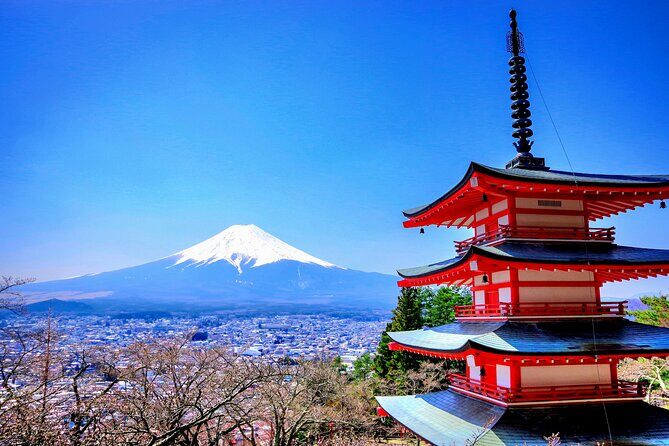
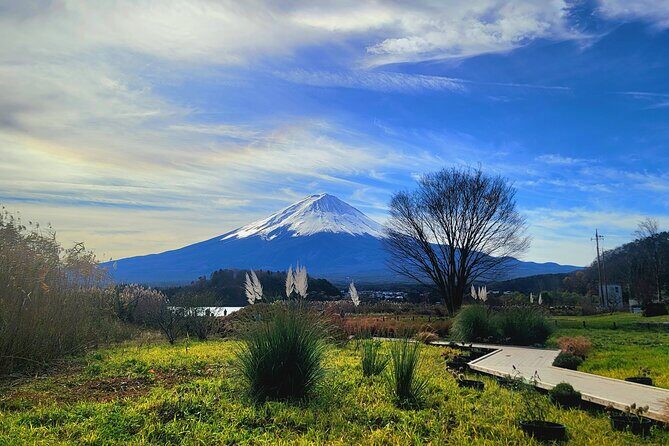
- Private driver + pickup: you cut out public-transport stress on a long day
- Hakone Ropeway and Lake Ashi cruise: two signature ways to see the region
- Volcanic Owakudani: sulfur fumes, the black-egg stop, and big Hakone views
- Fuji-area classics without the scramble: Oshino Hakkai ponds, shrine forests, and old villages
- Multiple photo angles: lake-side views, torii at Hakone Jinja, and castle tower outlooks
- Small group (up to 5): easier pacing than bus tours when lines spike
Other routes to the mountain, compared
- Mt Fuji & Hakone Cruise, Drum Show Bullet Train 1 Day from Tokyo★ 4.0 · 7,413 reviews
- Tokyo Mt Fuji 5th St & Hakone Cruise Bus Tour w/Bullet Train★ 4.4 · 5,024 reviews
- From Tokyo: Mount Fuji Full-Day Sightseeing Trip★ 4.5 · 4,970 reviews
Why this private Mt Fuji and Hakone day trip feels easier than trains
A Tokyo-to-Fuji/Hakone day works, but it’s long. The advantage here is that you’re not building it piece by piece on public transit. Instead, you get a private driver, hotel pickup (offered), and a plan that hits the area highlights without you constantly checking timetables and platform changes.
That matters because the day can be slow even when you move fast. Tokyo traffic, mountain roads, and visitor surges around Lake Ashi and Owakudani are real. A good driver helps you spend your energy where you want it: looking at Mt Fuji, wandering Oshino Hakkai, or standing at the edge of Hakone’s volcanic world.
The tour is priced per group (up to 5), and you’re booking a full private day. That’s not cheap in absolute dollars, but it becomes sensible if you split the cost across a small group and value time. It’s also ideal for families or anyone who wants the day to feel like a guided road trip rather than a self-led scavenger hunt.
First stop: Fuji Sengen Shrine, old trees, and a calm start
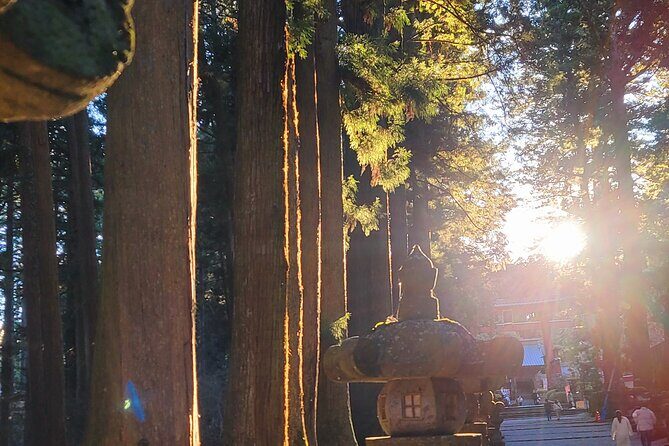
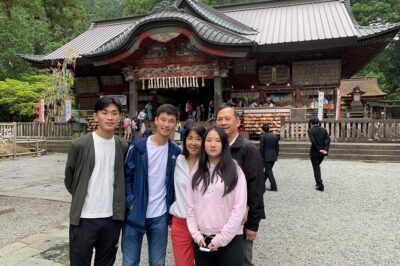
You begin at Kitaguchi Hongu Fuji Sengen Jinja Shrine, on the north side of Mt Fuji’s base. This is one of those places that instantly changes the tempo. You step into dense cedar and pine, and the forest feels like it’s been there longer than modern travel.
What makes this stop interesting is the age and atmosphere. The shrine dates back to 100 A.D., and the main hall is famous for very old cypress trees (about 1,000 years old). It’s not just architecture. It’s the setting—shaded paths, big trunks, and a sense of order before the crowds start to grow.
Practical note: admission is listed as free, so you’re not paying extra just to get your bearings. You’re using the morning light and quiet to get into “Fuji mindset” before the day gets louder.
Oshino Hakkai: eight ponds, koi, and Fuji views without hype
Next comes Oshino Hakkai, a traditional village built around springs. The big hook here is specific: eight natural spring water ponds fed by Mt Fuji. You also see koi fish, and the area has a souvenir stretch plus traditional food streets, with Mt Fuji often in the background when visibility cooperates.
This is a great stop because it gives you a different texture than Hakone. Fuji’s region has water, village life, and small-scale details. You’ll likely spend time walking slowly, looking at the pond edges, and grabbing snacks if you’re hungry.
The main consideration: this is a popular place. If your goal is photo perfection, arrive with energy early and keep moving. If your goal is the vibe, you’ll be fine even when it’s crowded.
Lake Saiko and Saiko Iyashi no Sato Nemba: thatched roofs and kimono time
Then you head to Saiko Iyashi no Sato Nemba, a traditional village in the Lake Saiko area. Think old thatched-roof houses, lake-side atmosphere, and food stalls that match the setting. If you want a hands-on cultural moment, there’s a kimono experience mentioned here.
The key detail: this village stop is listed with admission not included. So plan on paying separately if you want the full experience, and bring cash or expect payment options on-site (the tour data doesn’t specify which).
Why I like this part of the day: it’s slower and more human-scale. After the shrine forest and Oshino ponds, this is a visual “reset.” It helps balance the volcanic intensity that’s coming later.
More Hakone loops, ropeways and lake crossings
Hakone Jinja’s floating torii: the quick hit that works
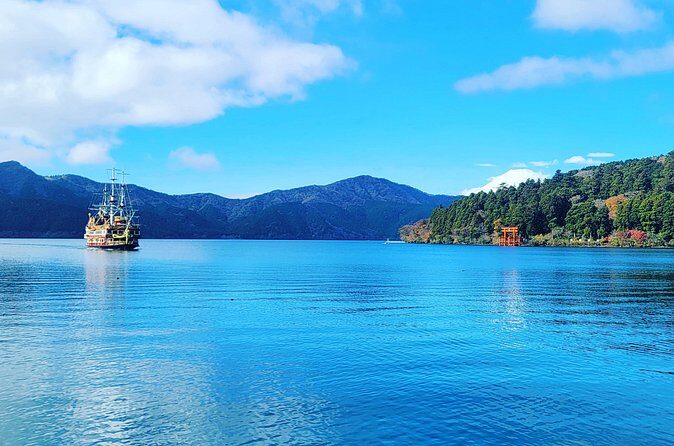
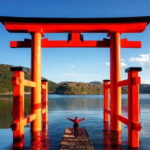
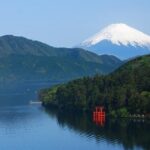
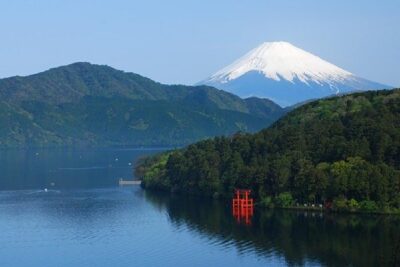
At Hakone Jinja, you see the famous orange floating torii gate on Lake Ashi. It’s a short stop by design (about 30 minutes), but it’s a stop with payoff. The torii is the kind of view that feels instantly iconic once you’re standing there, even if you’re not a “history of torii gates” person.
This is also one of those photo stops where timing matters. If your driver can choose an angle that’s less jammed, you’ll get better photos without waiting forever.
Admission is free here, which helps. It’s one of the moments where the tour gives you a signature sight without adding extra ticket costs at that exact moment.
Owakudani Kurotamago Kan: sulfur fumes and the black egg ritual
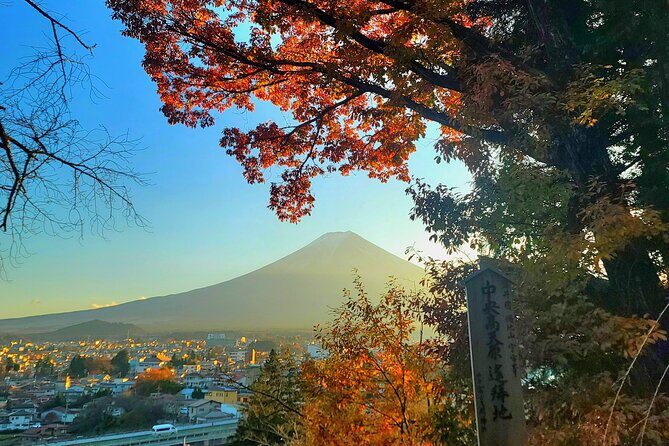
Now you shift from “Fuji and water” to “Hakone and fire.”
Owakudani Kurotamago Kan is centered on Hakone’s volcanic activity, including sulfur fume vents and the famous black eggs. The area is tied to an eruption nearly 3,000 years ago, so you’re walking through a landscape that still feels alive. You’ll likely smell sulfur before you fully see it, which makes this stop memorable even if you don’t eat the eggs.
This is also where the day can feel crowded. Owakudani is popular because it’s unique. If you’re okay with a bit of queue time, it’s worth it.
Practical tip: treat this stop like a “photos plus walk” zone. Don’t linger too long if you want breathing room later for the ropeway, cruise, and museum.
Lake Ashinoko and Togendai: pirate-boat vibes and cable-car views
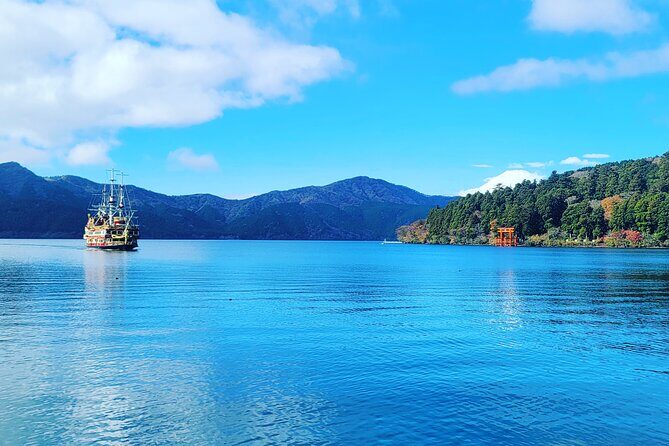
Back toward the lake, you get Lake Ashinoko and a pirate boat ride on Lake Ashi with Mt Fuji views. That cruise matters because it puts you on the water, not just on the shore. Lake Ashi frames Hakone’s volcanic scenery in a way that’s hard to replicate from land.
From there, you continue to Togendai Station General Information Center for a cable car ride from the lakeside. The tour data notes admission not included for this portion, but it’s still a short, targeted ride meant for Fuji viewing angles.
Why this sequence works: the lake cruise buys you calm, then the cable car gives you a higher perspective. You end up with a “lower-to-higher” visual story that makes the day feel cohesive, not random.
Hakone Open-Air Museum and Odawara Castle: good pacing near the finish
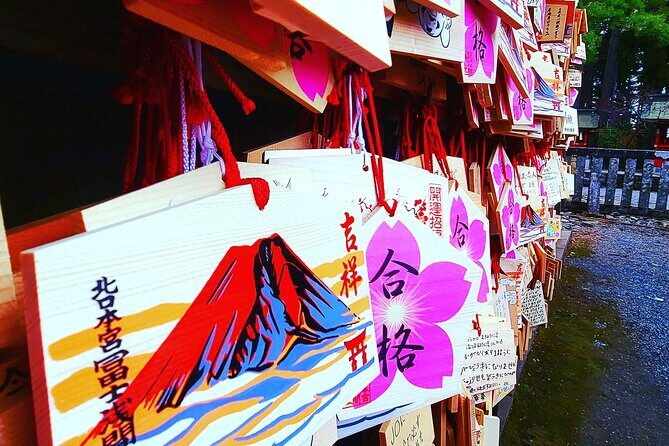
After the big scenic hits, you get a culture-and-legs option.
At The Hakone Open-Air Museum, you’re looking at an outdoor sculpture park plus some indoor exhibits. The tour also notes a natural hot spring on-site. Admission is not included, so if you want the museum and hot spring aspect, budget for it.
This stop is a smart break if your earlier parts of the day were intense. You can wander at your own pace, and the outdoor layout can be easier than trying to jam through an indoor museum while tired.
Finally, you finish with Odawara Castle, described as a small, sturdy castle with exhibits and artifacts, plus tower views. Admission is listed as free here. Even if you’re not a “castle person,” the tower viewpoint is a nice capstone after a day of lakes and volcanic craters.
If the weather is mixed, castle views are often a consolation prize. You may not get a crisp summit, but you still get a sense of geography.
The tour’s real value: what $380 gets you for up to 5
Pricing is $380 per group (up to 5), with a duration of about 10 hours. On its face, that sounds like a lot—until you translate it into what you’re buying:
- a private car for a long mountain day
- hotel pickup (offered), so you don’t waste time commuting from a random meeting point
- an English-speaking guide who helps you order your day logically
- a tight set of highlight stops that would be hard to coordinate alone in one loop
Meals and entry fees are explicitly extra. Bottled water is provided. So you’re paying for guidance and transport, not for every ticket you might choose to add at each stop.
For many groups, the best value comes from avoiding wasted time. When a bus tour slips, you lose an hour. When you’re in a private car with flexibility, you can adjust for lines and visibility in the moment.
If you’re traveling solo, it’s usually better to compare cost against convenience. If you have a couple of friends or family members, the math improves fast.
Timing tricks that matter when Mt Fuji might hide
Mt Fuji is weather-driven. You plan your day, then reality decides if the summit is a clear target.
Here’s the practical approach I recommend based on how guides run this kind of day: start early when you can. One guide suggestion from a morning pickup was to leave around 7:00 a.m. to beat crowds. That tip makes sense because popular Fuji/Hakone routes can clog once the day warms up and more tour groups arrive.
Also, build in flexibility for line-heavy moments like the Hakone Ropeway. The tour highlights that ride, but waiting times can vary a lot. If ropeway lines look brutal, a smart guide may reroute or adjust timing. The goal is simple: keep the day moving so you still hit the high-impact stops.
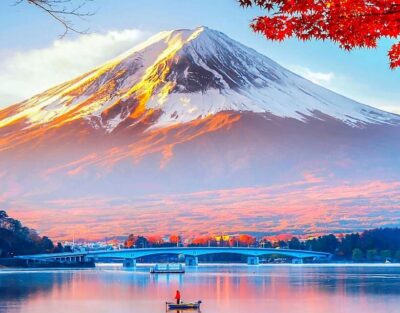
If the day turns cloudy, don’t treat it like a failure. Sometimes Fuji is a silhouette or a partial peak. It still changes the whole experience—especially when you’re already out in the volcanic and lake scenery instead of stuck in Tokyo.
Weather reality: what you should expect if clouds roll in
This is one of those tours where the listing says it requires good weather. If Mt Fuji conditions are poor, the tour may be canceled due to weather and you’ll be offered a different date or a full refund.
In other words: you’re not buying a guaranteed clear summit photo. You’re buying a well-run day that maximizes your odds while you’re actually in the region.
If your heart is set on Mt Fuji fully visible, your best strategy is to schedule this with date flexibility in mind. If clouds appear, still enjoy the Hakone volcanic stops and lake viewpoints. They’re the reason you came.
Who this private tour is best for
This is an easy fit if you want:
- a guided, small-group day with private transportation
- to avoid long public transit days from Tokyo
- to see multiple Hakone and Fuji highlights without coordinating tickets and routes yourself
- a trip that can be customized based on what you care about
It’s also a strong pick for families with kids who need a day that doesn’t feel like hopping across train lines. One benefit of private pacing is that you can slow down where it matters and skip or shorten where it doesn’t—without offending a group schedule.
If you love DIY travel and you’re comfortable building routes, you might do it cheaper on your own. But you’d be trading that convenience for planning time, ticket logistics, and more stress when lines surge.
Should you book this Mt Fuji and Hakone private tour?
Yes, if you want a guided day that feels efficient and you’re traveling with at least one person who can share the group cost. The biggest “yes” signals are pickup convenience, the small group size (up to 5), and the way the route connects Fuji shrines, spring-water villages, Hakone’s volcanic drama, Lake Ashi views, and a calmer museum/castle finish.
Before you book, be honest with yourself about two things. First, Mt Fuji visibility depends on weather. Second, meals and most extra entry tickets are not included, so you’ll want a budget for those add-ons (and a bit of patience for crowds at popular stops).
If you’re ready for that, this tour is one of the smarter ways to turn Tokyo time into a true Mt Fuji and Hakone day—without turning it into a logistics project.
FAQ
How long is the Mt Fuji and Hakone full-day private sightseeing tour?
It runs about 10 hours.
What does the price include, and is it per person?
The price is $380 per group (up to 5). Bottled water is provided, but meals and entry fees are extra.
Is hotel pickup included?
Pickup is offered, and the tour is private for your group.
Do I get a mobile ticket?
Yes, the tour offers mobile ticketing.
What if the weather is bad and Mt Fuji isn’t visible?
This experience requires good weather. If it’s canceled due to poor weather, you’ll be offered a different date or a full refund.
What is the cancellation policy?
You can cancel for free up to 24 hours in advance for a full refund.
More Tour Reviews in Tokyo






Hakone, Three More Ways
The Fuji Shortlist: Other Days Out to the Mountain

Fresh reviews from around Tokyo






Mt Fuji Day Trips, compared.
 ★ 4.0Mt Fuji & Hakone Cruise, Drum Show Bullet Train 1 Day from TokyoFrom $1497,413 reviews
 ★ 4.4Tokyo Mt Fuji 5th St & Hakone Cruise Bus Tour w/Bullet TrainFrom $1545,024 reviews
 ★ 4.5From Tokyo: Mount Fuji Full-Day Sightseeing TripFrom $684,970 reviews
 ★ 4.7Mt. Fuji Tour, Hakone Ropeway, Owakudani, Lake AshiFrom $544,002 reviews
 ★ 5.0Private Tour to Mt. Fuji and Hakone (Fully Licenced Operator)From $4971,910 reviews
 ★ 4.9Mount Fuji Full-Day Private Tour from Tokyo (Customizable)From $3931,470 reviews
 ★ 4.0Mt Fuji & Hakone Cruise, Drum Show Bus 1 Day from TokyoFrom $1221,287 reviews
 ★ 4.2From Tokyo: Mt. Fuji & Hakone Tour w/ Return by Bullet TrainFrom $1171,278 reviews
Browse the lists this tour appears in