
Reviewed · GUIDED
Haneda Layover tour of 5hours with local Japanese guide by car
Tokyo layovers can feel long.
This private Haneda to Narita transfer tour turns downtime into real sightseeing, with a guide riding in the car and timing the stops so you can see major Tokyo sights without guessing trains. It’s built for one job: get you between airports comfortably, then make the most of the hours you have.
I especially like the combination of airport pick-up/send-off plus guided visits to big hits that usually take more planning than they should. I also like that you’ll get a tight, well-paced loop that hits Asakusa Shrine, Tsukiji, Meiji Jingu, and Shibuya Crossing in about five hours.
The main thing to consider is that it’s a small, fixed itinerary. If you’re hoping for lots of extra stops or heavy shopping time, you may feel rushed, and (like any tour) guide timing and help can vary.
In This Review
- Key highlights you’ll actually feel
- Why a Haneda-to-Narita car tour beats guessing trains
- Asakusa Shrine: Tokyo’s old-meets-tradition start (and why 50 minutes works)
- Tsukiji Fish Market: a short hit of seafood culture (without eating hours)
- Meiji Jingu: the calm reset before Shibuya
- Shibuya Crossing: the iconic finale that proves you can do a lot
- Guide quality is the real difference: punctuality, photos, and transit help
- Price and value: $800 for up to 4 people, and what you’re really buying
- Timing tactics for a 5-hour layover day
- What’s included vs not: keep your day budget-friendly
- Should you book this Haneda layover tour?
- FAQ
- FAQ
- How long is the Haneda layover tour?
- How many people are included in a group?
- Where does the tour start?
- Is airport pick-up or send-off included?
- What are the main sightseeing stops on the route?
- Is lunch included in the price?
- Do I have to pay admission fees for the listed stops?
- Is this tour private?
Key highlights you’ll actually feel
- Private car + local guide to get you between airports without transit stress
- Asakusa Shrine as your cultural warm-up before the city gets loud
- Tsukiji Fish Market for a fast, focused look at Japan’s seafood energy
- Meiji Jingu to slow down in a calm shrine setting
- Shibuya Crossing as a short, iconic payoff for a tight schedule
- Up to 4 people per group, which can make the cost feel more reasonable
More days made easy by a guide
- Tokyo 6hr Private Tour with Government-Licensed Guide★ 5.0 · 3,902 reviews
- Tokyo: Shinjuku Local Bar and Izakaya Guided Walking Tour★ 4.9 · 1,794 reviews
- Tokyo: Private City Highlights Tour with Local Guide★ 4.8 · 1,433 reviews
Why a Haneda-to-Narita car tour beats guessing trains
If your flight lands at Haneda and leaves from Narita (or the other way around), you’re dealing with more than just time. You’re dealing with the stress of switching systems: airport directions, station transfers, station exits, luggage logistics, and trying to still enjoy Tokyo in between.
This experience solves that problem with a private car and a local Japanese guide, plus airport pick-up / send-off included. That matters because a layover isn’t just sightseeing time. It’s also your buffer time to avoid last-minute panic if trains run late, you miss a connection, or you just move slower when you’re tired.
The itinerary is designed as a “best-of” route. You’ll start with a classic shrine atmosphere in Asakusa, then switch to market life at Tsukiji, shift to a quieter woodland sanctuary at Meiji Jingu, and then end with the loud, famous grid of Shibuya Crossing. Five hours is short, but the stops are spaced so you’re not spending the whole day in transit.
One more practical note: it’s private, meaning only your group participates. That’s a big deal on short layovers because you can move at a pace that fits your needs instead of getting pulled along by strangers.
Asakusa Shrine: Tokyo’s old-meets-tradition start (and why 50 minutes works)
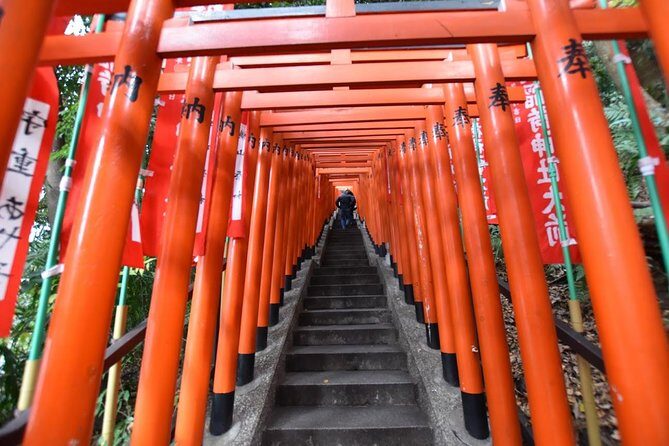
Asakusa Shrine is a smart first stop because it gives you a strong sense of Tokyo right away. It’s a place where the vibe is instantly recognizable, even if you don’t know a lot of Japanese. You get a traditional setting with the kind of energy that makes jet lag feel less heavy.
You have about 50 minutes here, and that time box is the whole idea. With layovers, the win isn’t maxing out. The win is leaving with a real impression and photos you’ll actually remember. Fifty minutes is enough to see the main shrine area, walk around, and get oriented before you hit busier zones later.
Admission is listed as free for this stop, so you can spend your time on walking and soaking up the atmosphere, not ticket lines.
Possible drawback: Asakusa can be crowded depending on the time of day. If you hate crowds, you’ll want to keep your expectations flexible and focus on the core views rather than trying to wander everywhere.
Tsukiji Fish Market: a short hit of seafood culture (without eating hours)
Next is Tsukiji Fish Market for about 40 minutes. This is another excellent layover choice because it’s one of those Tokyo landmarks people recognize immediately, and it represents a big part of everyday Japanese food culture.
In that limited time, you’re not there to do a full market deep scan. You’re there to get the feel: the seafood focus, the fast pace, and the kind of variety that makes you realize Japan takes sourcing seriously. If food is one of your travel priorities, this stop will give you that “oh, that’s what I came for” moment without requiring half a day.
Admission is listed as free, which helps. The tour doesn’t include lunch, though. That means you’ll want to plan around snacks or a quick meal either before the tour starts or after the market portion, depending on how your guide schedules breaks.
Potential consideration: If you’re the type who wants to buy or sample everything, forty minutes may feel tight. Use it for sights and quick tastes, not a shopping mission.
Meiji Jingu: the calm reset before Shibuya
Then you shift gears to Meiji Jingu Shrine, scheduled for about 40 minutes. If Tsukiji is all motion and Meiji is all stillness, that contrast is exactly why this itinerary works.
Meiji Jingu is set up to help you breathe. You’re moving from a seafood-market intensity into a more sacred, forest-like environment. It’s a good mental reset right before you head into Shibuya’s chaos, and it tends to make the day feel less like a checklist.
This stop is listed as free and has a solid time window. You can see the main shrine approach, enjoy the quieter surroundings, and still keep the overall tour on track.
Possible drawback: Because it’s a shrine area, you’ll want to respect the space and slow down. That’s not a problem, but it can affect how quickly you burn through the time. Build in a slightly unhurried mindset so you don’t feel rushed when it’s time to move on.





Shibuya Crossing: the iconic finale that proves you can do a lot
Finally, you land at Shibuya Crossing for about 30 minutes. This is the world-famous crossing, and it’s a reliable payoff for a short layover day.
Thirty minutes is enough to:
- watch the signal changes and crowd flow,
- grab a few photos from a safe viewing area,
- and soak in the sense of how Tokyo moves.
It’s also a flexible finale. If your flight timing is tight or you’re tired, this is the place where you can slow down and still feel like you saw something real.
A key detail from the reviews: guides often take special care with timing here. One highlight was a day with guide Yaya, who reportedly picked people up on schedule and then focused heavily on Shibuya during the middle of the tour. Another review praised Fumie for smart pacing and efficient route planning so the time felt used well rather than wasted.
The flip side: if your guide isn’t providing much direction, a short Shibuya stop can feel like you’re just dropped into crowds. That’s where preparation and communication really matter.
Guide quality is the real difference: punctuality, photos, and transit help
The itinerary is strong. Still, the guide can make or break the day on a layover, because you’re operating under time pressure and you need decisions made fast.
In the best scenarios, you’ll get a guide who is:
- punctual and responsive,
- good at reading what your group needs,
- and strong with logistics.
Several reviews mention guides like Yaya and Fumie/Fumi as communicative and organized. One account specifically noted that the guide was excellent with photography, teaching you where to stand for better shots, and helping with food and drink choices. Another praised a guide for organizing trains, restaurants, and sights efficiently, which is a big deal when you don’t have hours to “figure it out.”
But I’ll also be honest: there is at least one negative review that mentions a guide arriving late, being quiet for the first stretch, and not being helpful with transportation tips. That doesn’t mean the tour is consistently like that. It does mean you should pay attention when you book and communicate clearly about your arrival/departure timing.
My practical takeaway: a private layover tour is only as good as the human behind it. If you value photo spots, food suggestions, and clean logistics, you’ll likely love it when the guide is on point.
Price and value: $800 for up to 4 people, and what you’re really buying
The price is listed at $800 per group (up to 4). That might sound steep until you break down what’s included.
You’re paying for:
- a private car transfer between airports,
- a local Japanese guide for the entire 5-hour window,
- and guided sightseeing during that same time block,
- plus airport pick-up / send-off.
For a layover, you’re not just buying sightseeing. You’re buying stress reduction. If you tried to do this yourself, you’d still spend time coordinating trains, buying tickets, figuring out station exits, and managing luggage. That time is exactly what you don’t have.
So here’s the value math that usually works best: if you’re traveling as a family or a small group and you can fill the up-to-4 seats, the cost starts to feel more reasonable. If you’re a solo traveler, it can feel heavier because you’re paying for a private vehicle and guide that could have been spread out among more people.
Also remember what’s not included. Lunch isn’t included, and there may be an additional admission cost if Tokyo Skytree is added if necessary (listed at $20 per person). For the core stops, admissions are listed as free, which helps keep the day predictable.
One more practical note: this tour is often booked about 18 days in advance on average. If your flights are around a busy season or your layover window is narrow, booking earlier can help lock in the date.
Timing tactics for a 5-hour layover day
With a layover tour like this, timing isn’t a minor detail. It’s the whole game.
Here’s how I suggest you think about it:
- Build a little cushion for immigration and getting to the meeting point.
- Keep in mind that you’re doing four major stops plus transfer time.
- Plan your phone/data and your meeting plan so you don’t waste minutes at the start.
The tour includes pickup at the start in Haneda Airport (meeting point listed at 3-3-2 Hanedakuko, Ota, 144-0041 Tokyo). From there, the goal is to move you between airports while also seeing major sights.
What to wear: comfortable shoes. Even though the time in each stop is fairly controlled, you’ll still be walking in several areas, including shrine grounds and busy city zones.
Food planning: since lunch isn’t included, decide ahead of time if you want to:
- grab something quick before the tour,
- or treat lunch as a separate plan after Tsukiji or near the end of the day.
If you’re traveling with kids, this style can work really well. One review mentioned a 10-year-old who loved the experience, and that makes sense: the route is structured and you’re hitting recognizable landmarks without dragging the day too long.
What’s included vs not: keep your day budget-friendly
You’re not going to get surprised by ticket costs at the main stops. The listed admissions for Asakusa Shrine, Tsukiji Fish Market, Meiji Jingu Shrine, are all free, and the tour includes airport pick-up / send-off.
But keep these items in mind:
- Lunch is not included, so budget for food.
- There may be Tokyo Skytree admission if it gets added and if it’s necessary, listed at $20 per person.
This is actually one reason I like this itinerary for layovers. You can plan around it without a lot of “wait, how much is this?” friction.
Also, the tour provides a mobile ticket, which tends to make start-of-day logistics simpler once you’re at the airport.
Should you book this Haneda layover tour?
Book it if your flight schedule forces you to move between Haneda and Narita and you want your layover to feel like a real Tokyo day, not a transit chore. This is a strong fit for couples, families, or small groups who want a private guide + car and don’t want to spend precious time figuring out trains.
Skip it (or at least reconsider) if you want a lot of flexibility—more stops, long museum time, or lots of downtime for shopping. This route is built to hit specific highlights fast, and you’ll feel that structure.
If you do book, you’ll get the best results by choosing the option that matches your pace, keeping your arrival window realistic, and communicating clearly about what matters most to you (photos, food, or just getting a great overview fast). When the guide is punctual and proactive, experiences like those shared by Yaya and Fumie/Fumi show how well this setup can turn a stressful layover into something you’ll remember for the right reasons.
FAQ
FAQ
How long is the Haneda layover tour?
The tour is about 5 hours.
How many people are included in a group?
The price is per group for up to 4 people.
Where does the tour start?
It starts at Haneda Airport, with the listed meeting point at 3-3-2 Hanedakuko, Ota 144-0041 Tokyo Prefecture.
Is airport pick-up or send-off included?
Yes. Airport pick-up and send-off are included.
What are the main sightseeing stops on the route?
The stops are Asakusa Shrine, Tsukiji Fish Market, Meiji Jingu Shrine, and Shibuya Crossing.
Is lunch included in the price?
No. Lunch is not included.
Do I have to pay admission fees for the listed stops?
Admission is listed as free for the main stops. There is a note that Tokyo Skytree admission may be $20 per person if necessary.
Is this tour private?
Yes. It’s a private tour/activity, and only your group participates.
Easier with a Guide

More Tours in Tokyo

More Tour Reviews in Tokyo



Fresh reviews from around Tokyo






Guided, compared.
 ★ 5.0Tokyo 6hr Private Tour with Government-Licensed GuideFrom $1553,902 reviews
 ★ 4.9Shinjuku Local Bar and Izakaya Guided Walking TourFrom $341,794 reviews
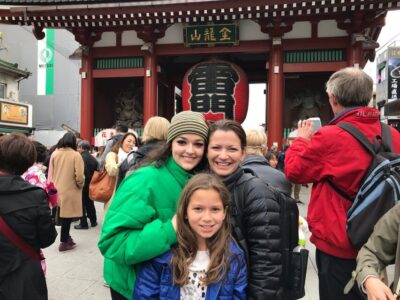 ★ 4.8Private City Highlights Tour with Local GuideFrom $1061,433 reviews
 ★ 4.9Tsukiji Fish Market Guided Walking TourFrom $221,397 reviews
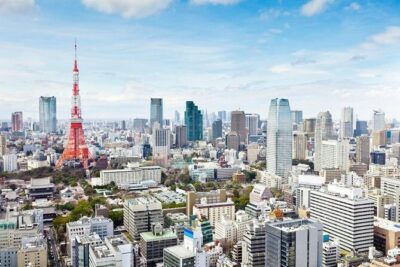 ★ 5.0Tokyo 4hr Private Tour with Government-Licensed GuideFrom $1091,394 reviews
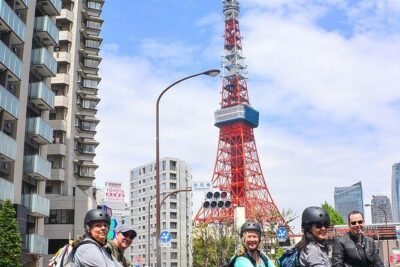 ★ 5.0Tokyo Guided Small-Group Biking TourFrom $1061,250 reviews
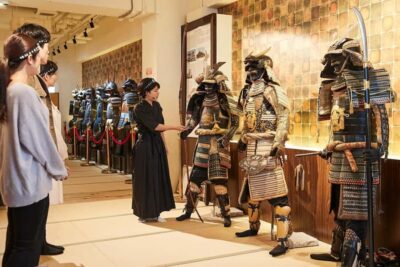 ★ 4.6Samurai Ninja Museum Guided tour and ExperienceFrom $271,010 reviews
 ★ 5.0Tsukiji Fish Market Guided Tour and Sushi Making with Pro ChefFrom $104775 reviews