
Reviewed · WORKSHOPS
Tokyo: Traditional foot-kneaded Udon noodles class
Your feet get involved.
This Tokyo cooking class turns Musashino udon into something you do, not just watch. You’ll knead the dough with your feet, learn the bread-and-butter steps behind authentic Japanese udon, then eat your results fresh. It’s also taught in the kitchen of an ordinary Japanese house in Musashino, so the whole thing feels grounded and real.
Two things I especially like: you learn to make dashi, the stock that powers so much Japanese cooking, and you get a full “from dough to bowl” workflow with tools and techniques that are specific, not generic. One thing to consider is the foot-kneading itself: if that sounds uncomfortable, or if pork soup is an issue for your diet, you’ll want to plan carefully (the class mentions an optional vegetarian udon lesson).
In This Review
- Key highlights worth knowing before you go
- Why Musashino foot-kneaded udon feels different in Tokyo
- Getting from Higashimurayama station to the home kitchen
- The first hands-on step: udon dough and “foot kneading”
- Making dashi the classic way, then building a pork soup dip
- Rolling and cutting Musashino udon noodles with a special knife
- The meal payoff: cold fresh noodles with hot dipping soup
- Casual matcha and wagashi tea ceremony to close out the day
- Pricing and value: is $70 worth it?
- Vegetarian or vegan options: how to plan if you skip pork
- Who should book this udon class, and who might pass
- Should you book? My practical take
- FAQ
- Where is the meeting point?
- How long does the class last?
- How big is the group?
- What’s included besides making udon?
- What languages are used during the class?
- Is there a vegetarian option?
- What about allergies or ingredients I can’t eat?
- What does the udon lesson include?
- Is public transportation to Higashimurayama station included?
Key highlights worth knowing before you go
- Foot-kneaded dough: you actually step on and work the udon dough, not just mix it by hand
- Homemade dashi practice: learn how the essential stock is made, then use it right away
- Cold noodles + hot dipping soup: you’ll enjoy a clear contrast in textures and temperatures
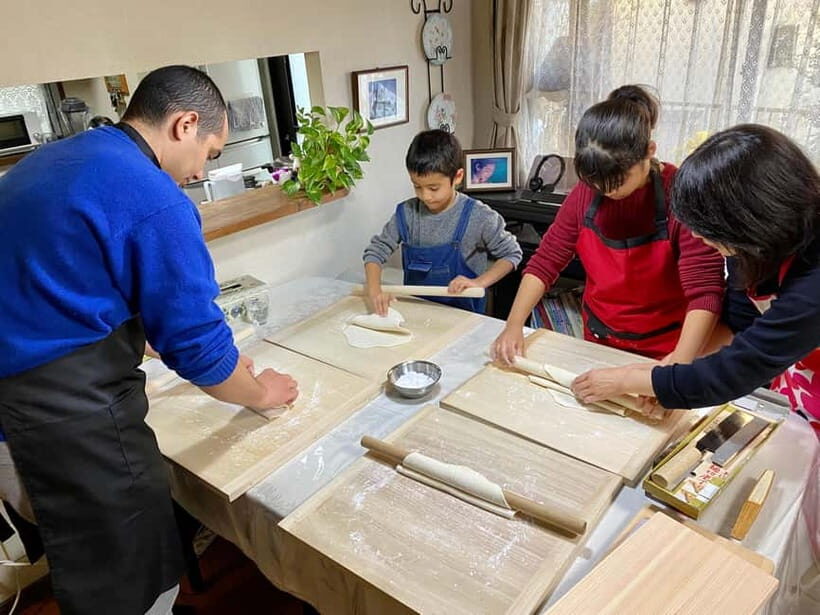
- Roll, cut, and knife skills: you learn how to roll dough into sheets and cut noodles with a special udon knife
- Matcha and wagashi tea time: a casual tea ceremony after the meal
- Small group (up to 4): more time with the instructor and a calmer pace in a home kitchen
More things to make with your own hands
- Sushi Making Tokyo Roll and Authentic Japanese Sushi Class★ 5.0 · 3,971 reviews
- Tokyo Shinjuku Chopsticks Making Class★ 5.0 · 1,763 reviews
- Chopstick Making Workshop in Ginza★ 4.8 · 1,366 reviews
Why Musashino foot-kneaded udon feels different in Tokyo
Most udon classes teach you how to roll dough and cut noodles. This one adds a whole new level of hands-on learning: you knead the dough using your feet. That sounds silly until you see how it changes the texture and feel of the dough. Kneading by foot spreads your weight evenly, and it’s strangely satisfying once you get the rhythm.
The other twist is where you do it. The lesson takes place in the instructor’s home in Musashino, a green suburb west of Tokyo. Musashino is tied to wheat farming, and udon has been made there for centuries. That matters because you’re not just copying a recipe. You’re working inside the kind of everyday kitchen where this food culture can feel close to daily life.
This class also has a strong “teach-you-to-cook” structure. You don’t just make noodles; you learn dashi, then you use it to prepare a pork soup that’s served as a dipper for the noodles. When you can connect those steps, you’re more likely to recreate it later instead of forgetting the lesson the next day.
Getting from Higashimurayama station to the home kitchen
Your day starts with a pickup. The host will drive you from Higashimurayama station to the venue. That’s a real convenience in Tokyo, especially because this experience is in Musashino rather than right in the densest parts of the city.
Two practical notes to keep in mind:
- The pickup is included, but the public transportation cost to reach Higashimurayama station is not.
- Small group size (limited to 4 participants) means you’ll likely spend more time moving with the host rather than doing lots of complicated city transfers.
Once you arrive, expect the tone to be casual and home-kitchen focused. This isn’t a showroom class in a restaurant studio. It’s an ordinary Japanese house kitchen, which is exactly why it can feel more authentic.
The first hands-on step: udon dough and “foot kneading”
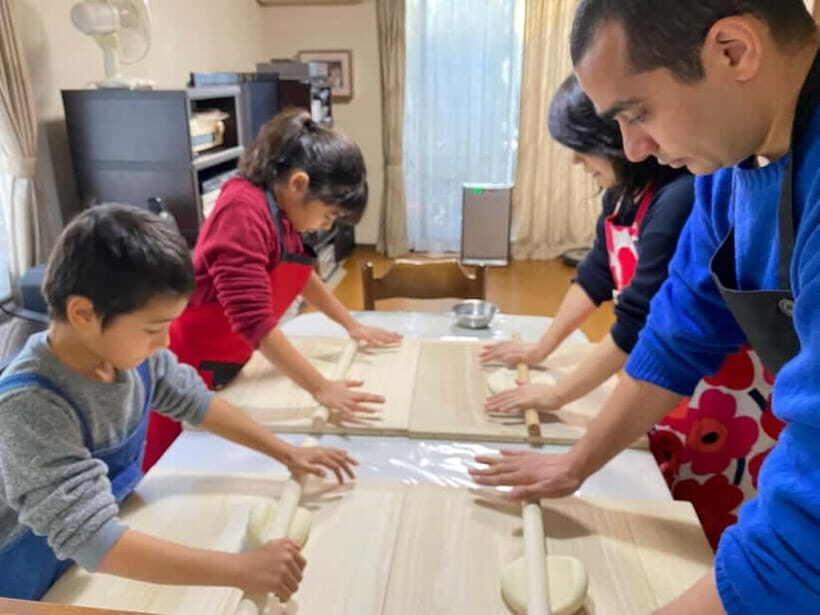
You’ll start by making the udon dough. Then comes the main event: you step on the dough. You’ll use special utensils set up for the process, including a large wooden kneading board, a long rolling pin, and a large bowl for working the dough.
Here’s what makes this part worth your time:
- You learn what dough should feel like before it turns into noodles. Texture is everything in udon.
- The method is memorable. You won’t have trouble picturing the steps later because your feet are involved.
- The class keeps it fun. The reviews describe laughter and a lively, joyful atmosphere, and that matches the practical reality of learning this kind of technique with a small group.
For your comfort, it helps to mentally prepare for the novelty. If you’re squeamish about stepping on food dough, you might decide this isn’t for you. But if you’re open to playful learning, it’s the moment that makes the whole day feel like a real experience rather than a checklist.
Making dashi the classic way, then building a pork soup dip
After the noodle dough work, you shift gears to Japanese stock—dashi. The class specifically teaches you how to prepare it, which is huge value if you’re interested in more than just udon.
Why? Dashi is the backbone of countless Japanese dishes. Even if you don’t cook often, learning the logic of stock (what you’re building and why) makes other recipes easier later. It’s also a good way to connect theory to taste: once you understand what dashi contributes, you’ll recognize that flavor in soups, noodle broths, and simmered dishes.
With the dashi ready, the class moves on to a pork soup that’s commonly used as a dipping sauce for udon. You’ll cook and bring the flavors together, then return to the noodles you made earlier.
One important dietary consideration: this particular soup is described as pork-based. The experience says vegetarian (and vegan) lessons are available as an optional option, so if you don’t eat pork, you’ll want to clarify your needs in advance.





Rolling and cutting Musashino udon noodles with a special knife
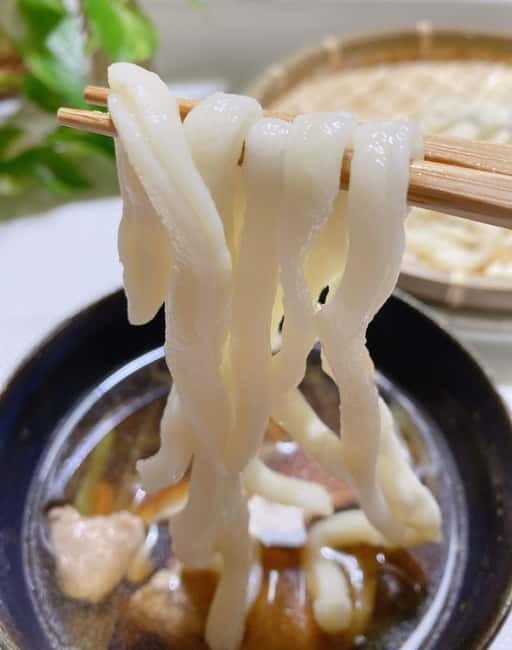
Once your dough is ready and your stock is lined up, you move into shaping the noodles. You’ll learn:
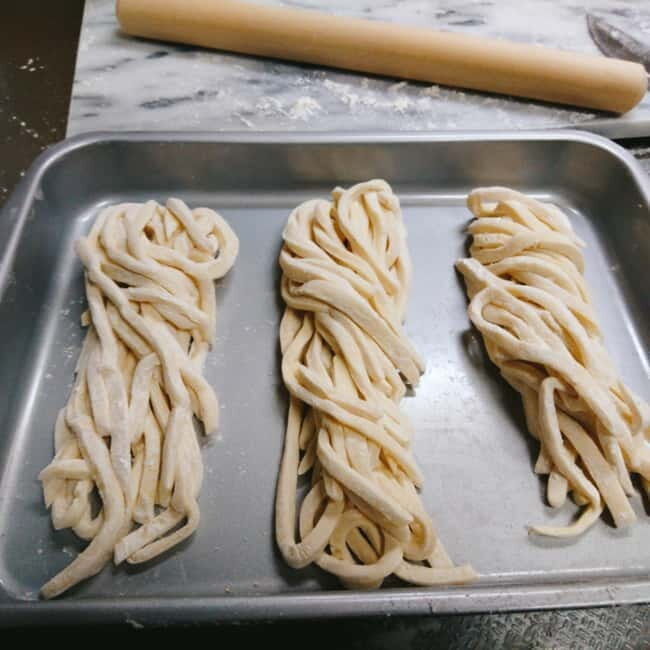
- how to roll the dough into a dough sheet
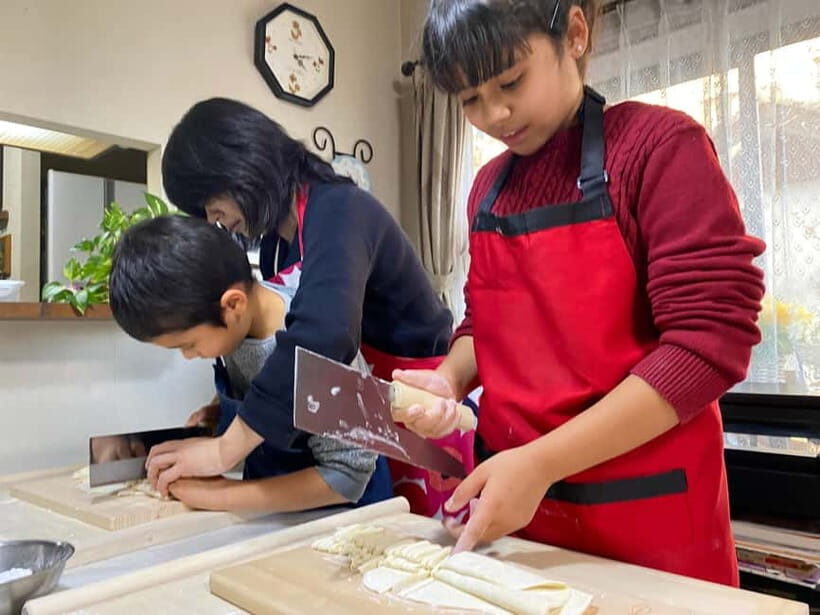
- how to cut the sheet into noodles using a special udon knife
This is the part where food craft turns into real skill. Rolling determines thickness, and thickness affects chew. Cutting affects how the noodles hold onto broth and how they feel in your mouth.
With the long rolling pin and dedicated tools, the process is designed for consistency. In a group of up to four people, you’re not stuck waiting your turn for every step. That matters, because cutting and rolling are fast and easy to rush if the class is overcrowded.
The meal payoff: cold fresh noodles with hot dipping soup
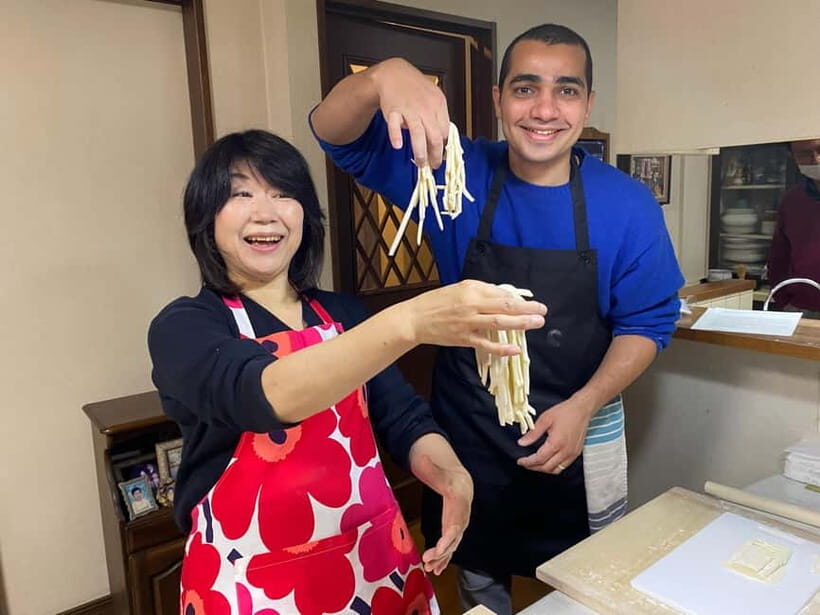
Then you finally eat what you made. The class is built around a satisfying contrast: freshly made cold noodles served with rich hot pork soup as a dipper.
That contrast is the real lesson, not just the reward.
- Freshly made cold noodles highlight the udon’s texture and chew.
- The hot soup brings depth and comfort, and dipping keeps the noodles from getting soggy too quickly.
After the time you spend kneading, rolling, and cutting, this meal feels like proof of work. And the reviews back that up: people call out that the udon is some of the best they’ve had and that the noodles taste remarkably fresh because they’re literally made in the room.
If you’re the type of traveler who likes to bring home a skill (not just a photo), this meal structure helps you remember what you made and why it tastes the way it does.
Casual matcha and wagashi tea ceremony to close out the day
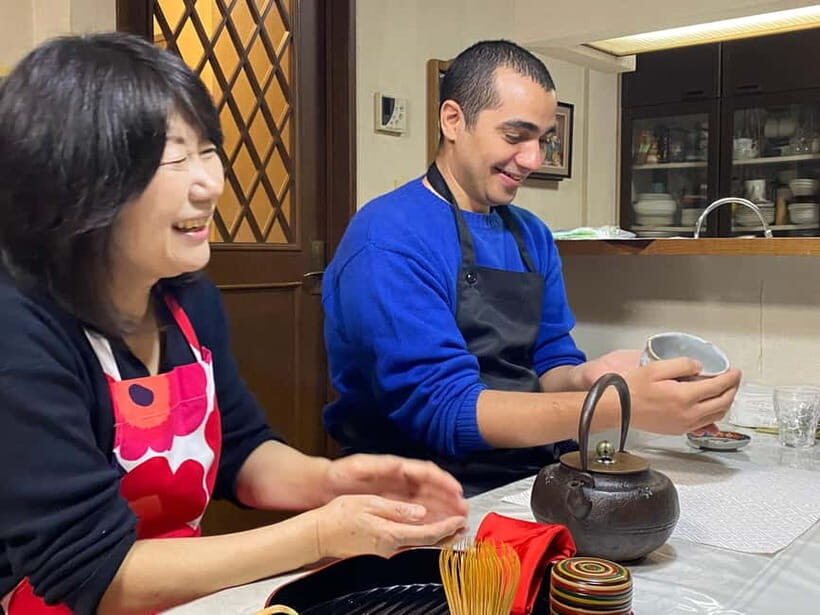
After eating, the class includes a casual Japanese tea ceremony. You’ll get to enjoy matcha with wagashi, traditional Japanese sweets.
This part is brief and relaxed, not stiff or formal. That’s a good match for the rest of the experience because your day has been physical and hands-on. The tea ceremony gives you a quiet moment to reset, slow down, and taste something that’s often treated like an event in Japan, but here it’s simply part of the flow.
Wagashi also helps make the meal feel complete. You finish with a sweet and aromatic ending that pairs nicely with matcha’s grassy bitterness.
Pricing and value: is $70 worth it?
At $70 per person for about 150 minutes, this price can feel high or fair depending on what you compare it to. Here’s what’s included that supports the value:
- ingredients and kitchenwares
- recipes
- matcha tea ceremony experience
- an apron
- pickup from Higashimurayama station
What you’re really paying for is concentrated instruction in a small group and a full cooking arc: dough prep, foot kneading, dashi stock, noodle shaping, then eating and finishing with tea. Many cheaper classes teach only one part, like rolling noodles, and you miss the stock and broth logic. Here, you get the noodle skill plus the flavor foundation.
Also, small group size matters. Up to four participants means you’re not sharing attention with a crowd. In a home kitchen, that difference is obvious.
If you’re traveling solo, this type of class can be a great way to feel connected quickly. One review noted it was their first cooking class, and the pace and warmth helped make it less intimidating.
Vegetarian or vegan options: how to plan if you skip pork
The class says vegetarian lessons are optionally available. That’s important because the standard menu includes a pork soup made with dashi.
If you’re vegetarian or vegan, do two things:
- tell the instructor in advance about what you cannot eat (the experience explicitly asks you to share allergies or dietary limits)
- confirm whether the vegetarian option changes the dashi as well, since dashi typically depends on ingredients that may not fit all diets
The key point: don’t assume the vegetarian swap is automatic. The class offers an option, but your best result comes from communicating your needs early.
Who should book this udon class, and who might pass
This experience is a great fit if you:
- want hands-on cooking with a clear skill outcome
- enjoy learning foundational flavors like dashi
- like cultural food moments that aren’t staged for tourists
- are okay with playful physical learning, including stepping on dough
It might not be the best match if you:
- strongly dislike foot-kneading or anything involving stepping on food dough
- need strict accommodations for dietary restrictions and don’t want to coordinate in advance
- want a totally hands-off, observational experience (this one is active)
Given the way the reviews highlight Izumi’s patience and the fun atmosphere, the vibe is likely welcoming even if you’re a beginner. It’s also not just “craft for craft’s sake.” You end up eating what you made, and you leave with recipes.
Should you book? My practical take
Book it if you want Tokyo food that’s interactive and memorable. The foot-kneading is the headline, but the real strength is the full workflow: udon dough to noodles, dashi to soup, then cold-and-hot eating, finished with matcha and wagashi. You’re paying for a complete, learnable process in a small group, plus a pickup that saves time.
Skip or think twice if stepping on dough sounds like a deal-breaker for you, or if you need very specific diet accommodations and you aren’t willing to message ahead. For everyone else, this is the kind of cooking experience that turns into a story you can tell later and a technique you can actually use at home.
FAQ
Where is the meeting point?
You’ll meet at Higashimurayama station. The host provides a ride from there to the venue.
How long does the class last?
The experience runs for about 150 minutes.
How big is the group?
The class is limited to a small group of up to 4 participants.
What’s included besides making udon?
Besides the udon lesson, you get all ingredients and kitchenwares, recipes, an apron, and a matcha tea ceremony with wagashi.
What languages are used during the class?
The instructor provides lessons in English and Japanese.
Is there a vegetarian option?
A vegetarian udon lesson is available as an option, but it’s something you should coordinate based on what you eat.
What about allergies or ingredients I can’t eat?
You should let the instructor know in advance about any allergies or ingredients you cannot eat.
What does the udon lesson include?
You’ll make udon dough, knead the dough with your feet, learn how to prepare dashi, and then prepare a soup used as a dipper. You’ll also roll the dough, cut noodles with a special udon knife, and eat the finished meal.
Is public transportation to Higashimurayama station included?
No. The public transportation fee to reach the station is not included, though pickup from Higashimurayama station is included.
Make Something to Take Home


More Tour Reviews in Tokyo



Fresh reviews from around Tokyo






Workshops, compared.
 ★ 5.0Sushi Making Tokyo Roll and Authentic Japanese Sushi ClassFrom $593,971 reviews
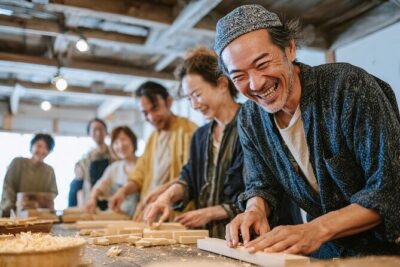 ★ 5.0Tokyo Shinjuku Chopsticks Making ClassFrom $201,763 reviews
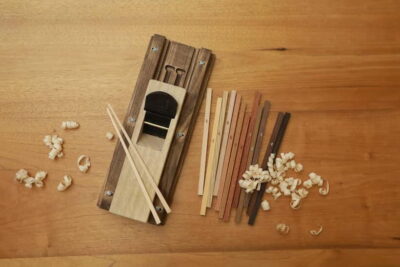 ★ 4.8Chopstick Making Workshop in GinzaFrom $251,366 reviews
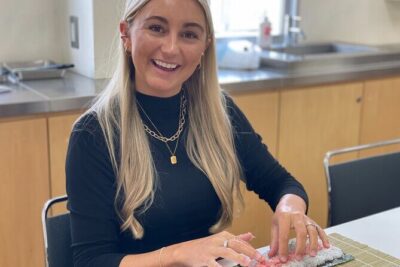 ★ 5.0Tokyo Sushi Making Class in Tsukiji with Professional ChefFrom $491,177 reviews
 ★ 5.0Ramen & Gyoza Cooking Class in Tokyo with Local Supermarket VisitFrom $122823 reviews
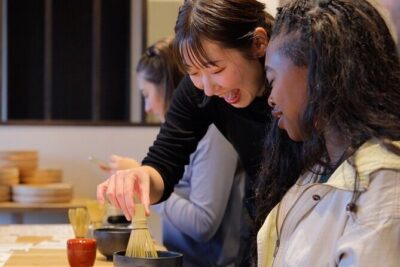 ★ 5.0Matcha Making Class in Tokyo with Authentic Japanese Sweets SetFrom $21744 reviews
 ★ 5.0Samurai Sword & Archery Class from Samurai DescendantFrom $193603 reviews
 ★ 4.9Tsukiji Fish Market Sushi Making Class with Pro ChefFrom $63506 reviews
Browse the lists this tour appears in