
Reviewed · FULL-DAY
Tokyo to Kyoto 1-Full Day Private Guided Tour
Kyoto in a single day takes nerve. This private Tokyo-to-Kyoto tour gives you a guided, organized route so you can spend less time planning and more time seeing the big-ticket landmarks. You’ll also get a mobile ticket, which helps you check in without scrambling.
I especially like the way the itinerary stacks classic Kyoto moments back-to-back, from the Bamboo Forest Street and Tenryu-ji area to Kinkaku-ji and the torii gates of Fushimi Inari. And the guide part matters here: guides such as Ahmed and Midori are repeatedly praised for making navigation easy and turning temple and shrine stops into clear, human explanations.
One big caution: the posted tour price is not the whole cost. Cash yen is often needed for transportation portions and some admission, plus lunch and the bullet train are separate.
In This Review
- Worth knowing before you go
- Kyoto highlights without the stress of planning
- Price and value: what you pay up front vs what you pay in yen
- Private in practice: your group stays together, but you still share Kyoto
- Stop by stop: how the Kyoto itinerary actually feels
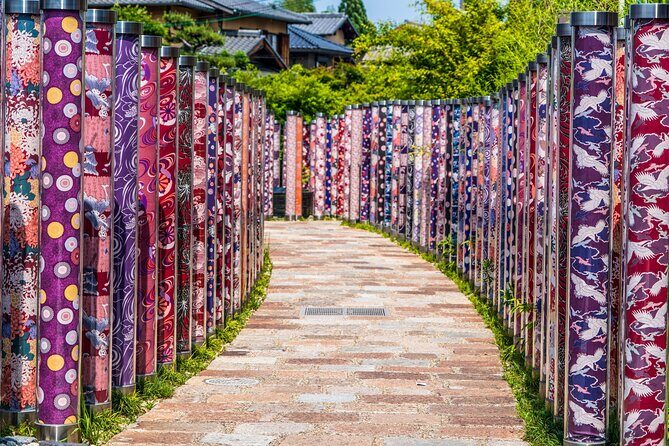
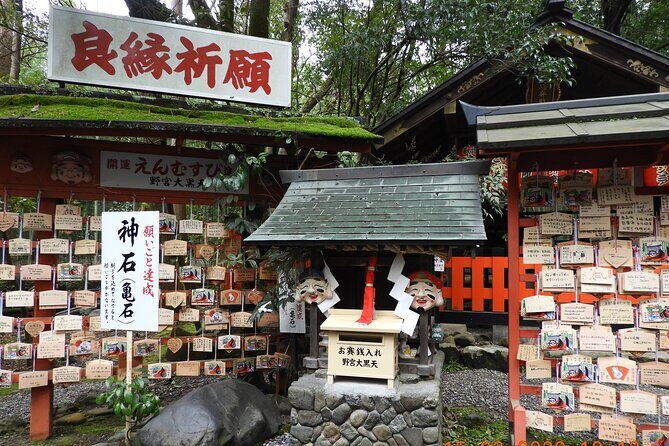
- Bamboo Forest Street, Nonomiya Shrine, and Tenryu-ji Garden
- Kinkaku-ji Temple (Golden Pavilion): the icon stop
- Nishiki Market Shopping District: food energy and quick choices
- Pontocho District: short scenic reset by the river
- Gion: geisha-area streets with context
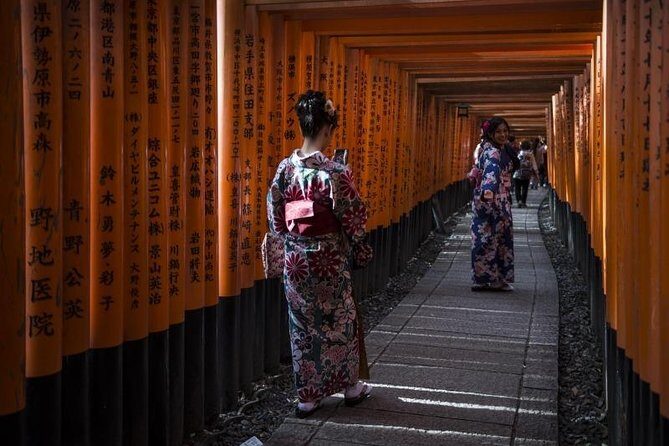
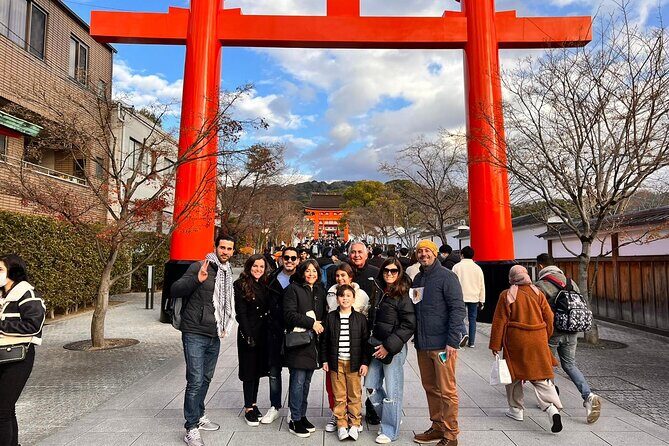
- Fushimi Inari-taisha Shrine: torii gates and stamina check
- Guides who keep the day moving (and still answer your questions)
- Transportation reality: you’re buying convenience, not just movement
- What to do if you’re a foodie or a shopper in a tight schedule
- Who should book this Tokyo-to-Kyoto private highlights day trip
- Should you book this Kyoto highlight day trip?
- FAQ
- Is this tour private?
- How long is the Tokyo to Kyoto day trip?
- What’s included in the price?
- What costs are not included?
- Do I need to buy tickets for each stop?
- How do the transportation costs work?
- What if the weather is bad, or I need to cancel?
Worth knowing before you go
- Private just for your group (up to 10), so you set the pace within the plan
- Bamboo Forest Street + Tenryu-ji Garden as Stop 1, when Kyoto feels most timeless
- Kinkaku-ji, Nishiki Market, Gion, and Fushimi Inari are all on the same day map
- Pontocho District gives a short, atmospheric break by the Kamogawa River
- Expect extra yen for in-city transport and the train ride from Tokyo
- Guides often help with station logistics, not just sightseeing facts
More days made easy by a guide
- Tokyo 6hr Private Tour with Government-Licensed Guide★ 5.0 · 3,902 reviews
- Tokyo: Shinjuku Local Bar and Izakaya Guided Walking Tour★ 4.9 · 1,794 reviews
- Tokyo: Private City Highlights Tour with Local Guide★ 4.8 · 1,433 reviews
Kyoto highlights without the stress of planning
A Kyoto day trip from Tokyo is a speed run. The win is that you get to swap the familiar rush of Tokyo for a very different Kyoto mood: wooden streets, shrine gates, temple gardens, and food stalls. The tradeoff is time. With only one day, you’ll see a lot, but you’ll also feel the pressure to move efficiently.
What makes this tour work for many people is that it’s built like a checklist with a human pilot. Instead of figuring out which entrance to use, where to queue, and how to get from one area to the next, you get a guide and a schedule. You also get a system for communication and timing across the day, which is a big deal when you’re bouncing between neighborhoods.
I also like that the tour doesn’t only focus on one type of sight. You get a garden-and-temple start, then a market stop for food energy, then the geisha-area streets, then the famous red torii trail at Fushimi Inari. In one day, you get several faces of Kyoto rather than just one theme.
Price and value: what you pay up front vs what you pay in yen
This tour lists a price of $490 per group (up to 10), and the duration is about 9 hours. That group pricing can be good value if you’re traveling with family or friends and can split the cost. If you’re a solo traveler, it can feel steep fast, mostly because the real expenses aren’t only the tour fee.
Here’s the practical budget reality from the tour details:
- Transportation (cash) is not included. The tour states ¥100,000 for up to 5 travelers, and it’s ¥100,000 per booking if you have more than 5.
- Tokyo pick-up guide cost may apply: ¥60,000 cash if you choose Tokyo Station pickup.
- Bullet train tickets are not included, and the tour data gives an estimate of ¥28,000 per person (round trip from Tokyo to Kyoto and back) depending on the ticket type.
- Lunch is not included.
- Entrance fees are listed under included items, but several itinerary stops are also marked as admission not included (details below).
So what are you really buying with your $490? You’re paying for planning, guiding, and the time-saving logistics. If you hate wasted hours (or if Kyoto is your first time and you don’t want to learn the transit system while stressed), the tour fee can feel justified. If you’re the type who enjoys building your own day and you’re comfortable paying for train tickets, entrances, and local transport separately, you might prefer DIY and keep costs down.
Either way, I’d go in with eyes open. Read the fine print carefully, then bring some yen with you so there’s no last-minute scramble.
Private in practice: your group stays together, but you still share Kyoto
This is marketed as a private tour/activity, meaning your party goes together and you’re not mixed with a random group. That matters in Kyoto because you move differently when you’re not trying to keep track of dozens of people. You can ask questions in the moment. You can slow down for stairs or viewpoints. You can group your photos instead of splitting your attention.
That said, you’ll still be around other people. Kyoto’s top sights are busy, especially on popular dates. A guide helps you stay efficient, but you can’t erase crowds with a tour name. What you can do is reduce the time you spend wandering.
One thing that comes up strongly in people’s comments about this style of tour is guide responsiveness. Names like Ahmed, Midori, Yukari, Kazz, Mini, and Yuka appear in the guide stories people tell. The common thread is that the guide isn’t only walking you from stop to stop. They’re helping you get oriented in stations, choose the right train timing when needed, and keep the day on track.
If your group needs flexibility, bring it up early. One person noted their group member was slower due to a knee issue, and the guide stayed aware of pacing during stairs. That’s the kind of practical care that’s hard to build into a self-guided day.
Stop by stop: how the Kyoto itinerary actually feels
This tour is a one-day sweep with a clear sequence. Here’s what each stop adds, plus the usual friction points.
More private options with your own guide


Bamboo Forest Street, Nonomiya Shrine, and Tenryu-ji Garden
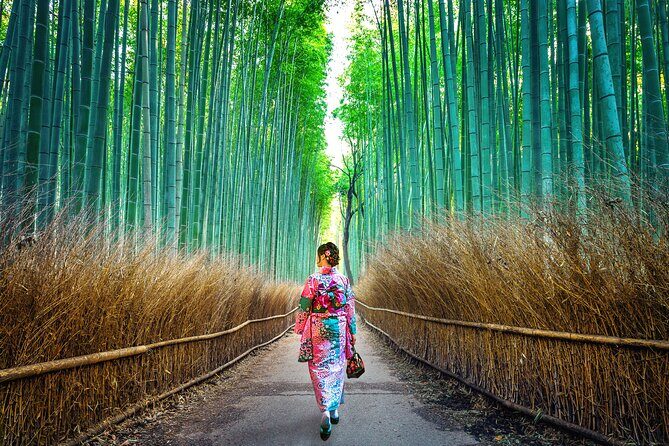
You start in the calmer, greener Kyoto zone: Bamboo Forest Street with Nonomiya Shrine and the Tenryu-ji Temple Garden area. This is a strong opener because it sets the tone. Kyoto’s signature bamboo look can feel like a movie scene, and it’s a good early-day anchor while you still have energy for walking.
The itinerary marks 1 hour here and notes admission as free. Even if you don’t care about the detailed garden design, you’ll enjoy the change of pace. It also gives you something visual right away instead of starting with a long transit and wondering what you’re doing in Kyoto.
Possible drawback: the bamboo area is popular. If you’re hoping for total quiet, you might not get it. The guide can still help you focus on what matters in the scene—more than just standing in the crowd.
Kinkaku-ji Temple (Golden Pavilion): the icon stop
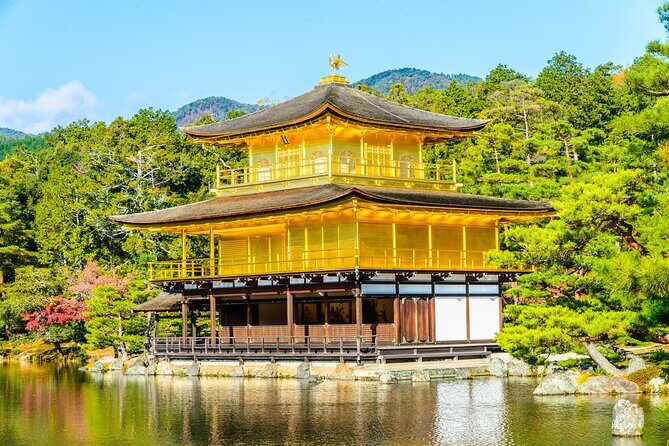
Next is Kinkaku-ji Temple, Kyoto’s famous Golden Pavilion. The itinerary sets aside 1 hour and labels admission as not included. Even with crowds, the pavilion is one of those places where a guide’s timing and explanations can make the experience feel more meaningful than a quick photo.
Why this stop is worth protecting in your schedule: Kinkaku-ji is visual, yes, but it’s also a reference point for how Kyoto’s temple aesthetics work—pond reflections, garden framing, and the sense of ceremony. A guide can help you see those choices instead of only capturing the golden building.
Possible drawback: if the admission ticket is on your list of extra costs, it can add up. Still, for many people this is a must-see, and it’s often the best “big wow” payoff in a single-day itinerary.
Nishiki Market Shopping District: food energy and quick choices
Then you hit Nishiki Market, known as Kyoto’s kitchen. The itinerary gives 1 hour and says admission is free. This is a great mid-tour stop because it changes the rhythm. You go from quiet temple spaces to a street-level world of snacks, ingredients, and quick shopping.
What I like about keeping Nishiki in the plan: it’s flexible. Even if you don’t want to buy much, it’s easy to taste your way through small bites and walk away with a feel for Kyoto’s food culture. And if you do want gifts, it’s one of the practical places to browse.
The tradeoff is time. One hour in a market is enough for highlights, not a slow food pilgrimage. If your priority is shopping for a bunch of items, you’ll have to be decisive.
Pontocho District: short scenic reset by the river
After Nishiki, you get Pontocho District for about 20 minutes. This isn’t the place to plan a major meal stop. It’s more about atmosphere: narrow lanes, traditional streetscape, and the Kamogawa River setting.
A guide’s value here is subtle: they help you time this so you don’t waste it looking for the best angle. In a one-day plan, every short stop needs to pay you back quickly, and Pontocho tends to do that.
Gion: geisha-area streets with context
Next is Gion for 1 hour, and the itinerary marks admission as not included. Gion is famous, but the experience can be hit-or-miss if you just wander for photos. With a guide, you’re more likely to understand the area’s layout and why the streets have the look they do.
This is also your chance to notice Kyoto’s “small details” style: wood facades, old street patterns, and the way daily life and tourism share the space. One of the repeated highlights in guide stories is that they explain what you’re seeing—like gate forms, statues, and why certain structures matter. That kind of narration turns Gion from scenery into a story.
Possible drawback: Gion is popular. Expect crowds and expect you’ll move in short bursts between photo moments.
Fushimi Inari-taisha Shrine: torii gates and stamina check
Finally, you end at Fushimi Inari-taisha Shrine, with 1 hour in the itinerary and admission noted as not included. This is where the walking matters. The torii gates create a repeating rhythm, and the longer you go, the more your legs will notice.
What you’ll likely love here is the simple visual concept: red gates stepping through forest trails. It feels special even when you’re surrounded by people because the path itself keeps pulling you forward.
Practical consideration: wear comfortable shoes. If you’re sensitive to stairs and uneven ground, plan to take it slow. Guides have shown patience with slower pacing, but you should still be kind to your knees.
Guides who keep the day moving (and still answer your questions)
The guide quality is the real differentiator on a one-day Kyoto plan. The tour data and guide stories point to a few strengths that show up again and again:
- They help with station logistics and train flow, not just sightseeing. People mention arriving, getting oriented, and being walked through key steps so you aren’t guessing.
- They give clear context for temples and shrine areas, turning what could be random landmarks into a connected day.
- They keep the group punctual. In a schedule like this, punctual is kindness.
- Some guides also provide photo help and even manage lots of pictures during the day.
Names tied to strong experiences include Ahmed, Midori, Yukari, Kazz, Mini, and Yuka. If you see a specific guide listed at booking, it can be worth it to choose based on that detail. If not, you can still request a guide style preference when you book, especially if your group values explanation over quiet walking or vice versa.
One last note: if you want shopping time, tell your guide early. One practical limitation of a one-day shrine-and-temple plan is that it leaves less room for browsing later. A guide can adjust pacing, but they can’t create extra hours.
Transportation reality: you’re buying convenience, not just movement
The tour includes tour management and transportation arrangement, but it specifically says transportation costs are not included. That means you should expect to pay for the in-city vehicle portion in yen on the day.
If you’re arriving by bullet train, the guide may meet you at a station and guide you into the next step. People mention meeting at Tokyo Station or Kyoto Station and then moving on to a waiting car. That’s a big deal on your first day in Japan because it reduces confusion when signs, gates, and platform numbering feel like a puzzle.
Also: in the plan, you’ll likely be hopping between neighborhoods. Without a guide, this is doable. With a guide, it’s faster and less tiring, especially if you’re trying to keep an eye on time while also trying to enjoy what you’re seeing.
What to do if you’re a foodie or a shopper in a tight schedule
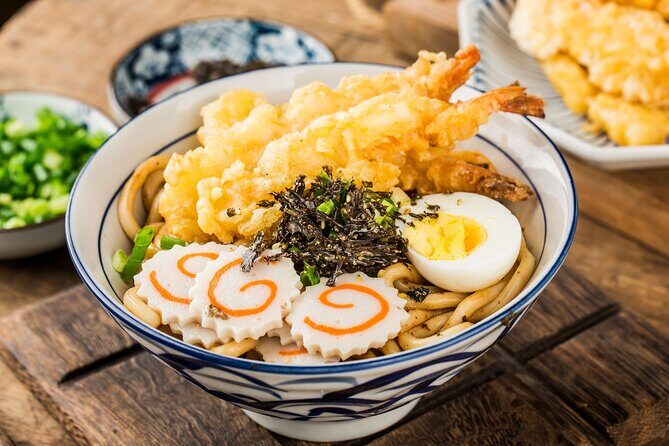
This itinerary has a food moment (Nishiki Market) and atmosphere moments (Pontocho, Gion). It does not promise a long sit-down lunch, because lunch is not included. That’s actually a workable approach if you plan snacks and quick meals.
My advice: decide before the day if you want to eat like a sampler or like a planner. If you’re sampling, Nishiki gives you plenty of options for small bites. If you’re planning a proper meal, you’ll want your guide to suggest a practical timing slot so you don’t lose time at the wrong moment.
Shopping is possible, but don’t expect hours of browsing. One person noted that priorities like shrines and temples can shrink shopping time. The solution is simple: make a shortlist of what you want (snacks, tea, small gifts), then shop with a mission.
Who should book this Tokyo-to-Kyoto private highlights day trip
Book this if:
- You want the biggest Kyoto sights in one day and don’t want to plan transit and admissions yourself
- You value guide-led pacing and explanations, especially at places like Kinkaku-ji and Fushimi Inari
- You’re traveling as a group (up to 10) where the group price makes sense
- You prefer having someone manage the flow so you can focus on photos and walking
Skip or reconsider if:
- You’re cost-sensitive and would rather DIY the train, route, and sights
- You want lots of free time for shopping, long meals, or slow wandering
- You hate paying separate ticket and transport fees at the last step
In other words: this tour is best for people who want Kyoto highlights with less friction, and are okay with paying for that convenience.
Should you book this Kyoto highlight day trip?
If your goal is a one-day hits-and-stories tour, I think it can be a smart choice. The schedule covers the places most people come to Kyoto for: bamboo, Golden Pavilion, Nishiki, Gion streets, and Fushimi Inari torii gates. The private guide angle is the part that makes the day feel smoother than self-guided hopping.
But I’d only book if you do two things first:
1) Budget for the extra costs that are clearly marked as not included, especially the bullet train and the cash yen transportation portion.
2) Decide what matters most to you (temples vs shopping vs food), because one day means tradeoffs.
If you go in prepared, this can be a fun, efficient way to get your bearings fast in Kyoto.
FAQ
Is this tour private?
Yes. It’s a private tour/activity, and only your group participates.
How long is the Tokyo to Kyoto day trip?
It’s listed as about 9 hours.
What’s included in the price?
The tour includes guiding services and tour management, plus transportation arrangement. It also lists entrance fee as included, but some stops are noted as admission not included.
What costs are not included?
Transportation is not included (cash is required), bullet train tickets are not included, lunch is not included, and gratuities are appreciated but never expected.
Do I need to buy tickets for each stop?
Some stops are marked admission not included, including Kinkaku-ji Temple, Gion, and Fushimi Inari-taisha Shrine. Other stops in the itinerary are marked as free.
How do the transportation costs work?
The tour data states transportation is paid in cash: up to 5 travelers ¥100,000, and more than 5 travelers is ¥100,000 per booking.
What if the weather is bad, or I need to cancel?
The experience requires good weather. If it’s canceled due to poor weather, you’ll be offered a different date or a full refund. You can cancel up to 24 hours in advance for a full refund.
Easier with a Guide

More Tours in Tokyo




More Tour Reviews in Tokyo




Fresh reviews from around Tokyo






Full-Day, compared.
 ★ 4.5From Tokyo: Mount Fuji Full-Day Sightseeing TripFrom $684,970 reviews
 ★ 4.9Mount Fuji Full-Day Private Tour from Tokyo (Customizable)From $3931,470 reviews
 ★ 5.0Tokyo Private Full-Day Tour by Car or VanFrom $321684 reviews
 ★ 4.7From Tokyo: Must-Visit Mount Fuji Highlight Full-Day TourFrom $69532 reviews
 ★ 4.5Mt. Fuji, Hakone Full-Day Private Tour with English Driver GuideFrom $495458 reviews
 ★ 4.8From Tokyo: Mount Fuji Full-Day Customizable Private TourFrom $483451 reviews
 ★ 5.0Nikko Full-Day Private Tour with Government-Licensed GuideFrom $155259 reviews
 ★ 4.9From Tokyo: Nikko World Heritage Site Private Full-Day TripFrom $483243 reviews