
Reviewed · SAKE TASTING
Tokyo Sushi Making Class : Sake Ceremony & Matcha Experience
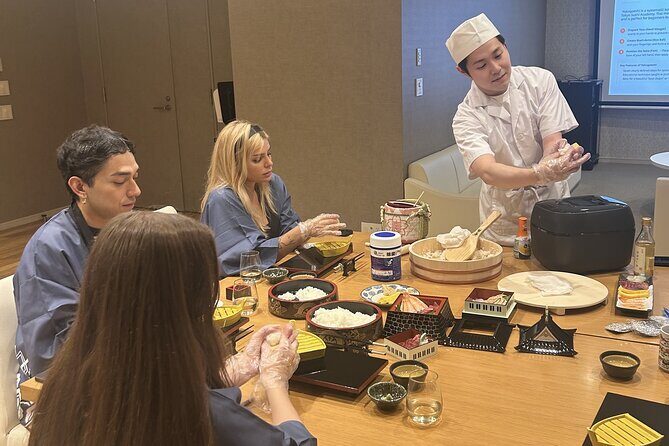
Tokyo sushi feels serious. This class makes it fun, fast, and doable. In Asakusa, you start with a real Japanese kagami-biraki sake barrel opening, then move into practical nigiri technique you can use again at home.
Two things I especially like: the energy of the group ceremony and the clear, step-by-step sushi coaching. You end up with a handful of pieces, plus a simple, satisfying matcha finish that ties the whole experience together.
One thing to consider: the class is only about 1 hour 30 minutes, so you’ll learn the essentials rather than deep, hours-long mastery.
In This Review
- Key Things That Make This Tokyo Sushi Class Worth Your Time
- Asakusa Is the Right Place for a Hands-On Sushi Reset
- Kagami-biraki Sake Barrel Opening: Ceremony With a Real Purpose
- Nigiri Essentials: How to Shape Rice and Assemble Clean Pieces
- Torched Salmon Mayo Gunkan and the Wasshoi Photo Moment
- Matcha Whisking Finish: Calm Foam After the Torch
- How Long It Takes and What You’ll Actually Make
- Price and Value: Is $45.77 Fair for Tokyo?
- The Teaching Style: Why People Rate This So Highly
- Practical Timing: What to Do Before You Go
- Who This Sushi Class Is Best For
- Should You Book This Tokyo Sushi Making Class?
- FAQ
- FAQ
- How long is the Tokyo sushi making class experience?
- What is the price per person?
- How many pieces will I make?
- Do you make matcha during the class?
- Is there a sake ceremony in the experience?
- Is there a non-alcohol option for the toast?
- What sushi dish is the crowd favorite?
- Are photos included?
- Where does the activity start and end?
- What’s the cancellation policy?
Key Things That Make This Tokyo Sushi Class Worth Your Time
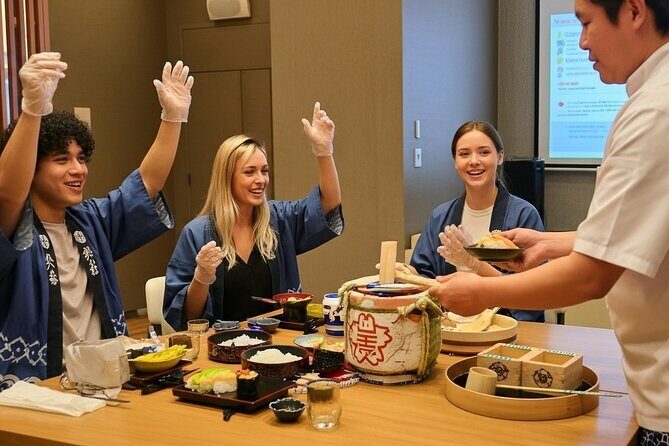
- Kagami-biraki: You join the group opening a sake barrel and share a toast with chants
- Real nigiri technique: How to shape rice, handle fish, and assemble cleanly
- Modern Tokyo flavor: Torched salmon mayo gunkan with a chant and a timed photo moment
- You whisk matcha: Foam-making skills and a fresh cup right at the end
- Beginner-friendly pace: You leave with 6–12 pieces you can be proud of
Another round: more sake tastings
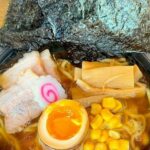
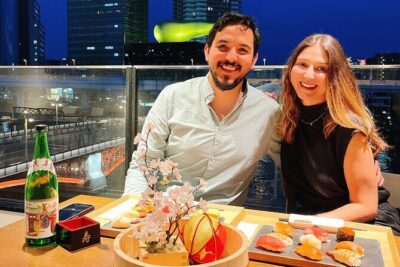
- Ramen and Sushi Cooking Class with Sake Pairing Set in Tokyo★ 5.0 · 291 reviews
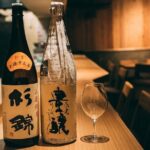
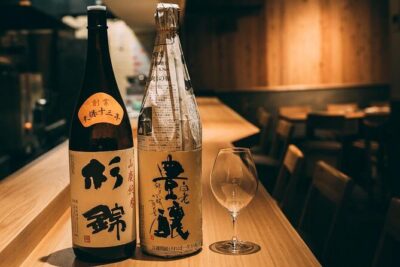
- Sake Tasting Masterclass in Shinjuku (8+ Varieties with a Pro)★ 5.0 · 271 reviews
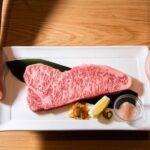
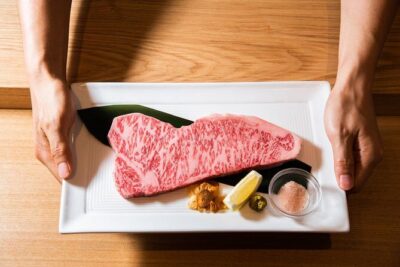
- Wagyu & Sake Pairing in Shinjuku – Steak, Shabu-Shabu & More★ 5.0 · 112 reviews
Asakusa Is the Right Place for a Hands-On Sushi Reset
If you want the Tokyo experience that actually sticks, pick something you can touch. Asakusa gives you that classic setting feel while keeping the focus on skills, not sightseeing checklists.
This workshop is built around a simple promise: you’ll make sushi you can confidently repeat. The structure matters because sushi is equal parts technique and confidence. When those two click, you stop thinking of sushi as rare restaurant magic and start seeing it as a set of manageable steps.
You’ll also appreciate the group size. With a maximum of 20 people, it’s big enough to feel lively but small enough that instruction doesn’t disappear into the crowd.
Kagami-biraki Sake Barrel Opening: Ceremony With a Real Purpose
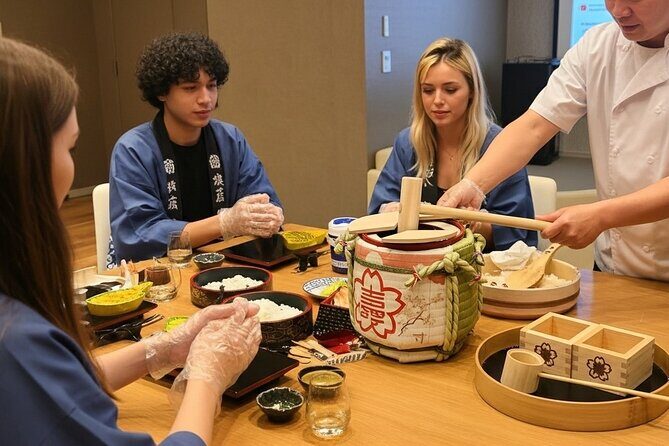
The experience kicks off with kagami-biraki, the traditional ritual of opening a sake barrel for new beginnings. You join the group to chant Yoisho, Yoisho, Yoisho and raise a toast together.
This part is more than a performance. It frames the whole session as a celebration of learning and trying. Even if you’re not a big ceremony person, it’s the kind of moment that gives context to what you’re about to do next: you’re not just cooking, you’re practicing a cultural skill with gratitude and rhythm.
You’ll also have options if you prefer not to drink alcohol. The non-alcohol choices are water or warm Japanese tea, so you can still take part in the toast without feeling left out.
Nigiri Essentials: How to Shape Rice and Assemble Clean Pieces
After the ceremony, you shift into what you came for: nigiri. The guidance is friendly and step-by-step, aimed at giving you the right pressure for shaping rice and the right handling for toppings.
This is the part that makes or breaks your final results. Most home cooks struggle with rice texture and stickiness, and they often worry about fish placement. Here, you learn the basics in a way that helps your sushi look intentional, not accidental.
What you’re practicing, in plain terms:
- shaping rice so it holds together
- handling toppings so they stay put
- placing fish cleanly so each piece looks balanced
By the end, you’re set up to assemble pieces with more confidence. That matters because sushi isn’t just food—it’s presentation you can eat. When you get the assembly right, your brain relaxes, and the taste follows.
Torched Salmon Mayo Gunkan and the Wasshoi Photo Moment
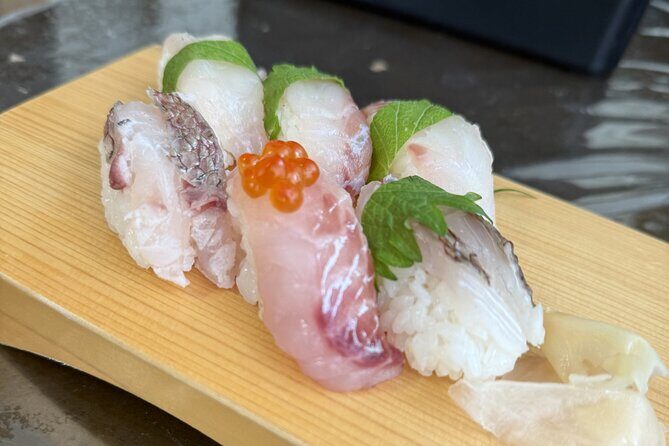
Then comes the crowd favorite: WASSHOI torched salmon mayo gunkan. It’s not the classic Edomae version, and that’s part of the appeal. You’re getting a popular modern Tokyo flavor while still learning core sushi handling.
The method is simple but dramatic:
- pile salmon high
- add zigzag mayo
- finish with a quick torch for smoky, creamy umami
The torch step is where you get that signature aroma payoff, and it also creates a memorable moment in the timeline of the class. You’ll chant Wasshoi three times and snap photos at the best moment.
That photo piece is worth noting. It’s easy to overlook when booking classes, but sushi styling looks best right when the torch finish happens. Build your schedule around that: it’s more fun when you’re not rushing or distracted.
Other plates worth crossing Tokyo for


Matcha Whisking Finish: Calm Foam After the Torch
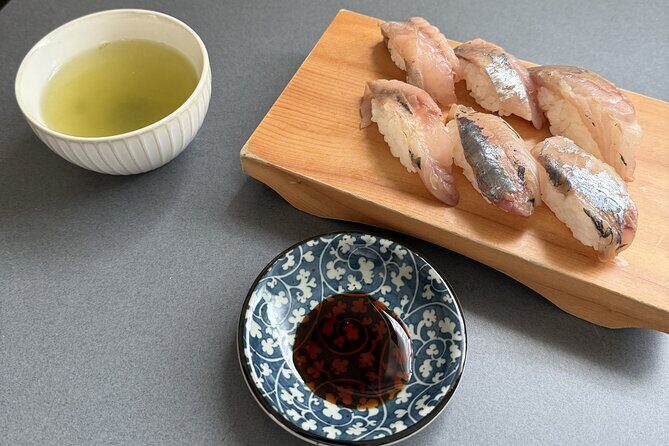
After sushi building and a playful chant, you end with something quieter: making matcha yourself. You’ll learn how to whisk properly for smooth foam, then enjoy your fresh bowl as the final step.
Why this works so well is pacing. The class begins with lively ritual and hands-on momentum. Matcha is a controlled finish, letting you slow down and taste what you made with a clean palate.
It also teaches you a small technique you can bring home. Once you understand the whisking rhythm for foam, matcha stops being a mystery drink and becomes a repeatable routine.
How Long It Takes and What You’ll Actually Make
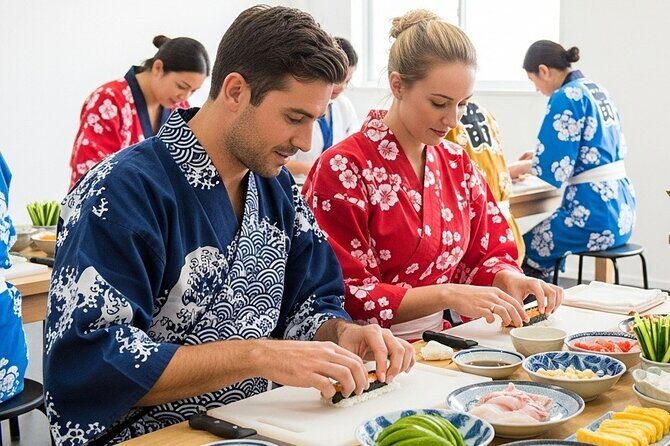
The class runs about 1 hour 30 minutes. In that timeframe, you’ll create 6–12 pieces, including both nigiri and rolls.
That range is practical. It’s enough quantity to feel like you truly cooked something, without turning the session into an all-day commitment. If you’re visiting Tokyo with a tight schedule, this is a good length for adding a hands-on activity without derailing your other plans.
Also, you’re not just assembling random bites. The class is designed around building core sushi skills first, then letting you enjoy the signature torched salmon gunkan style. Finally, you wrap up with matcha—so your end product isn’t only food, it’s also the cultural rhythm of the session.
Price and Value: Is $45.77 Fair for Tokyo?
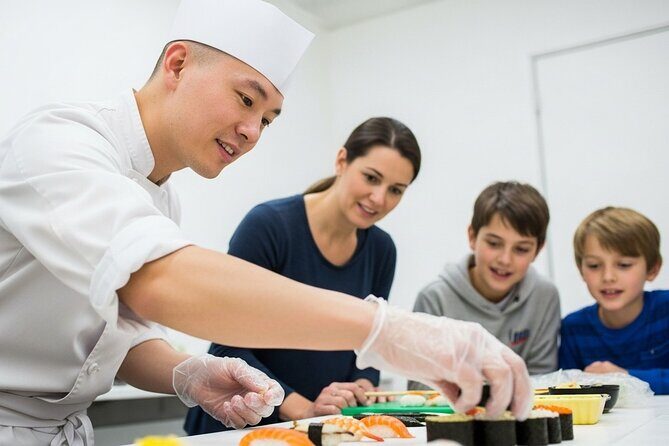
At $45.77 per person, this class sits in a value zone for Tokyo experiences because you’re paying for three things at once: sushi coaching, a sake ceremony experience, and a matcha making lesson.
Where the value really shows is that it’s beginner-friendly and structured. If you’ve tried at-home sushi before, you know how frustrating it can be to get rice texture and assembly right. Here, you get direct guidance and a clear outcome: you leave with 6–12 pieces you made.
It also helps that the tour is limited in size. A max of 20 travelers typically means more attention to technique and a less rushed vibe than very large classes.
One more small value marker: you’ll receive a mobile ticket. It removes friction on the day, so you can focus on showing up and learning.
The Teaching Style: Why People Rate This So Highly
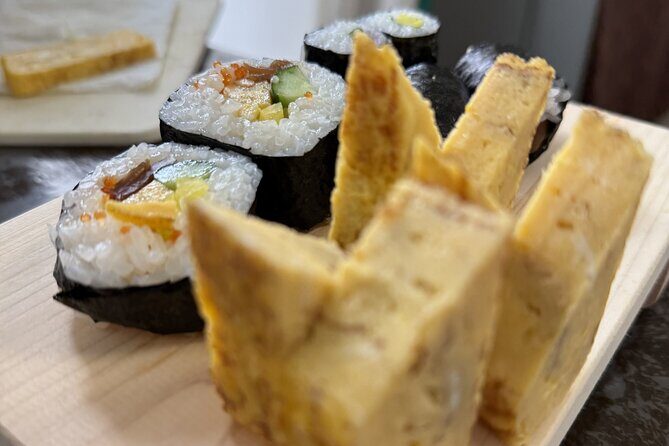
The feedback on the instructor energy is clear: the teaching feels fun, welcoming, and genuinely supportive. That matters because sushi can make people nervous. You’re handling rice, topping fish, and aiming for clean presentation. Without good guidance, it’s easy to feel awkward.
Here, the tone is relaxed and encouraging, and the instruction is organized enough that you can follow along even if you’ve never made sushi before. People also highlight that the experience can go above expectations, which usually means the guide doesn’t just run a script—they help you get results.
If you want a class that feels special without feeling stiff, this teaching approach is a big reason to book.
Practical Timing: What to Do Before You Go
You’ll be in Asakusa, near public transportation, so getting there is usually manageable. Still, arrive a few minutes early. Sushi classes move with momentum, and the ceremony part sets the rhythm right away.
Plan for the fact that you’ll be hands-on most of the time. Wear clothes you don’t mind getting a little messy around the edges, and keep distractions low. When you’re shaping rice and assembling pieces, small interruptions can throw off your focus.
Also, if you’re sensitive to strong aromas, note that the torch step creates smoky smell. That’s the point of the torched salmon gunkan, but it may feel noticeable if you’re not expecting it.
Who This Sushi Class Is Best For
This experience is a strong fit if you:
- want a beginner-friendly sushi lesson with clear steps
- like cultural touches like kagami-biraki instead of only eating and watching
- want a Tokyo flavor twist with torched salmon mayo gunkan
- enjoy learning a drink-making skill, not just food
It’s also good for couples and friends who want a shared activity that ends with something tangible. And it works well if you’re traveling solo, because you’ll be part of group chants and hands-on teamwork.
If you’re already an advanced home sushi maker, you might find it focused on essentials rather than deep technique. The class is short for a reason, and it prioritizes making sure beginners can succeed.
Should You Book This Tokyo Sushi Making Class?
Book it if you want one compact experience that blends hands-on cooking with Japanese celebration. The combo of kagami-biraki, guided nigiri technique, a memorable torched salmon gunkan moment, and fresh matcha whisking creates a full arc you can actually remember.
Skip it only if you specifically want a long, serious sushi apprenticeship with lots of advanced customization. This class is designed to be approachable and outcome-based in about 1.5 hours.
FAQ
FAQ
How long is the Tokyo sushi making class experience?
It lasts about 1 hour 30 minutes.
What is the price per person?
The price is $45.77 per person.
How many pieces will I make?
You’ll make 6–12 pieces, including nigiri and rolls.
Do you make matcha during the class?
Yes. You’ll whisk matcha yourself and enjoy it as the finale.
Is there a sake ceremony in the experience?
Yes. You’ll take part in Kagami-biraki, opening a sake barrel and sharing a group toast.
Is there a non-alcohol option for the toast?
Yes. You can choose water or warm Japanese tea.
What sushi dish is the crowd favorite?
The class includes a WASSHOI torched salmon mayo gunkan experience, with a quick torch finish.
Are photos included?
Yes. The experience includes snapping photos at the best moment.
Where does the activity start and end?
It starts at Sushi Meets Matcha, 1-chōme-10-16 Hanakawado, Taito City, Tokyo 111-0033, Japan, and ends back at the meeting point.
What’s the cancellation policy?
You can cancel for free up to 24 hours in advance for a full refund. If you cancel less than 24 hours before the start time, you won’t get a refund.
Eat Your Way Round Tokyo

More Tour Reviews in Tokyo





Tokyo by the Cup: More Sake Tastings

Fresh reviews from around Tokyo






Sake Tasting, compared.
 ★ 5.0Ramen and Sushi Cooking Class with Sake Pairing Set in TokyoFrom $79291 reviews
 ★ 5.0Sake Tasting Masterclass in Shinjuku (8+ Varieties with a Pro)From $72271 reviews
 ★ 5.0Wagyu & Sake Pairing in Shinjuku – Steak, Shabu-Shabu & MoreFrom $148112 reviews
 ★ 5.0Tokyo Wagyu & Sake Pairing Tasting Experience with Local FlavorsFrom $151108 reviews
 ★ 4.9Tsukiji: Outer Market Walking Tour & Sake Tasting ExperienceFrom $7081 reviews
 ★ 5.0Sushi and Ramen Cooking Class with Sake Pairing SetFrom $12981 reviews
 ★ 5.0Cozy Tokyo Class: Ramen, Sushi, Sake Pairing & Cultural ExchangeFrom $7974 reviews
 ★ 5.0Wagyu Beef and Sake Pairing Foodie Tour in TokyoFrom $21871 reviews
Browse the lists this tour appears in