
Reviewed · TOKYO
Tokyo: Sushi Making Class in a Happi Coat near a Famous Spot
Tokyo gets hands-on with sushi lessons. In this 90-minute workshop, you learn to shape nigiri with tuna and salmon, then wear a happi coat while the chef teaches the rhythm of sushi from scratch. I love the practical, do-it-yourself structure, and I love that you leave fed, not just entertained for a short stint. One planning note: the meeting point can vary, and the venue may take an extra minute to spot.
You work right at the heart of Japanese-style cooking in an easygoing setup, guided in English and Japanese. In classes led by Chef Hide and Mikoto, the vibe tends to be relaxed and funny, with step-by-step help and plenty of chances to ask questions.
Dietary options are available, including vegetarian, vegan, and gluten free, as long as you tell the team ahead of time. And depending on how busy the room is, you may be seated with other customers, so it helps if you’re comfortable sharing space.
In This Review
- Key things I’d zero in on before you book
- Putting on a happi coat in a Tokyo sushi kitchen
- The 90-minute flow: lecture, sushi building, then you eat what you made
- Tuna and salmon nigiri practice you can repeat at home
- Chef-teacher personalities: Chef Hide, Mikoto, and the fun side of technique
- Dietary needs and allergies: vegetarian, vegan, gluten free, and why you must message ahead
- Value at $42: why this beats a quick sushi stop for many people
- Timing and location: meeting point changes and how to not waste your minutes
- Add it to your Tokyo day: markets, temples, and a seafood-shaped appetite
- Should you book this Tokyo nigiri sushi making class with a happi coat?
- FAQ
- How long is the sushi making class in Tokyo?
- What sushi will I make during the workshop?
- Are ingredients included in the price?
- Do I wear a happi coat during the experience?
- What dietary options are available?
- What about food allergies?
- What languages do the instructors speak?
- Is the class private or will I be with other people?
- How much does it cost?
- Can I cancel or pay later?
Key things I’d zero in on before you book
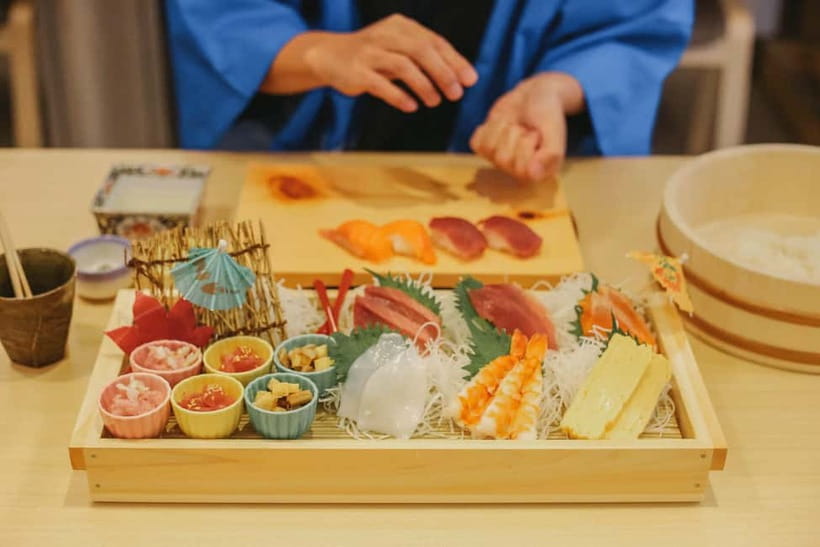
- Happi coat chef moment that turns a lesson into a fun, photo-friendly experience
- Real nigiri practice with tuna and salmon, not just watching someone else work
- Small, interactive teaching style shown in multiple classes led by instructors like Chef Hide and Mikoto
- You make lots of sushi and end up with a meal that feels genuinely generous
- Photos and video during class so you can remember what you built (and how it looked)
- Dietary needs require advance notice for vegetarian, vegan, gluten free, and allergies
Before you commit, see how this one stacks up against a few Tokyo favourites:
- Mt Fuji and Hakone 1-Day Bus Tour Return by Bullet Train★ 5.0 · 26,383 reviews
- 1-Day Tokyo Bus Tour★ 5.0 · 14,250 reviews
- Tokyo: teamLab Planets TOKYO Digital Art Museum Entry Ticket★ 4.6 · 9,779 reviews
Putting on a happi coat in a Tokyo sushi kitchen
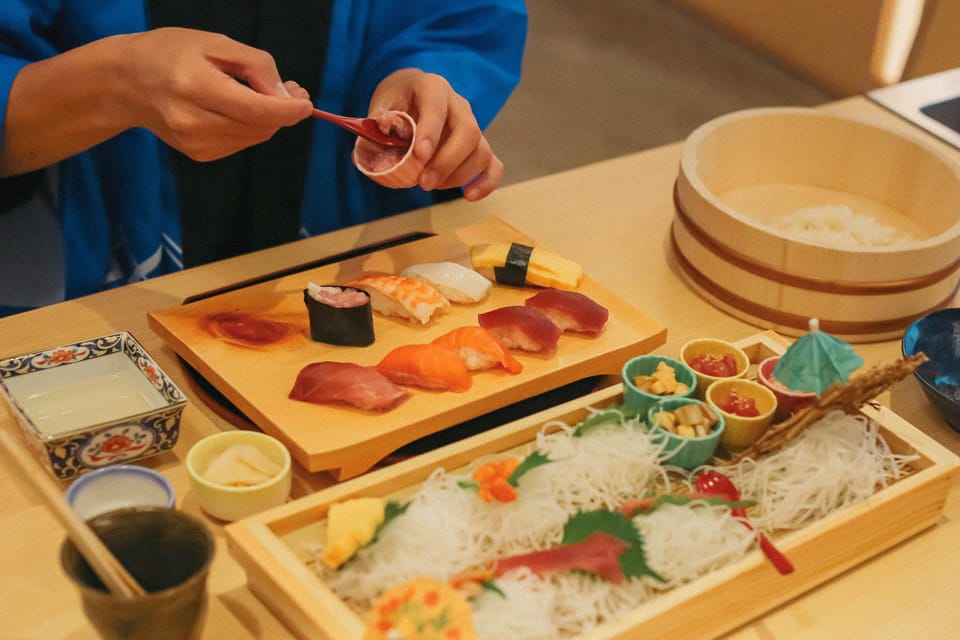
This is the kind of Tokyo food activity that starts strong because it hands you a role right away. You’ll wear a traditional tube-sleeved Japanese coat called a happi, and it instantly changes your mindset from tourist to maker. Several people mention a cozy, welcoming room and a clean setup, which matters because you want to focus on what your hands are doing.
The happi coat also makes the class feel more ceremonial than a typical cooking demo. You’ll likely get picture opportunities with the outfit and props, and some hosts even take photos and videos for you during the session. That’s a nice touch if you want a Tokyo souvenir that isn’t just a photo in front of a vending machine.
You should also know this is a hands-on workshop in a working-style environment. You’re not going to be sipping tea from a distance while someone else performs magic. You’ll be learning in the same space where sushi technique matters: clean prep, careful handling, and steady attention.
The 90-minute flow: lecture, sushi building, then you eat what you made
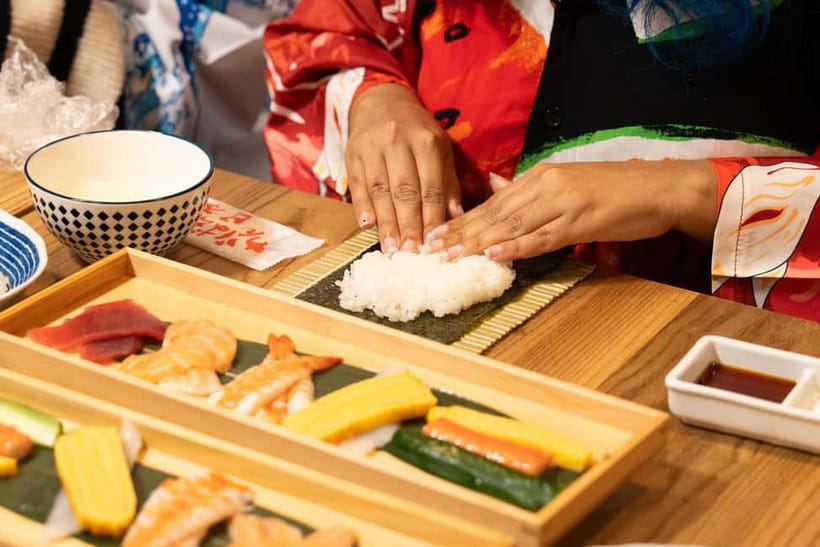
The lesson runs for 90 minutes, and the structure is simple enough for beginners. You start with instruction on how to make sushi from scratch, including nigiri using ingredients like tuna and salmon. After that, you shift into practice mode and make your own nigiri.
A few important practical bits come from how classes are run. Instruction is in English and Japanese, and many people highlight clear step-by-step guidance. If you’ve ever been nervous about cooking in a foreign language, this is the kind of class where you can ask questions and get answers that actually land.
People also mention making more than just nigiri. Some classes include maki training as well, and a few mention onigiri. The takeaway for you is this: even if the headline is nigiri, you may get extra variety during the hands-on portion depending on the class and instructor.
By the end, you eat your own work. That detail is more than a nice perk. It changes how you learn because you can taste what the technique produces. And multiple people call out that the portion is generous enough to feel like a proper meal, not a snack.
Tuna and salmon nigiri practice you can repeat at home
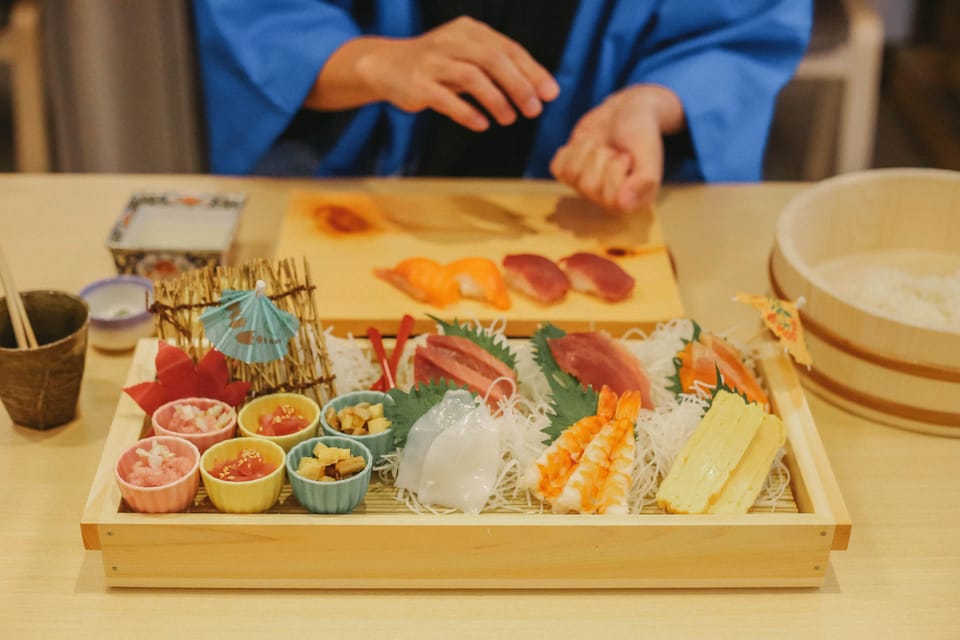
Let’s talk about the star ingredients. The class centers on nigiri sushi made with tuna and salmon, which are mainstream choices for a reason: they’re approachable, and they show off what nigiri is supposed to taste like.
What you’re really buying here is technique you can carry home. You’re not learning a single trick for one bite. You’re learning the basics of making sushi from scratch, then repeating the process with instructor help until your version looks and tastes right.
One theme in feedback is that people are surprised by how many pieces they make. Some note they made lots of sushi and left confident they could try again later. Another common point: the instructors are patient, and they stay engaged so you don’t feel lost when your hands do something different than you expected.
If you’re a total beginner, focus on process over perfection. The goal is to learn how the chef breaks sushi down into manageable steps, then apply those steps yourself. If you’re already a home cook, you’ll still benefit because sushi has its own workflow and attention to detail, and you’ll get a structured way to practice.
Chef-teacher personalities: Chef Hide, Mikoto, and the fun side of technique
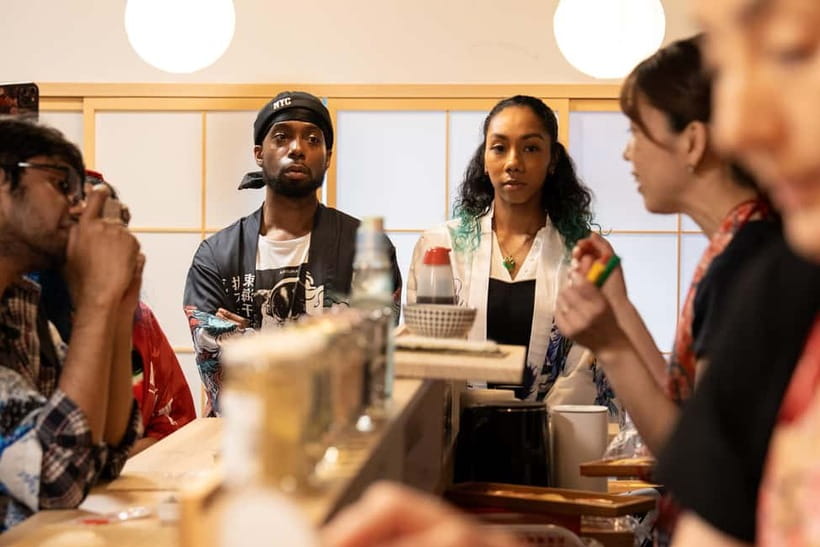
Tokyo can feel intense. This class tries to keep the pressure low. Many instructors are described as friendly, humorous, and patient, which makes a big difference when you’re handling seafood and shaping sushi rice.
Names that show up in recent class experiences include Chef Hide and Mikoto. Other instructors mentioned include Mizuki, Emi, Emmy, Mitsuko, Mikoto again in a couple different pairings, and several additional teachers. Even when the names change, the pattern stays consistent: clear teaching, quick help when you’re stuck, and a relaxed tone that keeps the class from feeling like a test.
Some people also mention small groups, where the instructor pays closer attention. In at least one case, a private lesson was mentioned because of the time slot and group size. You should treat that as a possibility, not a guarantee, but it’s reassuring if you prefer more attention rather than being one face in a large crowd.
One clever detail: instructors sometimes take photos of your finished sushi and the class in Japanese outfits. That’s not just for vanity. It’s a quick way to build confidence, because you get to see what you produced in a way that a blurry “I think it looked okay” moment never will.





Dietary needs and allergies: vegetarian, vegan, gluten free, and why you must message ahead
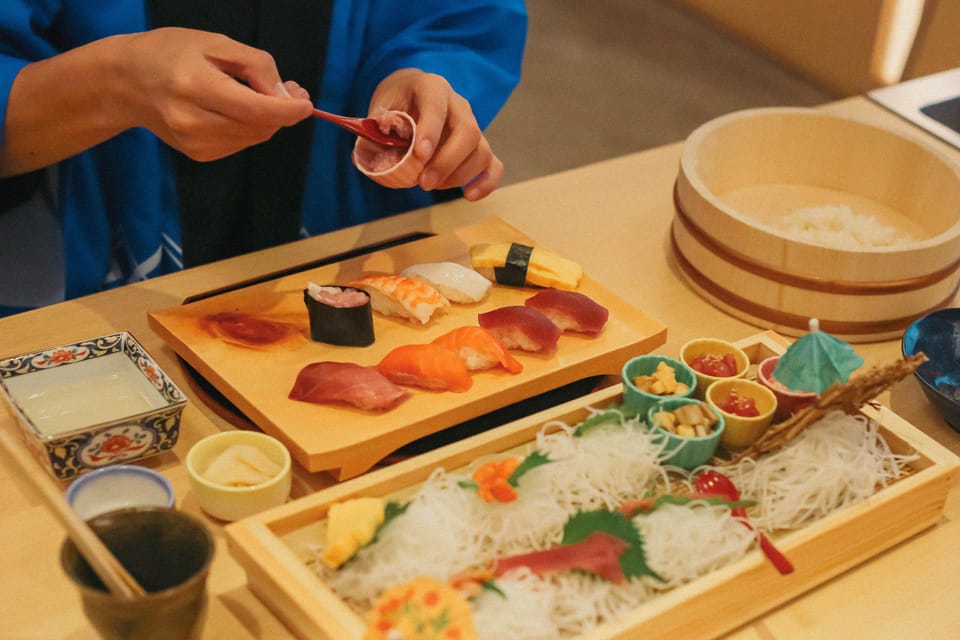
If you have dietary restrictions, you’ll want to plan your communication early. The class offers vegetarian, vegan, and gluten free options, but you need to request them in advance. If you wait until the day of, the information says accommodation may not be possible.
Allergies are handled the same way: let them know ahead of time by message. That’s a big deal for sushi classes, where cross-contact can be a concern in any kitchen-like space. If you have more than one restriction, write it out clearly when you contact them so nothing gets lost in translation.
There’s also an age detail that’s useful for families. The class charges for children over 4 years old, and if your child is under 4, the guidance says you share a dish.
This is the kind of activity where clear prep makes everything better. Tell them what you need, then show up ready to cook without worrying.
Value at $42: why this beats a quick sushi stop for many people
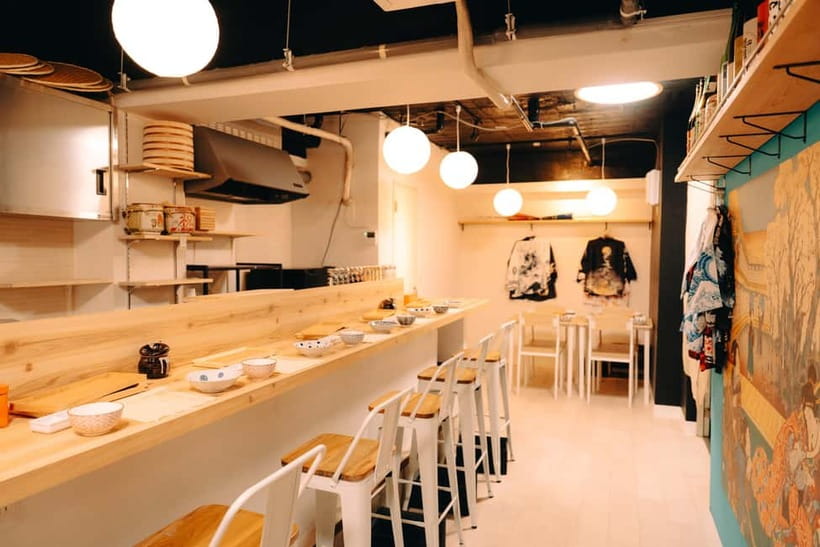
At $42 per person, you’re paying for more than ingredients. You’re paying for instruction, hands-on practice, and a meal made from what you produce. In Tokyo, if you’re already planning to eat sushi anyway, this kind of class can feel like a smart swap: less randomness, more value per minute.
Here’s why it often feels worth it:
- Ingredients and instructor time are included
- You learn technique you can reuse
- You eat what you make, and portions are described as generous
If you’re the kind of traveler who collects experiences you can redo at home, this is a strong match. A restaurant meal is great, but it ends when you leave. A class can change how you cook next time you crave nigiri.
That said, it’s only good value if you’ll actually enjoy cooking. If you hate hands-on food work, you may prefer watching sushi being prepared in a sit-down meal instead.
Timing and location: meeting point changes and how to not waste your minutes
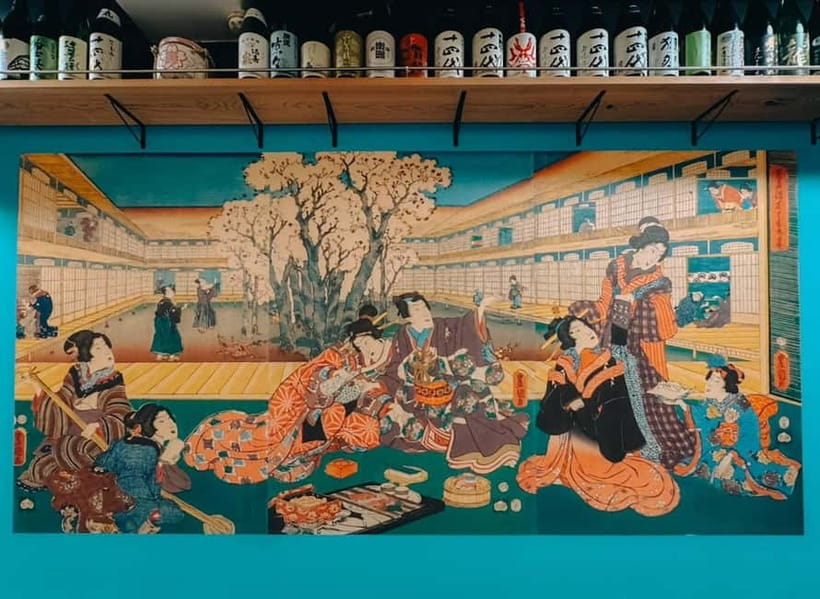
The class is 90 minutes, so the rest of your day is easy to arrange. You can also choose starting times based on availability, which helps if you’re fitting this between temple visits and shopping.
The one logistics snag mentioned is that the meeting place can be tricky to find. Also, the meeting point may vary depending on what option you book. My advice: don’t treat this like a “close enough” appointment. Give yourself extra buffer time, especially if you’re arriving during busy hours or rain.
If the venue is busy, you may be seated with other customers. That’s normal for popular cooking classes, but it changes the feel. If you want a quiet, private vibe, arrive with the mindset that you’ll be working alongside others and you might share the table setup.
Add it to your Tokyo day: markets, temples, and a seafood-shaped appetite
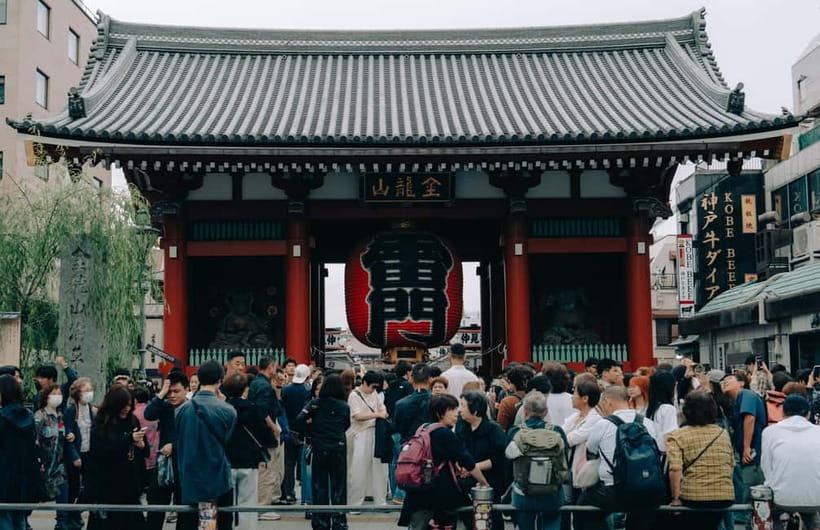
After class, you’ll be in a great mood to walk. One recent experience included time after the workshop to wander through a nearby temple and markets, and that’s a smart pairing for you to plan. When you understand how nigiri gets made, food streets and market stalls feel more meaningful.
Also, you’ll likely have more confidence about what you’re ordering later. Even if you can’t recreate the exact chef version, you’ll understand what you should be looking for: how nigiri is assembled, how the pieces should feel, and how the flavors come together.
Should you book this Tokyo nigiri sushi making class with a happi coat?
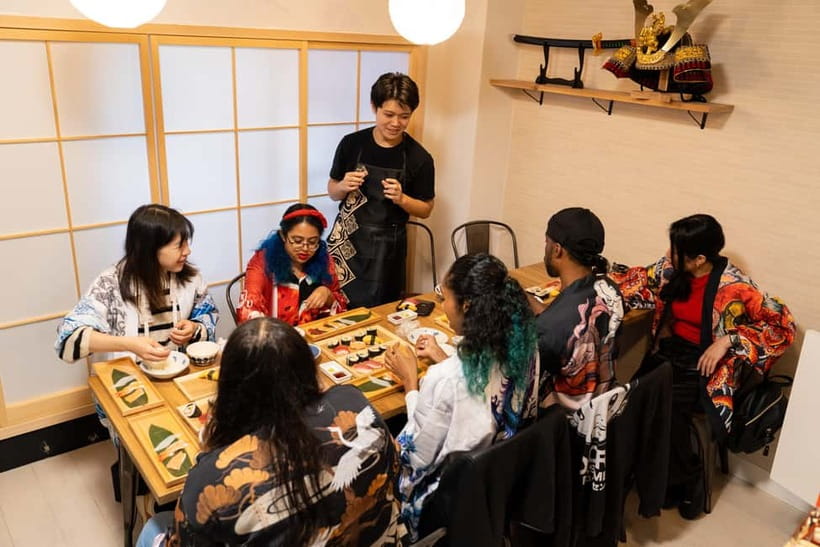
Book it if you want hands-on Tokyo food training that ends with a satisfying meal. The class is beginner-friendly, uses tuna and salmon for nigiri, and includes the happi coat so you get a fun, authentic-feeling experience. The biggest wins I see in how people describe these sessions are the friendly teaching style, the step-by-step approach, and the amount of sushi you make and eat.
Consider a different option if you dislike cooking, or if you need a very specific dietary setup and can’t message in advance about allergies or restrictions. Also, plan for the meeting point being different and give yourself extra time to arrive.
If you do book, your best move is simple: message your dietary needs clearly before you go, then show up early enough to breathe. You’ll learn faster when you’re not rushing.
FAQ
How long is the sushi making class in Tokyo?
The class lasts 90 minutes.
What sushi will I make during the workshop?
You’ll learn to make nigiri sushi from scratch. Tuna and salmon are specifically mentioned as popular ingredients used in the class. Some class experiences also mention maki and onigiri.
Are ingredients included in the price?
Yes. Ingredients are included, along with the cooking class and instructor.
Do I wear a happi coat during the experience?
Yes. You’ll don a Japanese happi coat during the class.
What dietary options are available?
Vegetarian and vegan options are available, and gluten free is available as well.
What about food allergies?
You should let them know in advance by message about any food allergies.
What languages do the instructors speak?
The instructor languages are English and Japanese.
Is the class private or will I be with other people?
It depends on how busy the venue is. You may be seated with other customers.
How much does it cost?
The price is $42 per person.
Can I cancel or pay later?
Free cancellation is available up to 24 hours in advance for a full refund. You can also reserve now & pay later.
More Tour Reviews in Tokyo



Fresh reviews from around Tokyo






Tokyo, compared.
 ★ 5.0Mt Fuji and Hakone 1-Day Bus Tour Return by Bullet TrainFrom $16326,383 reviews
 ★ 5.01-Day Tokyo Bus TourFrom $12914,250 reviews
 ★ 4.6teamLab Planets TOKYO Digital Art Museum Entry TicketFrom $259,779 reviews
 ★ 4.0Mt Fuji & Hakone Cruise, Drum Show Bullet Train 1 Day from TokyoFrom $1497,413 reviews
 ★ 5.0Shinjuku Food Tour (13 Dishes at 4 Local Eateries)From $866,603 reviews
 ★ 4.4Tokyo Mt Fuji 5th St & Hakone Cruise Bus Tour w/Bullet TrainFrom $1545,024 reviews
 ★ 5.0Flagship 2-Hours Official Street Go-Kart Tour – Tokyo Bay ShopFrom $644,974 reviews
 ★ 4.5From Tokyo: Mount Fuji Full-Day Sightseeing TripFrom $684,970 reviews