
Reviewed · SAMURAI & NINJA EXPERIENCES
Samurai Experience – Learn Bushido through Kendo, in Tokyo
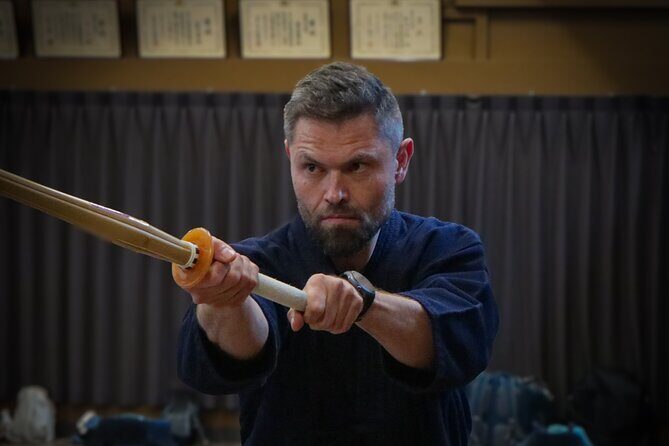
That bamboo sword changes everything.
This 2-hour Tokyo experience trades passive sightseeing for hands-on training in a working dojo. You’ll learn kendo as it’s practiced in Japan today, with Bushido principles showing up in how you stand, move, and make decisions under pressure.
I especially liked Daichi’s coaching in fluent English and the way the session focuses on basics you can feel immediately. You’ll get a guided route into technique, then try it yourself with rented gear and a shinai, not just watch from the sidelines.
One consideration: this isn’t a sit-down cultural show. You’ll be on your feet for the full session, and there are no snacks included beyond bottled water.
In This Review
- Key highlights you’ll actually feel
- Bushido in Action: Why Kendo Hits Different in Tokyo
- Meet Daichi and the Dojo Team (You’ll Get Help, Not Just Instructions)
- Inside the 2-Hour Session: What You’ll Do Step by Step
- Gear up and get oriented fast
- Learn the body mechanics: posture, footwork, timing
- Add the mental layer: focus and kiai
- Partner drills, then controlled intensity
- A finale battle that makes it real
- First-Timer Comfort: What to Wear and How to Prepare
- The Real Value: More Than a Sport, More Than a Performance
- How This Fits in Your Tokyo Day (10:00 Start Is Convenient)
- Price and Value: Is $132.14 Worth It?
- Who Should Book This Kendo Lesson (and Who Might Want a Different Plan)
- Should You Book Samurai Experience: Learn Bushido Through Kendo in Tokyo?
- FAQ
- Do I need to speak Japanese to join?
- Will I get photos or videos?
- What should I bring with me?
- Is this only for athletes or people with martial arts experience?
- How long is the experience?
- What’s included in the price?
Key highlights you’ll actually feel
- Small group (max 8) keeps the pace beginner-friendly
- English instruction from Daichi makes questions easy
- Gear rental included: kendo attire plus shinai
- Mind-and-body focus (posture, timing, focus, kiai)
- A “battle” moment at the end where technique comes alive
- Photos and videos sent by email so you can relive it later
More blades, bows and dojo hours
- Tokyo: Samurai Ninja Museum Guided tour and Experience★ 4.6 · 1,010 reviews
- Tokyo: Samurai Sword & Archery Class from Samurai Descendant★ 5.0 · 603 reviews
- Best Samurai Experience in Tokyo★ 5.0 · 458 reviews
Bushido in Action: Why Kendo Hits Different in Tokyo
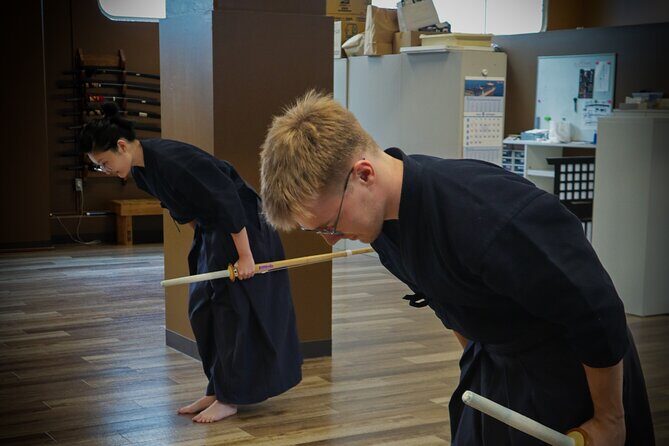
Tokyo can be amazing for museums and temples, but this experience is different. Kendo training is physical, structured, and full of rules that shape your mind. In other words, you’re not just learning a story about Samurai culture. You’re practicing the habits behind it.
The key idea is Bushido expressed through movement. You’ll work on posture, timing, and focus, which is exactly why kendo still exists in modern Japan as a disciplined practice, not a costume. Even if you’re new, you’ll notice how quickly your body starts following the rhythm of instruction.
And because it’s in a real dojo, you get a sense of how training works day to day. The goal is not performance for tourists. It’s training with intention: stand correctly, breathe correctly, commit to the strike, then reset.
If you want a break from looking at things and want to do something Japanese that you can carry home, kendo is a great pick.
Meet Daichi and the Dojo Team (You’ll Get Help, Not Just Instructions)
The instructor here is Daichi, with 19 years of kendo training. He’s an active practitioner, and that matters because it changes the explanations. You’re not learning from someone repeating a script. You’re learning from someone who has continued training, which usually means clearer corrections and better pacing.
English support is built in. Daichi has overseas work experience and speaks fluent English, so you can ask questions during the session without feeling lost. There’s also mention of another instructor, Makoto, in some past sessions, and you may see assistants around who help with partner practice.
The group stays small, with a maximum of 8 people. That small size is a big deal for beginners. You get enough attention to correct problems early, instead of getting waved off with generic pointers.
Inside the 2-Hour Session: What You’ll Do Step by Step
You’re in the dojo for about 2 hours, starting at 10:00 am at the Nihonbashikobunachō building address near public transportation. You’ll end back at the meeting point.
While the exact order can vary by group, the session has a clear progression based on what you’ll learn and the kind of finale it includes. Here’s what that usually looks like in a beginner-friendly first class like this:
Gear up and get oriented fast
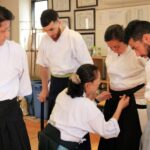
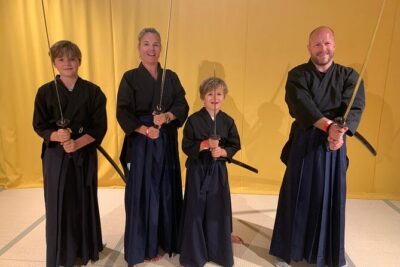
You’ll arrive and get help putting on your kendo attire and getting into the right setup. Kendo attire and a shinai (bamboo sword) are included. You don’t need to bring your own equipment, and the team provides a T-shirt and pants to wear under the kendo uniform.
Then you’ll get a quick orientation: how to hold the shinai, how to move safely, and what the class rhythm is like. The emphasis is on doing the basics correctly rather than rushing to complicated techniques.





Learn the body mechanics: posture, footwork, timing
The training targets what kendo builds over time: balance, posture, and timing. You’ll practice stance and movement patterns, focusing on how your body lines up before the strike.
This is where a lot of first-timers start smiling, because you’ll feel the difference right away. Reviews mention how people learned the essentials up to being able to swing the shinai and deliver strong, honest strikes. You’re being trained to hit with intent, not to flail.
Add the mental layer: focus and kiai
Kendo is known for the loud, purposeful kiai—your vocal commitment at the moment of action. The session also aims at mindset: focus, discipline, and the decision-making feeling of practice.
That mind-body link shows up in feedback from past participants. People talk about mastering spirit, sword, and body, and you can expect the class to address both physical technique and the attitude behind it.
Partner drills, then controlled intensity
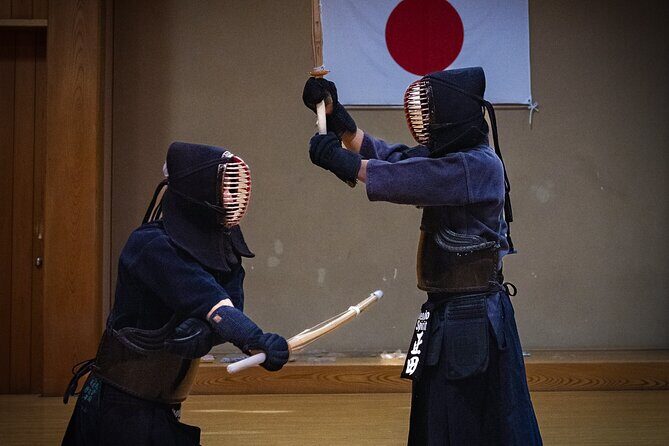
As the session moves forward, you’ll likely do partner practice. That’s where the class helps you translate individual movement into timing with another person. You’ll learn how to coordinate, respond, and keep your balance while still staying safe and respectful.
Some previous sessions even included a dual-style moment where participants got a more intense feel for timing. In a controlled environment, you’ll get a taste of the tension kendo training prepares you for.
A finale battle that makes it real
The end part is where the session becomes memorable. People describe an exciting battle at the end and a moment that feels like kendo coming alive. The match is not about winning like a video game. It’s about showing what you’ve learned: posture, timing, commitment, and control.
If you’re the type who learns best by doing, this finale is a strong payoff for the basics you spent the first part of the class building.
First-Timer Comfort: What to Wear and How to Prepare
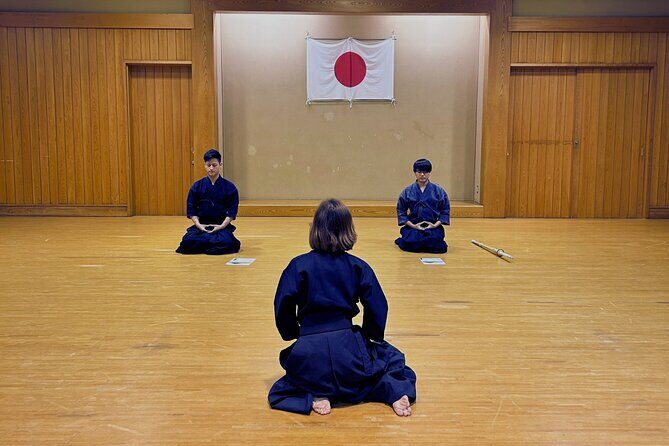
Good news: you don’t need to be athletic, and you don’t need martial arts background. The class explicitly says over 90% of participants are beginners, and they teach slowly and carefully with a small group.
So your main prep is normal travel stuff:
- Wear comfortable clothing to start with
- Plan to move for the full session
- Skip heavy meals right before if you get lightheaded easily during exercise
What’s handled for you:
- Kendo attire rental and the underlayer T-shirt/pants
- Shinai rental
- Bottled water
- A souvenir at the end
- A guide throughout
There are no snacks included, so if you tend to get hungry after activity, consider eating before and carrying a snack for afterward on your own.
If you’re nervous about sweating, that’s normal. This is exercise. But the class structure is built to keep you progressing without pressure.
The Real Value: More Than a Sport, More Than a Performance
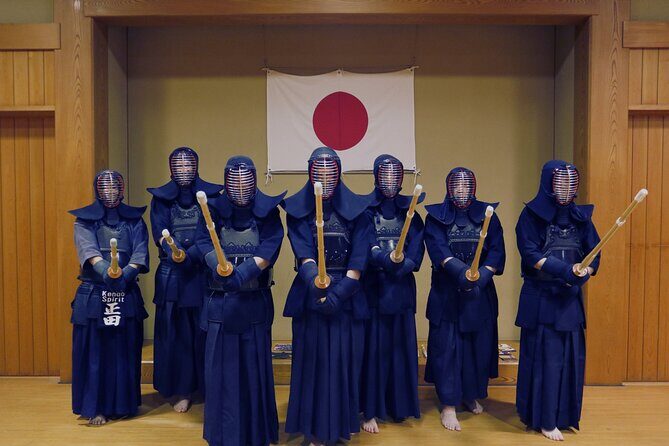
Kendo is often described as a sport, but this kind of session treats it as a discipline with cultural meaning. You’re not just learning moves; you’re learning why the moves matter.
From past participant feedback, the biggest praised aspects were:
- The attention to history and culture alongside technique
- The passion and friendliness of the instructors
- The fact that you do more than watch—you train with your own body
You’ll probably leave with two takeaways at once. First, you’ll understand the practical side: stance, timing, and how strikes are delivered. Second, you’ll connect that practice to Bushido values—self-control, respect, and focus.
That’s also why the dojo setting matters. You’re training in a place where Japanese practitioners hone their skills, which makes the experience feel grounded instead of staged.
How This Fits in Your Tokyo Day (10:00 Start Is Convenient)
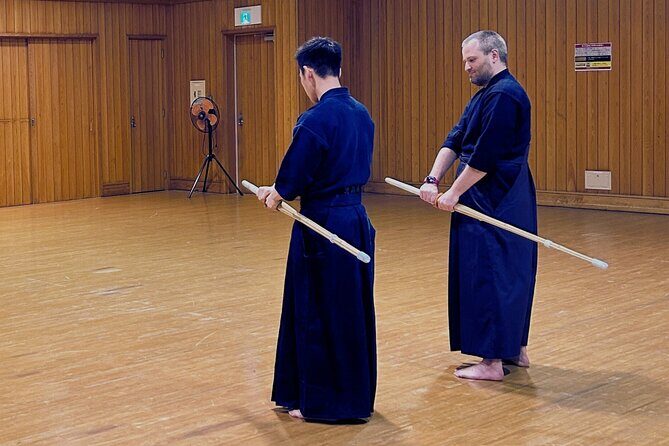
A 10:00 am start is nice for two reasons. You get activity early, and you still have the rest of the day for Tokyo sightseeing without rushing.
The meeting point is in Chuo City, near public transportation, and the session ends back where it starts. That means you don’t need to solve a complicated route or worry about getting stranded far from transit.
Before you go, I’d recommend planning a “cool down” block afterward. Your body will be doing more than you expect for a first kendo session. Even if you don’t feel sore, you may feel pleasantly tired—like you actually trained.
Afterward, you can go back to your usual Tokyo rhythm: temples, neighborhoods, good food. Just don’t schedule something extremely physical right after unless you know you recover well.
Price and Value: Is $132.14 Worth It?
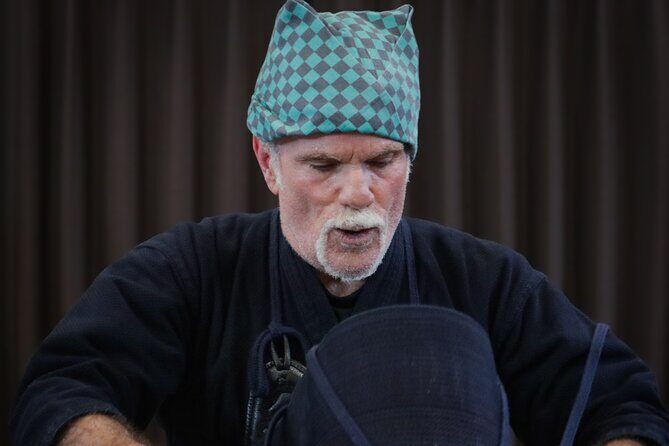
At $132.14 per person for about two hours, this sits in the mid-range for Tokyo activities. What makes it feel like good value is the package you get for that price:
- A guided session with a dedicated instructor (Daichi)
- Small group limit (max 8)
- Rental of kendo attire and a bamboo sword (shinai)
- Bottled water and a souvenir
- A photographer taking photos and videos, delivered by email afterward
- A hands-on training component, not just observation
If you’ve ever paid for a “cultural experience” that was mostly sitting, this is the opposite. You’re actively practicing technique, focus, and posture. In travel terms, that’s the difference between buying a memory and buying a skill you can talk about in detail.
The only obvious cost at your end is your own time and energy—plus, since snacks aren’t included, you may want a meal planned. But overall, the included gear and guided coaching are a strong match for the price.
Who Should Book This Kendo Lesson (and Who Might Want a Different Plan)
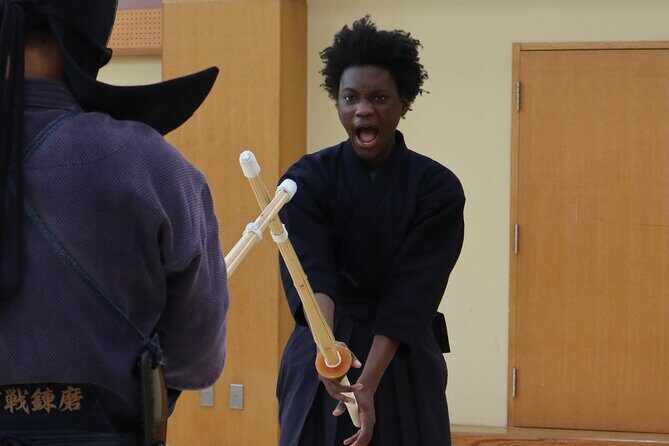
This experience is a great match if you:
- Want a truly hands-on Tokyo activity
- Like physical challenges with clear structure
- Prefer learning from an active practitioner
- Want something that connects to Japanese culture through practice
- Are traveling with family, since a past participant brought a child around age 12 and the class worked well for them
You might consider a different option if you:
- Want a mostly passive, sit-and-watch sightseeing experience
- Have a hard limit on physical activity or balance
- Are expecting zero movement at all
The class is built for beginners, including people with no martial arts background. But it’s still training. You’ll feel the effort.
Should You Book Samurai Experience: Learn Bushido Through Kendo in Tokyo?
If you’re on the fence, here’s my practical take: book it if you want to experience Bushido through the body, not through a brochure.
This tour earns its reputation through three things that matter on the ground: the small group size, the English-capable instruction from Daichi, and the fact that you don’t just watch kendo—you practice it and finish with an exciting match moment.
If you like Japan when it’s real and active—when you’re learning how people live their disciplines—this is one of those Tokyo experiences that gives you something specific. A memory, yes. But also a feeling: strong posture, sharper timing, and the discipline behind the strike.
FAQ
Do I need to speak Japanese to join?
No. Daichi speaks fluent English, so you can ask questions during the session.
Will I get photos or videos?
Yes. A photographer takes photos and videos, and the data is sent to you by email after the experience.
What should I bring with me?
Nothing at all is required. T-shirts and pants are provided to wear under the kendo uniform.
Is this only for athletes or people with martial arts experience?
No. Over 90% of participants are beginners, and the session is taught slowly and carefully.
How long is the experience?
It lasts about 2 hours.
What’s included in the price?
Kendo attire rental, bamboo sword (shinai) rental, Japanese cultural experience tools rental, bottled water, a souvenir, and a guide. Snacks are not included.
More Tour Reviews in Tokyo



The Way of the Sword, Continued
Fresh reviews from around Tokyo






Samurai & Ninja Experiences, compared.
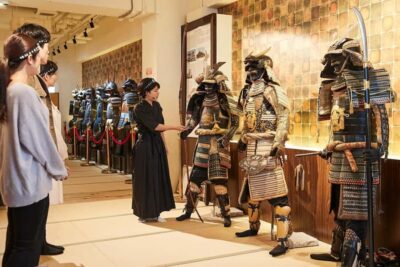 ★ 4.6Samurai Ninja Museum Guided tour and ExperienceFrom $271,010 reviews
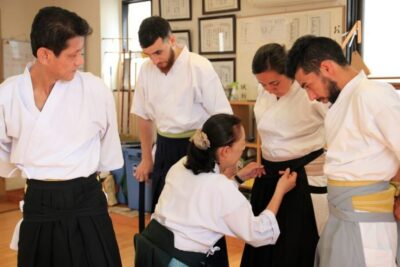 ★ 5.0Samurai Sword & Archery Class from Samurai DescendantFrom $193603 reviews
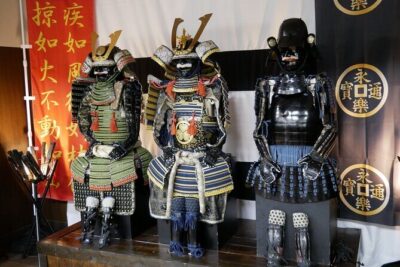 ★ 5.0Best Samurai Experience in TokyoFrom $65458 reviews
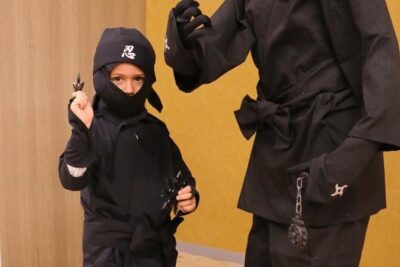 ★ 5.0Ninja Experience (Family Friendly) at Samurai Ninja Museum TOKYOFrom $47441 reviews
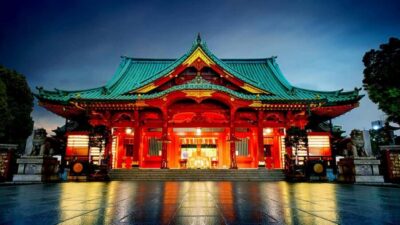 ★ 4.6Samurai Entertainment Night Show in Kanda ShrineFrom $41417 reviews
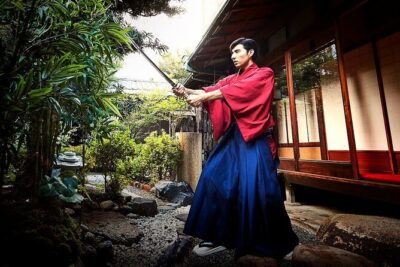 ★ 5.0Tokyo Sword Experience – includes Museum Ticket/Ninja ExperienceFrom $84314 reviews
 ★ 4.8Samurai Ninja Museum Asakusa: Samurai Sword Lesson & TourFrom $63306 reviews
 ★ 5.0Samurai Sword Experience (Family Friendly)at SAMURAI MUSEUM TOKYOFrom $65168 reviews
Browse the lists this tour appears in