
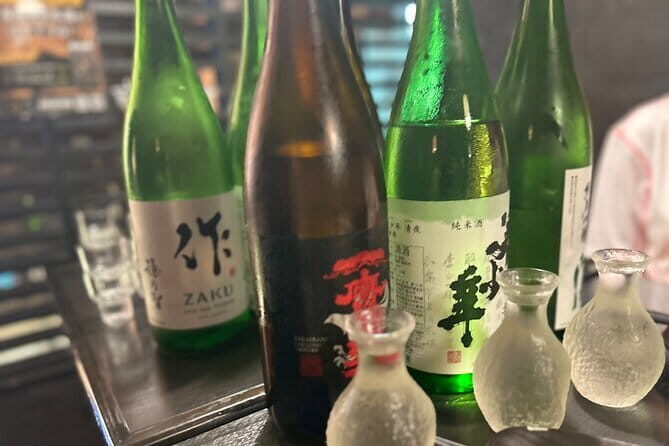
Reviewed · SHINJUKU BAR HOPPING
Tokyo Shinjuku Food & Backstreet Culture Tour: 15 Dishes+3 Drinks
Shinjuku nights taste like a secret. This 3-hour Shinjuku food-and-backstreets walk is all about following your English-speaking guide into places that don’t scream tourist—while still getting enough structure to feel relaxed. I like two things a lot: you get a real sampling lineup (15 dishes plus drinks), and you also get Japanese dining etiquette explained as you go, not in a lecture.
One heads-up: this isn’t a sit-down food marathon. If you expect huge portions at every stop or allergy-perfect meals, you may be disappointed—dietary needs can’t be fully guaranteed, and the “15 dishes” concept can mean smaller bites rather than full meals.
The experience is small (max 15 people), and the vibe is friendly enough that solo travelers often feel comfortable tagging along. In past groups, guides like Sakura, Kyle, Seiya, and Taka have led nights that mix food, culture, and plenty of conversation—and yes, photos get taken during the tour.
In This Review
- Key things worth knowing before you go
- Shinjuku After Dark: Why This Walk Works Better Than DIY
- Price and Value: What $100 Buys in Real Tokyo Time
- The Start: From Gucci Shinjuku to a 3D Cat Photo Sprint
- Omoide Yokocho: Alley Izakaya Culture at Close Range
- Godzilla Road & Head: Pop Culture Meets Practical City Navigation
- Kabukicho for 1 Hour 40: The Big Nightlife Stretch
- Golden Gai: Tiny Bars, Rules of the Room, and That Old-Tokyo Feeling
- The Food Stops: 15 Dishes That Usually Mean Sampling, Not Feasting
- Drinks, Age Limits, and Staying a Good Night Out
- Photos Included: Catch the Moment Without Losing the Flow
- Dietary Restrictions and Allergies: What’s Clear, What’s Not
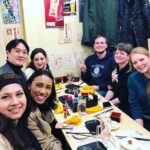
- Group Size, Solo Travel, and Comfort Level
- Who Should Book This Shinjuku Tour
- Should You Book This Shinjuku Food and Backstreet Culture Tour?
- FAQ
- How long is the Tokyo Shinjuku Food & Backstreet Culture Tour?
- What’s included in the price?
- Are drinks included, and do they include alcohol?
- Do I need to speak Japanese?
- Can the tour accommodate allergies or dietary restrictions?
- How big is the group?
- What is the cancellation policy?
Key things worth knowing before you go
- 15 dishes plus drinks for one set price, with seasonal variety
- Omoide Yokocho for that classic alley-izakaya feeling
- Golden Gai for the tiny-bar maze and preserved post-war atmosphere
- Etiquette in plain English, including how to drink and behave in small spaces
- Alcohol rules handled for age, with soft drinks for under 20
- Photos included and a mobile ticket for simpler check-in
Different nights, same neon: more Shinjuku crawls
- Tokyo: Shinjuku Food Tour (13 Dishes at 4 Local Eateries)★ 5.0 · 6,603 reviews
- Tokyo Bar Hopping Tour in Shinjuku (All-You-Can-Drink + Dinner)★ 5.0 · 3,587 reviews
- Tokyo: Shinjuku Food Tour (15 Dishes and 4 Eateries)★ 4.9 · 2,033 reviews
Shinjuku After Dark: Why This Walk Works Better Than DIY
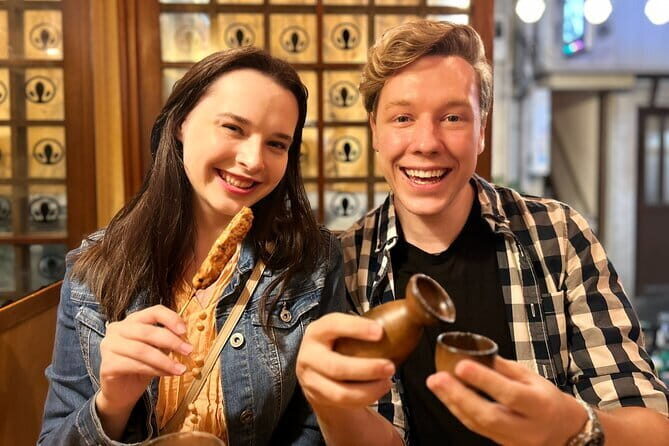
Tokyo’s nightlife is easy to stumble into, and hard to understand. Shinjuku in particular can feel like a wall of neon, so the value here is that you’re not wandering randomly—you’re following a guide who knows how to connect food stops with local habits.
What makes this tour feel different is the combination: you get street-food-style tastings and bar culture in the same evening. You’ll also get context for what you’re seeing, from how izakayas work to why certain places feel the way they do.
Price and Value: What $100 Buys in Real Tokyo Time
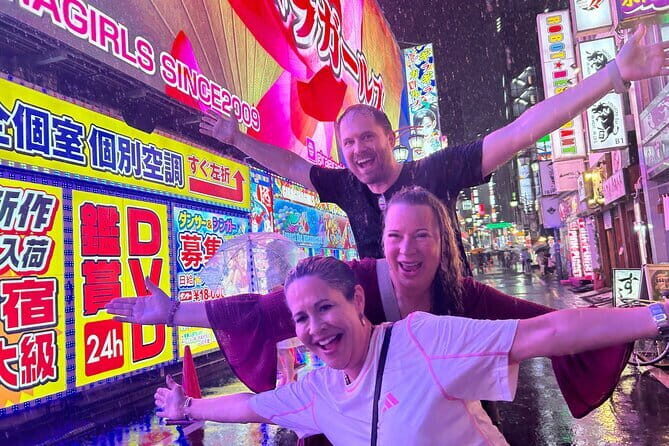
At $100 per person, you’re paying for three things: access (you’re guided to the right corners), translation (English commentary), and convenience (food and drinks are included so you’re not constantly deciding and paying). That’s especially valuable in Shinjuku where menus are dense and the steps between neighborhoods can be confusing.
Still, keep your expectations calibrated. The tour is described as a 15-dish experience, not a “you eat until you can’t breathe” buffet. Portions are likely to be bite-sized samples so you can cover multiple stops in about 3 hours. If you need large meals every time, you may want to add a meal on your own after the tour.
One more detail to check: the promo description says 15 dishes + 3 drinks, while the included list specifically says 15 dishes + 2 drinks (alcohol or non-alcohol). Either way, you’re getting more than one drink, but it’s smart to confirm the exact drink count when you book.
The Start: From Gucci Shinjuku to a 3D Cat Photo Sprint
You meet at GUCCI Shinjuku M Square Store (Shinjuku, 3-chōme area), and the end is near Shinjuku Station (the group disperses there unless you choose to remain at the last bar). The tour uses a mobile ticket, and for day-of contact you’ll be asked to use WhatsApp.
The first stop is delightfully random: a giant 3D cat display billboard that moves and even meows like the real thing. It’s a short photo stop (about 5 minutes), but it sets the tone—Shinjuku is playful, fast, and often slightly chaotic.
Omoide Yokocho: Alley Izakaya Culture at Close Range
Next you head to Omoide Yokocho, one of Shinjuku’s most nostalgic alleyways. This is where the tour becomes more than a walking sampler. The alley is lined with small bars and eateries, so the spacing is tight and the culture is lived-in.
This stop runs about 50 minutes, and it’s a key included meal/drink portion. Because the settings are small, this is also where etiquette matters most—things like how to place orders, how to handle seating and sharing space, and how to behave while drinking in close quarters.
Other plates worth crossing Tokyo for


Godzilla Road & Head: Pop Culture Meets Practical City Navigation
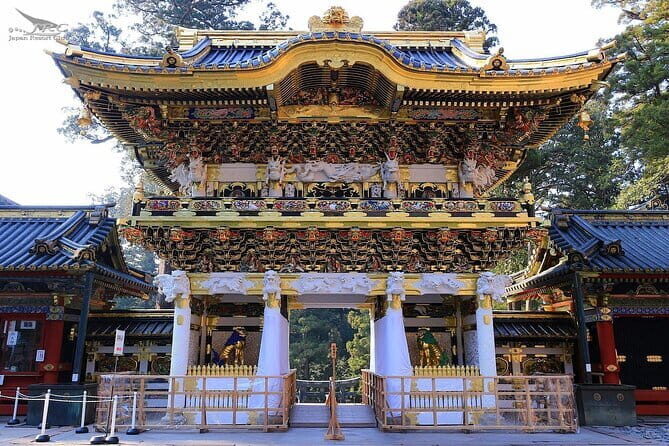
After the alley, you get a quick hit of Tokyo pop culture: Godzilla Road & the Godzilla Head. It’s another short stop (around 5 minutes), but it’s timed well. You get the iconic photo without losing the evening to long detours.
Then the tour keeps rolling into larger nightlife areas, which helps you connect icons to the actual streets where people eat, drink, and hang out. If you only see Shinjuku through train-station screens, you miss the human scale. These quick stops keep you anchored in the neighborhood.
Kabukicho for 1 Hour 40: The Big Nightlife Stretch
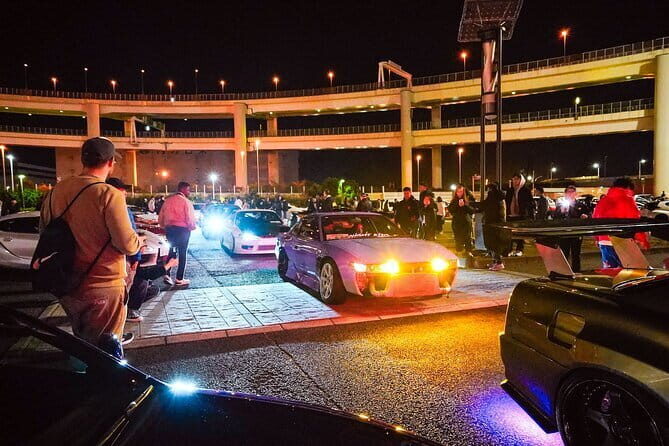
The Kabukicho segment is the longest portion on the route (about 1 hour 40 minutes). Kabukicho is Tokyo’s entertainment district, and the guide’s role becomes extra important here. You’re not just passing storefronts—you’re getting insider stories about what’s going on “behind the scenes,” plus a few local foods along the way.
A nice bonus: the tour description calls out that the guide is a former local worker. That kind of background tends to translate into stories that explain why places work the way they do, not just what they’re called.
One practical consideration: Kabukicho is busy and bright. Even with a guide, it helps if you’re comfortable walking in crowds and moving at an evening pace.
Golden Gai: Tiny Bars, Rules of the Room, and That Old-Tokyo Feeling
The route includes Golden Gai, famous for its narrow alleys lined with over 200 tiny bars. This is one of the few areas where post-war architecture is still preserved, and that history shows up in how compact everything feels.
Golden Gai also teaches you why small-space drinking etiquette matters. When you’re in narrow alleys and in tiny bars, your volume, timing, and manners are more noticeable. Expect your guide to coach you on how to drink in a respectful way, including how not to turn a fun night into someone else’s problem.
Also note how the tour ends: if you want to stay longer at the last bar, you can. Otherwise, you’ll be dispersed near Shinjuku Station.
The Food Stops: 15 Dishes That Usually Mean Sampling, Not Feasting
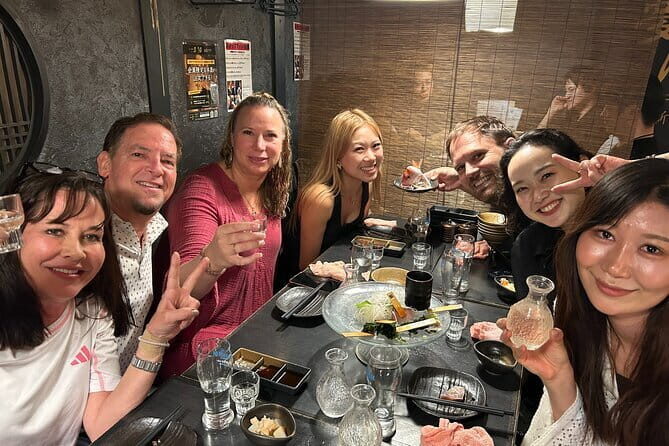
The tour includes 15 carefully selected Japanese dishes that vary by season. If you’ve done other food tours, you’ll recognize the strategy: smaller bites across multiple places so you can taste variety without spending the whole night waiting for plates.
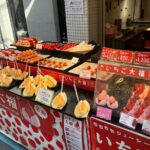
Some dishes that have shown up in past menus include things like yakitori sampler-style bites, dumpling varieties, grilled seafood snacks, and more adventurous items. You might also run into favorites such as taiyaki for dessert.
A big reason this works is that you’re tasting alongside context. You’re not just eating—you’re learning what the dish is, how it’s typically eaten, and how it fits into Japanese dining culture.
Drinks, Age Limits, and Staying a Good Night Out
Alcohol is part of the plan, and the guide explains drinking norms and etiquette. Japan’s rule is that drinking alcohol is prohibited under age 20, and the tour follows that: if you’re under 20, you’ll be provided soft drinks.
If you’re of age, you can expect typical izakaya-style drink options—past groups have talked about everything from draft beer to highballs and lemon sours. The guide also helps you pace yourself, which matters because this is a walking tour with multiple stops.
One thing I really like is the tone around respect. The tour messaging stresses manners in drinking spaces, which is smart in places like Golden Gai where tables are tight and social behavior stands out.
Photos Included: Catch the Moment Without Losing the Flow
You’ll have photos taken during the tour. That may sound minor, but in practice it saves you from doing stop-and-go smartphone math while the group moves on.
It also helps you remember where you went, especially for the alleys and tiny entrances that are easy to miss if you’re wandering on your own after dark.
Dietary Restrictions and Allergies: What’s Clear, What’s Not
Here’s the blunt part: meals are prepared outside the provider’s kitchen, so the tour cannot guarantee allergy-free meals or fully accommodate dietary restrictions. There also may be limited ability to substitute at certain stops, though the guide will do their best to compensate with options at other points along the tour.
If allergies are a hard requirement, I’d treat this tour as something to plan carefully. Bring details with you, and ask before booking whether your needs can be handled safely.
Group Size, Solo Travel, and Comfort Level
This is capped at 15 travelers, which makes it feel social instead of chaotic. Many people can participate, and children must be accompanied by an adult.
For solo travelers, this style often works because the guide controls the flow and you don’t have to solve language and menu issues on your own. One travel reality: if you’re traveling alone, the number of dishes offered may differ, so double-check the expectation when booking.
Who Should Book This Shinjuku Tour
I’d recommend it if you want:
- A guided Shinjuku nightlife walk that still feels food-focused
- Learning about Japanese dining and drinking etiquette in context
- A compact evening route with multiple iconic areas (Omoide Yokocho, Godzilla area, Kabukicho, Golden Gai)
- An English-speaking host with real local stories (guides like Sakura, Kyle, Seiya, and Taka have led past groups)
I’d look elsewhere if you mainly want:
- Guaranteed large portions at every stop
- Allergy-proof meals with substitutions guaranteed at every location
- A strictly “food only” tour with minimal nightlife wandering
Should You Book This Shinjuku Food and Backstreet Culture Tour?
If you want a practical introduction to Shinjuku after dark, this is a strong pick. For $100, you’re not just buying food—you’re buying translation, pacing, and access to backstreet nightlife areas that are hard to navigate solo.
Book it if you can accept sampling-style portions and you’re comfortable with cultural coaching. Don’t book it if allergies are strict or you need a restaurant-style dinner every stop.
FAQ
How long is the Tokyo Shinjuku Food & Backstreet Culture Tour?
It runs about 3 hours (approx.).
What’s included in the price?
The tour includes 15 Japanese dishes (seasonal variety), 2 drinks (alcohol or non-alcohol), an English-speaking local guide, photos taken during the tour, and explanations about Japanese eating/drinking etiquette and culture.
Are drinks included, and do they include alcohol?
Yes. Alcohol or non-alcohol drinks are included (and the tour follows Japan’s drinking rule: no alcohol under age 20). Soft drinks are provided for those under 20.
Do I need to speak Japanese?
No language barriers are part of the pitch. You’ll have an English-speaking guide and commentary.
Can the tour accommodate allergies or dietary restrictions?
You cannot assume allergy-free meals. Because meals are prepared outside the provider’s kitchen, the tour cannot guarantee allergy-free meals or accommodate dietary restrictions fully, and substitutions may not be available at every stop.
How big is the group?
The tour has a maximum of 15 travelers.
What is the cancellation policy?
You can cancel for a full refund if you cancel at least 24 hours before the experience starts. If you cancel within 24 hours, the amount paid is not refunded.
More Tours in Tokyo


More Tour Reviews in Tokyo




Shinjuku After Hours: The Other Crawls
Fresh reviews from around Tokyo






Shinjuku Bar Hopping, compared.
 ★ 5.0Shinjuku Food Tour (13 Dishes at 4 Local Eateries)From $866,603 reviews
 ★ 5.0Tokyo Bar Hopping Tour in Shinjuku (All-You-Can-Drink + Dinner)From $1063,587 reviews
 ★ 4.9Shinjuku Food Tour (15 Dishes and 4 Eateries)From $852,033 reviews
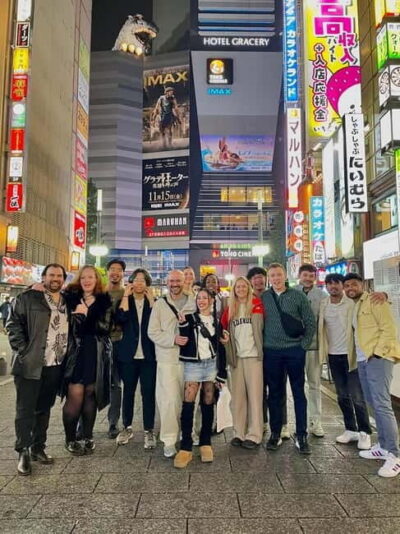 ★ 4.9Shinjuku Local Bar and Izakaya Guided Walking TourFrom $341,794 reviews
 ★ 5.0Tokyo Shinjuku Chopsticks Making ClassFrom $201,763 reviews
 ★ 5.0Tokyo Shinjuku Sumo Show & Experience with PhotoFrom $791,750 reviews
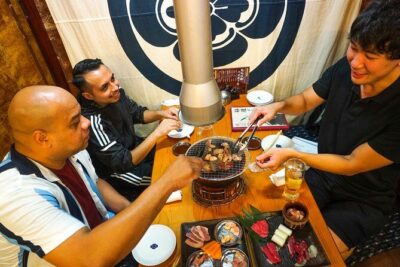 ★ 5.0Tokyo Night Foodie Tour in Shinjuku – Seasonal Sushi, Wagyu BeefFrom $1111,161 reviews
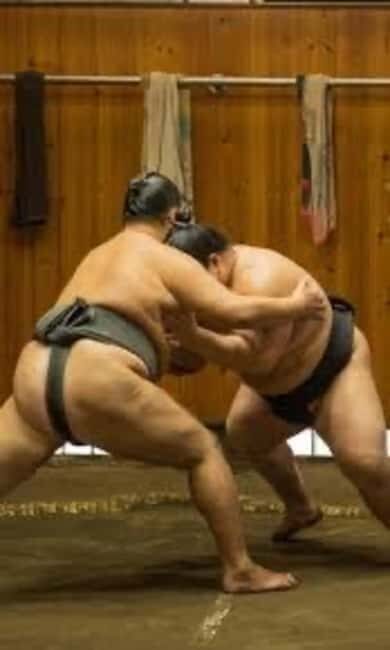 ★ 4.8Sumo Show and Experience in ShinjukuFrom $691,001 reviews
Browse the lists this tour appears in