
Reviewed · COOKING CLASSES
Tokyo: Real Ramen & Dumpling Cooking with Master Chef
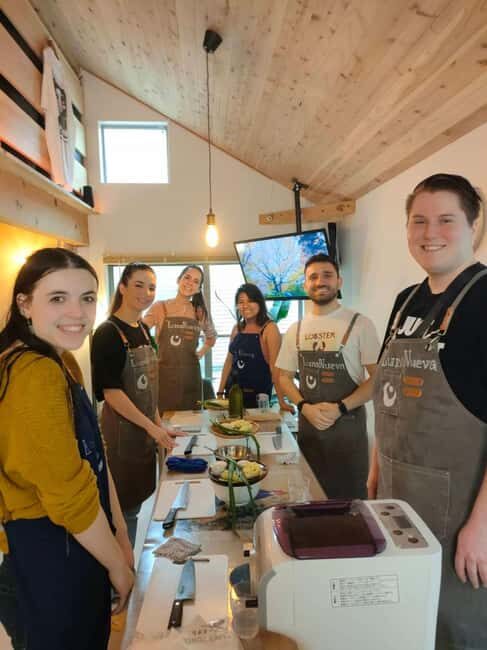
Make ramen with real purpose. This 2-hour class in Ekoda (Nerima) is built around doing the work: eggs, toppings, gyoza folding, chashu flavoring, noodles, then a final bowl you assemble yourself. I like that you’re taught by Yoshi, with help from Amo, and that the instruction is in English. I also like that you leave with the recipe info (not just memories). One possible drawback: the vegetarian ramen option needs advance notice, and late arrival can cut into class time.
This isn’t a big “watch-and-leave” cooking show. It’s the kind of meal-making practice that helps you understand why ramen tastes the way it does. You’ll prep, cook, and plate as you go, with a small group that may be up to four participants. Consider too that Ekoda is on the Seibu Ikebukuro Line, and you’ll want the local train that actually stops there.
In This Review
- Key things to know before you go
- Tokyo Ramen & Dumpling Class at Ekoda Station: What You’re Actually Doing
- Your 2-Hour Game Plan: Eggs, Gyoza, Chashu, Soup, Noodles, Then the Final Bowl
- Meet Yoshi and Amo: Why English Instruction Changes Everything
- What’s Included: Food Portions, Specific Toppings, and Recipe Access
- Vegetarian Ramen Option: How to Request It So It Actually Works
- Logistics Without the Headache: Trains, Pickup, Timing, and Late Arrival
- Is $99 Good Value for Tokyo? Here’s How to Think About It
- Who This Class Suits Best
- Should You Book This Tokyo Ramen & Dumpling Class?
- FAQ
- Is vegetarian ramen available?
- Do I need to request vegetarian ramen in advance?
- Where is the meeting point?
- Is pickup included, and which train should I take?
- How long is the class?
- What food is included?
- Will I receive recipes after the class?
- What are the payment and cancellation options?
Key things to know before you go
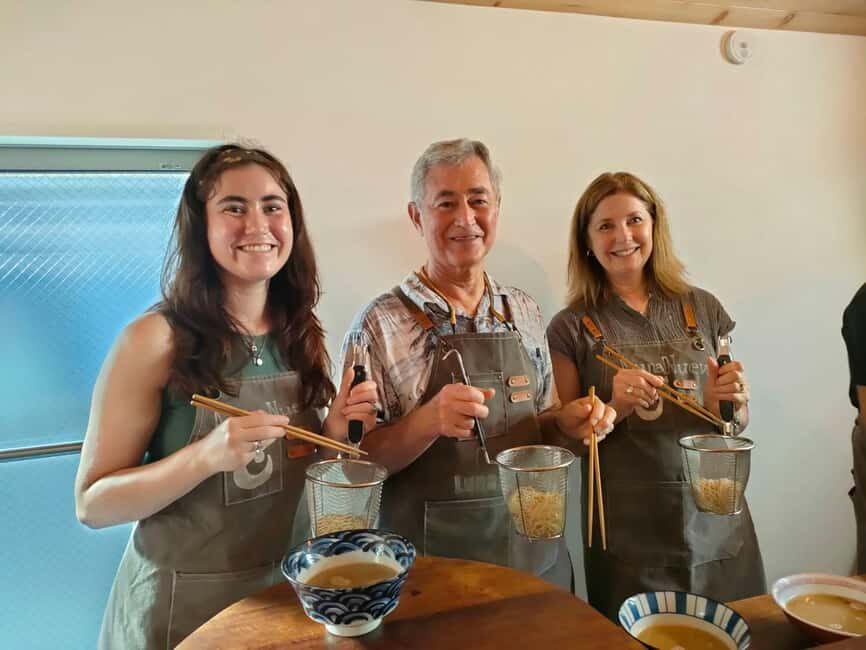
- English-led instruction by Yoshi and Amo, including insider ramen-world stories
- Hands-on ramen plus gyoza, starting from eggs through the final bowl assembly
- A small group setting that can be up to four people for more attention
- Sydney restaurant background: the chef previously ran a restaurant in Sydney, Australia
- Includes nitamago, chashu, seaweed, spring onion, and wood ear among other ramen toppings
- Vegetarian ramen needs advance notice, not same-day requests
More aprons-on time in Tokyo kitchens
- Ramen & Gyoza Cooking Class in Tokyo with Local Supermarket Visit★ 5.0 · 823 reviews
- Tokyo: Easy Ramen Cooking Experience in Kabukicho, Shinjuku★ 4.6 · 321 reviews
- Ramen and Sushi Cooking Class with Sake Pairing Set in Tokyo★ 5.0 · 291 reviews
Tokyo Ramen & Dumpling Class at Ekoda Station: What You’re Actually Doing
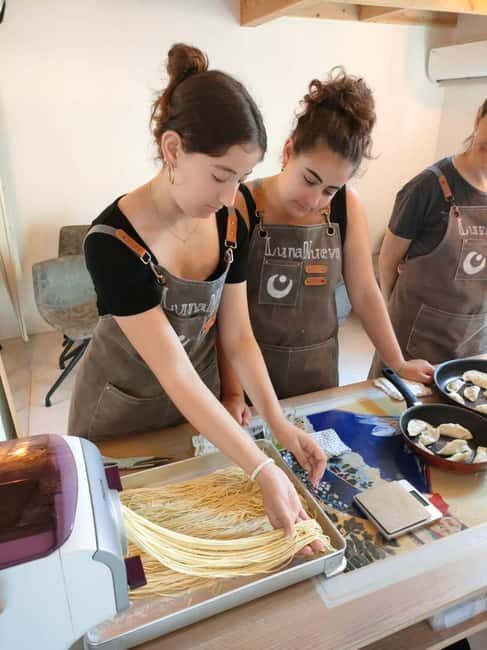
Tokyo has ramen shops on every corner, but this experience gives you the missing piece: the process. You’re not just eating ramen and calling it done. You’ll learn how different parts come together, from the semi-soft boiled egg timing to how gyoza are folded and cooked, to how toppings get arranged so the bowl looks right and tastes balanced.
The class runs in Nerima, with the meeting point at Ekoda Station (address: 1 Chome-78 Asahigaoka, Nerima City, Tokyo 176-0005, Japan). You’re asked to arrive at least 15 minutes early so you can get settled. Pickup is included: the host will wait for you at the out of ticket gate in Ekoda (Egota) station, specifically on the Seibu Ikebukuro Line. And yes, the details matter. If you take the wrong train type, you can end up stuck somewhere else.
Two hours sounds short until you see the work. The session is structured so you move through the main ramen components without feeling rushed into confusion. You’ll also get a cool sense of rhythm: hands on, question answered, next step starts.
Finally, there’s a human side to it. Yoshi teaches in English and brings a chef’s confidence, plus a background that includes running a restaurant in Sydney. Amo supports the flow and helps with questions. That combo is a big deal if you’re the type who asks why a step matters, not just how to do it.
Your 2-Hour Game Plan: Eggs, Gyoza, Chashu, Soup, Noodles, Then the Final Bowl
Here’s what the session typically looks like, in the order you’ll work through it:
First, you craft semi-soft boiled eggs (the timing and texture are the whole point). This step matters because nitamago-style eggs are one of the easiest ramen upgrades you can recreate at home. When you get the balance right, the yolk stays creamy instead of turning chalky.
Next comes toppings prep. You’ll cut and assemble what you need, then shift into gyoza mode. The process includes slicing ingredients, combining them for the filling, and then folding the gyoza. Folding takes a little practice, and the class pace is designed for learning rather than perfection. After folding, you’ll see how they’re cooked until they reach that crisp-and-tender texture you usually only get from good pan-frying.
While gyoza are cooking, you’ll work on chashu. You’ll learn how it gets flavored and built for ramen style. Chashu is slow-cooked chicken in this class, and that detail changes the flavor and feel compared with the pork version most people picture. It also means there’s a different balance of richness and tenderness to pay attention to.
Then comes the big ramen sequence. You’ll create the soup, boil the noodles, and use a “cool noodle draining technique” that’s specifically called out because it affects how noodles behave. That step is one of those small techniques that makes a real difference in texture. Finally, you assemble everything into your bowl: toppings laid out, eggs ready, seaweed and spring onion portioned, and the dish put together the way it should be.
By the time you sit down to eat, you’ve done the prep and cooking for the core ramen experience plus dumplings. You’re not trying ramen 101 for the first time. You’re doing ramen maker training, even if it’s only for two hours.
Meet Yoshi and Amo: Why English Instruction Changes Everything
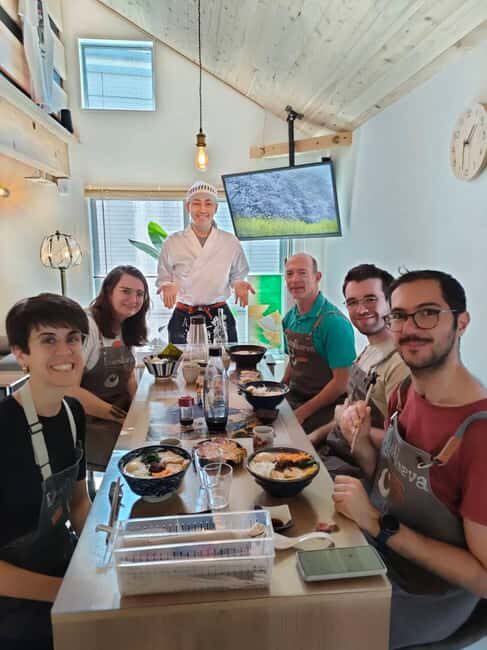
Ramen tastes simple on the surface, but the details are not. You can follow a recipe and still end up with bland soup or the wrong noodle texture. That’s why the instructor background matters here.
Yoshi is described as having his own restaurant experience, including time running a restaurant in Sydney, Australia, and he also trains in renowned Japanese ramen environments. Amo helps keep things smooth and answers questions, and both hosts are focused on making the experience work in English. For a cooking class in Japan, that’s not a small advantage. It means you can ask real “why” questions without guessing.
A couple things I’d watch for if you’re trying to judge fit:
- If you love food history and technique, you’ll probably appreciate the ramen-world context and stories mentioned alongside the practical steps.
- If you’re worried you won’t understand instructions, English guidance reduces that stress. You can focus on cooking instead of translating.
The overall vibe is warm and patient. The class is set up for a small group (up to four participants), which means you’re less likely to be stuck waiting for someone to catch up or clarify a step.
What’s Included: Food Portions, Specific Toppings, and Recipe Access
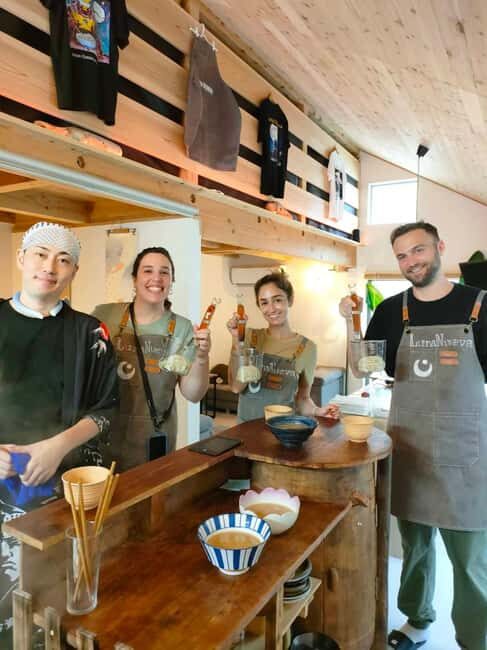
You get a clearly defined meal experience during the session. Included items are:
- Ramen and gyoza (5 pieces)
- Ramen topping
- Nitamago (seasoned running yolk egg)
- Chashu (slow cooked chicken)
- Seaweed
- Sliced spring onion
- Wood ear fungus
That’s not just random add-ons. These ingredients map directly to what makes ramen feel complete: egg richness, chashu comfort, aromatic toppings, and texture contrast from items like wood ear. It also means you’ll get a more authentic bowl structure than you might if the class only taught noodles and sauce.
After the lesson, you’ll receive a MENU with recipes by email. That’s valuable for two reasons. First, it helps you recreate ramen details at home instead of relying on memory. Second, you can compare your homemade version to what you taste later in Tokyo—and figure out what you want to adjust.
There’s also a fun side at the end. You might find the hosts offer themed merchandise like t-shirts, and some class moments include complimentary items. Even if you don’t buy anything, it’s a nice touch that reinforces the idea that you’re learning a craft, not just attending a snack event.





Vegetarian Ramen Option: How to Request It So It Actually Works
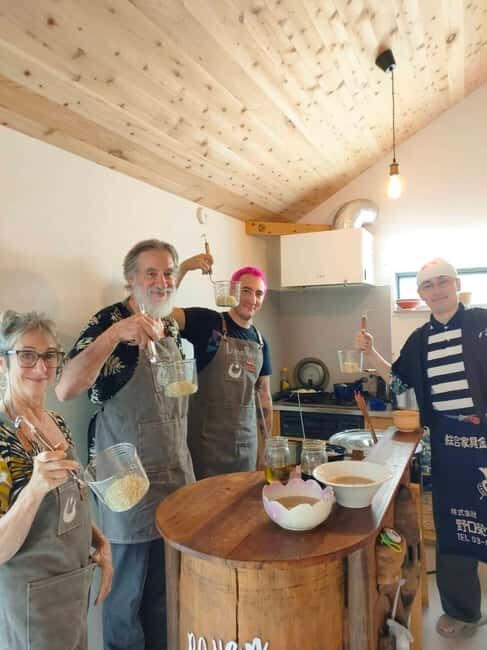
Vegetarian ramen is available, but the rule is simple: you must inform the team in advance. The data is explicit that they can’t accommodate vegetarian ramen requests on the same day without prior notice.
So what you should do?
- If you want vegetarian ramen, make it a priority when booking or as early as possible before the class.
- If you’re not sure what vegetarian means for this class (for example, whether the ramen base changes), message ahead so you’re not surprised at the start.
This matters because ramen flavor relies heavily on soup base and seasoning. Without advance planning, it’s hard to swap the right ingredients and still keep the cooking flow smooth.
If you can plan ahead, vegetarian here isn’t an afterthought. It’s treated like a real option with its own prep needs.
Logistics Without the Headache: Trains, Pickup, Timing, and Late Arrival
The meeting setup is detailed, so use it.
You’ll meet at Ekoda Station (Seibu Ikebukuro Line, not JR). Pickup is included, and the host will wait for you 15 minutes before at the out of ticket gate in Ekoda (Egota) station. The important train note is this: don’t ride the Rapid train. You’ll want the local train that actually stops at Ekoda (Egota) station.
If you’re in Tokyo and relying on spotty phone signal, plan for it. The class recommends you add their contact into WhatsApp so you can call when you only have Wi-Fi access. The provided phone number is +81 80 7262 1175.
Finally, late arrival can reduce your class. That’s not a threat; it’s just reality. You’ll miss steps in a cooking lesson if you show up after the start time. Arriving early also helps you get oriented and calm—two things that make your egg and noodle steps much easier.
If you like practical travel tips, here’s a good mindset: treat this like a cooking appointment, not a casual walking tour. You’ll get more out of it.
Is $99 Good Value for Tokyo? Here’s How to Think About It
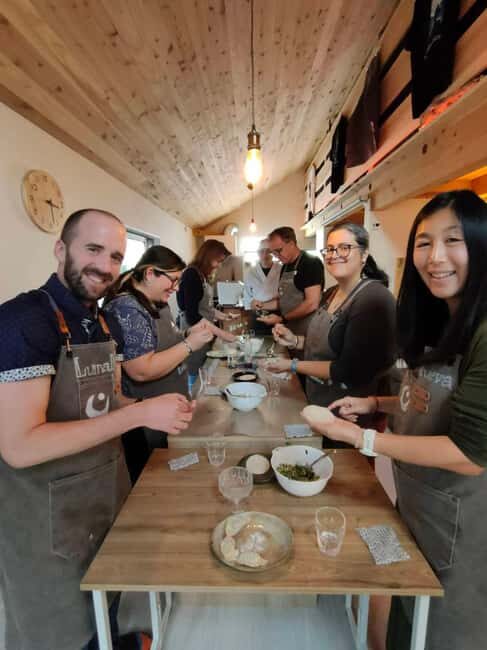
At $99 per person for a 2-hour experience, you’re paying for three things you usually can’t buy separately:
- Instruction in English from a chef-level teacher with real background.
- Hands-on work with the components of ramen and gyoza, not just tasting.
- A full meal with specific included ingredients, plus recipes sent after the class.
In Tokyo, you can absolutely eat your way through ramen for less than this. But most ramen meals won’t teach you how to make the soup, time eggs, handle noodles, and build toppings into a bowl that matches what you ordered. This is about skill transfer.
Also, the class includes nitamago and chashu, plus toppings like seaweed and wood ear fungus. Those aren’t “side plate” ingredients. They’re the parts that usually cost extra when you’re ordering ramen outside.
If you’re the type who cooks at home or wants a souvenir that lasts longer than photos, the recipe email makes the price easier to justify. You can replicate the flavor structure months later.
The main “cost” beyond money is your time. Two hours is short, but it’s active. If you want a relaxed sit-down activity, this may feel hands-on in a way you didn’t expect.
Who This Class Suits Best
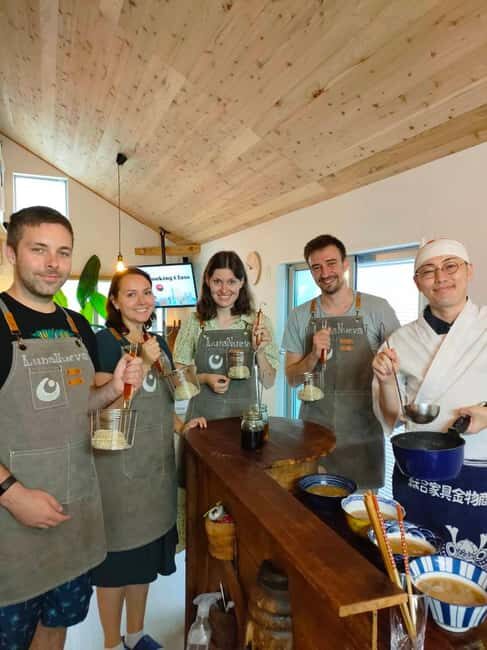
I’d point you toward this class if any of these sound like you:
- You want to learn ramen beyond what you can easily pick up by eating.
- You enjoy cooking and don’t mind doing repetitive, precise steps like folding gyoza.
- You want English help in Japan, especially with technique and explanation.
- You’re traveling with family and want something interactive (the experience is described as something you enjoy making together).
- You’re looking for a meal you can recreate later, not just consume.
It’s also a strong choice for food lovers who like to ask questions. The hosts are set up to answer them, and the small group size supports that.
If you’re traveling with kids, you might like the structure: eggs, dough/folding, then assembling. Just remember it’s still cooking practice, so it’s more active than a standard restaurant outing.
Should You Book This Tokyo Ramen & Dumpling Class?
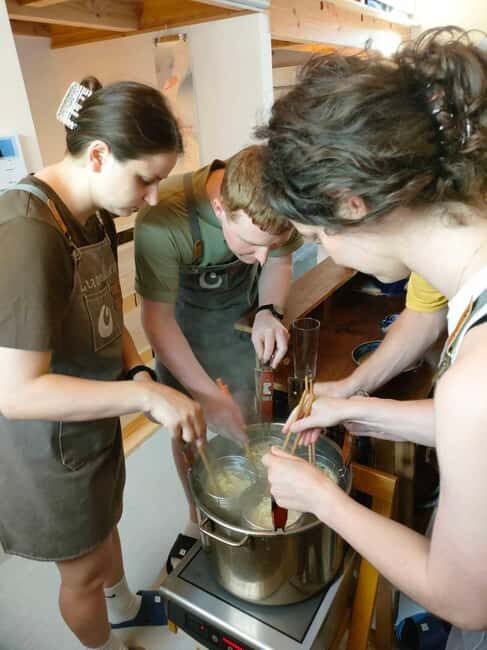
Book it if you want more than ramen calories. This class gives you hands-on ramen, proper technique, and a chef-teacher pairing (Yoshi and Amo) that makes English instruction feel natural, not clunky. The inclusion of nitamago, chashu, and specific toppings means you get a full ramen experience, not a watered-down demo.
Skip or rethink it if you can’t manage the logistics. Ekoda is reachable, but it’s not on JR, and the rapid train won’t help. Also, if vegetarian is essential, plan ahead—same-day changes aren’t supported.
My call: if you like learning by doing, this is one of the best ways to turn Tokyo food into something you can recreate at home. The skills you pick up here are the kind that actually stick.
FAQ
Is vegetarian ramen available?
Yes, vegetarian ramen is available.
Do I need to request vegetarian ramen in advance?
Yes. You need to inform them in advance, because they won’t be able to accommodate vegetarian ramen requests on the same day without prior notice.
Where is the meeting point?
The meeting point is Ekoda Station, 1 Chome-78 Asahigaoka, Nerima City, Tokyo 176-0005, Japan.
Is pickup included, and which train should I take?
Pickup is included. The host will wait at the out of ticket gate in Ekoda (Egota) station. Use the Seibu Ikebukuro Line and take the local train that stops at Ekoda. Do not ride the Rapid train.
How long is the class?
The class duration is 2 hours.
What food is included?
You’ll eat ramen and gyoza (5 pieces), plus ramen topping including nitamago (seasoned running yolk egg), chashu (slow cooked chicken), seaweed, sliced spring onion, and wood ear fungus.
Will I receive recipes after the class?
Yes. After the lesson, they send a MENU with recipes to you.
What are the payment and cancellation options?
You can reserve now and pay later (book without paying today). Cancellation is free up to 24 hours in advance for a full refund.
Learn Another Dish: Tokyo Cooking Classes

More Tour Reviews in Tokyo



Fresh reviews from around Tokyo






Cooking Classes, compared.
 ★ 5.0Ramen & Gyoza Cooking Class in Tokyo with Local Supermarket VisitFrom $122823 reviews
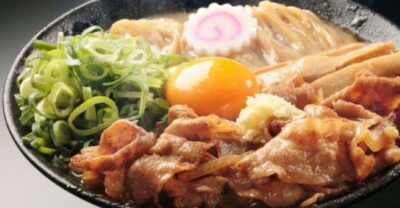 ★ 4.6Easy Ramen Cooking Experience in Kabukicho, ShinjukuFrom $29321 reviews
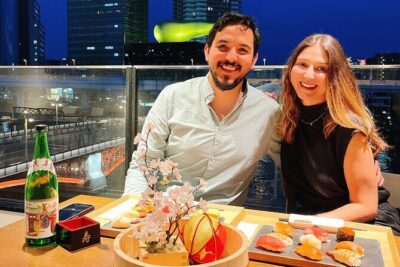 ★ 5.0Ramen and Sushi Cooking Class with Sake Pairing Set in TokyoFrom $79291 reviews
 ★ 4.9Wagyu and 7 Japanese Dishes Cooking ClassFrom $67273 reviews
 ★ 5.0Tokyo Washoku 4-hour Cooking Class: From Market to TableFrom $79253 reviews
 ★ 5.0Small-Group Wagyu Beef and 7 Japanese Dishes Tokyo Cooking ClassFrom $72190 reviews
 ★ 5.0Private Home Cooking in Yanaka – Local Flavors in a Warm SettingFrom $122173 reviews
 ★ 5.0Tokyo Sushi Making Experience & Japanese Cooking ClassFrom $59150 reviews
Browse the lists this tour appears in