
Reviewed · CITY TOURS
Tokyo Private Tour: Temples, Culture & Modern City Highlights
Tokyo makes sense when you walk it. This private tour stitches together classic temples and modern districts with a multilingual guide who has 20+ years in Japan, so you’re not just sightseeing—you’re learning how Tokyo actually works. It’s flexible too, so you can steer the day toward culture, food, anime, shopping, or a slower stroll.
I like the way the route balances big icons (Sensō-ji, Shibuya, Shinjuku) with calmer breaks like the Sumida River and Shinobazu Pond. I also love the practical side: guides help with transit, photo spots, and even how to order when lunch time hits. One drawback to plan around is the format: expect lots of walking and public-transport use, and meals and transportation aren’t included.
In This Review
- Key highlights you’ll feel on the ground
- A Private Guide Means Tokyo Navigation, Not Just Sightseeing
- Sensō-ji and Nakamise: Start with Lanterns, Snacks, and Easy Photo Wins
- Quick reality check for this stop
- Sumida River Breather: Tokyo Slows Down for 15 Minutes
- Ueno’s Ameyoko Market and Shinobazu Pond: Street Energy, Then Calm
- How to get more out of this section
- Akihabara Versus the Imperial Palace East Gardens: Pick Your Tokyo Mood
- Kappabashi Knives and Harajuku Takeshita: Two Shopping Styles in One Route
- A couple of practical tips
- Meiji Jingu Forest Walk to Shibuya Scramble: From Quiet Torii to Neon Crossing
- Shinjuku’s Godzilla, Cat Billboards, and Golden Gai Nights
- Price and Logistics: Is $99.08 Worth It?
- What to Expect on the Day: Walking, Transit, and When to Slow Down
- Should You Book This Tokyo Private Tour?
- FAQ
- How long is the Tokyo private tour?
- Does the tour include hotel pickup?
- What languages are available for the guide?
- Are temple and shrine entrance fees included?
- Are meals included?
- Is public transportation included?
Key highlights you’ll feel on the ground
- Hotel pickup in central Tokyo keeps the start painless
- Flexible, customizable route lets you swap districts based on your mood
- Photo support at major viewpoints so your pictures come out better
- Street-food and market time in places locals actually shop and snack
- Transit coaching that helps you move around the city with less stress
- Options for Akihabara, Imperial Palace Gardens, and Kappabashi kitchenware
Bigger sweeps: other Tokyo city tours
- Tokyo: Private City Highlights Tour with Local Guide★ 4.8 · 1,433 reviews
- Tokyo: 3-Hour Bike or E-Bike City Highlights Tour★ 4.8 · 435 reviews
- Tokyo: Sumo Morning Practice Tour at Sumida City★ 4.8 · 308 reviews
A Private Guide Means Tokyo Navigation, Not Just Sightseeing
A big win with this experience is that it’s private, so the guide can pace the day to your group and answer questions as you go. I like that you can request a route that fits your interests—first-timers often want the “greatest hits,” while repeat visitors sometimes want Akihabara, the Imperial Palace area, or more shopping time.
You’ll also get real-world help with how to ride Tokyo’s trains. Several guides (including Renaud, Julien, Sebastian, and Jimmy) are praised for patiently explaining routes and helping with everyday tasks like ordering food. That matters because Tokyo’s transit system can feel like a puzzle until someone shows you the pieces.
Sensō-ji and Nakamise: Start with Lanterns, Snacks, and Easy Photo Wins
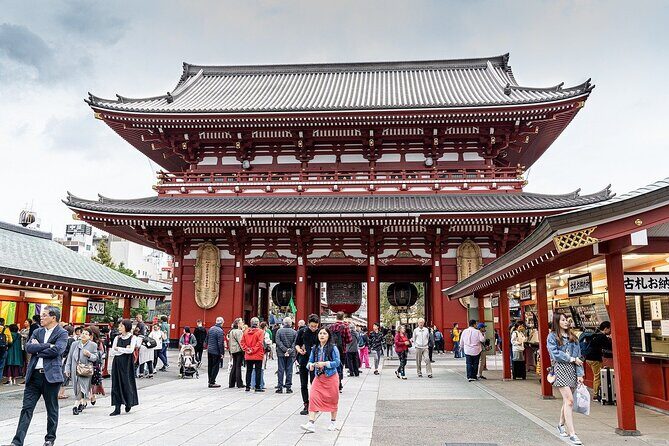
Asakusa kicks things off at Sensō-ji, Tokyo’s most famous temple vibe. You’ll see the giant red lantern and walk through Nakamise Street, where the traditional atmosphere is strongest and the snack temptations are constant. Since the stop is free, you’re not spending time hunting for tickets before you even start enjoying the place.
A practical bonus: the guide helps with photo spots and timing. If you want cleaner shots without playing camera roulette, ask your guide to show you where to stand and when to move. This is also where you’ll start to notice Tokyo’s layering—ceremony and everyday commerce happening side by side.
Quick reality check for this stop
Wear shoes you can walk in for hours. Even the “first stop” part can turn into a slow-moving stroll once you start stopping for photos and treats.
Sumida River Breather: Tokyo Slows Down for 15 Minutes
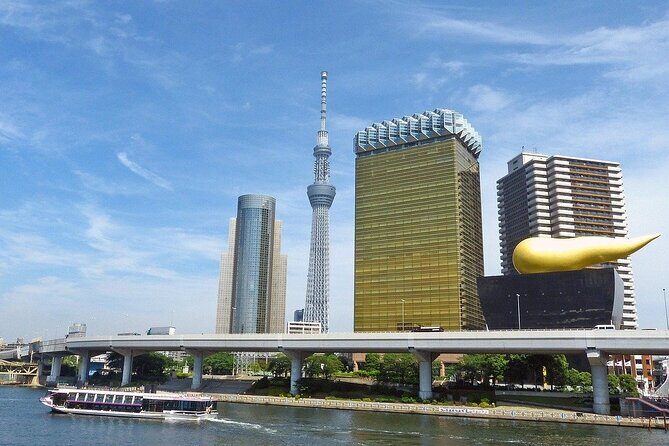
Right after the temple crowds, you get a breather along the Sumida River. The wide riverside paths make it easier to reset your legs and your head. You’ll also get scenic views, including Tokyo Skytree in the distance, which is a nice contrast to the temple streets.
This is the kind of stop that makes the whole day feel better. Without it, you’d just go from one hotspot to the next. With it, your photos look more intentional and your brain gets a moment to breathe.
More private options with your own guide

Ueno’s Ameyoko Market and Shinobazu Pond: Street Energy, Then Calm
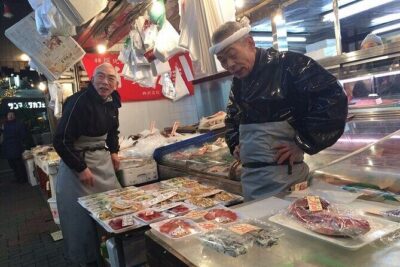
Then comes Ameyoko Shopping Street, an open-air market running along the railway tracks between Ueno and Okachimachi. This is where Tokyo’s everyday street life shows up: street food, spices, seafood, snack stands, and plenty of bargain shopping. If you love eating while you explore (and you don’t mind standing shoulder-to-shoulder in spots), this is a highlight.
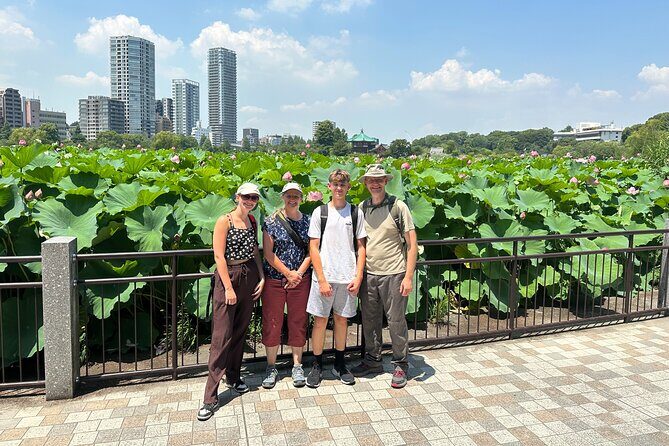
Next is Shinobazu Pond, a quick walk to a quieter setting. You’ll see lotus, koi fish, turtles, and birds through the year. The contrast is the point: market noise in one direction, park calm in the other.
How to get more out of this section
If you’re hunting for snacks, decide early whether you want small samples or one solid meal. The market is full of tempting choices, and it’s easy to overbuy when your senses are in overdrive.
Akihabara Versus the Imperial Palace East Gardens: Pick Your Tokyo Mood
Midday is where you get choices. Akihabara is the option most people recognize as Electric Town—anime shops, retro game stores, arcades, and major electronics retailers. If pop culture is part of your Tokyo plan, asking the guide to tailor time here can turn the visit from a quick walk into a focused browsing session.
If that’s not your vibe, you can switch to the East Gardens of the Imperial Palace, including Ninomaru Garden and historic samurai guardhouses. It’s a peaceful, historical-feeling stop that slows the day down again. Even if you’re not a “palace gardens” person, this part helps balance the day’s noise.
One smart move: tell your guide which mood you want most—play and gadgets (Akihabara) or quiet history (Imperial Palace East Gardens). The tour is designed to shift, and guides are good at making those swaps without making the day feel chaotic.
Kappabashi Knives and Harajuku Takeshita: Two Shopping Styles in One Route
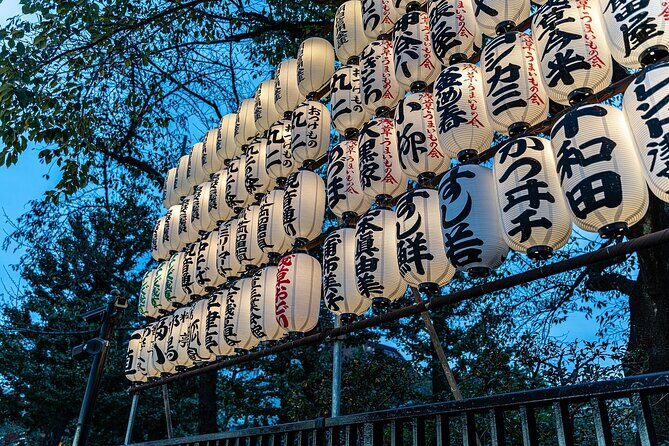
After the big landmark areas, you’ll get into Tokyo shopping culture. Kappabashi Street (Kappabashi Dogugai) is the kitchenware district between Asakusa and Ueno. Think Japanese knives, tableware, chopsticks, cookware—and the kind of store browsing that’s fun even if you don’t plan to buy.
Then it’s Harajuku’s Takeshita Street, youth fashion central. Expect colorful boutiques, kawaii shops, creative snacks, and pop culture energy. It’s narrow and busy, so this isn’t a stop for people who hate crowds. But if you want Tokyo’s stylish chaos on display, this is one of the best places to see it up close.
A couple of practical tips
Some shops may be cash only, so if you want to buy something, bring some yen. Also, keep an eye on your shopping bags—Tokyo walking + train transfers can turn “just one stop” into a sweaty marathon.
Meiji Jingu Forest Walk to Shibuya Scramble: From Quiet Torii to Neon Crossing
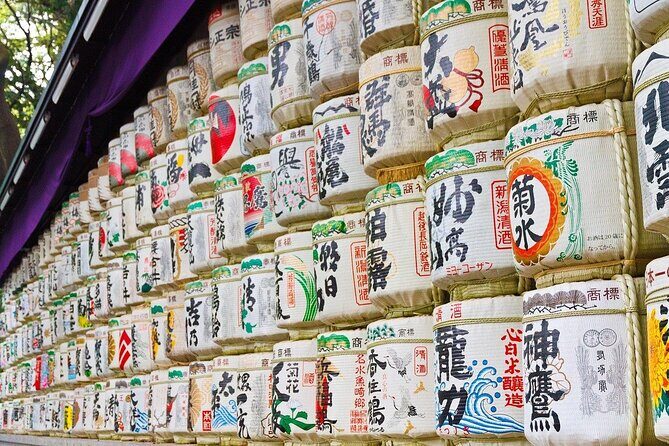
Meiji Jingu Shrine is one of Tokyo’s best resets. You’ll walk through a forest-like approach with tall torii gates and shaded paths. It’s peaceful in a way that feels like it belongs on a different planet from the city noise—exactly what you want before the energy jump to Shibuya.
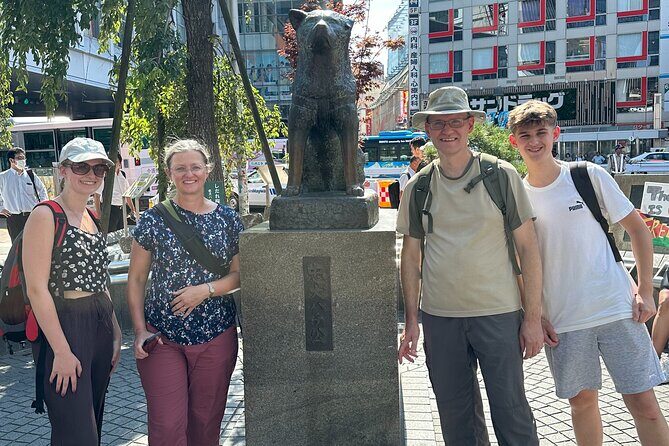
Then Shibuya hits. The Shibuya Scramble crossing is a visual punch: neon-lit streets, modern shopping malls, and that unmistakable Tokyo youth energy. Expect a lot of movement and people. Your guide’s job here is to keep you oriented so you’re not just standing in the middle trying to decide which direction is out.
Shinjuku’s Godzilla, Cat Billboards, and Golden Gai Nights
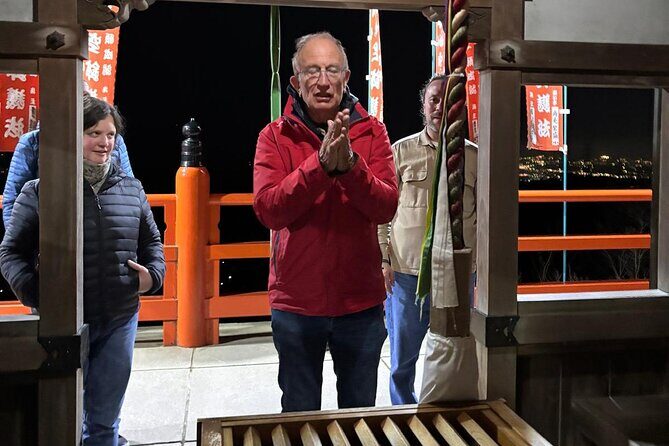
Shinjuku is where the day can tilt playful, or even night-leaning, depending on your timing and interests. You’ll stop at the Godzilla head, then see the 3D cat billboard—two modern symbols of Shinjuku’s personality. This is not temple calm; it’s Tokyo fun mode.
If you want the older side of Shinjuku nightlife, Golden Gai is the contrast. It’s a maze of tiny bars, and it’s the kind of place where wandering with a guide feels better than trying to figure it out alone. Some guides also offer customized nightlife angles if that’s what you want, including club-style options if you ask.
Price and Logistics: Is $99.08 Worth It?
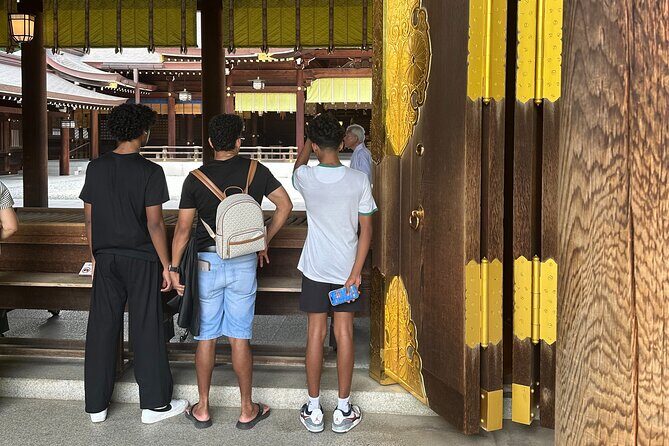
At $99.08 per person, the value depends on what you’d otherwise do. If you’re planning to pay for a hotel pickup, spend time figuring out transit, and build your own route across multiple neighborhoods, the private guide can be a smart shortcut.
Here’s what you get for that price:
- Local English/French/Japanese-speaking guide
- Hotel pickup in central Tokyo
- Flexible route with photo help and cultural explanations
- Entrance fees for free attractions on the route (temples, shrines, parks, and observatories listed as free in this plan)
What you pay separately:
- Meals and public transportation are not included
- Airport or outside-central Tokyo pickup costs extra
My practical take: this is a good deal if you want someone to handle the “how” (where to go next, how to move around, where to stand for photos). If you’re totally fine building your own Tokyo route and navigating without support, you might spend less on a self-guided day. But you’ll also lose the time-saving and stress-reducing help that people rave about.
What to Expect on the Day: Walking, Transit, and When to Slow Down
This is a walking-first tour. One review feedback point you should treat seriously: it can mean a lot of steps and several train connections. Another key detail from the tour setup is that meals aren’t included, so you’ll likely want to budget time to eat when the guide recommends it.
The good news is that guides are praised for being patient with different walking paces and for tailoring to your group. If you’re traveling with kids, going solo, or traveling with someone who wants lots of photos, you can usually adjust the rhythm.
Also note the small-world nature of Tokyo: some shops take cash only, and having a transit card like Suica/Pasmo makes getting around easier. If you show up with comfortable shoes and a realistic plan for walking, you’ll enjoy the day much more.
Should You Book This Tokyo Private Tour?
I’d book this if you want a structured yet flexible Tokyo day that hits both the “old” and “new” without you doing route planning. It’s especially good for first-time visitors who want orientation fast, or repeat visitors who want a guide to steer them toward specific interests like Akihabara or the Imperial Palace gardens.
I would not book it if you hate walking, want zero transit use, or expect meals to be included. Since you’re responsible for food and train costs, you’ll want to plan for that and use your guide’s suggestions when you can.
If your goal is to get your bearings, see iconic areas like Sensō-ji, Shibuya, and Shinjuku, and still have room to customize the day, this private tour is a solid value.
FAQ
How long is the Tokyo private tour?
It runs about 4 to 7 hours, depending on the route and how much time you spend at each stop.
Does the tour include hotel pickup?
Yes. The tour offers hotel pickup in central Tokyo.
What languages are available for the guide?
The guide speaks English, French, or Japanese.
Are temple and shrine entrance fees included?
Entrance fees are included for the free attractions on the route, including temples, shrines, parks, and other listed free stops.
Are meals included?
No. Meals and drinks are not included.
Is public transportation included?
No. Public transportation is not included, but the guide helps you with navigating the city.
The Whole City in a Day


More Tours in Tokyo



More Tour Reviews in Tokyo




Fresh reviews from around Tokyo






City Tours, compared.
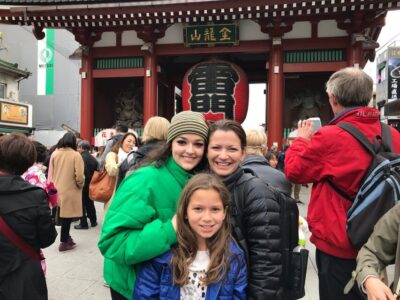 ★ 4.8Private City Highlights Tour with Local GuideFrom $1061,433 reviews
3-Hour Bike or E-Bike City Highlights TourFrom $45435 reviews
★ 4.8Private City Highlights Tour with Local GuideFrom $1061,433 reviews
3-Hour Bike or E-Bike City Highlights TourFrom $45435 reviews
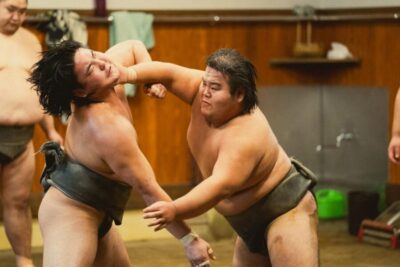 ★ 4.8Sumo Morning Practice Tour at Sumida CityFrom $116308 reviews
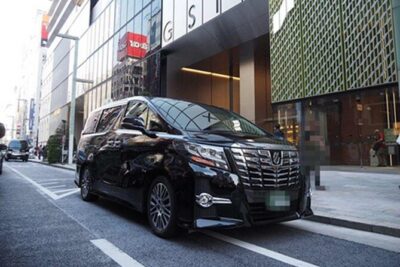 ★ 4.5Private Haneda Airport (HND) to Central Tokyo City TransferFrom $119260 reviews
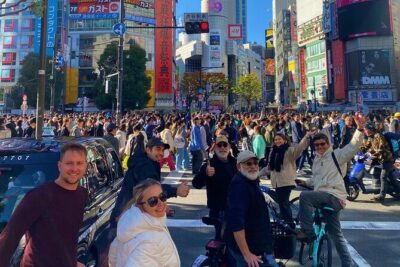 ★ 5.03-Hour Bike/E-Bike Tour of the City’s HighlightsFrom $63209 reviews
 ★ 5.0Small Town in the Big City: Tasting Tokyo’s KichijojiFrom $195195 reviews
 ★ 4.5Private departure transfer from Tokyo city to Tokyo Haneda Airport(HND)From $118123 reviews
Kamakura Walking Tour – The City of ShogunFrom $35100 reviews
★ 4.5Private departure transfer from Tokyo city to Tokyo Haneda Airport(HND)From $118123 reviews
Kamakura Walking Tour – The City of ShogunFrom $35100 reviews
Browse the lists this tour appears in