
Reviewed · FULL-DAY
Tokyo Private Customizable Full Day Tour
Tokyo hits different when it’s planned for you. This private, customizable day is built around your interests, not a fixed bus schedule, and your guide handles the moving parts like bookings and getting you from place to place.
I like that you get an English-speaking professional guide and a plan that you can shape. You’ll pick 4 to 5 sites from a strong menu that covers classic temples, top viewpoints, shopping, and major neighborhoods.
One consideration: because it’s an 8-hour day and you’re choosing a limited number of stops, you’ll need to prioritize. If you try to cram in every icon, you’ll spend more time traveling than actually seeing.
In This Review
- Key things you should know before booking
- How a “custom” Tokyo day actually plays out
- The best way to choose your 4 to 5 sights
- Tsukiji Outer Market: seafood drama without the morning auction stress
- Akihabara-style electronics and otaku culture
- Imperial Palace area: Edo Castle grounds and a quieter kind of Tokyo
- Asakusa’s Senso-ji and Nakamise-dori’s 100-plus-year shopping streets
- Tokyo Skytree: the clean, tall view at 450 meters
- Ueno Park and old Tokyo breathing space
- The old-streets district near Ueno: where you can walk more like a local
- Shibuya: shopping district energy, plus Crossing and Hachiko
- Meiji Jingu: Tokyo’s major Shinto shrine for a quiet break
- Shinjuku Station area and Shinjuku Gyoen: two different moods
- The guide experience: where this tour wins
- Price and value: $250.83 per person isn’t cheap, so what are you really buying?
- Getting there and moving around during your day
- Quick reality checks before you lock in your custom itinerary
- Should you book this Tokyo private custom day tour?
- FAQ
- How long is the Tokyo private custom tour?
- How many sights can I choose?
- What’s included in the tour price?
- Do you provide hotel pickup?
- What time does the tour start?
- Is transportation included?
- Is the tour ticket mobile?
- What if I’m late to the meeting point?
- How far in advance should I book?
- What are the cancellation rules?
Key things you should know before booking
- You choose 4–5 sights from a preset menu, so the day can match your vibe
- Reservations and bookings are handled for you when needed
- Hotel pickup and drop-off make the start-to-finish day easier
- Transport within Tokyo is included, either public transit or a private vehicle
- Start time is 8:00 am, which helps you beat peak crowds at key stops
- Past tours highlight guides that show up promptly and keep the day running smoothly
More private options with your own guide
- Tokyo 6hr Private Tour with Government-Licensed Guide★ 5.0 · 3,902 reviews
- Private Tour to Mt. Fuji and Hakone (Fully Licenced Operator)★ 5.0 · 1,910 reviews
- Tokyo Customized Private Tour (Must See Places in 1 Day)★ 5.0 · 1,499 reviews
How a “custom” Tokyo day actually plays out
Tokyo can feel like a choose-your-own-adventure novel—except you’re doing it with maps in one hand and time running out in the other. This tour solves that by using a private guide to build a route that fits your picks, then lining up what needs lining up.
The sweet spot here is that you’re not planning your own itinerary from scratch. Your guide’s job is to turn your “yes” list into a realistic route with smart sequencing—so you can see a lot without the stress.
And because it’s private, the pace works better for photo stops, short detours, and questions in the moment. You’re not stuck waiting for a group to reassemble.
The best way to choose your 4 to 5 sights
This tour limits you to 4 to 5 sites for a reason: Tokyo is huge, and travel time adds up fast. If you want the day to feel rewarding, pick a mix that balances crowds with calm, and high-demand stops with flexible neighborhoods.
A practical approach:
- Choose one morning anchor (something that benefits from an early start)
- Add one culture/temple stop
- Include one big “wow” skyline moment (Skytree or Tokyo Tower)
- Finish with one modern neighborhood (Shibuya or Shinjuku area)
- Keep any extra pick for a park or old-streets district so the day doesn’t feel like a sprint
If you love food, Tsukiji Outer Market is a natural morning anchor. If you love views, Skytree and Tokyo Tower give you two different angles on the same idea—pick the one that matches your style.
Tsukiji Outer Market: seafood drama without the morning auction stress
Tsukiji Outer Market is famous for seafood and for the tuna auction era that used to draw crowds early. Even if you’re not chasing auction history, the area still delivers what you actually want on a Tokyo morning: action, smells, snack-worthy stops, and tons of small places to try.
What you’ll like:
- It’s perfect for getting your senses switched on early in the day
- The atmosphere is made for wandering with a guide pointing you toward what’s fresh
A consideration:
- It can be crowded and a bit chaotic. Having a guide helps you cut through the noise and focus on what’s worth your time, especially if you want specific tastes rather than random browsing.
Akihabara-style electronics and otaku culture
Next up is Japan’s electronics shopping world and the culture people associate with anime and manga. This is the kind of stop that works best if you enjoy browsing—because you’ll want time to look at shelves, gadgets, and specialty stores rather than just snap a photo and move on.
Why it works on a private route:
- You can control whether you focus on tech, character goods, or hands-on shopping
- Your guide can steer you toward stores that fit your interests, instead of forcing you through every district checklist item
A consideration:
- If you’re not into anime/manga/tech shopping, you might find this stop less satisfying. In that case, it’s better to swap it for a temple, park, or a traditional streets area.
Worth weighing up alongside this Tokyo pick:


Imperial Palace area: Edo Castle grounds and a quieter kind of Tokyo
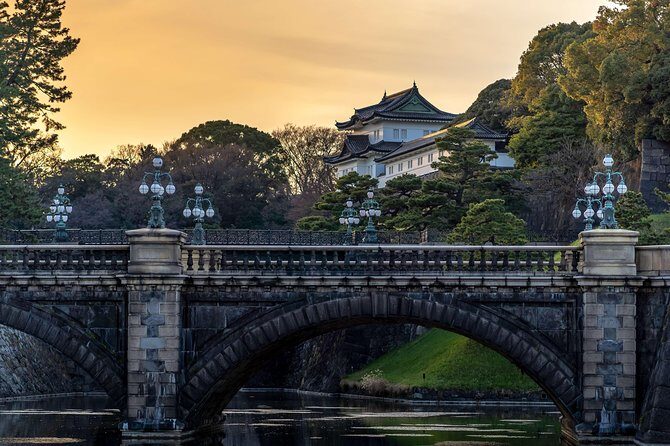
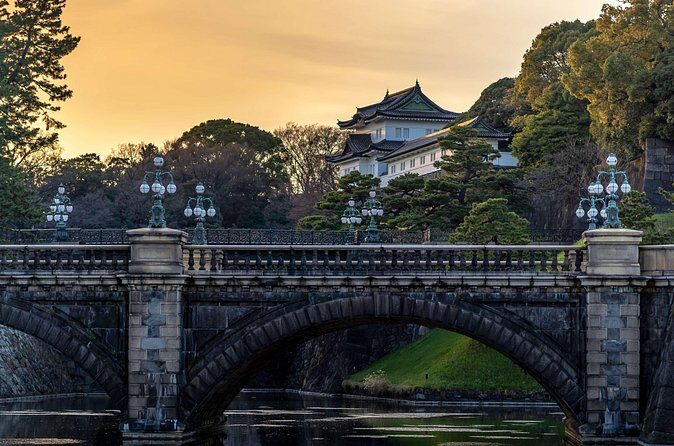
The Imperial Palace site sits where Edo Castle once stood, and it’s also the residence of Japan’s Imperial Family. Even when you’re not inside major buildings, the grounds and layout help you understand Tokyo’s evolution—how the city layered old power over new.
What you’ll appreciate:
- The shift in tone from the neon-and-shopping areas to more formal, open spaces
- A historical anchor that doesn’t feel like a museum you must study
A consideration:
- It can feel less “hands-on” than the shopping districts. If you want lots of vendors and constant street energy, pair this with a market or temple stop.
Asakusa’s Senso-ji and Nakamise-dori’s 100-plus-year shopping streets
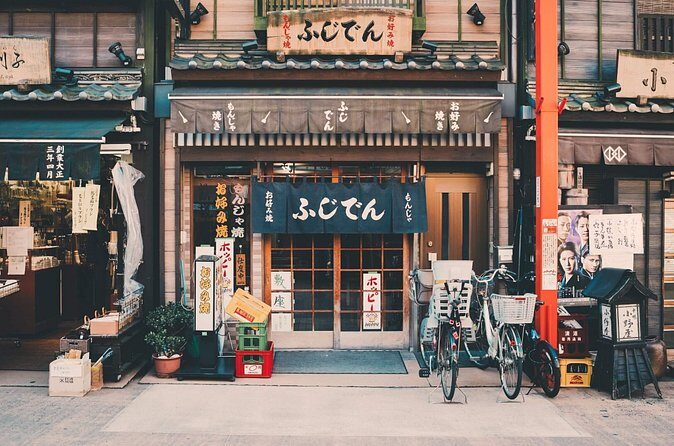
Tokyo’s oldest and most significant temple since 645 is Senso-ji, and the approach through Nakamise-dori is half the experience. This street is lined with shops, including ones that have been around for more than a century, making it feel like you’re walking through a living tradition.
Why it’s such a good stop:
- The temple is a major emotional centerpiece for many first-time Tokyo visits
- Nakamise-dori gives you easy browsing for snacks and souvenirs without leaving the main scene
A consideration:
- It’s popular. The guide’s job here isn’t just pointing—it’s helping you move efficiently through the area and time your wandering so you’re not stuck in the longest lines for everything.
Tokyo Skytree: the clean, tall view at 450 meters
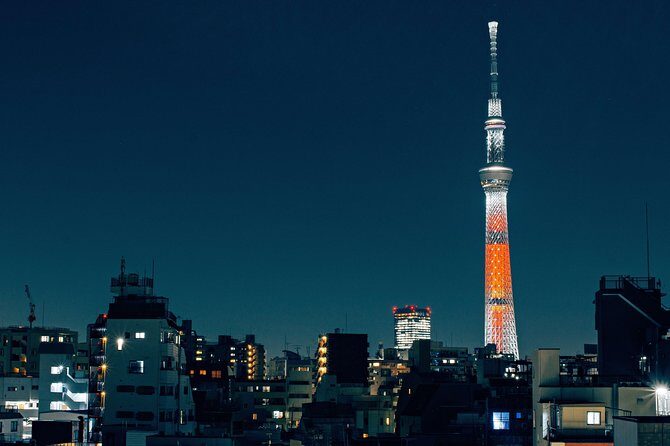
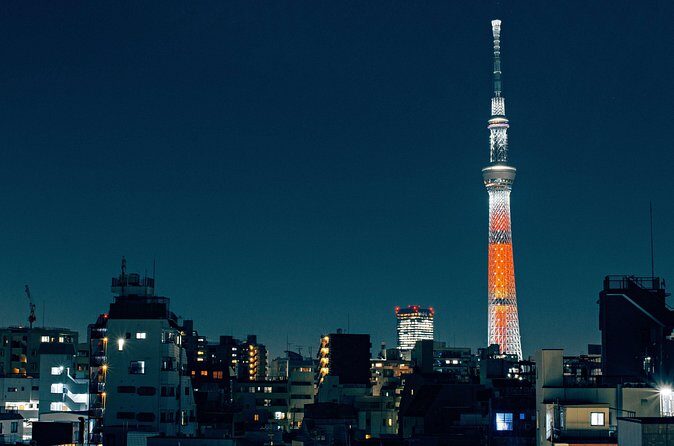
If you want one “I can see forever” moment, Tokyo Skytree delivers. It’s Japan’s tallest structure at about 450 meters, and the payoff is city-scale views from a building designed for big outlooks.
You’ll like:
- A dramatic vantage point that makes Tokyo’s size make sense
- A clear skyline highlight you can plan around time and weather
A consideration:
- High-demand viewpoint stops can mean more time spent waiting than you expect. Your guide’s planning and reservations/buffers (when needed) are part of what helps keep the day on track.
Ueno Park and old Tokyo breathing space
Ueno Park is a large park linked to the Tokugawa clan era, and it’s a great “reset” between denser neighborhoods. Instead of moving from shop to shop, you get open space—often with small paths and a calmer tempo.
Why it’s valuable in an 8-hour day:
- Parks prevent the day from becoming one long transit loop
- It gives you a chance to slow down and absorb the city beyond its headline attractions
A consideration:
- If your day is packed tightly with top sights, you’ll want to keep this stop timed so it doesn’t become a long sit that steals time from later neighborhoods.
The old-streets district near Ueno: where you can walk more like a local
There’s also a district within walking distance of Ueno Park that’s known for a pleasant atmosphere of older Tokyo. This kind of area works well because you can stroll, pause for photos, and feel how neighborhoods change block by block.
What to watch for:
- You’ll likely enjoy it more if you like walking and small-scale street scenes
- If you’re short on energy, keep this pick shorter and pair it with another place that doesn’t require as much wandering
Shibuya: shopping district energy, plus Crossing and Hachiko
Shibuya is the kind of Tokyo stop that’s easy to recognize from ads and movies, but it’s more fun when you’re standing there and moving through the streets yourself. It’s also closely tied to the famous Shibuya Crossing and Hachiko.
What you’ll like:
- The crossing is iconic for a reason—you feel the city’s motion instantly
- Hachiko adds a human story anchor to all that movement
- Shopping streets around here keep you entertained if your energy is still high
A consideration:
- Shibuya can be crowded at peak times. Picking it as one of your later stops can help you balance the day, depending on your exact schedule.
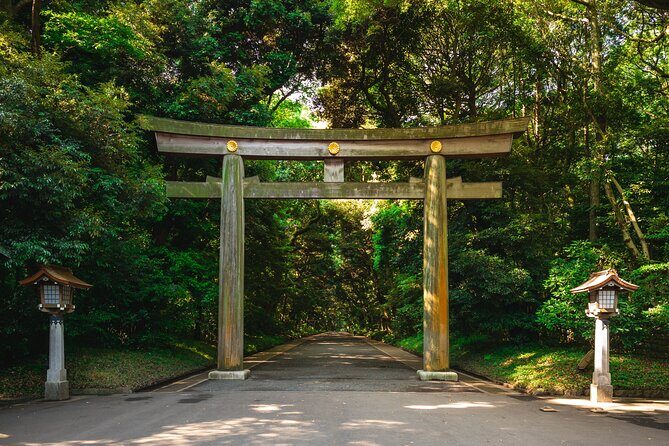
Meiji Jingu: Tokyo’s major Shinto shrine for a quiet break
If the day gets too loud, Meiji Jingu is the reset button. It’s described as the most important Shinto shrine in Tokyo, and it gives you a contrast that most big sightseeing days don’t include.
Why it helps:
- It gives you a slower, calmer stretch away from shopping and transit hubs
- It’s a meaningful cultural stop that doesn’t require buying a ticket to feel its atmosphere
A consideration:
- If it rains, this can still be pleasant but you’ll want to plan for time indoors/outdoors based on what the day brings.
Shinjuku Station area and Shinjuku Gyoen: two different moods
Shinjuku is often where people end up when they want “the rest of Tokyo,” and the area around the world’s busiest railway station is exactly that. It’s intense, full of signs, and a great look at Tokyo’s infrastructure side.
Then comes Shinjuku Gyoen National Garden, one of Tokyo’s largest and most popular parks. A garden stop is a smart late-day or middle-day choice because it brings greenery after all the built-up energy.
How to combine them:
- If you love city scale, spend time around the station area for the feel
- If you want breathing space, anchor Shinjuku Gyoen as your main payoff and keep the station part shorter
A consideration:
- Parks and station areas each steal time in different ways. Your guide can help you choose how long to linger so you don’t end up exhausted by the end of the day.
The guide experience: where this tour wins
This is a tour that runs on one crucial ingredient: your guide. The best days are the ones where the guide shows up organized and keeps the pace moving.
One standout detail from successful past days: guides met people promptly with clear signage and had prepaid metro tickets, plus they actively kept track of everyone during transit. That matters in Tokyo, where one wrong turn can cost a lot of time.
Also, the day can include a lunch moment that you’ll remember. One highlight that came up: a lunch stop at a traditional Japanese restaurant. Meals aren’t listed as included, but the tour’s reservation help and scheduling can make it easier to land in the right kind of place instead of settling for whatever is closest.
Price and value: $250.83 per person isn’t cheap, so what are you really buying?
At $250.83 per person for about 8 hours, you’re paying for more than sightseeing. You’re paying for:
- A private English-speaking guide
- Hotel pickup and drop-off
- Transport within Tokyo
- A custom itinerary built around your picks
- Reservations and bookings made on your behalf
The math becomes more reasonable if you compare it to piecing everything together yourself—especially if you’d rather not spend your vacation time on booking tickets, figuring transit routes, and trying to coordinate timed entry while also doing your own research.
If you’re traveling as a solo person or a small group, private touring can also be easier on your day than sharing with strangers and losing control of pace.
Getting there and moving around during your day
The day starts at 8:00 am and ends back at the meeting point. Pickup is offered, and the tour includes transportation within Tokyo, either via public transit or a private vehicle based on your booking.
Two practical reminders that matter:
- The tour expects you to arrive at the pickup/meeting location at least 10 minutes early
- Your guide can wait up to 30 minutes from the start time before the tour is canceled
That’s standard in a city like Tokyo, where traffic and crowd flow can be unpredictable.
You’ll also want a moderate physical fitness level. Think: walking through markets, moving between neighborhoods, and spending time standing around viewpoints and temple approaches.
Quick reality checks before you lock in your custom itinerary
A good custom plan works when you’re honest about what you want most. Here’s what to double-check before you submit your picks:
- Do you want viewpoints (Skytree and Tokyo Tower options) or do you prefer street-level culture?
- Are you excited about electronics and otaku culture, or should that slot go to a garden or temple?
- Would you rather start with Tsukiji Outer Market while it’s energetic, or save the market vibe for later?
- Are you someone who enjoys walking old neighborhoods near Ueno, or would you trade that for another major site?
Your form also lets you list attractions you already visited and don’t want repeated. That’s a small thing that can save a whole chunk of your day.
Should you book this Tokyo private custom day tour?
Book it if:
- You want a Tokyo day with zero itinerary stress
- You care about hitting key sights like Tsukiji, Shibuya, Meiji Jingu, Skytree/Tokyo Tower, and Shinjuku Gyoen
- You’d rather pay for guidance and planning than fight transit and timing yourself
Skip it if:
- You want a free-form day with no structure at all
- You’re trying to see way more than 4 to 5 major stops (because the format will force prioritizing)
If you do book, spend a little time deciding your top priorities. The better your 4–5 picks match your interests, the more this day feels like it was built for you instead of just packed with famous names.
FAQ
How long is the Tokyo private custom tour?
It runs about 8 hours.
How many sights can I choose?
You can choose 4 to 5 sites for a personalized itinerary.
What’s included in the tour price?
The tour includes an 8-hour fully customized itinerary, an English-speaking professional guide, hotel pickup and drop-off, and transportation within the city only, plus reservations and bookings made on your behalf.
Do you provide hotel pickup?
Yes. Hotel pickup and drop-off are included.
What time does the tour start?
The tour starts at 8:00 am and ends back at the meeting point.
Is transportation included?
Yes. Transportation within Tokyo is included, using public transportation or a private vehicle depending on your booking.
Is the tour ticket mobile?
Yes. The tour includes a mobile ticket.
What if I’m late to the meeting point?
You should arrive at least 10 minutes before. The guide will wait for up to 30 minutes of the start time before the tour is canceled.
How far in advance should I book?
You’re encouraged to book as early as possible—ideally 3 months in advance or at least 1 month before travel. For requests within 7 days, arrangements may not be possible in time.
What are the cancellation rules?
The experience is described as non-refundable. It also lists cancellation fee rules based on how close you cancel (with higher fees closer to the date), so the safest approach is to confirm your schedule before booking.
If you want, tell me what you’re most excited about (food, temples, shopping, views, anime culture, gardens), and I’ll suggest a couple smart 4–5 stop combinations that fit an 8-hour Tokyo day.
Just Your Group: Private Options

More Tours in Tokyo




More Tour Reviews in Tokyo




Fresh reviews from around Tokyo






Full-Day, compared.
 ★ 4.5From Tokyo: Mount Fuji Full-Day Sightseeing TripFrom $684,970 reviews
 ★ 4.9Mount Fuji Full-Day Private Tour from Tokyo (Customizable)From $3931,470 reviews
 ★ 5.0Tokyo Private Full-Day Tour by Car or VanFrom $321684 reviews
 ★ 4.7From Tokyo: Must-Visit Mount Fuji Highlight Full-Day TourFrom $69532 reviews
 ★ 4.5Mt. Fuji, Hakone Full-Day Private Tour with English Driver GuideFrom $495458 reviews
 ★ 4.8From Tokyo: Mount Fuji Full-Day Customizable Private TourFrom $483451 reviews
 ★ 5.0Nikko Full-Day Private Tour with Government-Licensed GuideFrom $155259 reviews
 ★ 4.9From Tokyo: Nikko World Heritage Site Private Full-Day TripFrom $483243 reviews