
Reviewed · MORNING
TOKYO , No1 Yokozuna Stable Morning Practice in Ryogoku
Early morning sumo feels like time travel.
This tour is built around one of Tokyo’s best sumo settings: a Yokozuna stable morning practice in Ryogoku, the sport’s spiritual home. You’re guided from Ryogoku Station at 7:45 a.m., then taken close enough to see what training looks like up close and in motion, with respect for the Shinto-shaped rhythm of the day. After practice, you walk through historic Ryogoku landmarks and add Edo-period culture with Hokusai art and a traditional-style food stop.
I especially like the chance to see real training instead of just tournament highlights, and I like that the group stays small (max 14), which makes the experience feel controlled and focused rather than chaotic. The tour also includes a small gift from the stable, so you leave with a tangible memento, not just photos.
One consideration: the meeting time is early, and you’ll want to be there on time. If your Tokyo mornings are usually slow and late, this schedule will feel like a wake-up call.
In This Review
- Key highlights you’ll care about
- Morning practice at a Yokozuna stable in Ryogoku
- What you’ll see during the training session (and how close is close?)
- Ryogoku walking stops that connect sumo to place
- Nominosukune Shrine: why yokozuna matter here
- Ryogoku Kokugikan and the Sumo Museum area
- Sumida Hokusai Museum: art history with a Sumida backbone
- Ryogoku Edo Noren: Edo-style food in an old station space
- Price and logistics: does $110 make sense for 2.5 hours?
- Who this tour fits best (and who might not love it)
- Guide style: small details that make the morning clearer
- Should you book this Ryogoku sumo morning practice?
- FAQ
- Where do I meet for the tour?
- What time does the tour start?
- How long is the tour?
- Is the sumo stable admission included?
- Are the shrines and Kokugikan included?
- Is the Sumida Hokusai Museum included?
- What does the tour include besides entry fees?
- Is lunch included?
- What’s the cancellation policy?
Key highlights you’ll care about
- Up-close view of morning practice in a Yokozuna stable setting, not a passive museum show
- Ryogoku walking route through sumo landmarks like Nominosukune Shrine and Ryogoku Kokugikan
- Hokusai stop in Sumida at the Sumida Hokusai Museum (ticket not included)
- Shinto-linked traditions with clear guidance to watch quietly and respectfully
- Small group size (max 14) for better pacing and less crowd pressure
- Edo-style food time at Ryogoku Edo Noren in an old station building (food not included)
Worth weighing up alongside this Tokyo pick:
- Tokyo: Sumo Morning Training Visit★ 4.4 · 370 reviews
- Tokyo: Sumo Morning Practice Tour at Sumida City★ 4.8 · 308 reviews
- Tokyo Sumo Morning Practice Tour at Stable★ 5.0 · 298 reviews
Morning practice at a Yokozuna stable in Ryogoku
Ryogoku is where you go when you want sumo as a living culture, not a poster. The tour starts at 7:45 a.m. at Ryogoku Station, right in the flow of locals heading out for the day. Meeting is simple: meet your guide in front of the 7-Eleven after you exit the West Exit of JR Ryogoku Station.
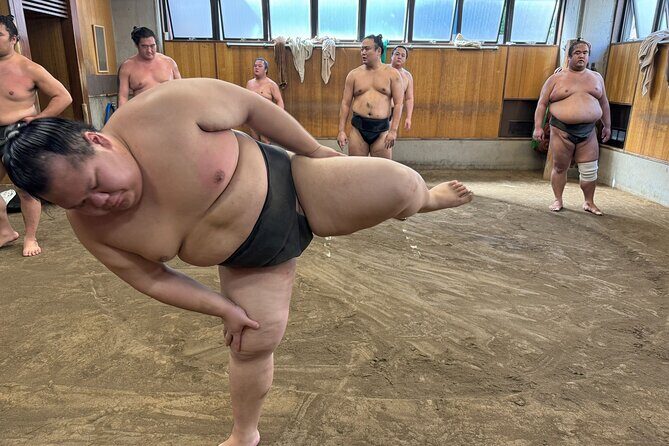
The big draw is the morning practice itself at a prestigious stable in the Ryogoku area. The tour emphasizes how rare this is: the stable has produced only 72 Yokozuna over more than 1,500 years of sumo history, and the current Yokozuna leads the stable. That context matters. It means you’re not just watching athletes work—you’re watching a system built to produce champions, with traditions still treated as part of daily life.
And the training is not presented like a spectacle. You’re asked to watch quietly and with respect, because this isn’t a performance you can treat casually. If you’re the kind of visitor who likes the rules explained up front, you’ll appreciate how the tour frames behavior from the start.
What you’ll see during the training session (and how close is close?)
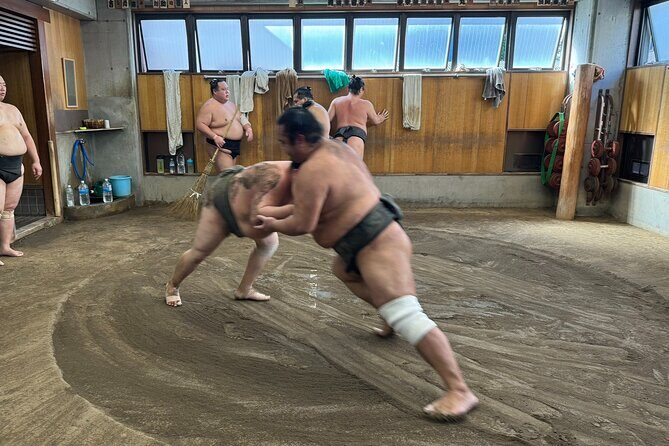
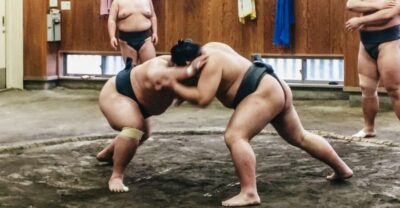
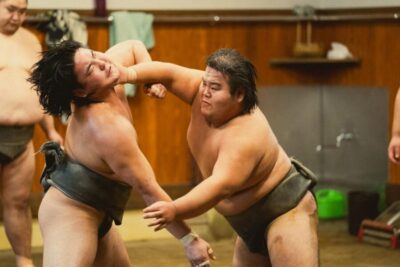
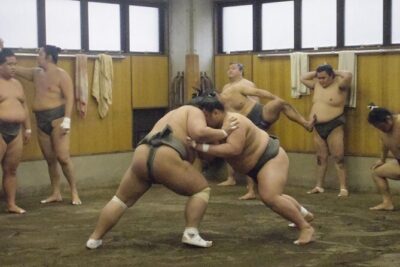
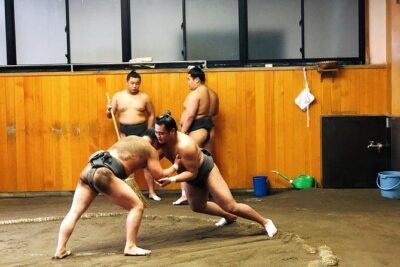
The stable portion runs for about 1 hour 30 minutes, with the tour positioned to get you a close look. Expect action that’s practical and intense rather than slow ceremonial posing. Training in sumo is rhythmic and physical—think of it as a mix of discipline drills, technique, and hard conditioning, done early in the day when the air still feels new.
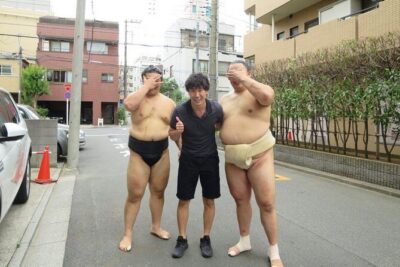
You might even get a photo moment if luck is on your side. The tour information notes that, if you’re lucky, you may have the chance to take photos with a wrestler. That’s not something you should plan around, but it’s a nice extra possibility.
Also, be mentally prepared for how the tour is guided on-site. One review mentioned laminated sheets being passed around by another guide with explanations, which tells me this isn’t purely walk-and-watch. If you like structure and context, that kind of added commentary can help you understand what you’re seeing. If you’d rather keep your focus strictly on the physical action, just treat the handouts as optional extras and stay rooted in the moment.
Ryogoku walking stops that connect sumo to place
Once the practice wraps, the rest of the tour is a focused walk through sumo’s physical map. It’s not a long wandering day. It’s a tight route designed to help you connect names and buildings to what you just watched.
Nominosukune Shrine: why yokozuna matter here
Next up is Nominosukune Shrine, dedicated to the god of sumo. This stop is short (about 10 minutes), but it’s packed with meaning. You’ll see stone monuments of past Yokozuna in the shrine grounds, which helps you see that sumo’s history isn’t only in books—it’s also carved into local memory.
The tour also points out a key tradition: it’s said to be tradition for newly promoted Yokozuna to perform their first ring-entering. Even in a brief visit, this is one of those moments that turns sumo from a sport into a belief system with rituals around status and responsibility.




Ryogoku Kokugikan and the Sumo Museum area
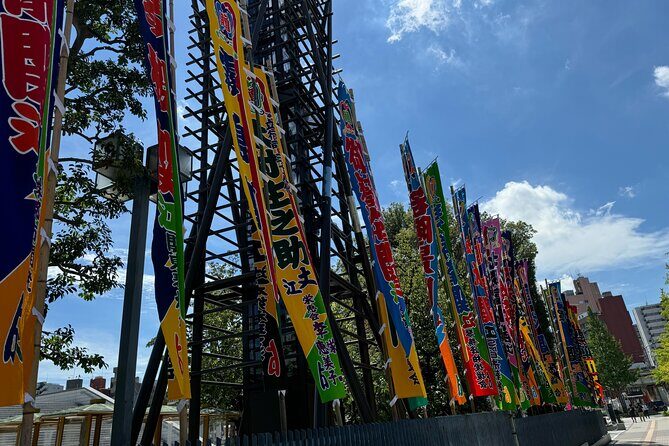
You’ll also pass by Ryogoku Kokugikan, the National Sumo Arena, at a walking pace that’s meant for atmosphere rather than formal entry. The tour notes that the Grand Sumo Tournament is held three times a year, so the arena is always on the calendar even when you’re not visiting during tournament season.
The Sumo Museum is included as a free stop if time allows (about 10 minutes). The tour info also flags that it can be closed on some days (it specifically mentions weekends). So don’t feel surprised if you end up seeing it only from the outside or if the schedule forces you to keep moving.
In my view, this “pass by and keep going” approach is a smart use of time. You get the landmark hit, and you don’t lose the morning’s momentum after training.
Sumida Hokusai Museum: art history with a Sumida backbone
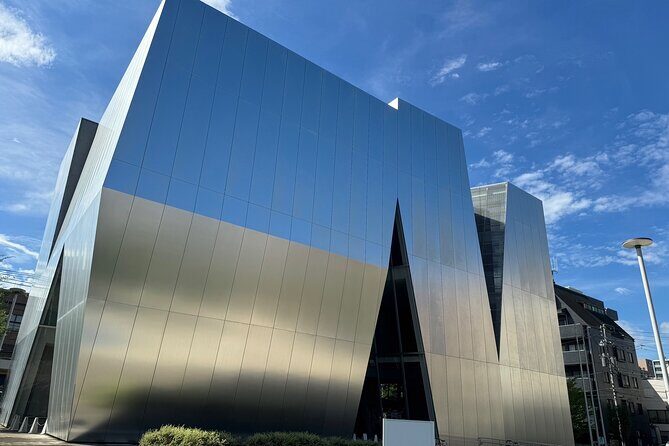
After the shrine stop, you’ll head to the Sumida Hokusai Museum. This is one of those perfect pairing choices: sumo anchors you in Tokyo’s sporting tradition, and Hokusai anchors you in Edo-period art tied to the same broader Sumida area.
The museum visit is short in the itinerary (about 5 minutes), and admission is not included. The tour lists a fee of ¥400 JPY for the museum. Because the visit is brief, this works best if you treat it as a quick reset between heavier cultural stops, not as a full museum day.
The key detail here is the connection to Sumida. Katsushika Hokusai was born in Honjo-Wari-Gesui (today’s Kamezawa area in Sumida Ward) in 1760, and he spent almost his entire life in Sumida Ward. Even if your time inside is limited, knowing that you’re in the place tied to his life helps you read the art with context.
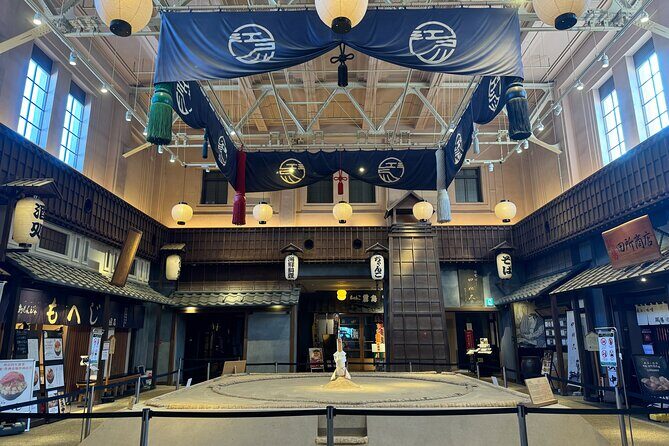
Ryogoku Edo Noren: Edo-style food in an old station space
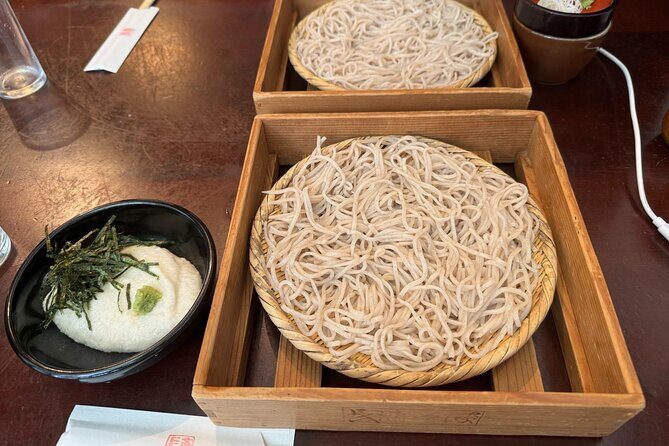
The tour finishes with a food-time stop at Ryogoku Edo Noren. This is in the historic old Ryogoku Station building, and the space is described as an open-ceiling area reminiscent of an Edo-style feel. Admission to the stop is included, but food is not—so you’re in charge of what you eat and spend.
This stop is valuable because it’s a low-pressure way to keep the day local. Sumo culture can be intense and formal in the morning, and then you shift into an everyday neighborhood vibe where food is the easiest way to slow down and absorb the setting.
It also gives you options. If you’re hungry, you have a convenient place to eat. If you’re not, you can still use the stop as a break and a place to regroup before you head out on your own.
Price and logistics: does $110 make sense for 2.5 hours?
At $110 per person for about 2 hours 30 minutes, the price isn’t “cheap,” but it also isn’t just paying for a walk and a photo stop. You’re paying for access to a specific kind of morning training, plus guide time, plus the stable admission fee.
Here’s what you’re getting value for:
- Stable admission is included, and that access is the core product
- A small gift from the stable is included
- Most major sights on the walk are listed with free admission (with the key exception of the Hokusai museum ticket)
Not included, so plan ahead:
- Transportation fees
- Lunch and beverages
- Sumida Hokusai Museum admission (¥400 JPY)
- Any personal spending
- Tips for guides (always appreciated)
The tour also has a maximum of 14 travelers. That group size matters. It keeps the morning practice viewing experience from turning into a bottleneck.
Timing matters too. Being at the stable early reduces the “late arrival effect” you sometimes get with sightseeing tours. You’re there to see training when it’s happening, which is the whole point.
Who this tour fits best (and who might not love it)
This is ideal for you if:
- you want sumo as a real morning routine, not just a tournament-day photo
- you like guided context, including traditions like ring-entering and the link to shrine culture
- you’re okay with short stops and a clear plan rather than free-roaming
It may be less ideal if:
- you strongly prefer late starts, since this begins at 7:45 a.m.
- you don’t like quiet observation or you struggle with “watch respectfully” rules
- you want a long museum visit (the Hokusai museum time is brief, and admission isn’t included)
If you’re planning your Tokyo days around cultural anchors, this fits well as an early morning activity, especially because you’ll still have most of the day left.
Guide style: small details that make the morning clearer
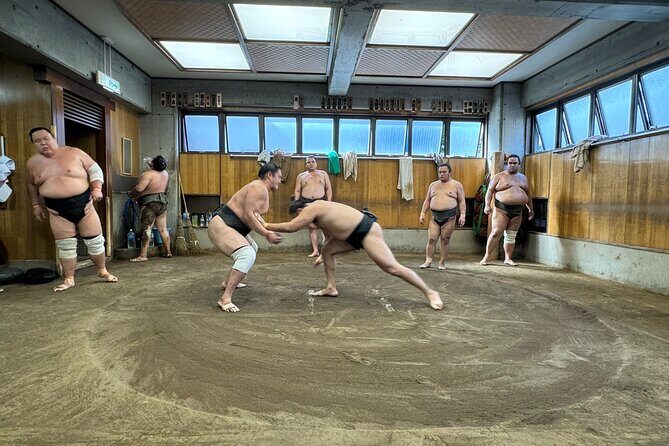
A good guide can turn a blur of movement into something you actually understand. In feedback you can use as a clue, guides such as Rothko and Ryoko are praised for giving context and history along the walk and for making the experience feel coherent from start to finish.
Another small detail mentioned: laminated sheets get passed around during the tour. That’s one of those “could be helpful, could be distracting” moments depending on your style. I’d treat it as a tool to decode what you’re seeing at the stable, not as a reason to look away.
In short, the guide component is part of the value here. Without it, you’d still see athletes training, but you’d miss more of what makes the route feel like a story.
Should you book this Ryogoku sumo morning practice?
Book it if you want a morning you can’t replicate with generic sightseeing. The stable access is the headline, and the rest of the route is designed to connect sumo to place: shrine traditions, Kokugikan atmosphere, and Sumida’s Hokusai link in between.
Skip it or reconsider if early mornings feel like punishment, or if you want museum time instead of short, targeted cultural stops. Also budget for the one extra cost you’ll likely pay: the Sumida Hokusai Museum ticket.
If you can handle the start time and you’re respectful around training, this is one of those experiences that makes Japan feel specific in the best way—less checklist, more real morning routine.
FAQ
Where do I meet for the tour?
You meet at Ryogoku Station, in front of the 7-Eleven, after exiting the West Exit of JR Ryogoku Station.
What time does the tour start?
The tour starts at 7:45 a.m.
How long is the tour?
It runs for about 2 hours 30 minutes.
Is the sumo stable admission included?
Yes. Sumo stable admission fee is included.
Are the shrines and Kokugikan included?
Nominosukune Shrine is listed as free, and the tour notes you may walk past Ryogoku Kokugikan. The Sumo Museum is free, if time allows.
Is the Sumida Hokusai Museum included?
No. The Sumida Hokusai Museum admission is not included, and the listed fee is ¥400 JPY.
What does the tour include besides entry fees?
You receive a small gift from the sumo stable.
Is lunch included?
No. Lunch and beverages are not included.
What’s the cancellation policy?
You can cancel for a full refund up to 24 hours before the experience starts, and free cancellation is available. If you cancel less than 24 hours before, the amount paid is not refunded.
More Morning in Tokyo
More Tour Reviews in Tokyo



Fresh reviews from around Tokyo






Morning, compared.
 ★ 4.4Sumo Morning Training VisitFrom $77370 reviews
 ★ 4.8Sumo Morning Practice Tour at Sumida CityFrom $116308 reviews
 ★ 5.0Tokyo Sumo Morning Practice Tour at StableFrom $83298 reviews
 ★ 4.5Tokyo Ryogoku Sumo Morning Practice + Photo Shoot with WrestlersFrom $98277 reviews
 ★ 4.0Watch Sumo Morning Practice at Stable in TokyoFrom $95268 reviews
 ★ 4.0Half-day Tokyo Morning Tour by Hato BusFrom $41220 reviews
 ★ 4.5Toyosu Market Morning Tuna Auction and Tsukiji Food Tour with Licensed GuideFrom $148146 reviews
 ★ 4.9Sumo Morning Practice with journalists. Not fake showFrom $103121 reviews