
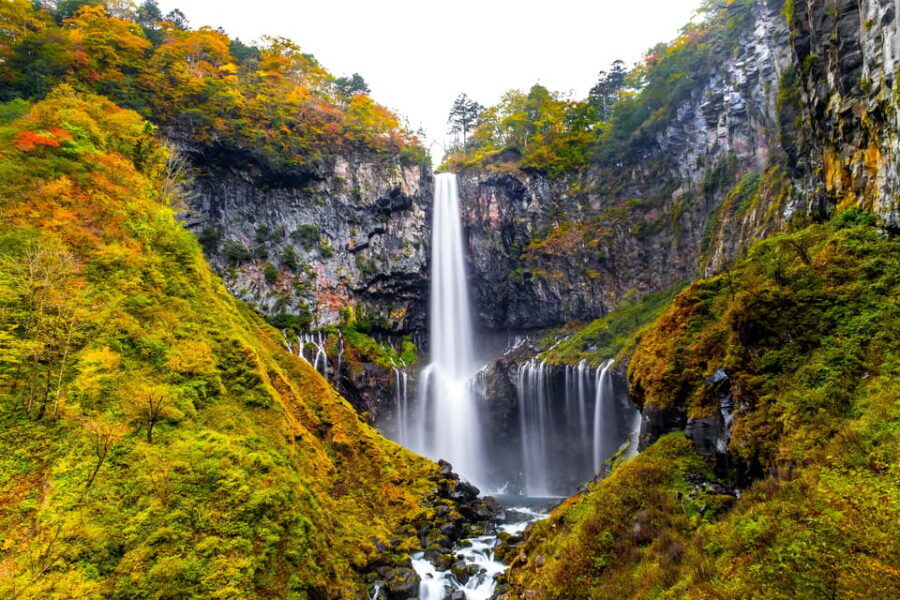
Reviewed · NIKKO DAY TRIPS
Tokyo: Nikko Toshogu Shrine and Kegon Waterfall Tour
Nikko feels like a time machine. This day trip strings together Nikko Toshogu Shrine and the drama of Kegon Falls, with a bilingual guide helping you connect the symbols to the people behind them. I also like how the drive adds story, not just motion, especially once you hit the Irohazaka mountain road. Guides like Sophie, Vicki, Zoe, Tina, and Jeff have a knack for making the day feel organized and easy to follow.
The one watch-out: the tour is long and there’s no lunch included, plus you’ll want cash for stops where cards aren’t accepted. If you’re the type who hates tight timing, plan to take it at a steady pace and don’t expect endless wandering.
In This Review
- Key things that make this Nikko day trip worth your time
- From Tokyo: how this 10.5-hour day actually plays
- Meeting points in Tokyo: where to go so you don’t lose time
- Shinkyo Bridge versus Nikko onsen: the big date-based change (Oct 1, 2025)
- If you’re going on or after Oct 1, 2025
- If you’re going before Oct 1, 2025
- Nikko Toshogu Shrine: what you’re really seeing (and why it’s special)
- Irohazaka: the 48-turn drive that makes Nikko feel like a road trip
- Kegon Falls: nearly 100 meters of water and a real walking moment
- Getting good views
- Food at the falls area
- Lake Chūzenji: time for cold air, views, and a little shopping
- Cost and value: why $84 can make sense for a Nikko day
- What to pack and what to know before you go
- Who should book this Nikko tour (and who might prefer something else)
- Should you book the Nikko Toshogu and Kegon Falls day trip?
- FAQ
- Where does the tour start in Tokyo?
- How long is the tour?
- What’s included in the price?
- Is lunch included?
- Do I need cash?
- When does the tour include Shinkyo Bridge?
- Is there a limit on luggage?
- Are tattoos allowed?
- What if weather is bad?
Key things that make this Nikko day trip worth your time

- Toshogu Shrine with real context: you get the story behind Tokugawa Ieyasu and the UNESCO-listed complex
- Kegon Falls as a set-piece: nearly 100 meters of water, with great photo angles at the viewpoints
- Two seasonal routes depending on dates: Shinkyo Bridge starts Oct 1, 2025; before that you’ll go to Nikko onsen
- Irohazaka mountain road views: famous 48-turn stretch, known for autumn foliage
- A Lake Chuzenji pause: scenic lake break with time to walk and shop a bit
- A group day that reduces hassle: transport plus tickets plus a bilingual guide, so you can focus on sights
The shrine road north: other Nikko trips
- Nikko: Kegon Falls, Lake Chuzenji & Toshogu Temple★ 4.6 · 1,577 reviews
- Tokyo: Nikko Toshogu Shrine and Kegon Waterfall Tour★ 4.5 · 1,266 reviews
- From Tokyo: Nikko World Heritage Site Private Full-Day Trip★ 4.9 · 243 reviews
From Tokyo: how this 10.5-hour day actually plays
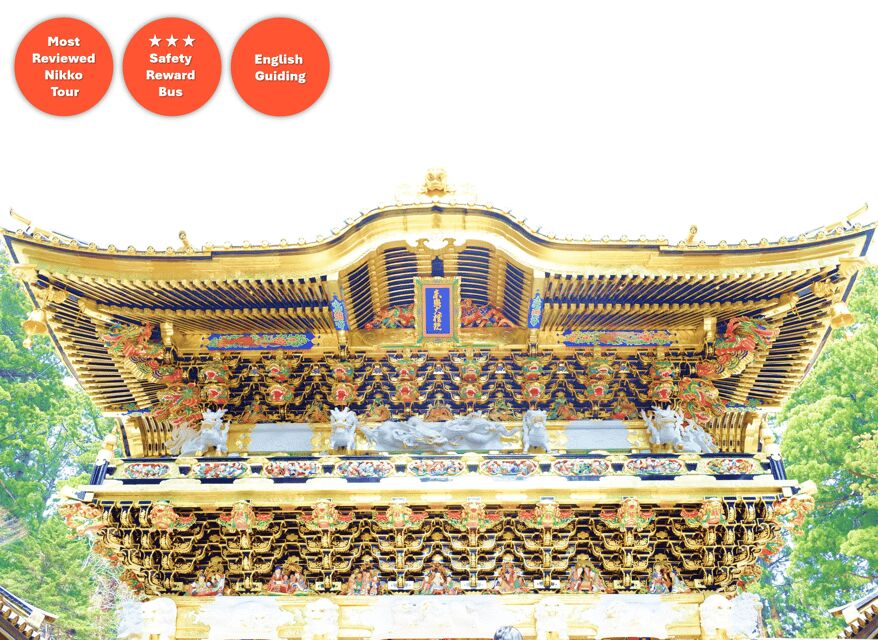
This is a true day trip, not a half-day shuttle. You’ll meet in central Tokyo and then spend most of the day on the move between sacred sites and mountain scenery. The payoff is that Nikko’s highlights are spread out, and the logistics of getting between them can be a headache if you go solo. Here, you get one plan, one guide, and one driver handling the road.
The schedule is designed around a simple flow: see the iconic bridge area first (or onsen, depending on the date), then shift into the shrine complex, then swap history for nature with a waterfall, and finish with Lake Chuzenji views. It’s a nice rhythm if you like your day trip to feel structured.
Since the total duration is 630 minutes, you’ll want to treat the day like a marathon with stops, not like a walk-in, walk-out museum tour. Wear comfortable shoes. Bring water. And if you’re sensitive to cold, pack an extra layer for the lake area.
Meeting points in Tokyo: where to go so you don’t lose time
You’ll start with a greeting by the tour leader at one of two Tokyo meeting points (which can vary by day, so confirm your schedule):
- Tokyo Yaesu Bus Terminal
- Sumitomo Mitsui Bank, Shinjuku Nishiguchi Branch (ground floor)
This matters more than you’d think. With a day trip like this, getting to the wrong spot can cost you the whole morning. If your hotel is near Tokyo Station, Yaesu is usually the easiest vibe. If you’re closer to Shinjuku, the Sumitomo Mitsui Bank meeting point can work well.
Once you’re on board, expect a comfortable coach for the drive. A few people noted Wi‑Fi and USB charging on the bus, and others mentioned very comfortable seating. Even without those extras, the main value is that you don’t have to coordinate transport across multiple Nikko areas.
Shinkyo Bridge versus Nikko onsen: the big date-based change (Oct 1, 2025)
Here’s the key detail that can change your day: until September 30, 2025, the plan swaps Shinkyo Bridge for Nikko onsen. Starting October 1, 2025, Shinkyo Bridge becomes the early stop.
If you’re going on or after Oct 1, 2025
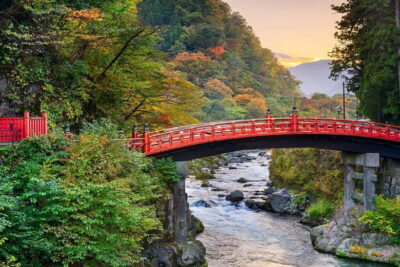
You’ll reach Shinkyo Bridge in about 2.5 hours from Tokyo. The stop is short but scenic: red, arched, and photographed constantly because it frames the Daiya River and signals you’re entering a sacred Nikko zone. It’s one of those sights that’s simple in concept but feels dramatic because the surroundings do the work.





If you’re going before Oct 1, 2025
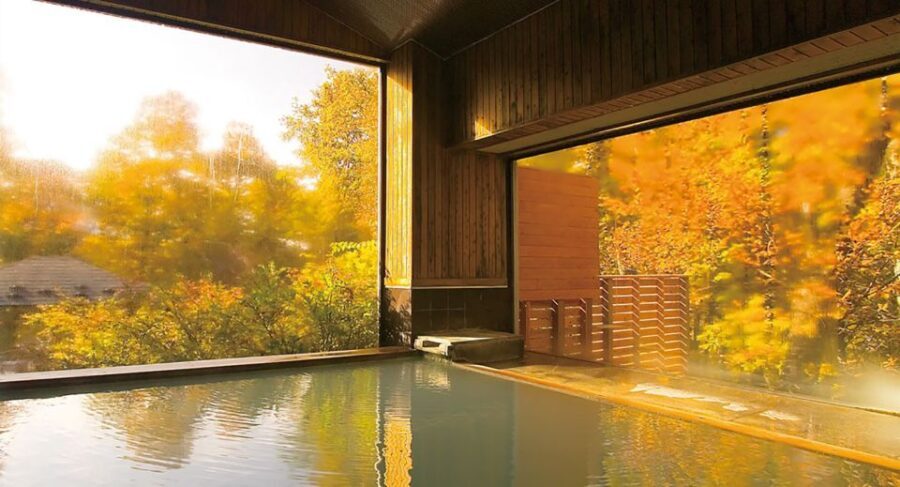
You’ll head to Nikko onsen instead of Shinkyo Bridge. This can be a great trade if you want a calmer, less photo-heavy start and prefer a relaxing thermal break. Just remember that the day is still full-on afterward with Toshogu and the waterfall.
Either way, this early stop is a tone-setter: it tells you whether your Nikko day begins with a visual icon or with a soak-style reset.
Nikko Toshogu Shrine: what you’re really seeing (and why it’s special)
After Shinkyo Bridge (or the onsen swap), you’ll go to Nikko Toshogu Shrine, with about 75 minutes on site. This is the heart of the trip.
Toshogu is the final resting place of Tokugawa Ieyasu, the founder of the Tokugawa Shogunate, which ruled Japan for more than 250 years until 1868, when the Edo period ended. That timeline isn’t trivia. It’s the reason the shrine complex feels so deliberate. You’re not just looking at ornate buildings—you’re seeing a place built to honor power, memory, and legitimacy.
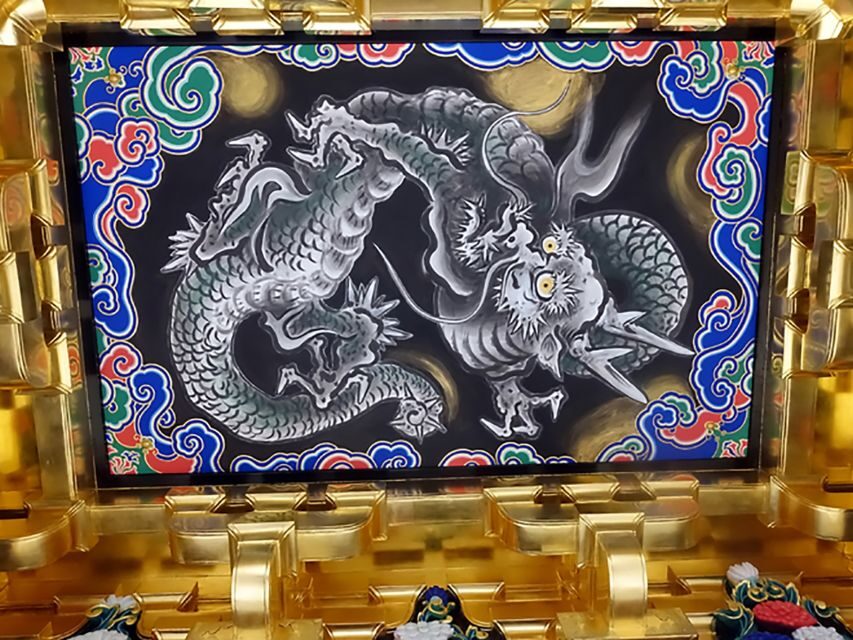
What I like most is the way a guide helps you read the complex. Without context, Toshogu can look like stunning craftsmanship piled on top of itself. With a guide, the stories connected to the buildings make the details easier to notice and less random. People on this tour have specifically praised guides for giving quick history lessons before arrival, and for explaining legends and symbolism in a way that makes the shrine feel understandable, not overwhelming.
Practical note: allow yourself to slow down inside. Even though the time block is fixed, you can still get a satisfying experience if you pick a few zones to focus on rather than trying to see everything at speed. If you’re sensitive to crowds, go with the group flow at first, then use the last portion to circle back toward the areas that grabbed you.
Also: tattoos are considered taboo in this area. If that applies to you, plan carefully.
Irohazaka: the 48-turn drive that makes Nikko feel like a road trip
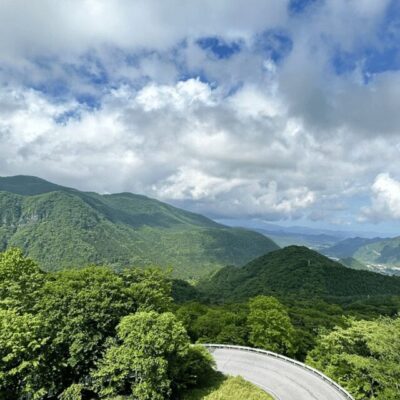
Between the shrine and Kegon Falls, you’ll pass through Irohazaka, a winding mountain road known for 48 sharp turns. It’s the kind of road that turns the drive into part of the attraction. If you’ve seen it referenced in media like Initial D, you’ll recognize the vibe immediately—tight bends, mountain views, and that sensation of being tucked into a cliffside route.
The stop here is more of a pass-by moment, around 20 minutes, so don’t expect long photo sessions. Still, it’s one of the best chances on the day to step back and appreciate how Nikko sits in rugged terrain, not in a flat, easy-to-reach valley.
This segment is also where you’ll feel the weather. Clear days can look postcard-perfect. Misty or rainy weather can make the scenery feel moodier. Either way, keep an eye on the glass and your footing when you move between bus and viewpoint areas.
Kegon Falls: nearly 100 meters of water and a real walking moment
Kegon Falls is the big nature stop, and it’s almost 100 meters tall. It’s widely seen as one of Japan’s three famous waterfalls, alongside Nachi Falls in Wakayama Prefecture and Fukuroda Falls in Ibaraki Prefecture. On a day trip, that kind of “famous for a reason” reputation matters—this is one of those waterfalls that looks impressive even before you arrive.
You’ll get about 75 minutes here, including photo time, lunch time (even though lunch isn’t included), and sightseeing.
Getting good views
The viewpoints can be reached with walking and stairs. One visitor specifically mentioned tackling 207 steps, and another noted an elevator to the waterfall is not included. Translation: bring comfortable shoes, and don’t assume everything is accessible with zero effort.
If you want the best photos, give yourself a few minutes to study where people cluster. Waterfalls are tricky because mist and angles matter. Go early in your window, then come back for the second set of photos once you’ve figured out the sight lines.
Food at the falls area
Lunch isn’t included, but the tour structure makes it easy to eat nearby. Several guides have suggested places to grab food and drinks, including udon spots in the waterfall area. If you like options, carry some cash so you can buy something without stress.
And yes, traffic can happen. One reason some people praise this tour is that even with delays, the day still manages to feel organized once you’re at each stop.
Lake Chūzenji: time for cold air, views, and a little shopping
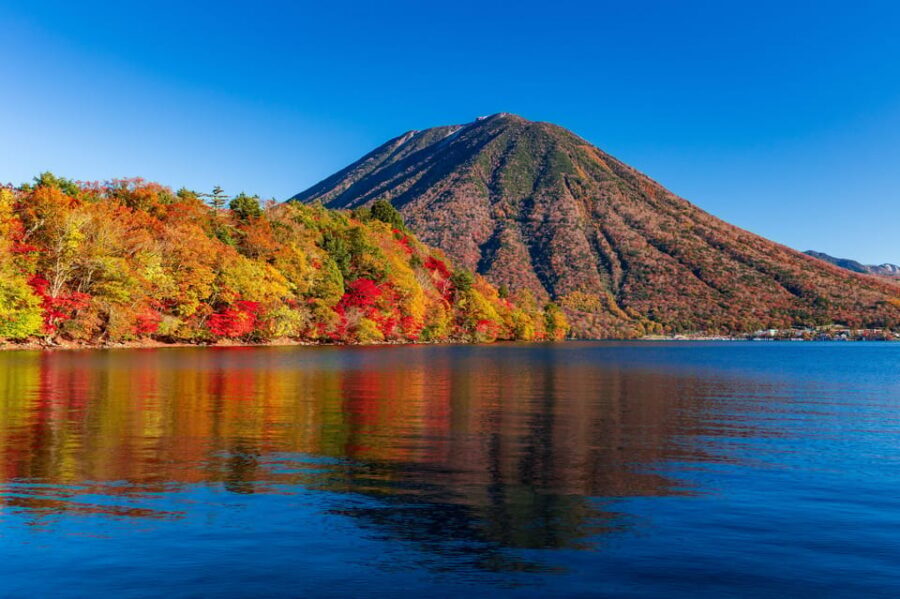
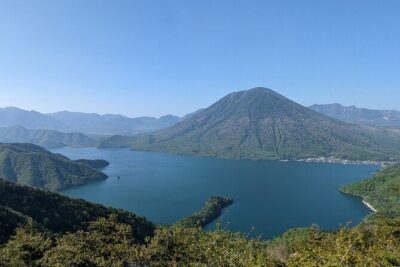
After Kegon Falls, you’ll head to Lake Chūzenji for about 45 minutes. This is more than a random stop. The lake gives your brain a breather after shrine and waterfall, and it’s a good place to reset your mood with wide-open views.
You’ll have time for a scenic photo stop plus some walking and shopping. People have mentioned that it can feel quite cold by the lake, even when Tokyo doesn’t feel that chilly. If you’re traveling in cooler months, pack accordingly. Warm layers pay off here fast.
If the weather turns foggy or rainy, the lake can look dramatic in a different way. Even then, you can still enjoy the atmosphere, take photos from key angles, and grab something warm or sweet if available.
Cost and value: why $84 can make sense for a Nikko day
At $84 per person for a day that includes transport from central Tokyo, a bilingual English/Chinese tour guide, and the Toshogu Shrine entry ticket, the price can work well for a lot of travelers.
Here’s how I think about value on this kind of trip:
- You’re paying to avoid scheduling headaches. Nikko is doable on your own, but piecing together transport between Toshogu, Kegon Falls, and Lake Chūzenji can cost more time than you expect.
- The shrine ticket is included. That saves you a step and removes uncertainty.
- A guide changes how fast you enjoy the day. When someone explains Tokugawa Ieyasu’s role and the meaning behind shrine buildings, you don’t just see things—you understand what you’re seeing, which makes the fixed time blocks feel more worthwhile.
- Lunch isn’t included. This is the one extra cost you’ll need to plan for, since you’ll be eating at stops on your own.
Also, many people appreciate the tour’s pacing. Several noted there’s enough time at each place to enjoy it without feeling like they’re sprinting nonstop.
What to pack and what to know before you go
This is a long day outside Tokyo, so your packing list is about comfort and flexibility.
Bring:
- Comfortable shoes (you’ll be walking and likely using stairs at Kegon Falls)
- Water (easy to overlook on bus-heavy days)
- Cash (cards may not work at all stops)
Plan around these realities:
- Lunch isn’t included. You’ll need cash for food and snacks.
- Only one carry-on bag is allowed, and large luggage isn’t.
- Unaccompanied minors aren’t allowed, and children must be with an adult.
- Tattoos are considered taboo in this area.
- If serious traffic jams happen, the route can adjust.
Weather is a factor too. If conditions are too bad, the tour may be canceled and you’ll hear about it on or before 2:00 PM the day before.
Who should book this Nikko tour (and who might prefer something else)
You’ll likely love this tour if you:
- Want to see Toshogu Shrine + Kegon Falls + Lake Chūzenji in one day without planning transport
- Prefer guided context so the shrine details actually mean something
- Like a structured day trip with clear meeting points and fixed time windows
You might consider a different approach if you:
- Want total flexibility to linger longer at the shrine
- Hate long days on coaches
- Can’t handle stairs or cold weather (Kegon and Lake Chūzenji can be physically and temperature challenging)
One more thought: if you care about language comfort, this tour runs with live guides in English and Chinese, and people have praised smooth switching between both languages.
Should you book the Nikko Toshogu and Kegon Falls day trip?
If your goal is a one-day Nikko highlight hit, this is a strong choice. You get the most famous shrine focus (Tokugawa Ieyasu at Toshogu), one of Japan’s top waterfall stops (Kegon), a road-trip style drive via Irohazaka, and a lake break at Lake Chūzenji. The guide and included ticket make it easier to enjoy rather than just collect sights.
Book it if you want value with a plan and you’re okay with bringing cash and wearing walking shoes. Skip it if you want maximum independence or lots of extra time in one place.
If you’re traveling around fall (when Irohazaka is known for autumn leaves), this day can feel especially memorable.
FAQ
Where does the tour start in Tokyo?
You’ll meet at either Tokyo Yaesu Bus Terminal or Sumitomo Mitsui Bank, Shinjuku Nishiguchi Branch (ground floor). The exact meeting point can vary, so check your schedule.
How long is the tour?
The tour duration is 630 minutes (about 10.5 hours), including travel time and stops.
What’s included in the price?
The price includes Toshogu Shrine entry ticket and a bilingual English/Chinese live tour guide.
Is lunch included?
No. Lunch is not included, and you’ll need to cover meals on your own.
Do I need cash?
Yes. Credit card payments are not accepted at all locations, so bring cash for food and other purchases.
When does the tour include Shinkyo Bridge?
Starting October 1, 2025, the tour includes Shinkyo Bridge. Until September 30, 2025, Shinkyo Bridge is swapped for Nikko onsen.
Is there a limit on luggage?
Yes. Luggage or large bags are not allowed, and only one carry-on bag is permitted (no huge luggage).
Are tattoos allowed?
No. Tattoos are considered taboo in this area.
What if weather is bad?
If the weather is too bad and the tour must be canceled, you’ll be informed on or before 2:00 PM the day before.
More Tours in Tokyo



More Tour Reviews in Tokyo



North Again: More Nikko Trips
Fresh reviews from around Tokyo






Nikko Day Trips, compared.
 ★ 4.6Nikko: Kegon Falls, Lake Chuzenji & Toshogu TempleFrom $891,577 reviews
 ★ 5.0Nikko Full-Day Private Tour with Government-Licensed GuideFrom $155259 reviews
 ★ 4.9From Tokyo: Nikko World Heritage Site Private Full-Day TripFrom $483243 reviews
 ★ 4.3Nikko: Edo Wonderland Edomura Cultural Theme Park TicketFrom $35205 reviews
From Tokyo: Nikko World Heritage Sight Full Day Private TourFrom $362127 reviews
★ 4.3Nikko: Edo Wonderland Edomura Cultural Theme Park TicketFrom $35205 reviews
From Tokyo: Nikko World Heritage Sight Full Day Private TourFrom $362127 reviews
 ★ 4.9Nikko – Beautiful Full-Day Personal and Private TourFrom $364119 reviews
 ★ 5.0Chartered Private Tour – Tokyo to Nikko, Toshogu, Edo WonderlandFrom $1,286105 reviews
 ★ 4.8Nikko Heritage & Nature Day Trip from TokyoFrom $39194 reviews
Browse the lists this tour appears in