
Reviewed · TOKYO
Make Sushi and Create Unforgettable Memories in Tokyo
Sushi making in Asakusa is oddly satisfying. You learn classic nigiri and roll sushi right in traditional Tokyo, with the Sensoji Temple area as your backdrop and English-speaking staff keeping everything smooth. If your instructor is one of the popular names like Rino or Yuto, you’re in for clear explanations and good energy.
What I love most is the way the class is built for real beginners. You get step-by-step instruction for hand rolls and nigiri, plus simple coaching that helps you avoid the common first-time mistakes (rice handling and shaping are the usual culprits).
I also love that you eat what you make. This isn’t a watch-only demonstration; the whole point is that your hands do the work and your stomach benefits. One possible drawback: the session caps at 30 travelers, so you may not get constant one-on-one attention, even though you’ll still be guided and corrected.
In This Review
- Key highlights you’ll care about
- Asakusa, Sensoji nearby: why this sushi class feels like Tokyo
- Getting there: the Kaminarimon meeting point and how to show up ready
- What happens during the class: nigiri and hand rolls, step by step
- The pacing: learn one skill at a time
- Sushi history and trivia that actually sticks
- The meal part: you eat what you make (and it’s the whole point)
- Photos and proud-moments
- Instructor help you can trust: English guidance and friendly coaching
- Group size: up to 30 travelers, but not a free-for-all
- Dietary needs: gluten-free, allergy support, and non-raw options
- Price and value: what $79.59 actually buys you
- Best ways to fit this into an Asakusa day
- Who should book this sushi-making class?
- Should you book Sushi Making Tokyo in Asakusa?
- FAQ
- How long is the sushi making class?
- Do I need cooking experience?
- Where do I meet for the activity?
- Is hotel pickup included?
- Can I request dietary accommodations like gluten-free or allergies?
- What is the cancellation policy?
Key highlights you’ll care about
- Asakusa location, near Sensoji Temple: Start the class and keep your Tokyo sightseeing day connected.
- Nigiri + roll sushi, taught from scratch: You learn multiple styles instead of one basic trick.
- English that’s easy to follow: Many instructors (like Rino, Yuto, Ken, and Momo) are praised for clear English.
- History and trivia mixed in: You’ll pick up context that makes the food feel deeper than just seafood and rice.
- You take photos and eat your work: The meal is part of the experience, not an afterthought.
- Dietary needs can be handled: Gluten-free options and substitutions for allergies (including shellfish) are supported.
Before you commit, see how this one stacks up against a few Tokyo favourites:
- Mt Fuji and Hakone 1-Day Bus Tour Return by Bullet Train★ 5.0 · 26,383 reviews
- 1-Day Tokyo Bus Tour★ 5.0 · 14,250 reviews
- Tokyo: teamLab Planets TOKYO Digital Art Museum Entry Ticket★ 4.6 · 9,779 reviews
Asakusa, Sensoji nearby: why this sushi class feels like Tokyo
This class lives in the kind of area that makes Tokyo feel real. The meeting point is in Asakusa, just steps from the famous Sensoji Temple area, so your day doesn’t split into two separate worlds: sightseeing in one place, cooking in another.
Asakusa itself is a great match for sushi-making because it’s traditional Tokyo with pedestrian energy. The class taps into that vibe: you’re not just learning technique, you’re learning the culture behind the food while you’re still surrounded by classic streets.
The time frame also helps. With about 1 hour 40 minutes, you can fit it into a day without turning your schedule into a puzzle.
Getting there: the Kaminarimon meeting point and how to show up ready
You’ll meet at 2-chōme-17-9 Kaminarimon, Taito City, Tokyo 111-0034. The good news is that this is in a very central, public-transport-friendly zone, and the activity doesn’t require hotel pickup. That keeps things simple: you control your timing, and you don’t have to wait around for a van.
A mobile ticket is used, so have it ready on your phone. I like that this reduces the little stress of printing or hunting for paperwork on the way in.
Plan to arrive a few minutes early. More than once, people in classes like this have mentioned that being late is a problem. Even if the staff is kind, you’ll want full attention when the rice and sushi steps start.
What happens during the class: nigiri and hand rolls, step by step
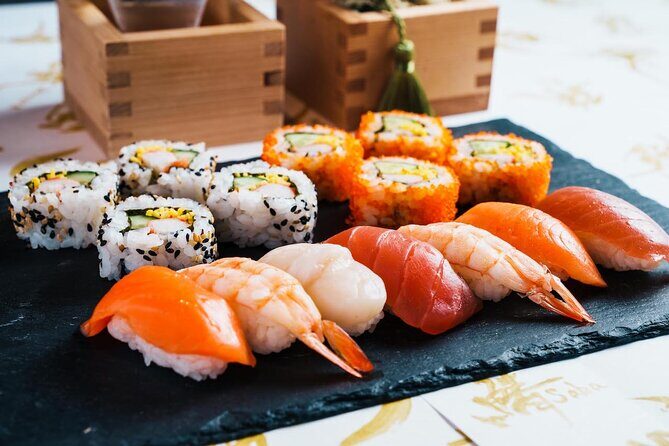
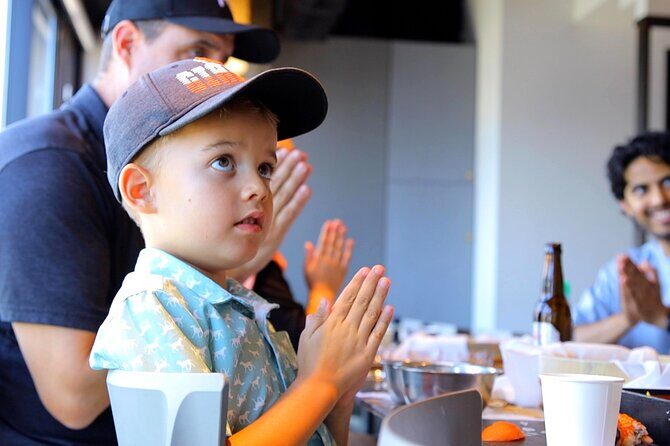
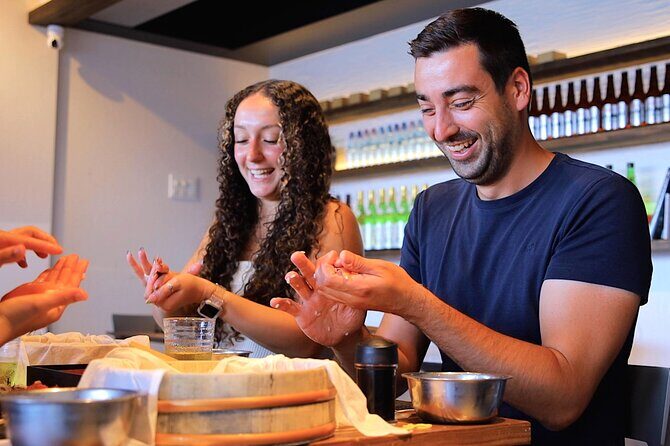
The core experience is hands-on sushi making. You’ll learn how to make roll sushi and authentic nigiri, guided in English from the first stages to the final shaping.
The pacing: learn one skill at a time
A big part of what makes this work is how the steps are broken down. Nigiri in particular can look simple until you try it, because rice texture and pressure matter. The class format is designed to help you get it right without needing prior practice.
You’ll also do hand rolls, which are a friendly entry point. If you’ve ever struggled with timing in cooking classes, this one feels more “workshop” than “rushed demo.”





Sushi history and trivia that actually sticks
You won’t just get recipes. You’ll also hear cultural context and trivia about sushi—enough to make the food more meaningful while you’re making it.
The best part is that this context fits the techniques. When you learn a type of sushi, you also learn where it comes from and why it’s made that way. That’s why the class doesn’t feel like a tourist stunt.
The meal part: you eat what you make (and it’s the whole point)
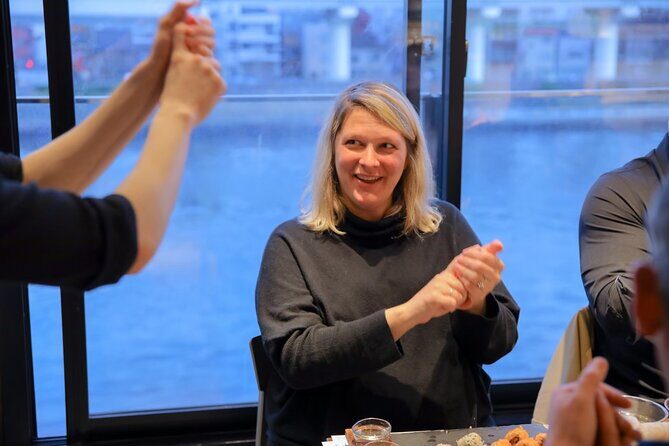
Here’s the practical truth: sushi classes can be either filling or mostly decorative. This one is built so you eat the sushi you make after learning.
That matters because sushi is a sensory food. You taste the results of your technique. If your rice is too loose, you’ll feel it. If seasoning and shape are off, you’ll notice right away. The feedback loop is quick and satisfying.
Many people also emphasize that the ingredients are good quality. You’re not working with flavorless filler. And the class keeps the portions generous enough that it can work as a real meal, not just a snack.
Photos and proud-moments
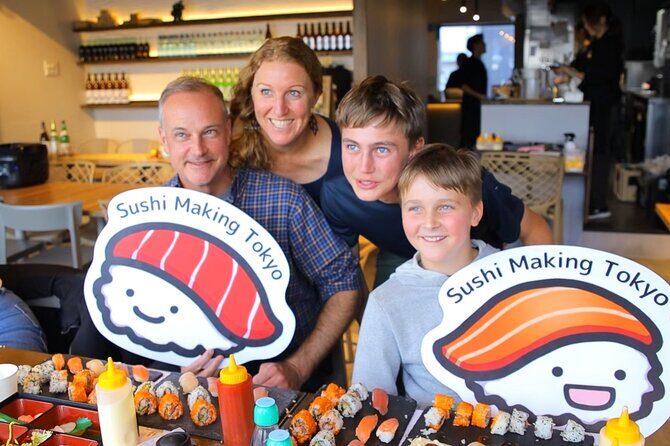
Once you finish, you get time to take photos. This is a fun part because your creations look great on camera—even if your first try isn’t perfect. Sushi tempts you to do “just one more” photo, then eat it anyway.
Instructor help you can trust: English guidance and friendly coaching
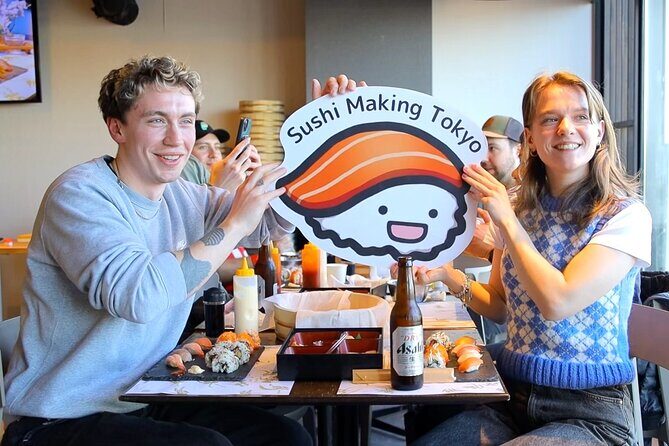
The class is led by an English-speaking instructor, and the overall vibe is friendly and supportive. That’s not a small detail. Sushi making has a lot of tiny, physical steps, and clear language reduces the frustration.
You’ll also benefit from instructors who explain the technique simply. In feedback, people repeatedly mention that the staff makes complex steps feel doable. Names that come up often include Rino, Yuto, Ken, Momo, Yui, and Emi.
Also, the class style includes culture notes without turning into a lecture. It’s like you’re learning a craft, then enjoying it right away.
Group size: up to 30 travelers, but not a free-for-all
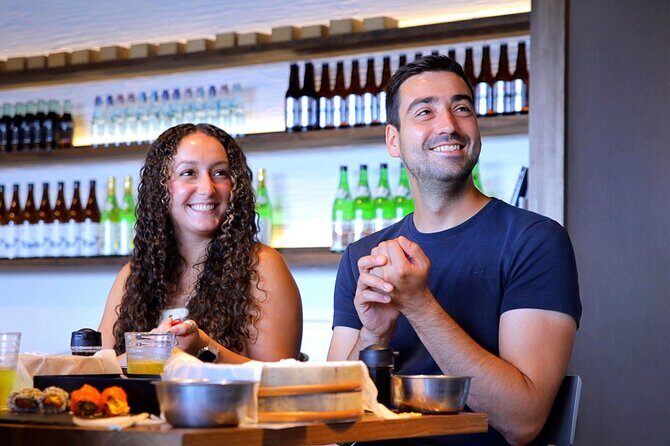
The experience caps at 30 travelers. That can sound large, but it’s still a manageable group for a hands-on cooking class, especially if they break you into smaller sub-groups during work.
The key thing to know: this is beginner-friendly, not a private master class. If you want constant one-on-one corrections every minute, you might not get that with a 30-person cap.
That said, the class structure is still built to help you finish with edible results. People mention that utensils and ingredients are organized and that staff help as you shape and assemble.
My practical advice: treat the class like a skill-building workshop. Go in expecting coaching, not perfection. You’ll leave with confidence—and something you can repeat at home.
Dietary needs: gluten-free, allergy support, and non-raw options
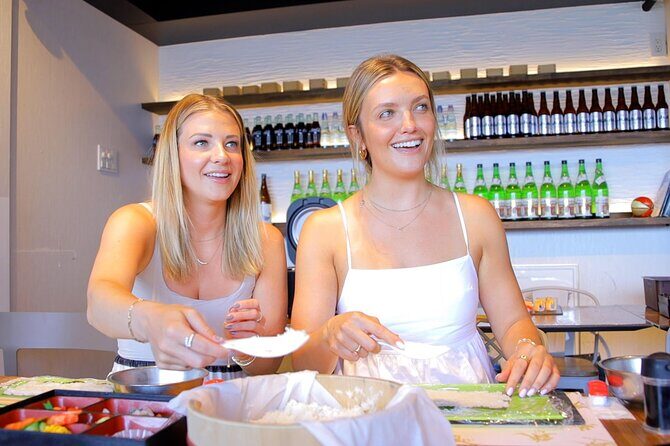
You don’t have to choose between sushi culture and your dietary limits here.
The class supports a gluten-free option, and there’s also accommodation for a shellfish allergy. People also mention that there are options that avoid raw fish, so everyone can enjoy what they make.
That’s a big value point. In Japan, food accommodations can be easy or hard depending on the situation. Here, the class is structured to handle substitutions rather than leaving you to guess.
If you have a dietary restriction, make sure it’s clearly communicated during booking. That increases your odds of getting the right substitution quickly.
Price and value: what $79.59 actually buys you
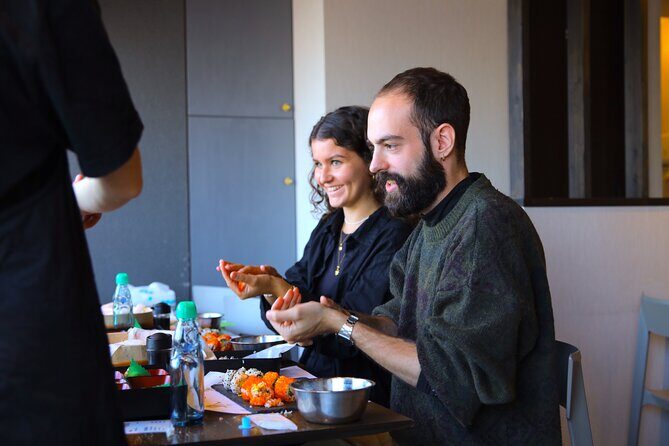
At $79.59 per person, you’re paying for three things: instruction, ingredients, and a meal. Most sushi classes either charge extra for food or keep you from truly tasting what you made. This one leans into the meal part.
You also get English support, which usually costs more than you’d think in Japan. If you’ve tried to follow Japanese cooking steps without translation, you know how quickly it gets frustrating.
And because the class is designed for beginners, you’re not paying for experience you already have. You’re paying for guided technique you wouldn’t get from just buying a sushi kit at home.
So the value math is pretty straightforward: you’re not just learning. You’re eating the end result.
Best ways to fit this into an Asakusa day
This class location near Sensoji Temple makes it easy to plan.
I’d treat it like an anchor activity:
- Start with a short walk around the Sensoji area.
- Come to class when you’re hungry enough to enjoy the meal part.
- Afterward, keep moving on foot through Asakusa streets.
Because the class is about 1 hour 40 minutes, you can still cover nearby sights without feeling rushed. The meeting point also means you’re not spending your whole day commuting.
A quick tip from practical Japan living: food and drink add-ons exist. If you want sake, there’s an additional charge. People also note that beverage options are available during the class, so you can decide without committing ahead of time.
Who should book this sushi-making class?
This is a strong choice if you want:
- A hands-on Tokyo activity (not just watching).
- A beginner-friendly cooking lesson with English support.
- A fun plan for families and teens—people mention teens enjoy it and kids can follow the steps too.
- A solo activity that doesn’t isolate you. Solo guests are welcome, and the group structure keeps you engaged.
It’s also a good pick if you want authentic food culture without needing fancy skills. Sushi is one of those foods that looks intimidating until someone breaks it down for you.
If you’re a serious cooking nerd craving advanced knife work or high-level technique, you might find the skill level closer to “learn the basics well” than “masterclass.” But even then, the satisfaction of eating your own nigiri is hard to beat.
Should you book Sushi Making Tokyo in Asakusa?
Yes, if you want a memorable, practical Tokyo food experience with English guidance and a real payoff: you eat what you make. The Asakusa location is convenient, the class duration is easy to schedule, and the overall approach is beginner-friendly without being boring.
Book with the right expectations. It’s a fun workshop, not a private sushi apprenticeship. If you show up on time, follow the steps, and enjoy learning the why behind the food, you’ll likely walk away with a story you can repeat for years—and sushi skills you can actually use at home.
FAQ
How long is the sushi making class?
The duration is about 1 hour 40 minutes.
Do I need cooking experience?
No experience is needed. The class is beginner-friendly and taught in English.
Where do I meet for the activity?
You meet at 2-chōme-17-9 Kaminarimon, Taito City, Tokyo 111-0034, Japan.
Is hotel pickup included?
No. Hotel pickup and drop-off are not included.
Can I request dietary accommodations like gluten-free or allergies?
The class supports a gluten-free option, and it has accommodated a shellfish allergy and non-raw options.
What is the cancellation policy?
You can cancel for a full refund up to 24 hours in advance of the experience’s start time. If you cancel less than 24 hours before, the amount paid is not refunded.
More Tour Reviews in Tokyo



Fresh reviews from around Tokyo






Tokyo, compared.
 ★ 5.0Mt Fuji and Hakone 1-Day Bus Tour Return by Bullet TrainFrom $16326,383 reviews
 ★ 5.01-Day Tokyo Bus TourFrom $12914,250 reviews
 ★ 4.6teamLab Planets TOKYO Digital Art Museum Entry TicketFrom $259,779 reviews
 ★ 4.0Mt Fuji & Hakone Cruise, Drum Show Bullet Train 1 Day from TokyoFrom $1497,413 reviews
 ★ 5.0Shinjuku Food Tour (13 Dishes at 4 Local Eateries)From $866,603 reviews
 ★ 4.4Tokyo Mt Fuji 5th St & Hakone Cruise Bus Tour w/Bullet TrainFrom $1545,024 reviews
 ★ 5.0Flagship 2-Hours Official Street Go-Kart Tour – Tokyo Bay ShopFrom $644,974 reviews
 ★ 4.5From Tokyo: Mount Fuji Full-Day Sightseeing TripFrom $684,970 reviews