
Reviewed · WORKSHOPS
Tokyo: Kappodo sushi Live Workshop
Seeing sushi up close changes everything. This Kappodo live workshop in Nishiazabu is built for hands-on nigiri practice in front of an active sushi chef, with English explanations for the steps and the food. You’ll also get a short look at how sushi developed, not just how to assemble it.
I particularly like the way the chef talks through the why behind key moves: handling fish and rice correctly, plus fish types and simple traits of each ingredient. The fish cutting and decorating happens right in front of you, so it feels like a real kitchen class instead of a demo.
One consideration: the class is compact (about 1 hour 45 minutes) and focuses on a specific lineup—7 nigiri plus one gunkan and a thin roll—so it’s not the place for a super long menu tour of every sushi style.
In This Review
- Key Things to Know Before You Go
- Nishiazabu Studio Setup: Small Group, Real Kitchen Focus
- What You’ll Make: Nigiri, Gunkan, and a Thin Roll (With a Photo Finish)
- The Cooking Flow: From Fish Prep to Your Hands on Sushi
- Rice and Fish: The Stuff Most Home Cooks Skip
- The Fish Cutting Show: What to Watch for Like a Pro
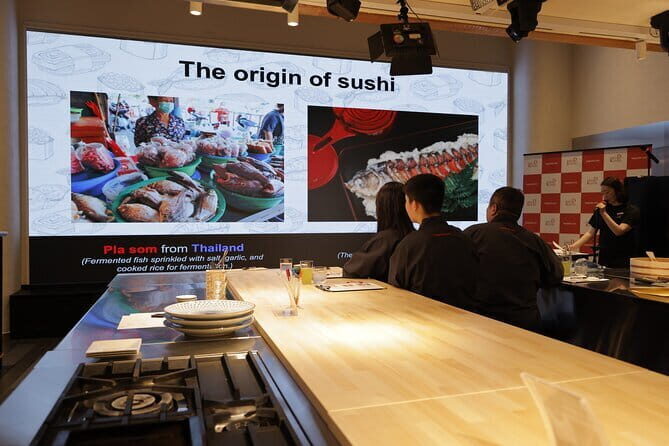
- Sushi History, Explained Simply (and Why It Helps)
- Lunch, Sake Tasting, and the Little Perks That Add Up
- Price and Value: Is $160 Fair for This Format?
- Who This Workshop Fits Best (and Who Might Want Something Else)
- Should You Book It?
- FAQ
- How long is the Kappodo sushi live workshop?
- What sushi styles will I learn to make?
- Is there an English-speaking instructor?
- What’s included with the workshop price?
- How many people are in a group?
- Where do I meet, and where does it end?
Key Things to Know Before You Go
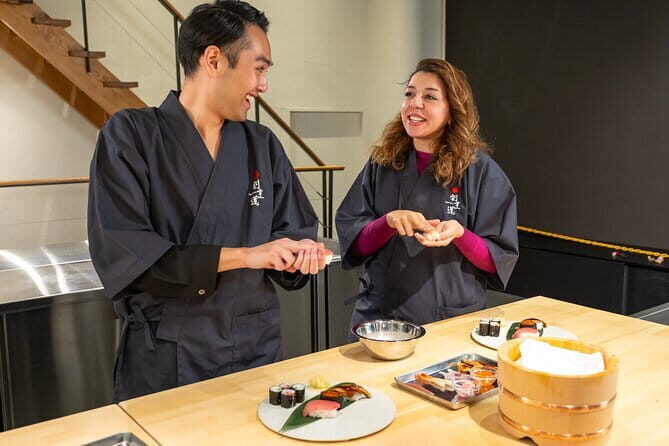
- Small group (max 4) means more time at your station and clearer feedback.
- English-speaking chef guides every step while you work.
- Fish cutting shown front-row so you can see how pieces get shaped and finished.
- You make most of what you eat: 7 nigiri, then gunkan plus thin roll.
- Sake tasting and lunch included so the class becomes a meal plan, not just a snack.
More things to make with your own hands
- Sushi Making Tokyo Roll and Authentic Japanese Sushi Class★ 5.0 · 3,971 reviews
- Tokyo Shinjuku Chopsticks Making Class★ 5.0 · 1,763 reviews
- Chopstick Making Workshop in Ginza★ 4.8 · 1,366 reviews
Nishiazabu Studio Setup: Small Group, Real Kitchen Focus
This workshop runs out of Kappodo’s Tokyo cooking studio in Nishiazabu (Minato City). It’s a straightforward meeting point in the city, and you’ll be back there at the end since the tour is self-contained in the studio.
The small-group setup (up to 4) matters more than you might think. In bigger classes, the instructor can only correct a few people, and the rest of the time you’re copying without feedback. Here, you’re more likely to get immediate guidance on rice texture, fish placement, and how firm (or gentle) you should be.
You start with a welcome drink—water or green tea—which is a nice touch because it keeps things calm before hands get busy. You’ll also get a certificate of participation, handy if you like collecting little proof that you actually learned something in a new place.
What You’ll Make: Nigiri, Gunkan, and a Thin Roll (With a Photo Finish)
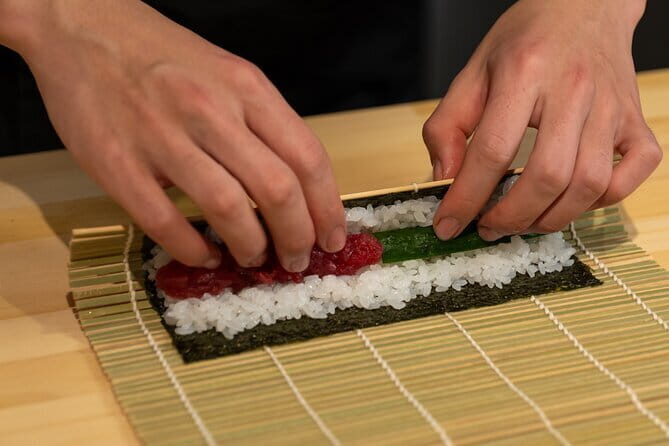
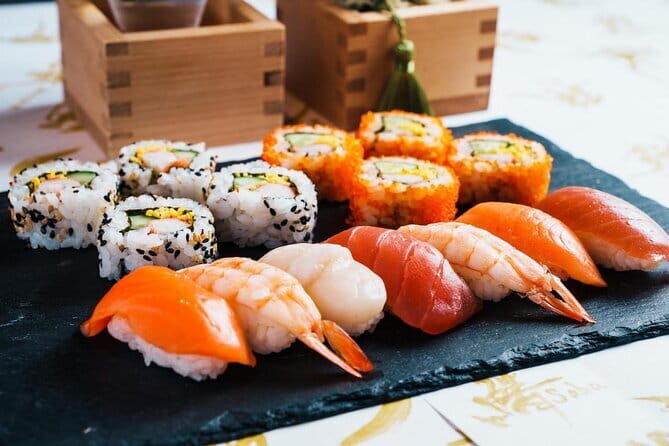
This class is structured around a specific output: you’ll produce 7 nigiri-zushi, then one gunkan-style piece and a thin roll. You also cut the thin roll into 6 pieces, which is a practical skill—most home diners slice rolls by eye, but seeing how it’s done in a controlled setting helps.
The workshop also includes time for a commemorative photo once you’ve arranged what you made. It sounds small, but in practice it gives you a clear endpoint to the lesson: you’re not leaving with vague memories of “something sushi-ish.” You leave with a real set of finished pieces and a feel for how the chef’s method turns into something you can repeat.
Fish variety is part of the teaching too. The chef explains not only how to assemble, but also what types of fish you’re using and what makes each fish distinct in character and life in the ocean. That context helps you taste with more intention instead of just eating what’s put in front of you.
The Cooking Flow: From Fish Prep to Your Hands on Sushi
The experience has a clear rhythm, and that’s what makes it easier to follow when you’re new. After the welcome drink, you watch fish cutting and decorating from very close range. Then the chef moves into making nigiri, explaining the process as he goes—so when you start, you’ve already seen the “movie” and now you’re doing your own version.
When it’s your turn, the chef stands right in front of you or beside you with instructions. That’s a big deal for technique. Sushi is all about subtle control—pressure, speed, angle, and portion. Standing close means you can correct mistakes before they become habits.
Another plus: the class includes questions time. If you care about why something works, don’t hold back. The structure gives you a real chance to ask about fish, rice, or general sushi details while the topic is still fresh.
Rice and Fish: The Stuff Most Home Cooks Skip
Sushi at home often fails for one of two reasons: the rice texture or the fish placement. This class is designed to prevent that by focusing on both.
You’ll learn the steps for making nigiri, and the chef explains the handling of rice and fish. Even if you’re not using the same fish at home, the technique carries over. Understanding how the rice should feel (and why) helps you get closer to that clean bite that good nigiri has.
On the fish side, you’ll see more than “cut it and plate it.” The chef demonstrates cutting and decorating fish in front of you, then explains differences between fish types and their characteristics. That means you don’t just memorize steps—you learn how to think like a sushi cook. Is the fish firm or soft? Does it hold shape well? How does it respond to contact and slicing? The goal is to help you build judgment, not just imitation.





The Fish Cutting Show: What to Watch for Like a Pro
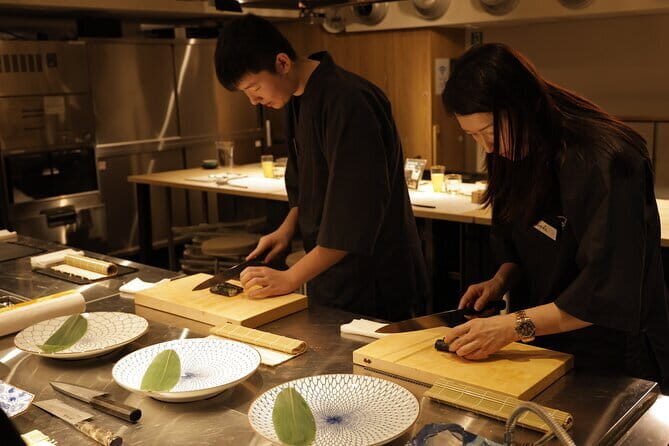
Watching fish prep is where this workshop turns into a real learning experience. The cutting and decorating happens right in front of you, with English explanations while the chef works.
Here are a few things to pay attention to if you want to get the most out of the demonstration:
- Thickness and edges: You’ll notice how shaping changes the bite size and the visual finish.
- Speed and control: Sushi prep is fast, but not sloppy. You’re watching steady technique.
- How pieces get arranged: Nigiri isn’t just about the fish; it’s about how fish sits against rice.
- Consistency across pieces: The workshop’s final lineup (7 nigiri, plus gunkan and roll) gives you a reference for what consistent looks like.
Also, this isn’t just decoration. Fish handling and cutting technique affect texture and mouthfeel. Even if you never use the same fish back home, learning what “good” looks like in the prep phase makes your future attempts more accurate.
Sushi History, Explained Simply (and Why It Helps)
The chef also talks about the history of sushi while you’re making it. This matters because sushi isn’t just food—it’s a culture with lots of regional and practical choices.
When you understand where sushi came from and how it evolved, the technique feels less random. You start to see how ingredient choice, preparation style, and serving norms developed over time. Even a short history lesson can improve how you order sushi in Tokyo later, because you’ll know what differences matter.
If you like context with your cooking, this is a good mix. You get hands-on work plus enough background to connect the dots.
Lunch, Sake Tasting, and the Little Perks That Add Up
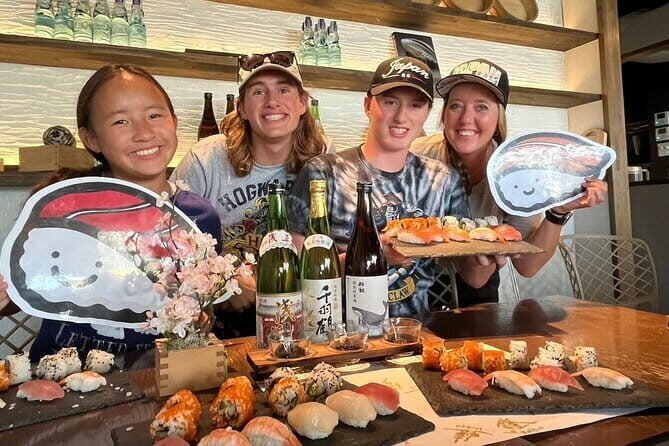
You eat what you make. That’s not a throwaway line; it’s the part that makes the class worth your attention. When your hands produce the sushi, you can actually taste what each instruction changes.
Lunch is included. The included drink plan includes water/green tea at the start and a cool drink with your sushi at the end. Alcoholic beverages are also included, with an original sake tasting available. If you’re not drinking, you’ll still have non-alcohol options built into the flow.
There’s also a practical bonus: you get 10% off all items at the 1F shop on the same day of your workshop visit. That’s useful if you want to take home something related to knives, sushi gear, sauces, or other kitchen items (whatever the shop carries that day). A small discount can turn a fun class into a smarter souvenir.
Finally, the chef’s Q&A time is paired with your meal. You can ask what you should do differently if you want to recreate the sushi later, and you can compare answers against what you’re tasting in real time.
Price and Value: Is $160 Fair for This Format?
At $160 for about 1 hour 45 minutes, you’re paying for a few things at once: a professional chef, English explanations, hands-on instruction, and ingredients served as lunch. You’re also getting sake tasting and a participation certificate.
The value question usually comes down to two factors: how much you actively do, and what’s included. Here, you’re not watching for most of the time. You make 7 nigiri plus additional pieces, then eat them. That active portion is what justifies the price for many people, especially if you’re in Tokyo for a short visit.
The small group size (max 4) also helps value. More personal coaching generally means better learning and a more satisfying outcome with fewer awkward moments trying to catch the instructor’s attention.
If you expected an all-you-can-eat sushi buffet with a huge variety of fish, you might feel the course is more focused than expansive. But if you want technique and a guided chance to make nigiri correctly, the price lines up with what you’re actually doing in the kitchen.
Who This Workshop Fits Best (and Who Might Want Something Else)
This workshop fits you best if you:
- want hands-on sushi making rather than a passive experience
- care about technique, especially fish handling and rice work
- want an English-friendly class so you can follow the steps without guessing
- like compact classes that still result in a full plate of food
It might feel less ideal if you:
- want a very broad menu across dozens of sushi styles
- prefer a class that’s more lecture-based (this one is built around working at your station)
- are hoping for private instruction (the group is small, but not described as private)
One more thought: if you have a strong interest in specific fish types or knife skills, you’ll likely enjoy the fish explanations and prep viewing. But the course focus is on nigiri, gunkan, and a thin roll—so align your expectations with that.
Should You Book It?
Yes, if you want a practical Tokyo food experience that teaches you something you can carry home. The combination of small-group hands-on work, English coaching, and a meal you actually helped make is the real draw.
I’d especially recommend it for first-timers who feel nervous about sushi technique. The format reduces uncertainty: you watch prep up close, you see how the chef assembles nigiri, and then you do it with guidance right there beside you. Add in the chance to ask questions and the sake tasting/lunch inclusion, and you get a class that feels like more than a one-off activity.
If your time in Tokyo is tight, the 1 hour 45 minutes duration keeps it realistic. You’ll come away with skills, not just photos.
FAQ
How long is the Kappodo sushi live workshop?
It runs for about 1 hour 45 minutes.
What sushi styles will I learn to make?
You’ll learn how to make nigiri-zushi, gunkan-style sushi, and a thin roll (which you cut into 6 pieces).
Is there an English-speaking instructor?
Yes. The workshop includes an English-speaking sushi chef who explains the steps.
What’s included with the workshop price?
Lunch is included, along with alcoholic beverages and an original sake tasting option. You also receive a certificate of participation and get a 10% discount at the 1F shop on the same day.
How many people are in a group?
The group size is capped at a maximum of 4 travelers.
Where do I meet, and where does it end?
You meet at Kappodo H.Q / Tokyo D kitchen Studio in Nishiazabu, Minato City. The experience ends back at the meeting point.
Make Something to Take Home


More Tour Reviews in Tokyo



Fresh reviews from around Tokyo






Workshops, compared.
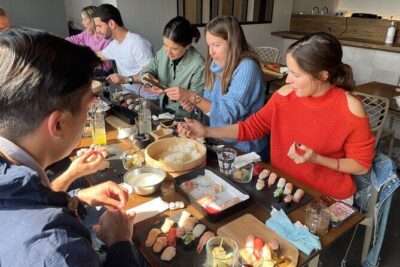 ★ 5.0Sushi Making Tokyo Roll and Authentic Japanese Sushi ClassFrom $593,971 reviews
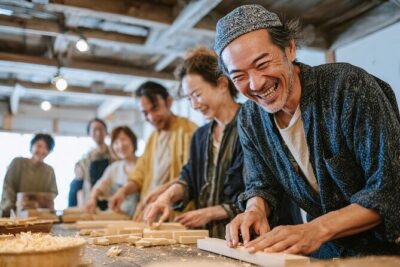 ★ 5.0Tokyo Shinjuku Chopsticks Making ClassFrom $201,763 reviews
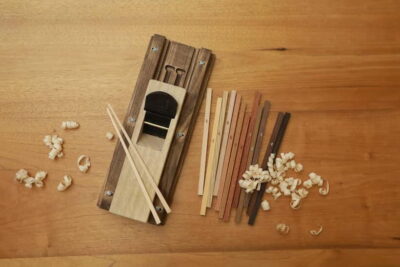 ★ 4.8Chopstick Making Workshop in GinzaFrom $251,366 reviews
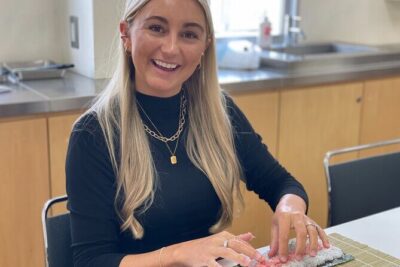 ★ 5.0Tokyo Sushi Making Class in Tsukiji with Professional ChefFrom $491,177 reviews
 ★ 5.0Ramen & Gyoza Cooking Class in Tokyo with Local Supermarket VisitFrom $122823 reviews
 ★ 5.0Matcha Making Class in Tokyo with Authentic Japanese Sweets SetFrom $21744 reviews
 ★ 5.0Samurai Sword & Archery Class from Samurai DescendantFrom $193603 reviews
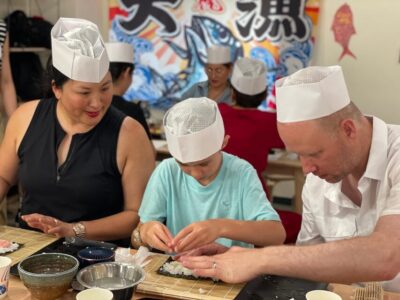 ★ 4.9Tsukiji Fish Market Sushi Making Class with Pro ChefFrom $63506 reviews
Browse the lists this tour appears in