
Reviewed · SHINJUKU BAR HOPPING
Tokyo Ikebana Wellness Art Experience near Shinjuku
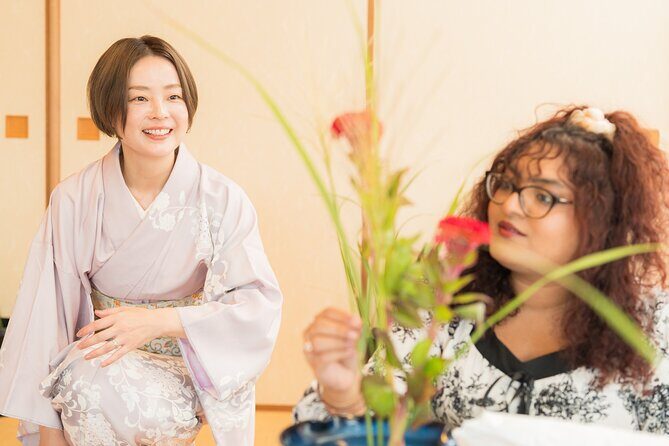
Ikebana turns flowers into a quiet kind of conversation. This small-group workshop near Shinjuku is a beginner-friendly way to learn Japanese flower arrangement with step-by-step guidance from Ai-sensei. You’ll also get the cultural background, not just a craft project.
Two things I really like: first, Ai-sensei teaches in an approachable way for first-timers, so you’re not stuck “guessing” what to do. Second, you take your arrangement home, so the experience keeps paying rent after class. One thing to consider: you’re working with fresh materials, so plan for careful transport back to your hotel.
In This Review
- Key Highlights You’ll Care About
- Finding the Workshop Near Shinjuku (And Why That Helps)
- Your 90 Minutes: How the Lesson Actually Feels
- The 600-Year Story Part: Why the Background Isn’t Just Trivia
- Styles, Vases, and Tools: The Stuff That Prevents Frustration
- The Hands-On Part: Cutting, Height, Balance, and Leaf Placement
- The Take-Home Artwork: Your Bouquet That Doesn’t Vanish in Two Days
- Who This Workshop Fits Best (And Who Might Feel Restless)
- Price and Value: Is $52.71 a Fair Deal?
- Logistics That Save Time (Mobile Ticket, Small Group, Clear Start)
- Should You Book This Ikebana Workshop?
- FAQ
- FAQ
- How long is the Ikebana wellness art experience?
- Do I need any prior experience with Ikebana?
- How big is the group?
- Can I take my arrangement home?
- Where is the meeting point?
- What if I already live in Japan and the booking form asks for passport or flight information?
- Is this experience refundable if I cancel?
Key Highlights You’ll Care About
- Ai-sensei’s clear English teaching for absolute beginners
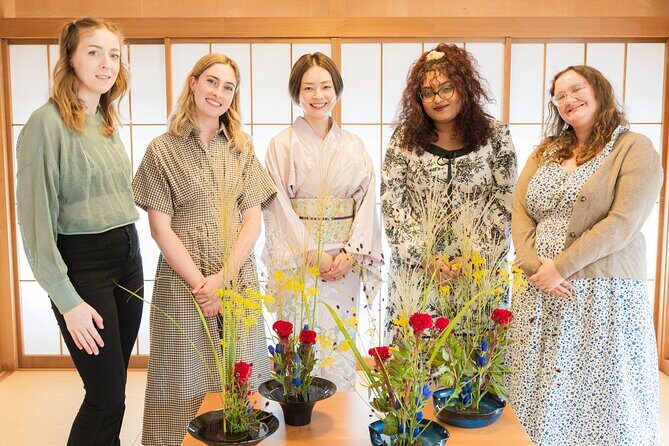
- Small group (max 5) for personal attention and slower pacing
- Seasonal flower and branch handling with practical cutting and placement tips
- History + styles, not just steps, including the 600-year background of Ikebana
- Take-home artwork you can enjoy in your hotel room or at home
Different nights, same neon: more Shinjuku crawls
- Tokyo: Shinjuku Food Tour (13 Dishes at 4 Local Eateries)★ 5.0 · 6,603 reviews
- Tokyo Bar Hopping Tour in Shinjuku (All-You-Can-Drink + Dinner)★ 5.0 · 3,587 reviews
- Tokyo: Shinjuku Food Tour (15 Dishes and 4 Eateries)★ 4.9 · 2,033 reviews
Finding the Workshop Near Shinjuku (And Why That Helps)

The meeting point is in Nakano City, at 3-chōme 8 M SQUARE (Tokyo 164-0001), and the session starts at 1:00 pm. The activity ends back where you start, which matters more than you’d think in a big city. You won’t have to stitch together a second plan right after class.
Also: this place is near public transportation. That’s a big deal when your “souvenir” is living, fresh plant material. You want to minimize time in transit, not gamble with a long walk. The venue is described as a clean, well-kept Japanese-style room, and that calm setting helps you focus on the arrangement instead of the chaos around you.
If you’re staying around Shinjuku, this makes a solid afternoon activity. It’s long enough to learn something real, but short enough that you can still eat well or see a neighborhood after.
Your 90 Minutes: How the Lesson Actually Feels
The whole experience runs about 1 hour 30 minutes. That’s enough time to go from blank tools to a finished arrangement, but it keeps things moving. For first-timers, that’s a plus. You won’t spend the entire time watching; you’ll be hands-on quickly.
You can also expect a calm, guided flow:
- a short intro to Ikebana and what you’re about to make
- then step-by-step creation, with direct coaching as you arrange
Because the group is very small (up to 5), you’re not competing for attention. If something feels confusing—like where a branch should lean or how much to cut—you can get your question answered in the moment.
For language and pacing, you’re covered too. The workshop is set up for visitors who are new to Ikebana, and the guidance includes English instruction. That removes a lot of stress for people who worry they won’t “get it” fast enough.
The 600-Year Story Part: Why the Background Isn’t Just Trivia
Ikebana isn’t only about making something pretty. It’s built around a way of seeing: space, balance, and the personality of each material. The workshop introduces the 600-year-old history and cultural background, which helps explain why the rules feel different from Western-style bouquet arranging.
You’ll also see photos of the instructor’s works during the intro. That’s useful because it gives you a visual reference right away. Instead of thinking, I hope mine turns out okay, you start thinking, I understand the direction we’re aiming for.
One neat detail from what people described after class: even when everyone uses the same flower material, the finished work can look dramatically different. That reinforces the core idea—Ikebana is not cookie-cutter. It lets your choices and your sense of balance show through.
You may also hear connections to broader Japanese cultural aesthetics. One participant mentioned learning about links involving tea culture and a monk named San as part of the historical context. Even if that part is unfamiliar to you, it usually helps the story feel more alive than a textbook timeline.
Styles, Vases, and Tools: The Stuff That Prevents Frustration
A lot of flower workshops fail at one thing: they start hands-on without explaining the “why” behind the tools and container. This one does better.
During the session, you’ll learn about:
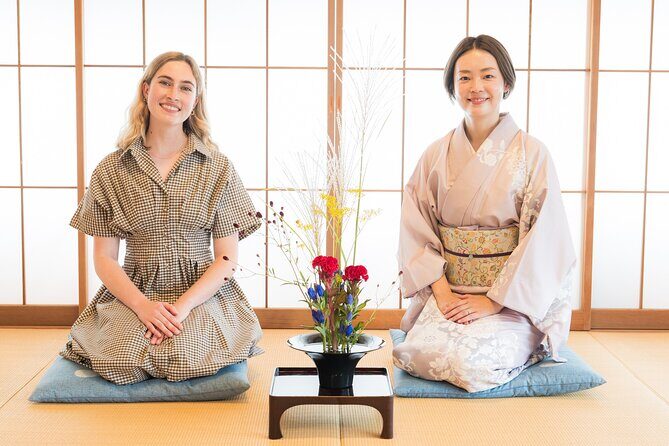
- flower vases and how they relate to arrangement style
- tools of the trade (and how to use them properly)
- main Ikebana styles at a beginner level
That tool-and-vase explanation matters because the container controls the structure. If you pick the wrong approach for the kind of vase you’re using, everything feels off. The coaching here helps you avoid that.
What you’re really learning is the logic. Even if you don’t remember every term, you’ll feel the structure while you’re making it—where the lines go, how height changes the mood, and how removing or repositioning one element can completely change the finished look.





The Hands-On Part: Cutting, Height, Balance, and Leaf Placement
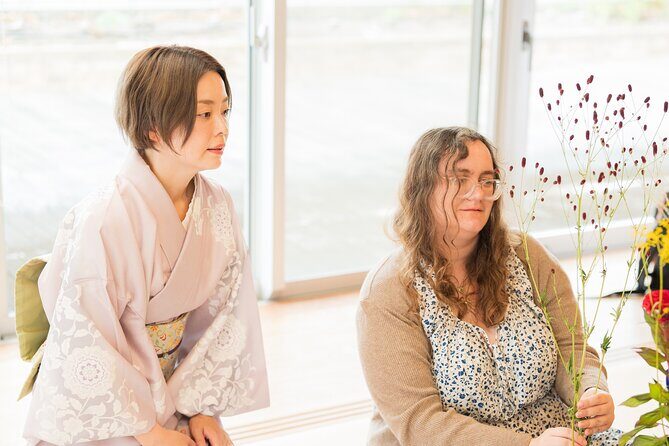
This is the heart of the experience. You’ll make your own Ikebana arrangement with step-by-step guidance, and you should expect a lot of “small change, big effect” moments.
From participant descriptions, some of the coaching that lands best looks like this:
- deciding the direction of branches so the arrangement has a clear line
- learning how to cut materials and handle them with care
- understanding balance—where the weight visually sits
- noticing how small tweaks (like changing height) alter the entire feel
One person described how the arrangement looked completely different just by adjusting the height of a chrysanthemum and changing leaves or branches. Another described how removing a single leaf could change the vibe. That’s exactly the kind of lesson that turns a confusing craft into a controllable skill.
And because it’s a small group, you can watch others working too. Seeing multiple arrangements made from the same materials is a fast way to understand that “correct” in Ikebana is not one single answer. It’s a set of principles you apply differently.
You’ll likely also touch on the seasonal side of things. Several participants noted that they liked working with flowers and branches that feel tied to the time of year. That’s part of Ikebana’s charm: it’s not just “a plant.” It’s a snapshot of season and form.
The Take-Home Artwork: Your Bouquet That Doesn’t Vanish in Two Days
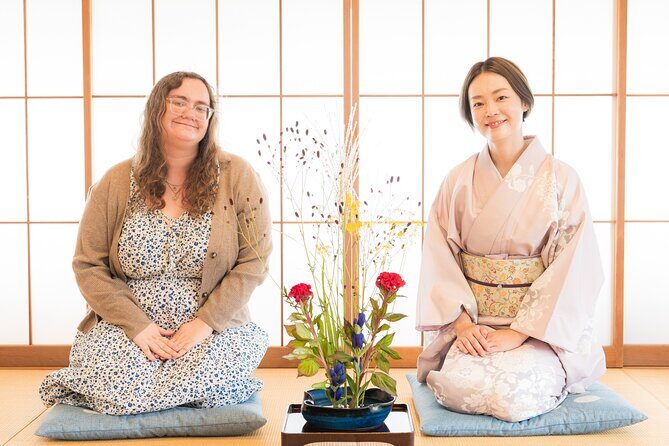
The workshop includes take-home artwork. That means your arrangement isn’t just a photo op. You can bring it with you and enjoy it during your stay—like in your hotel room.
Fresh materials also mean you should think a little about care and transport. The experience doesn’t spell out a specific aftercare routine in the provided details, so you’ll want to follow whatever tips Ai-sensei shares for your particular arrangement. But at a practical level, treat your piece like something delicate: steady handling, short transit time, and keep it away from harsh conditions when you arrive.
The big value here is continuity. Many sightseeing activities are done and gone. This one turns into an ongoing reminder of Japan’s aesthetics and mindfulness—especially if you place it somewhere you’ll naturally see it.
Who This Workshop Fits Best (And Who Might Feel Restless)
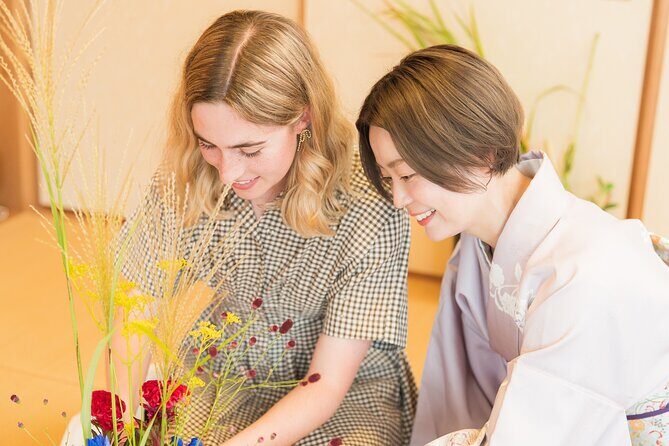
This class is built for beginners and most ages, and it’s described as having no prior experience needed. If you like calm activities, hands-on making, and learning cultural context as you go, you’ll probably relax fast.
It’s also a great fit if you’re with:
- a friend who wants a shared low-pressure activity
- a solo traveler who wants something social but quiet
- families (the workshop is described for participants of all ages)
Men were also mentioned as enjoying the session, so don’t assume it’s “only for certain types of tourists.” Ikebana is surprisingly direct: you cut, place, adjust, and learn the structure.
One caution: if you hate sitting still for 90 minutes or you expect a high-energy show, this may feel mellow. Ikebana is about attention. The payoff is peace plus a tangible result.
Price and Value: Is $52.71 a Fair Deal?
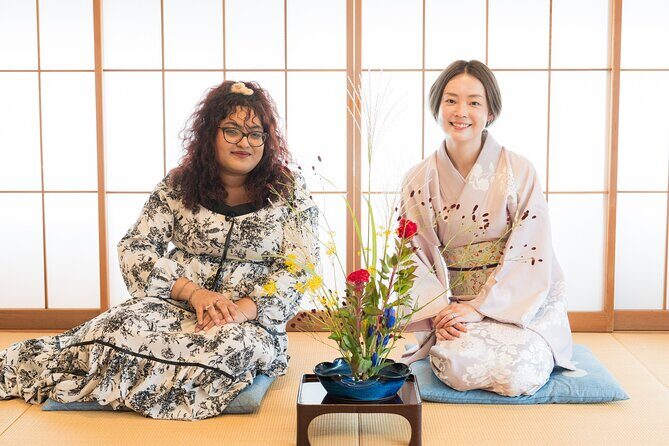
At $52.71 per person for about 1 hour 30 minutes, you’re paying for more than “someone demonstrating.” You’re getting:
- cultural intro to the 600-year background
- explanation of styles, vases, and tools
- hands-on guidance as you build your own arrangement
- a take-home piece made with the materials used in class
In other words, the price buys instruction time and materials, plus the finished outcome you keep. For central Tokyo, that’s a pretty sensible value proposition—especially if you’d otherwise spend money on single-purpose souvenirs.
There’s also a practical scheduling value. On average, this is booked about 22 days in advance, so the workshop isn’t always available last-minute. If you want a spot, plan ahead.
Logistics That Save Time (Mobile Ticket, Small Group, Clear Start)
A few details matter day-of:
- You’ll receive a mobile ticket.
- Confirmation is received at booking.
- The tour has a maximum of 5 travelers, so the pacing stays friendly.
- The start time is 1:00 pm, and it ends back at the meeting point.
Also, if you’re already in Japan, you won’t need passport or flight info—if any field asks, the instruction is to enter N/A. That’s one less hurdle when you’re just trying to enjoy your trip.
Should You Book This Ikebana Workshop?
I’d book it if you want a Japanese experience that feels personal. This one gives you direct coaching in English, a structured introduction, and a finished arrangement you take home. The small-group size and the focus on balance and placement make it beginner-friendly without feeling watered down.
Skip it only if you want a major “sightseeing” day, because this is about making and learning, not touring landmarks. Also, if you’re worried about transporting fresh flowers, keep your route simple and get ready to handle your piece carefully.
If you want a calm, hands-on way to understand Japanese aesthetics—space, form, and season—this workshop is a strong choice.
FAQ
FAQ
How long is the Ikebana wellness art experience?
It lasts about 1 hour 30 minutes (approx.).
Do I need any prior experience with Ikebana?
No. The workshop is designed for beginners and people with no prior experience.
How big is the group?
The experience is a maximum of 5 travelers.
Can I take my arrangement home?
Yes. You can bring your arrangement with you and enjoy it during your stay.
Where is the meeting point?
The start and end point is M SQUARE, 3-chōme 8, Nakano, Nakano City, Tokyo 164-0001. The activity starts at 1:00 pm.
What if I already live in Japan and the booking form asks for passport or flight information?
The instructions say you do not need passport number or flight information if you’re already in Japan. If requested, enter N/A in those fields.
Is this experience refundable if I cancel?
No. This experience is non-refundable and cannot be changed for any reason. If you cancel or ask for an amendment, the amount you paid is not refunded.
More Tour Reviews in Tokyo



Shinjuku After Hours: The Other Crawls


Fresh reviews from around Tokyo






Shinjuku Bar Hopping, compared.
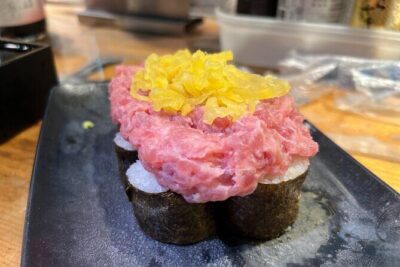 ★ 5.0Shinjuku Food Tour (13 Dishes at 4 Local Eateries)From $866,603 reviews
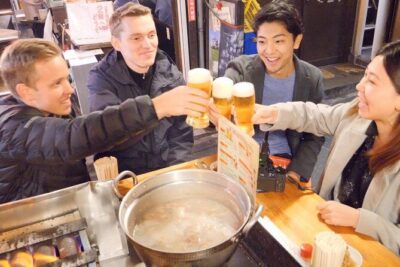 ★ 5.0Tokyo Bar Hopping Tour in Shinjuku (All-You-Can-Drink + Dinner)From $1063,587 reviews
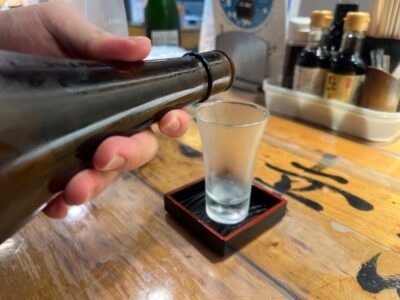 ★ 4.9Shinjuku Food Tour (15 Dishes and 4 Eateries)From $852,033 reviews
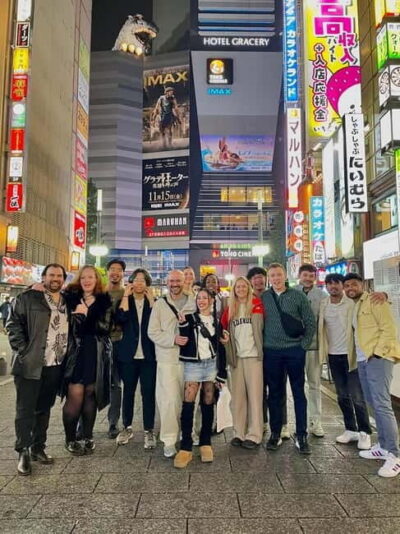 ★ 4.9Shinjuku Local Bar and Izakaya Guided Walking TourFrom $341,794 reviews
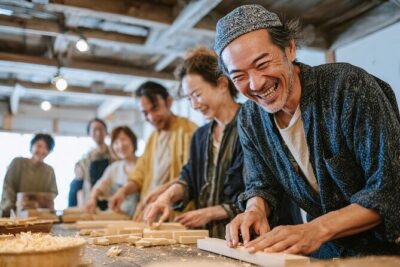 ★ 5.0Tokyo Shinjuku Chopsticks Making ClassFrom $201,763 reviews
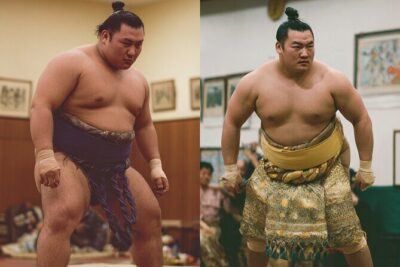 ★ 5.0Tokyo Shinjuku Sumo Show & Experience with PhotoFrom $791,750 reviews
 ★ 5.0Tokyo Night Foodie Tour in Shinjuku – Seasonal Sushi, Wagyu BeefFrom $1111,161 reviews
 ★ 4.8Sumo Show and Experience in ShinjukuFrom $691,001 reviews
Browse the lists this tour appears in