
Reviewed · TSUKIJI FISH MARKET TOURS
Tokyo: Explore Authentic Japanese Food Culture at Tsukiji
Tsukiji can look like a maze, but this 3-hour food walk turns it into a clear game plan. I like that you don’t just watch from the sidelines; you learn where to go, what to try, and how locals snack their way through the market. I also like the respectful start and finish: Tsukiji Hongan-ji and Namiyoke Shrine (波除神社) anchor the meal stops in the real worker culture behind the food. One drawback: this is not built for vegans or for anyone with food allergies, since the included tastings involve seafood and meat.
In This Review
- A Small Group, Food-First Tour (That Still Leaves Space)
- Key highlights
- Tsukiji Outer Market: Why This Is Still Worth It
- Starting With Tsukiji Hongan-ji: A Quick Orientation With Meaning
- The 2-Hour Outside Market Walk: How the Guide Keeps It Fun
- Snacks Included: What You’ll Taste and Why It Works
- Lunch After the Tastings: A Simple Way to Eat Smarter
- Namiyoke Shrine (波除神社): Ending With the Worker Story
- Price and Value: What $99 Buys in Real Terms
- Who This Tour Fits Best (And Who Should Skip It)
- Practical Tips Before You Go
- Should You Book This Tsukiji Food Tour?
- FAQ
- How long is the Tsukiji food tour?
- What is included in the price?
- Is lunch included?
- Where do I meet the guide?
- Which shrines does the tour visit?
- Does the tour accommodate vegans or people with allergies?
- Is the tour wheelchair accessible?
- How big is the group, and what language is the guide?
- Is there a cancellation option if plans change?
A Small Group, Food-First Tour (That Still Leaves Space)
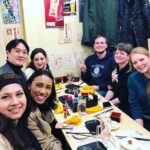
With a small group limited to 6, the pacing stays friendly and you can ask questions while you’re actually eating. You’ll get an English-speaking guide, a couple of photo stops, and a snack lineup designed to cover salty, smoky, and briny flavors without dragging you into a full sit-down lunch. Main consideration: the tour is not wheelchair accessible, and you’ll be walking around the market area.
Still hungry? More Tsukiji breakfasts and market walks
- Tokyo Tsukiji Fish Market Food and Culture Walking Tour★ 5.0 · 3,184 reviews
- Tokyo: Tsukiji Fish Market Food and Walking tour★ 5.0 · 1,724 reviews
- Tokyo: Tsukiji Fish Market Guided Walking Tour★ 4.9 · 1,397 reviews
Key highlights
- English-speaking guide leads a 2-hour Tsukiji Outer Market stroll with tastings
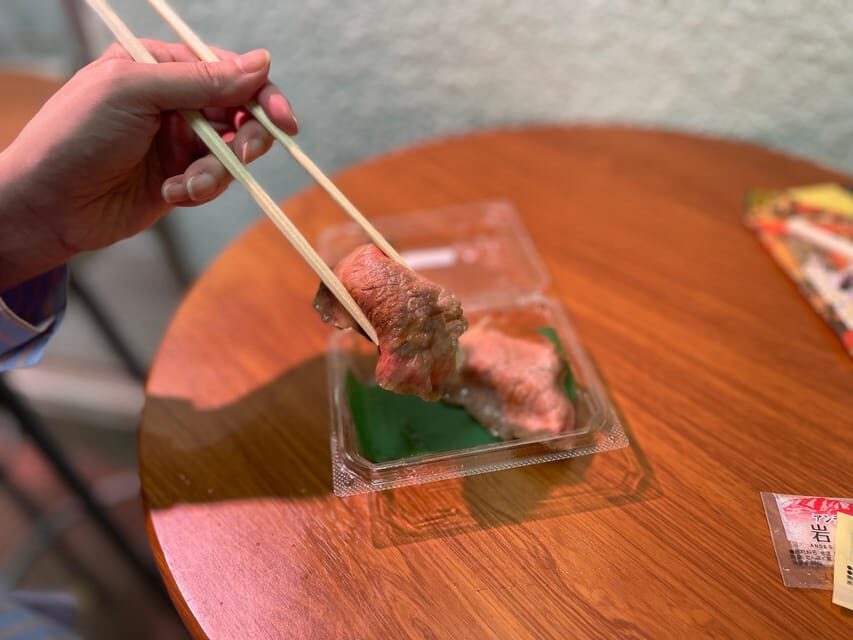
- Snacks included: seasoned seaweed, dried fish, roast beef sushi, and oysters or sashimi plus bean snacks
- Tsukiji Hongan-ji gets you oriented fast with a guided visit and photo stop
- Namiyoke Shrine (波除神社) connects your food break to the people Tsukiji serves
- Finish point at 波除神社 makes it easy to continue your day on foot nearby
Tsukiji Outer Market: Why This Is Still Worth It
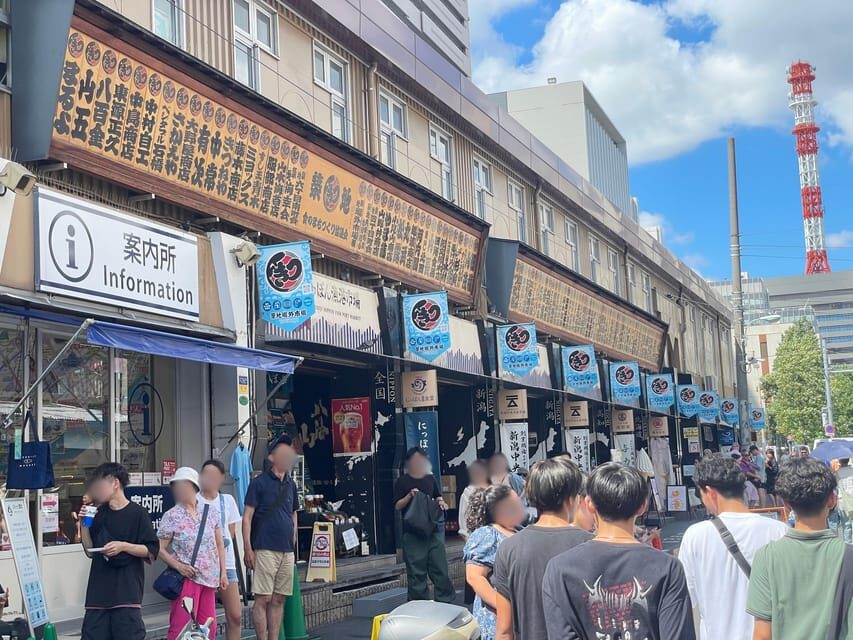
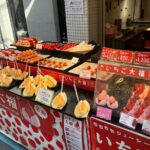
Tsukiji is famous for fish, but after the old wholesale market closed, the area shifted into something you can actually explore on foot. The Tsukiji Outer Market is where you still find the everyday food energy: stalls, take-away bites, and cooks and shopkeepers selling things you can eat immediately.
What I like about doing it with a guide is simple: Tsukiji isn’t hard because it’s “mysterious.” It’s hard because it’s dense. You’ll move through lanes where the best items are often sold by the handful, not by the menu. A good guide helps you spot what’s recommended, then explains how to enjoy it instead of letting you wander blind with a “maybe this?” mindset.
You’ll also get the useful context that this area used to sit next to the former Tsukiji market, which was Tokyo’s central wholesale hub for years. Even now, it’s still a common stop for people who want real Japanese market food, not a generic souvenir circuit.
Starting With Tsukiji Hongan-ji: A Quick Orientation With Meaning
Your tour starts at Tsukiji Hongan-ji Temple, meeting outside the main gate. This first stop matters because it sets a calm tone before the snack sprint begins. You get a brief photo stop and a guided visit (about 20 minutes), which is just enough time to get oriented without stealing your appetite.
Hongan-ji isn’t just a pretty pause. It helps you understand that Tsukiji is a workplace culture, not only a sightseeing brand. When you start with a temple visit in the middle of a food district, you automatically slow down and pay attention to what the area represents: people, routines, and a daily flow of offerings that go beyond eating.
If you like learning how food neighborhoods got their identity, this first stop gives you a framework you can carry into the market lanes.
The 2-Hour Outside Market Walk: How the Guide Keeps It Fun
The biggest chunk of the tour is the Tsukiji Outer Market portion, roughly 2 hours. This is where you’ll do the classic “walk, stop, taste, repeat” rhythm—plus shopping at recommended stores at your own pace.
You can expect:
- photo stop moments as you pass key spots
- guided time for practical eating choices
- multiple local snack tasting stops
- time to buy your own favorite lunch later
A smart thing here is that the tastings are arranged so you don’t end up overly full too early. You’ll sample several items along the way, then you’re still hungry enough to make a lunch decision that fits your tastes and your energy level.
Tsukiji can feel chaotic if you go alone. With a small group and a guide calling the shots, it becomes a manageable route. You get the fun of discovery without the stress of guessing where to stand and what to buy.
Other plates worth crossing Tokyo for


Snacks Included: What You’ll Taste and Why It Works
The included snacks are designed to give you a fast cross-section of Tsukiji flavors. These aren’t just random bites; they’re classic market-style items you can actually build a meal around mentally.
You’ll receive:
- seasoned seaweed
- dried fish
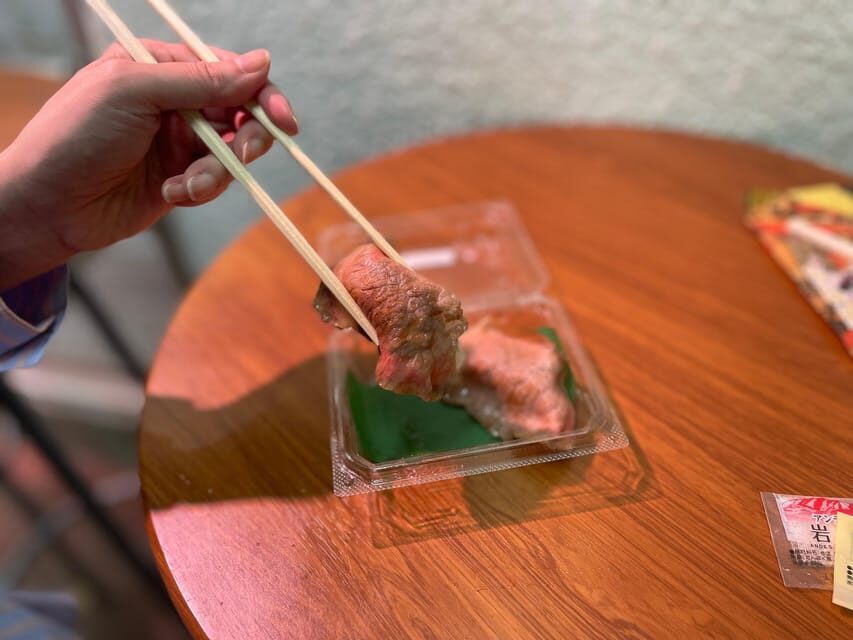
- roast beef sushi
- oysters or sashimi
- bean snacks
Here’s how that lineup helps you learn Japanese food culture in a practical way.
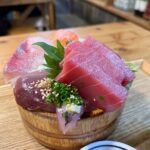
Seaweed teaches the “snack logic” of Japanese markets: small, salty, and easy to eat while walking. Dried fish gives you a different texture and a stronger umami punch, so you don’t end up thinking the whole area tastes the same. Then the tour shifts you into “you’re standing in front of the sea” mode with oysters or sashimi. Even if raw seafood isn’t your dream every day, this is a common Tsukiji pairing point for learning what people actually reach for.
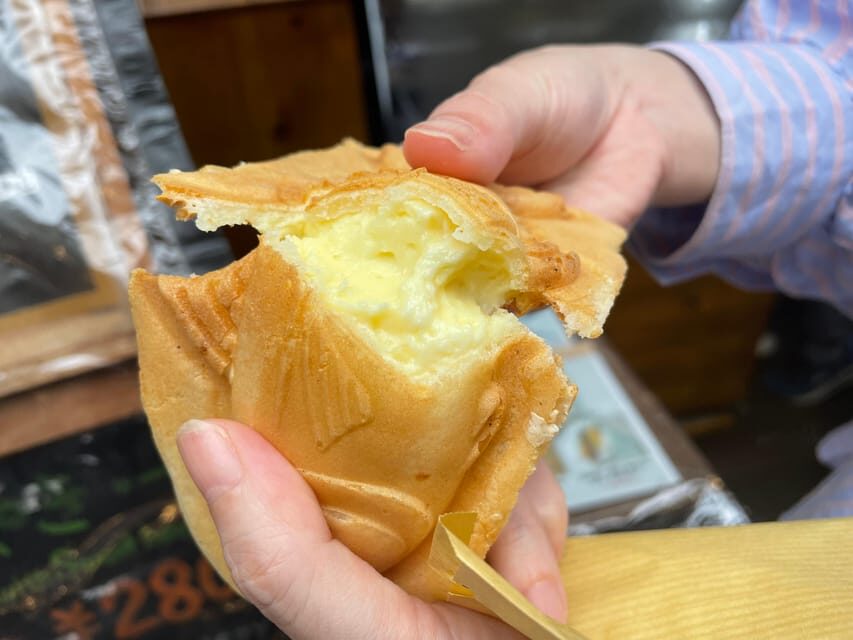
And the roast beef sushi is a useful surprise. It’s not the most stereotypical fish-market item, which means you get a broader view of what people snack on right there in the outer market.
Important note: snacks can include seafood and meat. If you have allergies, the tour info is clear that people with food allergies aren’t suitable. If you have other dietary restrictions, you should treat this as a serious compatibility issue.
Lunch After the Tastings: A Simple Way to Eat Smarter
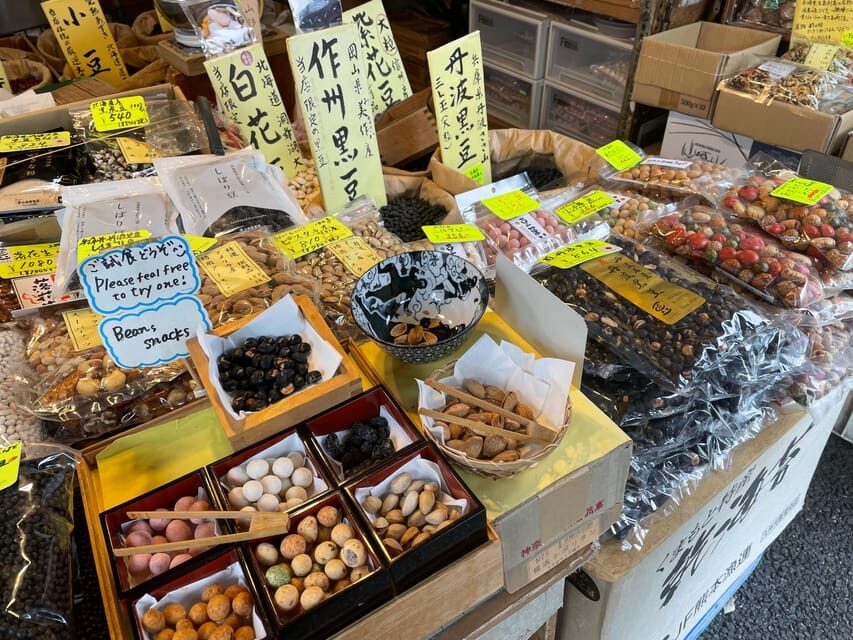
Lunch is not included, but you’re given a clear structure later in the tour. At some point you’ll have the chance to buy a lunch on your own and enjoy it alongside the snacks you already purchased on the tour.
That structure is useful because it keeps your choices flexible. You won’t feel forced into one set meal because you already committed your appetite to a package. Instead, you can decide what sounds best after you taste what the market offers.
Here’s how I’d think about it on the day:
- If the oysters or sashimi was a win, go for a lunch that keeps the seafood theme.
- If you preferred the crunchy, savory snack items, look for something that won’t feel heavy right after dried fish and seaweed.
- If you’re a slow eater, don’t buy lunch too early; use the snack phase first to guide your decision.
Also remember that shopping costs at each store depend on what you pick. The guide helps you choose, but you stay in control of the exact purchases.
Namiyoke Shrine (波除神社): Ending With the Worker Story
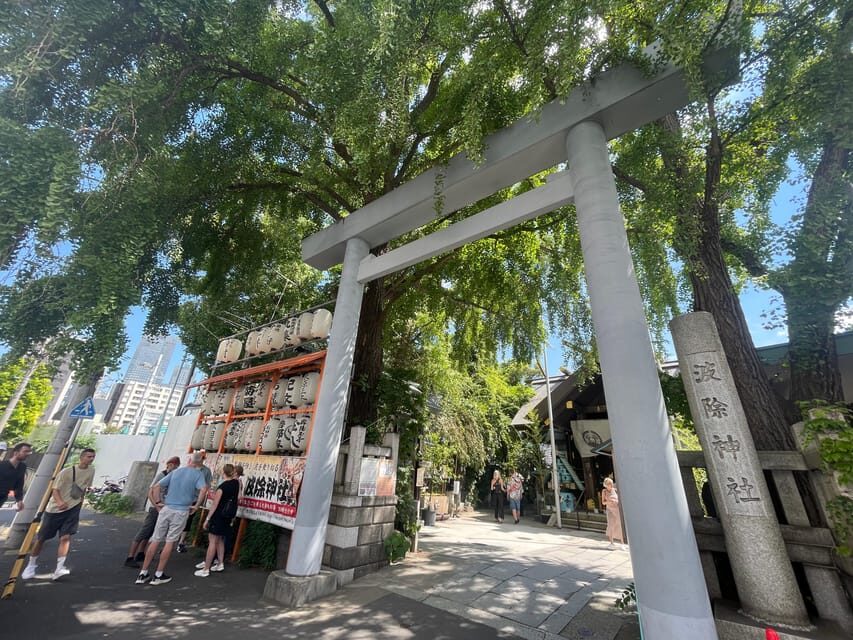
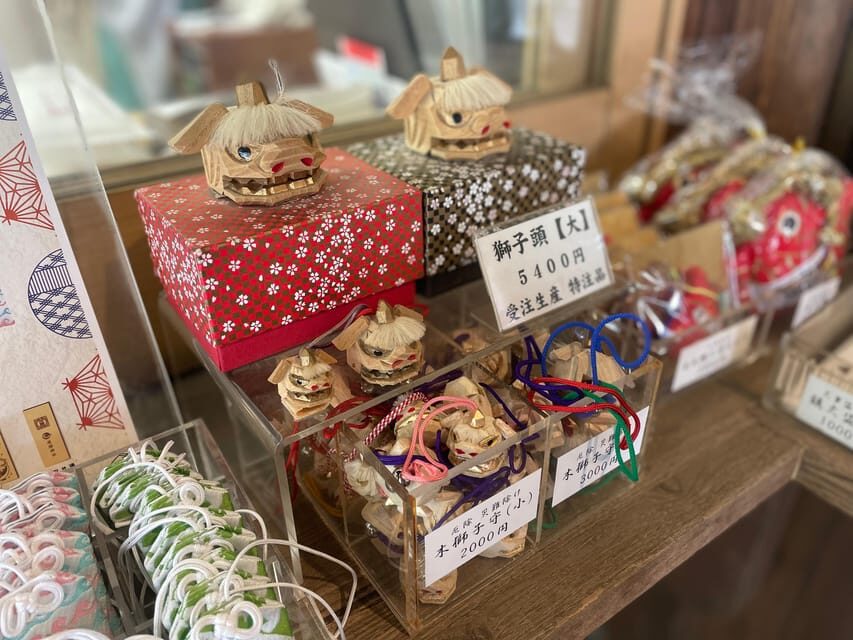
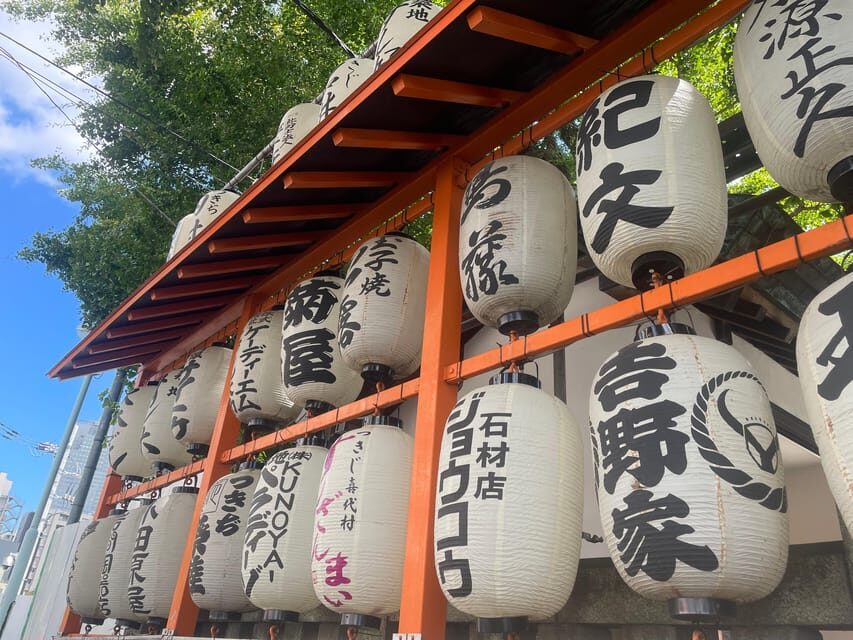
Your tour finishes at 波除神社, the Namiyoke Shrine. The key detail here is what the shrine supports: workers in Tsukiji.
This is the kind of stop that can be easy to skip if you treat everything like a photo opportunity. But if you pay attention, it changes the tone of the day. After you’ve tasted food tied to the market’s daily rhythms, ending at a shrine connected to worker support turns your snack run into something more grounded.
It also makes a nice capstone for your navigation. You get your bearings at the start with Hongan-ji, then you move through the market zone, then you exit the area with a clear final point.
If you’re planning what to do next, finishing at 波除神社 is convenient for continuing your day nearby on foot.
Price and Value: What $99 Buys in Real Terms
At $99 per person for a 3-hour outing, this isn’t a “grab a ticket and wander” deal. You’re paying for three things you’d struggle to replicate on your own:
- an English-speaking guide who can route you through a maze-like area
- included tastings that cover multiple tastes and textures
- time efficiency (you’re not guessing where to buy, what to order, or what’s worth it)
Could you do Tsukiji on your own with snacks you choose individually? Sure. But the value here is that you’re not paying simply for food. You’re paying for guidance on what to try, plus the structure of a guided route that keeps the experience enjoyable instead of exhausting.
The small group size (limited to 6) also matters. For markets, crowded tours often mean rushing and losing quality time with the guide. Here, the pacing stays more human, and you can ask questions while you’re eating.
Who This Tour Fits Best (And Who Should Skip It)
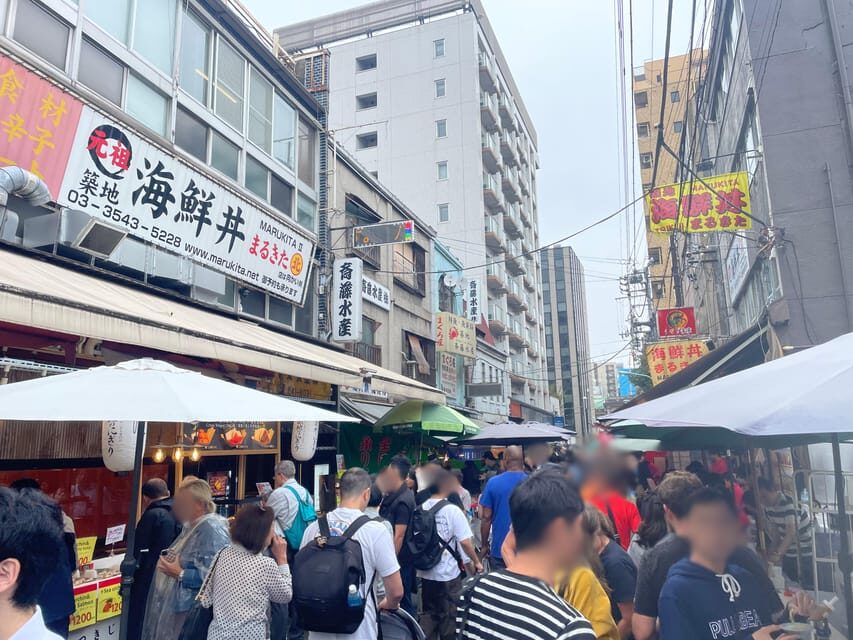
This tour is a strong match if you:
- want to understand Japanese food culture through market-style eating, not just watching
- enjoy light meals and tastings more than a full formal lunch
- like practical guidance from an English-speaking guide as you move through busy areas
- appreciate connecting food experiences to the people behind them, not only the sights
It’s not a good fit if you:
- need wheelchair accessibility (this tour is not wheelchair accessible)
- are vegan (the tour is not suitable for vegans)
- have food allergies (the tour is not suitable for people with food allergies)
If your main goal is classic Tokyo dining with no standing-in-markets time, you might find the market walking style less appealing. But if you like food stops that happen quickly and honestly, this is right in its lane.
Practical Tips Before You Go
A market tour is at its best when you show up ready to eat and move.
A few things I’d plan for:
- Wear shoes you can stand and walk in for the whole market portion.
- Expect you’ll be eating multiple small items, including seafood options, so don’t schedule a huge meal right before.
- Bring your curiosity, not just your appetite. The guide is there to help you order and enjoy, which is half the fun.
- If you have dietary limitations beyond what the tour allows, treat this as a “double-check first” situation rather than assuming substitutions.
And if you’re lucky enough to get Haruka as a guide, that name comes up for a reason: people describe her as amazing at navigating Tsukiji and getting you to the best spots while keeping things friendly and organized in a place that can feel overwhelming.
Should You Book This Tsukiji Food Tour?
Yes, if you want a guided way to experience Tsukiji beyond the headlines. The combination of a small group, an English-speaking guide, and included tastings makes the $99 feel more like “access and coaching” than “just food.”
Skip it if you’re vegan, need wheelchair access, or have any food allergy concerns. This tour’s snack plan is built around classic market items that include seafood and meat, and that’s not a detail to overlook.
If you’re the type who likes learning how people actually snack—seaweed, dried fish, sushi variations, oysters or sashimi—and finishing with a worker-focused shrine connection, this is a smart, memorable use of a few hours in Tokyo.
FAQ
How long is the Tsukiji food tour?
The tour lasts about 3 hours.
What is included in the price?
The included items are an English-speaking guide plus snacks such as seasoned seaweed, dried fish, roast beef sushi, oysters or sashimi, and bean snacks.
Is lunch included?
No. Lunch is not included. You may purchase your own lunch later during the tour.
Where do I meet the guide?
Meet outside of the main gate of the temple at Tsukiji Hongan-ji.
Which shrines does the tour visit?
You’ll visit Tsukiji Hongan-ji and Tsukiji Namiyoke Shrine (波除神社).
Does the tour accommodate vegans or people with allergies?
No. The tour is not suitable for vegans or for people with food allergies.
Is the tour wheelchair accessible?
No. This tour is not wheelchair accessible.
How big is the group, and what language is the guide?
It’s a small group limited to 6 participants, and the live guide speaks English.
Is there a cancellation option if plans change?
Yes. Free cancellation is available up to 24 hours in advance for a full refund.
Eat Your Way Round Tokyo

More Tour Reviews in Tokyo





Back to the Market: More Tsukiji Tours



Fresh reviews from around Tokyo






Tsukiji Fish Market Tours, compared.
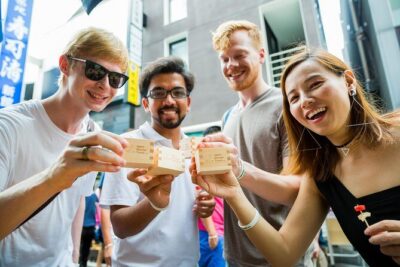 ★ 5.0Tokyo Tsukiji Fish Market Food and Culture Walking TourFrom $993,184 reviews
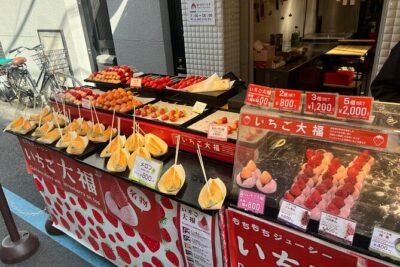 ★ 5.0Tsukiji Fish Market Food and Walking tourFrom $301,724 reviews
 ★ 4.9Tsukiji Fish Market Guided Walking TourFrom $221,397 reviews
 ★ 5.0Tokyo Sushi Making Class in Tsukiji with Professional ChefFrom $491,177 reviews
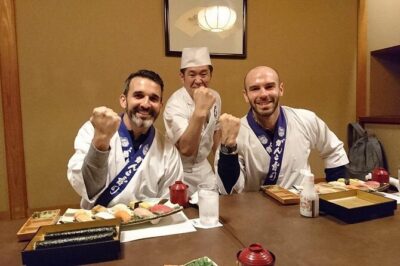 ★ 5.0Tsukiji Fish Market Guided Tour and Sushi Making with Pro ChefFrom $104775 reviews
★ 4.7Tsukiji Fish Market Food and Culture Walking TourFrom $96757 reviews
★ 5.0Tsukiji Fish Market Guided Tour and Sushi Making with Pro ChefFrom $104775 reviews
★ 4.7Tsukiji Fish Market Food and Culture Walking TourFrom $96757 reviews
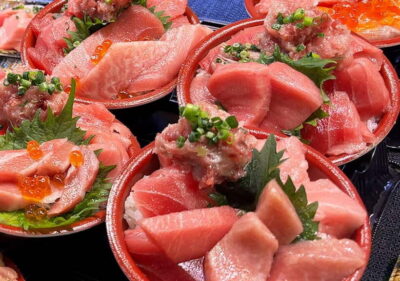 ★ 5.0Tsukiji Fish Market: Street Food & Culture Walking TourFrom $33669 reviews
 ★ 5.0Tsukiji Fish Market Small-Group Food Walking TourFrom $87621 reviews
Browse the lists this tour appears in